
How to Dress for Changing Weather on Antelope Island
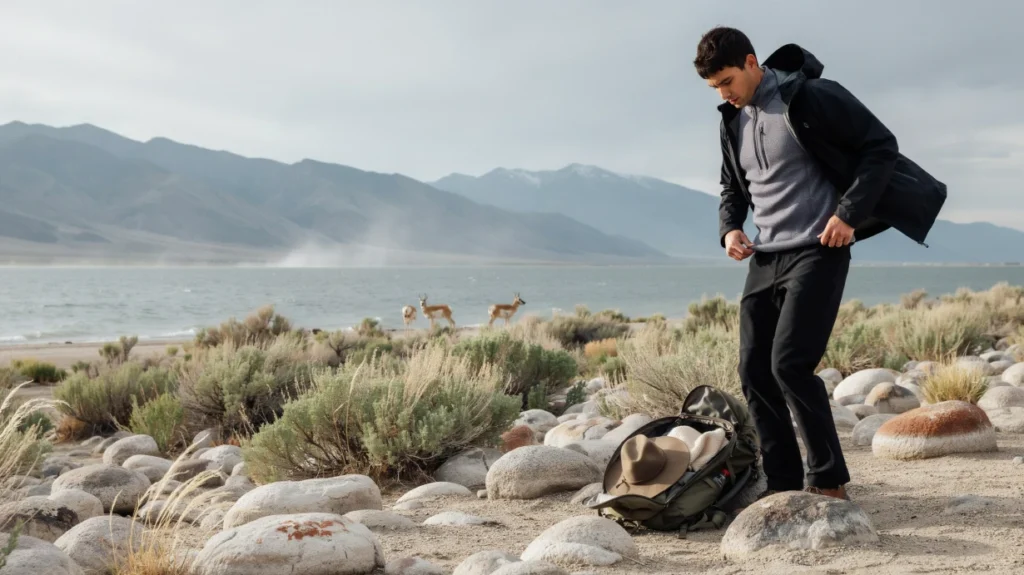
Dress for Antelope Island with breathable base layers, a warm midlayer, a compact wind shell, sun protection, and closed-toe walking shoes. Add a fine-mesh head net from April through June.
A sunny shoreline stop can feel completely different from a breezy viewpoint later the same day. As Dmytro, a nature-tour guide, I plan Antelope Island outings around that contrast because our 7-hour route moves guests between a climate-controlled vehicle, open beach areas, short trails, wildlife stops, and elevated overlooks.
This is a practical clothing and daypack guide for visitors joining an Antelope Island day trip from Salt Lake City. The goal is not specialized outdoor gear. It is a compact, adjustable outfit that remains comfortable when lake wind, strong glare, changing elevation, insects, and time of day all affect how the island feels.
Why does clothing matter so much on Antelope Island?
Clothing matters because Antelope Island can deliver several distinct conditions during one day, from a cool departure to hot sun and a windy ridge. A small layer system is more useful than one heavy outfit because it lets you respond quickly without overpacking.
Antelope Island State Park can experience daily temperature changes of 30°F or more. The island also ranges from about 4,200 feet to 6,596 feet in elevation, so higher viewpoints can feel noticeably cooler than lakeshore locations.
We operate the Antelope Island Tour from Salt Lake City — From $120 | Matei Travel as an approximately 7-hour experience with hotel pickup, a modern Mercedes Sprinter, and a maximum of 13 guests. That full-day structure is why we recommend clothing that works for long stretches away from a hotel rather than an outfit chosen only for the forecast at departure time.
How does Antelope Island weather change during a single day?
Antelope Island weather changes through exposure, elevation, wind, and the sun’s position, not only through the stated air temperature. A warm car ride or sheltered stop can be followed by a cool, exposed overlook within a short drive.
Wind off the Great Salt Lake can make an otherwise mild temperature feel cooler, especially at Buffalo Point Trail and other elevated locations. Direct sun and reflected glare can feel intense at beach areas, scenic pullouts, and open paths where there is little shade.
Conditions can also shift rapidly, so check the official Antelope Island State Park forecast the evening before departure and again on tour morning. Treat the forecast as a starting point, then pack one extra light layer and a compact outer shell for the conditions that develop after you leave Salt Lake City.
Use the elevation rule
Pack for the coolest exposed stop rather than the warmest parking area. If you are comfortable standing still for several minutes in wind with your shell and midlayer on, your outfit is likely adequate for a viewpoint or sunset stop.
- Lakeshore and beach areas: Expect sun, glare, wind, and seasonal insects.
- Scenic peaks and Buffalo Point Trail: Expect more exposed wind and cooler-feeling conditions.
- Vehicle time: Use the Mercedes Sprinter to remove or add layers before arriving at the next stop.
- Late-day stops: Bring back the insulation layer before you feel chilled, particularly when the sun lowers.
 Secret Find!
Antelope Island – Wild Heart of the Great Salt Lake Adventure
from $120 · 6-7 hours · up to 13 persons
Secret Find!
Antelope Island – Wild Heart of the Great Salt Lake Adventure
from $120 · 6-7 hours · up to 13 persons
Promo code for this tour
10% OFF this tour
You found a hidden promo code! Use it at checkout.
Limited time offer. Book now and save!
What does a typical 7-hour Antelope Island tour require you to wear?
A typical tour outfit must work for short walks, uneven ground, beach edges, wildlife viewing, and comfortable riding between stops. You do not need expedition equipment, but sandals and one-purpose city clothing can limit comfort at the more exposed parts of the route.
Our standard route includes bison viewing stops, Fielding Garr Ranch, a stroll at Bridger Bay Beach, a short hike to scenic viewpoints, and time at Buffalo Point Trail. We routinely plan for guests to move between the vehicle, flat shoreline terrain, and breezier elevated viewpoints, so each person should be able to add a layer without changing their whole outfit.
For trail-specific expectations, read our guide to short walks on an Antelope Island tour before deciding between casual sneakers and more supportive walking shoes. The walks are short, but the surfaces and weather exposure still make footwear and layers relevant.
We include park entrance, bottled water, hot beverages such as tea, coffee, or hot chocolate, and granola bars on our Antelope Island tours. Those provisions help with hydration, warmth, and energy changes through the day, while guests remain responsible for personal clothing, sunscreen, sunglasses, insect protection, and any needed food beyond the included snack.
What is the best layer system for Antelope Island?
The most reliable system has three wearable layers: a breathable base, a removable insulating layer, and a lightweight wind-resistant outer layer. Keep the extra layers in a small daypack so they are available at every stop instead of left in your hotel room.
We schedule departures around 8:30 am and 2:30 pm, and we also run the Antelope Island Sunset Wildlife Expedition – Great Salt Lake Odyssey. We intentionally account for cooler mornings or evenings as well as warmer midday conditions, which is why a layer you can remove and carry matters more than a bulky coat that becomes inconvenient in the afternoon.
Must-do clothing choices
- Breathable base layer: Wear a T-shirt or long-sleeve top that remains comfortable during a short walk and does not feel heavy when temperatures rise.
- Light insulating layer: Pack a fleece, light sweater, or similar warm layer for early starts, wind, higher viewpoints, and sunset.
- Compact shell: Bring a lightweight jacket that blocks wind and can handle a brief change in weather. It should fit over your warm layer.
- Comfortable walking bottoms: Choose pants, leggings, or shorts appropriate to the season and your insect exposure. Long pants are particularly useful in spring.
Should-do additions
- Sun-covering layer: A lightweight long-sleeve shirt gives you a flexible option when sunshine or insects make bare arms less comfortable.
- Small daypack: Use it for your shell, midlayer, water, sunglasses, sunscreen, and head net rather than carrying items in your hands.
- Spare socks: Pack one pair if damp ground, beach walking, or a long day in shoes would make a dry change welcome.
Nice-to-do items
- Light gloves: Useful for a cool-season morning or a sunset viewpoint when your hands are exposed to wind.
- Warm beanie: A compact option for fall and winter, especially when your hat for sun protection is not warm enough.
- Moisturizing cream: A small amount can be useful in the dry, exposed environment.
What should you wear in each season?
Your seasonal checklist should change most for insects, insulation, and sun coverage. The core principle stays the same: begin with layers that can be added or removed during the day.
| Season | Wear | Pack in your daypack | Priority concern |
|---|---|---|---|
| Spring | Long sleeves, long pants, walking shoes | Midlayer, wind shell, fine-mesh head net, hat | Wind, rapid temperature changes, biting midges |
| Summer | Breathable shirt, lightweight pants or shorts, sun hat | Long-sleeve sun layer, shell, extra water capacity | Strong sun, glare, hot afternoons, wind |
| Fall | Base layer, long pants, walking shoes | Fleece or sweater, shell, warm hat if needed | Cooler starts and late-day temperatures |
| Winter | Warm base layer, insulating midlayer, long pants | Wind shell, gloves, warm hat, extra insulation | Cold exposure and wind at open viewpoints |
Spring: dress for insects as well as wind
Spring requires the most deliberate clothing choices. Biting midges, often called no-see-ums, are especially active from April through June, and park guidance notes that standard insect repellent may not deter them reliably.
Wear light-colored, loose-fitting long sleeves and long pants when practical, especially for shoreline stops. Pack a fine-mesh head net that fits over a brimmed hat; it is the most targeted item for face and neck comfort during peak midge season.
Summer: prioritize sun control without losing your wind layer
Summer visitors often focus on heat and leave the outer layer behind. Keep a light shell anyway, since wind can still change the feel of an exposed overlook, while a breathable long-sleeve shirt gives you an alternative to constant direct sun exposure.
A wide-brimmed hat or cap, sunglasses, and sunscreen belong in the daypack before departure. Reapply sunscreen as needed, particularly after extended outdoor stops.
Fall: plan for a broader temperature range
Fall clothing should be built around a warm layer that can stay in the pack during the brighter part of the day. Long pants, a breathable shirt, a fleece or sweater, and a wind shell make a practical default outfit.
For a 2:30 pm departure, put the warm layer in your bag even if Salt Lake City feels mild. The later portion of the itinerary can coincide with cooler evening conditions on the island.
Winter: protect exposed areas first
Winter calls for a warmer base and midlayer beneath a wind-blocking jacket. Add gloves and a warm hat because hands and ears can feel the wind sooner than the rest of the body when stopping for scenery or wildlife viewing.
Choose footwear with secure traction and enough room for warm socks. Keep your outer layer accessible rather than compressed at the bottom of the daypack.
Which shoes and accessories are essential?
Closed-toe walking shoes, sun protection, and a secure hat are the essential accessories for most Antelope Island day visits. They support comfort across short hikes, uneven ground, exposed viewpoints, and beach walks without requiring specialized equipment.
We strongly recommend closed-toe shoes with a stable sole over sandals or smooth-soled city shoes. Parts of the itinerary use flat paths, but scenic stops and short hikes can involve uneven ground, and a shoe that stays secure improves comfort when wind and loose surfaces are part of the day.
- Shoes: Wear broken-in walking shoes or light hiking shoes with dependable grip. Avoid trying new footwear on tour day.
- Socks: Choose socks that stay comfortable in walking shoes, then carry a spare pair if your season or plans call for it.
- Hat: Use a brimmed sun hat or cap that fits securely in wind. A head net is easier to use when there is a brim beneath it.
- Sunglasses: Bring sunglasses for bright open areas and glare near the Great Salt Lake.
- Small essentials: Carry sunscreen, lip protection if you use it, tissues, a phone, and any personal medication you need for the day.
When should you pack and check conditions before departure?
Pack your daypack the evening before, then make a final weather check on tour morning. This timing gives you room to adjust for a colder start, stronger wind, precipitation, or peak insect conditions without forgetting core items.
- The evening before: Check the official park forecast, choose your base outfit, and place your shell, insulating layer, hat, sunglasses, sunscreen, and closed-toe shoes together.
- Tour morning: Recheck conditions and add gloves, a warmer layer, or a fine-mesh head net if the forecast and season call for them.
- Before hotel pickup: Put water-sensitive electronics and small personal items inside your daypack, then wear the layer that suits the immediate temperature.
- At the first outdoor stop: Adjust before you are cold or overheated. Use the vehicle time between locations to reorganize layers.
We organize Salt Lake City hotel pickup and transportation so guests do not need to manage driving, parking, or park entrance logistics. Our confirmation information also gives travelers a clear point of contact, and we are happy to answer season-specific packing questions before a tour.
What are the go or no-go checks for your Antelope Island outfit?
You are ready to go when you can handle sun, wind, short walks, and a cooler stop with items already on your body or inside one small daypack. Do not leave with only a single warm-weather outfit if the forecast includes cooler temperatures, wind, or a late-day itinerary.
Go checklist
- Go: You have a breathable top, a removable warm layer, and a wind-resistant shell.
- Go: You are wearing closed-toe walking shoes that you have already worn comfortably.
- Go: Your daypack contains a hat, sunglasses, sunscreen, water-accessible essentials, and seasonal additions.
- Go: If traveling from April through June, you have long clothing and a fine-mesh head net available.
- Go: You checked the latest official Antelope Island State Park forecast before leaving.
No-go signals to correct before pickup
- No-go: You have sandals only, especially if you plan to join the short trail and viewpoint stops.
- No-go: Your only outer layer is a heavy coat that will be uncomfortable to carry during a warm afternoon.
- No-go: You are relying on insect repellent alone during spring midge season.
- No-go: Your sunset or cool-season plan has no warm midlayer, gloves, or head coverage available.
If you are deciding between a daytime and later departure, use your clothing preference as part of the choice. The daytime option may suit travelers who prefer warmer conditions, while the sunset experience is better for those prepared to add insulation as temperatures fall; broader planning details are available in our Antelope Island day-tour planning guide.
What is the practical takeaway for a comfortable island day?
Bring adaptable layers, protective accessories, and supportive shoes rather than trying to predict one perfect outfit for the entire island. We design our routes around changing terrain, open viewpoints, and time outdoors, so a small organized daypack is the simplest way to stay ready.
For a later outing, the Antelope Island Sunset Wildlife Expedition – Great Salt Lake Odyssey pairs a seven-hour itinerary with a panoramic sunset viewpoint, making your warm layer and wind shell especially important. Check the tour page that matches your preferred departure time, then contact us through the booking form if you want guidance for your specific travel month.
Can I wear shorts on Antelope Island?
Shorts can work in warm summer conditions, but carry a lightweight long layer for wind and sun. Long pants are more practical during April through June when biting midges are active.
Is a jacket necessary in summer?
A heavy jacket is usually unnecessary for a warm day, but a compact wind-resistant shell is useful. Open viewpoints can feel cooler than sheltered or sunny stops.
What is the best footwear for Buffalo Point Trail?
Wear closed-toe walking shoes or light hiking shoes with a stable sole. Choose a pair you have already used comfortably rather than brand-new shoes.
Should I bring insect repellent during spring?
You may bring it, but do not depend on it as your only strategy. Fine-mesh head nets and light, long clothing are important because no-see-ums may not respond to standard repellent.
What does the Antelope Island tour provide?
The tour includes transportation, park entrance, bottled water, hot beverages, and granola bars. Guests should bring their own personal clothing, sun protection, and seasonal insect items.
How should I dress for a sunset tour?
Start with a breathable base layer and bring a warm midlayer plus wind shell. Add a warm hat and light gloves in cooler seasons.
Do I need a large backpack?
No. A small daypack is enough for layers, sunscreen, sunglasses, a head net, and personal essentials.
 How to Photograph People at Bonneville Salt Flats at Sunset
 How to Dress for Wind and Glare at Bonneville Salt Flats
 What a Guide-Led Utah Day Tour Handles for You
 Why Wildlife Sightings Cannot Be Guaranteed on Antelope Island
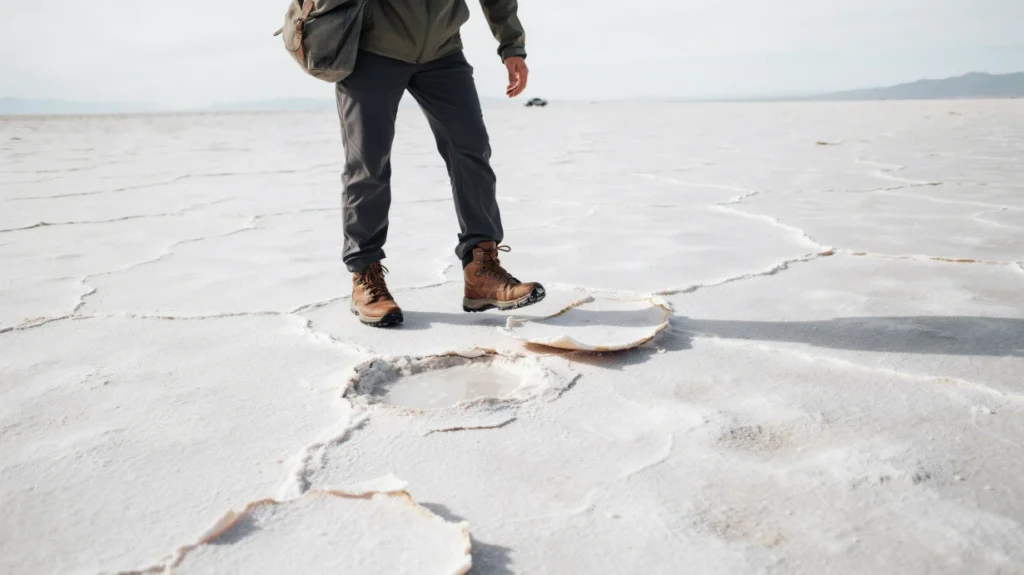 What the Bonneville Salt Flats Surface Feels Like Underfoot
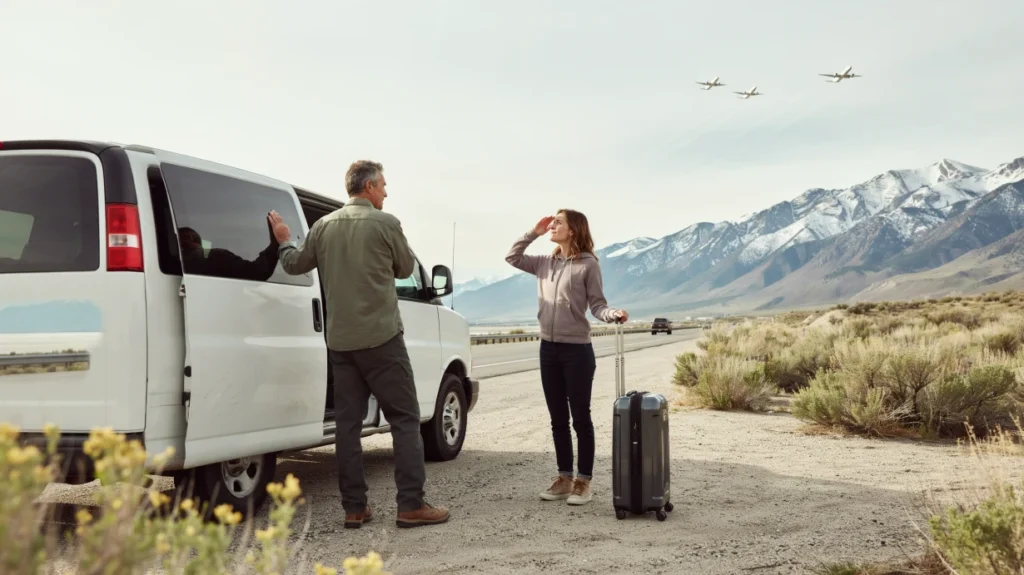 How to Plan a Day Tour Around Your Salt Lake City Flight

Dimi was an outstanding Guide who greatly exceeded my expectations. His knowledge of the history &...
Read more →I had a great time on the Bonneville Salt Flats Journey! It was an amazing experience...
Read more →I had a wonderful time on the Antelope Island Tour! The tour was a lot of...
Read more →Dmytro was an excellent guide. The antelope island experience was sensational. Very courtesy, very respectful and...
Read more →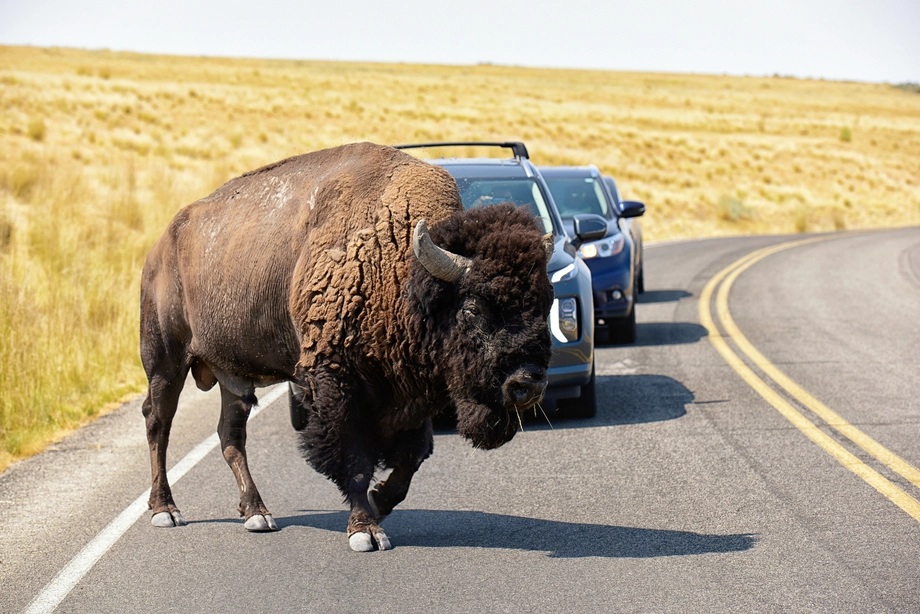 Antelope Island – Wild Heart of the Great Salt Lake Adventure
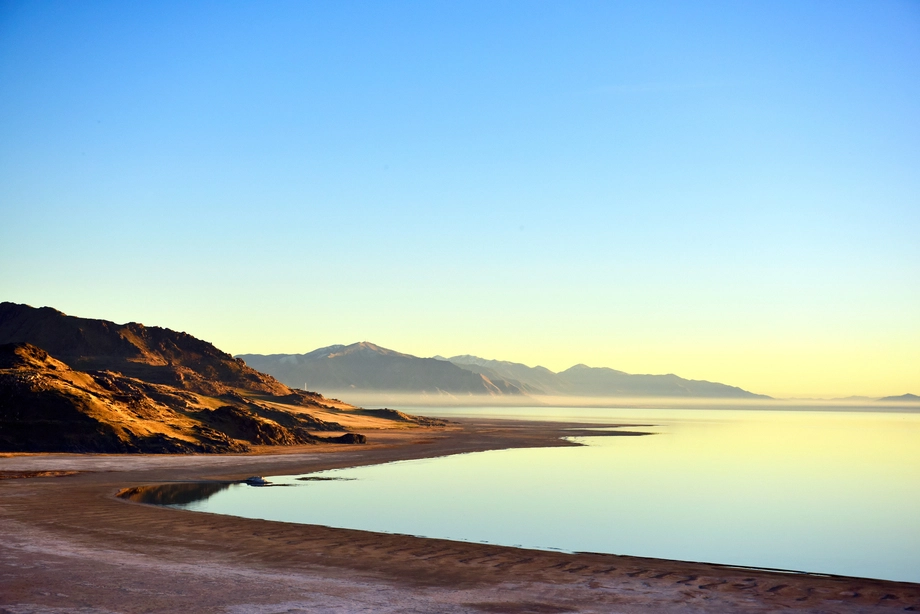 Antelope Island Sunset Wildlife Expedition – Great Salt Lake Odyssey
 Bonneville Salt Flats – Sunset Adventure of the White Desert
 Bonneville Salt Flats – Journey to the Edge of the World