
Accessible Scenic Overlook Drives Near Salt Lake City With…
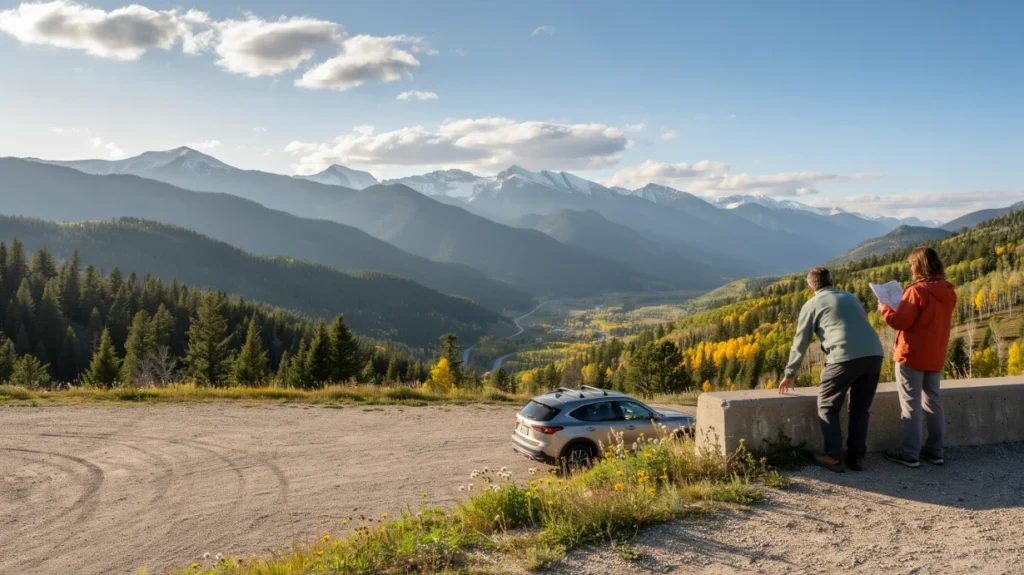
For the easiest views with minimal walking, prioritize Antelope Island and Bonneville Salt Flats. Big Cottonwood Canyon offers dramatic scenery but has more variable pullouts, grades, and seasonal constraints.
A beautiful road on a Utah map can still be a poor fit when the only stopping place is loose gravel, a sloped shoulder, or a crowded mountain pullout. Accessible scenic drives near Salt Lake City are most useful for wheelchair users, travelers with limited mobility, and non-hikers when the scenery begins from the vehicle and parking is part of the planning, not an afterthought.
We organize one-day Utah tours from Salt Lake City to places including Antelope Island and Bonneville Salt Flats, and the recurring practical question is not simply which route is prettiest. It is how much of the landscape remains enjoyable when guests prefer short stops, need predictable surfaces, or want to avoid a tiring day of mountain driving.
Who is a good fit for these scenic drives?
These routes suit travelers who can enjoy long views from a standard passenger vehicle and may prefer paved or developed stopping areas over hiking trails. They are less suitable for anyone who requires a guaranteed wheelchair-accessible vehicle, confirmed ramp access, or verified restroom dimensions at every stop.
For this guide, an accessible drive means a realistic day trip where a substantial part of the scenery can be experienced from the road, from a parking area, or after a very short optional walk. It does not mean every overlook, beach, restroom, trailhead, or van is fully ADA-compliant.
- Strongest match: Travelers who use a wheelchair, cane, walker, or limited standing time and are comfortable selecting stops individually after checking current conditions.
- Good non-hiking choice: Visitors who want wildlife, lake, desert, canyon, or sunset views without committing to a trail.
- Plan carefully: Travelers using large mobility devices, those needing transfer assistance, or anyone who needs accessible restrooms at fixed intervals.
- Choose a guided option: Visitors without a rental car, those uneasy on mountain roads, or mixed-ability groups that would rather avoid managing parking and timing.
Our tours can work well for travelers with limited mobility because many stops are brief and scenic driving is central to the experience. Our modern Mercedes Sprinter vehicles are not specialized medical transport, however, and we cannot confirm suitability for a particular wheelchair or mobility device without discussing its size, transfer needs, and the current itinerary first.
How do we screen a drive for mobility-aware sightseeing?
We prioritize routes where the view has value before anyone leaves the vehicle, then assess parking surface, stop spacing, seasonal reliability, and the likely need to cross uneven ground. A route may be scenic yet rank lower if its best views depend on informal pullouts or mountain trailheads.
When we build repeatable day routes from Salt Lake City to Antelope Island and Bonneville Salt Flats, we balance time in transit with time at viewpoints and short walks. That choice reflects a practical constraint: people with one free day want a rich landscape experience, but not one that becomes exhausting because every photo stop requires extra walking or a long return drive after sunset.
Our planning filters
- Views from the car: Open lake and desert routes score highest because the horizon is visible throughout the drive.
- Parking surface: Developed pavement is easier to plan around than informal dirt or gravel pullouts, although surface condition can change.
- Distance from vehicle to view: We favor stops where a person can decide on arrival whether a short walk feels worthwhile.
- Road character: Straight interstate and causeway driving generally feels less demanding than narrow, winding canyon roads.
- Season and weather: Snow, ice, construction, heat, wind, and temporary closures can change both driving and stopping conditions.
- Facilities: State parks, developed picnic areas, and interstate rest areas are more likely to have restrooms than undeveloped overlooks, but current details should be confirmed before departure.
We do not have documented measurements for curb cuts, grades, door widths, parking-to-view distances, or surface smoothness at every location mentioned here. Before a self-drive trip, check current information through the relevant Utah state park, U.S. Forest Service, or UDOT website, and call ahead when a particular facility is essential.
You found a hidden promo code!
Use code WOWBLOG at checkout and get 10% OFF any tour!
Limited time offer. Book now and save!
Browse ToursWhich routes offer the most scenery with the least walking?
Antelope Island and Bonneville Salt Flats are the strongest choices for broad scenery from the vehicle and near parking areas. Big Cottonwood Canyon is visually dramatic but demands more flexibility because roadside stopping conditions are less uniform.
| Drive | Views from the car | Typical parking surface | Typical walking needed | Seasonal or road limitation |
|---|---|---|---|---|
| Great Salt Lake and Antelope Island Causeway | Excellent, with wide water, mountain, and island views | Mostly developed paved areas, with some mixed surfaces at stops | None to short optional walks | Weather, wind, park conditions, and seasonal conditions may affect stops |
| Bonneville Salt Flats along I-80 | Excellent, especially across open desert and salt landscape | Interstate rest-area and developed-stop parking; conditions on the flats vary | None for roadside views; optional walking onto salt surface | Wind, heat, wet salt, and changing surface conditions |
| Big Cottonwood Canyon Scenic Byway, S.R. 190 | Very good canyon views while driving | Mixed, including developed areas and informal roadside pullouts | Often short walks, but terrain can be uneven | Mountain weather and seasonal road conditions |
| Alpine Loop Scenic Backway | Very good alpine and Mount Timpanogos scenery | Mixed developed parking and roadside areas | Short optional walks at many stops | Seasonal mountain conditions; trailers are prohibited |
| Ogden River Scenic Byway | Good river, rock-wall, and Pineview Dam views | Mixed parking conditions | Mostly vehicle-based with optional short stops | Mountain weather and route-specific conditions |
The Bountiful-Farmington Loop Road is intentionally not a primary recommendation for limited-mobility sightseeing. It uses maintained dirt and gravel roads that can be rough or washboarded, creating a less predictable ride and stopping experience than the paved routes above.
Why is Antelope Island one of the easiest drive-with-views options?
Antelope Island is one of the most practical choices because the causeway and island roads provide expansive Great Salt Lake views before a visitor reaches a trail. Developed park stops can support short, optional outings, though visitors should not assume every surface or facility has the same accessibility features.
The drive itself is the attraction: wide water, open sky, island hills, and opportunities to look for wildlife from the road or near a stop. Bison viewing is a planned highlight rather than a promise, and the same is true of other wildlife sightings.
On our approximately seven-hour Antelope Island Tour from Salt Lake City — From $120 | Matei Travel, we use a modern Mercedes Sprinter for up to 13 guests, include hotel pickup, transport, park entrance, bottled water, hot beverages, and granola bars. Those operational choices reduce the number of logistics a visitor must manage independently, while still leaving the nature of each short stop dependent on current conditions and individual mobility needs.
We consistently plan for bison viewing, Fielding Garr Ranch, brine shrimp interpretation, Bridger Bay Beach, Buffalo Point Trail, and optional hikes toward scenic peaks. That itinerary gives us a concrete view of the island’s tradeoff: much of its scenery and wildlife can be appreciated from the road and near stops, while beach strolls, trail visits, and peak hikes should remain optional rather than assumed.
What to prepare for Antelope Island
- Confirm your mobility equipment: Tell us whether you use a folding wheelchair, power chair, walker, or need assistance transferring, so we can discuss realistic vehicle and stop options.
- Expect wind and exposure: Bring sun protection and a layer for changing conditions around the Great Salt Lake.
- Treat walks as optional: Select the road views and developed stops first, then decide at each location whether the surface feels manageable.
- Plan restroom timing: Use developed park facilities when available rather than relying on every scenic stop.
For visitors who prefer an afternoon focused on wildlife and changing light, our Antelope Island Sunset Wildlife Expedition – Great Salt Lake Odyssey is a seven-hour small-group experience for up to 13 people. We repeatedly time this route around scenic driving and short, optional stops so guests can reach sunset without extending the day into an exhausting self-drive return.
Can you enjoy Bonneville Salt Flats with minimal walking?
Yes. The open salt-desert landscape is visible from I-80 and developed stopping areas, so a visitor can absorb the scale without needing to walk far onto the flats. Walking onto the salt is optional and should depend on the current surface, weather, and personal comfort.
Bonneville is especially useful for travelers nervous about steep mountain roads because the main approach follows interstate driving rather than a narrow canyon. The tradeoff is exposure: there can be strong wind, intense sun, changing temperatures, and long stretches with few services outside developed stops.
Interstate rest-area parking and designated stopping areas are generally the most logical places to plan breaks. Conditions on the salt itself can vary, particularly when moisture changes the surface, so avoid treating the white expanse as a uniformly smooth parking lot or a guaranteed firm wheelchair route.
Our full-day Bonneville routes are structured around the fact that the “white desert” is already visually powerful from near the vehicle. On the Bonneville Salt Flats Sunset Adventure of the White Desert — From $120 | Matei Travel, we plan the drive and stops to leave ample time for the flats and sunset rather than turning the day into a rush between distant sights.
We also run the seven-hour Bonneville Salt Flats Tour from Salt Lake City with morning and afternoon departures, hotel pickup, and stops that can include Great Salt Lake State Park, Tree of Utah, Blue Canal, Bonneville Salt Flats, Bonneville Speedway, and a scenic overlook. The route is designed for realistic one-day pacing, but guests should contact us before booking if their mobility needs require a specific boarding arrangement, minimal walking, or accessible restroom planning.
Sunset timing and practical choices
Sunset can make the flats particularly compelling because the wide horizon and reflective conditions can change quickly. It also means the return to Salt Lake City happens later, which is one reason a guided trip can be simpler for visitors who do not want to drive a long interstate stretch after dark.
If time of day is your deciding factor, our guide to choosing a Bonneville Salt Flats sunrise or sunset tour can help you weigh light, travel rhythm, and the length of your day. For limited-mobility travelers, the better option is usually the one that allows enough time for unhurried restroom and vehicle breaks.
Is Big Cottonwood Canyon a good choice for limited mobility?
Big Cottonwood Canyon is a good option for visitors who want mountain scenery from the car and can manage variable roadside parking. It is less predictable than Antelope Island or Bonneville because many of its best stopping opportunities involve mixed surfaces, uneven ground, or short walks away from the road.
Big Cottonwood Canyon Scenic Byway, S.R. 190, begins at the canyon mouth and is reached from I-215 via the 6200 South exit. The road leads through alpine scenery toward major ski-resort areas, giving passengers dramatic views even when they choose not to leave the vehicle.
For people seeking fall foliage scenic drives within two hours of Salt Lake City, this canyon can be appealing when autumn conditions are favorable. Mountain weather and seasonal road conditions can change quickly, so verify the current route status before you go and do not rely on a particular pullout being open or easy to use.
Parking, pets, and mountain-driving limits
Formal parking areas may be easier to assess on arrival than informal roadside pullouts, which can be narrow, sloped, busy, or unpaved. A traveler who needs stable ground should treat a convenient pullout as a bonus rather than the core of the outing.
Domestic animals may be subject to restrictions in national forest areas, campgrounds, trail systems, and developed recreation sites. Check current U.S. Forest Service rules for the exact destination and keep a backup plan if traveling with a pet, since restrictions and site conditions may differ within the canyon.
- Choose Big Cottonwood when: You enjoy canyon driving, alpine views, and can remain flexible about which stops are practical.
- Choose another route when: You need consistently flat parking, want to minimize curves and elevation changes, or prefer wide-open views directly from the vehicle.
- Drive conservatively: Use developed pullouts when possible, avoid stopping on shoulders, and skip a viewpoint if traffic or surface conditions make the stop uncomfortable.
What should you prepare before driving or booking?
Prepare a route-specific mobility plan before leaving Salt Lake City, including the stops you can skip without losing the main experience. The most successful day is one built around essential views, restroom opportunities, and a comfortable pace rather than an attempt to complete every listed stop.
- Pick your landscape first: Choose Antelope Island for Great Salt Lake views and wildlife potential, Bonneville for open salt desert, or Big Cottonwood for alpine canyon scenery.
- Set a walking limit: Decide whether your day means vehicle-only sightseeing, parking-lot views, or a few brief optional walks.
- Check current conditions: Review park, forest, and highway updates for closures, construction, weather, and seasonal restrictions immediately before departure.
- Identify facility-dependent stops: If you need a restroom or developed parking, make those locations the anchors of the route instead of relying on informal viewpoints.
- Ask about guided-tour fit: Send us your dates, group size, mobility device details, transfer requirements, and preferred walking limit before reserving.
We cannot promise that every guest can board our current vehicles or that every planned stop will work for every mobility device. A short conversation before booking is the practical way to determine whether our current vehicle, pacing, and stops are suitable, or whether a self-drive route with a different stopping plan is the better choice.
Should you self-drive or take a guided day tour?
Self-driving offers maximum control over pace and stops, while a guided day tour removes rental-car, navigation, parking, and sunset-return logistics. Flat, open destinations such as Antelope Island and Bonneville are the most natural guided choices when your goal is scenery with minimal required walking.
A self-drive plan works best when you can adapt to changing parking conditions and are comfortable skipping a stop. It also makes sense for travelers who need to carry personal equipment, set their own restroom schedule, or require complete control over vehicle access.
Guided travel can be more practical for visitors with limited time, mixed abilities in one group, or concern about mountain and night driving. We build our Utah Day Tours around realistic Salt Lake City day-trip timing, transport, guided context, and support on short walking sections, rather than trying to cram too many distant locations into one day.
Common planning mistakes to avoid
- Confusing “paved road” with accessible stop: A route may be paved while its best pullouts are gravel, sloped, or reached over uneven ground.
- Making a trail the main attraction: Build the day around road-level scenery, then add walks only if conditions and energy allow.
- Ignoring the return journey: A sunset stop can be memorable, but it may also mean a long drive back in darkness.
- Assuming wildlife is guaranteed: Plan for the landscape itself, with animal sightings as a welcome possibility.
- Leaving accessibility questions until arrival: Confirm vehicle fit, mobility equipment needs, restrooms, and seasonal conditions before committing to a route.
How do you choose the right route for your mobility level?
Choose Antelope Island or Bonneville when wide views from the vehicle and near parking are your priority, and choose Big Cottonwood only when mountain driving and mixed pullouts feel comfortable. Alpine Loop and Ogden River Scenic Byway can add variety, but their stopping conditions should be treated as less uniform.
For a broader look at route design, driving tradeoffs, and realistic day-trip combinations, read our guide to designing a better scenic-drive day tour from Salt Lake City. We recommend choosing one primary landscape rather than trying to combine a canyon, island, and salt flats in a single mobility-conscious day.
Our practical preference is simple: use the road itself as the viewpoint whenever possible, reserve energy for one or two developed stops, and keep hiking genuinely optional. That approach respects the fact that Utah’s most memorable scale often appears through a windshield, across a parking area, or a few steps from the vehicle.
Explore our Utah Day Tours, then send us your dates and mobility considerations so we can advise whether an Antelope Island or Bonneville Salt Flats itinerary is a realistic fit.
Can I see Antelope Island without hiking?
Yes. The causeway and island roads provide broad lake and landscape views, while hikes and beach walks can remain optional.
Are Matei Travel vehicles fully wheelchair accessible?
Our tours use modern Mercedes Sprinter vehicles, but they are not presented as specialized wheelchair-lift transport. Contact us with your device and transfer needs before booking.
Do I need a 4×4 for Bonneville Salt Flats?
No 4×4 is needed for the main I-80 approach and roadside views in normal conditions. Do not drive onto the salt surface without checking its current condition.
Which route is best if I dislike mountain driving?
Bonneville Salt Flats and Antelope Island are generally the better choices because they emphasize open, flatter driving rather than steep canyon roads.
Are restrooms available on these drives?
Restrooms are more likely at state parks, developed recreation sites, and interstate rest areas. Confirm current facility availability before the trip if restroom access is essential.
Is Big Cottonwood Canyon suitable for a wheelchair user?
The road offers scenery from the vehicle, but individual pullouts and trailhead areas vary in surface and grade. It requires more on-the-day flexibility than the island or salt-flats routes.
Can the Bonneville Salt Flats be done in one day from Salt Lake City?
Yes. Our Bonneville day tours are approximately seven hours and are designed around a realistic out-and-back schedule from Salt Lake City.
 Your First Evening in Salt Lake City: A Low-Pressure Orientation Plan
 Bonneville Salt Flats Photography Etiquette: How to Protect the Surface and Share the View
 How to Plan an Antelope Island Birdwatching Visit
 Why Are There So Many Brine Flies on Antelope Island?
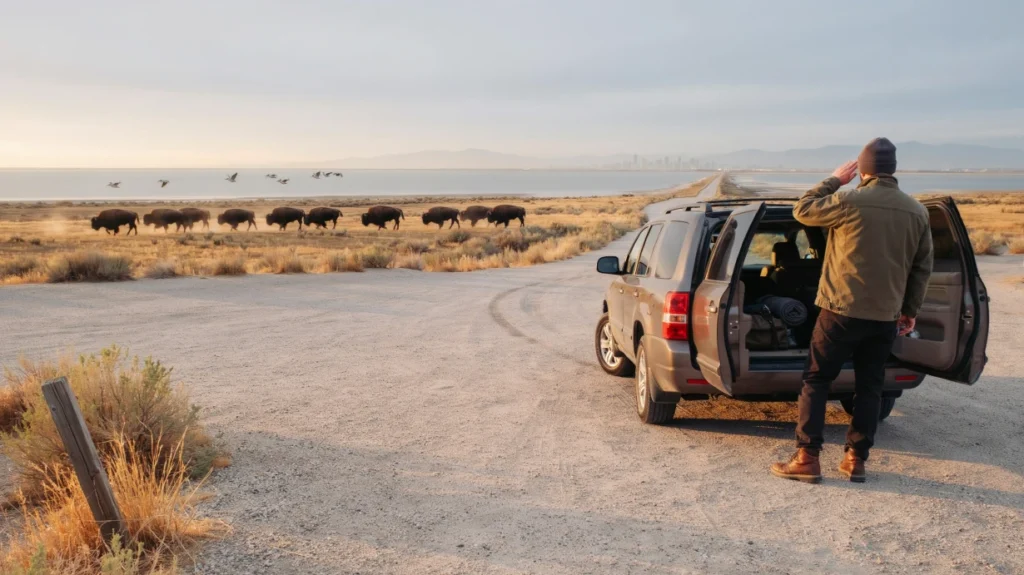 Antelope Island Day Tour or Sunset Wildlife Tour: Which Fits Your Salt Lake City Schedule?
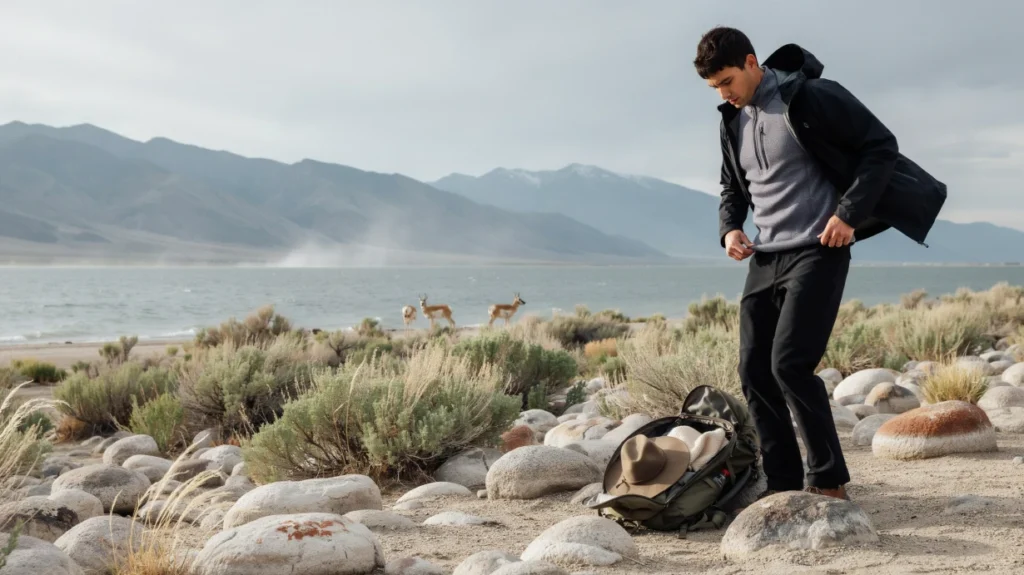 How to Dress for Changing Weather on Antelope Island

This experience is a must-do! Dima explains the history of the area as well as the...
Read more →I had never been on a guided tour before, but Dima made it the best experience...
Read more →This was a great tour, it was nice to get picked up from our hotel. It...
Read more →Great guide great information and great deal for the money.
Read more →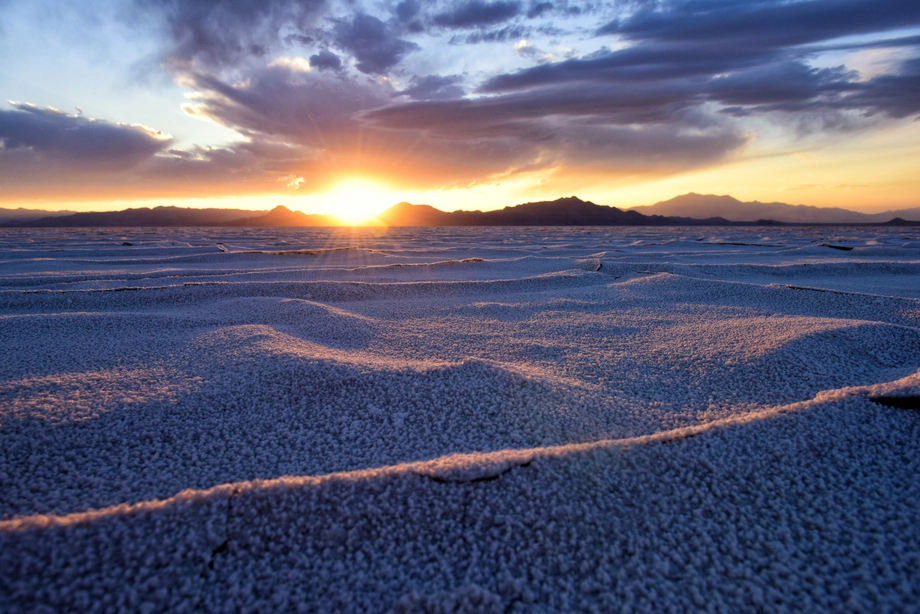 Bonneville Salt Flats – Sunset Adventure of the White Desert
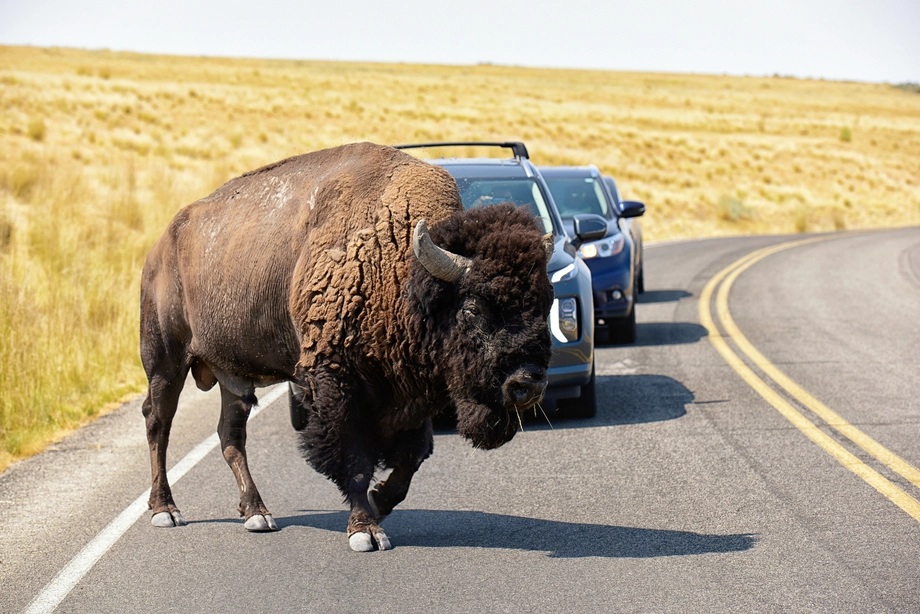 Antelope Island – Wild Heart of the Great Salt Lake Adventure
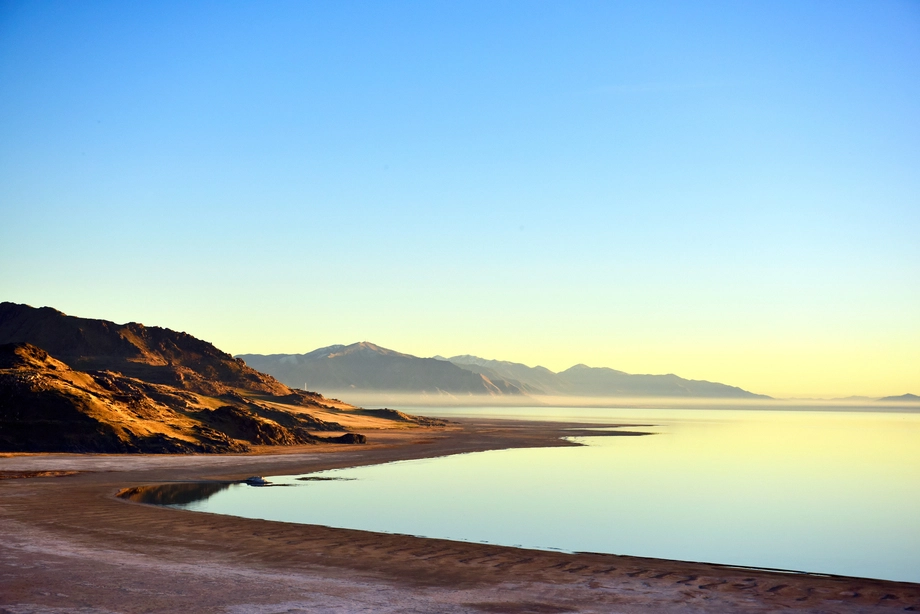 Antelope Island Sunset Wildlife Expedition – Great Salt Lake Odyssey
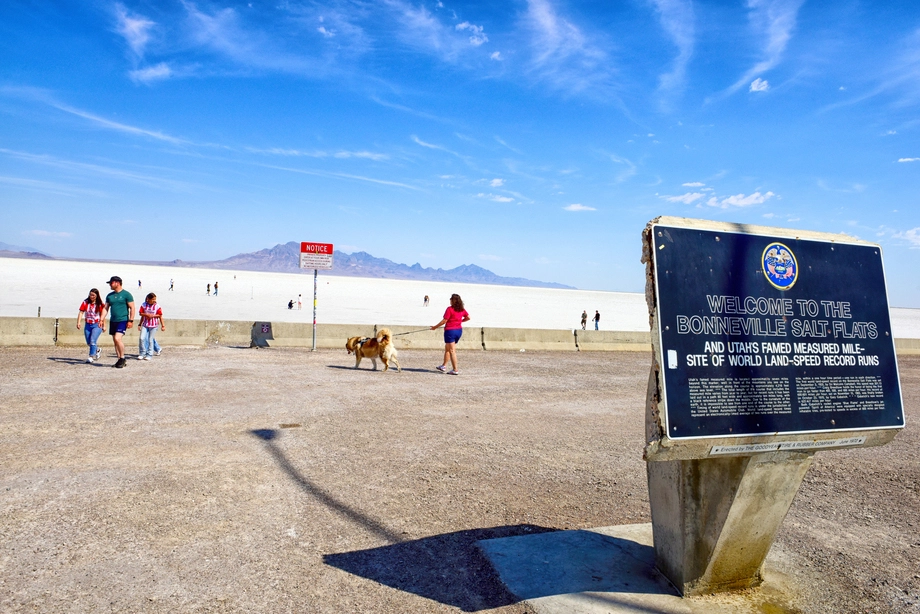 Bonneville Salt Flats – Journey to the Edge of the World