
Best Scenic Drives Near Salt Lake City: Design a Better Day Tour

A strong Utah day tour from Salt Lake City focuses on one direction, realistic travel time, meaningful time on-site, and a weather-aware backup plan. Choose the day type before choosing the stops.
The fastest way to waste a free day in Utah is to treat a map as an itinerary. Salt Lake City sits within reach of mountain resorts, island wildlife, salt flats, and major parks, but those places pull travelers in different directions and require very different amounts of time, energy, and preparation.
A Utah day tour from Salt Lake City is a planned single-day experience with a clear purpose, workable travel legs, and enough time to actually experience the destination. It helps visitors with limited time choose between city exploration, mountain time, open landscapes, or a long national-park outing without turning the day into a sequence of rushed stops.
How far can you realistically go from Salt Lake City in one day?
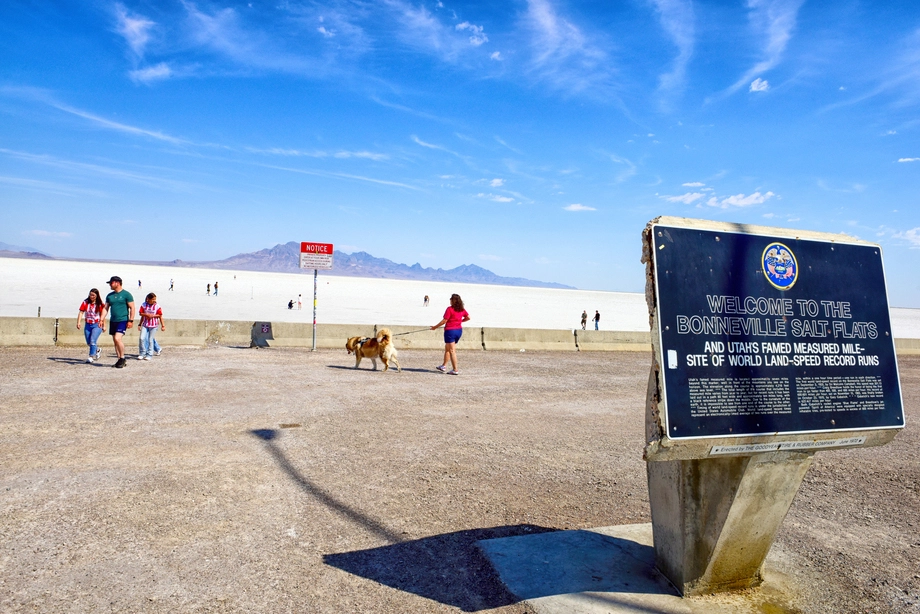
A practical day-trip radius from Salt Lake City is often about 45 to 90 minutes each way for a relaxed outing. That range covers places such as Antelope Island State Park, Bonneville Salt Flats, and Park City, but it does not mean they belong in the same itinerary.
The best scenic drives near Salt Lake City work when the drive supports the day’s theme instead of consuming it. A mountain and ski-town day points one way; an island and wildlife day points another; a salt-flats outing has its own route, weather exposure, and pacing. Pick one region and let the route unfold in a logical order.
- 45 to 60 minutes: A good range for a city extension, a mountain resort transfer, or a focused outdoor destination where you want substantial time walking, viewing, or skiing.
- Up to 90 minutes: Reasonable for an open-landscape experience when the return route is simple and the day includes planned stops, food, water, and changing conditions.
- Beyond that range: Treat the outing as a full long day, especially when a national park, seasonal daylight, or short hikes are involved.
- One direction only: Avoid trying to combine Antelope Island, Park City, and Bonneville Salt Flats simply because each appears close on a map.
National parks require a different decision. Travelers researching how to visit Zion National Park from Salt Lake City should plan for a long, destination-led day rather than a quick detour between other activities. The same principle applies when comparing the closest national parks to Salt Lake City for a weekend road trip: a park can be reachable, yet still deserve a dedicated day or more.
Which type of Utah day is the right fit for your group?
The right day tour depends on what you want to do during the day, not on how many named sights you can collect. City orientation, skiing, wildlife and landscapes, and national-park travel each have different pace, walking, weather, and transport needs.
Start by deciding what a successful day looks like for your group. A family with varied energy levels may value simple transfers and short walks, while friends on a winter trip may prioritize flexible time on the slopes. Business travelers with one open afternoon often get more value from a structured city experience than from an overextended drive.
| Day type | Best for | What a good plan protects | What to check before committing |
|---|---|---|---|
| Downtown walking and orientation | First-time visitors, business travelers, couples with limited time | Time to understand the city rather than wandering without context | Duration, walking distance, terrain, and weather comfort |
| Mountain or ski-resort day | Families, couples, friends, winter visitors | Time on the mountain and a predictable return to the city | Snow conditions, canyon travel, rentals, food, and ability level |
| Island, wildlife, or salt-flats outing | Photography-minded travelers, friends, families seeking open space | Unhurried stops, short walks, and a route suited to the day’s conditions | Wind, heat or cold, water, daylight, and walking tolerance |
| National-park excursion | Visitors willing to commit a full day to one major landscape | Viewpoint time, photo stops, short walks, and realistic return timing | Total duration, walking level, seasonal conditions, and group energy |
For a first day in town, our Utah Day Tours collection is useful once you know whether your priority is landscape, wildlife, or a long park day. If you need an immediate sense of Salt Lake City itself, a small-group downtown walking tour led by a local guide can provide the city’s history, planning, development, major buildings, and quieter corners that visitors often miss on their own.
You found a hidden promo code!
Use code WOWBLOG at checkout and get 10% OFF any tour!
Limited time offer. Book now and save!
Browse ToursWhat are the essential stages of a well-planned day tour?
A well-planned day has five stages: select one theme, confirm the route and conditions, protect time at the destination, manage breaks and safety, and finish with a dependable return window. The traveler chooses priorities and shares practical needs; the tour operator turns those inputs into a coherent schedule and handles the moving parts.
1. Define the day’s non-negotiable experience
Choose the experience before choosing the list of stops. “We want mountain time,” “we want wide-open scenery,” or “we want a meaningful introduction to the city” is more useful than a long list of attractions under the broad heading of things to do near Salt Lake City.
At this stage, the traveler’s responsibility is to identify mobility needs, ages, winter-driving comfort, and whether the group prefers walking, skiing, photography, history, or wildlife. Our responsibility is to present route descriptions and day options clearly enough for guests to judge fit before booking.
2. Build the route around travel windows
Every drive should have a purpose: reaching the destination, moving between nearby features, or returning by the most sensible route. A strong schedule limits backtracking and does not place the longest drive after the group is already tired.
On guided outings, transport, route sequencing, guide commentary, and support on short walking sections are part of the structure. That matters because a day can look efficient on a phone screen and still lose momentum through missed turns, parking searches, changing weather, or poorly timed food stops.
3. Protect time on-site
The destination should receive more than a photo-stop allowance. A meaningful day leaves room to walk an overlook, look for wildlife without a promise of sightings, take photographs, ask questions, or simply absorb the landscape without immediately getting back into a vehicle.
For city exploration, this means choosing a route with both recognized landmarks and less obvious places. For ski travel, it means allowing flexible time on the mountain rather than making the transfer the main event.
4. Plan food, water, comfort, and weather decisions
Utah conditions can change quickly between downtown, mountain roads, exposed shorelines, and desert-like open terrain. A usable plan includes breaks, water, suitable layers, and a sensible alternative if wind, snow, heat, visibility, or seasonal access changes the experience.
Weather planning is not a guarantee that every condition will be ideal. It is a way to reduce the chance that a group spends its only free day reacting to avoidable problems without a clear next option.
5. End with a clear return expectation
A day tour should end with an understandable return window, especially for travelers with dinner reservations, flights, meetings, or evening plans. Long national-park days deserve extra caution because the distance, daylight, and walking requirements make them fundamentally different from a local half-day outing.
What should a full day actually feel like?
A good full day feels active and complete, not like an endurance test inside a vehicle. The exact departure time and stop sequence vary by season and tour, but these sample structures show the amount of breathing room a realistic itinerary needs.
Illustrative city-orientation day
- Morning: Meet in downtown Salt Lake City for a guided walking route with historical buildings, city stories, and hidden corners.
- Late morning: Pause for questions and use the guide’s local context to decide which neighborhoods, museums, restaurants, or viewpoints fit the rest of your independent stay.
- Midday: Take a proper lunch break rather than squeezing food into transit.
- Afternoon: Continue with a self-paced activity, work commitment, or a nearby attraction using the city orientation as a foundation.
- Evening: Keep the evening open because the day has not required a long return drive.
This is especially effective on arrival day or before a conference schedule begins. Our small groups make it easier to ask practical questions, and our tour descriptions state duration, distance, and terrain so mixed-ability groups can select a route with appropriate walking demands.
Illustrative ski-resort day
- Morning: Leave Salt Lake City with a planned transfer to a Utah ski resort and arrive with enough time to get oriented before skiing.
- Daytime: Spend the main portion of the day on the slopes, using breaks for food and rest instead of building unrelated sightseeing into the schedule.
- Late afternoon: Meet for the planned return transfer after a full mountain session.
- Evening: Return to the city with time remaining for dinner or other plans, subject to road and weather conditions.
Our Utah Ski Resort Day Trips include round-trip transport from Salt Lake City and flexible time on the mountain. We also provide practical guidance on where to begin based on ability and conditions, plus information that can help with rentals, lift tickets, and on-mountain food choices.
Illustrative island or salt-flats day
A landscape-focused outing should begin with a direct drive toward one destination area, followed by time for scenic stops and short walks. Build in a real break, keep water accessible, and leave room for the slower parts of the experience, such as changing light, wind, photographs, or wildlife viewing.
Antelope Island and Bonneville Salt Flats are compelling because they offer distinctly different scenery within a feasible day-trip range. They should be treated as separate day concepts, not as pieces of a checklist to race through before returning to Salt Lake City.
When is a guided tour better than a DIY day trip?
DIY is a good choice when you are comfortable driving, have time to research conditions, and want complete control over pace. A guided option becomes more valuable when navigation, winter roads, parking, group coordination, park logistics, or local interpretation could take attention away from the experience.
Renting a car can appear simpler until the day involves route changes, unfamiliar canyon conditions, finding parking, coordinating several people, or deciding whether a short hike fits the remaining daylight. The hidden cost is often not only money. It is the mental effort of managing every decision while trying to enjoy a place you have traveled to see.
- Choose DIY when: You have a straightforward one-destination plan, are confident with the route and conditions, and prefer to set every stop and break yourself.
- Choose guided travel when: You have one limited day, a mixed group, winter mountain travel, or a destination where local stories and route knowledge improve the experience.
- Choose a walking tour when: You want city context without parking, navigation, or the uncertainty of deciding what is worth seeing first.
- Choose organized ski transport when: You want to ski without personally handling winter canyon driving, resort parking, or the timing of the return to Salt Lake City.
Guidance also changes the quality of the time between stops. A local guide can connect a downtown building to the city’s development, or explain the geology and local stories behind a landscape, rather than leaving the group to experience every transfer as dead time.
How can you evaluate a tour before you book it?
A credible day tour should make its pace and physical demands easy to understand before payment. Look for a stated duration, a clear outline of transport and walking, a coherent destination focus, and practical information that lets your group judge suitability.
For national-park travel, review whether the description identifies the approximate daily schedule, walking level, viewpoints, short hikes, and what is included. Our Utah National Parks Tours provide those planning details alongside round-trip transport from Salt Lake City, scenic drives, viewpoints, optional short walks, and guide commentary.
| Booking check | Why it matters | What a satisfactory answer looks like |
|---|---|---|
| Clear start and return window | Protects flights, meetings, dinners, and energy levels | You can tell whether the outing is a city activity, a standard day, or a long park day |
| Walking and terrain information | Helps families and mixed-ability groups avoid a mismatch | Distance, terrain, and expected effort are stated plainly |
| Route logic | Prevents long backtracking drives and rushed stops | The itinerary stays within one region or a sensible travel corridor |
| Weather and seasonal awareness | Utah conditions affect roads, visibility, comfort, and daylight | The plan recognizes that conditions can require reasonable adjustments |
| Guide and group experience | Determines whether questions and local context are part of the day | The format allows interaction rather than treating guests as a busload of spectators |
What should you prepare before the day begins?
Guests can make a day run more smoothly by preparing for the actual activity and conditions, not just the destination photo. Confirm the walking level, wear appropriate layers and footwear, carry water, and share any practical constraints before the outing begins.
- Choose one priority: Decide whether your group wants city history, skiing, wildlife and open landscapes, or a major park experience.
- Read the activity details: Check the stated duration, walking distance, terrain, and expected effort before selecting a tour.
- Match clothing to conditions: Pack layers for mountain or exposed-landscape weather and footwear suitable for the walking described.
- Protect the schedule: Avoid booking a long-distance day immediately before an inflexible evening commitment.
- Flag group needs early: Families, older travelers, newer skiers, and mixed-ability groups should ask about the most appropriate option for the season.
- Keep the theme intact: Do not add distant attractions midway through the day just because they look nearby online.
If you are deciding between a city introduction, a mountain day, a landscape outing, or a national-park commitment, begin with the type of experience you want rather than a destination name. That simple choice makes it much easier to select an itinerary that feels generous with time instead of hurried.
What is the practical takeaway for planning one day in Utah?
One well-designed day from Salt Lake City can be genuinely memorable when it has a single theme, realistic travel legs, enough time outside the vehicle, and a plan that respects weather and group energy. Trying to cover every direction at once usually produces the opposite result.
Use the route details and activity level to match the day to your group, then reserve the longer drives for the days when you can give them the time they require. A downtown walk is often the strongest first-day choice, while skiing, wildlife landscapes, and national parks each work best as dedicated experiences.
Browse Matei Travel’s current Utah day tours from Salt Lake City to choose a date and route, or send a short inquiry if your group needs help matching a season and activity level to the right day.
Is Antelope Island close enough for a day trip from Salt Lake City?
Yes. It falls within the practical range for a focused day, especially when you give the island and its surrounding landscape the day to themselves.
Can I combine Park City, Antelope Island, and Bonneville Salt Flats in one day?
It is not a good use of limited time because the destinations sit in different directions. Choose one setting and allow enough time to enjoy it without constant driving.
Are Utah ski-resort day trips suitable for beginners?
They can be a practical option because organized transport removes the need to manage winter canyon roads and parking. Check the available guidance on getting started, rentals, and ability-level considerations.
What should families check before booking a walking tour?
Review the route’s duration, distance, and terrain, then consider the youngest and least mobile person in the group. Clear activity details make it easier to choose an appropriate pace.
Will a guided day tour leave enough time for photos and short walks?
A well-structured itinerary should include time at viewpoints and on short walking sections rather than treating every stop as a quick photo break. Confirm the walking level and schedule on the individual tour description.
Is a national park visit realistic if I have only one free day?
It can be, but treat it as a full long day with a single park-focused purpose. Review total duration and walking demands before committing, especially in seasons with shorter daylight.
What happens if Utah weather changes during the day?
Weather can affect comfort, visibility, and travel conditions, particularly in mountains and exposed areas. A sensible plan accounts for seasonal conditions and allows reasonable adjustments when needed.
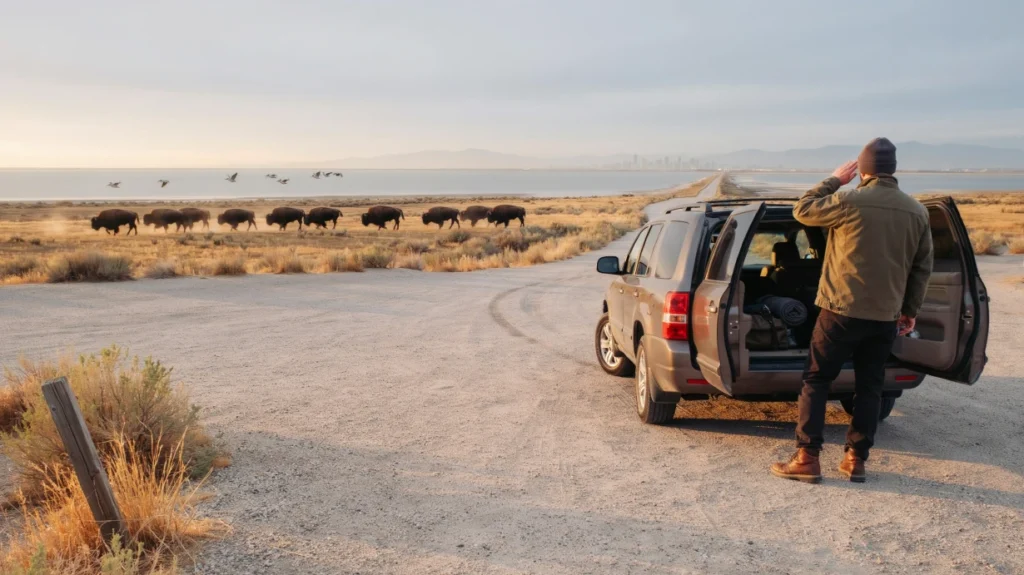 Antelope Island Day Tour or Sunset Wildlife Tour: Which Fits Your Salt Lake City Schedule?
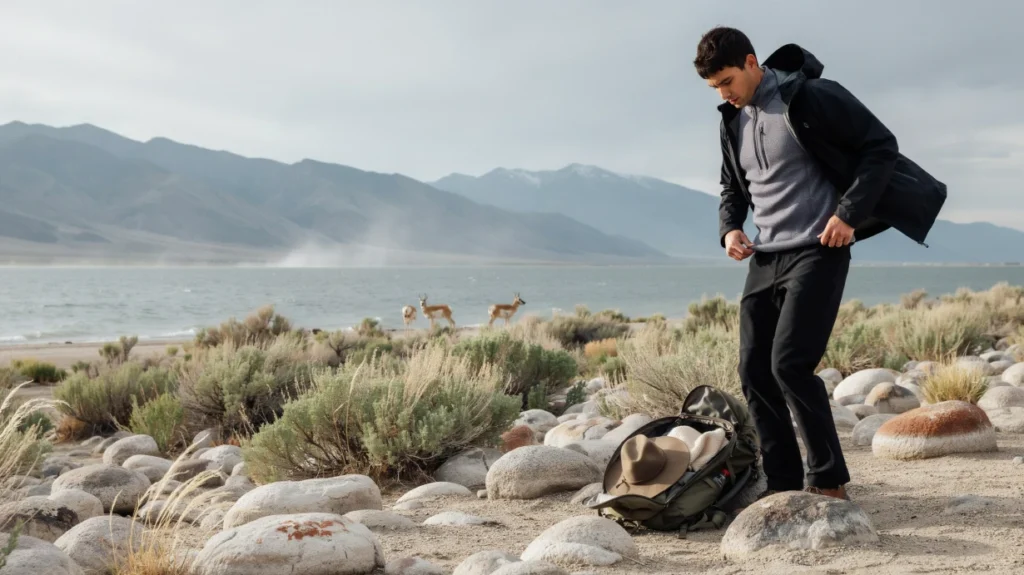 How to Dress for Changing Weather on Antelope Island
 How to Photograph People at Bonneville Salt Flats at Sunset
 How to Dress for Wind and Glare at Bonneville Salt Flats
 What a Guide-Led Utah Day Tour Handles for You
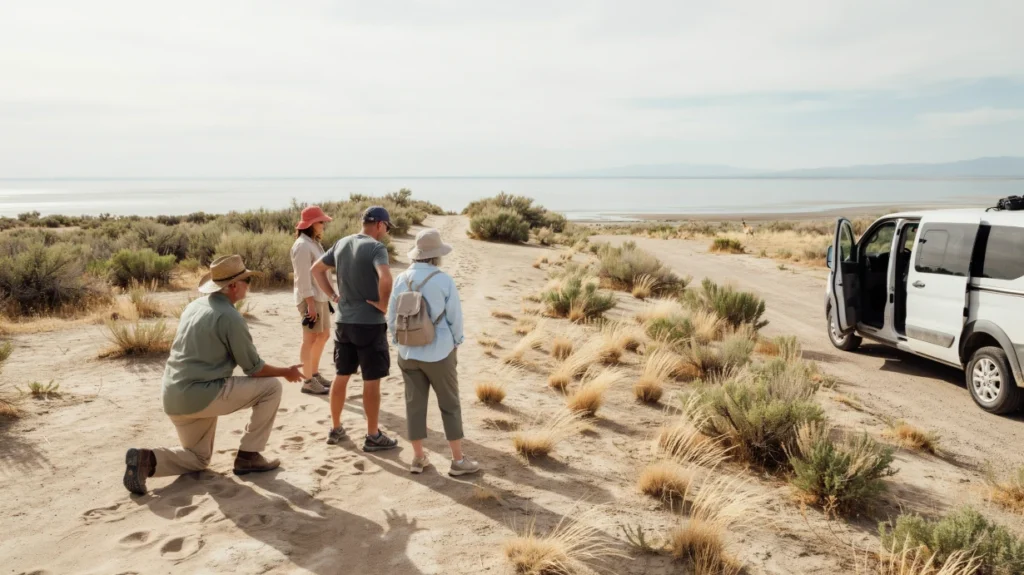 Why Wildlife Sightings Cannot Be Guaranteed on Antelope Island

The tour was great and beautiful. Dima, the tour guide, explained everything clearly and had some...
Read more →What a beautiful experience! The drive is about 2 hours one way with interesting scenery the...
Read more →(From North Carolina on a business trip) '+ 'HANDS DOWN the best tour/guide I’ve ever had. And...
Read more →Went to Antelope Island. Terrible. Tour guide didn\'t do what he said he was going to...
Read more → Antelope Island – Wild Heart of the Great Salt Lake Adventure
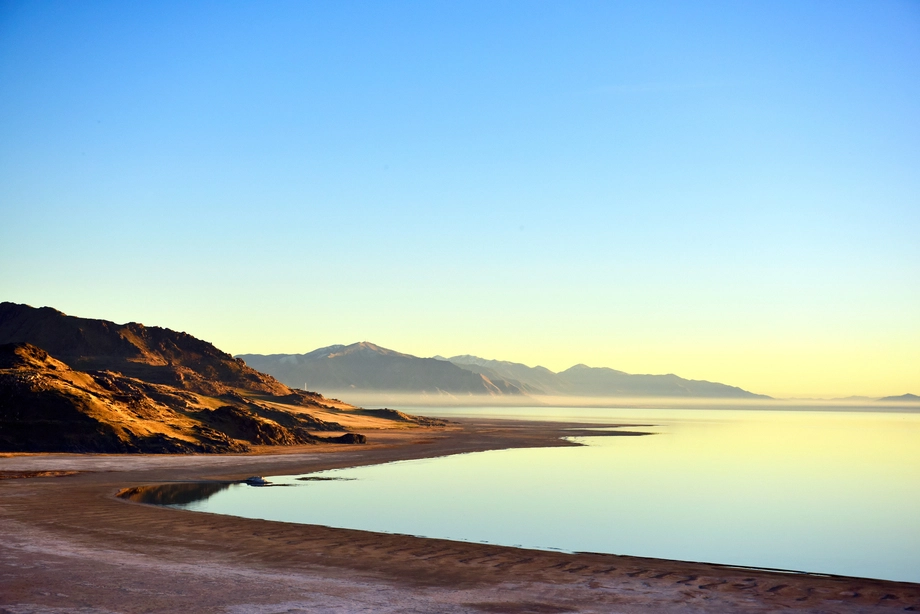 Antelope Island Sunset Wildlife Expedition – Great Salt Lake Odyssey
 Bonneville Salt Flats – Sunset Adventure of the White Desert
 Bonneville Salt Flats – Journey to the Edge of the World