
How to Plan an Antelope Island Birdwatching Visit
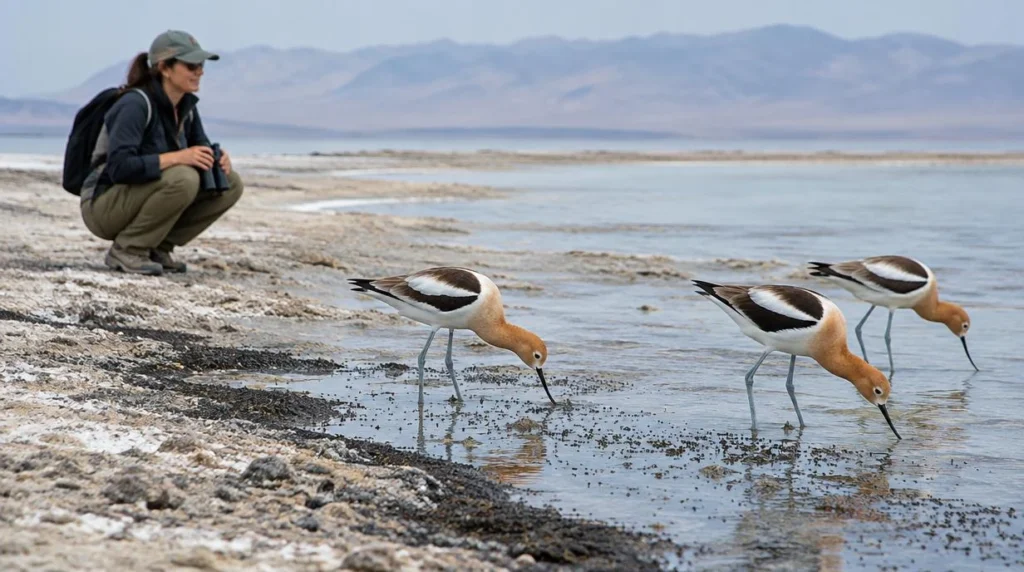
For a bird-focused Antelope Island visit, I recommend choosing a season first, then planning around habitat rather than a fixed species list. Spring and late summer into fall offer migration opportunities, warmer months require particular care around nesting habitat, and winter brings a different bird mix. An early start is a useful default, but the goal is to watch birds feeding or resting without making them move.
1. Look for feeding habitat, not just birds
Brine shrimp and brine flies help explain why the Great Salt Lake matters to migrating birds. They provide essential nutrition in this salty ecosystem, as Utah DWR’s Great Salt Lake Ecosystem Program explains. For a birdwatcher, that makes the relationship between shoreline and nearby water more useful than treating every scenic stop as an equally promising place to look.
Utah DWR’s saltwater habitat account describes shoreline brine flies as food for gulls and shorebirds. Birds also forage for adult brine shrimp and fly pupae in nearby water. These foods are seasonally abundant in spring, summer and fall. From a permitted stopping place, scan both the shoreline and the water beyond it with binoculars. This is a way to understand feeding activity, not a promise that a particular bird will be at an Antelope Island stop.
2. Choose the seasonal context that interests you
Utah DWR’s waterbird survey chronology provides a useful broad framework: spring migration, local breeding, movement toward wintering grounds beginning in summer, and arriving winter residents. It draws on a 1997–2001 lake-wide survey, so I would use it to choose the character of a trip, not as a current Antelope Island sightings calendar.
- Spring migration: April and May feature in the survey’s movement toward breeding grounds. Choose this period if migration is your main interest, while keeping expectations flexible.
- Warmer-month breeding: Local breeding overlaps with migration, rather than occupying a separate, tidy season. Give potential nesting habitat extra space instead of seeking a closer view.
- Late summer into fall: The survey distinguishes early movement toward wintering grounds in July and August from later movement in August and September. Spring is not the only migration option.
- Winter: Expect a different mix rather than a continuation of summer viewing. DWR identifies common goldeneyes among winter users of suitable saltwater habitat, but that does not establish an Antelope Island sighting.
The lake’s habitat account also identifies bars, islands and flats as nesting habitat for some colonial waterbirds, alongside its winter habitat examples. A quiet-looking patch of ground is therefore not an invitation to approach. Keep your viewing position on permitted routes and let distant birds remain distant.
3. Match your start time and walking plan to access
If park access and your schedule allow, aim for an early-morning visit. Utah DWR’s birdwatching guidance recommends 6–9 a.m. generally because birds tend to be vocal and active then. That is a practical starting choice, not a measured Antelope Island peak. If your trip is built around an evening outing instead, our guide to sunset wildlife viewing explains that different planning question.
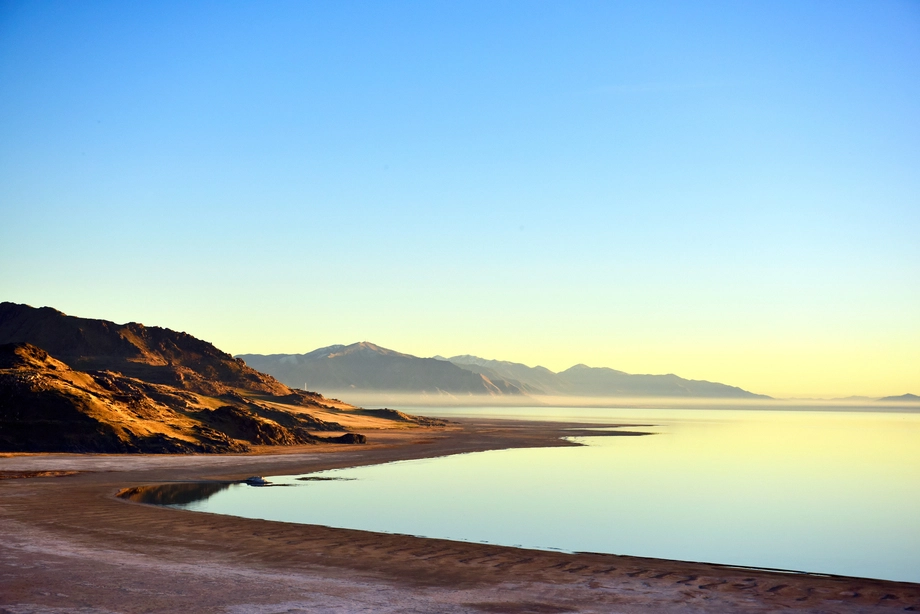
Do not assume parking near the lake means an easy walk to the water. The park’s September 15, 2026 conditions update reported shoreline distances exceeding one-third mile from some parking areas, with potentially muddy or hazardous shore. It also reported day use and campgrounds open, roads clear, and trails dry. That dated status does not confirm every individual trail or future access. Check the park’s current conditions before traveling, and choose a plan that still works if you watch from farther back rather than reaching the water’s edge.
The park’s recreation guidance restricts backcountry travel to trails and prohibits cross-country travel. It also identifies a March 10–May 20 closure on the West Side/Buffalo Scaffold Trail between Split Rock Loop and Sentry Loop to protect wildlife during lambing and calving. This is not a bird-nesting closure, but it can still affect a spring walking plan. Follow current notices and choose an open route rather than detouring around a closure.
4. Let bird behavior set your viewing distance
Antelope Island’s wildlife rules require a respectful distance and define disturbance by a change in an animal’s behavior. Feeding, touching or intentionally disturbing wildlife is prohibited. Egg Island and White Rock are closed to access year-round to protect nesting birds. There is no reason to approach those protected places for a better look.
- Use binoculars to improve the view instead of closing the gap.
- If birds change behavior as you approach, stop and give them more space. Do not wait for them to fly away.
- Keep feeding areas clear rather than walking toward a flock to make it move.
- Stay on designated backcountry trails and respect shoreline signs and closures.
- Leave Egg Island and White Rock undisturbed, regardless of season.
If distance, mud or a closure limits the view, change your viewing position or route, not the birds’ behavior.
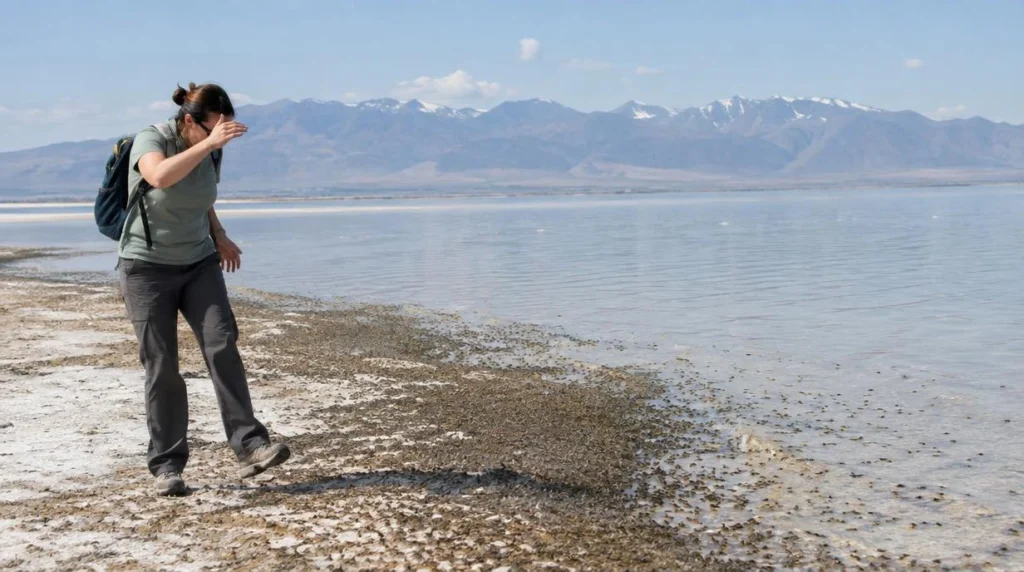 Why Are There So Many Brine Flies on Antelope Island?
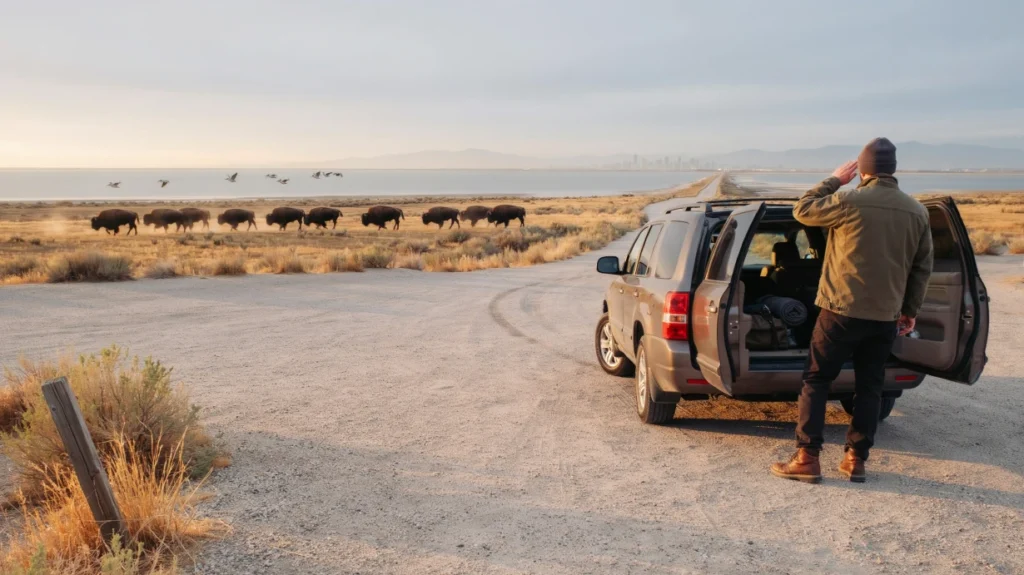 Antelope Island Day Tour or Sunset Wildlife Tour: Which Fits Your Salt Lake City Schedule?
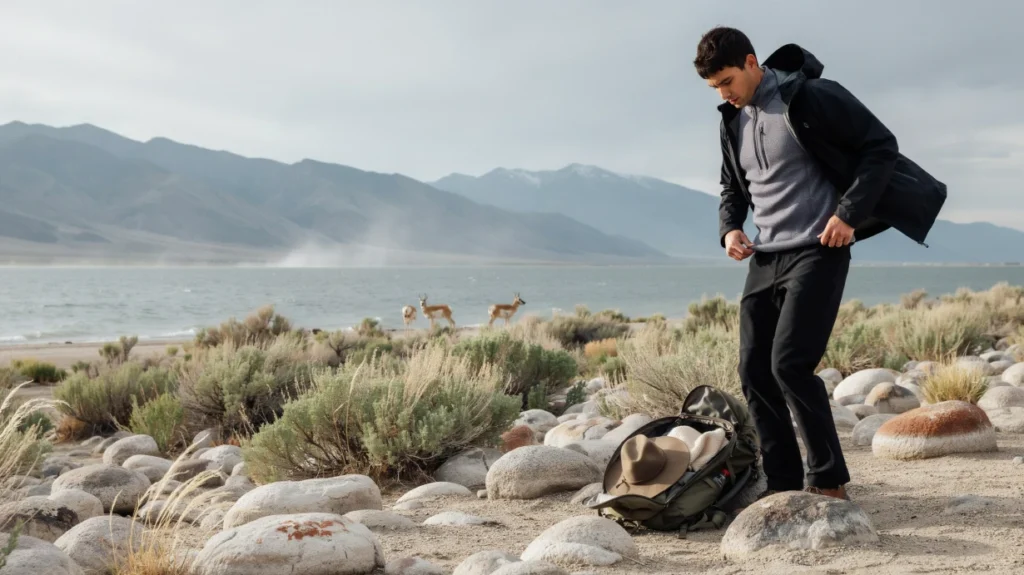 How to Dress for Changing Weather on Antelope Island
 How to Photograph People at Bonneville Salt Flats at Sunset
 How to Dress for Wind and Glare at Bonneville Salt Flats
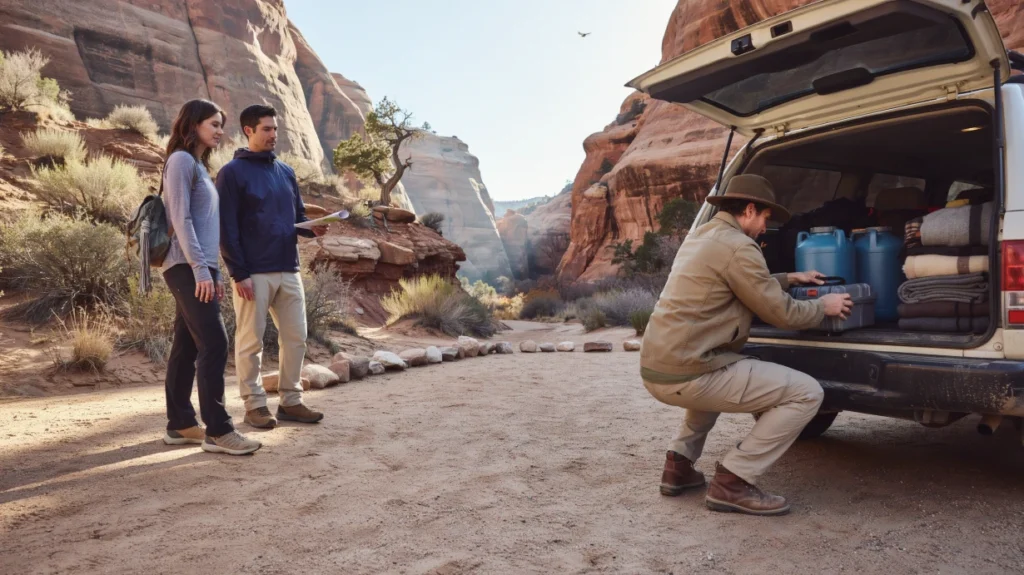 What a Guide-Led Utah Day Tour Handles for You

It was a wonderful experience to connect with nature. As a solo female traveler, I felt...
Read more →It was a lot of fun. Saw great wildlife and our guide was great. Dimin made...
Read more →Had a great experience! Dima is very knowledgeable, very accommodating and very patient guide. We got...
Read more →We had a great time. Our tour guide was very knowledgeable about the area. He went...
Read more →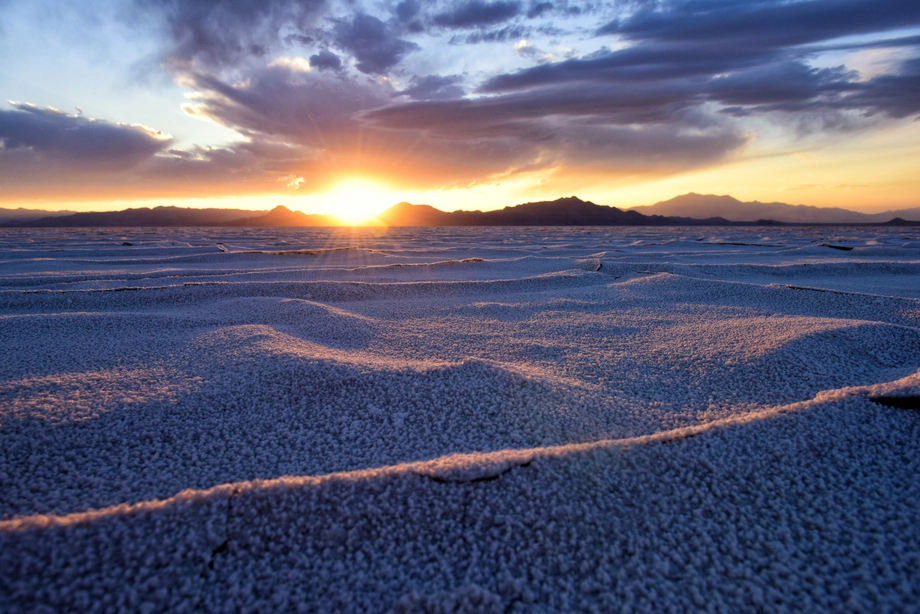 Bonneville Salt Flats – Sunset Adventure of the White Desert
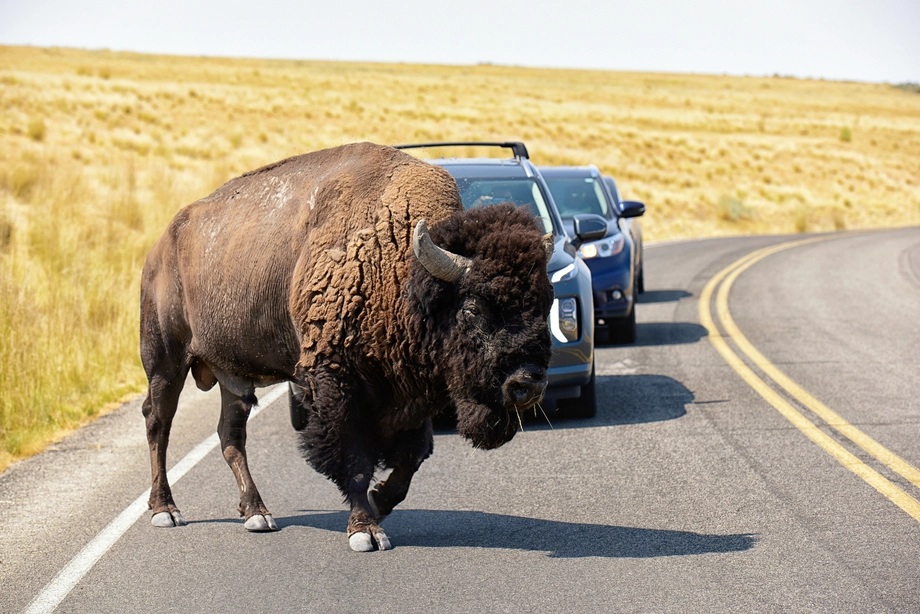 Antelope Island – Wild Heart of the Great Salt Lake Adventure
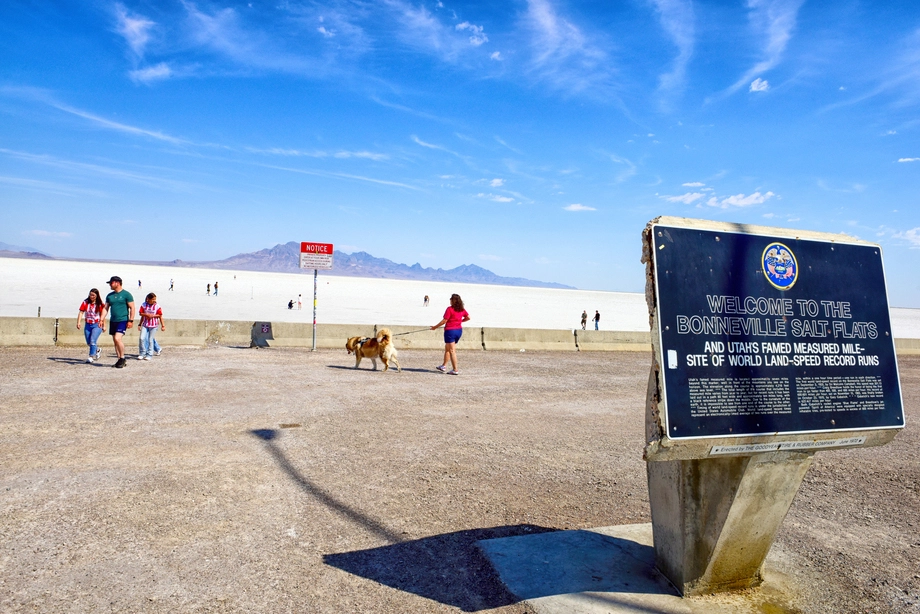 Bonneville Salt Flats – Journey to the Edge of the World
 Antelope Island Sunset Wildlife Expedition – Great Salt Lake Odyssey