
Why Are There So Many Brine Flies on Antelope Island?
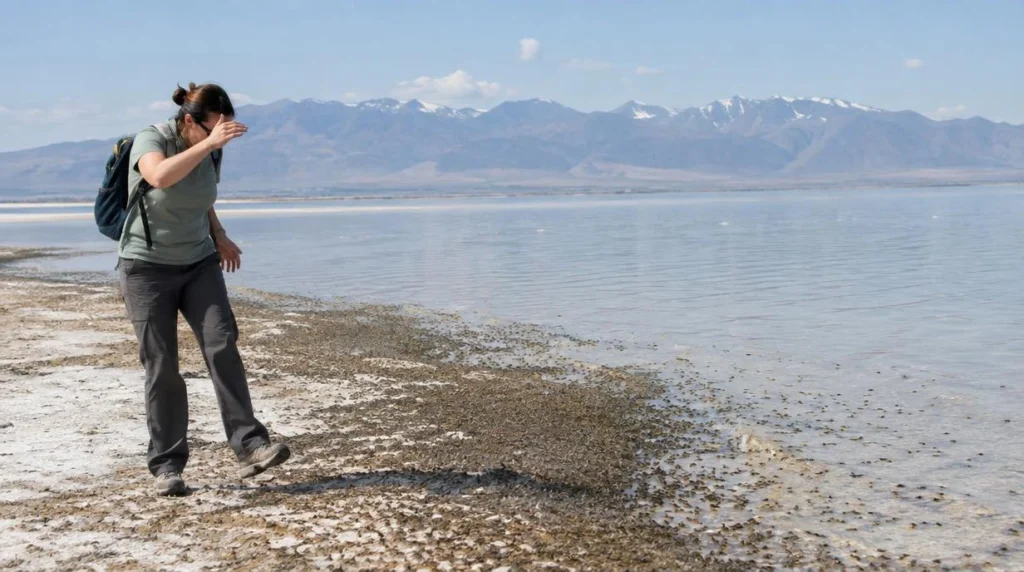
Brine flies gather along Antelope Island’s shore because their young develop in Great Salt Lake, and the adults emerge near the water’s edge. Utah State University’s watershed wildlife guide describes this transition from lake-dwelling larvae through the pupal stage to adults near shore.
The reassuring part is that brine flies do not bite. Antelope Island’s visitor FAQ identifies them as harmless and notes that they move out of the way when approached. I would treat a dense gathering as a comfort issue, not a reason to avoid the lake altogether.
From algae in the lake to food for birds
The feeding stage to understand is the larva. Brine-fly larvae graze on algae, bacteria and detritus, or organic debris, in the lake. They then develop into pupae before emerging as adults near the shoreline. That makes the flies part of the lake’s ecology long before you see them above the water.
Those adults become food for birds using Great Salt Lake. A bird-diet review hosted by Utah State University found that adult brine flies were eaten by every bird species considered in the review. That does not mean every bird on Antelope Island eats them, but it shows their importance across the species studied. The connection is straightforward: tiny food sources in the lake support fly larvae, and the resulting adult flies help feed birds.
When shoreline encounters can feel intense
Antelope Island’s current conditions guidance places shoreline concentrations from early summer through fall. Brine flies can cover stretches of shore and occasionally move onto land, so a close-up encounter may feel overwhelming even though they do not bite. This is a seasonal expectation, not a prediction of how many flies you will find at a particular beach or on a particular day.
Keep the non-biting reassurance specific to brine flies. Biting gnats, mosquitoes and deer flies are separate insect concerns on the island. A gathering of brine flies at the waterline is not evidence that you will be bitten, but it also does not mean every insect you encounter elsewhere is harmless.
Give yourself space without clearing the shore
If the flies make it hard to enjoy the view, my first recommendation is to move farther from the water’s edge. Great Salt Lake State Park’s shoreline guidance explains that brine-fly numbers decrease with distance from shore. That gives you a simple way to adjust your visit without abandoning the area, although it does not guarantee a fly-free spot.
Let the flies move aside as you approach rather than trying to clear a patch of shoreline. Leave natural material in place and give feeding birds space. Antelope Island prohibits removing natural or cultural resources and intentionally disturbing wildlife. Moving yourself is the better response than trying to change the small habitat in front of you.
For broader preparation, our guide to what to bring for bugs and wind covers the packing question separately.
 Antelope Island Day Tour or Sunset Wildlife Tour: Which Fits Your Salt Lake City Schedule?
 How to Dress for Changing Weather on Antelope Island
 How to Photograph People at Bonneville Salt Flats at Sunset
 How to Dress for Wind and Glare at Bonneville Salt Flats
 What a Guide-Led Utah Day Tour Handles for You
 Why Wildlife Sightings Cannot Be Guaranteed on Antelope Island

It was a lot of fun. Saw great wildlife and our guide was great. Dimin made...
Read more →Had a great experience! Dima is very knowledgeable, very accommodating and very patient guide. We got...
Read more →We had a great time. Our tour guide was very knowledgeable about the area. He went...
Read more →Dima was an excellent guide to this early history of the Salt Lake area and current...
Read more → Bonneville Salt Flats – Sunset Adventure of the White Desert
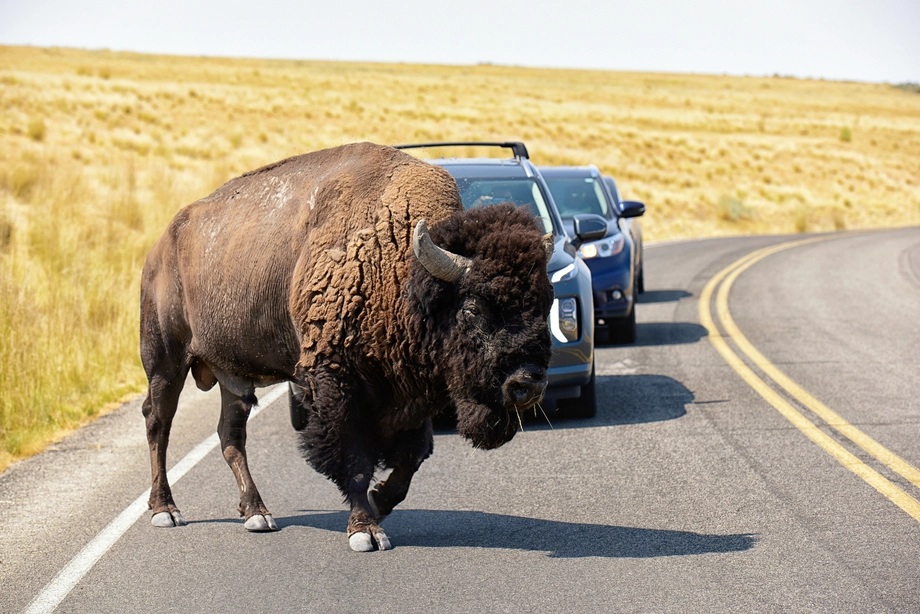 Antelope Island – Wild Heart of the Great Salt Lake Adventure
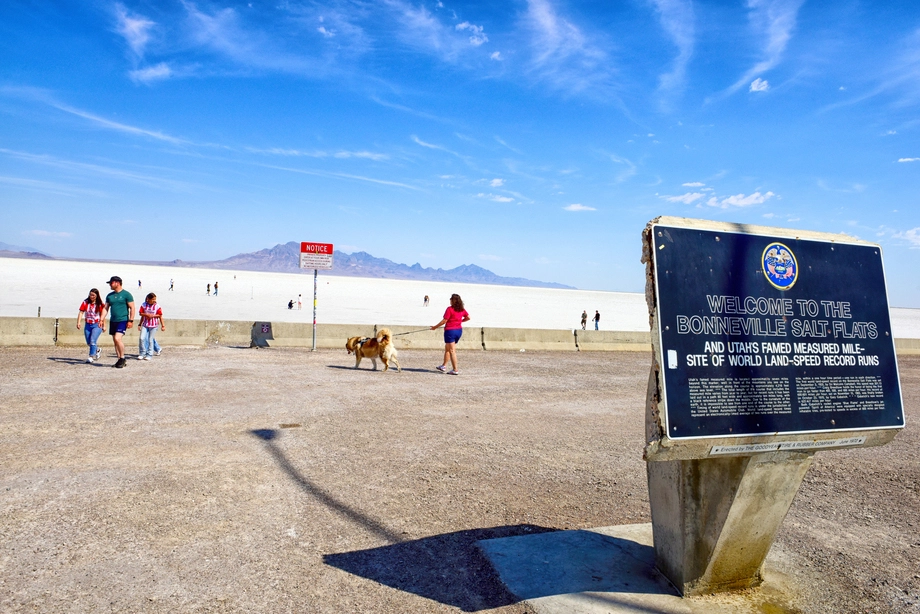 Bonneville Salt Flats – Journey to the Edge of the World
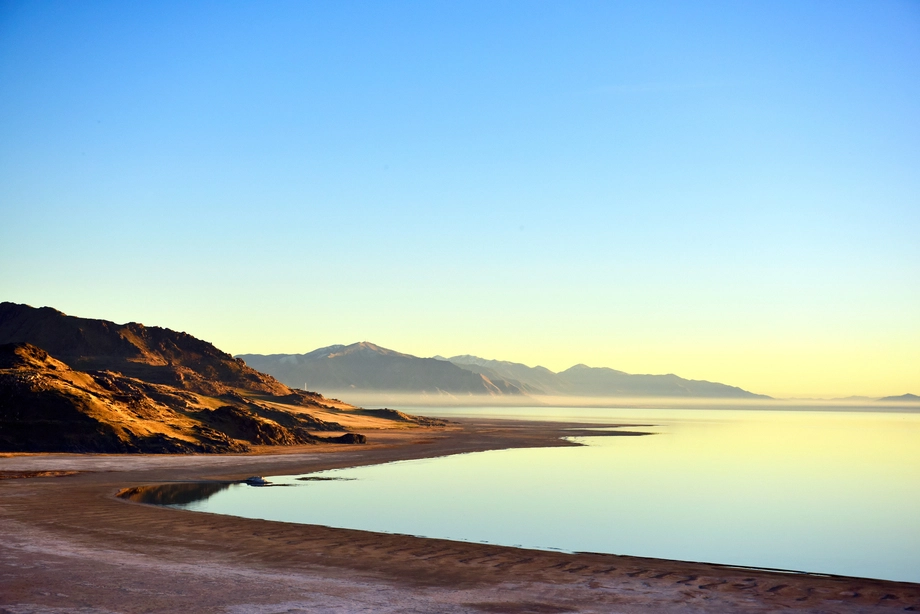 Antelope Island Sunset Wildlife Expedition – Great Salt Lake Odyssey