
What to Pack for a Winter Stargazing Overnight in Bryce Canyon
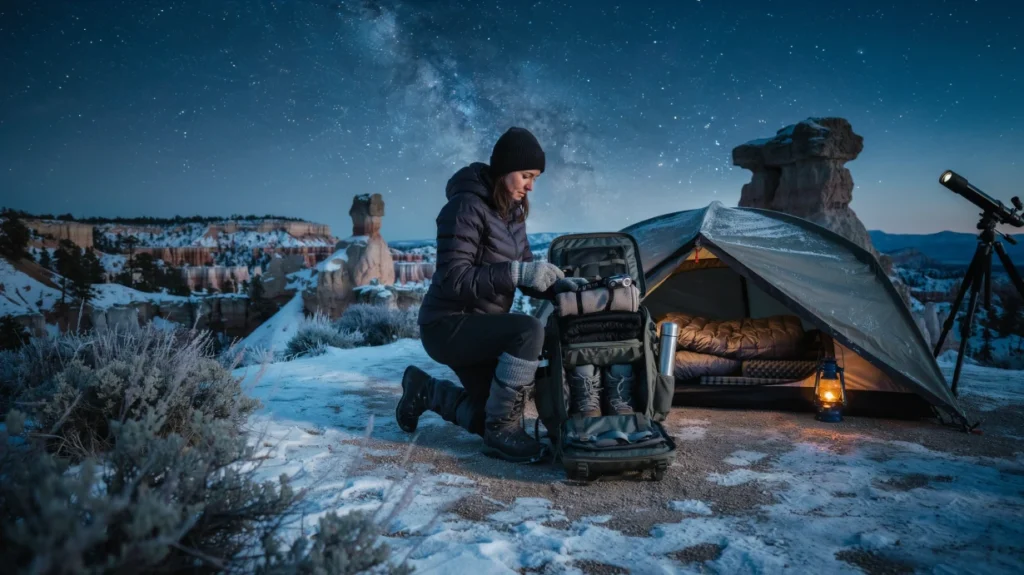
For a winter Bryce Canyon stargazing overnight, prioritize traction devices, layered clothing, cold-rated sleep insulation, water, and sun protection. Rent bulky sleep gear locally if flying into Salt Lake City.
The mistake that ruins many winter stargazing plans is packing for the forecasted daytime temperature instead of the long, still hours after dark. Bryce Canyon sits above 8,000 feet, where winter ice, wind, and below-freezing nights make traction, insulation, and practical luggage choices far more important than extra camera accessories.
This is a cold-weather overnight packing guide for first-time Bryce visitors, especially travelers flying through Salt Lake City with limited baggage space. At Matei Travel, we plan Utah day trips around realistic driving time, open landscapes, and short walking sections, so we approach a Bryce overnight the same way: start with the few items that determine whether the plan is workable, then add comfort only after the essentials are covered.
Who needs this winter Bryce Canyon packing list?
This checklist is for anyone spending one winter night camping or in very basic lodging near Bryce Canyon while hoping to stargaze outdoors. It is particularly useful for travelers who do not already own winter camping equipment or who need to keep checked luggage to a minimum.
Winter does not require bringing every outdoor item you own. It does require making deliberate choices about what must stay with you, what can be rented or borrowed, and what should cause you to postpone an overnight plan if it cannot be arranged.
- First-time winter visitors: Use the list to avoid treating Bryce Canyon like a mild evening stop rather than a high-elevation winter destination.
- Travelers flying into Salt Lake City: Pack personal layers, footwear, medications, and small essentials from home; consider renting bulky sleeping equipment near Salt Lake City or closer to Bryce.
- Light-luggage travelers: Prioritize items that touch your body or affect fit, including boots, base layers, gloves, eyewear, and traction devices.
- People unsure about winter camping: Use the go/no-go checks below before committing to an outdoor overnight. Lodging can be a more sensible choice when a suitable sleep system is unavailable.
What is the quick packing checklist for a winter Bryce Canyon overnight?
The non-negotiables are traction over boots, a complete layering system, a cold-weather sleep system, water, food, navigation and light, and winter sun protection. Everything else should earn its place by improving warmth, safety, or the ability to manage an unexpected delay.
| Priority | Pack or arrange | Readiness check |
|---|---|---|
| Must-do | Waterproof or water-resistant boots, traction devices, base layers, insulating mid-layer, weather-resistant outer layer, warm hat, gloves, sunscreen, sunglasses | Every item fits and can be used together without restricting movement. |
| Must-do | Cold-weather-rated sleeping bag, insulated sleeping pad, shelter or confirmed basic lodging, food, water, headlamp or flashlight, fully charged phone | Your sleeping system is intended for below-freezing conditions and the pad provides insulation from the ground. |
| Should-do | Spare dry socks, backup gloves, insulated sit pad or blanket, hot-drink container, power bank, printed or saved reservation details | Small failures, such as wet socks or a drained phone, have a backup. |
| Nice-to-do | Camera, tripod, star guide, binoculars, comfort snack, notebook | These fit after core safety and warmth items are packed. |
Must-do: clothing and personal protection
- Base layer: Bring a long-sleeve top and bottoms that can stay dry next to the skin.
- Mid-layer: Pack a warm insulating layer that can be added before you feel chilled.
- Outer layer: Use a wind- and moisture-resistant shell or insulated outer garment that fits over your other layers.
- Hands, head, and neck: Bring warm gloves, a hat, and neck coverage. Pack a spare pair of gloves if possible.
- Eye and skin protection: Include sunglasses and sunscreen. Clear winter skies and high elevation can still create strong UV exposure.
- Traction: Bring traction devices that fasten over boots, not just shoes with deeper tread.
Must-do: overnight and stargazing essentials
- Sleep insulation: Arrange a cold-weather-rated sleeping bag and an insulated sleeping pad. A bag alone does not stop heat loss to frozen ground.
- Light: Pack a headlamp or flashlight and spare power capacity for your phone. Check operation before leaving for the park.
- Food and water: Carry enough for the overnight and the next morning, with an insulated container for a warm drink if available.
- Dry backup: Keep socks and a warm layer in a protected dry bag or sealed packing bag.
- Plan details: Save lodging, campsite, route, and emergency contact information offline because service cannot be assumed.
You found a hidden promo code!
Use code WOWBLOG at checkout and get 10% OFF any tour!
Limited time offer. Book now and save!
Browse ToursHow should you layer for high-elevation winter nights?
Layering works when each piece has a job: move moisture away from skin, trap body heat, and block wind or moisture. At Bryce Canyon’s elevation, large temperature swings can occur, and even summer daytime temperatures may approach freezing, making winter layering a basic readiness requirement rather than an optional comfort upgrade.
Start cool rather than overdressed while walking, then add insulation as soon as you stop at a viewpoint. Stargazing is mostly stationary, which means the warm layer that felt excessive during a short hike can become essential within minutes of standing still.
- Wear a dry base layer: Change out of damp clothing before the long evening period if needed.
- Add insulation before sunset: Do not wait until shivering begins. Put on the mid-layer and warm accessories while you still feel comfortable.
- Seal out wind: Add the outer layer when exposed at overlooks, parking areas, or open trails.
- Protect extremities: Warm socks, gloves, and head coverage matter because hands and feet become uncomfortable quickly when you are holding a camera or standing on snow.
A common overpacking mistake is bringing several casual sweaters while skipping an outer layer and spare dry socks. One functional system that works together is more useful than a bag full of disconnected warm-looking clothes.
What footwear and traction are necessary on icy Bryce Canyon surfaces?
Sturdy boots and traction devices worn over those boots are the practical baseline for winter walking at Bryce Canyon. Ice can make paved areas, parking lots, viewpoints, and popular trails hazardous, so traction should stay accessible rather than buried in a suitcase.
The National Park Service recommends traction devices during winter because icy conditions can affect even developed surfaces. Put them on before entering a slick area, test the fit at home, and remove them only when surfaces are clearly dry and safe for normal boot soles.
- Choose boots for fit: Wear boots that accommodate warm socks without compressing toes or causing heel movement.
- Bring over-boot traction: Confirm that the devices attach securely to your boot shape and can be operated with gloved hands.
- Walk conservatively: Shorter steps and attention at transitions between snow, ice, and pavement reduce avoidable slips.
- Check conditions close to departure: Official park updates should guide final choices about trails, roads, and any temporary closures.
If you do not own traction devices and do not expect to use them often, renting or borrowing them is reasonable. This is one item worth arranging before the travel day, because finding the right size after arriving late can be difficult.
What sleeping system is adequate for below-freezing nights?
A winter overnight requires both a cold-weather-rated sleeping bag and an insulated sleeping pad; neither substitutes for the other. The bag retains warmth around your body, while the pad limits heat loss into the ground.
Check the intended temperature use of the bag and pad before departure, then verify that you also have a shelter or confirmed lodging arrangement. Do not rely on extra blankets to turn an unsuitable warm-weather bag into a dependable winter system.
Rent the bulky items, but bring your personal-fit essentials
For travelers flying into Salt Lake City, a practical split is to pack layers, boots, traction devices, gloves, eyewear, toiletries, and small electronics from home. Search for a local outdoor gear rental near Salt Lake City or Bryce for a sleeping bag, insulated pad, shelter, and, if needed, a stove, then confirm availability, condition, pickup timing, and return requirements before booking.
Renting can make more sense than buying equipment for one night, particularly when luggage limits are tight. It also reduces the temptation to choose a compact but inadequate sleep system solely because it fits in a carry-on.
When should you pack, rent, and make the final go/no-go decision?
Make the core equipment decision before you leave home, confirm rentals and reservations before driving toward Bryce, and perform a final weather and condition check shortly before departure. The overnight is a no-go if you cannot secure safe footwear and traction, adequate sleeping insulation, a legal place to sleep, or a workable route based on official updates.
- Before booking travel: Decide whether you will camp or use lodging. Confirm that your plan has a realistic sleep system and does not depend on last-minute gear shopping.
- Several days before departure: Reserve or borrow bulky equipment, test traction devices on boots, charge electronics, and separate must-have items from optional stargazing gear.
- The day before driving: Review official park information, road conditions, forecast changes, campsite or lodging details, and your route from Salt Lake City.
- At the trailhead or viewpoint: Put on traction when surfaces are icy, add layers before stopping for long periods, and turn back if conditions exceed your comfort or equipment.
Final readiness check
- Go: You have boots plus fitted traction, a complete dry layering system, an insulated bag-and-pad sleep setup, reliable light, food and water, and confirmed overnight arrangements.
- Pause and revise: You are missing one comfort item, such as a hot-drink container or a second set of gloves, but all core insulation, traction, and shelter needs are covered.
- No-go: You lack traction for icy surfaces, do not have a sleep system suited to below-freezing conditions, cannot confirm where you will sleep, or official conditions make the route impractical.
How can a Salt Lake City day tour complement a Bryce Canyon itinerary?
A guided day trip from Salt Lake City can add a Utah landscape experience without another night of camping equipment, route research, or winter overnight logistics. It complements Bryce Canyon because Antelope Island and the Bonneville Salt Flats offer different scenery, including wildlife-focused and open-sky experiences, rather than duplicating a national park visit.
We organize day tours from Salt Lake City to Utah natural landscapes, including the Bonneville Salt Flats and Antelope Island. Our team builds the transfer, planned route, guide narration, and support on short walking or hiking sections into the day, which is useful when travelers want time on location without handling every logistical detail.
We deliberately shape some outings around wildlife viewing, including the Antelope Island Tour from Salt Lake City, while others center on expansive scenery, including the Bonneville Salt Flats Sunset Adventure of the White Desert. Our day-tour options begin at $35, with most day tours priced at $99, and the sunset-focused Bonneville Salt Flats experience is listed from $120.
If Bryce Canyon is one stop in a larger parks trip, the broader planning questions of transport and pacing are covered in our Utah national parks shuttle planning guide. Travelers driving themselves in winter can also use the separate Bryce Canyon car snow-chain checklist to prepare the vehicle side of the trip.
What should you do after finishing your packing plan?
Once the must-do gear is packed or reserved, confirm official Bryce Canyon conditions and decide whether your overnight remains a go. Then use the open day before or after your Bryce stop for a lower-gear Utah experience that does not require a cold-weather sleep setup.
We designed our Utah Day Tours from Salt Lake City for travelers with limited time who want a balanced amount of driving and time at the destination. A Bonneville Salt Flats or Antelope Island outing can fit naturally around a Bryce-focused itinerary, especially for visitors looking for sunset views, wide horizons, or wildlife without adding camping equipment to their luggage.
A winter Bryce Canyon overnight is realistic when the essentials are treated as fixed requirements: traction, layers, a genuinely insulated sleep system, food and water, and sun protection. Rent large items when flying, but keep personal-fit equipment and dry layers under your direct control. We plan our Salt Lake City day trips around the same practical constraints of time, transport, and walking comfort, so they can be an easy addition to a Utah parks itinerary. Browse our Utah Day Tours to add a gear-light landscape day before or after Bryce Canyon.
Do I need traction devices if I only plan to visit viewpoints?
Yes. Winter ice can affect parking lots, paved paths, and overlooks as well as trails, so keep traction devices ready for use.
Can I use a regular sleeping bag with extra blankets?
Extra blankets are not a reliable replacement for a cold-weather-rated sleeping bag and insulated pad. Both pieces should be suitable for below-freezing overnight conditions.
Which items are best to rent when flying into Salt Lake City?
Rent bulky equipment such as a sleeping bag, insulated pad, shelter, and stove if needed. Bring items that depend on personal fit, including boots, traction, base layers, and gloves.
Why pack sunscreen for a winter Bryce Canyon trip?
Bryce Canyon’s high elevation and clear winter skies can create strong sun exposure. Sunglasses and sunscreen belong in the day pack even when temperatures are cold.
What is the simplest reason to cancel a winter camping overnight?
Do not proceed if you cannot arrange traction, adequate sleep insulation, confirmed overnight accommodations, or a practical route based on official conditions.
Can a Salt Lake City day tour replace a Bryce Canyon camping night?
A day tour does not replace Bryce Canyon, but it offers a lower-gear way to see other Utah landscapes. Antelope Island and the Bonneville Salt Flats provide different wildlife and open-space experiences.
 When Should a Utah Park Day Trip From Salt Lake City Become an Overnight?
 Your First Evening in Salt Lake City: A Low-Pressure Orientation Plan
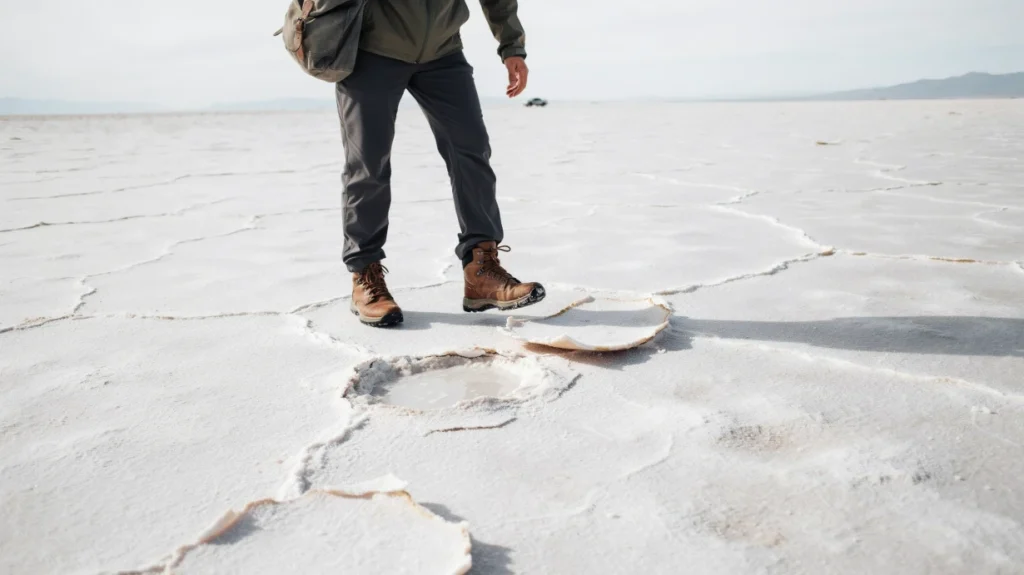 Bonneville Salt Flats Photography Etiquette: How to Protect the Surface and Share the View
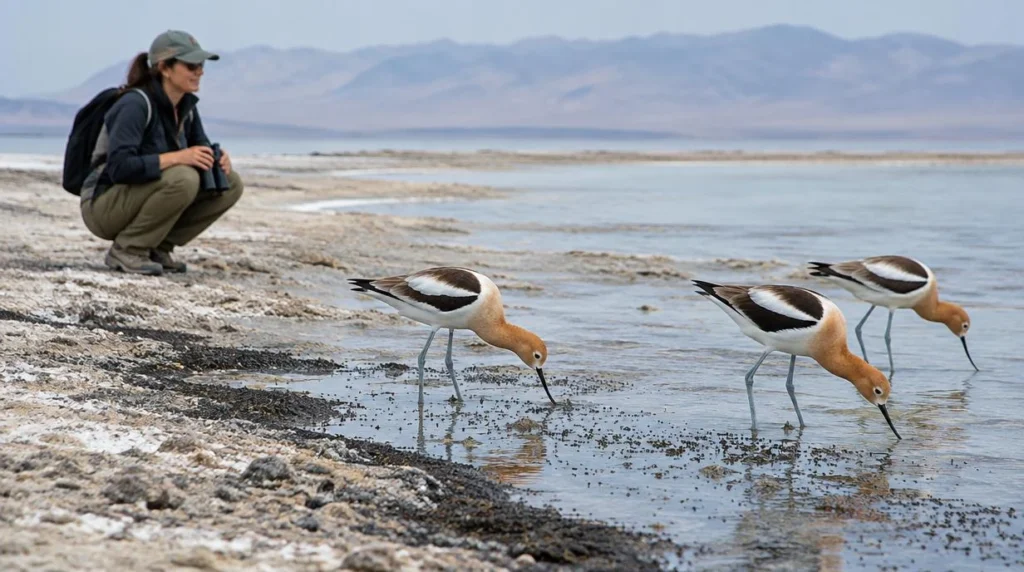 How to Plan an Antelope Island Birdwatching Visit
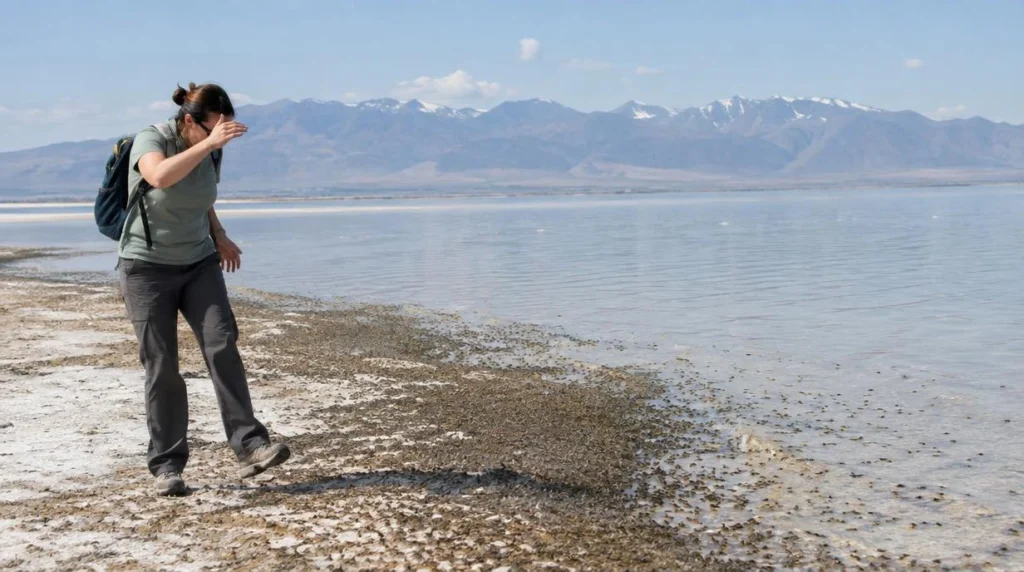 Why Are There So Many Brine Flies on Antelope Island?
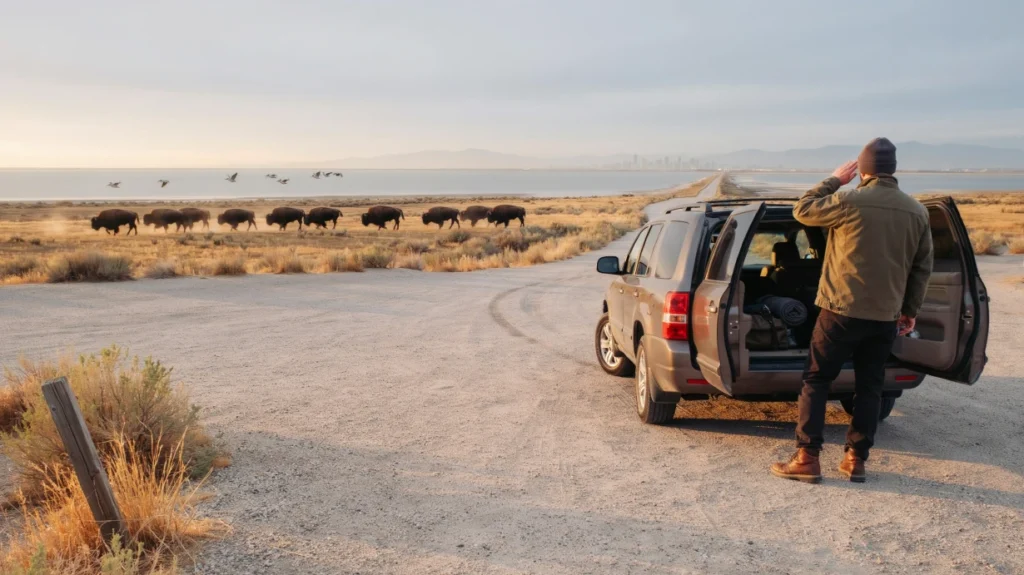 Antelope Island Day Tour or Sunset Wildlife Tour: Which Fits Your Salt Lake City Schedule?

This experience is a must-do! Dima explains the history of the area as well as the...
Read more →I had never been on a guided tour before, but Dima made it the best experience...
Read more →This was a great tour, it was nice to get picked up from our hotel. It...
Read more →Great guide great information and great deal for the money.
Read more →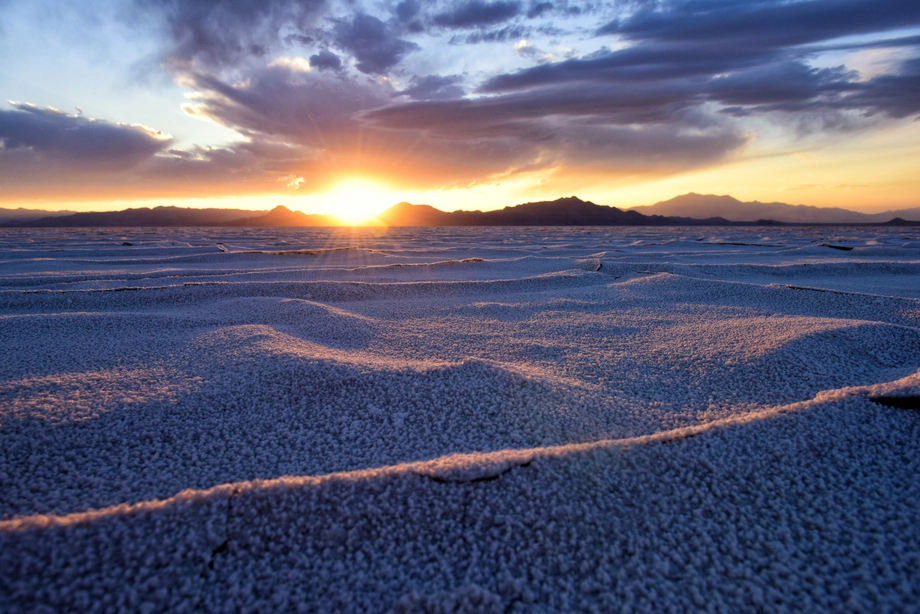 Bonneville Salt Flats – Sunset Adventure of the White Desert
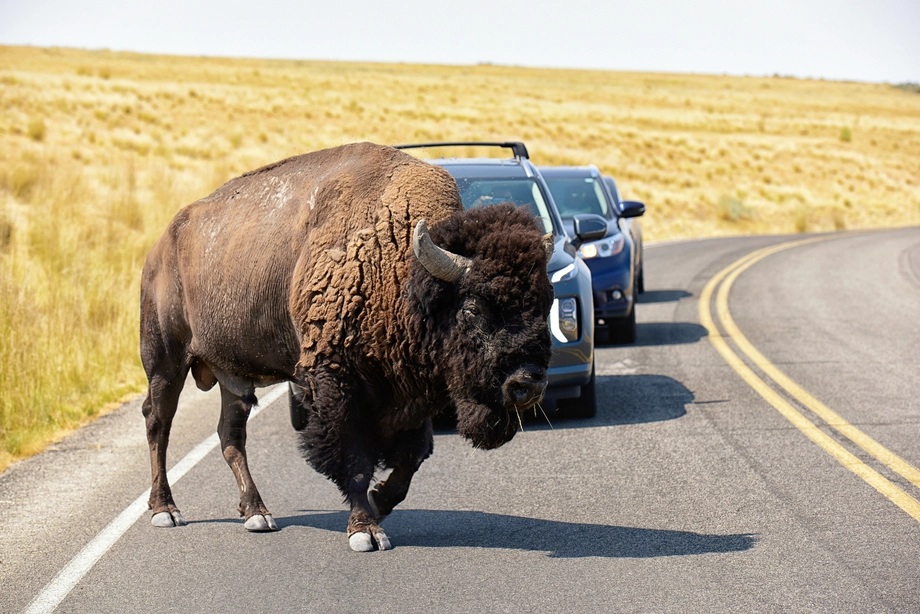 Antelope Island – Wild Heart of the Great Salt Lake Adventure
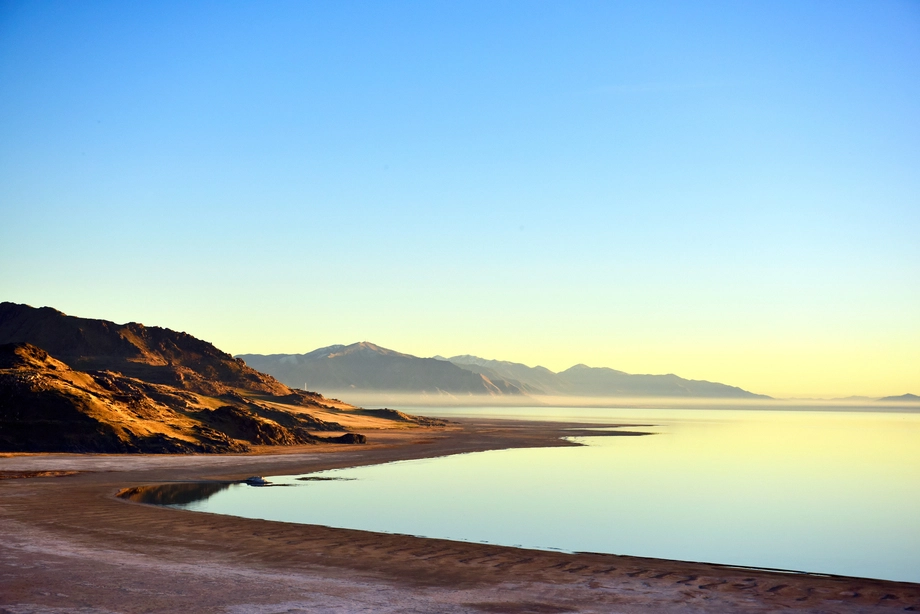 Antelope Island Sunset Wildlife Expedition – Great Salt Lake Odyssey
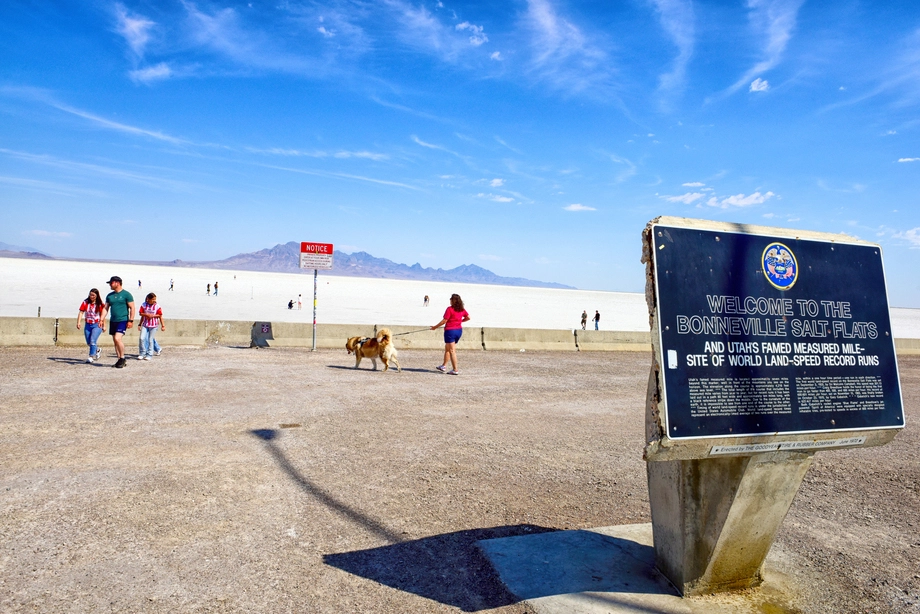 Bonneville Salt Flats – Journey to the Edge of the World