
A Step-by-Step Checklist for a Winter Visit to Bryce Canyon With…
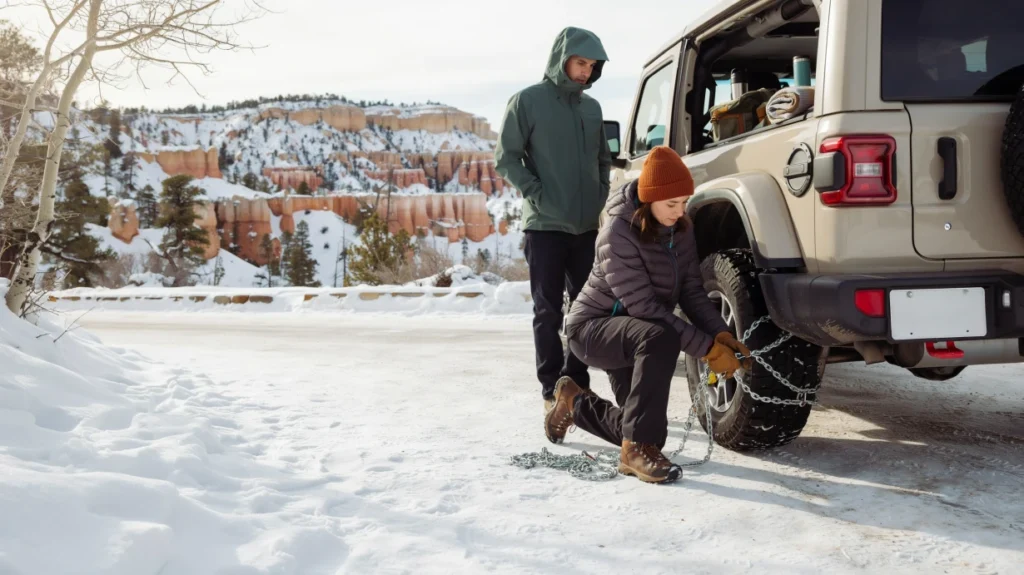
Carry compatible snow chains or confirm qualifying snow tires if your winter route may encounter active Utah traction restrictions. Check conditions on departure day, because Bryce road access can change during plowing.
The hardest part of a winter Bryce Canyon trip is often not finding the park. It is deciding whether your vehicle, route, rental agreement, and comfort level still make sense when snow arrives after you have committed to the drive. This is a practical winter-road readiness checklist for travelers considering Bryce Canyon by car, built around the real question of whether to carry snow chains.
At Matei Travel, we organize Utah trips from Salt Lake City, so we approach winter planning as a sequence of verified decisions rather than a promise that one piece of equipment solves every problem. Snow chains can matter, but road status, traction requirements, vehicle compatibility, and a workable backup plan matter just as much.
Why is winter Bryce Canyon planning different?
Winter planning is different because Bryce Canyon’s main park road stays open year-round, yet access can change quickly during or after a snowstorm. The road may close beyond approximately mile 3 while plows work, while the Bryce Amphitheater area receives priority for snow clearing.
That distinction affects what “prepared” means. A visitor may be able to reach the park and still find that the farther scenic-road sections are temporarily unavailable, so a successful plan includes flexible expectations for viewpoints and timing.
We organize tours from Salt Lake City to Utah’s major national parks, including Zion, Bryce Canyon, Arches, Canyonlands, and Capitol Reef. That planning work is why we treat winter readiness as a route-and-access decision first, with snow chains as one part of the decision rather than the entire answer.
When do snow chains actually matter on the road to Bryce Canyon?
Snow chains matter when severe weather triggers a Utah traction requirement, when road conditions make them necessary for safe vehicle operation, or when your planned route crosses snowy higher-elevation sections. They are not automatically required on every winter day, but they can become mandatory during active conditions regardless of a driver’s experience.
According to UDOT’s snow tire, chain, and traction-device requirements, Utah drivers must use traction devices in certain locations during severe winter weather. Notices may be communicated through signs and official channels, so a chain set stored in the trunk is only useful if it fits the vehicle and the driver is permitted to use it.
Bryce Canyon’s winter road pattern creates two separate questions:
- Can you reach the park area? Conditions on the roads leading to Bryce Canyon determine whether your vehicle meets any active traction requirement.
- How much of the park road is accessible? The main road can remain open while portions beyond mile 3 are temporarily closed for plowing.
- Can your vehicle legally use chains? Rental agreements and vehicle-clearance limits may restrict chain use even when a traveler has chains available.
An experienced snow driver should still make these checks. Skill does not override an active traction restriction, a temporary closure, or a rental company’s equipment policy.
You found a hidden promo code!
Use code WOWBLOG at checkout and get 10% OFF any tour!
Limited time offer. Book now and save!
Browse ToursWhat is the readiness standard before you leave for Bryce Canyon?
You are ready for a self-drive only when you can verify the route’s current conditions, your vehicle’s legal and practical traction setup, and a realistic response if the road or park access changes. If any of those three items remains unknown, delay the drive, alter the plan, or choose organized transportation.
Use this standard as a simple go/no-go test: do not leave merely because the forecast looks manageable. Leave when your car, equipment, permissions, and planned destination are all confirmed for the day you travel.
| Readiness area | Go signal | No-go signal |
|---|---|---|
| Road status | Official transportation and park updates support your intended route and destination area. | You cannot confirm current conditions, restrictions, or closures. |
| Vehicle traction | Your tires or compatible chains meet the requirements that may apply to the route. | Your tires are unsuitable, chains do not fit, or the setup is uncertain. |
| Rental permission | The rental agreement permits your planned winter-equipment approach. | The agreement restricts chains and offers no workable alternative. |
| Driver readiness | You understand how your equipment is used and are comfortable changing plans. | You do not want to drive on snow or install traction equipment. |
| Park expectations | You can still enjoy the accessible Bryce Amphitheater area if farther road sections are closed. | Your trip only works if every scenic-road segment is open. |
Step 1: How should you check your travel window and route for snow and ice?
Check the dates, route, and weather pattern repeatedly as departure approaches, then make the final decision on travel day. A winter trip planned weeks ahead should never rely on a single forecast or a general assumption that roads will be clear.
Must-do checks before committing to the drive
- Identify the full driving route: Review every major road segment between your starting point and Bryce Canyon, not only the final approach to the park.
- Check official road information: Look for UDOT updates, active traction notices, and road signs relevant to the route you will actually drive.
- Check Bryce Canyon access: Review National Park Service updates for current closures and the accessible portion of the main park road.
- Match conditions to your arrival time: A morning departure and an afternoon return can encounter different conditions during a storm or plowing operation.
Should-do checks that prevent avoidable changes
- Build a flexible visit: Plan a Bryce Amphitheater-focused visit that remains worthwhile if the road beyond mile 3 is closed temporarily.
- Set a turnaround point: Decide in advance that an active restriction you cannot meet, worsening visibility, or an unconfirmed closure ends the self-drive attempt.
- Leave schedule margin: Avoid tightly timed reservations or onward commitments that make it tempting to continue after conditions have changed.
For travelers trying to decide how to visit Bryce Canyon in winter, the key is accepting that a partial-access day can still be a valid visit. The amphitheater is prioritized for plowing, but no visitor should treat that priority as a guarantee that every road section will be open at a particular hour.
Nice-to-do preparation for a better visit
- Choose winter-friendly expectations: Favor overlooks and short walks near accessible areas rather than making a single distant viewpoint the entire purpose of the day.
- Keep a non-driving alternative: Have a Salt Lake City-based guided option in mind if the self-drive plan no longer matches your comfort level.
Step 2: How can Utah traction laws affect a Bryce Canyon drive?
Utah traction requirements can turn a voluntary equipment choice into a compliance requirement during severe winter weather. Travelers must treat an active restriction as a route-access condition, not as advice that can be ignored because they have four-wheel drive or winter-driving experience.
UDOT may enforce traction laws in specific locations during severe weather. The practical takeaway is straightforward: check the official status close to departure, read posted signs on the route, and carry only equipment that is compatible with your vehicle and allowed under your rental agreement.
Use this decision sequence when traction restrictions are possible
- Confirm the road segment: Determine whether the restriction affects a road you will use, rather than relying on a statewide weather summary.
- Confirm the acceptable setup: Establish whether your vehicle’s snow tires qualify or whether chains or another traction device are needed under the posted requirement.
- Confirm physical compatibility: Verify the equipment is sized for the installed tires and that the vehicle manufacturer permits its use.
- Confirm you can act: A driver who has never handled the equipment should not first open the package at the roadside in deteriorating conditions.
- Choose a different plan if needed: If any answer is unclear, do not force the route simply because Bryce Canyon is on the itinerary.
A common error is buying or borrowing chains without checking tire size, wheel-well clearance, or the vehicle manual. A second error is assuming that an all-wheel-drive vehicle eliminates all traction-law questions; the requirement in effect, not a vehicle badge, controls the decision.
Step 3: What should you confirm for your own car or rental car?
Confirm tire type, chain compatibility, and rental restrictions before you travel, because a chain set cannot solve a problem if it cannot legally or safely be installed. Rental-car policies vary, so the rental company must provide the answer for the specific reservation and vehicle class.
For an owned vehicle, check the owner’s manual and tire information before departure. For a rental, ask the company in writing or through its documented booking terms whether chains are permitted, whether the vehicle has suitable winter tires, and what its policy says about driving under traction restrictions.
Vehicle and reservation checklist
- Tire identification: Record the exact tire size installed on the vehicle, then verify any chains or traction devices are matched to that size.
- Manufacturer guidance: Check whether the owner’s manual permits chains and whether it places limits on their use.
- Rental terms: Confirm whether chains are prohibited, restricted, supplied, or left to the renter to obtain. Do not assume a vehicle advertised for Utah travel includes winter equipment.
- Existing tire condition: Identify whether the car has snow tires or another setup that may satisfy an active requirement. Do not describe tires as winter-ready without confirming what is actually installed.
- Practice opportunity: If chains are part of your plan, learn the manufacturer’s instructions and practice fitting them in a safe, dry location before the trip.
- Storage access: Keep approved traction equipment where it can be reached without unloading the entire vehicle at the roadside.
If the rental company does not permit chains, travelers have a real planning constraint rather than a minor inconvenience. They can ask about an available vehicle with appropriate winter tires, choose dates with more flexibility, or skip self-driving when conditions point toward traction restrictions.
We do not claim to have tested rental-company contracts or chain policies across Utah fleets. Those policies should be treated as reservation-specific facts that the traveler verifies directly before accepting the car.
Step 4: Should you carry chains, rely on snow tires, or book a guided tour?
Carry compatible chains when your vehicle allows them and your winter dates, route, and tolerance for changing conditions make traction restrictions plausible. Rely on qualifying snow tires only after confirming they meet the requirement in effect, and choose a guided tour when you do not want responsibility for winter-road decisions.
There is no universal answer for every Bryce Canyon visitor. The right strategy depends on the actual vehicle, the rental terms, the forecast and road status near departure, and whether driving on snowy roads is part of the trip you genuinely want to manage.
| Strategy | Best fit | Critical check before departure |
|---|---|---|
| Carry compatible chains | Your vehicle permits them, you have confirmed sizing, and you are prepared to use them if required. | Chain compatibility, practice, storage access, and current restrictions. |
| Rely on snow tires | Your vehicle has appropriate tires and you have verified whether they satisfy the active requirement. | Actual installed tire type and official traction status for the route. |
| Postpone or reroute | Your equipment or permission does not match the conditions, but your itinerary has flexibility. | Updated road and park access information. |
| Book organized transportation | You prefer to experience Bryce Canyon without managing winter equipment, road decisions, or a long self-drive. | Tour schedule, walking level, inclusions, and winter itinerary suitability. |
We run day tours to Utah ski resorts with transfers and flexible time on the slopes because some travelers want an organized experience without studying transport and resort-access nuances themselves. The same practical preference can apply to Bryce Canyon: winter mountain logistics are a reasonable task to outsource when they are outside your comfort zone.
For a broader park itinerary, our Utah National Parks Tours start from Salt Lake City and include Bryce Canyon among the major destinations. The tour descriptions list practical details such as schedule, walking level, and inclusions, which helps travelers decide whether guided transport is a better fit than preparing a rental car for a winter route.
What is the practical preparation timeline for a winter Bryce trip?
Start vehicle and route checks before you finalize the trip, then repeat official-condition checks the day before and the morning of departure. The final go/no-go decision belongs as close as possible to travel time because traction enforcement and plowing-related closures are weather dependent.
When booking or choosing dates
- Choose flexibility: Avoid an itinerary that fails completely if a storm delays access or limits the open portion of the park road.
- Decide your driving boundary: State clearly whether you will drive only on dry roads, will drive with snow tires, or are willing and permitted to use chains.
- Check the rental plan early: Do not wait until a pickup counter to learn whether your selected vehicle allows chains.
One to three days before departure
- Recheck official conditions: Review UDOT information and National Park Service updates as weather develops.
- Confirm equipment: Verify tire size, chain compatibility, manual guidance, and that any equipment is accessible in the vehicle.
- Practice once: Read the traction-device instructions and rehearse the process in safe conditions if chains are part of your plan.
- Adjust expectations: Prepare to focus on the Bryce Amphitheater area if the road beyond mile 3 is closed for plowing.
On departure morning
- Check again: Use current official road and park information rather than yesterday’s conditions.
- Make the go/no-go call: Leave only if the route, vehicle setup, permissions, and personal comfort level still align.
- Keep an alternative: If the answer is no, change the day, change the route, or choose guided transport instead of trying to negotiate a restriction unprepared.
What are the critical misses that turn a chain plan into a bad plan?
The critical misses are assuming chains fit, assuming rental permission, ignoring a posted traction requirement, and building a day that only works if every Bryce road segment stays open. Avoiding those errors matters more than owning a chain set that may never leave its package.
We also design our small-group downtown Salt Lake City walking tours with local guides, question-friendly group sizes, and detailed route descriptions that include duration, distance, and terrain. That same planning principle applies here: travelers make better choices when they know the practical constraints before they are standing at a decision point.
- “I am an experienced winter driver”: Experience is valuable, but it does not change equipment rules or reopen a road section closed for plowing.
- “I will buy chains if it snows”: Waiting can leave no time to confirm fit, vehicle clearance, rental permission, or installation familiarity.
- “The park road is open year-round”: Year-round status does not mean uninterrupted access to every mile during a storm response.
- “My rental is probably fine”: “Probably” is not a winter equipment policy. Confirm the actual vehicle and reservation terms.
- “I have to keep the itinerary”: A fixed schedule can pressure a driver to continue when conditions no longer match the preparation level.
What is the final go/no-go checklist for driving yourself?
Drive yourself only when every must-do item below is a clear yes. A single no in the route, vehicle, permission, or comfort categories is a reason to change the plan rather than improvise on the road.
Must-do before leaving
- Route verified: I checked current UDOT road information and understand any active traction requirement affecting my route.
- Park access verified: I checked current Bryce Canyon information and can accept the accessible road sections for the day.
- Vehicle verified: I know the installed tire type, tire size, and whether my vehicle can use chains if required.
- Permission verified: My rental agreement, if applicable, permits my planned traction approach.
- Equipment verified: My chains or other traction devices fit the installed tires and are available in the vehicle.
- Driver verified: I understand the equipment instructions and am comfortable with the possibility of snowy or icy conditions.
Should-do before leaving
- Timing protected: My schedule has enough margin for changing conditions and possible plowing delays.
- Plan B selected: I know whether I will postpone, reroute, or use guided transportation if conditions do not support self-driving.
- Visit priorities adjusted: I can enjoy a Bryce Amphitheater-focused visit rather than treating a farther road closure as a failed day.
Nice-to-do before leaving
- Chain fit practiced: I have reviewed and rehearsed the fitting process somewhere safe and dry.
- Travel companion aligned: Everyone in the vehicle understands the turnaround decision and does not expect the driver to push through an unmet requirement.
When does a guided Bryce Canyon visit make more sense than self-driving?
A guided visit makes more sense when you do not want to monitor traction restrictions, manage chain compatibility, or make long-distance winter driving decisions yourself. It is also a sensible option when a rental policy prevents your preferred equipment plan or when the uncertainty outweighs the value of driving independently.
Guided travel does not remove weather-related disruptions or guarantee access to every viewpoint. It does remove the personal burden of decoding unfamiliar route logistics, selecting a rental-car traction strategy, and deciding whether you can legally meet a changing requirement.
Our work is built around organized Utah experiences with transport, practical itineraries, and local context. We also run small-group walking tours in downtown Salt Lake City that include historic buildings and lesser-known places, with local guides explaining the city’s history, layout, and development, particularly for visitors beginning their stay in the city.
For a winter Bryce trip, use the checklist honestly. If the answers leave you uncertain about road conditions, equipment, or comfort in snow, selecting an organized national parks itinerary is a practical choice, not a failure of preparation.
Snow chains are worth carrying for many winter Bryce Canyon self-drives, but only when they fit the vehicle, are permitted, and form part of a confirmed traction plan. Check UDOT and National Park Service updates close to departure, expect that plowing can limit access beyond mile 3, and do not treat driving skill as a substitute for compliance.
We recommend a self-drive only when the route, vehicle, rental terms, equipment, and driver comfort all receive a clear yes. If that checklist feels like more winter-road responsibility than you want, explore our Utah National Parks Tours from Salt Lake City to see Bryce Canyon without managing the self-drive logistics yourself.
Will I definitely need snow chains at Bryce Canyon in winter?
No. Requirements depend on current severe-weather conditions, the specific roads on your route, and the traction status in effect when you travel.
Can I visit Bryce Canyon if part of the main road is closed?
Yes, a partial closure does not necessarily prevent a visit. The Bryce Amphitheater area receives priority for plowing, although access still depends on current conditions.
Should I bring chains if my car has snow tires?
Confirm whether the installed snow tires satisfy the active traction requirement for your route. Carrying compatible equipment can provide a backup only if your vehicle permits it.
What if my rental car company prohibits snow chains?
Ask whether another available vehicle has appropriate winter tires and confirm what the agreement allows. If no compliant option is available, change the timing or avoid self-driving in affected conditions.
Do I need to practice using chains before a Bryce Canyon trip?
Yes, if chains are part of your plan. Review the instructions and practice in a safe, dry place instead of learning during a roadside weather event.
Does four-wheel drive remove Utah traction-law requirements?
No. The active requirement and posted conditions determine what equipment is acceptable, so verify the official status for the roads you intend to use.
Can a guided tour guarantee Bryce Canyon access in winter?
No tour can guarantee access during changing weather or plowing operations. Guided transportation can, however, remove the need for you to manage your own chains, rental restrictions, and route decisions.
 Your First Evening in Salt Lake City: A Low-Pressure Orientation Plan
 Bonneville Salt Flats Photography Etiquette: How to Protect the Surface and Share the View
 How to Plan an Antelope Island Birdwatching Visit
 Why Are There So Many Brine Flies on Antelope Island?
 Antelope Island Day Tour or Sunset Wildlife Tour: Which Fits Your Salt Lake City Schedule?
 How to Dress for Changing Weather on Antelope Island

This experience is a must-do! Dima explains the history of the area as well as the...
Read more →I had never been on a guided tour before, but Dima made it the best experience...
Read more →This was a great tour, it was nice to get picked up from our hotel. It...
Read more →Great guide great information and great deal for the money.
Read more → Bonneville Salt Flats – Sunset Adventure of the White Desert
 Antelope Island – Wild Heart of the Great Salt Lake Adventure
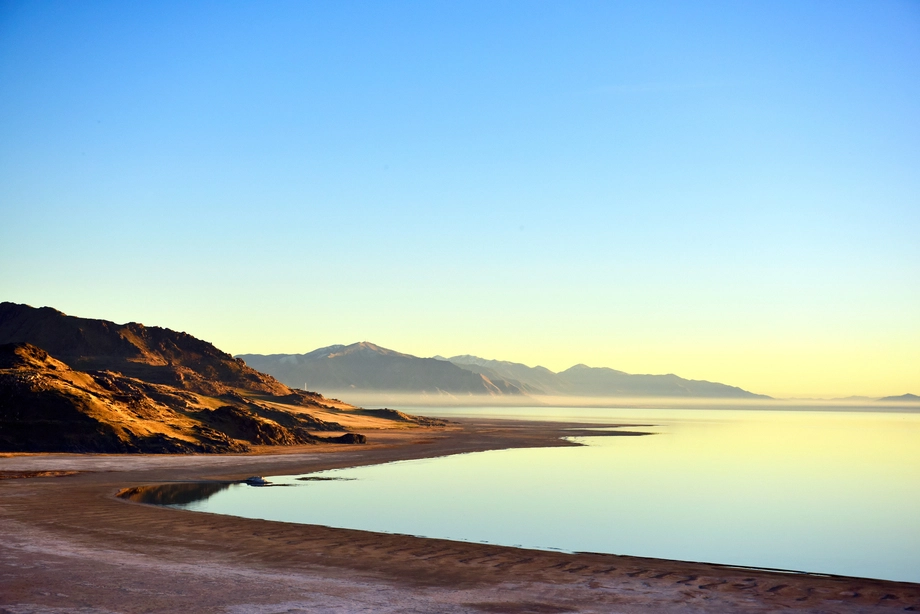 Antelope Island Sunset Wildlife Expedition – Great Salt Lake Odyssey
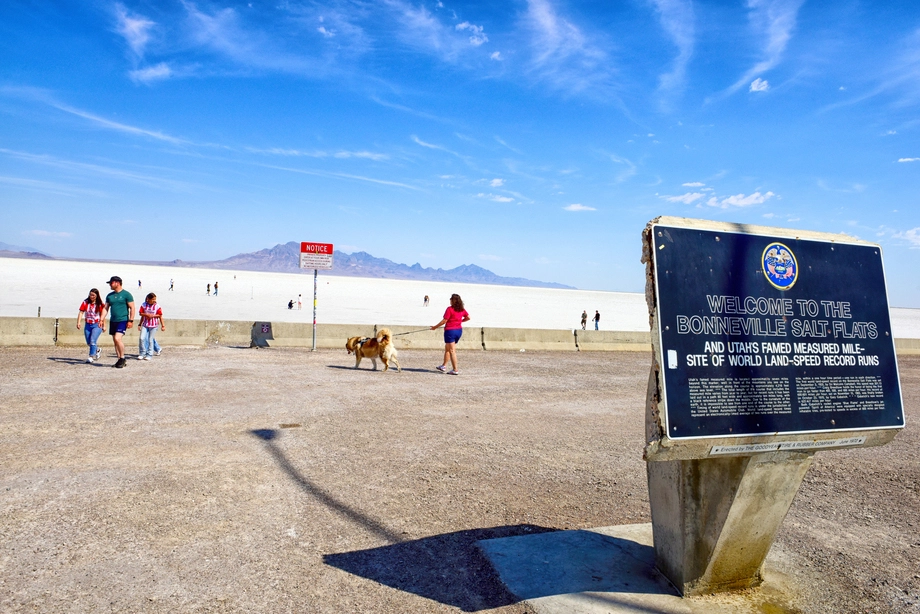 Bonneville Salt Flats – Journey to the Edge of the World