
How Walking Tour Length Shapes Your Salt Lake City Day
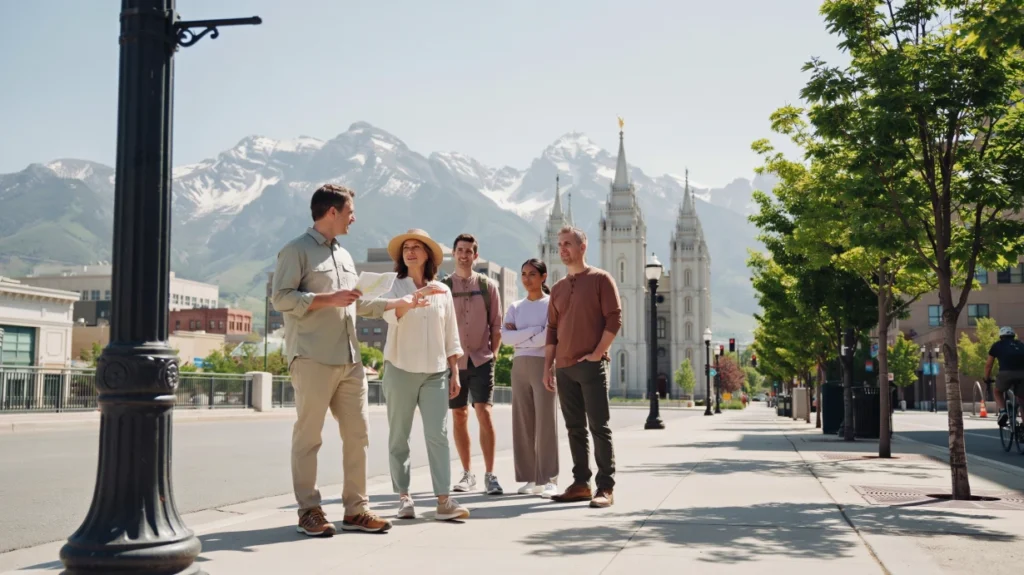
A shorter route preserves energy and free time, a standard route anchors a half-day, and an extended route creates a deeper city day. Choose by your group’s pace, weather, and remaining plans.
The mistake is treating a walking route’s mileage as a fitness test instead of a decision about the shape of your day. A Salt Lake City walking tour is a practical way to get oriented in a compact downtown setting, but its duration affects your energy, the range of places you reach, meal timing, and whether you still want a museum visit, dinner reservation, ski outing, or drive afterward.
For visitors comparing things to do near Salt Lake City, the useful question is not simply “How far is it?” Ask how much of the day you want the city experience to occupy. A route that feels comfortable on paper can feel very different after a flight, in summer heat, with a toddler, or before an active afternoon in the mountains.
How does route length change a Salt Lake City day?
Route length changes the day by setting your walking load, the number of neighborhoods and stories a guide can connect, and the amount of unscheduled time left afterward. Shorter routes work as a gentle orientation, standard routes become a meaningful half-day anchor, and extended routes suit travelers who want downtown to be the main event.
Distance is only one part of the experience. A guided route includes pauses for interpretation, questions, photographs, crossings, and looking closely at buildings, so it does not feel like continuous exercise. Still, every additional block asks more of your feet, attention span, weather tolerance, and schedule.
| Day shape | How it tends to feel | What it leaves room for | Good fit |
|---|---|---|---|
| Short orientation route | A relaxed introduction with regular stops and a lower commitment of energy. | Lunch, museums, check-in time, meetings, or an easy evening. | Arrival day, families, business travelers, and cautious walkers. |
| Standard route | A substantial city experience with enough time for landmark context and quieter corners. | One additional planned activity, with a meal break between plans. | First-time visitors who want downtown to frame the rest of their stay. |
| Extended route | A deeper, more immersive urban day with more time on your feet and more stories to absorb. | A slower evening or a light, flexible follow-up plan. | Reasonably active travelers making the city their priority that day. |
We recommend choosing the category before focusing on the route map. If you want to be fresh for another activity, protect that energy with a shorter option. If Salt Lake City itself is your focus, give the walk enough time to develop beyond a quick introduction.
What do miles and minutes actually feel like on a guided walk?
A guided walk can feel easier than its distance suggests because forward motion is naturally broken into short segments. The practical distinction is between a transportation walk, where you are trying to arrive somewhere, and a city tour, where stopping is part of the value.
According to research on U.S. walking trips, the average walking trip is about 0.61 miles and lasts roughly 12 minutes. That helps explain why a route of around a couple of miles may sound ambitious to someone who normally walks only for errands, even though the same distance can be comfortable when spread across guided stops.
According to a systematic review of outdoor walking speed, healthy adults walk at a usual pace of about 2.93 miles per hour. Tour pace is slower in practice because listening, looking, asking questions, and regrouping all take time, which is why duration listed on a tour matters as much as approximate mileage.
- Continuous walking: A mile covered without stopping can feel brisk, especially after travel or in uncomfortable weather.
- Stop-and-go touring: The same mile is divided by stories, photo pauses, and city details, making the physical demand more manageable for many visitors.
- Terrain and conditions: Relief, pavement, temperature, sun exposure, footwear, and altitude can change effort more than the route’s headline distance.
- Attention load: A longer experience also means more information and more time standing, which matters for children and guests who tire from being upright.
Use the published duration, distance, and terrain note together. A shorter route with easier terrain is usually the conservative choice when you are uncertain, rather than booking the longest option and hoping the day feels easier than expected.
You found a hidden promo code!
Use code WOWBLOG at checkout and get 10% OFF any tour!
Limited time offer. Book now and save!
Browse ToursWhich walking-tour day shape is right for your group?
The right category depends on what must happen before and after the walk, not on an abstract idea of being “fit enough.” Most reasonably active adults can enjoy a city route with planned stops, but a group should choose the pace that suits its least comfortable participant and the day’s conditions.
Choose a short route when flexibility matters most
A brief downtown orientation works well after an early flight, before a conference commitment, or when your group wants to decide later how much more sightseeing feels right. It is also a sensible starting point for families with young children, older relatives, and visitors adapting to Salt Lake City’s elevation.
Plan a real meal or rest window afterward rather than stacking another fixed walking commitment immediately behind it. That buffer matters on hot or cold days, and it lets children reset without making the tour feel rushed.
Choose a standard route when you want a half-day city anchor
A standard-length tour is often the strongest first-day choice for visitors who want context for the places they will revisit later. It provides enough time to connect historic landmarks, city planning, and less obvious corners without turning the entire day into an endurance exercise.
Reserve the other half of the day for one major indoor attraction, a relaxed meal, or independent exploring nearby. Avoid pairing it with a demanding hike or ski day unless your group already knows it is comfortable with a busy schedule.
Choose an extended route when downtown is the day’s main experience
An extended route gives a guide more room to build connections between major buildings and places that are easy to walk past without context. The tradeoff is straightforward: you gain variety and a fuller narrative, while giving up spontaneity and some physical reserve for later.
This category is best saved for a day without a tight evening schedule, a long drive, or strenuous recreation. Carry water, wear shoes you have already tested for city pavement, and make lunch plans that do not require crossing town on foot immediately afterward.
How do we design routes that work in real life, not just on a map?
Our Salt Lake City walking routes are built around the way people actually move through a city: in short stretches, with pauses, questions, changing weather, and varying energy levels. We combine significant historic buildings with hidden places, so additional distance adds different perspectives rather than simply more pavement.
At Matei Travel’s Salt Lake City Walking Tours, each route description gives you the practical information needed to self-select: duration, approximate distance, and the character of the terrain. Small groups also make it easier for guests to ask questions and for the local guide to keep the group together at a comfortable, responsive pace.
What we handle and what travelers decide
Good route selection is a shared process. We provide the route framework, local interpretation, and clear pre-booking details; travelers provide the constraints that only they know, such as a child’s stamina, a knee concern, a flight arrival time, or a planned afternoon activity.
- Our route design: We organize downtown walks around meaningful landmarks, overlooked places, and the stories of the city’s history, planning, and development.
- Your comparison step: Read the listed duration, approximate distance, and terrain character, then match them to the available time and comfort level of your full group.
- Your booking choice: Reserve the route category that fits the day you want, rather than selecting only by the greatest number of sights.
- The guide’s role on the day: A local guide leads the group, answers questions, and manages the natural stop-and-go rhythm of an in-person walk.
The deliverable is not a promise to see every part of Salt Lake City. It is a clearly defined, locally guided route that gives you orientation and context within a realistic time block. Before booking, the acceptance check is simple: the duration fits your calendar, the terrain note matches your comfort level, and the rest of the day is not overloaded with another physically demanding plan.
How should different travelers choose a comfortable length?
Different groups should use different decision rules. The safest choice is the one that preserves enjoyment for the person who will have the hardest time with distance, standing, temperature, or a tightly timed schedule.
- First-time visitors: Choose a standard route if downtown context is a priority and you have an open morning or afternoon. It gives you a useful mental map for later meals, sightseeing, and independent exploration.
- Families with toddlers: Start with a short option and protect time for snacks, bathroom breaks, and a change of plans. A compact route is usually easier to enjoy than a longer one that depends on a child staying engaged throughout.
- Older travelers or mixed-ability groups: Favor the most conservative distance and easier terrain description. Tell your group to use supportive footwear and avoid scheduling another long walking segment immediately afterward.
- Business travelers: A short, centrally located route can fit between meetings or before an evening flight. Treat the stated duration as an appointment and leave extra time for returning to your hotel or event.
- Skiers and hikers: Keep city walking brief on the same day as mountain activity. A standard or extended city route is better placed on a recovery day or a day without demanding outdoor plans.
- Heat, cold, or jet lag: Reduce the route length first. Timing, breaks, shade, and route pacing help comfort, but they do not erase the added strain of weather or travel fatigue.
Self-guided wandering remains an option, especially for people who enjoy navigating at their own pace. A local guide adds a curated sequence, explanations of why streets and buildings matter, and the ability to notice places that are easy to miss when you are watching directions instead of the city.
Why is a walking tour especially useful on your first day in Salt Lake City?
A first-day route gives you a practical orientation without requiring you to solve navigation and local context at the same time. The best first-day length is usually the shortest one that still leaves you curious, comfortable, and able to use what you learned afterward.
A short walk can establish bearings after arrival. A standard walk can become the backbone of an open day, helping you decide which areas deserve a return visit. An extended walk is better when you have already protected the rest of the day for recovery, meals, and unhurried exploration.
If you are planning a city day before heading farther out, choose the walking length first and place larger excursions on another day. Our Utah day tours are a natural follow-up for visitors who want to explore landscapes beyond the city after they have settled into their Salt Lake City schedule.
What should you check before reserving your route?
Before reserving, confirm that the route length works with your actual arrival time, weather tolerance, footwear, and plans afterward. This short check prevents the common problem of booking a worthwhile tour on a day when your group cannot enjoy it at a relaxed pace.
- Block the full time window: Include time before and after the listed duration for arrival, meals, hotel travel, and rest.
- Read all three route details: Compare duration, approximate distance, and terrain rather than relying on only one of them.
- Plan for the least comfortable walker: Select a conservative category when children, older relatives, mobility concerns, or mixed walking confidence are involved.
- Check the day’s second activity: Do not combine an extended city route with skiing, a strenuous hike, or a time-sensitive drive unless you intentionally want a highly active day.
- Prepare for conditions: Bring water and wear weather-appropriate layers and comfortable walking shoes suitable for pavement.
- Ask before committing if needed: Contact us when a mobility consideration or schedule constraint makes the terrain description difficult to interpret.
Choose the route length that leaves your group wanting more
A short route is the practical choice when you need flexibility, a standard route suits a balanced city day, and an extended route rewards travelers who want a deeper downtown experience. Read distance, duration, and terrain as one set of planning details, then leave room for meals, weather changes, and the energy your group will need later. The most successful first-day walk is the one that gives you context without draining the rest of your visit.
Compare the route details and reserve the right fit through our Salt Lake City tour catalog.
Is a walking tour harder than the mileage suggests?
It can be, particularly in heat, cold, or after travel, but guided walks include standing stops and slower periods. Review the terrain note as well as the distance.
Should families with young children choose the shortest option?
A shorter route is usually the more flexible choice for toddlers and young children. It leaves time for snack breaks, rest, and an easy change of plans.
Can I schedule a walking tour before a ski or hiking activity?
Choose a brief city route if you must combine both on one day. For a standard or extended walk, a separate day is more comfortable for most visitors.
What information should I compare before booking?
Check the listed duration, approximate distance, and terrain character together. Then compare those details with your arrival time and the activity planned afterward.
Why does a local guide matter on a shorter route?
A guide can give structure and context quickly, connecting visible landmarks with the city’s planning and development. That makes a limited time block more informative than unplanned wandering.
Are longer routes simply more of the same sights?
No. More time allows the route to connect headline historic buildings with smaller, less obvious places and the stories between them.
What if someone in my group has mobility concerns?
Choose conservatively and review the terrain description before reserving. Contact the tour provider with the specific concern if you need help judging the fit.
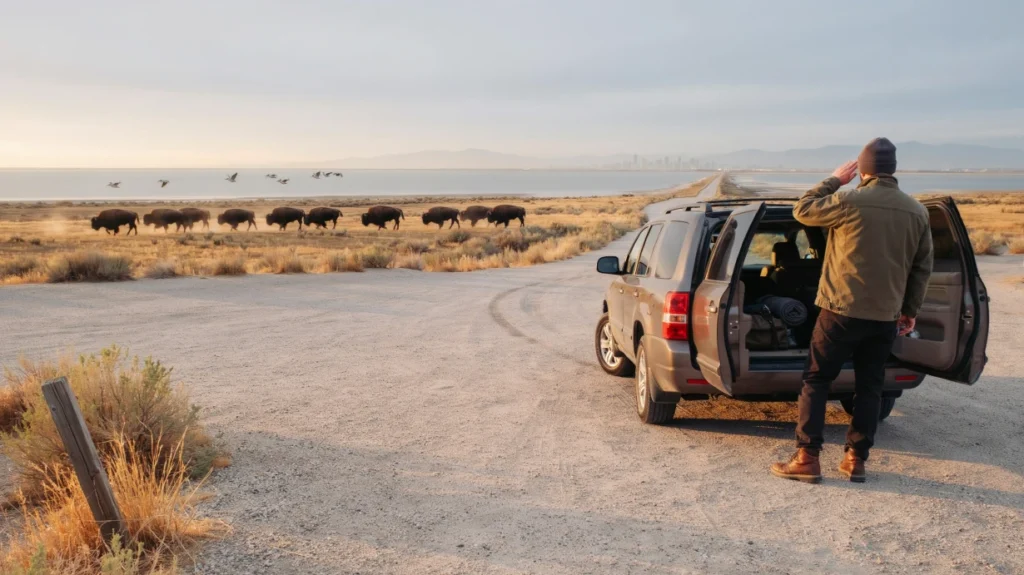 Antelope Island Day Tour or Sunset Wildlife Tour: Which Fits Your Salt Lake City Schedule?
 How to Dress for Changing Weather on Antelope Island
 How to Photograph People at Bonneville Salt Flats at Sunset
 How to Dress for Wind and Glare at Bonneville Salt Flats
 What a Guide-Led Utah Day Tour Handles for You
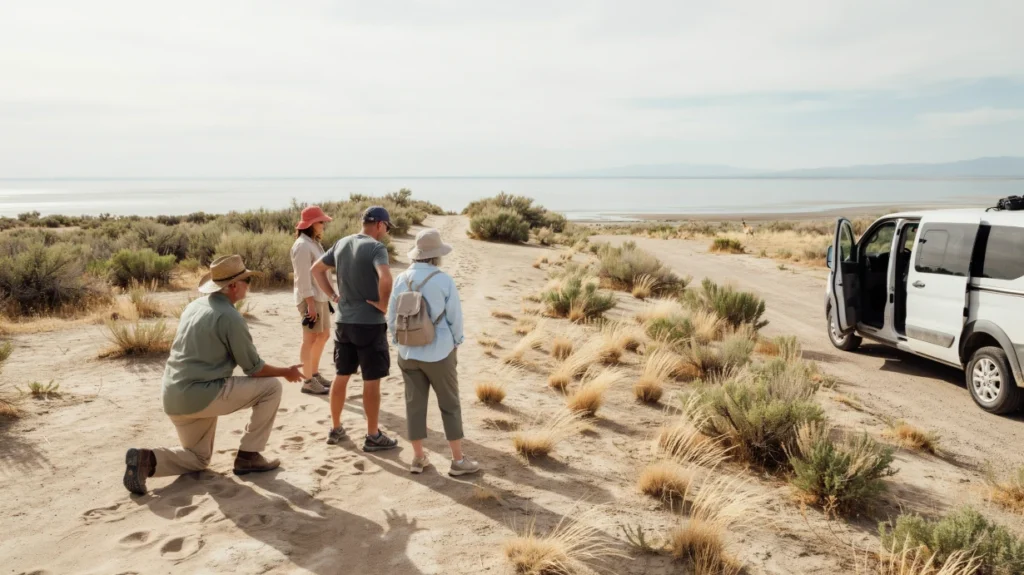 Why Wildlife Sightings Cannot Be Guaranteed on Antelope Island

The tour was great and beautiful. Dima, the tour guide, explained everything clearly and had some...
Read more →What a beautiful experience! The drive is about 2 hours one way with interesting scenery the...
Read more →(From North Carolina on a business trip) '+ 'HANDS DOWN the best tour/guide I’ve ever had. And...
Read more →Went to Antelope Island. Terrible. Tour guide didn\'t do what he said he was going to...
Read more → Bonneville Salt Flats – Sunset Adventure of the White Desert
 Antelope Island – Wild Heart of the Great Salt Lake Adventure
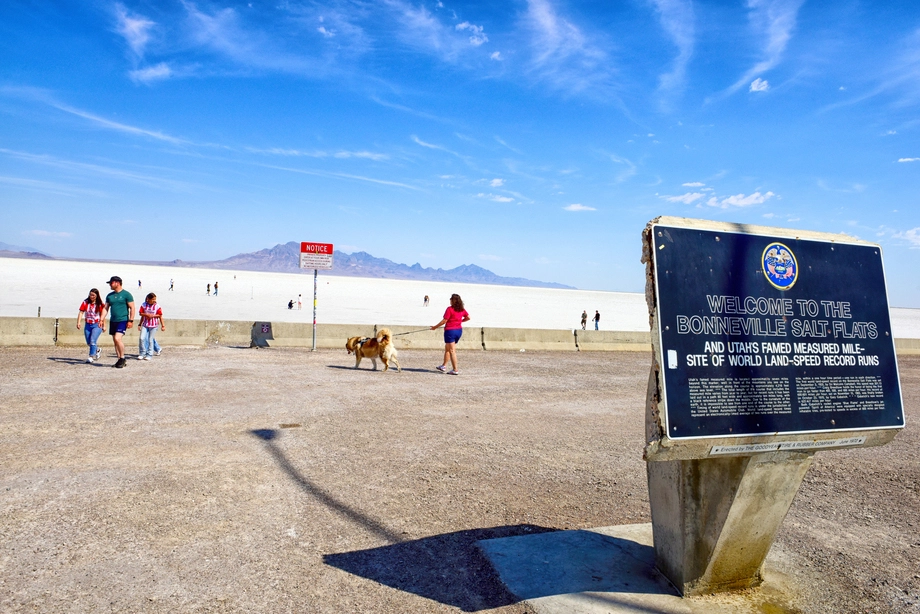 Bonneville Salt Flats – Journey to the Edge of the World
 Antelope Island Sunset Wildlife Expedition – Great Salt Lake Odyssey