
Solo Female Traveler Safety Tips for Visiting Zion’s Main Trails in…
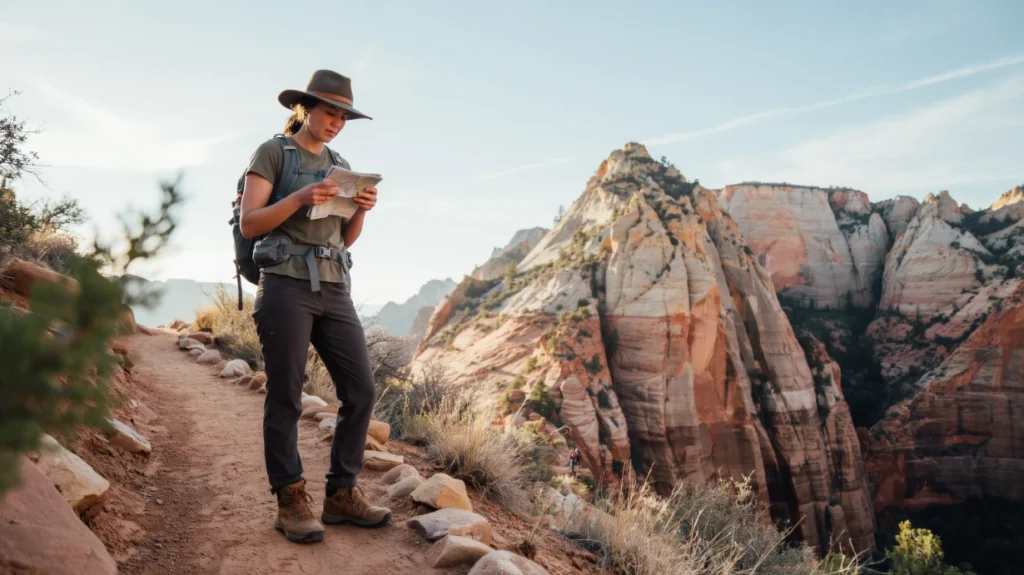
Zion’s main trails can be realistic for solo travelers in high season when the route matches your ability and you treat heat, flash floods, timing, and return transport as firm go/no-go checks.
A crowded trail can create a false sense of security. In Zion’s high season, people, shuttles, and busy trailheads can make a solo hike feel managed, while heat, canyon weather, fatigue, cliff exposure, and the pressure to keep moving with others remain very real risks.
This is a practical safety-planning guide for people hiking Zion National Park alone, including women who want an additional layer of social comfort without treating themselves as incapable. We organize one-day Utah trips from Salt Lake City, so our work regularly involves making concrete decisions about route timing, heat exposure, transfers, short walks, and realistic pacing for guests.
Why do Zion’s main trails feel safe in high season, and where does trouble actually start?
Zion’s popular corridors often feel socially comfortable because other visitors are nearby, but the biggest risks are usually environmental and logistical rather than isolation. Solo hikers get into trouble when they overestimate what crowds can protect them from, especially heat illness, flash-flood conditions, exposed terrain, or a missed return plan.
A busy route can help with wayfinding and make it easier to seek help, but it cannot cool an overheated hiker, make a wet canyon safe, or prevent a fall near an edge. Treat other visitors as a possible source of assistance, not as a substitute for your own water, weather checks, navigation, and decision to turn around.
For solo women, social awareness belongs in the same plan as weather awareness. Hike in daylight on established trails, remain within the normal flow of visitors when that feels right, keep your phone accessible rather than buried in a pack, and trust discomfort early. A simple response such as, “I’m hiking on my own today, thanks,” is enough when unwanted company is offered.
What does Zion high season change for a solo hiker?
High season increases heat exposure, crowd-related delays, and the need to watch summer storm forecasts closely. The July through September monsoon window is particularly important because flash floods can develop suddenly in Zion’s canyons.
The practical issue is cumulative stress. A late shuttle, time spent waiting in direct sun, a longer-than-expected walk from a stop, and an ambitious route can turn a manageable outing into a depleted one before the scenic part of the hike even begins.
- Heat: Build the day around cooler morning or later-afternoon movement, not around the longest possible hiking window.
- Crowds: Expect queues and slower transitions. Carry water where you can reach it without stopping and avoid using a fixed, optimistic schedule.
- Storms: A clear sky at the trailhead does not remove canyon risk. Check the forecast before leaving and reassess when conditions change.
- Return logistics: Know how you will get back before starting, including the latest current shuttle information and any walking distance remaining after you leave the trail.
We make similar tradeoffs on our Salt Lake City day trips. Because our tours include transfers, we have to decide departure times, pickup points, and stop sequences so guests are not spending long periods outdoors during the most intense heat of the day.
You found a hidden promo code!
Use code WOWBLOG at checkout and get 10% OFF any tour!
Limited time offer. Book now and save!
Browse ToursWhich Zion main trails are appropriate for your solo skill level?
The right solo route is one you can complete comfortably without relying on strangers, rushing to meet a transport deadline, or pushing through worsening conditions. Short, designated valley walks are the conservative choice for first-time or less experienced hikers, while steep, exposed, narrow, or water-dependent routes require much stronger judgment.
| Route type | Solo high-season fit | Primary control | Go or no-go signal |
|---|---|---|---|
| Short designated valley trail | Best starting point for newer hikers | Start early, carry water, stay on the trail | Go when you can finish well before heat or transport pressure builds |
| Longer maintained trail with elevation | Suitable only with heat-ready fitness and a clear turnaround time | Use a conservative turnaround point | No-go if you are already tired, behind schedule, or short on water |
| Steep or cliff-exposed route, including Angels Landing | For confident hikers who accept exposure and meet current requirements | Stay away from edges and do not let crowd pace dictate yours | No-go if exposure makes you freeze, weather deteriorates, or required access is unavailable |
| Narrow canyon or water-influenced route, including The Narrows | Condition-dependent rather than automatically suitable | Check current weather, warnings, and route conditions | No-go when rain is forecast or flood risk is present |
National Park Service guidance advises hikers to remain on designated trails, give cliff edges a wide margin, and watch for loose sand or pebbles on steep ground. A photo, a faster group, or a line of people waiting behind you is never a reason to move closer to an edge.
Use three priority buckets before choosing a route
Put every decision into must-do, should-do, and nice-to-do categories. This prevents an optional viewpoint, photo stop, or longer extension from quietly becoming the reason you run short on water, daylight, or energy.
- Must-do: Check current park alerts, weather, access requirements, shuttle information, route length, and your return plan.
- Should-do: Tell one person your route and expected finish time, download offline information if available, and choose a turnaround point before starting.
- Nice-to-do: Add a second viewpoint, linger for photos, or extend the route only if water, energy, conditions, and time all remain comfortably in reserve.
Our planning method for Utah day tours is built around this same distinction. We use a thought-through route and guide narration, and we decide which short hikes and viewpoints are genuinely realistic for mixed-ability groups within a single day rather than treating every stop as mandatory.
What must be planned before you leave for Zion?
Before departure, confirm the route is currently allowed, the weather supports it, and you can return without improvising. A solo hiking plan is ready only when someone else knows your plan, your water and food are packed, and you have a firm reason to cancel.
- Check official conditions: Review Zion National Park’s current alerts, closures, weather information, shuttle operations, and regulations on the official park site on the morning of the hike.
- Verify access requirements: Some routes may have permits or other controls. Do not assume a popular trail is available simply because it appears in an older itinerary or social-media post.
- Set a check-in: Send a trusted person your selected trail, planned start, turnaround time, expected finish, and the instruction to contact park staff or emergency services if you miss the agreed check-in.
- Build a transport buffer: Know where your hike ends, how you reach your lodging or vehicle, and what you will do if a shuttle line or walking connection takes longer than expected.
- Pack for self-sufficiency: Carry ample water, food, sun protection, a charged phone, and clothing appropriate for changing conditions. Do not count on a shop, water source, or another hiker being available at the exact moment you need help.
For a first visit, it helps to place this decision inside a larger itinerary rather than trying to solve it at the trailhead. Our first-time Zion planning guide provides broader logistics context, while this checklist is designed to make the solo hiking decision itself more conservative.
How should you manage heat and hydration on Zion’s main trails?
Carry at least about one gallon of water per person per day in hot conditions and drink regularly, rather than waiting until you feel severely thirsty. Start early or plan a later outing when appropriate, and stop the hike at the first signs that heat is affecting your judgment or coordination.
The National Park Service recommends at least about one gallon of water per person per day during hot conditions. For a solo visitor, the key is not just bringing that amount, but making sure it is available during the hottest, most exposed part of the day instead of being consumed too quickly at the start.
Heat-control sequence: before, during, and after the trail
- Before starting: Eat, fill every water container, apply sun protection, and assess whether you feel rested enough for the route. Beginning already tired or dehydrated is a no-go signal for a strenuous hike.
- During the hike: Sip regularly, slow down before you feel overwhelmed, use shade when available, and turn around before your water reserve becomes a problem.
- At the first warning signs: Stop in shade if possible, cool down, drink, and reassess. Weakness, dizziness, nausea, headache, confusion, or poor coordination should end the attempt rather than trigger a push to the finish.
- After returning: Continue drinking, eat, cool down, and avoid assuming that a completed hike means you are ready for another exposed activity immediately.
We deliberately balance road time with time at the destination on our itineraries because a full day still needs to be realistic. That means estimating how long people can comfortably and safely be outside in Utah’s desert environments, rather than filling every available minute with stops.
When should a solo hiker turn back because of flash-flood risk?
Turn back or choose another route whenever rain is forecast for a narrow canyon area, a flood warning is issued, or current conditions are uncertain. In Zion, flash flooding can occur suddenly, especially during the July through September monsoon season, so narrow canyons are not a place to gamble on a forecast.
Do not treat the absence of rain where you are standing as clearance to continue. Weather affecting drainage areas can create a dangerous canyon situation even when the trailhead appears calm.
Flash-flood no-go checklist for popular canyon areas
- Forecast concern: Do not enter a narrow canyon when rain is forecast or when official alerts identify flood risk.
- Warning signs: Leave or avoid the area if water becomes muddy, rises, moves faster, carries debris, or if weather changes rapidly.
- Limited escape options: If a route puts you between steep canyon walls with little room to exit, choose a different activity on uncertain weather days.
- Solo margin: When you are alone, use the stricter option. You do not have a partner to help assess changing conditions, share supplies, or assist if movement becomes difficult.
Weather-sensitive canyon routes are a good example of why a route can be popular yet still be wrong for the day. Choose a wider, designated alternative and keep the canyon plan for a clearly suitable forecast.
How do crowds, wildlife, and social comfort change solo safety?
Crowds can reduce isolation but create pressure, while wildlife should always be observed from a safe distance. A comfortable solo experience comes from holding your own pace, keeping boundaries clear, and avoiding any attempt to approach, feed, or follow animals.
National Park Service guidance is to keep distance from wildlife, never feed animals, and report aggressive or sick wildlife to rangers. Zion is home to wildlife that includes mountain lions and black bears, so give every animal space and store food securely rather than creating an attraction point around your pack.
For social comfort, choose popular daylight hours on established routes if that feels more secure, but avoid being boxed into another person’s plan. Keep a little physical distance from people who make you uneasy, move toward a busier area or ranger contact point when needed, and do not share lodging details, vehicle location, or a full itinerary with strangers.
We run trips focused on wildlife at Antelope Island and open desert landscapes at Bonneville Salt Flats, so we regularly consider how to keep guests safe while their attention is on scenery and wildlife rather than navigation or logistics. On our tours, we also escort guests on short hiking sections, which requires us to consider what feels safe and manageable for people who are not seasoned hikers.
When is a guide or lower-logistics day the smarter choice?
A guide is not required for every Zion main trail, but a guided or lower-logistics experience is sensible when planning itself is draining your confidence or when conditions leave little margin for error. Choose added support when you would otherwise be juggling transport, route choice, heat timing, weather interpretation, and personal safety alone.
Park-authorized guides can be useful for an activity that exceeds your comfort level, but a solo traveler can also reduce planning load elsewhere in a Utah itinerary. Zion is several hours from Salt Lake City and requires its own transport and timing plan; a guided day from Salt Lake City can provide a simpler way to experience Utah’s landscapes before or after a self-planned Zion visit.
Matei Travel organizes one-day tours through Utah from Salt Lake City with transfers, a planned route, guide narration, and escort on short hiking sections. Our Utah day tours include options centered on wildlife at Antelope Island and wide-open desert scenery at Bonneville Salt Flats, giving travelers with limited time an outdoor day without self-managing every transfer and route decision.
For a broader view of moving between Utah parks and deciding where structured transport is worth it, see our Utah national parks transportation planning guide. The useful question is not whether independent travel is brave or guided travel is necessary; it is whether your chosen day leaves enough margin for the conditions you face.
What is the final go/no-go checklist before stepping onto the trail?
Go only when every must-do item is true and your route still feels comfortably within your ability after accounting for heat and return logistics. If one critical control fails, change the route, delay the hike, or take a rest day instead.
- Go: The official park information shows your route is open and permitted if required; weather is suitable; you have at least the recommended water supply; your check-in contact has your plan; and you can return without rushing.
- Go with a shorter route: The trail is open, but heat, fatigue, crowds, or a delayed start reduce your margin. Select a designated, less exposed walk and keep the outing brief.
- No-go: Rain or flood risk affects a narrow canyon, you lack water, you feel unwell, you do not understand the return plan, a required permit is unavailable, or you feel pressured to attempt exposure beyond your comfort level.
- Emergency response: Stop before the situation worsens, move toward safety or a populated location if conditions allow, contact park staff or emergency services as appropriate, and use your check-in plan rather than trying to solve a serious problem alone.
A strong Zion day is not defined by checking off the hardest trail. It is defined by returning with enough energy, water, and judgment left to make the next decision safely.
If you are building a larger itinerary, a self-planned Zion hike can sit alongside a lower-logistics Utah day that does not demand the same level of independent coordination. Browse our one-day Utah tours from Salt Lake City to add a guided day shaped around heat-aware timing, short escorted walks, wildlife viewing, and included transfers.
Is Zion safe for a woman hiking alone in high season?
Many solo women hike Zion’s popular trails safely when they choose established daylight routes and maintain clear personal boundaries. Heat, flash floods, and exposed terrain usually require more active planning than the presence of other visitors.
Should I hike Angels Landing alone as a first-time visitor?
Angels Landing is not a default first solo hike because it involves steep, exposed terrain and may have current access requirements. Start with a shorter designated trail if you are uncertain about exposure, fitness, or conditions.
How much water should I take on a hot Zion hiking day?
Park guidance recommends at least about one gallon per person per day in hot conditions. Carry it from the start and drink at regular intervals instead of relying on thirst alone.
Can I enter The Narrows if it is not raining at the trailhead?
Not automatically. Rain in drainage areas and official flood alerts can make narrow canyon travel unsafe even when your immediate location looks dry.
What should I do if I miss my planned trail turnaround time?
Turn around immediately rather than trying to recover the lost time by moving faster. Notify your check-in contact if the delay changes your expected finish time.
Do crowds make Zion’s trails less dangerous?
Crowds may make it easier to find help, but they do not remove hazards such as heat illness, loose footing, or flash floods. Avoid letting a group’s speed pressure you into continuing.
Can I see Utah scenery from Salt Lake City without renting a car?
Yes. A guided day trip with included transfers can remove transport and route-planning tasks while still providing access to desert landscapes or wildlife-focused experiences.
 When Should a Utah Park Day Trip From Salt Lake City Become an Overnight?
 Your First Evening in Salt Lake City: A Low-Pressure Orientation Plan
 Bonneville Salt Flats Photography Etiquette: How to Protect the Surface and Share the View
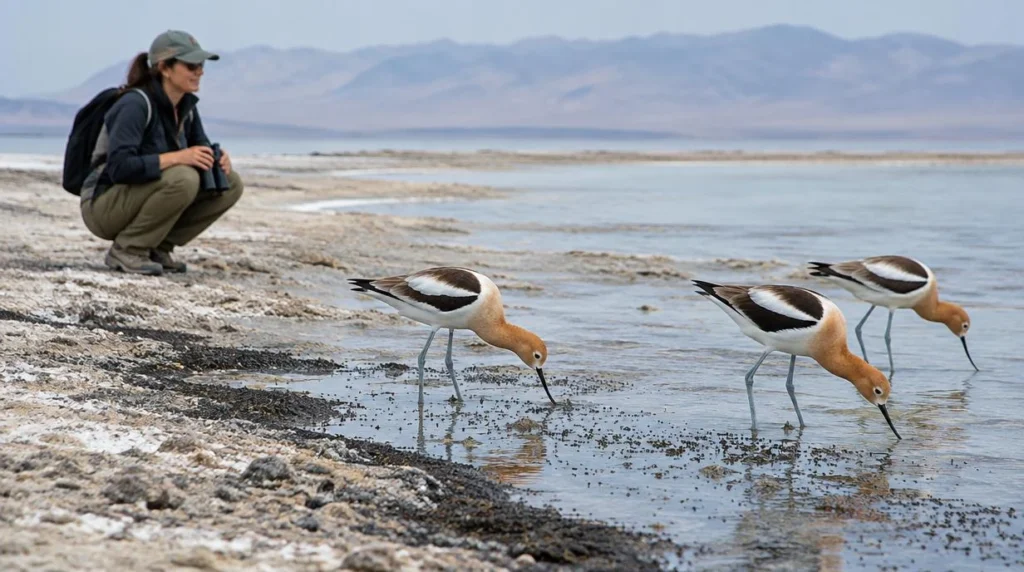 How to Plan an Antelope Island Birdwatching Visit
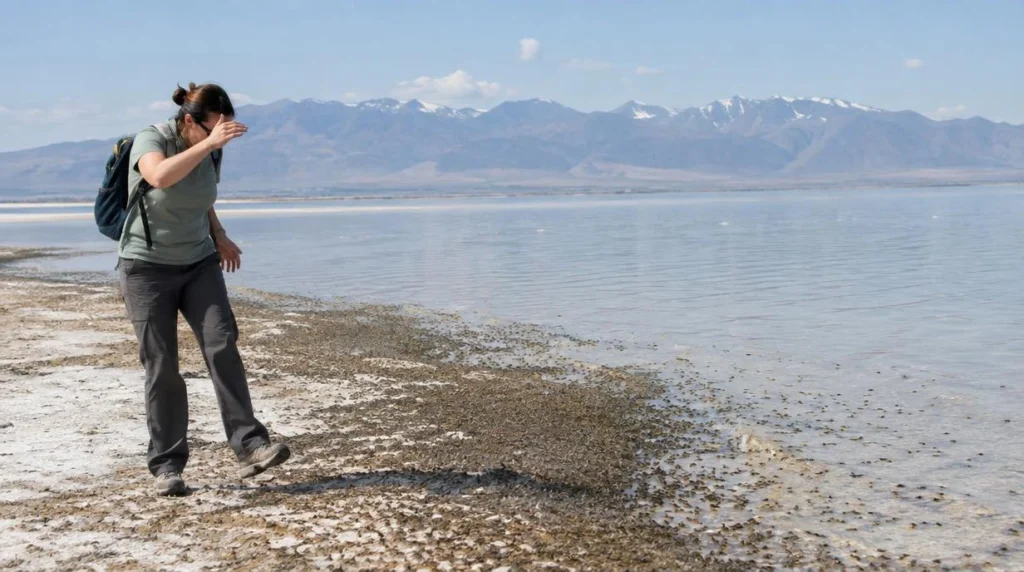 Why Are There So Many Brine Flies on Antelope Island?
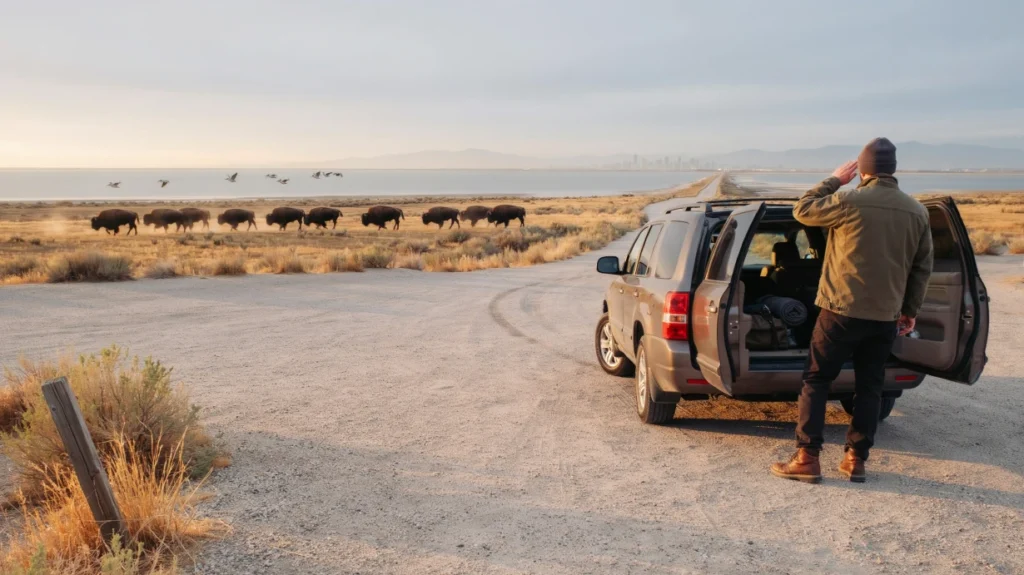 Antelope Island Day Tour or Sunset Wildlife Tour: Which Fits Your Salt Lake City Schedule?

This experience is a must-do! Dima explains the history of the area as well as the...
Read more →I had never been on a guided tour before, but Dima made it the best experience...
Read more →This was a great tour, it was nice to get picked up from our hotel. It...
Read more →Great guide great information and great deal for the money.
Read more →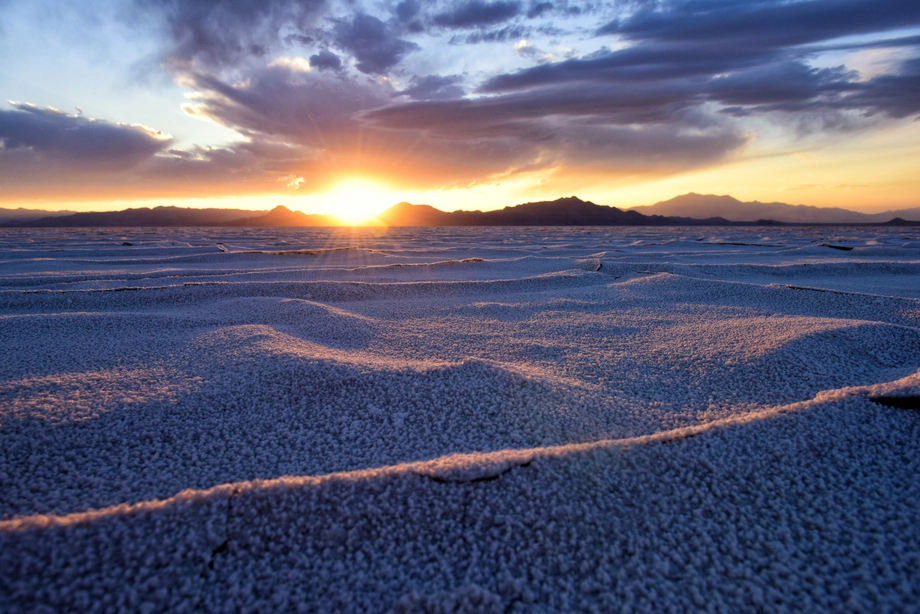 Bonneville Salt Flats – Sunset Adventure of the White Desert
 Antelope Island – Wild Heart of the Great Salt Lake Adventure
 Antelope Island Sunset Wildlife Expedition – Great Salt Lake Odyssey
 Bonneville Salt Flats – Journey to the Edge of the World