
A Step-by-Step Planning Guide to Visiting Zion National Park for…
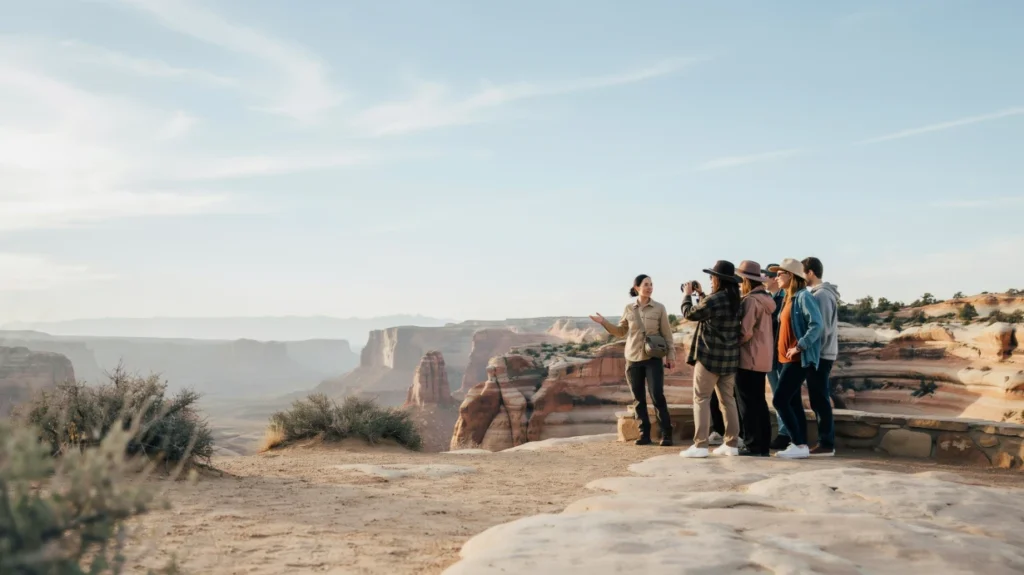
Guided Utah national park trips save hassle by coordinating park rules, transportation, timing, and group pacing. DIY works well when you have flexible time, reliable research habits, and a simple itinerary.
A Utah park day can lose momentum before the first trail begins. A visitor arrives at Zion, circles for parking, tries to work out the shuttle system, checks trail information on a phone, and realizes that the available time no longer matches the hike they had planned.
Utah National Parks tour planning is a logistics decision as much as a sightseeing decision. It matters most for travelers with a limited number of days, fixed lodging, a mixed-ability group, or a trip beginning in Salt Lake City, because every missed timing window can turn into less time on the ground.
What changes between a DIY Zion morning and a guided one?
A guided day does not eliminate crowds or park rules, but it uses the day around those constraints instead of discovering them one by one. The practical difference is where travelers spend their attention: on transportation, timing, and route decisions when traveling independently, or on the walk, views, and questions when the core plan is organized.
Picture a first DIY morning in Zion. The group has to agree on a departure time, determine where to park, understand whether the shuttle applies to the intended area, and choose a trail that fits the remaining daylight and everyone’s ability. A late start can lead to a shorter walk, a rushed lunch, or an abandoned plan when a trail proves more demanding than expected.
With guided logistics, transportation and the daily sequence are set before departure. The guide works within the park’s operating systems, uses a realistic route and pacing plan, and helps the group spend its stops on viewpoints, short walks, photographs, and interpretation rather than on repeated navigation decisions.
What are the main logistical challenges in Utah’s national parks?
Utah’s parks are simple to admire but demanding to connect efficiently. Shuttle operations, reservations, parking rules, long road segments, and varied trail difficulty all affect whether an itinerary works in real time.
- Shuttle-dependent access: Zion’s shuttle system manages traffic and helps visitors reach popular areas without adding more private vehicles to congested roads. Visitors still need to understand where the system applies and align their arrival with it.
- Advance commitments: Camping, certain guided activities, and popular experiences may require reservations, particularly during busy periods. A plan made after arrival can leave a group with fewer workable choices.
- Park-specific policies: Transportation and vehicle requirements are not identical across parks. A rule or parking assumption that works in one location may create a delay in another.
- Long-distance routing: Zion, Bryce Canyon, Capitol Reef, Arches, and Canyonlands are not a compact city circuit. Driving must be treated as a fixed part of the itinerary, with stops and walking planned around it.
- Different physical needs: A route that feels like a quick overlook walk for one traveler may be too steep, exposed, or tiring for another. Groups with children, grandparents, or uneven hiking experience need a shared plan before the day starts.
You found a hidden promo code!
Use code WOWBLOG at checkout and get 10% OFF any tour!
Limited time offer. Book now and save!
Browse ToursWhere do independent travelers usually lose time?
Most lost time comes from small decisions that compound through the day, not from one dramatic mistake. Independent travel remains fully possible, but it requires active project management before and during the trip.
Starting after the useful window has narrowed
A group may spend breakfast debating whether to visit one park or another, then leave without accounting for the drive, parking, and orientation time. By the time they reach the trailhead, the original hike is no longer compatible with the day’s remaining schedule.
Another common version is planning a scenic drive as though every stop takes only a few minutes. Photos, restrooms, short walks, and regrouping are real itinerary items, especially with a larger family group.
Waiting because parking and shuttle use were treated as an afterthought
At Zion, private vehicles searching for parking can add frustration precisely when the shuttle system is intended to manage access and congestion. The system can be efficient when used correctly, yet the independent visitor must first identify the correct arrival approach and sequence.
A traveler who assumes they can park near every desired stop may have to change the day’s route once they arrive. That is not a failure of the park system; it is a planning mismatch.
Following information that is no longer useful
Blog posts and saved maps can be helpful inspiration, but they do not replace current conditions, park alerts, or official maps. A route choice based on older information may create an avoidable detour or force the group to reconsider its plans in the parking lot.
Checking official updates is manageable for a single flexible traveler. It becomes more work when one person is also coordinating drivers, meals, lodging, children, and several people’s expectations.
Choosing a trail that does not fit the group
A trail name or photograph rarely tells the full practical story for a mixed group. If the route is beyond one traveler’s comfort or energy level, the group may turn back early, separate, or spend the day negotiating rather than exploring together.
Clear expectations about walking distance, terrain, and pace prevent this problem better than trying to solve it once everyone is already on the trail.
How are National Park Service systems meant to work?
National Park Service systems are designed to protect access and manage demand, not to provide a universal itinerary for every traveler. Their maps, alerts, transportation guidance, reservations, and park policies are essential planning tools, but travelers must still combine them into a workable daily sequence.
For example, Zion’s shuttle system reduces traffic pressure and helps move visitors to popular parts of the park. Its value depends on treating it as part of the schedule, alongside arrival timing, parking, the intended trail, and the return plan.
Reservations work the same way. Securing an activity or campsite can protect part of a trip, yet it does not automatically solve the drive time, check-in timing, nearby parking, weather readiness, or ability level of everyone involved.
Our recommendation for DIY visitors is straightforward: use official NPS resources as the final authority for current rules and conditions, then build a plan with time buffers and one realistic alternative per day. Avoid relying on a single blog itinerary as if it were a current operating plan.
What does guided logistics actually include?
Guided logistics means assigning the time-sensitive planning work to a guide and an organized itinerary while respecting the same park rules every visitor must follow. It includes transportation coordination, route timing, current-information checks, and practical pacing rather than special access or promises to bypass lines.
At Matei Travel, we apply the same small-group, local-guide approach used in our city experiences to Utah’s larger travel environments. The aim is to give guests a clear structure without making the day feel like a cattle drive.
- Transportation coordination: The route accounts for the transfer to and from the park, major drive segments, planned stops, and the order in which locations make sense to visit.
- Timing around park operations: The day is organized with shuttle use, parking realities, reservation windows, and park-specific transportation policies in mind.
- Current route choices: Guides use official planning information and changing conditions to select practical stops instead of treating a prewritten route as unchangeable.
- Fitness and expectation setting: Walking level, terrain, duration, and daily structure should be clear before guests commit. This reduces mid-day uncertainty for travelers who prefer shorter walks or need regular breaks.
- On-the-ground interpretation: A guide can answer questions and provide local context while keeping the group oriented, so travelers do not have to choose between reading logistics updates and experiencing the place.
Our Utah National Parks tours start from Salt Lake City and are structured around round-trip transportation, major viewpoints, scenic drives, optional short hikes, and clear information about the daily schedule and walking level. That format suits travelers who want to see parks such as Zion, Bryce Canyon, Arches, Canyonlands, and Capitol Reef without building every long-road-trip detail themselves.
DIY vs guided logistics: where do the hours really go?
The difference is not that a guided group has more hours in the day. It is that the research, coordination, and decision load are handled before and during the trip by different people.
| Logistics task | DIY responsibility | Guided responsibility | Likely time impact if missed |
|---|---|---|---|
| Current park rules and alerts | Traveler checks and interprets official updates. | Guide incorporates relevant current information into the route. | Detours, changed stops, or last-minute replanning. |
| Shuttle and parking strategy | Traveler researches access rules and decides when and where to arrive. | Itinerary is timed around the applicable transportation system. | Parking searches, queue time, or a less efficient visit order. |
| Reservations and time-sensitive activities | Traveler identifies requirements and manages booking deadlines. | Tour plan identifies what is included and works within availability and rules. | Missed opportunities or an itinerary that must be redesigned. |
| Inter-park driving plan | Traveler estimates drive segments, stops, meals, and fuel needs. | Organized route sets a realistic sequence of travel and visits. | Reduced time at viewpoints and shorter walks than expected. |
| Trail selection for a mixed group | Traveler compares terrain and ability needs for each stop. | Walking level and practical options are communicated in advance. | Turning back, splitting the group, or rushed pacing. |
| Questions during the day | One traveler often becomes the navigator and researcher. | Local guide answers questions while maintaining the day’s flow. | Small delays and less shared attention on the experience. |
When is a guided Utah national parks trip the right fit?
A guided trip is most useful when time is scarce, the itinerary crosses several parks, or the group wants a predictable plan without assigning one person to manage the details. It is also a strong fit for visitors without a car, travelers arriving through Salt Lake City, and parties whose walking abilities differ.
- Choose guided support if: You have a fixed travel window, want transport included, are visiting in a busy period, or prefer a guide to handle the day’s operational decisions.
- Choose guided support if: Your group includes travelers who need clear walking expectations, rest opportunities, or help selecting manageable short hikes.
- DIY can make sense if: You have a car, several flexible days, are comfortable monitoring official updates, and are visiting one park with a simple, well-researched plan.
- DIY can make sense if: Your priority is complete independence and you are willing to accept that parking, route changes, and wait times may reshape the day.
Cost is a legitimate consideration. A guided option is not automatically less expensive than independent travel, but its value is strongest when a limited trip would be materially affected by missed reservations, inefficient driving, or a day spent solving logistics instead of using it.
What should you prepare before asking for a guided itinerary?
The best inquiry begins with your constraints, not a list of every park you hope to fit into one day. Dates, group makeup, starting point, and walking preferences let us recommend a route that respects both the map and the people traveling.
- Share your dates: Include arrival and departure days, plus any immovable lodging or flight times.
- Name your priority parks: Rank the places that matter most instead of assuming every park belongs on the same itinerary.
- Describe the group: Note the number of travelers, ages where relevant, mobility considerations, and comfort with short hikes.
- State your pace: Tell us whether you prefer scenic viewpoints, frequent photo stops, brief walks, or more active trail time.
- Identify transport needs: Confirm whether you are starting from Salt Lake City and whether you need round-trip transportation.
- Check the tour details: Review duration, approximate daily schedule, walking level, and inclusions before booking. These are the practical acceptance criteria for deciding whether a trip matches your expectations.
Visitors using Salt Lake City as a base may also benefit from a structured first day in town. Our local-guide walking experiences are small-group and designed to help guests understand the city’s layout, history, and less obvious places before the rest of their Utah itinerary begins.
How do you keep flexibility without sacrificing the plan?
Meaningful flexibility comes from securing the essential structure first, then leaving room for choices within it. A sound plan fixes transportation and key timing while allowing pauses for photos, questions, manageable walks, and route adjustments that conditions permit.
Small groups help here because guests can ask questions and understand why a stop, walking option, or pace is being chosen. A guide cannot control crowds, weather, closures, or third-party availability, but can keep the group from losing additional time to confusion when plans need to change.
If your trip is short but does not require a multi-park itinerary, our Utah day tours offer a more focused way to explore from Salt Lake City with transportation and a planned route already in place. They are useful for travelers who want a realistic outdoor day while reserving their longer park travel for another visit.
What is the practical next step?
Choose the level of planning support that matches the value of your available days. If the trip includes several parks, fixed dates, transportation needs, or a mixed group, review an organized itinerary before committing to a DIY route.
Start with the tour descriptions to compare duration, daily schedule, walking level, and included transportation against your own priorities. Then send your dates, group size, priority parks, and preferred pace so the route can be matched to the time you actually have.
A self-planned Utah trip can be rewarding when its scope is modest and the traveler has time to monitor details. For a multi-park or time-limited visit, a guide’s value is the coordinated plan behind the experience: transportation, park systems, current route choices, and pacing that works for the whole group. Review Matei Travel’s Utah National Parks tours and send an inquiry with your travel dates and wish list to find the most efficient fit.
Will a guided tour let us skip Zion’s shuttle system?
No. Guided trips work within applicable park transportation systems and plan the day around them rather than bypassing official rules.
Is a guided trip worthwhile if we only have one day?
It can be, especially if you have limited time, no car, busy-season travel, or travelers with different mobility needs. A well-prepared independent day can also work when the itinerary is simple.
Do Utah national park activities always need reservations?
No, but camping, certain guided activities, and popular experiences can require advance booking. Confirm current requirements through official park information before finalizing plans.
Can a group with children and grandparents join the same trip?
That depends on the published walking level, terrain, and pace. Share the group’s needs in advance so the itinerary can be assessed realistically.
What information should we provide in a booking inquiry?
Include travel dates, group size, preferred parks, starting location, transport needs, and the amount of walking everyone is comfortable with.
Are guided tours always cheaper than traveling independently?
No. The main benefit is more predictable use of limited time and less personal coordination, not a guaranteed lower overall cost.
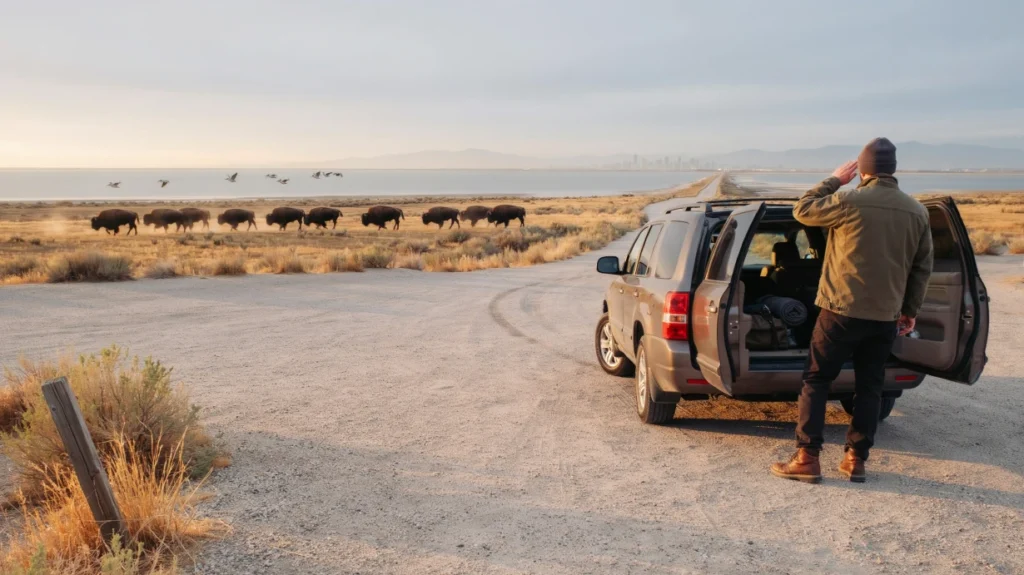 Antelope Island Day Tour or Sunset Wildlife Tour: Which Fits Your Salt Lake City Schedule?
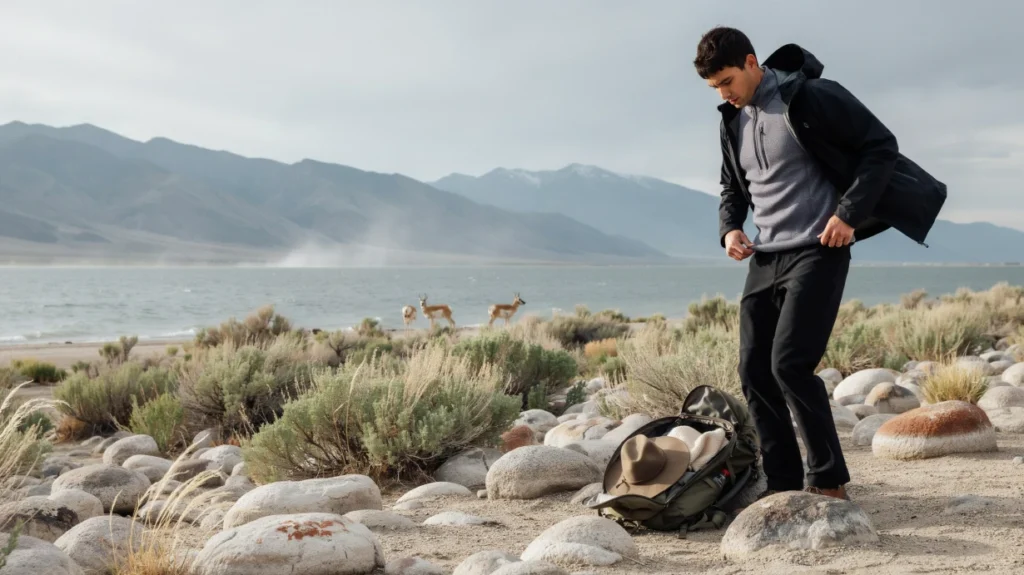 How to Dress for Changing Weather on Antelope Island
 How to Photograph People at Bonneville Salt Flats at Sunset
 How to Dress for Wind and Glare at Bonneville Salt Flats
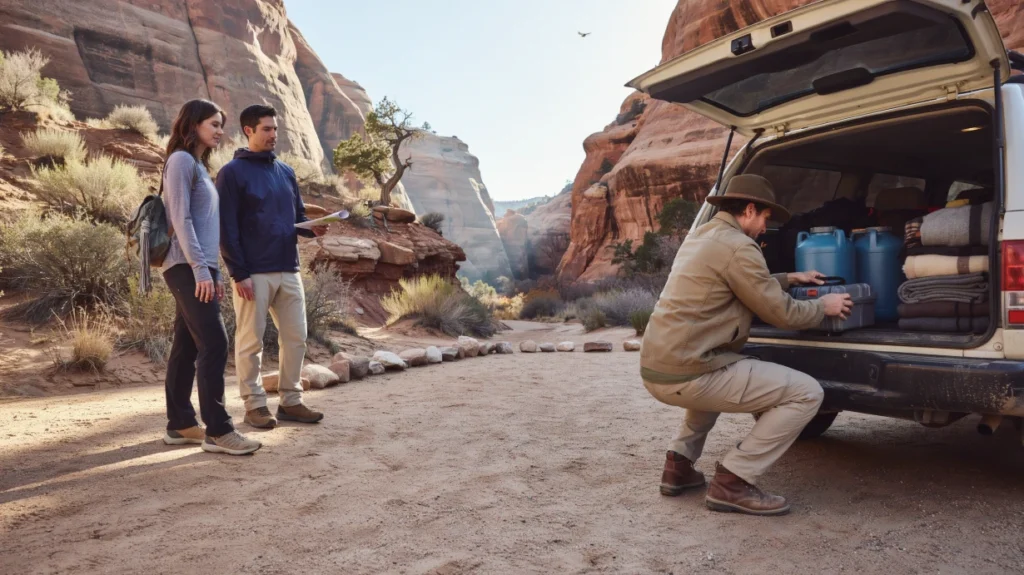 What a Guide-Led Utah Day Tour Handles for You
 Why Wildlife Sightings Cannot Be Guaranteed on Antelope Island

The tour was great and beautiful. Dima, the tour guide, explained everything clearly and had some...
Read more →What a beautiful experience! The drive is about 2 hours one way with interesting scenery the...
Read more →(From North Carolina on a business trip) '+ 'HANDS DOWN the best tour/guide I’ve ever had. And...
Read more →Went to Antelope Island. Terrible. Tour guide didn\'t do what he said he was going to...
Read more → Bonneville Salt Flats – Sunset Adventure of the White Desert
 Antelope Island – Wild Heart of the Great Salt Lake Adventure
 Bonneville Salt Flats – Journey to the Edge of the World
 Antelope Island Sunset Wildlife Expedition – Great Salt Lake Odyssey