
Salt Lake City walking tours
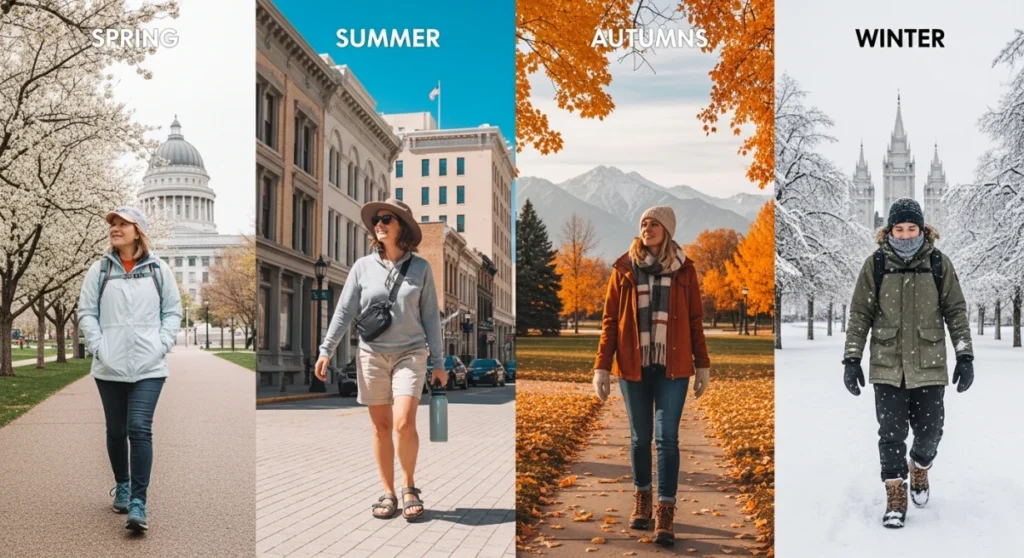
Dress in broken-in walking shoes, seasonal layers, and strong sun or wind protection, adjusted to the widest temperature range in your tour window and the most exposed stop on your route.
Many visitors land in Salt Lake City, look outside at blue sky, and head out in shorts, only to be freezing in the shade 20 minutes into a walking tour. The city sits near the mountains, which means sharp temperature swings, strong sun and surprise breezes even on “nice” days. If you match your clothing to the season and time of day instead of the forecast high, you stay comfortable enough to enjoy the stories, architecture and mountain views instead of counting minutes until the tour ends.
The same packing choices also affect how much you enjoy nearby day trips to the Great Salt Lake, Bonneville Salt Flats, Antelope Island or a quick ski day. Let’s walk through clear, season-based checklists so you know exactly what to wear, what to pack in your day bag, and when to call off or adjust a plan rather than suffering through it.
Define your goal and readiness before you book
Before choosing clothes, get specific about how you want the day to feel and what “ready” really means for you. Comfort for a three-hour historical stroll downtown is very different from a long day that starts with a city tour and continues with a drive out to the salt flats or a winter ski day.
Core goal for any Salt Lake walk
Your baseline goal: stay warm or cool enough, dry, and blister free for 3 to 7 hours of on-and-off walking, with some standing while listening to a guide. Small-group city tours in the center usually involve gentle terrain but plenty of stopping in shaded streets, breezy corners and sunlit plazas.
Measurable readiness criteria
- Temperature range ready: Your outfit works for at least a 15–20°F swing without needing to buy emergency layers.
- Feet ready: You can walk 3–5 miles in your shoes with no hot spots or rubbing.
- Sun and wind ready: You have at least one item that protects your head, eyes or neck from sun and one layer that blocks wind.
- Pack ready: You can carry or stow one extra layer, a small water bottle and your essentials comfortably.
If any of these are not true, treat clothing as “not ready” and fix it before your tour day.
Season-by-season clothing priorities (must / should / nice)
Use these priority buckets to decide what you absolutely need for each season, what will make a big difference in comfort, and what is only worth packing if you have space.
Spring (March–May): changeable and windy
Spring in Salt Lake often means chilly mornings, warm afternoons and quick showers. You might start your city walk in a jacket and finish in a T‑shirt.
| Spring item | Must-have | Should-have | Nice-to-have |
|---|---|---|---|
| Base top | Light long-sleeve or T-shirt | Breathable fabric (not heavy cotton) | Moisture-wicking version |
| Mid layer | Light sweater or fleece | Zip-neck for venting | Thin insulated vest |
| Outer layer | Wind-resistant jacket | Water-resistant shell | Packs into its own pocket |
| Bottoms | Comfortable long pants | Stretch or relaxed fit | Quick-dry fabric |
| Accessories | Closed shoes, light socks | Compact umbrella | Light scarf or buff |
- Must-do choices: Commit to closed-toe walking shoes, long pants and at least one wind-blocking layer.
- Should-do upgrades: Choose fabrics that dry quickly in case of light rain and carry a small, packable shell.
- Nice-to-do extras: A thin scarf or neck gaiter adds surprising warmth during shady parts of downtown walks.
Summer (June–August): strong sun, dry heat
Days are hot, but mornings on a 3‑hour city walking tour can be pleasant. Dry air means sweat evaporates quickly, which hides how dehydrated or sun-exposed you are.
| Summer item | Must-have | Should-have | Nice-to-have |
|---|---|---|---|
| Top | Light, breathable shirt | Sun-protective long sleeves | Ventilated or mesh panels |
| Bottoms | Light pants or longer shorts | Quick-dry material | Convertible pants/shorts |
| Footwear | Supportive walking shoes | Breathable socks | Second pair of thin socks |
| Sun protection | Sunglasses, sunscreen | Hat with brim | Light neck covering |
| Hydration | Small water bottle | Electrolyte tablets | Insulated bottle |
- Must-do choices: Prioritize sun protection for head and eyes and choose fabrics that do not cling when you sweat.
- Should-do upgrades: Opt for long sleeves made from light technical fabric instead of tank tops to limit sunburn during long stops in open plazas.
- Nice-to-do extras: Light-colored clothing and an insulated bottle keep you noticeably more comfortable on scorching afternoons.
Fall (September–November): wide swings and early storms
Early fall can feel like late summer, while late fall can bring near-winter mornings. City center sidewalks and shaded alleys stay cool even when the sun is bright.
- Must-do choices: Long pants, closed shoes with good grip, and a mid-weight layer you can pull on during shady, breezy parts of the route.
- Should-do upgrades: A water-resistant jacket for surprise showers and slightly thicker socks for cooler evenings.
- Nice-to-do extras: Thin gloves and a warm hat for later-in-the-season evening walks or sunset visits to Antelope Island viewpoints.
Winter (December–February): cold, snow and canyon trips
Winter downtown can be cold but manageable on a short historical walk. The bigger challenge is when you mix a city visit with a ski day or a trip to a more exposed location like the Great Salt Lake or the salt flats.
| Winter item | City walking must | Ski day / canyon must |
|---|---|---|
| Base layer | Warm long-sleeve top | Thermal top and bottoms |
| Insulation | Sweater or fleece | Thicker fleece or insulated mid-layer |
| Outer shell | Windproof coat | Waterproof, windproof jacket and pants |
| Footwear | Water-resistant shoes | Proper ski or winter boots |
| Accessories | Hat, gloves, warm socks | Hat, insulated gloves, neck warmer |
- Must-do choices: Cover your head, hands and ankles, and choose footwear that can handle slush around curbs and parking areas.
- Should-do upgrades: Pack a second warm layer in your day bag in case your tour extends into the evening or you join a spontaneous viewpoint stop in a breezier area.
- Nice-to-do extras: Hand warmers make it easier to enjoy taking photos and listening to your guide on colder days.
You found a hidden promo code!
Use code WOWBLOG at checkout and get 10% OFF any tour!
Limited time offer. Book now and save!
Browse ToursExecution order: what to decide and when
A little timing makes your outfit choices work harder. Use this simple sequence to avoid both underdressing and overpacking.
One week before: set your clothing baseline
- Check your walking shoes: Take a 30–40 minute walk at home. If any rubbing appears, fix it or switch footwear rather than hoping it improves on tour day.
- Choose your outer layer: Decide which jacket works for the forecast season and make sure it fits over your warmest planned base layer.
- Confirm day bag: Test that your small backpack or crossbody bag holds an extra layer, water and sunscreen without feeling heavy.
Two days before: adjust to real forecast
- Check temperature range: Note the lowest and highest temperatures for your tour window, not just the afternoon peak.
- Add or remove layers: If the range is more than 25°F, plan three clear layers (base, mid, outer). If it is tighter, two layers may be enough.
- Decide accessory level: Add hat, scarf or gloves if the low temp is near freezing or if wind is expected.
Morning-of: final go/no-go clothing tweaks
Morning reality can differ from the forecast, especially with cloud cover over the mountains.
- Step outside for two minutes: If you feel chilled standing still, you need a warmer top or an extra mid-layer.
- Look at the pavement: If sidewalks are wet, slushy or icy, upgrade to more grippy shoes and warmer socks.
- Check your pack weight: If your bag feels too heavy to carry comfortably for a few hours, remove non-essential items, not layers.
Outfit risk controls for specific tour types
Some tours out of the city involve more exposure to sun, wind or cold than central streets. Your clothing choices should change accordingly, even if the calendar month is the same.
Historic city center walks
Guided city walking groups in the downtown core usually move at an easy pace and spend a lot of time in front of historic buildings, courtyards and smaller side streets. You are protected somewhat from wind but may shift often between sun and shade.
- Risk control: Always have one light, packable layer you can pull on in cool, shady spots or remove in sunnier squares.
- Critical miss: Open shoes or sandals on cooler days lead to cold feet when standing still on stone or concrete.
- Signal to upgrade: If your tour includes evening time slots, treat it like a shoulder-season outing even in late spring.
If you join small-group Salt Lake City Walking Tours with local guides, use the route details such as duration and distance as a clue for how robust your footwear and layers should be.
Bonneville Salt Flats and Great Salt Lake style day trips
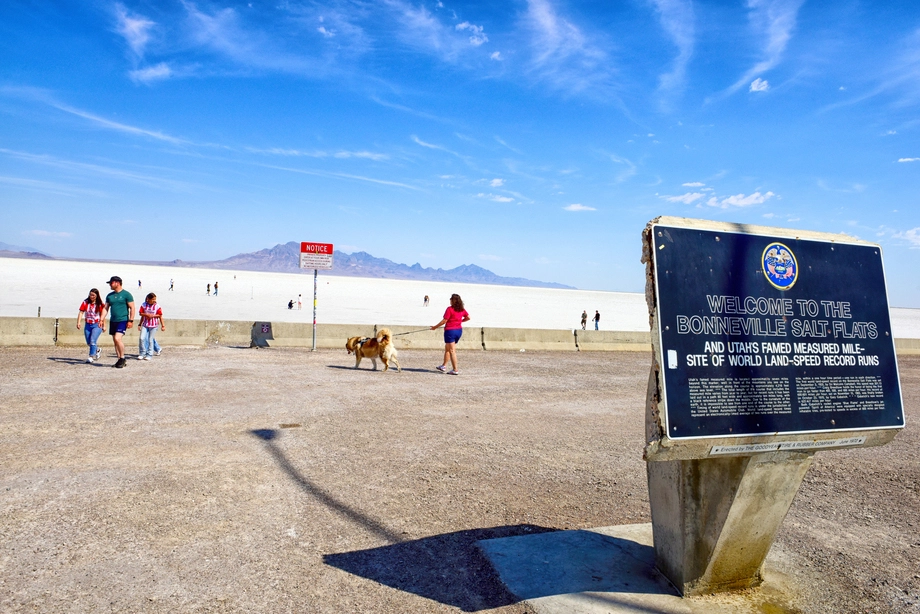
Tours such as the Bonneville Salt Flats or Antelope Island excursions combine driving with walking at scenic viewpoints. Surfaces can be bright, exposed and breezy, even if the city feels mild.
- Risk control: Treat these destinations as more exposed than downtown. Lean toward stronger sun protection in summer and more wind-blocking layers in shoulder seasons.
- Critical miss: Forgetting sunglasses on the salt flats can make the glare genuinely uncomfortable.
- Signal to upgrade: If wind speeds are forecast to be high, add a snug-fitting hat or headband that will not blow off.
Single-day ski trips from the city
Day trips to nearby ski areas start in the city and then climb into colder canyon environments where snow and wind are stronger. You still get the benefit of a driver handling winter roads, but your clothing has to do the rest.
- Risk control: Separate your “city” outfit from your “on-mountain” layers so you never end up trying to ski in jeans or city shoes.
- Critical miss: Thin fashion gloves and cotton socks will leave you cold quickly in snowy areas.
- Signal to upgrade: If you tend to run cold, add a full thermal base layer under your ski pants and jacket rather than just thicker street clothes.
Common outfit mistakes and how to avoid them
A few predictable errors create most of the discomfort people feel on city and nearby day tours. Use these as a checklist of what not to do.
- Underestimating shade: Downtown streets can feel significantly cooler than sunny spots, especially in spring and fall. Bring at least one layer more than you think you need.
- Overdressing in heavy cotton: Thick cotton hoodies feel cozy at first but hold moisture. Swap them for lighter fleece or synthetic layers you can unzip.
- Ignoring feet: New shoes, thin socks, or fashionable boots without support are the fastest route to blisters and sore joints.
- Skipping sun protection in “mild” seasons: UV exposure can be high even when the air feels cool. Light, long sleeves and sunglasses prevent sunburn during slow-paced tours.
- Carrying no backup: Leaving your bag behind to “travel light” often backfires when temperature shifts, leaving you either shivering or overheating.
“Dress in layers so you can add or remove clothing as conditions change, rather than trying to guess one perfect outfit.”

Go / no-go clothing checklist before you leave your hotel
Use this short final checklist as your personal go/no-go test. If you cannot tick an item, adjust your outfit instead of hoping the weather cooperates.
- Layer coverage: I have at least two usable layers (three in winter or shoulder seasons), and I can carry the one I’m not wearing.
- Footwear test: My shoes are already broken in and suitable for several hours of walking on pavement or hard-packed surfaces.
- Temperature range: My outfit works for both the forecast low and high during my tour time, not only the warmest hour of the day.
- Sun and wind plan: I have sunglasses, some form of head or neck covering, and at least one wind-blocking item.
- Pocket or pack space: I can comfortably carry small essentials plus one extra clothing item without feeling overloaded.
- Tour type alignment: I’ve considered whether my day includes only a city walk or also more exposed stops like salt flats, lakeshore viewpoints or a ski area.
If you must answer “no” to two or more of these, treat it as a no-go on your current outfit and adjust before leaving. That simple pause usually prevents the biggest comfort problems later in the day.
Two real-world outfit examples
Example 1: Spring afternoon city walk with evening dinner
You join a three-hour historical walk around downtown starting at 3 p.m., then head straight to dinner. Forecast is 60°F at start, dropping to 48°F by 8 p.m.
A smart setup is comfortable sneakers, light pants, a breathable long-sleeve top, a thin sweater tied around your waist and a compact windproof jacket in your bag. During warmer parts of the tour you can walk in just the long-sleeve top. Later, as shadows lengthen and you walk to dinner, you add the sweater and jacket without feeling bulky.
Example 2: Winter morning city walk plus afternoon canyon drive
You explore the city center in the morning, then ride with a small group to a nearby canyon viewpoint where snow still lines the road. The city is around 38°F, the canyon closer to freezing.
Wide, warm shoes, thick socks, a thermal long-sleeve base, sweater, insulated jacket, hat and gloves keep you comfortable on both segments. You can open your jacket and remove your gloves during the city portion, then gear back up fully in the canyon where wind and snow reflect more cold.
How clothing ties into tour choice
What you wear influences which experiences feel realistic. Shorter three-hour walks around the center work well with simpler outfits and lighter layers. Full-day combinations, such as historical walks followed by drives to the Great Salt Lake, salt flats or wildlife-viewing on Antelope Island, place more pressure on your packing decisions.
Multi-day visitors who book several outings, including the best tours of Utah National Parks, benefit from a small set of versatile layers that work for both urban streets and more rugged overlooks. Re-using the same proven shoes, base layers and outer shells across days is more reliable than reinventing your outfit each morning.
When you add longer regional experiences, such as Utah National Parks tours from Salt Lake City or ski resort day trips, think in systems. Keep one city-focused set of clothes and a separate, warmer and more technical set for the parks or the mountains, and rotate layers between the two as needed.
Local operators like MateiTravel outline walking levels and approximate schedules for each experience. Treat that information as your clothing brief, matching footwear and layers to the longest, coldest or most exposed part of the day so you stay focused on scenery and stories rather than your toes and fingers.
Season-aware outfits for Salt Lake walks come down to a few disciplined choices: broken-in shoes, simple layers and a clear plan for sun, wind and temperature swings. Spring and fall demand flexible layers, summer demands sun-smart fabrics, and winter needs head-to-toe warmth, especially if you add canyon or ski side trips. Use the must / should / nice priorities and the go/no-go checklist to build a small, reliable clothing system instead of guessing each morning. When your outfit is dialed in, you can relax into the architecture, mountains and stories that brought you here. For small-group, guide-led experiences in and around the city, MateiTravel can help you match your plans and packing to the routes you choose.
What shoes are best for a Salt Lake City walking tour?
Choose broken-in, closed-toe walking shoes with decent grip and support. They should feel comfortable for at least a 3–5 mile walk on pavement without causing hot spots.
Do I need a jacket for summer walking tours in Salt Lake City?
You usually do not need a full jacket in summer, but a very light layer is wise for early morning starts, strong air-conditioning, or breezy stops on more exposed viewpoints outside downtown.
How should I dress for a winter city tour plus a ski day from Salt Lake City?
Use warm base layers, a mid-weight fleece, and a waterproof outer shell that works both on city streets and at the resort. Pack ski-specific pants, gloves and socks for the mountain portion.
What should I wear to the Bonneville Salt Flats or Antelope Island?
Plan for stronger sun and more wind than in the city. Bring sunglasses, a brimmed hat, and a wind-resistant layer, even in spring or fall when the air temperature feels moderate.
Are shorts appropriate for spring or fall walking tours in Salt Lake City?
Long pants are safer in those seasons because shaded streets and breezes can feel chilly. If you wear shorts, bring a light layer for your upper body and consider higher socks.
Do I need different clothing for Utah National Park day tours starting in Salt Lake City?
Yes, parks and viewpoints tend to be more exposed than the city center, so upgrade sun protection in summer and wind-blocking layers in cooler months, even if the city feels mild.
How big should my day bag be for a walking tour?
A small backpack or crossbody bag that fits one extra layer, a water bottle, sunscreen and essentials is enough. If it feels heavy in your hotel room, edit items before leaving.
How can I quickly tell if my outfit is wrong before a tour?
Step outside for two minutes, standing still. If you feel cold or overly hot right away, or if your shoes feel stiff, adjust layers or footwear instead of hoping conditions improve.
Should you start walking as soon as you arrive in Salt Lake City?
Gentle downtown walking is a sensible first-day activity for many healthy visitors, but strenuous walking, steep climbs, and high-elevation mountain plans are better saved until you know how your body feels. Salt Lake City is below the elevations where formal mountaineering acclimatization rules are most often applied, yet a slower first 24 to 48 hours remains a practical precaution.
Salt Lake City sits at approximately 4,226 feet, or 1,288 meters. Lower atmospheric pressure means less oxygen is available with each breath, which can make ordinary exertion feel unexpectedly heavier, particularly for people arriving from near sea level.
According to the Center for Wilderness Safety, healthy people commonly have oxygen saturation levels of 98 to 99 percent at sea level, and saturation declines at higher elevations. You do not need to monitor oxygen numbers to pace a city walk, but the physiology explains why fitness does not always make day-one effort feel normal.
Use this start gate before leaving your hotel
Choose an easy urban walk if you feel generally well, have eaten, and can move around without unusual breathlessness. Choose rest, a shorter errand, or medical advice instead of a planned walk if you already feel ill or have a health concern that could be affected by altitude or exertion.
- Good time to begin: You feel alert, can drink and eat normally, and have no concerning symptoms at rest.
- Scale back: You have a headache, nausea, unusual fatigue, or shortness of breath that feels out of proportion to simple movement.
- Seek personal medical guidance first: You have a heart or lung condition, are pregnant, or have another health concern that makes altitude or physical activity a question for your clinician.
What pace works best during your first 24 to 48 hours?
For the first day, choose a flat, limited-duration walk at a pace where you can speak in full sentences without needing to pause for breath. On the second day, increase distance or add a modestly longer outing only if the first day felt comfortable during the walk and afterward.
The goal is not to train your body through discomfort. It is to get moving, orient yourself, and leave enough energy for meals, museums, meetings, or a relaxed evening.
Step 1: Make day one a light urban session
Start with a route whose duration and distance are clearly stated before you leave. Avoid turning the first walk into an open-ended search for sights, because an unfamiliar street grid can quietly add distance after you are already tired.
We publish duration, distance, and terrain information for each Salt Lake City walking route so travelers can judge what the outing will feel like before joining. That practical detail matters more on arrival day than an ambitious list of stops.
Step 2: Walk below your normal sightseeing speed
Take shorter strides and let the slowest comfortable member of your party set the rhythm. If you find yourself breathing hard while walking on level sidewalks, ease off before it becomes a problem rather than trying to catch up.
The simplest check is the talk test: you should be able to answer a question in a full sentence. Briefly stopping to look at architecture, a map, or a storefront is useful pacing, not lost time.
Step 3: Add planned pauses instead of waiting for exhaustion
Pause briefly at natural stopping points, especially after several blocks or before any uphill segment. A short reset gives you a chance to notice thirst, warmth, fatigue, or a headache while symptoms are still mild.
- Before the walk: Eat something familiar, carry water, and check the expected temperature.
- During the first stretch: Keep effort easy enough for conversation and resist the urge to make up time.
- At each stop: Drink if thirsty, adjust a layer, and assess whether your breathing has settled.
- After the walk: Notice how you feel over the next few hours before scheduling a harder activity.
Step 4: Let day two earn its added activity
If the first walk was comfortable and you have no persistent symptoms, choose another city outing or extend your sightseeing gradually. If you felt depleted afterward, repeat a shorter, flatter plan rather than assuming a longer route will feel easier the next morning.
We design and recommend our downtown walking tours as a good choice for a first day in the city, and many visitors use that city-center orientation before exploring more of Utah. That sequencing keeps the early part of a trip focused on known terrain and predictable effort.
Which symptoms mean you should slow down, stop, or seek medical help?
Mild fatigue, headache, nausea, or shortness of breath can appear within hours of reaching higher elevation and should prompt you to slow down, rest, hydrate, and avoid further exertion. Severe, worsening, or alarming symptoms call for prompt medical evaluation rather than an attempt to finish the route.
Altitude-related symptoms can overlap with jet lag, dehydration, illness, heat, and simple overexertion. Neither a guide nor a travel companion can diagnose the cause during a walk, so the safest practical response is to take symptoms seriously and avoid pushing through them.
Stop and reassess for early symptoms
- Fatigue that feels unusual: Sit or stand still, rest, and decide whether returning to your hotel is more sensible than continuing.
- Headache or nausea: Pause activity, drink water if you can tolerate it, and do not add steep walking or a mountain excursion that day.
- Shortness of breath beyond normal exertion: Stop moving until your breathing settles. If it does not improve, seek medical advice.
Get urgent medical help for concerning signs
Seek urgent medical care for severe trouble breathing, chest pain, confusion, fainting, inability to walk steadily, or symptoms that are rapidly worsening. Do not treat a severe symptom as a sightseeing inconvenience or try to “walk it off.”
Our guides are not medical professionals and cannot diagnose or treat altitude illness. Tell the guide if you need to slow down or pause, then make decisions based on how you feel and seek medical help when symptoms are concerning.
What should you do in light drizzle, steady rain, or thunderstorms and snow?
Light drizzle supports a reduced outdoor route, steady rain calls for an indoor itinerary, and thunderstorms or snowy conditions require abandoning exposed walking altogether. Make the decision by severity early so the day does not disappear into repeated weather checks and improvised detours.
| Condition | Best decision | Practical plan |
|---|---|---|
| Light drizzle or brief showers | Modify the walk | Choose two or three close landmarks, keep the route short, and schedule indoor breaks between them. |
| Steady rain for much of the day | Swap the outdoor loop | Use one or two indoor anchors, travel between them by TRAX where practical, and skip the continuous downtown circuit. |
| Thunderstorms, lightning, or difficult snow conditions | Cancel outdoor walking | Remain indoors, use sheltered transport options, and postpone exterior sites until conditions improve. |
Light drizzle: preserve only the highest-value outdoor stops
Pick a compact section of downtown rather than following a complete loop. Wear waterproof outer layers, protect your phone and paper map, and set a firm turnaround point such as the start of heavier rain or the end of a single neighborhood. This approach preserves some sense of place without turning the day into endurance walking.
Steady rain: replace miles with indoor depth
Choose a museum, planetarium, or children’s museum as the center of the day. The goal is to spend most of your time learning, resting, and exploring under cover, with only the short transfer distances you are willing to accept. For self-guided visitors, our comparison of audio tours and guided walks is useful context: flexibility helps, but it does not remove weather exposure.
Thunderstorms or snow: use a clear stop rule
Do not keep a sightseeing walk alive simply because it was on the original schedule. Lightning, slippery surfaces, poor visibility, or accumulating snow are escalation triggers, not inconveniences to outlast. Shift immediately to indoor activities or a rest period, then reassess only when official local updates indicate conditions have improved.
Which indoor rainy-day itineraries work best around downtown Salt Lake City?
A family itinerary should concentrate on Discovery Gateway Children’s Museum and Clark Planetarium, while an adult-focused option can pair the Natural History Museum of Utah with a smaller downtown indoor stop. Both approaches reduce outdoor exposure by treating attractions as anchors rather than trying to walk continuously between every landmark.
Family route: hands-on exhibits and space-focused activities
Start at Discovery Gateway Children’s Museum, then consider Clark Planetarium at The Gateway for a second indoor stop. Discovery Gateway is especially useful when rain interrupts plans with young children because its activities are designed around active participation rather than quiet observation.
According to Visit Salt Lake’s Discovery Gateway listing, the museum has more than 60,000 square feet of interactive, hands-on exhibits created for children of all ages. That makes it a strong rainy-day choice for families looking for an alternative to half-day family-friendly activities near Salt Lake City with toddlers, without relying on outdoor play or a nature walk.
Clark Planetarium is located at The Gateway and is accessible by TRAX light rail. Parts of downtown are within the TRAX Free Fare Zone, so visitors without a car can use public transit to reduce the amount of rain-exposed walking; check current official transit information before travel because service details can change.
Adult and culture route: museum time first, downtown second
Build the day around the Natural History Museum of Utah, then return downtown for a brief indoor meal or café break before deciding whether conditions support a short architectural walk. The museum offers educational exhibits that can replace the learning component of a history-focused walking route, while the later downtown segment remains optional rather than mandatory.
If rain weakens to a drizzle, use that final window for a small area rather than a full circuit. Travelers interested in façades and streetscapes can keep the outdoor portion focused by referring to our downtown architecture walking guide, then return indoors before conditions worsen.
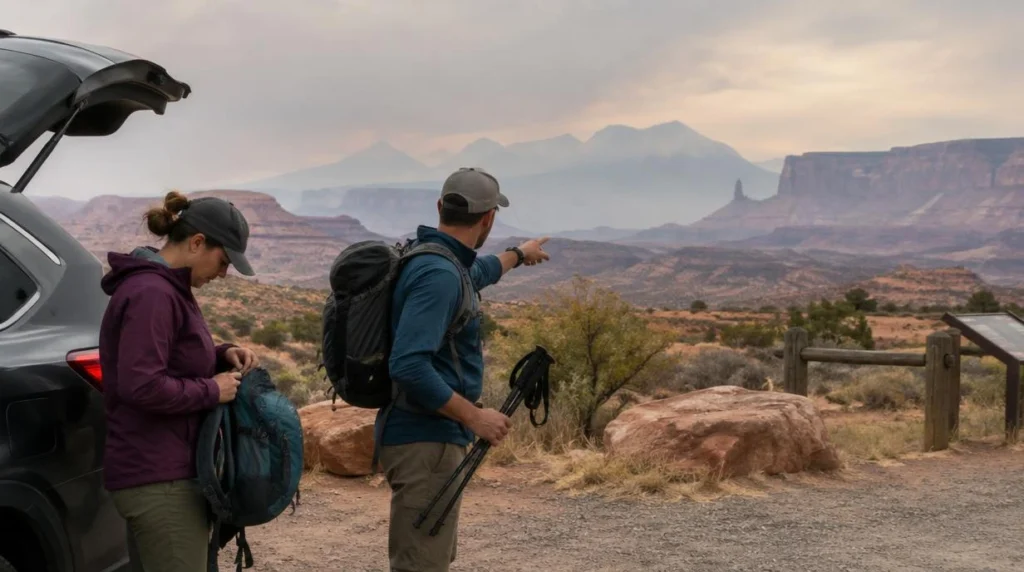 Should You Cancel a Utah Outdoor Day Because of Wildfire Smoke?
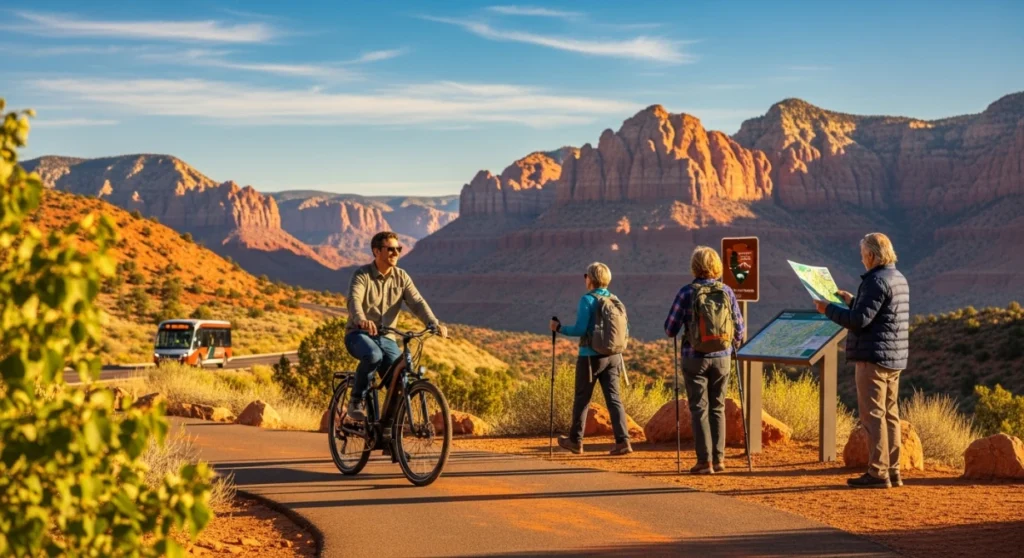
 When Should a Utah Park Day Trip From Salt Lake City Become an Overnight?
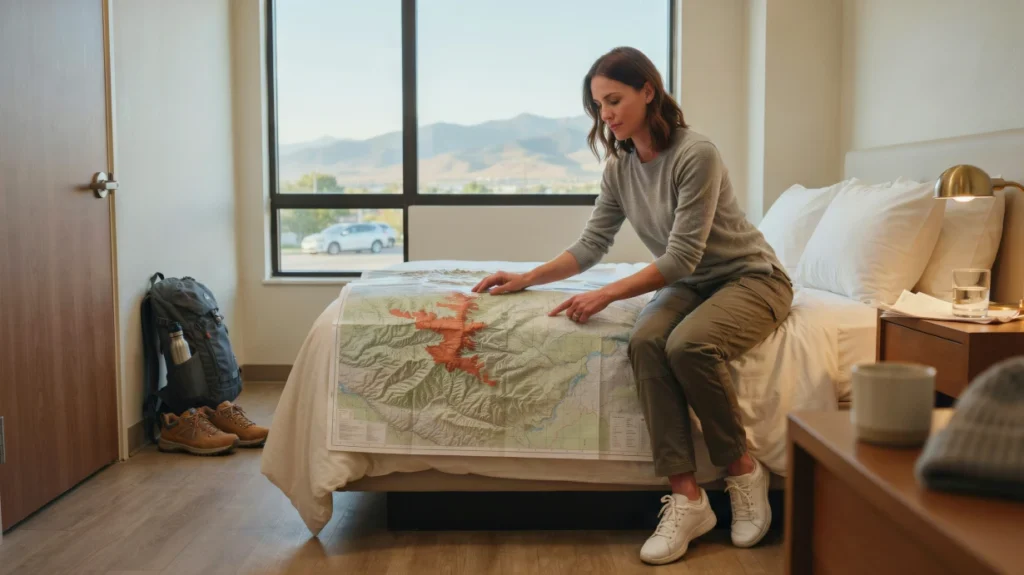
 Your First Evening in Salt Lake City: A Low-Pressure Orientation Plan
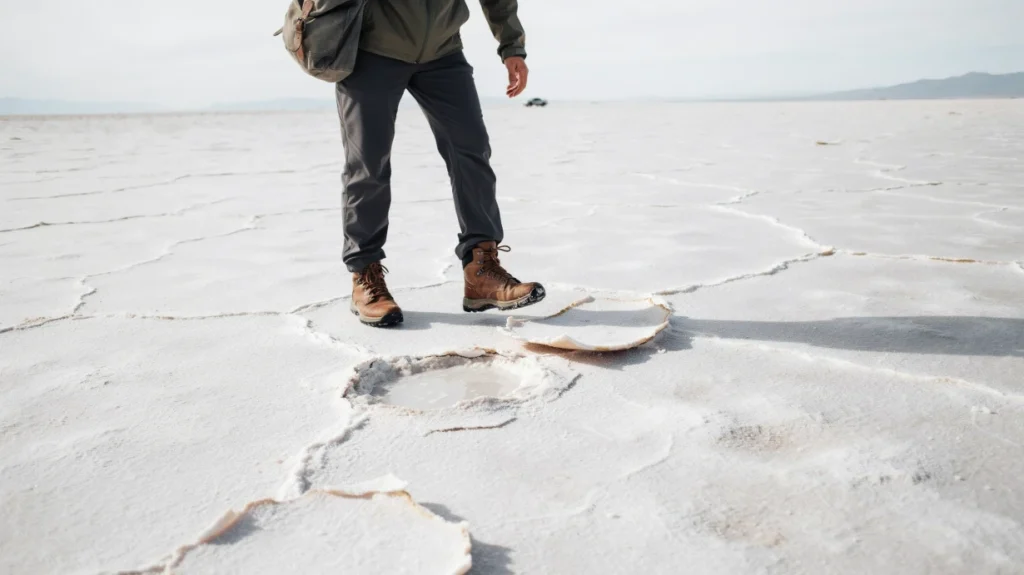 Bonneville Salt Flats Photography Etiquette: How to Protect the Surface and Share the View
 How to Plan an Antelope Island Birdwatching Visit
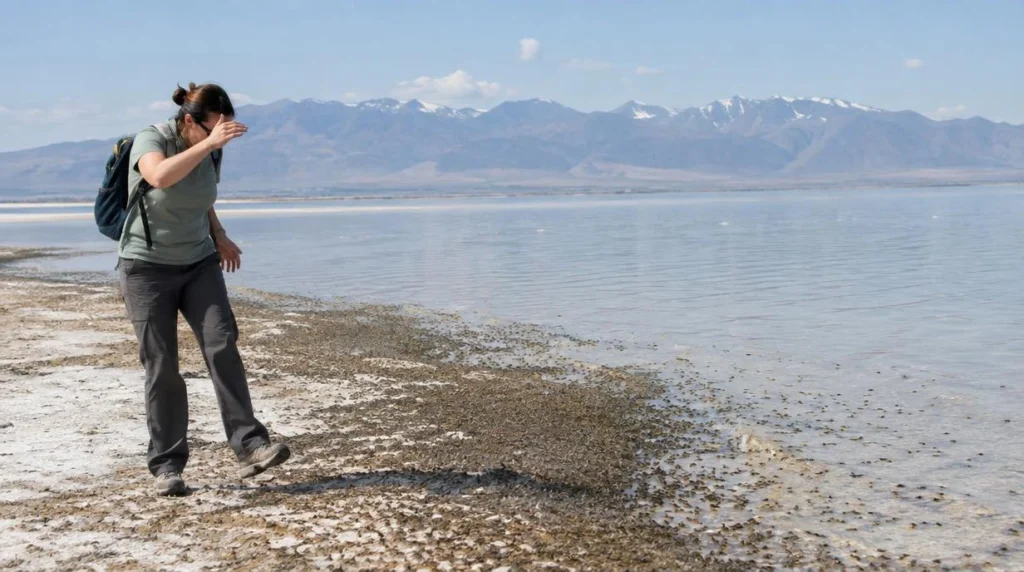 Why Are There So Many Brine Flies on Antelope Island?

Guide was Great! The salt flats had alot of water due to recent rain which limited...
Read more →I booked the Bonneville Salt Flats tour w Matei bc the owners are Ukrainian. I’m so...
Read more →This experience is a must-do! Dima explains the history of the area as well as the...
Read more →I had never been on a guided tour before, but Dima made it the best experience...
Read more →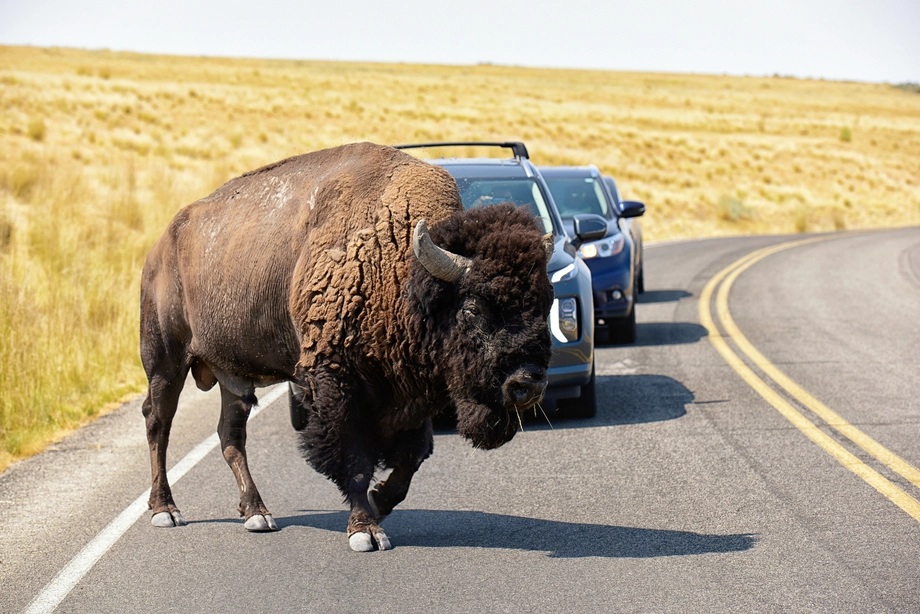 Antelope Island – Wild Heart of the Great Salt Lake Adventure
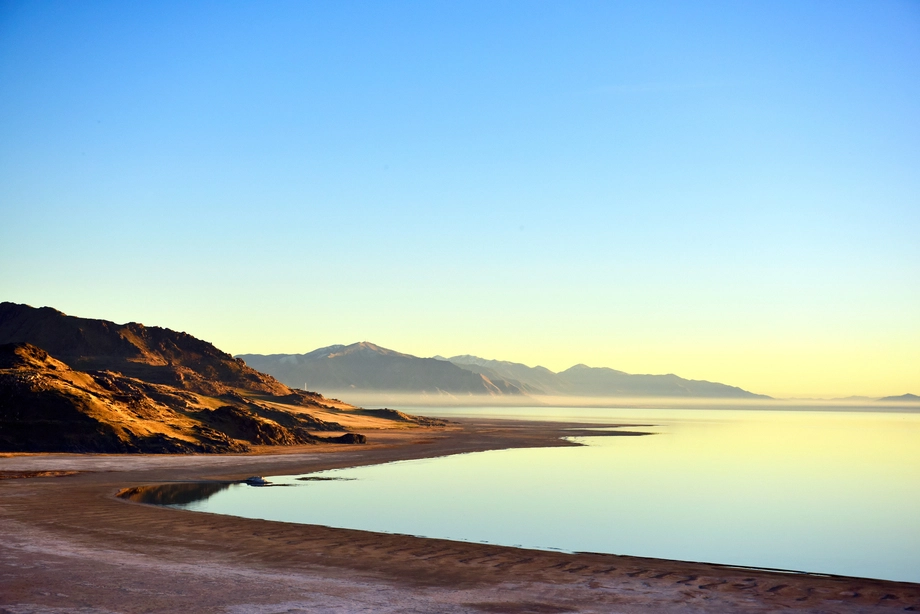 Antelope Island Sunset Wildlife Expedition – Great Salt Lake Odyssey
 Bonneville Salt Flats – Journey to the Edge of the World
 Bonneville Salt Flats – Sunset Adventure of the White Desert