
How to Plan Flexible Slope Time on a Guided Ski Day

A flexible guided ski day uses fixed instructor hours as anchors, then adds break buffers, clear regrouping points, and weather backups. Plan lighter off-slope days around ski days to protect energy and simplify group logistics.
The mistake we see in tightly scheduled travel days is treating every available hour as activity time. A guided ski day is a time-sensitive day trip with fixed mountain commitments, changing energy levels, and transport considerations, so flexibility comes from the structure around the lesson or guide block rather than from trying to change it.
For visitors comparing things to do near Salt Lake City during a ski-focused vacation, the useful question is not whether every day must be a full ski day. It is whether the week has enough room for weather changes, tired legs, children, and the practical realities of getting a group from the city to a Utah ski resort and back.
When should you use a flexible ski-day plan?
Use this approach when your group has different skiing abilities, limited vacation time, children, uncertain weather, or a Salt Lake City base that adds travel time to the day. A rigid all-day plan is less suitable when the least-experienced participant needs an unhurried start or when several people may prefer shorter time on snow.
We organize one-day Utah experiences from Salt Lake City for travelers trying to see major landscapes within limited time. In our work, the first decision is always to identify the fixed pieces of the day, then protect enough time around them for transit, stops, and the pace of the people traveling together.
A guided ski day has comparable constraints. The instructor, resort access, equipment arrangements, and return transport can be anchors, while free skiing, lunch length, photo stops, warm-up time, and end-of-day plans can remain adjustable.
- Use the framework if: your group needs a shared plan without requiring everyone to ski every run together.
- Use a lighter version if: only one person has a lesson and the rest are confident independent skiers.
- Pause the plan if: travel, equipment, or instruction details are still unknown. Confirm those commitments before assigning time blocks.
Step 1: What fixed anchors should shape the day?
Start with the instructor window, resort travel requirement, and the group’s non-negotiable needs. Many ski instructors work roughly 8:00 AM to 4:00 PM, so the most useful flexibility is usually before, between, and after those hours.
Write the day in three layers: travel and arrival, the on-snow commitment, and the departure. Do not count a full morning or afternoon as usable slope time until you have allowed for getting the group ready, meeting the instructor or guide, and reconnecting afterward.
For broader decisions about distance and the kind of resort day that fits your trip, use our related guide on choosing a Utah ski resort day trip from Salt Lake City. It helps establish the trip shape before you attempt a detailed timetable.
Make a one-page anchor list
Keep this list short enough that every adult in the group can understand it. If an item has no confirmed time, label it as a decision point rather than pretending it is fixed.
- Pickup or driving plan: include the departure point in Salt Lake City and the latest comfortable leave time.
- Instruction block: record the confirmed meeting time, expected finish time, and who must attend.
- Group constraints: note children’s meal needs, beginner readiness, mobility considerations, and anyone who may need a shorter day.
- Regrouping points: choose a clear place and time for the group to meet at lunch and before leaving.
- Return anchor: decide whether the group will leave together or whether independent return arrangements are genuinely workable.
Pickup timing deserves more attention than it usually gets because it changes the usable mountain window. Our explanation of what pickup time means for Utah ski hours is useful for setting realistic expectations about the hours surrounding on-snow time.
You found a hidden promo code!
Use code WOWBLOG at checkout and get 10% OFF any tour!
Limited time offer. Book now and save!
Browse ToursStep 2: How should a mixed group divide on-slope priorities?
Divide the day into shared blocks and independent blocks instead of requiring one pace for the entire group. Plan around the least-experienced skier’s needs for the shared portions, then give stronger skiers defined opportunities to ski independently.
A lesson or guide session can be the common starting point, but it does not need to dictate every later decision. Ask in advance which outcome matters most to each person: building confidence, spending time together, practicing skills, covering more terrain independently, or simply having a pleasant day outside.
- Assign the morning purpose: make it lesson-focused, confidence-focused, or family-focused. Avoid combining all three as equal priorities.
- Choose one lunch decision point: decide whether the group will continue together, split by energy level, or end the on-snow portion early for some participants.
- Create a safe reconnection plan: use an agreed meeting location and a specific time rather than relying on changing phone availability or assumptions.
- Protect an independent block: give advanced skiers a defined period for free skiing while beginners remain with instruction or take a rest.
Resort instruction, rental arrangements, and mountain guiding are separate services that should be confirmed directly with the relevant provider. For choosing the general structure that suits your group, including whether lessons, rentals, or transfer-only logistics are the main need, see which Utah ski day fits your group.
Step 3: How do buffers prevent paid guide time from being wasted?
Buffers protect the valuable parts of a guided ski day by keeping routine delays away from the instructional block. Put extra time before the first meeting, after lunch, and before departure instead of filling every gap with another run or stop.
Do not treat a break as failed ski time. A warm drink, restroom stop, snack, clothing adjustment, or quiet reset can preserve the quality of the next on-snow block, particularly for children and newer skiers.
| Time block | What is fixed | What stays flexible | Planning check |
|---|---|---|---|
| Arrival and setup | Meeting commitment | Extra preparation time | Can everyone be ready before the session begins? |
| Morning on snow | Lesson or guide block | How hard the group skis afterward | Is anyone struggling or unusually tired? |
| Lunch and warm-up | Regrouping time | Length of the break and afternoon participation | Does the group need food, warmth, or a changed plan? |
| Afternoon | Agreed final meeting point | Free skiing, shorter session, or off-slope rest | Do conditions and energy still support the original plan? |
| Return | Transport departure | Simple end-of-day activity or direct return | Has everyone had time to change and reconnect? |
Use decision points instead of an overbuilt itinerary
Place two or three moments in the day when the group deliberately reassesses rather than pushing through by default. A practical sequence is a morning check after the first on-snow block, a lunch decision, and a final assessment before committing to more skiing.
At each point, use the same three questions: Are conditions still suitable? Does the least-experienced skier want another block? Can the group still meet its return plan without rushing? A single “no” does not automatically end the day, but it should trigger a shorter or simpler option.
Step 4: How can on-slope and off-slope time work together?
Mixing skiing with off-slope time gives mixed-ability groups a way to stay connected without forcing identical activity levels. Over a ski week, a lighter day can also be a deliberate recovery choice rather than a lost opportunity.
We build our own day tours with this same balance in mind. We include transfer, a planned route, guide storytelling, and support on short walking sections because a full day should feel manageable, not like a sequence of rushed handoffs.
Our routes from Salt Lake City include destinations such as Bonneville Salt Flats and Antelope Island. We use these different settings deliberately: wide-open landscape time has a different rhythm from a wildlife- and nature-focused day, which gives travelers meaningful choices when they do not want another demanding mountain day.
Choose the right type of flex day
For a ski trip based in or near Salt Lake City, put a non-ski day after one or two demanding slope days, on a day with less favorable conditions, or when some travelers want a different kind of Utah experience. Keep it separate from resort commitments rather than trying to squeeze both into one already-full day.
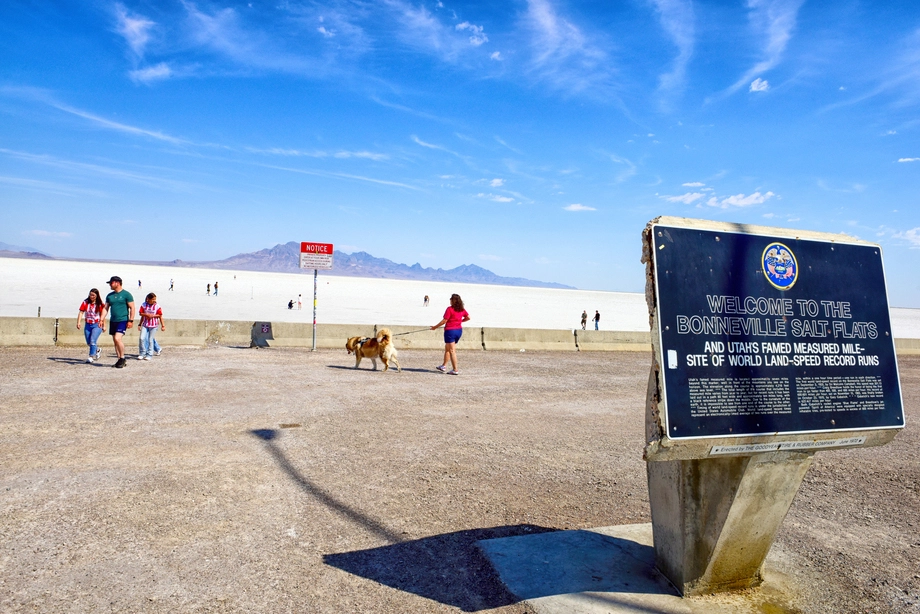
- Landscape-focused option: the Bonneville Salt Flats Tour from Salt Lake City — From $120 | Matei Travel is a one-day outing centered on Utah’s open salt-flat scenery.
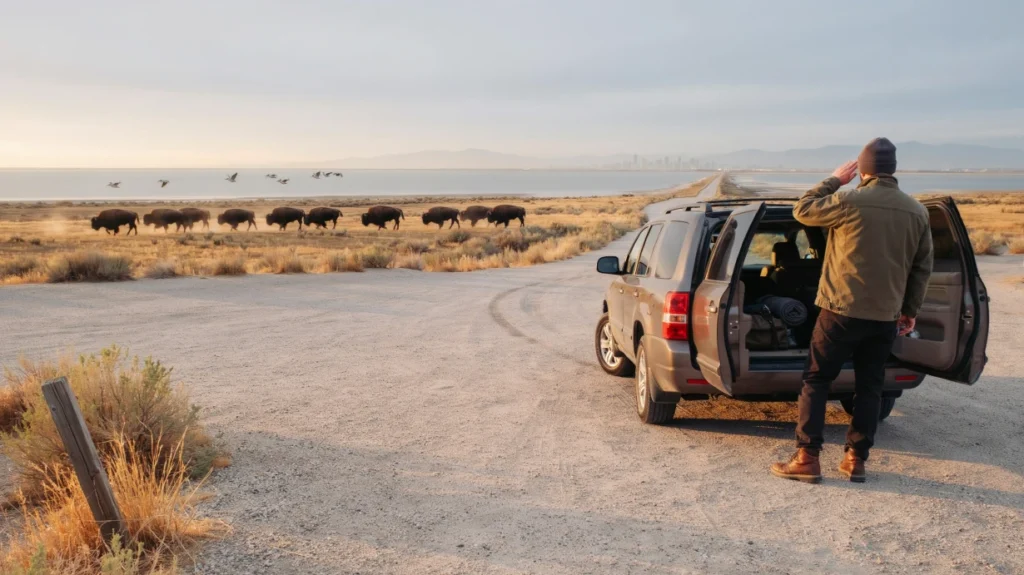
- Nature-focused option: the Antelope Island Tour from Salt Lake City — From $120 | Matei Travel is a one-day excursion for travelers who prefer wildlife and natural surroundings.
- Shorter-energy option: leave an unscheduled afternoon for rest, a relaxed meal, or an easy city-based activity rather than filling it automatically.
We design these routes for travelers with limited time who still want to experience Utah’s key places. The tradeoff is intentional: a realistic amount of time on the road must be balanced with enough time on-site to make the day worthwhile, the same judgment that prevents a ski schedule from becoming exhausting.
If you are building flex days into a ski-week calendar, browse our Utah Day Tours to compare a Salt Flats or Antelope Island day with the pace your group needs. We handle the route, transfers, narration, and short-walk support, leaving your group fewer moving parts to coordinate around ski bookings.
Step 5: What does a flexible Utah ski-resort day trip schedule look like?
A workable Salt Lake City ski day uses the instructor or guide block as the center, with adjustable time on both sides. The sample below is a planning model, not a resort timetable or a guarantee of lift, lesson, or traffic conditions.
- Early morning: travel to the resort, complete personal preparation, and arrive with a buffer before the confirmed meeting time.
- Morning session: keep the group together for the lesson, guided block, or beginner-focused skiing.
- Midday reset: meet for food, warmth, and a clear energy check. Confirm whether the afternoon will be shared or split.
- Afternoon options: confident skiers free-ski within the agreed plan; beginners continue with appropriate instruction, take an easier session, or finish early.
- Departure window: regroup at the preselected location, allow time to change and collect belongings, then return without adding a demanding extra commitment.
- Evening: keep plans optional. A simple dinner, rest, or an early night often supports the next ski day better than another fixed activity.
The principle is not to maximize every minute. It is to protect the moments your group values most while leaving room to respond when people need a different pace.
How can you verify that your ski-day plan is genuinely flexible?
A flexible plan is ready when every participant knows the fixed meeting times, the lunch decision point, the regrouping location, and the acceptable early-finish option. If any of those answers are vague, the schedule is still dependent on last-minute negotiation.
Check the plan the day before and again on the morning of the ski day. Conditions, individual energy, and confirmed service timings can change, so the group should know which parts are essential and which parts can be reduced or moved.
- Success signal: everyone can name the next meeting point without checking a long itinerary.
- Success signal: the group has permission to split by ability for a defined block without anyone feeling abandoned.
- Success signal: lunch is a decision point, not an assumed quick stop that leaves no time to reassess.
- Success signal: the return plan still works if one or more participants end skiing early.
- Success signal: at least one non-ski or light-day option remains open elsewhere in the trip.
What should you do if weather, energy, or timing disrupts the plan?
When conditions or group readiness change, shorten the affected block and preserve the next useful decision point. Do not try to recover every missed minute by removing lunch, rushing beginners, or extending the day beyond the group’s ability to manage it comfortably.
If the weather makes the planned ski session less appealing, consider a technique-focused or shorter on-snow block if the relevant instructor or guide advises that it is appropriate. If the group would rather avoid a mountain day altogether, shift the ski booking within the week when possible and use a planned rest or sightseeing day instead.
We apply a similar fallback mindset when structuring our Salt Lake City day tours: the route has a clear purpose, but the day must remain realistic about transit, time on-site, and short walking sections. A ski vacation benefits from the same discipline, especially when a family or friend group has competing priorities.
For a wider framework that connects transport, timing, and mountain-day choices, read our guide to smoother Utah ski resort day trips from Salt Lake City.
Plan the ski week, not just the ski day
The strongest Utah ski itinerary alternates demanding slope days with room to rest, adapt, and experience the region beyond the resort. Fixed anchors, planned buffers, and agreed decision points make a guided day feel more accommodating without wasting the time you have booked.
Our team uses the same practical balance when arranging day experiences from Salt Lake City: a thought-through route, transfer, narration, and realistic time at each place. Add a scenic or nature-based flex day when it serves your group’s pace, then return to skiing with a clearer plan for the next mountain day.
Browse Matei Travel’s Utah day tours and contact us with your travel dates to coordinate a Salt Flats or Antelope Island outing around your ski bookings.
Should every skier stay with the guide all day?
No. A group can share the lesson or initial session, then use a planned independent block for stronger skiers while others rest or continue at a suitable pace.
How much extra time should be left before a ski lesson?
Leave enough time for travel, personal preparation, and reaching the meeting place before the confirmed start. The exact amount depends on your transport and resort arrangements.
What is the best time to decide whether to ski in the afternoon?
Use lunch as the main decision point. It gives the group time to eat, warm up, assess energy, and agree on a shared or split afternoon plan.
Can a non-ski day fit into a short Utah ski trip?
Yes. A sightseeing or rest day can be placed between demanding ski days, especially when the group needs a lower-effort option or conditions change.
Which Matei Travel tours work as ski-trip flex days?
Bonneville Salt Flats and Antelope Island outings offer different day-trip settings from Salt Lake City. One emphasizes expansive scenery, while the other is oriented toward nature and wildlife.
Does Matei Travel provide ski lessons or on-mountain guides?
No. We organize Utah day tours from Salt Lake City and do not provide ski instruction, resort rentals, lift access, or on-mountain guiding.
 When Should a Utah Park Day Trip From Salt Lake City Become an Overnight?
 Your First Evening in Salt Lake City: A Low-Pressure Orientation Plan
 Bonneville Salt Flats Photography Etiquette: How to Protect the Surface and Share the View
 How to Plan an Antelope Island Birdwatching Visit
 Why Are There So Many Brine Flies on Antelope Island?
 Antelope Island Day Tour or Sunset Wildlife Tour: Which Fits Your Salt Lake City Schedule?

This experience is a must-do! Dima explains the history of the area as well as the...
Read more →I had never been on a guided tour before, but Dima made it the best experience...
Read more →This was a great tour, it was nice to get picked up from our hotel. It...
Read more →Great guide great information and great deal for the money.
Read more → Bonneville Salt Flats – Sunset Adventure of the White Desert
 Antelope Island – Wild Heart of the Great Salt Lake Adventure
 Antelope Island Sunset Wildlife Expedition – Great Salt Lake Odyssey
 Bonneville Salt Flats – Journey to the Edge of the World