
Bryce Canyon Accessible Sunset Viewpoints and Shuttles

Bryce Canyon is absolutely worth considering for a wheelchair-friendly sunset if you focus on Sunset Point, plan around shuttle season, and account for parking limits on larger vehicles.
A lot of stressful Bryce Canyon sunset plans fail for the same reason. People try to collect several overlooks in the busiest part of the day, then discover that parking, shuttle timing, surface conditions, and fatigue matter more than the number of stops. For many wheelchair users and travelers with limited walking tolerance, the smarter plan is one excellent rim stop that is realistic from start to finish.
This is a practical planning guide to Bryce Canyon accessibility at sunset, centered on rim viewpoints rather than backcountry hikes. It is for wheelchair users, travelers with limited stamina, and the family members or trip planners trying to decide whether Bryce is doable, worthwhile, and low-stress enough to include in a broader Utah trip.
Who is this guide for, and is Bryce Canyon worth it without hiking?
Yes. Bryce Canyon is still very much worth visiting if you use a wheelchair or want to keep walking minimal, because the park’s signature experience is the hoodoo amphitheater seen from the rim, not only from trails below it.
That matters more at Bryce than in many parks. If your goal is a memorable sunset rather than a long hike, you are not settling for a lesser version of the park. You are focusing on one of its most iconic experiences in a way that often fits real mobility limits better than a packed overlook-hopping itinerary.
This guide is most useful if you fit one of these situations:
- Wheelchair users: You want to know whether a sunset stop is practical, where the most accessible viewpoint is, and how the shuttle boarding process affects timing.
- Travelers with limited walking tolerance: You may not use a wheelchair full time, but you need short distances, nearby restrooms, and fewer transfers.
- Family members or trip organizers: You are making the decisions about driving, arrival time, parking, and return logistics for someone else.
- Multi-park Utah planners: You are trying to decide whether Bryce can fit sensibly into a larger trip from Salt Lake City without turning sunset into the hardest part of the day.
When we plan Bryce within our Utah National Parks Tours, we build the stop around one or two high-value rim viewpoints instead of trying to see everything. That approach is especially helpful when mobility, crowd levels, and shuttle rules all matter at the same time.
What decisions matter most for a wheelchair-friendly sunset?
The key decisions are season, shuttle versus car, vehicle length, viewpoint choice, arrival time, weather, stamina, and return timing. If those are set early, the visit usually becomes straightforward; if they are left until late afternoon, sunset gets harder than it needs to be.
Use this checklist before you treat Bryce as a go decision.
| Decision | Must-do check | Why it matters at sunset |
|---|---|---|
| Season | Confirm whether the park shuttle is operating | Your parking options and return plan change during shuttle season |
| Transport mode | Choose shuttle or private car before arrival day | Switching plans on-site wastes energy and daylight |
| Vehicle length | Know if your vehicle is 23 feet or longer | Larger vehicles cannot park at popular viewpoints during shuttle hours |
| Viewpoint | Prioritize Sunset Point unless current conditions say otherwise | It combines iconic views with wheelchair-friendly access and nearby amenities |
| Arrival time | Aim to be in position well before sunset | Crowds and shuttle demand rise late in the day |
| Weather | Check temperature and wind for the exact evening | Cold, exposure, and changing conditions affect comfort more than expected |
| Energy budget | Set a realistic rolling or walking limit | The return to vehicle or shuttle matters as much as the outward trip |
| Return plan | Do not rely on the very last possible bus | Conservative timing reduces after-dark stress |
You found a hidden promo code!
Use code WOWBLOG at checkout and get 10% OFF any tour!
Limited time offer. Book now and save!
Browse ToursWhat is the shortest practical planning checklist before you go?
A low-stress Bryce sunset usually comes down to seven decisions made in the right order. Treat the first four as must-do items, the next two as should-do items, and the last one as a nice extra if energy allows.
- Must-do: Confirm whether your date falls in the shuttle operating season, which is typically April through mid-October.
- Must-do: Decide whether you will use the shuttle or arrive by private car.
- Must-do: Check whether your vehicle is 23 feet or longer, because that affects where you may park during shuttle hours.
- Must-do: Choose Sunset Point as your primary sunset target unless current park conditions make that unworkable.
- Should-do: Build in early arrival so boarding, parking, and restroom use happen before the biggest sunset rush.
- Should-do: Check evening weather, including temperature drop and wind, and pack for waiting at the rim.
- Nice-to-do: If everyone still feels good, add one more short rim stop earlier in the day rather than trying to improvise one after sunset.
The biggest planning mistake is treating sunset as a spontaneous scenic stop. In reality, sunset is the moment when crowd pressure, fatigue, and transport rules all overlap, so a simple checklist does more for accessibility than a long list of attractions.
How does the Bryce Canyon shuttle work for wheelchair users?
The shuttle is one of the most useful accessibility tools at Bryce during its operating season. The buses have powered wheelchair lifts, each bus can accommodate two wheelchairs, and service typically runs from April through mid-October with buses usually arriving about every 15 minutes.
For many visitors, that solves the hardest part of sunset planning: getting close to a prime rim stop without fighting viewpoint parking. It is also the cleanest backup plan when a group is traveling in an RV or a long van that cannot use the viewpoint lots during shuttle hours.
In practical terms, here is how to use the system calmly:
- Start with the season check: Do not assume the shuttle is running. Verify current service before your trip because exact dates and hours can change.
- Board with margin: Arrive early enough that missing one bus does not jeopardize sunset timing.
- Use the shuttle tracker: The Bryce Canyon Shuttle Tracker is helpful for estimating the next bus in principle, but treat it as a planning tool rather than permission to cut timing too close.
- Plan around capacity: Because each bus accommodates two wheelchairs, larger travel parties should expect to be a little more deliberate about boarding and spacing.
- Avoid the last-bus mindset: Build your return around a conservative departure, especially if your group moves slowly after dark or gets cold quickly.
This is one of the main reasons we prefer realistic timing over aggressive sunset stacking. If your group needs a smoother end to the day, the shuttle can be an asset, but only when it is used with buffer time rather than as a just-in-time rescue.
Go or no-go checks for shuttle use
The shuttle is a go if it is in season, your wheelchair works with lift boarding, and your group is comfortable allowing extra time for boarding and return. It becomes a no-go for sunset if your plan depends on the final bus, if cold or fatigue makes waiting difficult, or if your group strongly prefers a direct car return and has a vehicle that can legally park close enough.
Why is Sunset Point the main wheelchair-friendly sunset choice?
Sunset Point is the primary choice because it combines Bryce Canyon’s classic amphitheater view with confirmed wheelchair accessibility and nearby essentials. It also has restrooms, drinking water, and picnic tables close to the viewpoint, which removes several common friction points at once.
That combination matters more than it may sound on paper. For a sunset visit, the best viewpoint is not only the prettiest one. It is the stop where the view, surface, amenities, and return logistics all work together without demanding extra distance when people are already tired.
From a wheelchair perspective, here is what to expect:
- Surface: The accessible route is paved, which is a major advantage at a rim viewpoint.
- General feel: It is designed to be manageable, not like a rough trail, though outdoor surfaces can still feel uneven in places compared with an indoor sidewalk.
- Grade: Expect normal outdoor variation rather than a perfectly flat plaza. Most travelers do best when they allow extra effort for small slopes and crowd navigation.
- Amenities nearby: Restrooms, drinking water, and picnic tables reduce the need for extra moves before or after sunset.
- Main limitation: Accessible does not mean every edge, angle, or nearby spur is equally easy. Keep the goal focused on the primary rim experience, not on exploring every corner.
If someone in your group has limited stamina rather than full-time wheelchair use, the same logic still applies. Sunset Point is often the strongest option because it keeps the experience short, scenic, and supported by basic amenities.
What should you expect on the ground at Sunset Point?
Expect a paved viewpoint area, a highly visual rim setting, and the usual sunset crowd energy rather than a quiet private stop. For most travelers with mobility concerns, the challenge is not the existence of access. It is managing pace, positioning, and comfort while other visitors are arriving at the same time.
That means expectations matter. Bryce’s rim is scenic and relatively straightforward at this stop, but it is still an outdoor national park environment with weather exposure, changing light, and people moving around you in the final hour before sunset.
Practical terrain and comfort checks:
- Test energy before committing: If the person in your group is already cold, tired, or overstimulated, keep the stop short and skip any extra roaming.
- Use amenities on arrival: Handle restroom and water needs before the light gets better and the crowd gets denser.
- Pick one viewing position: The experience is often better if you settle into a good viewpoint and stay there instead of constantly repositioning.
- Dress for the wait: Sunset often means standing or sitting still. The comfort issue is usually exposure, not distance.
Our rule of thumb is simple. If the group can comfortably manage one focused rim stop with nearby facilities, Bryce is often very rewarding. If the day has already become a chain of transfers and delays, sunset becomes much less enjoyable no matter how famous the viewpoint is.
How do parking and oversized vehicle rules affect sunset?
They matter a lot. During shuttle operating hours, vehicles 23 feet or longer cannot park at popular viewpoints including Sunset Point, so RVs and long vans need to plan around designated oversized parking instead of trying to reach the viewpoint directly.
The designated larger-vehicle parking options are the additional lot at the Visitor Center and the Shuttle Station in Bryce Canyon City. For wheelchair users, that usually means deciding in advance whether the extra transfer from those lots to the shuttle still makes sunset feel manageable.
This is where a lot of DIY plans go sideways. A family may assume they can simply drive close, then discover late in the day that legal parking is elsewhere and the sunset stop now includes more boarding, more waiting, and less margin for delays.
- If your vehicle is under 23 feet: You may have more flexibility, but sunset parking can still be competitive, so arriving early remains wise.
- If your vehicle is 23 feet or longer: Do not plan on parking at Sunset Point during shuttle hours.
- If someone uses a wheelchair in an RV group: Think of the shuttle as part of the accessibility plan, not as an optional add-on after parking fails.
- If your group dislikes transfers: Bryce at sunset may still be worth it, but it needs an honest conversation about energy, patience, and whether one prime stop justifies the logistics that day.
Go or no-go checks for large vehicles
Go if your group accepts oversized parking and shuttle transfer time as part of the plan. No-go if the person with mobility limits is already depleted and the extra transfer would likely overshadow the rim experience.
What is the best execution order on sunset day?
The smoothest order is to arrive early, settle parking or shuttle boarding before the late-day surge, use facilities first, then make Sunset Point your one non-rushed payoff stop. Good sunset visits are won an hour or two before the light gets dramatic.
This is the execution sequence we recommend because it reduces last-minute decisions:
- Morning or midday: Recheck current shuttle status, weather, and the group’s actual energy level.
- Before late afternoon: Decide whether today is still a sunset day. If stamina is already low, it is better to shorten the day than force an iconic stop.
- Early arrival window: Reach your parking base or shuttle boarding point with enough margin to absorb one delay.
- At the viewpoint: Use restrooms and water first, then choose a viewing position.
- After sunset: Leave with a conservative return mindset rather than waiting until everybody else starts moving.
That order is useful whether you are traveling independently or comparing coach bus excursions visiting multiple Utah parks with wheelchair access. The same principle holds in both cases: reduce decisions at the most crowded hour, and build the day around one reliable highlight instead of too many moving parts.
What are the biggest risk controls and critical misses?
The biggest risk controls are simple: verify current shuttle operations, respect the 23-foot rule, allow buffer time, and do not overestimate how much energy remains at the end of the day. The biggest critical miss is assuming that a famous viewpoint automatically means a simple arrival.
These are the problems most likely to turn a promising sunset into an exhausting one:
- Missing the season check: Shuttle availability changes how you should arrive and return.
- Ignoring vehicle length: Large-vehicle parking restrictions affect some of the most popular viewpoints.
- Trying to do too much: Two mediocre rushed stops are usually worse than one settled, comfortable stop.
- Leaving return planning too late: Anxiety climbs fast when darkness, cold, and fatigue all show up together.
- Assuming limited walking means this guide is not for you: Many of the same decisions matter even if the traveler only needs shorter distances and more rest breaks.
In our planning work, this is exactly why Bryce is rarely about maximizing overlook count. It is about matching one high-impact rim stop to how the group actually moves through a day.
What is the final go/no-go checklist before you commit Bryce to your itinerary?
Bryce is a go when you can answer yes to a small set of practical questions. It is a no-go, or at least a not-today, when the return feels rushed, the transfer count is too high, or the person with mobility limits has already used up the day’s energy.
- Go: Shuttle status checked or parking plan confirmed.
- Go: Vehicle length reviewed against the 23-foot rule.
- Go: Sunset Point chosen as the main stop.
- Go: The traveler can manage a paved rim stop with normal outdoor variation and crowd movement.
- Go: Restroom, water, and weather needs are covered.
- Go: Return plan does not rely on the last possible moment.
- No-go: The group is already behind schedule, overstimulated, or significantly more fatigued than expected.
- No-go: Larger-vehicle parking and shuttle transfer time would make the stop feel like a burden rather than a highlight.
If that checklist feels like a lot, that is the honest point. A Bryce sunset with mobility considerations is absolutely possible, but it works best when someone has already thought through driving times from Salt Lake City, shuttle season, viewpoint priorities, and stop durations. That is also why some travelers prefer to fold Bryce into a broader Utah itinerary where those logistics are planned in advance, and where even the first day in the city can be paced sensibly with options like our Salt Lake City walking tours before heading into the parks.
Bryce Canyon can be an excellent wheelchair-friendly sunset stop if you keep the plan focused, use Sunset Point as the main target, and treat shuttle and parking rules as part of accessibility rather than as side details. The park is most rewarding when the evening is built around one realistic rim experience, not a race between viewpoints. For many travelers, that is the difference between a stressful detour and a truly memorable stop on a Utah trip. If you want help fitting Bryce into a realistic multi-park route, review our Utah National Parks tour options from Salt Lake City and send us your dates plus mobility details.
Is Bryce Canyon still worth visiting if I cannot hike below the rim?
Yes. The park’s signature hoodoo scenery is visible from the rim, and Sunset Point gives you one of the classic views without requiring a backcountry hike.
Does the Bryce Canyon shuttle work for wheelchairs?
Yes. The shuttle buses have powered wheelchair lifts and can carry two wheelchairs per bus, but it is still smart to allow extra boarding time.
When does the shuttle usually operate?
It typically runs from April through mid-October. Check current park information before your trip because exact dates and hours can change.
Can I park an RV or long van at Sunset Point for sunset?
Not during shuttle hours if the vehicle is 23 feet or longer. In that case, use the designated oversized parking areas and plan to transfer by shuttle.
What amenities are near Sunset Point?
Sunset Point has nearby restrooms, drinking water, and picnic tables. Those features make it one of the most practical rim stops for a shorter visit.
Should I rely on the last shuttle after sunset?
No. A conservative return plan is easier on groups dealing with fatigue, cold, or slower boarding and movement after dark.
Is this advice only for full-time wheelchair users?
No. The same planning approach helps anyone who needs shorter distances, fewer transfers, and a more comfortable pace.
 Antelope Island Day Tour or Sunset Wildlife Tour: Which Fits Your Salt Lake City Schedule?
 How to Dress for Changing Weather on Antelope Island
 How to Photograph People at Bonneville Salt Flats at Sunset
 How to Dress for Wind and Glare at Bonneville Salt Flats
 What a Guide-Led Utah Day Tour Handles for You
 Why Wildlife Sightings Cannot Be Guaranteed on Antelope Island

The tour was great and beautiful. Dima, the tour guide, explained everything clearly and had some...
Read more →What a beautiful experience! The drive is about 2 hours one way with interesting scenery the...
Read more →(From North Carolina on a business trip) '+ 'HANDS DOWN the best tour/guide I’ve ever had. And...
Read more →Went to Antelope Island. Terrible. Tour guide didn\'t do what he said he was going to...
Read more →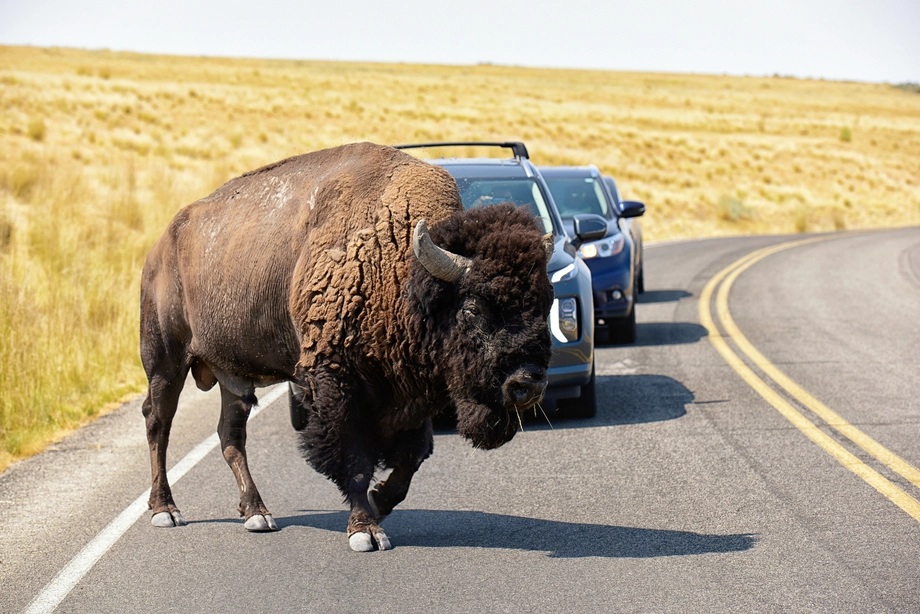 Antelope Island – Wild Heart of the Great Salt Lake Adventure
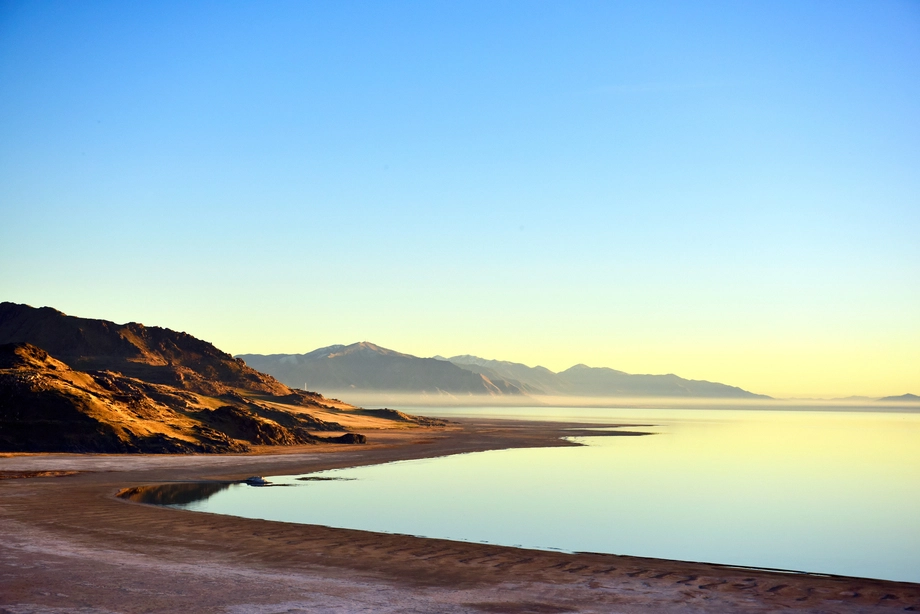 Antelope Island Sunset Wildlife Expedition – Great Salt Lake Odyssey
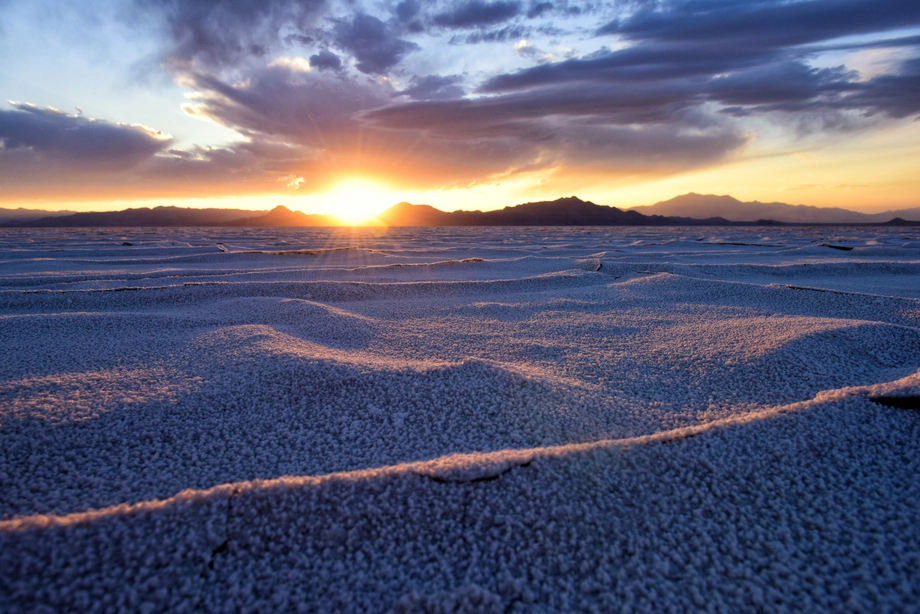 Bonneville Salt Flats – Sunset Adventure of the White Desert
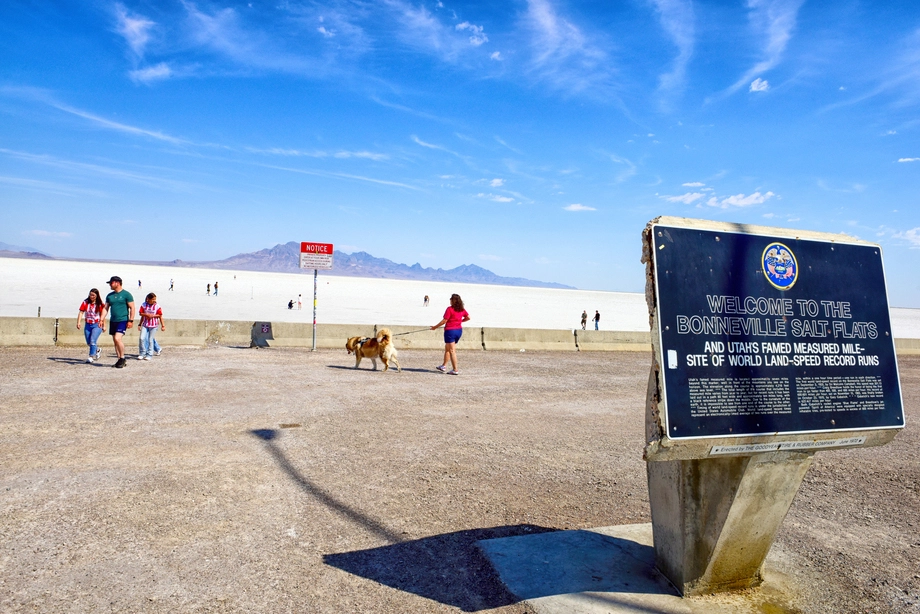 Bonneville Salt Flats – Journey to the Edge of the World