
Antelope Island Sunset Tours: What to Bring for Bugs and Wind
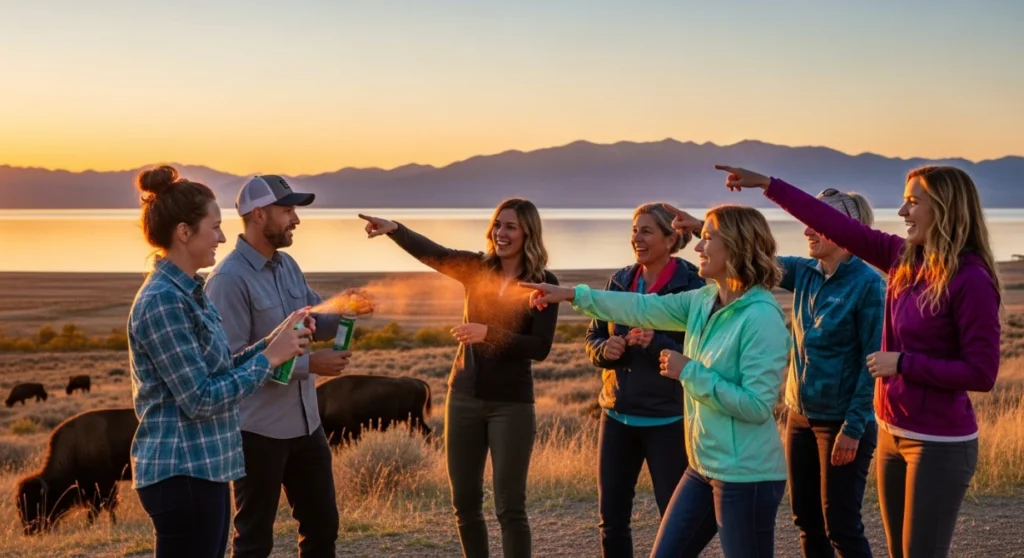
Bring layers, a windproof shell, and bug protection matched to the season. In spring, fine-mesh coverage matters more than repellent; in summer and fall, repellent plus wind layers usually does the job.
The mistake we see most often is simple: visitors pack for a pretty sunset photo and forget that Antelope Island comfort is really about insect timing and evening wind. A short stop can feel magical or miserable depending on whether you hit spring no-see-ums near the shoreline, catch a breezy overlook, or stay out after the temperature drops.
Antelope Island sunset planning sits squarely in the category of practical Utah day trip preparation. This guide is for self-driving visitors, families, photographers, and anyone considering a guided outing from Salt Lake City who wants a clear packing list, month-by-month bug expectations, and a realistic sense of how the wind feels once the sun starts dropping.
Who is this checklist for, and what decision will it help you make?
This checklist is for anyone trying to enjoy an Antelope Island sunset without being surprised by biting gnats, mosquitoes, or a colder-than-expected breeze. It helps you decide both what to bring and whether a guided trip is the easier way to handle timing, route, and comfort.
If you are driving yourself, this guide helps you avoid the classic under-packing problem: arriving in light evening clothes during bug season, then cutting the visit short. If you are weighing a guided outing, it also shows why local timing matters more here than generic park packing advice.
We organize day trips in Utah from Salt Lake City, so our planning lens is practical rather than theoretical. Antelope Island is one of those easy-access nature stops people often pair mentally with the best scenic drives near Salt Lake City, but sunset comfort depends less on the drive itself and more on knowing which month brings gnats, when repellent matters, and why a shell jacket can save the evening.
- Best for DIY visitors: People who want a packing list they can print and follow without overthinking gear.
- Best for families: Parents who need simple, low-bulk items that keep kids from getting cold or frustrated.
- Best for photographers: Visitors who may stand still longer at viewpoints and therefore notice bugs and chill sooner.
- Best for older travelers: Anyone who prefers gentler stops, staying near the vehicle, and reducing guesswork around conditions.
What should you pack first if you want a comfortable sunset?
Pack in priority order: a windproof outer layer, season-appropriate bug protection, and full-coverage clothing you can actually stand wearing. If you only remember three things, make them a shell, long sleeves, and the right bug strategy for your month.
The table below is built for real-world tradeoffs, not a generic national park list. The key is that spring and summer need different bug tools, while wind protection matters almost every evening.
| Priority bucket | What to bring | Why it matters on Antelope Island at sunset | How to know you are ready |
|---|---|---|---|
| Must-have for any sunset | Light long-sleeve top, long pants, closed-toe shoes, windproof shell, water, sunglasses for late glare | Coverage helps with bugs and sun, while a shell blocks the causeway and overlook wind that feels colder than the daytime forecast suggests | You can stand still for 20 to 30 minutes after sunset without feeling exposed or chilled |
| Spring extras, roughly mid-April to mid-June | Fine-mesh head net, hat to hold net off the face, extra light layer with cuffs or snug openings | Biting gnats, also called no-see-ums, are the main comfort issue and standard repellent is not the solution | You have a physical barrier ready for your face and neck before leaving the car |
| Summer and fall extras | Insect repellent for mosquitoes, optional light neck covering, small cloth or tissues if brine flies are dense near shore | Mosquitoes respond to repellent, while brine flies are harmless but can be visually overwhelming along the waterline | Your repellent is easy to reach, not buried in luggage, and your clothing still covers ankles and wrists |
| Should-do | Light gloves or hand covering, ear-covering hat or hood, small bag for adding and removing layers | Stillness during sunset photos can make hands and ears feel cold first | You have one fast way to warm up without returning to the car immediately |
| Nice-to-do | Spare socks, backup long layer for a child, compact seat cover or clean layer for sitting | Useful if you stay later, get sweaty earlier in the day, or have kids who cool down fast | You can adapt without turning a short stop into a problem-solving session |
You found a hidden promo code!
Use code WOWBLOG at checkout and get 10% OFF any tour!
Limited time offer. Book now and save!
Browse ToursWhich bugs will you face on Antelope Island by season?
Spring is the hardest season for comfort because biting gnats can be intense and repellent is not the main answer. Mid-spring through early fall shifts the main problem toward mosquitoes, and early summer through fall can add harmless but dramatic-looking brine flies near shorelines.
This is the section that should drive your packing choices. People often hear “bugs” and bring one repellent, but Antelope Island bugs are not one-size-fits-all.
Spring no-see-ums: when a head net is worth it
If your trip falls from roughly mid-April to mid-June, assume biting gnats are the issue until current conditions suggest otherwise. According to Utah State Parks current conditions, biting midges, often called no-see-ums, are extremely active from April to June, insect repellent is ineffective against them, and fine-mesh head nets are recommended.
That means your protection strategy should be physical coverage first. A head net, a hat underneath it, long sleeves, and long pants do more for comfort than spraying more product on your skin.
- Most likely problem spots: Shoreline-adjacent areas and calmer pockets where bugs are not being pushed around by wind.
- Most useful fix: Fine mesh over the face and neck, plus covered arms and legs.
- Common mistake: Bringing only repellent, then discovering it does little during peak gnat season.
Mosquito season: when repellent matters again
From mid-spring through early fall, mosquitoes are part of the picture, and this is the period when repellent becomes genuinely useful. According to Utah State Parks current conditions, mosquitoes are present from mid-spring through early fall and insect repellent is effective against them.
For summer and early fall sunsets, repellent plus long sleeves is usually the practical baseline. You still want coverage because ankles, wrists, and necklines are easy bite targets when you are standing still for photos.
Brine flies: ugly surprise, not a biting problem
Brine flies can look alarming, but they are mostly a shoreline optics problem rather than a comfort or safety problem. Utah State Parks notes that they are non-biting, can cover shorelines from early summer through fall, and move out of the way when approached.
The key decision here is viewpoint choice. If dense shorelines bother you visually, spend less time right at the water’s edge and more time at slightly higher or drier stops where the sunset still looks excellent.
How windy and cold does sunset actually feel on Antelope Island?
It often feels colder than visitors expect because open exposure amplifies even a modest breeze once the sun drops. A calm daytime forecast does not tell you how your body will feel while standing still on the causeway, at pullouts, or on exposed viewpoints.
Wind is not always bad news. It can make you feel chilled, but it often improves bug comfort by reducing how many insects hover around your face and sleeves, which is why many locals would rather have a breezy sunset than a still one in bug season.
In practice, the first parts of your body to complain are usually ears, hands, and the front of your torso. That is why a true windproof layer matters more than just adding a thicker cotton top, and why a hood or ear-covering hat can change the whole experience.
- Causeway feel: More exposed, often breezier, and a place where light layers can suddenly feel inadequate.
- Overlook feel: Comfortable in sunshine, then noticeably cooler when you stop moving for photos.
- Wind-bug tradeoff: More breeze can mean fewer bugs, so do not assume calmer is always better.
What should you wear on your body from head to toe?
The best clothing strategy is light coverage underneath and a wind-blocking layer on top. You want clothing that handles sun, bugs, and cooling temperatures at once, without forcing you into heavy winter gear.
Think in three working layers, even for a short stop. A breathable base, a light coverage layer, and a shell are more useful than one bulky piece that leaves skin exposed elsewhere.
Top half
Wear a lightweight long-sleeve shirt as your default. Add a windproof shell that can fully close at the front, and in spring bring a brimmed cap or similar hat so a fine-mesh net stays off your face.
If you run cold, add a thin mid-layer you can slip under the shell once the sun fades. If you have sensitive skin, smoother long sleeves are usually easier to tolerate than repeated bug contact or heavy product use.
Bottom half
Long pants are the easy answer for most months. They reduce exposed skin for bugs, help with grass or brush contact, and feel better in evening wind than shorts when you are standing still.
Avoid very loose hems if mosquitoes are your main concern, and avoid highly airy outfits during spring gnat season. The goal is simple coverage without overheating during the drive or earlier daylight stops.
Closed-toe shoes are the practical default even if you are not taking a long hike. They protect your feet from dust, make short walking segments easier, and pair better with socks and long pants when insects are active.
For a quick sunset stop, you do not need technical mountain footwear. You do need something stable enough for short uneven sections and comfortable enough that you are not distracted while waiting for the best light.
Notes for kids and older travelers
Kids usually notice face bugs and cold hands fast, so pack their head coverage and spare layer where you can reach it quickly. Older travelers often prefer staying close to the vehicle, which makes Antelope Island sunsets quite manageable if clothing is sorted in advance.
For both groups, the simplest improvement is not extra gear volume. It is having the right layer available before anyone gets annoyed, cold, or bitten enough to want to leave.
What is the smartest execution order before a sunset visit or tour?
Prepare in stages: check seasonal conditions first, pack bug tools second, then build clothing around likely wind exposure. The mistake to avoid is choosing clothes from the daytime high and thinking you can solve everything with repellent on arrival.
- One to three days before: Check your travel month against the bug pattern. If it is mid-April through mid-June, put a fine-mesh head net on the must-pack list. If it is summer into early fall, prioritize repellent and long sleeves.
- The night before: Pack your shell, long pants, closed-toe shoes, and your bug item in one grab-and-go place. Bug protection that lives at the bottom of a suitcase is functionally not packed.
- Before leaving Salt Lake City: Dress in your base layer and keep the shell accessible, not buried. Sunset can feel comfortable at first and then turn cool quickly once you stop moving.
- On arrival: Add bug gear before stepping into the buggiest spot, not after you feel swarmed. This matters most in spring.
- At the viewpoint: Stay flexible. If the shoreline is buggy or visually covered in brine flies, shift to a drier or breezier stop rather than forcing the original plan.
This is also where guided planning helps. Our small-group approach on Salt Lake City Walking Tours is built around clear route expectations, local guide input, and space for questions, and we bring that same comfort-first thinking to day-trip planning where weather, timing, and terrain matter just as much.
What are the critical misses that ruin an Antelope Island sunset?
The biggest misses are bringing the wrong bug tool for the season, underestimating wind, and dressing for the parking lot instead of the viewpoint. None of these are dramatic mistakes, but they are exactly what cause people to leave early.
- No head net in spring: During peak gnat season, this is the clearest comfort failure because repellent will not fill the gap.
- Short sleeves plus shorts at sunset: Fine for a warm city evening, not great for standing still in open exposure with bugs around.
- Relying on midday forecast: Island exposure and post-sunset stillness make conditions feel sharper than a simple temperature number suggests.
- Choosing shoreline first without a backup stop: Great for atmosphere, but not always the most comfortable if gnats or brine flies are concentrated there.
- Assuming a short stop needs no prep: The recommended items are small, and they matter most when you are stationary for a brief but important window of light.
If you would rather not guess about route timing, parking, or which stops are likely to feel better for your dates, the practical next step is to review our Utah Day Tours. Antelope Island fits naturally into our Salt Lake City day-trip planning because the value is not only transportation, but also reducing small comfort mistakes that can overshadow the sunset.
How do you decide between doing it yourself and joining a guided outing?
DIY is absolutely possible if you match your gear to the season and stay flexible about where you watch sunset. A guided outing becomes the smarter choice when you want local judgment on bug patterns, less stressful timing, and a simpler comfort plan.
For confident self-drivers, the go-ahead is straightforward: you know the month-specific bug issue, you packed the right protection, and you are comfortable changing stops if a shoreline area is less pleasant than expected. For families, first-time Utah visitors, and travelers with limited time, guided logistics often remove the most annoying part of the evening, which is not the drive itself but the uncertainty.
That local judgment matters because the comfort question is rarely “Are there bugs?” It is “Which bugs, where, and is the breeze helping or hurting tonight?” When travelers contact Matei Travel with dates, we can advise whether an Antelope Island sunset, another Utah day trip, or a different timing is likely to give the better overall experience for bugs and weather.
What are the go or no-go criteria before you leave for sunset?
Go if you can answer four simple readiness questions with confidence. No-go, or at least re-pack first, if you are still hoping one generic layer and one generic bug product will cover every season.
- Go: You know whether your month is spring gnat season or summer and fall mosquito season.
- Go: You packed physical mesh protection for spring, or repellent for the warmer mosquito months, plus long sleeves and long pants.
- Go: You have a windproof outer layer easy to reach before sunset starts.
- Go: Everyone in your group has footwear and layers they can comfortably stand in for at least 20 to 30 minutes.
- No-go: You are traveling in peak spring bug season with no head net or other face coverage plan.
- No-go: Your warm layer is not wind resistant and your only outfit leaves most skin exposed.
- No-go: You are counting on repellent alone for no-see-ums.
Antelope Island sunsets are worth the effort because the fixes are small and the payoff is huge. Pack for the actual season, respect how fast the wind changes the feel of the evening, and use a guided option when you want timing and comfort decisions handled for you. Save this checklist, then review the available Utah day tours from Salt Lake City and send a quick inquiry with your travel dates to ask which sunset options are usually most comfortable for your window.
Do I really need a head net for Antelope Island in spring?
If you are visiting in the peak mid-April to mid-June window, a fine-mesh head net is smart insurance. It solves the face and neck problem that repellent does not reliably solve for no-see-ums.
Are brine flies a reason to skip sunset?
No. They can look intense along the shoreline, but they do not bite and are mainly a visual surprise.
Is a hoodie enough for the wind?
A hoodie helps, but a windproof shell is usually better because it blocks moving air more effectively. That matters when you stop walking and stand still for photos.
Can I wear shorts if I am only stopping briefly?
You can, but long pants are usually more comfortable for both bugs and breeze. Short stops are exactly when people regret exposed skin because there is no time to recover from bites or chill.
What bug protection should I bring in July or August?
Bring insect repellent for mosquitoes, plus long sleeves or another light coverage layer. You may also see brine flies near shore, but they are not biters.
Is Antelope Island a good sunset outing for kids?
Yes, if you keep the plan simple and pack their layers where you can reach them fast. Staying near the vehicle and choosing easy viewpoints keeps it manageable.
How does a guided sunset trip reduce the hassle?
You do not have to guess as much about timing, route, or which stops are likely to feel better for your month. That makes a big difference when conditions are changing with bugs and wind.
 Antelope Island Day Tour or Sunset Wildlife Tour: Which Fits Your Salt Lake City Schedule?
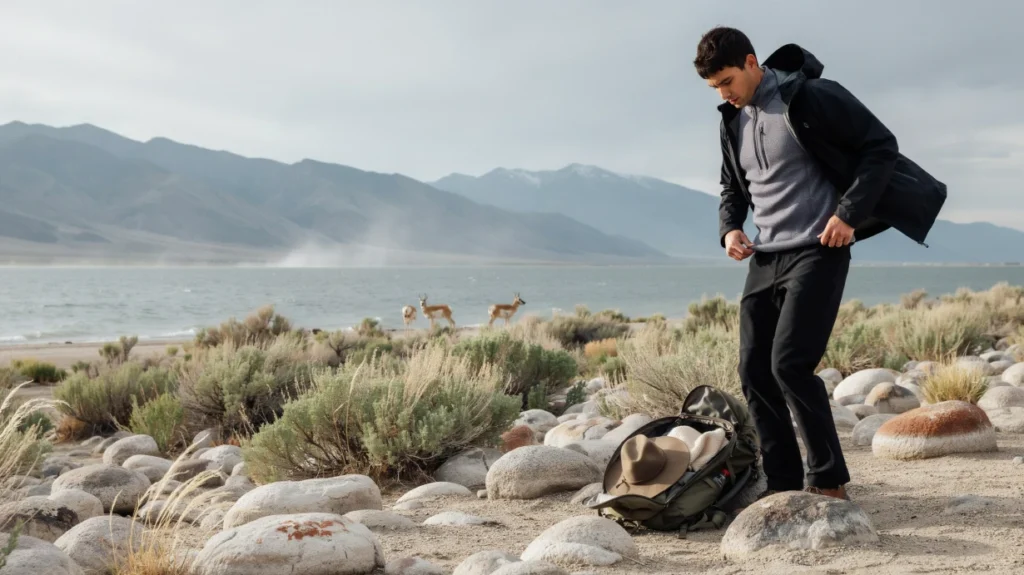 How to Dress for Changing Weather on Antelope Island
 How to Photograph People at Bonneville Salt Flats at Sunset
 How to Dress for Wind and Glare at Bonneville Salt Flats
 What a Guide-Led Utah Day Tour Handles for You
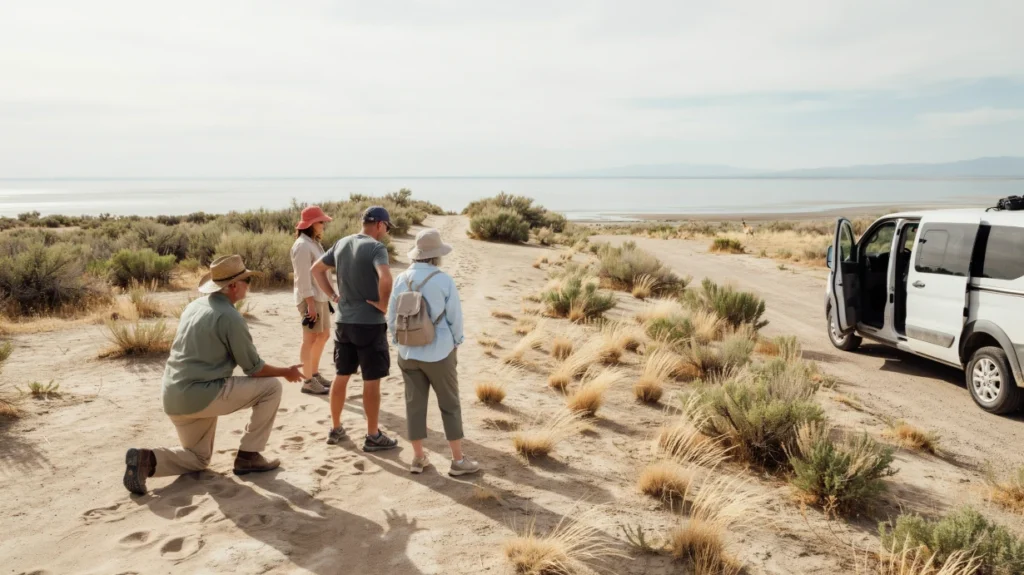 Why Wildlife Sightings Cannot Be Guaranteed on Antelope Island

The tour was great and beautiful. Dima, the tour guide, explained everything clearly and had some...
Read more →What a beautiful experience! The drive is about 2 hours one way with interesting scenery the...
Read more →(From North Carolina on a business trip) '+ 'HANDS DOWN the best tour/guide I’ve ever had. And...
Read more →Went to Antelope Island. Terrible. Tour guide didn\'t do what he said he was going to...
Read more →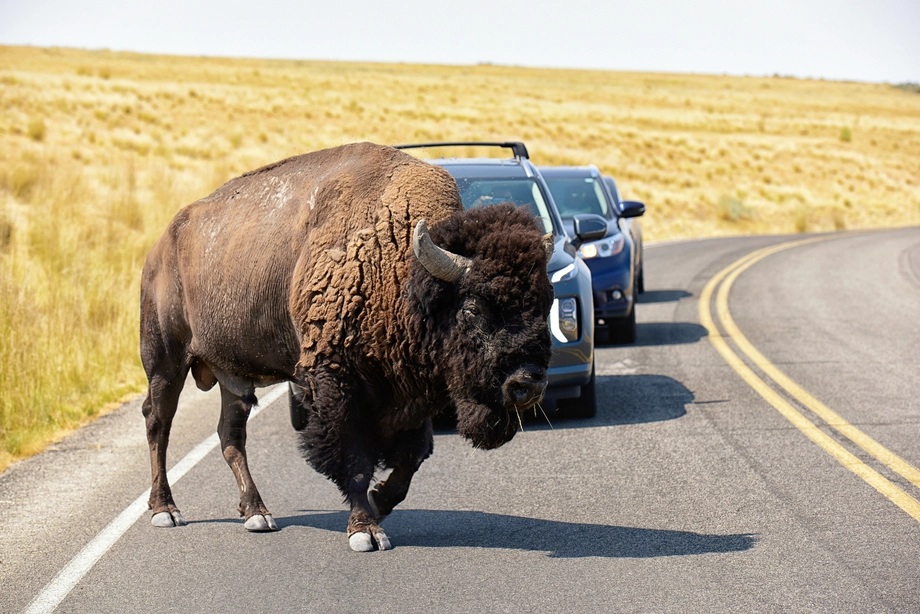 Antelope Island – Wild Heart of the Great Salt Lake Adventure
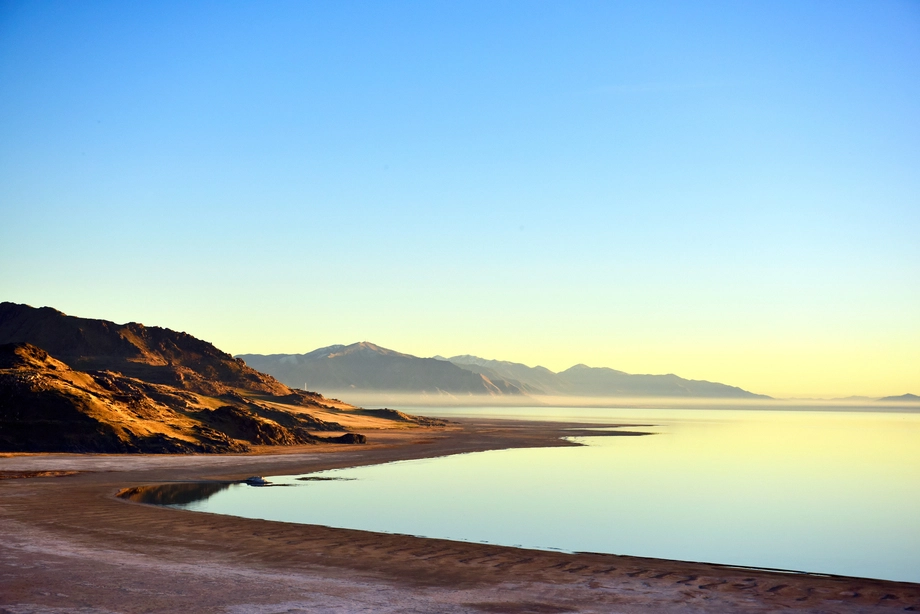 Antelope Island Sunset Wildlife Expedition – Great Salt Lake Odyssey
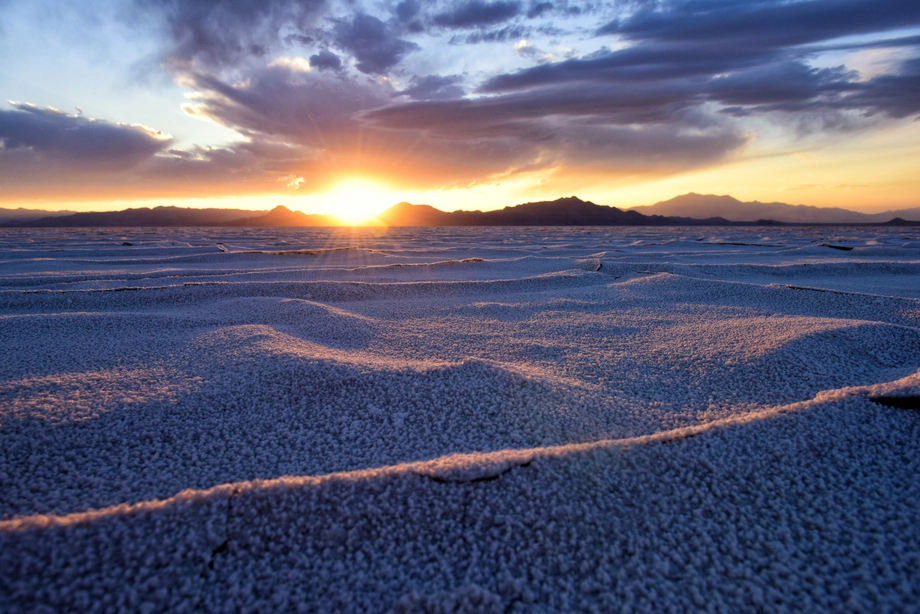 Bonneville Salt Flats – Sunset Adventure of the White Desert
 Bonneville Salt Flats – Journey to the Edge of the World