
Guided vs. Self-Drive Canyon Country Days: When Each Works
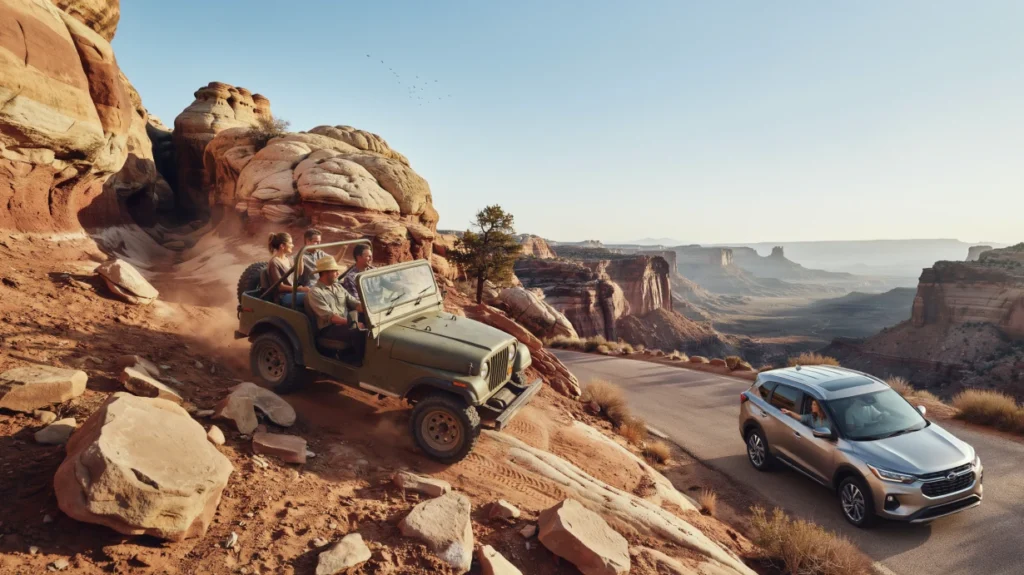
A guided Canyon Country day is usually the stronger choice when time is short, driving feels tiring, or local context matters. Self-drive works best for prepared travelers with several days, a vehicle, and a flexible schedule.
A Canyon Country day can disappear into driving, parking decisions, water stops, and route changes before you have spent meaningful time at a viewpoint. At Matei Travel, we design Utah day tours around that exact tension: travelers want major landscapes without turning their limited vacation time into a logistics project.
Guided versus self-drive is a trip-design decision for visitors considering Moab, Arches, Canyonlands, and nearby desert landscapes. Searches for affordable guided trips from Las Vegas to southern Utah national parks with lunch reflect a wider concern: whether paying for structure saves enough time, energy, and uncertainty to be worthwhile on a short Utah stay.
When does guided travel win, and when does self-drive win?
A guided day usually wins when you have one precious day, do not want to drive long desert routes, or value interpretation and a planned sequence of stops. Self-drive wins when you already have a vehicle, have multiple days around Moab, and genuinely prefer controlling your pace.
The honest answer is rarely “guided only” or “drive yourself only.” For many itineraries, the most useful arrangement is one organized anchor day followed by independent time for a slower hike, a return visit to a favorite overlook, or a morning with no fixed departure.
- Choose guided: You are car-free, traveling solo, arriving late, managing children or older relatives, or trying to make one day count without assigning someone to drive.
- Choose self-drive: You have a capable driver, reserved lodging near your planned stops, enough daylight, and room in the itinerary for detours or delays.
- Choose a hybrid: You want a low-stress orientation day, then want the freedom to revisit landscapes independently afterward.
What counts as a realistic Canyon Country day?
A Canyon Country day is normally a full day based in or near Moab, with driving between lodging, park entrances, trailheads, overlooks, parking areas, and meal or water stops. A realistic plan treats Arches and Canyonlands as substantial destinations rather than assuming every named landmark can fit comfortably into one loop.
Moab is the practical base for many visitors because it sits near the routes used for Arches and the Island in the Sky district of Canyonlands. Even from that base, a day includes repeated transitions: getting to an entrance, finding parking, walking from the lot to the feature, returning to the vehicle, and deciding whether the next stop still fits before daylight and energy run out.
Driving distance is only one part of the calculation. A map may make two places appear close, while the actual day also contains check-in times, traffic at popular parking areas, heat breaks, restroom stops, short walks, and the need to get everyone back safely. Travelers arriving from Salt Lake City, Las Vegas, or another distant gateway should avoid treating a Moab park day as a casual side trip.
A good one-day plan has a clear priority. It might be scenic overlooks and short walks, a geology-focused route, a sunset-oriented schedule, or a family-friendly outing with fewer transitions. Trying to combine every priority usually produces more windshield time and less canyon time.
You found a hidden promo code!
Use code WOWBLOG at checkout and get 10% OFF any tour!
Limited time offer. Book now and save!
Browse ToursHow do we apply this choice when planning Utah day tours?
We plan our Salt Lake City departures around a simple operating question: how much time will guests actually have at the landscape after transfers and essential stops are accounted for? That is why our routes are deliberately intense but realistic, rather than built around an inflated list of attractions.
We run one-day outings from Salt Lake City into Utah’s natural landscapes, including the Bonneville Salt Flats and Antelope Island. On those days, we arrange the transfer, build the route, provide guide stories, and support guests on short walking sections because those details are what turn a long-distance day into a usable experience.
We make different choices for different interests. Some of our itineraries focus on wildlife watching, while others prioritize wide-open scenery or combine several types of experiences in one day. That same selection logic applies to Canyon Country planning: decide what the day is for before deciding whether a private vehicle or a guide is the better tool.
Our Utah Day Tours are built for travelers with limited time who still want major natural highlights, including the Bonneville Salt Flats and Antelope Island. They are also designed for families, friend groups, and people who would rather look outward than manage every logistical decision from the driver’s seat.
What does a guided Canyon Country day actually include?
A well-designed guided Canyon Country day generally combines transportation, a preplanned route, timed stops, local interpretation, and practical support on short walks. It does not remove every constraint of a full day, but it moves navigation, sequencing, and driving responsibility away from the guest.
Our existing Utah day-tour model uses transfers from Salt Lake City, a considered itinerary, guide narration, and support during short walking sections. We do not currently claim specific guided itineraries in Moab, Arches, or Canyonlands unless they are listed as available, but this is the structure we would use to assess any Canyon Country day: road time must earn its place by enabling meaningful time on site.
The practical value is not simply that somebody else drives. A guide can keep a group moving through a planned order of stops, explain what they are seeing, and reduce the small decisions that accumulate during a self-drive day. Research comparing guided and nonguided visitors at heritage places found that guided visitors spent less time walking and more time visiting monuments, while also receiving more information, as summarized in this study of visitor space-time behavior.
For independent travelers who dislike tours, that structure can still be useful once. Treat the guided day as a reset from driving and an orientation to the region, then use later self-drive days for unhurried exploration.
What work do you take on during a self-drive Canyon Country day?
Self-driving gives you full control, but it also makes you the route planner, timekeeper, navigator, driver, parking strategist, and safety manager. It works well when those jobs feel like part of the trip rather than an unwanted burden.
Before leaving, the driver needs to confirm the day’s route, expected driving segments, park access requirements, available services, weather conditions, and the amount of walking the group can comfortably manage. Official National Park Service information is the appropriate place to verify current park rules, closures, and reservation requirements before travel.
- Navigation: Download maps and identify the order of stops before service becomes unreliable or decision fatigue sets in.
- Parking and timing: Build in time for busy lots, walking from parking areas, and the possibility that a desired stop is not practical at the planned hour.
- Driver stamina: Assign one person to drive and another to navigate, or reduce the number of stops when one traveler is carrying both roles.
- Desert basics: Carry water, food, sun protection, and clothing suitable for changing conditions. Do not rely on every stop having the supplies you need.
- Group pacing: Agree in advance whether photos, walks, meals, or a specific scenic moment are the priority, so every stop does not become a negotiation.
Self-drive is not automatically less safe or less rewarding. The risk is overloading one day because the itinerary looks simple on a screen. A prepared traveler who narrows the plan can have an excellent independent day.
How do guided and self-drive Canyon Country days compare?
Guided days trade some spontaneity for reduced workload and a more deliberate use of limited time. Self-drive days trade convenience for control, and the better value depends heavily on group size, vehicle access, and how many days you have.
| Decision criterion | Guided day | Self-drive day |
|---|---|---|
| Upfront cost | Usually a per-person price that bundles organization and transport elements. | Often lower for groups that already have a rental car, with fuel and park-related costs shared. |
| Time efficiency | Route order and stop timing are handled in advance. | Depends on the driver’s planning, parking luck, and willingness to trim the day. |
| Effort and stress | Lower guest workload because someone else manages driving and the sequence. | Higher workload, especially for the driver and trip organizer. |
| Information and context | Includes live narration and questions during the day. | Requires advance reading, downloaded resources, or self-guided interpretation. |
| Flexibility | Predictable timing, multiple stops, photo breaks, and short walks within a shared schedule. | Highest control over departure time, stop length, and last-minute changes. |
| Families and older travelers | Useful when avoiding long driving shifts and logistics is a priority. | Works if the group can comfortably manage driving, heat, walks, and changing plans. |
| Best fit | Short stays, solo travelers, car-free visitors, and one-day highlight trips. | Longer road trips, repeat visitors, photographers, and travelers who enjoy planning. |
Price should be compared as a total trip cost, not only a ticket price. Our Utah day tours have entry-level prices starting around $35, with many day tours around $99, although Canyon Country products may differ in price and should never be assumed to match those figures. For a solo or car-free traveler, bundled transportation and planning can compare favorably with a rental-car day; for a family already paying for a vehicle, self-drive can be the less expensive option.
Which choice fits your travel style?
Your best option becomes clearer when you match the day to your actual constraint, rather than to an idealized itinerary. These scenarios are more useful than a generic list of advantages and disadvantages.
You have only one full day near Moab
Favor a guided anchor day if you want a coherent experience without spending the morning learning the route. A full-day schedule can still include changing scenery, breaks, photo time, and short walks, while eliminating the need to drive home after a long desert day.
You are a family or traveling with mixed mobility
Guided travel is often easier when the group has different energy levels or no one wants to be responsible for desert driving. Choose a tour with clear expectations about short walks, or use the decision guidance in our article on choosing a Moab experience with limited hiking experience before committing to a route.
You are a photographer or an independent road-tripper
Self-drive is usually the better fit if you need to wait for a specific composition, return to a viewpoint, or change plans based on your own creative priorities. Give yourself more than one day and avoid building the route around a fixed promise of perfect weather or sunset conditions.
You are confident behind the wheel but tired of planning
Use the hybrid approach. Put a guided day first, then drive independently with a clearer sense of your preferred pace and landscape type. Our broader guide to choosing guided Moab and Canyonlands experiences can help frame that first decision.
You are worried about too much time in a vehicle
Do not assume self-driving reduces road time. It may involve the same travel segments plus navigation pauses, parking searches, and extra loops. The better question is whether the route has enough purposeful stops and short walks to break up the drive, a point explored in our guide to what a full day in Canyon Country feels like.
What hidden trade-offs should you check before deciding?
The biggest self-drive mistake is treating flexibility as free. Freedom to change plans is valuable, but it requires enough buffer time, fuel, water, daylight, and driver energy to absorb the change.
The biggest guided-tour mistake is booking based only on price or a list of sights. Ask how the day is paced, what transport is included, whether short walks are supported, and how much time is actually allocated at stops. Interpretation can add value beyond convenience: research on interpretative guiding found that it can foster pro-environmental attitudes and behaviors among tourists, according to this study of guided and nonguided visitors.
Heat and distance can flip the decision. A route that feels manageable on a cool morning may feel much longer after several exposed stops, which is why travelers should plan for heat, hydration, and realistic walking expectations. For more route-specific planning considerations, read our guidance on Canyon Country heat and distance.
What is the final checklist for choosing your Canyon Country day?
Choose the option that protects your scarce resource, whether that is money, daylight, energy, or flexibility. If two answers point toward guided travel, make that your anchor day and keep the rest of the itinerary lighter.
- Count full days: If you have only one full Canyon Country day, prioritize a planned route over an ambitious self-drive checklist.
- Price the whole day: Include rental-car access, fuel, park-related costs, food, driving responsibility, and the value you place on narration and planning.
- Name the driver: If nobody is enthusiastic about a long day behind the wheel, do not make driving the default.
- Choose one experience priority: Pick scenery, short walks, wildlife, geology, photography, or a relaxed family pace before choosing stops.
- Plan the hybrid: Use one structured day for orientation and reserve self-drive time for the places where flexibility truly improves the experience.
Should you use a guided day as the anchor of your Utah itinerary?
For a short Utah visit, one guided day is often the most efficient way to protect time at the landscape while leaving the rest of the trip flexible. For a longer self-drive Utah road trip, it can provide a break from driving and a useful benchmark for how realistically a full scenic day can be paced.
We recommend starting with the trip constraint that cannot change: your number of days, driver comfort, group needs, and preferred level of independence. Then browse our Utah day-tour formats to see how we balance transfers, narration, short walks, and time on site, and contact Matei Travel with your dates and interests if you want help fitting a guided anchor day around your independent plans.
Is a guided Canyon Country day worth it if I already have a rental car?
It can be worthwhile when your schedule is tight or the driver wants a day off. A rental car makes self-drive less costly for many groups, but it does not remove navigation and timing work.
Can I see Arches and Canyonlands in one self-drive day?
You can visit parts of both only if you keep expectations narrow and plan carefully. Treating both parks as a complete checklist is likely to create a rushed day.
What should I bring for a self-drive desert day?
Bring water, food, sun protection, suitable layers, downloaded navigation, and a confirmed plan for the day’s stops. Check current official park information before departure.
Will a guided tour feel too rigid for an independent traveler?
A day tour has a schedule, but it can also include planned stops, photo time, and short walks. It is often most useful as one organized day within a mostly independent trip.
Who benefits most from a guided Utah day trip?
Car-free visitors, solo travelers, families, friend groups, and people with limited time often benefit most. It also suits travelers who want scenery and context without managing transport.
Are Matei Travel Canyon Country tours currently available?
Availability should be confirmed through the Utah day tours category or by contacting the team with your travel dates. Existing Salt Lake City day tours demonstrate the planning model used for organized nature-focused days.
 Should You Cancel a Utah Outdoor Day Because of Wildfire Smoke?
 When Should a Utah Park Day Trip From Salt Lake City Become an Overnight?
 Your First Evening in Salt Lake City: A Low-Pressure Orientation Plan
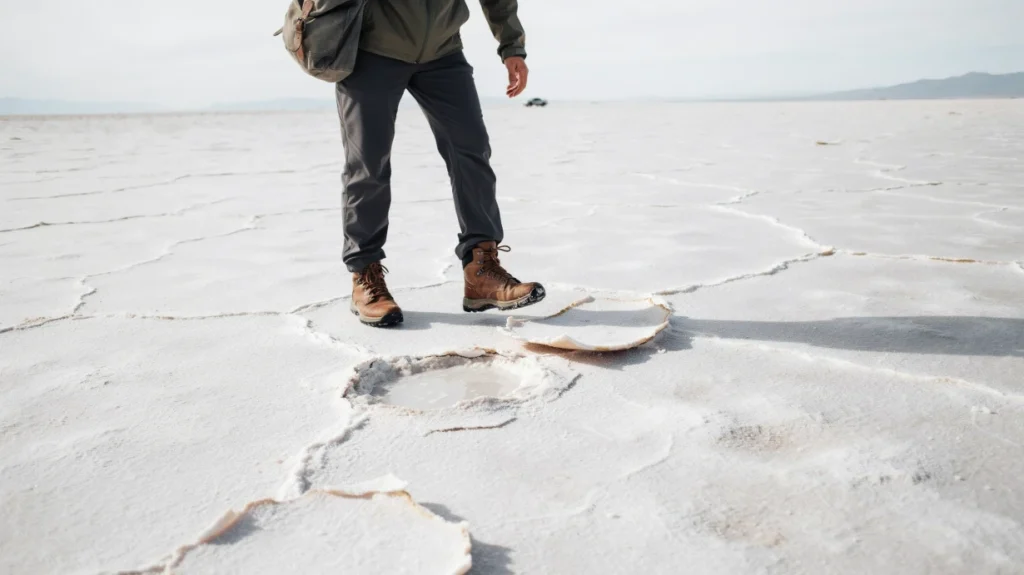 Bonneville Salt Flats Photography Etiquette: How to Protect the Surface and Share the View
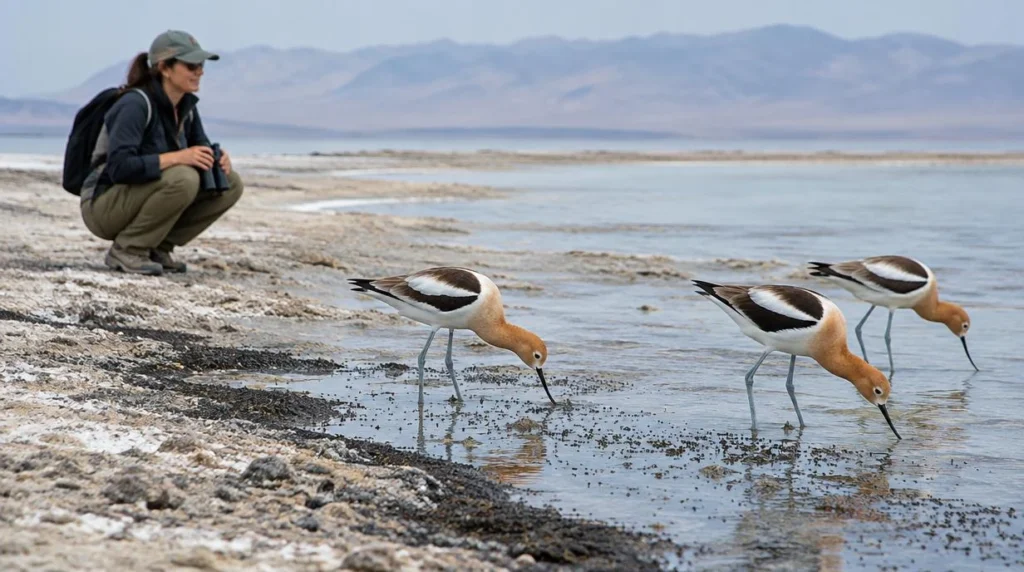 How to Plan an Antelope Island Birdwatching Visit
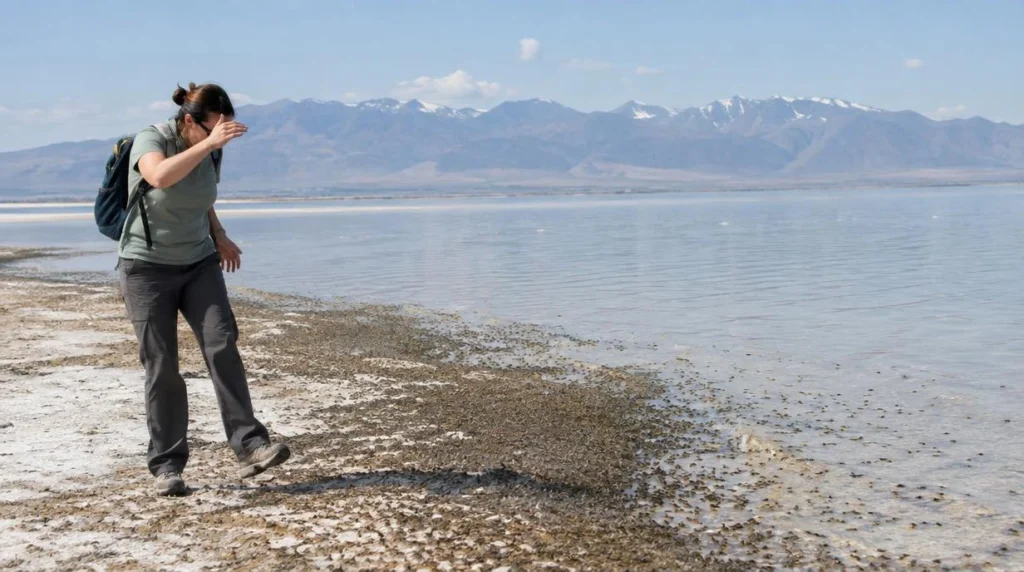 Why Are There So Many Brine Flies on Antelope Island?

Guide was Great! The salt flats had alot of water due to recent rain which limited...
Read more →I booked the Bonneville Salt Flats tour w Matei bc the owners are Ukrainian. I’m so...
Read more →This experience is a must-do! Dima explains the history of the area as well as the...
Read more →I had never been on a guided tour before, but Dima made it the best experience...
Read more →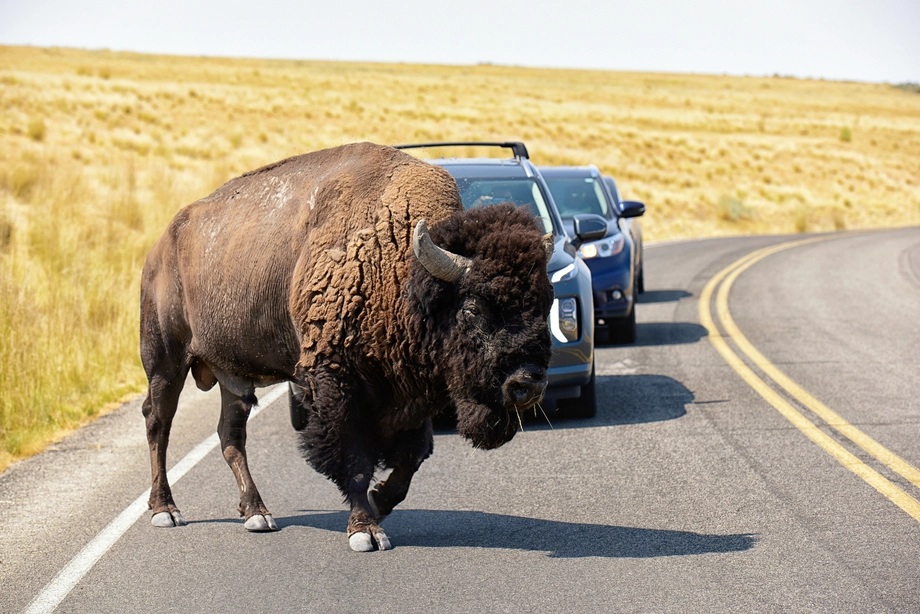 Antelope Island – Wild Heart of the Great Salt Lake Adventure
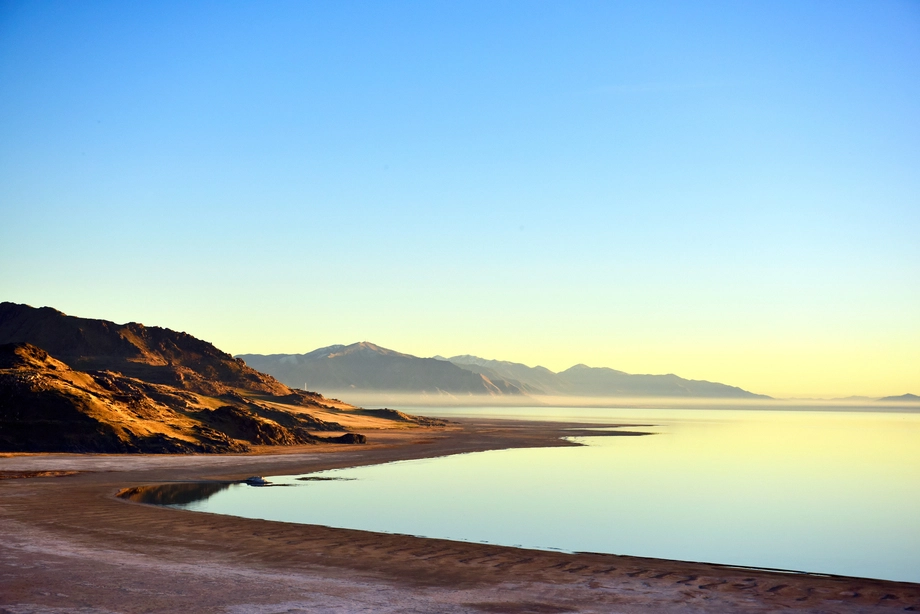 Antelope Island Sunset Wildlife Expedition – Great Salt Lake Odyssey
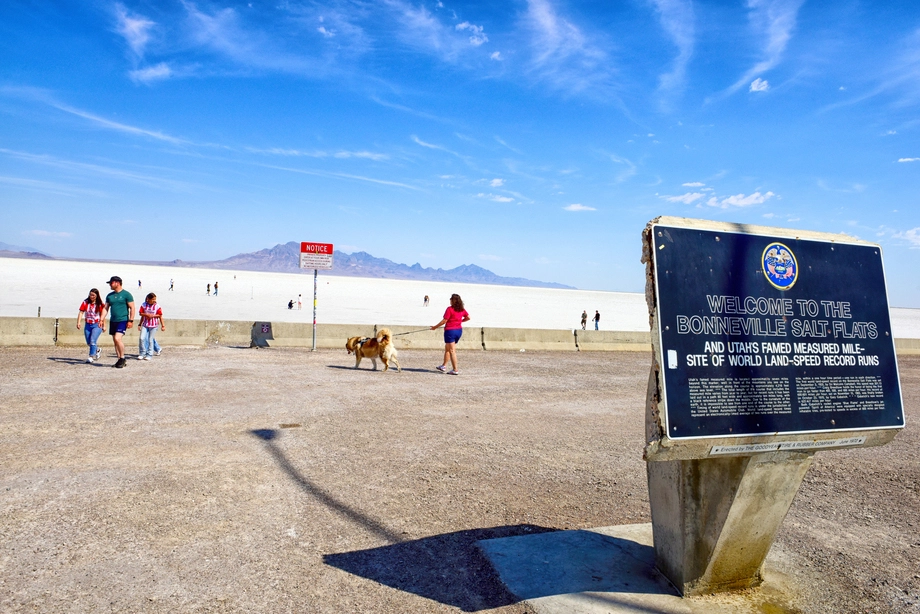 Bonneville Salt Flats – Journey to the Edge of the World
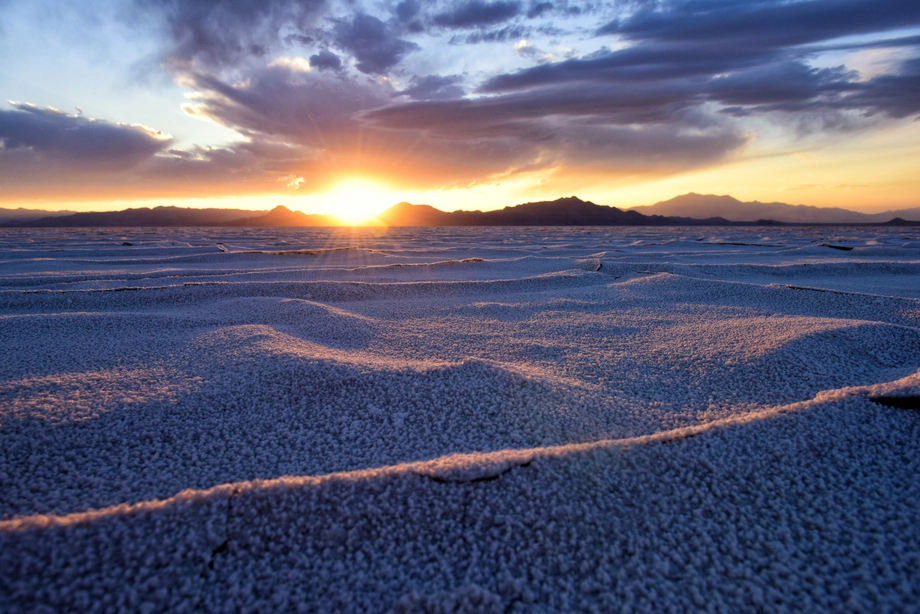 Bonneville Salt Flats – Sunset Adventure of the White Desert