
First Utah national park trip
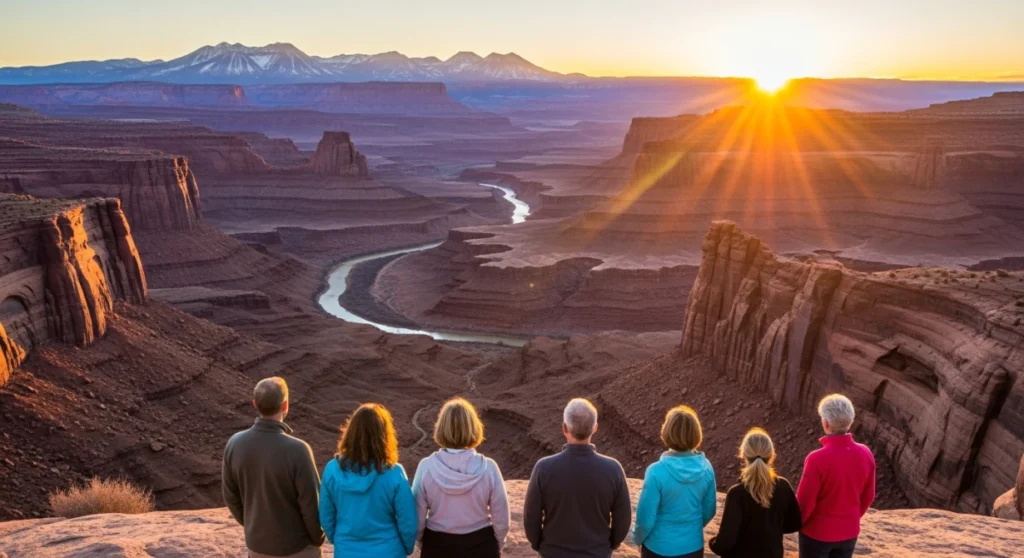
Choose between a self-drive loop, a guided small-group circuit, or a short hybrid from Salt Lake City, then use clear daily timelines, buffers, and one city experience to keep your first Utah parks trip relaxed yet complete.
Most first-time visitors cram Zion, Bryce, Arches and more into three rushed days, then spend half the trip in the car and the other half hunting for parking. Distances are longer than they look on the map and park logistics change with seasons and crowd levels. The way to escape that “drive, queue, repeat” loop is to match your route to how you actually like to travel, then build a timeline with buffers instead of wishful thinking.
If you are planning your first utah national park trip, start by choosing a realistic style: independent road trip, guided small group, or a short hybrid around a work visit or ski days. From there, you can lock in a practical day‑by‑day plan that fits your time, energy and budget instead of copying someone else’s bucket list.
Choose your plan: three realistic styles for a first Utah parks route
Before dates and hotel searches, decide which of these three patterns feels closest to you. It will determine how far you drive, how much you walk and how much you delegate to guides.
Plan A: Independent road loop with focused highlights (5–7 days)
This option works for travelers who enjoy driving, want flexibility, and are comfortable navigating between parks on their own. You keep full control over sunrise, sunset and trail choices, but you also carry all the logistics.
- Best for: Couples or friends who like spontaneous stops and are willing to plan routes and reservations.
- Driving comfort: Fine with 3–4 hours of driving on some days.
- Physical level: Light to moderate hikes, optional longer trails.
- Start/finish: Typically Salt Lake City for easy flights and vehicle rentals.
Plan B: Guided small‑group circuit (4–6 days)
Choose this pattern if you want to see several major parks without managing every detail. You let a guide handle transport, parking and timing while you focus on taking in the viewpoints and doing shorter walks.
- Best for: Travelers who dislike long drives in unfamiliar areas or dealing with park entry logistics.
- Structure: Fixed daily schedule with set viewpoints and optional short hikes.
- Extras: Commentary on geology, history and local stories during the drive.
- Start/finish: Often Salt Lake City with round‑trip transport included.
Plan C: Short hybrid around work or ski days (3–4 days)
This style suits someone in Salt Lake City for a conference or ski weekend who wants a taste of red rock country plus local experiences without a long loop. You combine one concentrated park visit with closer‑to‑city day tours.
- Best for: Business travelers, families with limited days, or visitors adding parks to a ski-focused trip.
- Structure: One longer day or overnight at a park, plus guided day tours near Salt Lake City.
- Effort level: Light to moderate walking, plenty of scenic viewpoints.
Plan A timeline: self‑drive loop for independent travelers (7 days)
This sample self driving tour of utah national parks assumes moderate walking, no technical hiking and a start/finish in Salt Lake City. Adjust nights per stop to your dates, but keep the daily pattern similar to avoid burnout.
Day 1: Arrive in Salt Lake City
Arrive by midday if possible. Pick up your vehicle and check into a downtown hotel, then stretch your legs on a small‑group walking tour of central Salt Lake City. Local guides lead compact groups through historic buildings and lesser‑known corners, explaining how the city was planned and how it grew, which gives useful context before you drive further into the state.
- Key actions: Stock up on water, snacks and a physical map. Confirm park entry reservations if required.
- Time load: 2–3 hours light walking, otherwise free.
Day 2: Salt Lake City to your first park hub
Leave after breakfast and drive toward your first park area, ideally reaching your lodging by mid‑afternoon. Plan 1–2 short walks to overlooks close to the road so you are not exhausted on day one in the park.
- Focus: Get oriented, check visitor center hours, verify next morning’s entry rules.
- Driving: Aim for no more than 4 hours behind the wheel.
Day 3: Full day of viewpoints and short hikes
Use your first full park day for signature viewpoints and easy rim or arch walks, not for the longest trail on the map. Start early to beat crowds at major overlooks. In the afternoon, add one or two short hikes that stay close to the main scenic drive.
- Rhythm: Morning major viewpoints, midday rest and lunch, late‑day light hike or photo stop.
- Logistics: Carry a simple plan with 3 “musts” and 2 “nice to haves” so you are not trying to squeeze in everything.
Day 4: Secondary trails and lesser‑known stops
Now that you know the layout, dip into less crowded areas. Many driving routes in Utah have signed pullouts to viewpoints that small buses and tours also use; these are excellent for short explorations with big views. Use rangers’ advice to pick one or two moderate trails that fit your fitness and daylight.
- Priority: One medium hike plus several scenic stops rather than chaining many little trails.
- Energy check: If legs feel heavy by midday, switch to roadside viewpoints and visitor exhibits.
Day 5: Transition to a second park or region
Drive to a second park or scenic area. Instead of rushing into a strenuous hike, target a late‑afternoon overlook near the rim or canyon edge to reset after the drive. Scenic roads often have spur routes with fewer cars and excellent sunset angles.
- Driving: Keep it under 4–5 hours if you want to enjoy the evening.
- Flex: If you feel behind schedule, skip one minor stop and protect your arrival time.
Day 6: Mixed day – one headline hike and slow afternoon
Choose one highlight hike that you truly care about in this second area. Start at dawn or as early as park rules allow. Finish by early afternoon, rest, then add a final drive to an easy overlook for golden hour rather than a second big hike.
- Safety: Build a “turn‑around” time into your plan to be back at the car well before dark.
- Backup: Have a short nature trail reserved as your Plan B if weather or energy is not ideal.
Day 7: Return to Salt Lake City
Drive back to Salt Lake City for your flight or one last night in town. If you have a late departure, consider a short historical walking tour downtown to change scenery from red rock to city stories and architecture.
- Buffer: Keep the last day’s driving simple so a traffic delay does not endanger your flight.
- Finish: Refuel the car, reorganize luggage and back up photos.
You found a hidden promo code!
Use code WOWBLOG at checkout and get 10% OFF any tour!
Limited time offer. Book now and save!
Browse ToursPlan B timeline: guided small‑group circuit with less stress (5 days)
This scenario fits travelers who prefer small group tours utah national parks style, with a driver‑guide handling transport, park entry, and basic planning. Exact routes differ, but most follow a pattern of major parks plus scenic drives.
Day 1: Salt Lake City arrival and city walking tour
Arrive in Salt Lake City and settle in downtown. Join an evening group walking tour that uses compact groups and local storytellers to introduce the layout and key historical buildings. It is a low‑effort way to reset after travel and understand the city that anchors many regional trips.
- Goal: Beat jet lag with light walking and get comfortable with the city center meeting points.
Day 2: Depart Salt Lake City – first park region
Meet your guide and group at a central pickup location. Transport is by vehicle with commentary on geology, regional history and park logistics along the way. Expect several scenic stops before reaching the first park area, with time to walk to viewpoints and short overlooks.
- Structure: Approximate 7‑hour day including drive, viewpoints and walking segments.
- Walking level: Light to moderate, mostly on established paths.
Day 3: Full park day with guided viewpoints and optional hikes
Spend the day within one or more parks on a structured route. The guide balances key overlooks with space for photos and optional walks to canyon rims, arches or viewpoints. Because parking and timing are handled for you, you can see more in a day than most independent drivers without feeling rushed.
- Advantages: No need to navigate, find trailheads or worry about entrance timing.
- Choices: When offered, pick either the “easy walk” or “moderate hike” branch based on your energy.
Day 4: Second park area and scenic drive
Shift to another major park or canyon area. Many multi‑day tours combine a long scenic drive with stops at lesser‑known overlooks and short trails that independent visitors often miss. Because group sizes are capped, you can ask specific questions about geology, history or photography along the way.
- Time load: Another near‑full day, with breaks to stretch and walk.
- Focus: Variety of landscapes rather than maximum trail mileage.
Day 5: Return to Salt Lake City
The last day typically mixes a few final stops with the drive back to Salt Lake City. You arrive with enough time for dinner in town or a quiet evening before your flight. If you want more city context, you can add a separate walking tour on this evening or the following morning.
- Energy level: Mostly sitting with short walks; a good decompression day.
- Logistics: Round‑trip transport to and from the city is already handled within the tour.
Plan C timeline: hybrid parks, ski day and city tours (3–4 days)
This compressed route works if you are already in Salt Lake City for work or skiing and want to maximize a few open days. The idea is to avoid a long loop and instead combine one deep‑dive experience with several focused day trips.
Day 1: City context and planning
Use your first free afternoon to learn the city and lock in logistics. Join a guided downtown walking tour in a small group, starting from a central meeting point near major cultural buildings. Local guides blend stories about city planning, architecture and development with hidden corners you would not find on your own.
- Key benefit: You quickly learn how the grid, transit and landmarks fit together, which makes the rest of your stay smoother.
Day 2: Single‑day red rock adventure
Dedicate a full day to one main desert or canyon area reachable on a long but manageable itinerary. Join a guided experience that combines round‑trip transport from Salt Lake City, photo stops at major viewpoints and time to walk around key sights. The day runs roughly seven hours, enough for a strong taste of Utah’s open landscapes without an overnight.
- Walking level: Light to moderate, depending on your chosen tour.
- Expectation: More viewpoints and short walks than deep backcountry hikes.
Day 3: Ski resort day or Great Salt Lake region
If you want winter snow as well as red rock, use a day trip from Salt Lake City to a nearby ski resort area. The driver‑guide helps you choose where to start based on your ability and current conditions and gives tips on rentals, lift tickets and food on the mountain. You ride independently but benefit from local knowledge and avoid driving canyon roads in winter.
If skiing is not on your list, choose a guided visit to the Great Salt Lake region or nearby islands instead. Many such day tours include sunset viewpoints, wildlife watching and easy walking, plus transport from the city.
- Logistics: Expect to meet your driver in downtown Salt Lake City and return with time for an evening in town.
Optional Day 4: Extra city depth or second day tour
If you have a fourth day, keep it flexible. You might add a second day tour to a different landscape or revisit favorite corners of downtown using what you learned on your first walking tour. Leaving this day unstructured is your main buffer in a tight schedule.
- Use case: Great for last‑minute weather calls, extra meetings or simple rest.
Buffers and fallback options so the trip doesn’t unravel
Most problems on a first parks trip come from trying to do too much rather than too little. Build explicit buffers into each route so one delay or storm does not ruin your main goals.
- One empty half‑day: In every plan, keep either the first afternoon or last morning lightly scheduled so you can shift a missed activity.
- Weather alternatives: For every big hike, pick an indoor or short‑walk substitute such as visitor centers, short rim trails or city walking tours.
- Driving caps: Do not exceed 5 hours of driving on any day when you also expect a major hike.
- Cancel‑proof highlight: Choose one “non‑negotiable” experience that is not weather dependent, like a scenic drive with many pullouts.
Many first‑time visitors underestimate how tiring consecutive long drives plus daily hikes can be. A smart itinerary builds in slower days so the final park still feels magical rather than like an obligation.
Time and budget load by plan and phase
Use the table below to understand how each plan spreads time and approximate spending. These are relative comparisons, not exact prices.
| Plan / Phase | Driving load | Guided time | Approx. budget level | Flexibility |
|---|---|---|---|---|
| Plan A – Road loop | Moderate to high (frequent 3–4 hour days) | Low (optional city tours only) | Medium (you control lodging and food) | Very high |
| Plan B – Guided circuit | Medium (you are not driving) | High (multi‑day guiding included) | Medium to higher (guide and transport built in) | Medium (fixed schedule, flexible within stops) |
| Plan C – Hybrid short stay | Low to medium (one longer day, short transfers) | Medium to high (several day tours) | Medium (shorter trip but more guided days) | High on timing, lower on route choice |
Quick comparison: which plan fits which traveler?
Match your situation to the traits below to choose more confidently between the three sample routes.
| Traveler profile | Best‑fit plan | Why it matches |
|---|---|---|
| Likes driving, wants freedom, okay with logistics | Plan A | Maximum control of route, photography stops and trails. |
| Dislikes navigating and parking, wants context | Plan B | Guides handle driving, timing and information. |
| In Salt Lake City for work or ski trip | Plan C | Packs a lot into 3–4 days without a long loop. |
| Traveling with mixed ages or abilities | Plan B or C | Clear walking levels and shorter segments. |
| Photography‑driven, sunrise/sunset focused | Plan A | Easiest to adjust daily schedule around light. |

Practical tips that make any route work better
- Lock in anchor nights first: Reserve your park‑area lodgings or guided multi‑day tour dates, then fit Salt Lake City nights around them.
- Limit “big” days: Plan no more than two long hike plus long drive combinations per week so you still enjoy the last park.
- Use city tours as low‑effort days: Downtown walking tours and short day trips from Salt Lake City are perfect when you want to move but not commit to a big hike.
- Ask guides targeted questions: In small groups, take advantage of being able to ask about geology, history or photography tips instead of only listening passively.
- Plan simple meals on drive days: Choose easy, predictable food stops so hunger does not push you into rushed decisions about hikes or viewpoints.
Common mistakes on a first Utah parks itinerary
Avoiding a few classic errors makes your trip feel more spacious without cutting out major sights.
- Trying to see every park: It is better to enjoy two or three areas deeply than to tick off more names with only quick drive‑by photos.
- Ignoring shoulder hours: Arriving at viewpoints early or late improves both light and crowd levels, especially if you are on your own route.
- Skipping context: Many people go straight to trails without learning how the landscapes formed. A short guided tour on day one can completely change how you see later hikes.
- No backup plan: Weather, road work or fatigue can block a trail. Always have a nearby short walk or scenic drive as a substitute.
Pre‑start checklist before you commit money and dates
Run through this checklist before you finalize bookings. It keeps your plan realistic and aligned with how you like to travel.
- Decide your core style: Choose between the three sample plans and write it down so you do not drift into an overstuffed hybrid.
- Count true full days: Exclude arrival and departure days when estimating how many park days you really have.
- Match walking level: Be honest about comfort with light, moderate or longer hiking and pick tours or routes that state their walking level clearly.
- Check seasonal conditions: Look up typical weather for your travel month and consider a ski‑day add‑on or Great Salt Lake tour if winter is involved.
- Schedule one city experience: Plan at least one guided walking tour in Salt Lake City so you leave with more than just park memories.
- Budget guardrail: Decide a rough per‑day budget for lodging, transport and guiding so you can compare guided options and self‑drive costs fairly.
How guided options and city tours fit into your parks trip
Even if you mostly drive yourself, adding one or two guided experiences can upgrade the whole route. Multi‑day regional tours from Salt Lake City are among the best tours of utah national parks if you want a compact, logistics‑handled “greatest hits” version of the state.
Day tours from the city to the Great Salt Lake region, nearby desert landscapes or ski resorts complement that by filling in gaps with easy transport, local commentary and clear walking expectations. Walking tours of downtown Salt Lake City, with small groups and local guides, add the human and historical layer that many road trips miss.
MateiTravel focuses on exactly these kinds of experiences, combining small‑group city walks with day and multi‑day regional outings so visitors can connect the dots between the urban grid, surrounding mountains and world‑famous parks.
A first Utah parks journey runs smoothly when you match your route to your travel style instead of chasing every famous name on the map. An independent loop, a guided circuit and a short hybrid around Salt Lake City all work well if you respect daily driving limits, build in buffers and choose experiences that match your energy. Use guided walks and day trips to add context and reduce stress where it matters most, then give yourself at least one slow day so the final views still feel special. With a realistic plan and a simple checklist, you can turn a once‑intimidating landscape into an accessible, memorable trip. When you are ready to firm up dates, MateiTravel can help align city tours and guided days with your chosen route.
Which plan is best if I only have four full days in Utah?
Plan C works best because it focuses on one intensive park day plus flexible city and nearby day tours instead of a long driving loop.
Can I mix self‑drive days with a guided small‑group tour?
Yes, many travelers self‑drive to and between parks, then slot a multi‑day guided segment into the middle for context and a break from driving.
How much walking should I expect on a guided national park tour?
Most guided itineraries focus on short walks to overlooks and optional light to moderate hikes, with clear walking levels stated in the description.
Is Salt Lake City worth extra time on a parks trip?
Yes, a small‑group downtown walking tour adds valuable context about the region’s history and planning and helps you navigate the city more easily.
What is a realistic daily driving limit for a first‑time visitor?
Keep days with significant sightseeing or hiking to about 3–5 hours of driving so you are not exhausted when you reach key viewpoints.
How should I handle bad weather on a key hike day?
Prepare a backup list of short trails, visitor centers and scenic drives so you can still enjoy the day even if the main hike is unsafe.
Do I need a guide if I like planning my own routes?
You can self‑drive and still benefit from one or two guided days for deeper insight into geology, history and navigation tips.
When should I add a ski resort day to my itinerary?
Place ski days before or after your main park segment so you are not switching rapidly between long drives, major hikes and skiing.
 When Should a Utah Park Day Trip From Salt Lake City Become an Overnight?
 Your First Evening in Salt Lake City: A Low-Pressure Orientation Plan
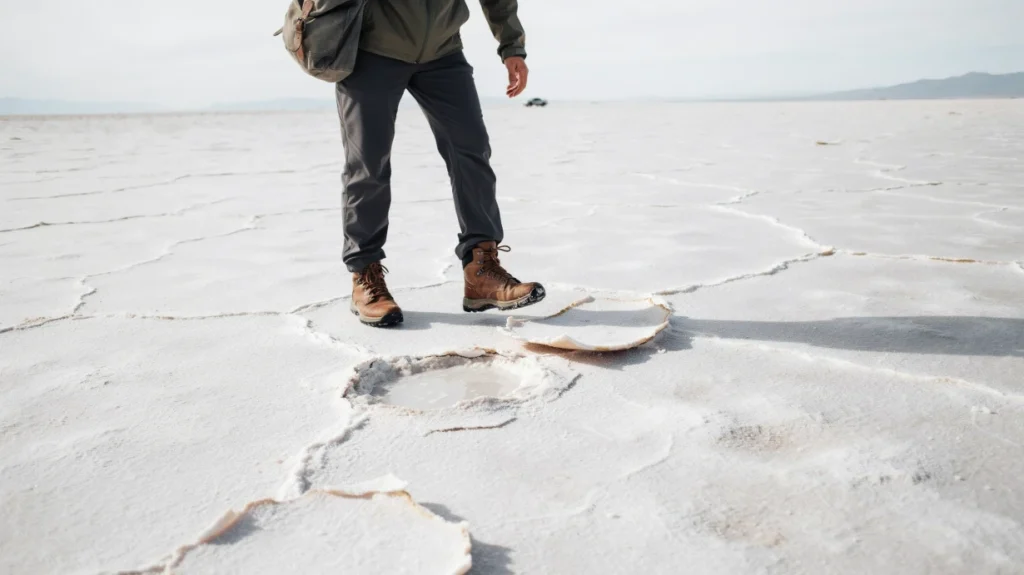 Bonneville Salt Flats Photography Etiquette: How to Protect the Surface and Share the View
 How to Plan an Antelope Island Birdwatching Visit
 Why Are There So Many Brine Flies on Antelope Island?
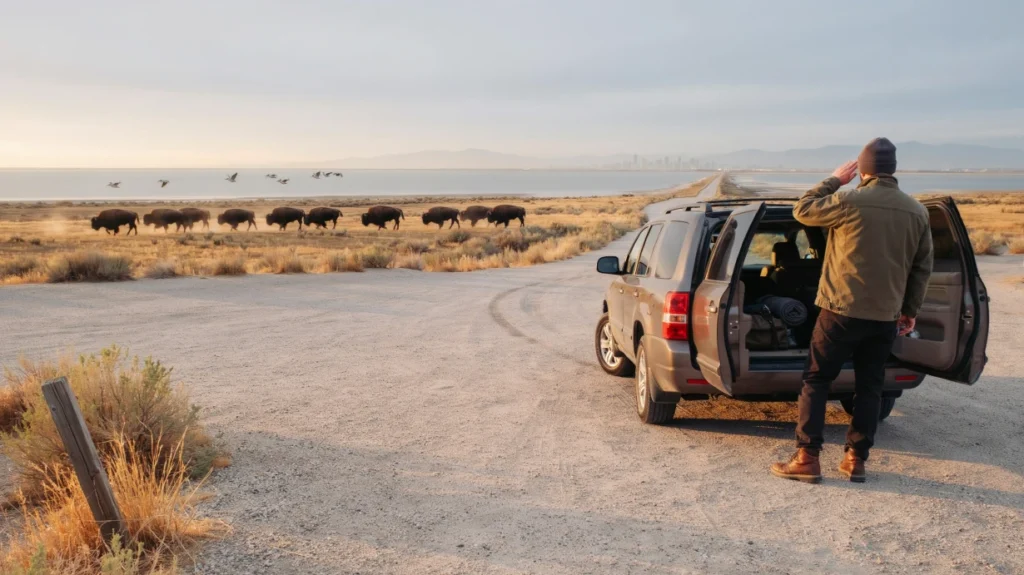 Antelope Island Day Tour or Sunset Wildlife Tour: Which Fits Your Salt Lake City Schedule?

This experience is a must-do! Dima explains the history of the area as well as the...
Read more →I had never been on a guided tour before, but Dima made it the best experience...
Read more →This was a great tour, it was nice to get picked up from our hotel. It...
Read more →Great guide great information and great deal for the money.
Read more → Bonneville Salt Flats – Sunset Adventure of the White Desert
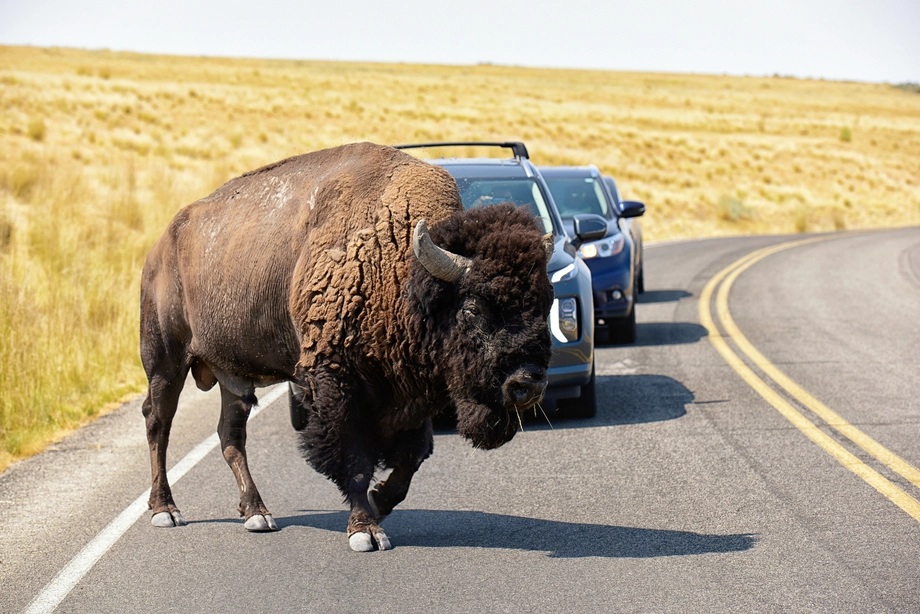 Antelope Island – Wild Heart of the Great Salt Lake Adventure
 Antelope Island Sunset Wildlife Expedition – Great Salt Lake Odyssey
 Bonneville Salt Flats – Journey to the Edge of the World