
Desert Weather Delays on Small-Group E-Bike Canyon Tours Around Moab
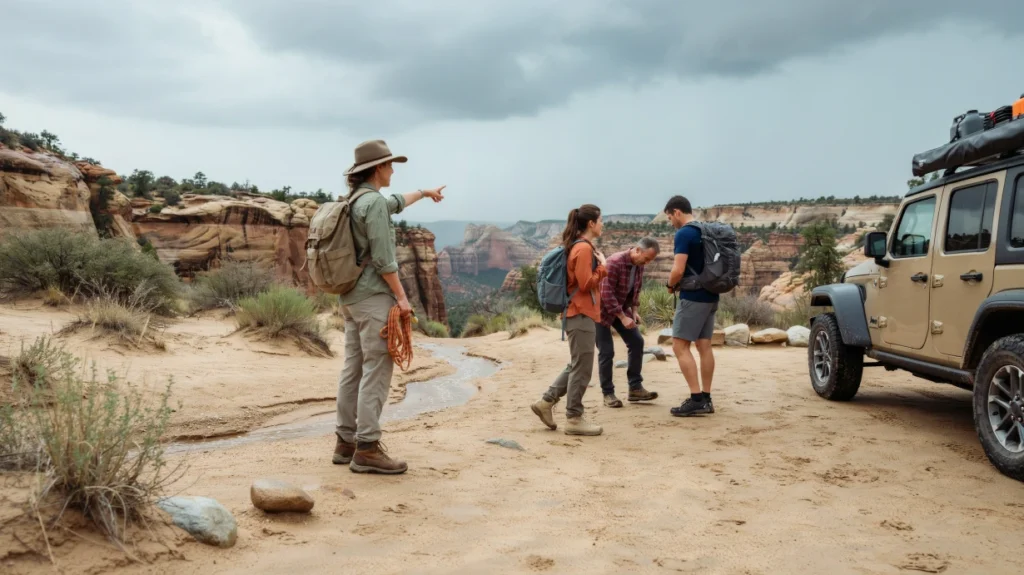
Moab trips can often continue in light rain, but flash-flood potential, severe storms, and extreme heat require route changes, delays, or cancellation. A responsible guide prioritizes terrain, escape options, and guest comfort over the original itinerary.
A desert forecast can look harmless until the terrain turns a distant storm into moving water, or a sunny afternoon into a heat-management problem. We plan Utah day tours around that reality: travelers with one open day need a worthwhile experience, but never at the cost of committing to conditions that have become unsafe.
Weather planning for Moab and canyon country is a practical decision process for guided hikes, scenic outings, and small-group e-bike canyon tours around Moab. The key distinction is not simply whether rain is falling. It is whether water, heat, wind, and the route’s available exits create a risk that cannot be managed safely.
Why does desert weather feel so risky when you have only one day?
Desert weather feels high-stakes because conditions can change faster than a fixed, one-day itinerary can absorb. The safest plan keeps the day flexible enough to swap terrain, timing, or activities without treating a route as nonnegotiable.
A traveler may reasonably worry that a storm means losing a whole day and the money spent on it. In practice, a weather adjustment can range from a later start to a shorter walk or a different landscape. The deciding factor should be the actual exposure of the planned route, not a desire to preserve every original stop.
For broader trip-selection context, our guide to choosing guided Moab and Canyonlands experiences helps match the activity type to the time, mobility, and weather flexibility you have available.
Which desert weather conditions are genuine safety issues?
Flash-flood potential, severe storms, and extreme heat are genuine safety issues because they can change a route’s escape options or a guest’s ability to travel safely. Light rain on open terrain can be an inconvenience rather than a reason to end a trip, provided the route has low flood exposure and conditions remain stable.
Flash floods are a terrain problem, not just a rain problem
Moab’s slickrock and fast-draining ground shed water into drainages quickly. A narrow canyon, wash, or low crossing can therefore become hazardous even if it has not rained where the group is standing.
According to Moab flash-flood safety guidance, flash floods can occur when the local sky is sunny because storms upstream send water downstream. This is why a guide’s decision should account for the wider weather pattern and watershed, rather than relying only on the clouds directly overhead.
Heat can make an otherwise simple outing too demanding
Summer heat is not a minor comfort issue when a route is exposed, strenuous, or far from shade and transport. It affects pace, hydration needs, and the margin available for children, older travelers, and anyone who is not acclimated to desert conditions.
According to Arches National Park weather information, Moab summer temperatures often exceed 100°F, or 38°C, making strenuous activity difficult. An earlier start, a shorter walking commitment, and a route with simpler access can materially improve the day.
Large temperature swings change what guests need
Desert conditions can feel cool at the beginning of a day and hot later, especially on exposed rock and open ground. A timing change can therefore solve both safety and comfort issues without canceling the experience.
According to the Canyonlands Natural History Association, temperatures in the Moab area can vary by as much as 40 degrees in one day. Bring layers for the cool portion of the day, plus sun protection and enough water for the warmer portion.
You found a hidden promo code!
Use code WOWBLOG at checkout and get 10% OFF any tour!
Limited time offer. Book now and save!
Browse ToursHow can you diagnose whether a forecast is a nuisance or a reason to change plans?
The useful diagnostic test is to compare the forecast with the terrain and the itinerary’s commitment level. Rain matters most when it can funnel into a drainage, remove exit options, or arrive alongside lightning, high winds, or unstable conditions.
Before a guided Moab outing, check official park alerts and ask the guide company how it evaluates regional storms, not just local rain. A responsible operator should be able to explain whether the route enters a slot canyon, crosses drainages, relies on steep slickrock, or has practical turnaround points.
| Signal to assess | What it can mean | Practical response |
|---|---|---|
| Light rain on open terrain | Potentially manageable if flood exposure is low | Use rain protection and expect slower footing or a modified stop sequence. |
| Storms in the wider drainage area | Water may arrive from upstream | Avoid slots, washes, and other committing narrow routes. |
| Heavy rain, lightning, or severe conditions | Risk can exceed the value of preserving the plan | Delay, reroute, reschedule, or cancel based on the operator’s safety assessment. |
| Extreme heat on an exposed route | Higher physical strain and reduced comfort margin | Shift earlier or later, shorten the walk, and choose lower-commitment terrain. |
Do not use a forecast’s percentage of rain as a stand-alone go or no-go rule. Ask where the precipitation is expected, when it is expected, and whether the planned route depends on a narrow drainage or a long exposed approach.
When do guided trips usually run, delay, reroute, or cancel?
Guided trips often run in light rain when the route has minimal flood exposure and conditions are otherwise stable. Heavy rain, severe storms, unsafe flash-flood potential, or heat that makes the planned activity unsuitable can justify a delay, route substitution, or cancellation.
These are general patterns, not a promise about any particular Moab operator’s policy. A company’s actual decision will depend on the route, forecast, guest needs, vehicle access, and current official alerts.
Low-severity adjustment: keep the trip, refine the plan
Light rain may call for a slower pace, waterproof layers, and a route that stays on open ground. A guide may also rearrange stops so the more exposed location happens during the most favorable weather window.
Moderate-severity adjustment: replace the commitment
If storms are possible, the safer substitute is generally a shorter route with clear exits rather than a narrow drainage that requires continuing forward. Scenic overlooks, open landscapes, and brief walks can preserve much of the day while reducing the consequence of changing conditions.
High-severity adjustment: stop or cancel
When severe weather or flood risk makes the terrain unsafe, the proper fix is not to push ahead with a reduced version of the same risky route. The operator may cancel the activity, offer an alternative where feasible, or discuss rescheduling according to its stated terms.
How do responsible guides adjust routes safely on the day?
Responsible guides reduce commitment before conditions worsen by changing start times, choosing terrain with easier exits, and avoiding slot canyons or narrow drainages when storms are possible. The goal is to retain a meaningful outing while preserving the ability to turn around quickly.
- Move the start time: An earlier start can reduce heat exposure, while waiting can allow a storm cell to pass if conditions and the day’s schedule permit.
- Swap the route: Open viewpoints or shorter walks may replace a route that channels runoff or leaves little room to exit.
- Reduce duration: A shorter on-site commitment limits exposure when conditions remain unsettled.
- Use clear turnaround criteria: Guides should be willing to stop before a narrow section, drainage, or exposed area becomes the only way forward.
- Match the plan to the group: Heat-sensitive guests, young children, and older travelers may need a less strenuous version of the day even without a formal weather warning.
Professional safety judgment is visible in the questions a guide asks and the alternatives they are prepared to use. Be cautious of any provider that presents the original route as guaranteed regardless of forecast, terrain, or guest condition.
What does a weather delay or cancellation look like for a guest?
A weather disruption usually means a practical choice between a delayed start, a shortened itinerary, an alternative route, rescheduling, or a full cancellation. You should receive a clear update about what changed, why it changed, and what options the company’s booking policy allows.
For a delayed start, expect the guide company to monitor conditions and provide a revised meeting time when possible. The trade-off is less time at some stops, but a better chance of traveling during a safer temperature or weather window.
For a route change, the day may still include guided sightseeing and short walks, but it may not include the exact canyon or trail originally expected. This is a reasonable outcome when the original route’s risk comes from its confined terrain rather than from rain itself.
For a full cancellation, many reputable operators commonly offer rebooking or a refund under their own weather terms, particularly when they cancel for safety. Confirm the written policy before you book, because we cannot speak for the individual cancellation and refund practices of Moab-based guide companies.
When should you escalate from “wait and see” to a different plan?
Escalate to a different plan when the route’s safe exit depends on weather remaining favorable, or when a guest cannot comfortably handle the heat, exposure, or terrain. The correct handoff is to the guide’s judgment and official park guidance, not to a traveler’s hope that conditions will improve.
- Change the activity: Do this when storms may affect a slot canyon, wash, drainage, or other route with limited escape options.
- Ask for a lower-commitment option: Do this when your group includes children, older adults, or people who may struggle with high heat and long exposure.
- Reschedule if you can: This is often the strongest option if the forecast affects the entire available window and the experience you want depends on specific terrain.
- Cancel rather than self-direct: Do this when official alerts, severe conditions, or guide advice indicate the route is not appropriate.
If your Utah schedule has little room for a weather-sensitive canyon day, build a backup activity that does not rely on narrow drainages or technical terrain. Our related guidance on heat and distance on Moab and canyon-country trips can help you identify when a full day is likely to be too physically demanding.
How do we build weather-aware flexibility into Utah day tours from Salt Lake City?
We build our Salt Lake City day tours around realistic travel time, guided short walks, and landscapes that are easier to adjust around changing conditions than remote, technical canyon routes. Our approach manages risk and logistics; it does not eliminate weather risk.
We chose to specialize in one-day tours reachable from Salt Lake City so guests can experience Utah deserts and lakes without arranging their own transportation. That decision matters on variable-weather days because transfer, route planning, and timing remain coordinated rather than becoming a separate guest burden.
We actively operate itineraries to Bonneville Salt Flats and Antelope Island, which gives us concrete planning experience for desert and semi-desert conditions on those routes. The Utah Day Tours collection is the practical place to compare an open-desert experience with a wildlife-focused outing.
On our tours, we include Salt Lake City transfer, a structured route, guide commentary, and support on short walking or hiking sections rather than committing guests to long, technical treks. That format gives us more room to adjust the walking component, pacing, and stop sequence when heat or changing conditions call for a different approach.
We consistently balance drive time with time on location because a one-day itinerary should feel full without becoming unrealistic when conditions are imperfect. This is also why we intentionally build for travelers with limited time who still want to see Utah’s major natural landscapes.
Our portfolio separates wildlife-focused experiences from broad open-landscape experiences. The Antelope Island Tour from Salt Lake City — From $120 | Matei Travel and Antelope Island Sunset Wildlife Expedition – Great Salt Lake Odyssey suit travelers drawn to wildlife, while the Bonneville Salt Flats Tour from Salt Lake City — From $120 | Matei Travel and Bonneville Salt Flats Sunset Adventure of the White Desert — From $120 | Matei Travel focus on vast open desert scenery.
What should you ask before booking a weather-sensitive desert tour?
Ask how the operator matches a forecast to the specific terrain, what alternatives exist, and how guests are contacted if a plan changes. Clear answers are a better sign of a safety-first culture than broad assurances that every trip will run as scheduled.
- Does this route enter a slot canyon, wash, or narrow drainage? If yes, ask what weather signals would trigger a substitution or cancellation.
- What are the realistic exit points? A route with easy turnaround options offers more flexibility in unsettled conditions.
- How is heat handled? Ask about start time, walking distance, shade, and whether the itinerary can be shortened for comfort.
- When and how will I be notified? Confirm the communication channel and when final weather decisions are usually made.
- What happens if the planned route cannot operate? Request the company’s written terms for alternate routes, rescheduling, credits, and refunds.
- Is this suitable for my group? Share ages, mobility needs, and heat tolerance before booking rather than assuming a scenic activity is automatically low effort.
For travelers seeking a less technical Utah desert day with transportation and structured logistics already arranged, our Salt Lake City options offer a more controllable starting point than a remote canyon itinerary. Tell us your dates, group needs, and weather concerns before booking so we can help identify the most flexible fit.
Rain alone does not determine whether a Moab-area trip is safe. Flash-flood exposure, escape routes, severe storm conditions, heat, and the group’s physical needs determine whether a guide should continue, modify, delay, or cancel.
We design our Utah day tours with balanced travel time, guided short walks, and logistical support because a realistic plan handles imperfect conditions better than an overcommitted itinerary. If your schedule or risk tolerance favors open landscapes and simpler weather decisions, explore our Utah day tours from Salt Lake City and contact Matei Travel with your dates for the most weather-flexible option.
Will a little rain automatically cancel a Moab guided trip?
No. Light rain may be manageable on open terrain, while rain associated with drainage or flash-flood exposure requires a more cautious decision.
Can a flash flood happen when the weather looks sunny?
Yes. Water can move into a canyon or wash from storms farther upstream, even when the immediate location appears clear.
Why might a guide replace a canyon with an overlook or short walk?
Open terrain and shorter routes usually provide easier exits when weather is uncertain. The substitute reduces commitment while preserving time outdoors.
What should families consider during a hot Moab day?
Ask about the start time, exposure, walking demands, and options to shorten the route. Heat can make an otherwise easy activity unsuitable for some guests.
Are refunds guaranteed if weather cancels a tour?
No universal rule applies. Many operators may offer rebooking or refunds for safety cancellations, but the exact terms should be confirmed before payment.
Do Matei Travel day tours require technical canyon hiking?
Our Salt Lake City day tours use planned routes and supported short walking or hiking sections rather than long, technical treks.
 Your First Evening in Salt Lake City: A Low-Pressure Orientation Plan
 Bonneville Salt Flats Photography Etiquette: How to Protect the Surface and Share the View
 How to Plan an Antelope Island Birdwatching Visit
 Why Are There So Many Brine Flies on Antelope Island?
 Antelope Island Day Tour or Sunset Wildlife Tour: Which Fits Your Salt Lake City Schedule?
 How to Dress for Changing Weather on Antelope Island

This experience is a must-do! Dima explains the history of the area as well as the...
Read more →I had never been on a guided tour before, but Dima made it the best experience...
Read more →This was a great tour, it was nice to get picked up from our hotel. It...
Read more →Great guide great information and great deal for the money.
Read more → Bonneville Salt Flats – Sunset Adventure of the White Desert
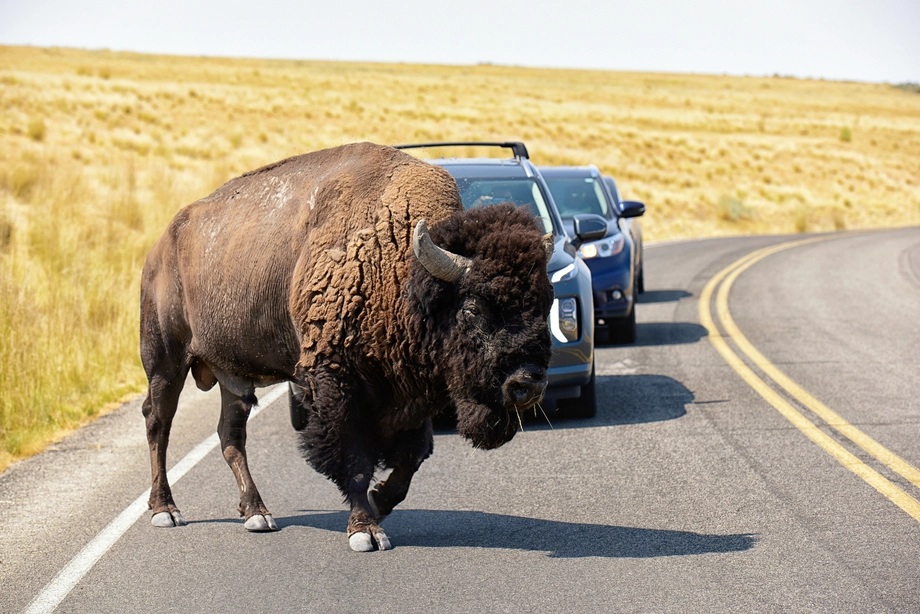 Antelope Island – Wild Heart of the Great Salt Lake Adventure
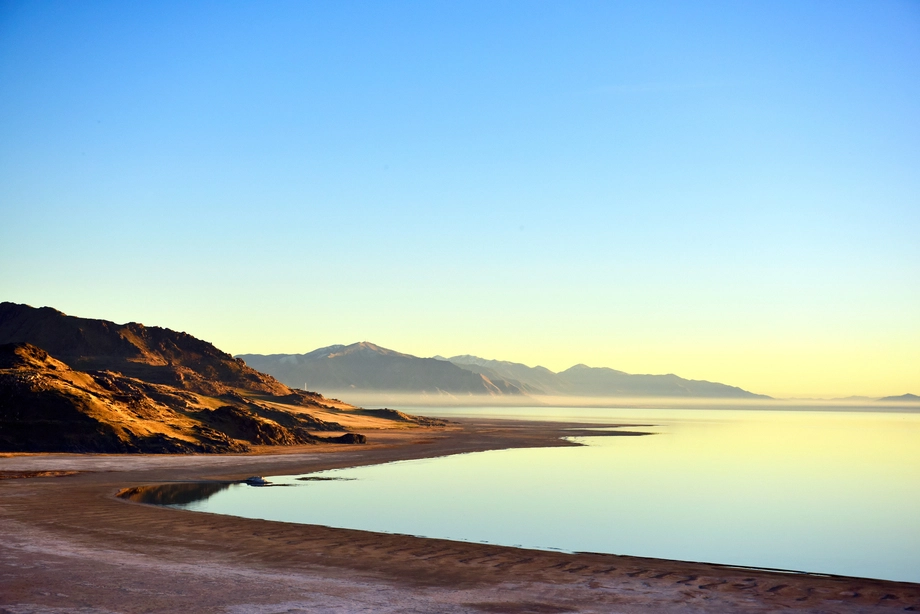 Antelope Island Sunset Wildlife Expedition – Great Salt Lake Odyssey
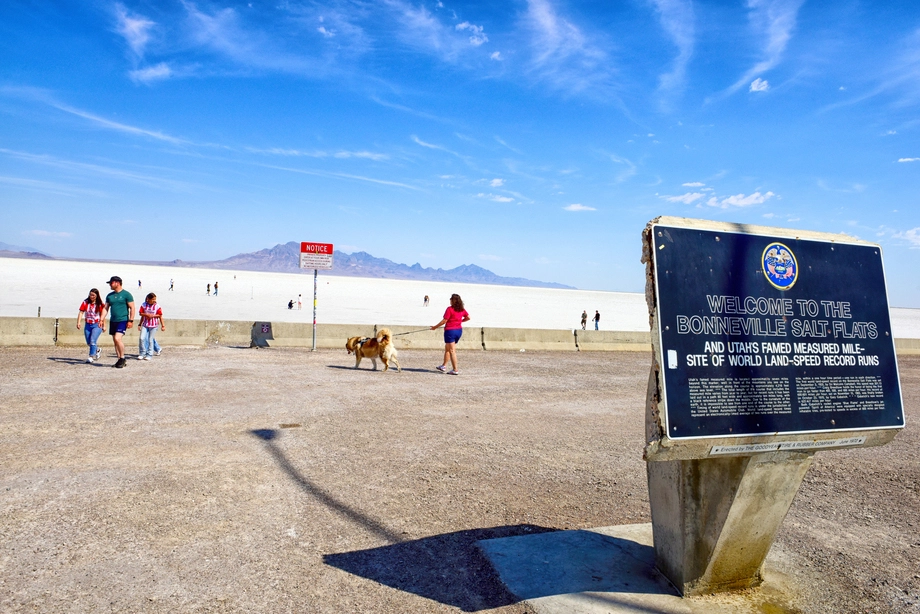 Bonneville Salt Flats – Journey to the Edge of the World