
Antelope Island Sunset Tours: How Wildlife Viewing Really Works
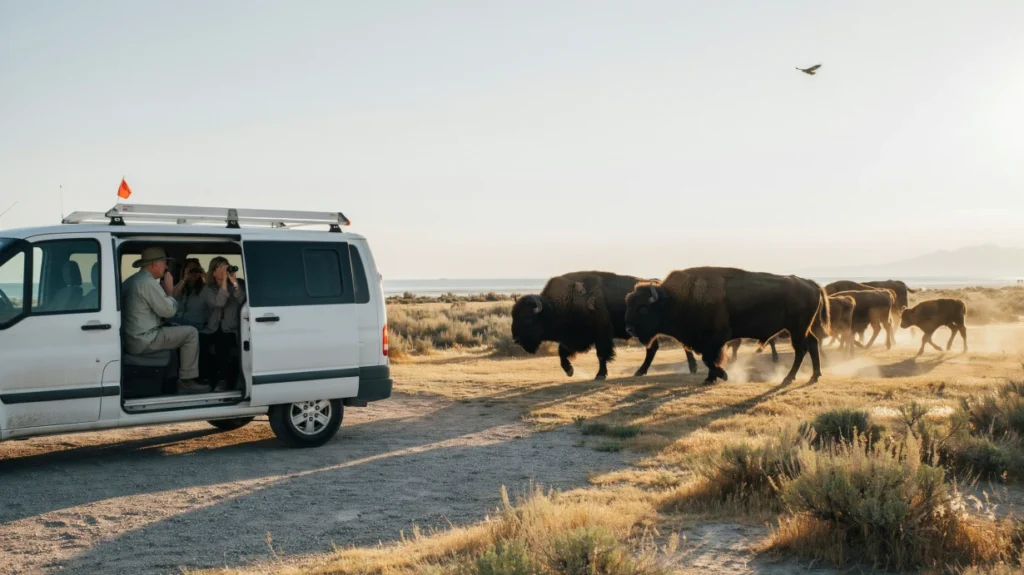
Antelope Island sunset wildlife viewing works best when an evening route aligns with cooler animal activity, fading light, and safe viewing distances. A small guided tour simplifies transport, timing, and park entry, but wildlife sightings and clear skies remain variable.
Many visitors arrive at Antelope Island expecting wildlife to appear on cue at sunset, then discover that the real experience depends on temperature, route timing, animal behavior, and how quietly a group moves through the park. Antelope Island sunset tours are guided evening outings focused on observing the island’s mammals, birdlife, Great Salt Lake scenery, and changing light without turning wildlife into a guarantee.
We design our one-day Utah tours from Salt Lake City around realistic travel time and meaningful time on location. For an evening on Antelope Island, that means treating sunset as a viewing window rather than a fixed show: the landscape, animals, and sky each respond differently to the conditions of that day.
When is an Antelope Island sunset wildlife tour the right fit?
An Antelope Island sunset wildlife tour suits travelers who want wildlife viewing, lake scenery, and golden-hour photography in one organized evening from Salt Lake City. It is a better fit than a fast scenic drive for people who prefer not to manage park entry, routing, parking, and the return drive after dark.
The Antelope Island Sunset Wildlife Expedition – Great Salt Lake Odyssey is our approximately seven-hour small-group evening tour from Salt Lake City. We set the price at $120 per person, include transportation and park entrance, and limit the group to 13 guests so the experience remains manageable while still economically practical.
Our sunset expedition is most useful for travelers who value the process of looking for wildlife as much as a checklist of species. Bison, pronghorn antelope, mule deer, coyotes, porcupines, jackrabbits, and birdlife may be encountered, but no responsible tour should promise an exact animal, location, or number of sightings on a particular evening.
Choose the sunset departure if these priorities match yours
- You want cooler-hour viewing: Large mammals on Antelope Island tend to be more active during cooler parts of the day, which makes evening timing a sensible choice.
- You prefer a structured outing: Transport, park entrance, route planning, and pickup and drop-off within Salt Lake County are handled for the group.
- You are comfortable with an evening return: The experience extends beyond daylight, so guests should be ready for changing temperatures and reduced light.
- You want short walks rather than a major hike: The format combines vehicle-based viewing with selected walking opportunities, rather than requiring a strenuous backcountry outing.
Travelers whose schedules do not allow an evening departure can consider our Antelope Island Tour from Salt Lake City — From $120 | Matei Travel. We run that daytime option for about seven hours, cap it at 13 guests, include hotel pickup, park entrance, and transportation in a modern Mercedes Sprinter.
Why does sunset improve wildlife viewing on Antelope Island?
Sunset can improve viewing conditions because cooler hours often correspond with greater activity by bison, pronghorn antelope, and mule deer. It raises the chance of seeing natural movement and grazing behavior, but it does not eliminate the unpredictability of wild animals.
Heat changes how animals use open terrain. During warmer periods, large mammals may rest, remain farther away, or be less conspicuous across the island’s broad grasslands and slopes. As temperatures ease, animals may move between grazing areas or become easier to notice from a road or established viewpoint.
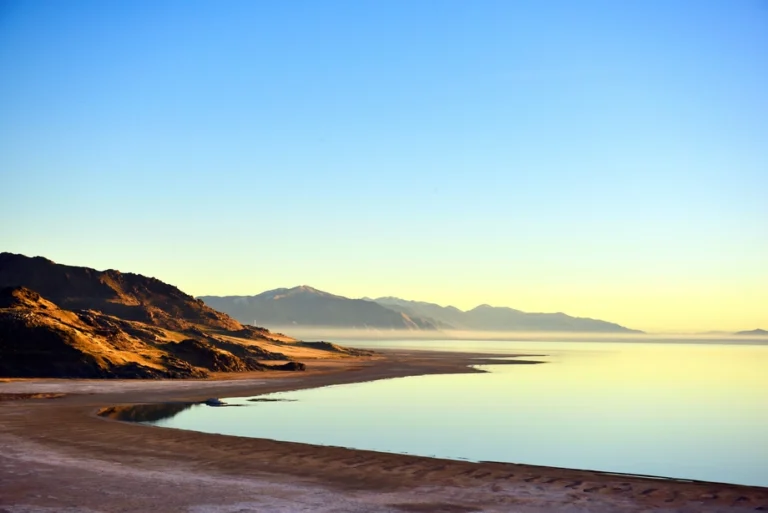
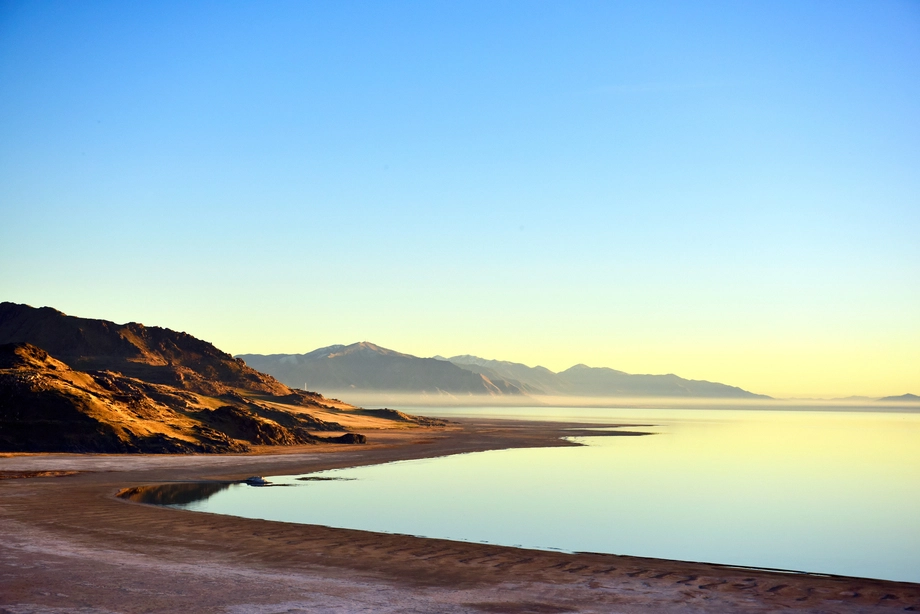
Light matters just as much for observation. The period around sunset, often called golden hour, produces warmer, softer illumination and fewer harsh shadows than midday. For photography, that can make the form of a bison, the color of the lake, and the contours of the island easier to render without assuming that every evening will bring dramatic clouds or a clear horizon.
Bird viewing has a different logic. Great Salt Lake brine shrimp support the lake food web and help sustain many bird species, so shoreline and lake-edge observations can be productive at different times of year. Bird presence, migration timing, water conditions, and weather all affect what is visible.
What timing changes in practical terms
- Early evening: The group transitions from Salt Lake City travel to the island, with the guide watching for wildlife in areas where animals may be active.
- Golden hour: Stops are selected to balance safe observation with changing photography light and broad Great Salt Lake views.
- After sunset: The focus shifts to a careful return, with only limited night-sky viewing when timing and conditions allow.
Antelope Island’s Bronze-tier International Dark Sky Park designation means low light pollution can support dark-sky viewing after sunset. Visibility still depends on clouds, moonlight, timing, and how much of the itinerary remains after the sunset stop, so stargazing is an added possibility rather than a scheduled astronomical program.
 Secret Find!
Antelope Island Sunset Wildlife Expedition – Great Salt Lake Odyssey
from $120 · 6-7 hours · up to 13 persons
Secret Find!
Antelope Island Sunset Wildlife Expedition – Great Salt Lake Odyssey
from $120 · 6-7 hours · up to 13 persons
Promo code for this tour
10% OFF this tour
You found a hidden promo code! Use it at checkout.
Limited time offer. Book now and save!
How does a seven-hour sunset tour from Salt Lake City run?
A seven-hour sunset tour is a paced combination of transfer, on-island wildlife scanning, short walking opportunities, sunset viewing, and return travel. We handle the transport and the park entrance so guests can stay focused on the island rather than the logistics.
Our Antelope Island Sunset Wildlife Expedition – Great Salt Lake Odyssey includes pickup and drop-off within Salt Lake County and transportation in a modern Mercedes Sprinter. Bottled water, hot beverages, granola bars, and a souvenir stop are included; meals are not represented as part of the experience.
The actual sequence must remain flexible because light, wildlife position, road conditions, and the group’s pace affect the best order of stops. A guide’s responsibility is to adapt the movement of the group within the available time, while guests are responsible for arriving prepared, following directions, and recognizing that the route is designed around conditions rather than a guaranteed animal schedule.
A typical evening flow
- Salt Lake City pickup and briefing: Guests board the vehicle, settle in for the transfer, and receive practical guidance for the evening’s conditions.
- Arrival and first viewing window: The group enters Antelope Island and begins scanning appropriate areas for wildlife while there is still ample daylight.
- Wildlife and landscape stops: The guide balances observation time, short walks, and the need to keep moving as the light changes.
- Sunset viewpoint: A panoramic walking stop may be used for the sunset portion of the experience, subject to route and conditions.
- Evening transition and return: If conditions and timing permit, guests may have a brief chance to notice the darker sky before the drive back to Salt Lake City.
The published highlights for the sunset expedition include wildlife observation, a visit to Fielding Garr Ranch, and a hike to a panoramic sunset viewpoint. Those features describe the experience we plan, while the exact order and time at each location can change on the day.
We organize our broader day tours from Salt Lake City with transfer, a thought-through route, guide storytelling, and support on short walking sections. That structure is deliberate: the day should feel full without asking guests to solve every navigation and timing decision while they are trying to watch wildlife.
What animals and photographs can you realistically expect?
Guests can reasonably expect habitat suited to bison, pronghorn antelope, mule deer, smaller mammals, and birdlife, with a chance of encountering some of them during the outing. They should not expect a guaranteed close encounter, a particular species on demand, or a photography result independent of weather and animal distance.
Bison are among the most recognizable animals on Antelope Island, but they may be near or far from the road and should always be treated as wild, powerful animals. Pronghorn antelope and mule deer can be harder to spot because their location, posture, and movement vary with conditions. Coyotes, porcupines, and jackrabbits are possible sightings that reward patient scanning rather than assumptions.
Birdwatchers have a broader seasonal variable to consider. The Great Salt Lake ecosystem supports extensive birdlife through its brine shrimp-based food web, and the sunset expedition identifies more than 250 bird species as part of the island’s wildlife context. That figure describes the range of birdlife associated with the destination, not a list any one group will see.
Set a useful photography expectation
- Bring a flexible mindset: A distant animal in clean evening light can make a stronger image than a rushed attempt at a close approach.
- Prioritize stable composition: Use the vehicle or an established stop to compose slowly rather than stepping toward wildlife.
- Plan for changing exposure: Light falls quickly near sunset, so decide whether your priority is wildlife detail, the lake horizon, or a silhouette.
- Protect the experience: Watch the animals directly for part of each stop instead of viewing the entire evening through a screen.
Weather can produce a vivid horizon, subtle color, haze, clouds, or no visible sunset at all. Wildlife, landscape, and interpretation still form the core of the trip when the sky is understated.
What wildlife etiquette and safety standards apply after sunset?
Safe evening viewing means keeping a respectful distance, staying on established areas, and allowing wildlife to control the encounter. Guides manage where and when the group stops; guests protect both themselves and the animals by following those instructions without exception.
Do not feed, call to, chase, surround, or attempt to touch an animal. A photograph is never worth closing distance, leaving an approved area, or blocking an animal’s path. Many observations are best made from the vehicle, while short walks should happen only where the guide indicates and where remaining light permits.
As darkness increases, visibility and orientation decline. Headlights, phone lights, and camera screens should be used thoughtfully because unnecessary light can interfere with other visitors’ low-light vision and reduce the dark-sky character of the island.
Our acceptance criteria for a responsible viewing stop
A stop works when the group can observe without pressuring wildlife, stand or walk safely, and leave the area without altering an animal’s behavior. If those conditions are not present, the appropriate decision is to observe from farther away, remain in the vehicle, or move on.
- Distance comes first: Wildlife determines the appropriate buffer, and the group does not advance to improve a photo.
- Established access matters: Guests remain on permitted roads, trails, and designated stopping areas.
- Instructions are operational: A request to return to the vehicle or end a stop protects the group’s timing and safety.
- Light is a constraint: As visibility falls, the itinerary favors simple, safe movement over squeezing in an extra stop.
Is a guided sunset tour or a self-drive visit the better choice?
A guided sunset tour is the better choice for travelers who want an organized wildlife-focused evening from Salt Lake City without driving, paying park entry separately, or deciding where to stop in fading light. Self-driving suits independent visitors who are comfortable handling their own timing, navigation, and return plan.
| Decision factor | Guided sunset expedition | Self-drive visit |
|---|---|---|
| Transportation | We provide Salt Lake County pickup and drop-off in a modern Mercedes Sprinter. | You arrange the vehicle, fuel, route, and return drive. |
| Park entrance | Included in the $120 per-person tour price. | Handled separately by the driver. |
| Wildlife timing | The route is organized around evening viewing windows and changing light. | You choose where to spend limited sunset time. |
| Group movement | A guide coordinates stops, short walks, and departure timing. | You manage parking, safe stopping, and the pace of your party. |
| Cost structure | One stated per-person price covers the tour transport and entrance. | Costs vary with vehicle use, entrance, and the size of your party. |
The guided format does not create wildlife sightings that would not otherwise happen. Its practical value is reducing friction: fewer decisions compete with the task of scanning the landscape, understanding what you see, and moving safely as evening arrives.
We chose a maximum of 13 guests because it preserves a small-group feel while keeping the outing viable. On our daytime Antelope Island Tour from Salt Lake City, we also use 8:30 a.m. and 2:30 p.m. departures to match park conditions and guest schedules rather than treat every visit as identical.
How should you prepare for an Antelope Island evening?
Prepare for wind, sun, changing temperatures, short uneven walking segments, and a later return than a daytime sightseeing trip. The right preparation helps the guide keep the group on schedule and lets you pay attention when wildlife appears.
Comfortable footwear, a hat or cap, sunglasses, sunscreen, and moisturizing cream are recommended for the conditions that can occur on the island. Bring a camera or phone if you wish, but do not assume that specialized equipment, binoculars, tripods, telescopes, or photography coaching are included.
Guest preparation checklist
- Confirm your schedule: Verify that an approximately seven-hour outing and evening return work for your plans.
- Dress in adjustable layers: Sunset temperatures can feel different from the afternoon, especially when wind is present.
- Wear stable footwear: Short walks are easier and safer when shoes suit natural surfaces.
- Ask before booking if needed: Travelers with specific accessibility, mobility, child-travel, or medical considerations should contact us to discuss their needs rather than assume a particular accommodation.
- Keep expectations wildlife-friendly: Treat each sighting as an observation opportunity, not a promise of proximity.
For visitors who cannot make sunset timing work, our daytime itinerary includes bison viewing, Fielding Garr Ranch, scenic peak walks, brine shrimp interpretation, a Bridger Bay Beach stroll, and Buffalo Point Trail. Those are daytime-tour highlights, not a promise that the sunset expedition follows the identical sequence.
What is the practical next step before booking?
The practical next step is to confirm that the evening duration, departure timing, and wildlife-first format suit your trip before reserving a place. Our detailed sunset tour page is the right place to check current availability and ask targeted questions about access, clothing, or the day’s conditions.
Dmytro, our nature-tour guide, leads excursions to Great Salt Lake, Antelope Island, and Bonneville Salt Flats with an emphasis on helping participants make sense of what they are seeing. In our work, the goal is not to rush from one photo stop to another; it is to connect animal behavior, lake ecology, and the changing evening landscape in a realistic one-day format.
We also build routes across our Utah Day Tours around the same tradeoff between transfer time and time outside the vehicle. That is useful if Antelope Island at sunset does not fit your calendar but you still want a guided day from Salt Lake City focused on Utah’s natural landscapes.
An Antelope Island evening is most rewarding when you arrive ready to observe patiently, respect wildlife space, and let conditions shape the experience. Our seven-hour, 13-guest sunset expedition is designed around that reality, with transport and park entrance included at $120 per person. Check availability for the Antelope Island Sunset Wildlife Expedition – Great Salt Lake Odyssey when that timing matches your Salt Lake City plans.
Will I definitely see bison on an Antelope Island sunset tour?
No. Bison are a key part of the island’s wildlife, and cooler evening conditions can support activity, but wild-animal sightings cannot be guaranteed.
How much walking is involved on the sunset expedition?
The outing combines vehicle-based viewing with short walking opportunities. It is not presented as a strenuous hiking tour.
What is included in the $120 sunset tour price?
The listed price includes transportation and Antelope Island park entrance. The tour also includes Salt Lake County pickup and drop-off, beverages, granola bars, and a souvenir stop.
Can I expect stargazing after the sunset?
Antelope Island’s dark-sky setting can make night-sky viewing possible. Clouds, moonlight, itinerary timing, and visibility determine whether there is time and suitable conditions.
Should I drive myself if I have a rental car?
Self-driving works for visitors comfortable with their own park entry, navigation, parking, and nighttime return. The guided option reduces those responsibilities and keeps the evening focused on observation.
Is the sunset tour suitable for children or older travelers?
The structure emphasizes short walks and vehicle time, which may suit many travelers. Contact us before booking to discuss individual mobility, comfort, or accessibility needs.
What do “short walks” mean in real practice?
Short walks on Antelope Island mean purposeful time on foot at beaches, historic sites, viewpoints, and trail areas rather than a continuous hike. The surfaces and conditions change from stop to stop, so comfortable footwear matters more than athletic hiking experience.
A common misunderstanding is to judge a walk only by its duration. On this island, a brief section can feel demanding if it is windy, hot, buggy, or uneven, while a longer pause at a sheltered historic site may feel easy. Exact distances, elevation gain, and walking times can vary by route and conditions, so they should not be assumed from a general itinerary description.
We deliberately include multiple on-foot experiences in our island planning: bison viewing, Fielding Garr Ranch, a hike toward scenic peaks, a Bridger Bay Beach stroll, and a Buffalo Point Trail visit. That combination gives guests more than a drive-by tour while keeping the day centered on accessible, short segments rather than unsupported trekking.
What a short walk is not
It is not a promise of paved, step-free access or identical conditions at every stop. Travelers with significant mobility limitations, those unable to walk on uneven surfaces, or anyone needing specific accessibility accommodations should contact us before reserving so they can make an informed decision.
It is also not a guaranteed wildlife encounter. Bison, pronghorn antelope, mule deer, coyotes, porcupines, jackrabbits, and birds may be seen on the island, but wildlife moves on its own schedule and sightings cannot be promised on a particular departure.
What do the typical walking stops feel like?
The main walking stops offer distinctly different experiences: open views at Buffalo Point, shoreline textures at Bridger Bay Beach, historic ground at Fielding Garr Ranch, and brief pauses at scenic viewpoints. Each stop is designed to add context and variety without turning the day into a long hike.
Buffalo Point area
The Buffalo Point area is about stepping into a broad, exposed island setting where the Great Salt Lake and surrounding landscape become the focus. The ground is natural rather than urban, and wind can be a noticeable part of the experience, so a hat that stays secure and a light outer layer are useful.
At this type of stop, we look beyond the view itself: changing light, island contours, possible distant wildlife, and the relationship between the lake and the surrounding basin all help explain why the location feels so open. Buffalo Point Trail is part of the day’s active component, but it should be approached as a scenic walk, not as a race to cover ground.
Bridger Bay Beach stroll
A walk at Bridger Bay Beach is typically flatter in feeling but can involve irregular shoreline surfaces and direct exposure. Guests come away with a closer sense of the lake edge, including its textures, smell, wind, and expansive horizon.
This is one reason shoes should be practical rather than purely fashionable. Sand, gravel, and uneven ground can make sandals or slick-soled shoes less comfortable, even when the walking section is brief.
Fielding Garr Ranch
Fielding Garr Ranch offers a slower, more historical kind of stop, where the focus shifts from open shoreline to the human story of Antelope Island. It is a useful break in the day because guests can look at a historic setting while the guide adds context to what they are seeing.
We include the ranch because it prevents the itinerary from becoming a sequence of scenic overlooks alone. The stop gives the day another layer, especially for travelers who value local history alongside wildlife and landscape.
Scenic viewpoints and peak-oriented sections
Scenic viewpoint stops can include a short uphill or uneven section, depending on the location selected for the day. The reward is perspective: elevated views help visitors see the island’s scale, its relationship to Great Salt Lake, and the wide habitat where wildlife may be present.
The exact effort at these locations should be treated qualitatively, not as a fixed distance or elevation promise. If an incline or rough ground is a concern, ask before booking and let us know whether you prefer to enjoy the view from a closer, less active stopping point.
 Should You Cancel a Utah Outdoor Day Because of Wildfire Smoke?
 When Should a Utah Park Day Trip From Salt Lake City Become an Overnight?
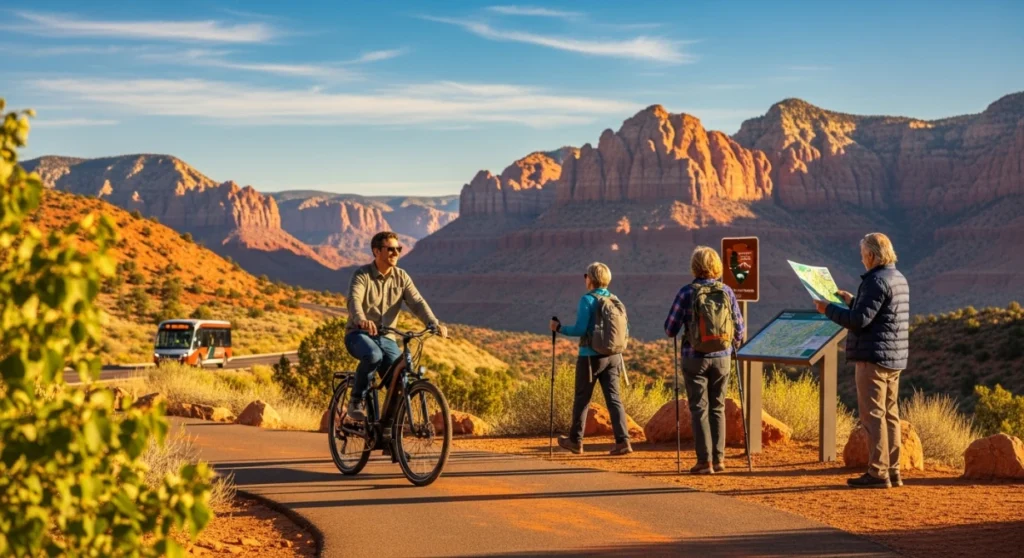 Your First Evening in Salt Lake City: A Low-Pressure Orientation Plan
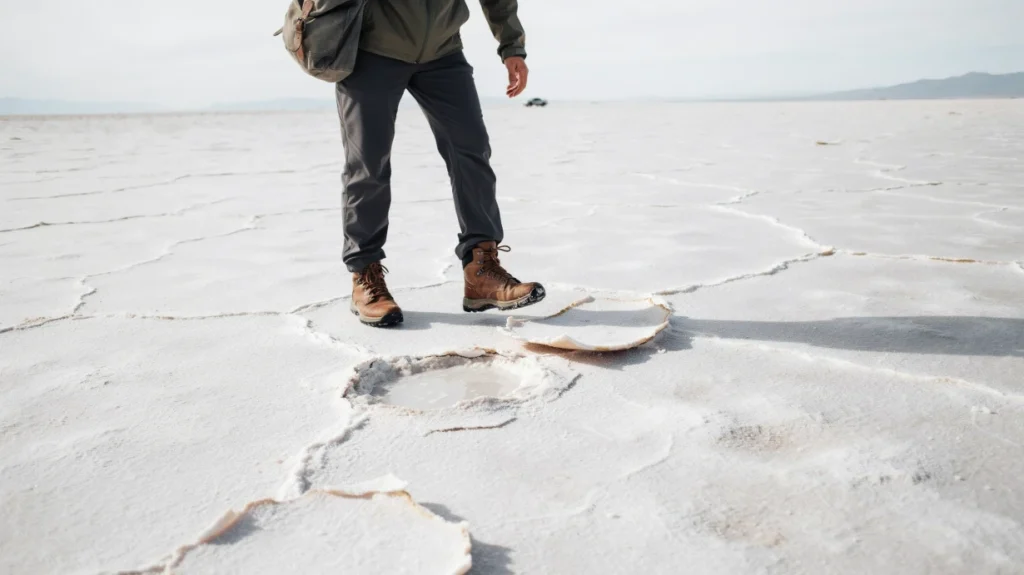 Bonneville Salt Flats Photography Etiquette: How to Protect the Surface and Share the View
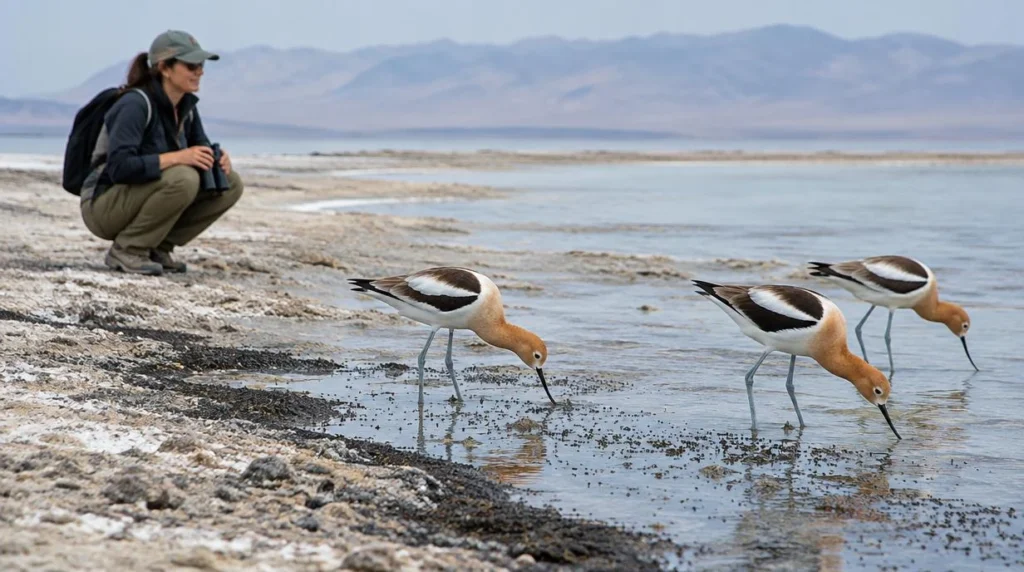 How to Plan an Antelope Island Birdwatching Visit
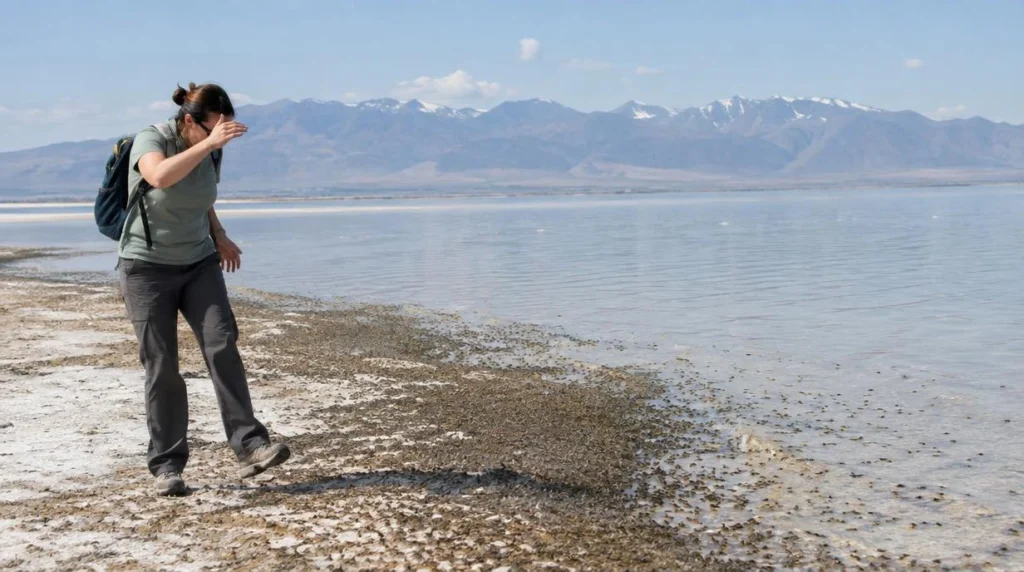 Why Are There So Many Brine Flies on Antelope Island?

Guide was Great! The salt flats had alot of water due to recent rain which limited...
Read more →I booked the Bonneville Salt Flats tour w Matei bc the owners are Ukrainian. I’m so...
Read more →This experience is a must-do! Dima explains the history of the area as well as the...
Read more →I had never been on a guided tour before, but Dima made it the best experience...
Read more →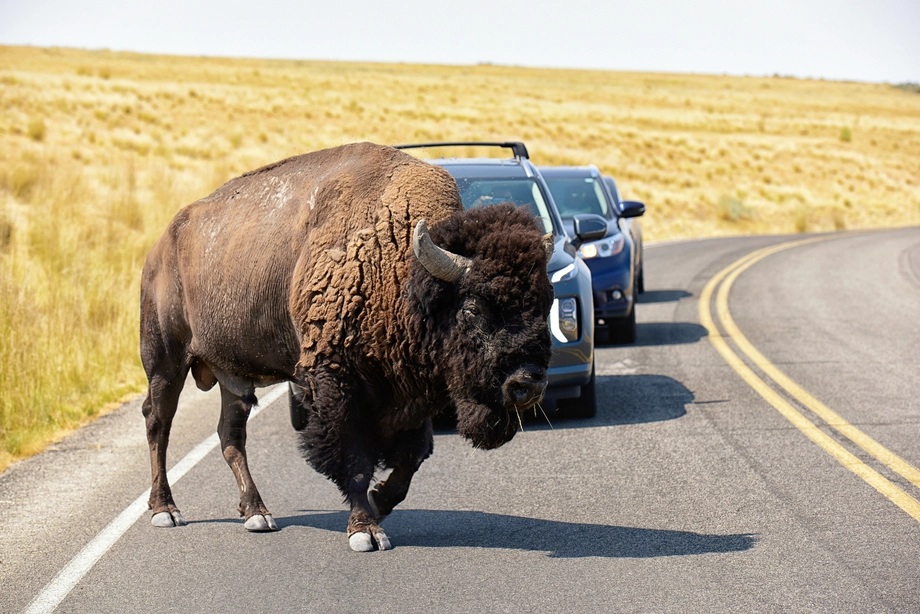 Antelope Island – Wild Heart of the Great Salt Lake Adventure
 Antelope Island Sunset Wildlife Expedition – Great Salt Lake Odyssey
 Bonneville Salt Flats – Journey to the Edge of the World
 Bonneville Salt Flats – Sunset Adventure of the White Desert