
Affordable Shuttle Options From Salt Lake City to Park City Ski…
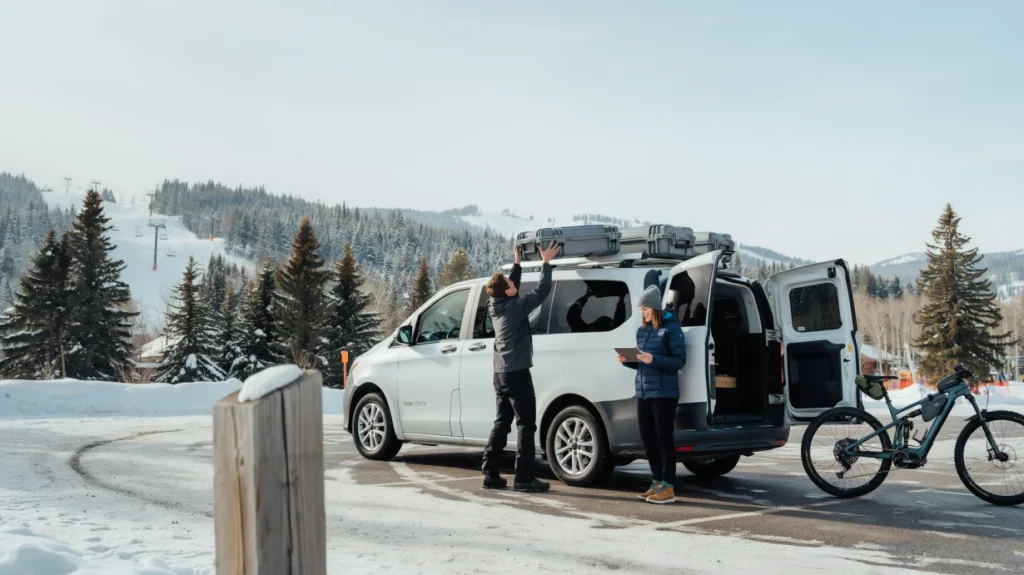
You can bring many standard bikes on Park City Transit racks, but space is limited and e-bikes face major restrictions. For Salt Lake City transfers, plan bike transport in advance.
A bike can turn a Park City ski day into a trailhead day, but it also changes the transportation problem. The common mistake is assuming that a free local bus with a bike rack solves the entire Salt Lake City to resort journey, when rack capacity, transfers, weather, and e-bike rules can quickly make the plan unreliable.
For travelers seeking affordable shuttle options from Salt Lake City to Park City ski areas with bike transport, the key question is not simply what the fare costs. It is whether your exact bike, your group, and your schedule can work with the available space from departure through the return trip.
Can you bring a bike on Park City shuttles from Salt Lake City?
You can often bring a standard bicycle on Park City Transit once you are in the Park City area, but a bike trip from Salt Lake City requires more planning than a single shuttle ride. Local bus racks are limited, e-bikes generally cannot use them, and no rider should assume space will be available on a particular departure.
Park City Transit buses use front-mounted racks that typically hold two to three standard bikes. Those racks are useful for local connections, including reaching certain trail access points, but they do not remove the need to arrange the Salt Lake City to Park City leg around your bike and gear.
Our advice is to separate the trip into two decisions: first, how you and your bike will reach Park City from Salt Lake City; second, whether local transit is realistic for the final connection to a resort, trailhead, or meeting point. This makes the weak point in a do-it-yourself plan visible before you are standing at a bus stop with skis, helmets, and a bike.
What does “shuttle” mean around Park City?
In Park City, “shuttle” can mean free public transit, a private point-to-point transfer, or an organized day trip, and each option handles bikes differently. Public buses are mainly a local mobility tool, while a planned day tour is the more direct way to organize the Salt Lake City transfer and the day’s return timing.
Park City Transit: useful for local movement
Park City Transit is most practical when you are already near its network and traveling with a standard bike that fits a front rack. It can help you avoid driving locally and can be particularly useful when your final destination is a trailhead served by a bike-friendly route.
Its limitations matter just as much: rack space is first-come, first-served, loading is your responsibility, and a full rack means you need another plan. For a family or group with several bikes, the capacity of one bus may not match the capacity you need.
Private transfers: confirm the bike question first
A private transfer can simplify the distance between Salt Lake City and Park City, but bike accommodation is never a detail to leave until boarding. Ask whether the vehicle can take your bike type, how many bikes can be accepted, whether the bike must be bagged or partially disassembled, and whether winter gear affects available space.
Organized ski resort day trips: one plan for the day
Our Utah Ski Resort Day Trips include round-trip transfers from Salt Lake City and flexible time on the slopes. They are designed for couples, friends, and families who would rather have the route and planned return handled than coordinate winter driving, parking, local wayfinding, and multiple connections.
When a bike is part of the day, we treat it as a feasibility question rather than an automatic inclusion. We ask about bike type, dates, group size, and the intended resort or trail area before recommending a workable arrangement or suggesting how to pair the Salt Lake City transfer with Park City’s local buses.
| Option | Best for | Bike transport reality | Main tradeoff |
|---|---|---|---|
| Park City Transit | Local trips within the Park City area | Standard bikes may fit front racks; capacity is limited | Does not independently solve the Salt Lake City connection |
| Self-planned transfer plus local bus | Solo travelers with a flexible schedule and standard bike | Requires checking every leg and accepting capacity risk | Transfers can be difficult with winter equipment |
| Organized ski resort day trip | Couples, families, and small groups wanting a coordinated day | Bike feasibility must be confirmed for the specific request | May not be the lowest cash fare, but reduces planning uncertainty |
You found a hidden promo code!
Use code WOWBLOG at checkout and get 10% OFF any tour!
Limited time offer. Book now and save!
Browse ToursHow do bike racks on Park City Transit buses work in practice?
Park City Transit bike racks are front-mounted, typically hold two to three standard bicycles, and require riders to load and unload their own bike. You must keep the bus aisle and exits clear, so bikes cannot be treated as loose carry-on items inside the vehicle.
The process is straightforward when the rack has space and your bike is a conventional size, but it is not a reservation system. Arrive with enough time to load safely, secure the bike as directed, and watch for your stop so you can tell the driver you need to retrieve it.
What you are responsible for at the bus stop
- Check rack space before committing: A full rack changes your plan immediately because capacity is limited.
- Load and unload your own bike: Be prepared to lift and position a standard bike without blocking other passengers.
- Keep the interior clear: Do not place a bike in an aisle, doorway, or exit area.
- Plan for the return ride: A successful outbound trip does not guarantee rack space later in the day.
For skiing travelers, this matters because a missed bus can affect rentals, meeting times, daylight, and the return to Salt Lake City. The rack is best seen as a useful local option, not guaranteed bike storage.
What are the special rules for e-bikes on Park City buses?
E-bikes generally cannot be carried on Park City Transit’s front-mounted racks because of their weight. An e-bike may be allowed inside the bus only when space is available and the driver approves it, with both wheels on the floor and the rider staying with the bike.
This rule makes an e-bike a much less predictable choice for a bus-based Park City itinerary. A rider cannot rely on interior space, particularly during busy periods, and cannot place the bike where it interferes with passenger movement or emergency exits.
How to decide whether an e-bike plan is realistic
- Identify the bike accurately: Tell the transportation provider that it is an e-bike, rather than asking generally about “a bike.”
- Do not build the day around a bus rack: The front rack is not the expected option for an electric model.
- Ask about the whole route: Confirm the Salt Lake City transfer first, then consider Park City Transit only as a possible local connection.
- Keep a fallback plan: If a driver cannot accept the bike inside, you need an alternative that does not strand you or split up your group.
For groups carrying e-bikes, skis, or children’s equipment, a custom-planned day can be more practical than trying to make each passenger fit within public-transit constraints. We can assess the bike and the desired route before you commit to a ski-day schedule.
What should you expect on the 9 Purple trail-service route to Bonanza Flat and Bloods Lake?
The 9 Purple route’s trail service is a strong local option for standard-bike access to Bonanza Flat and Bloods Lake trailheads because it has enhanced racks holding up to eight bikes. It runs Fridays through Sundays, but riders still need to verify current operating details and should not assume space on a specific bus.
This service is materially different from a typical two- or three-bike rack because its larger capacity is intended to support trail access. It is especially relevant for travelers who have already reached Park City and want a higher-elevation trail connection without organizing another vehicle.
The route does not turn a Salt Lake City day trip into a simple one-step journey. You still need to arrive in Park City with enough time, manage any connection with your bike, account for changing mountain conditions, and preserve a reliable way back after your ride.
- Use it for the right purpose: Treat the 9 Purple trail service as a Park City-area trailhead connection, not as your entire intercity transportation plan.
- Favor standard bikes: Enhanced rack capacity helps with quantity, not the usual e-bike weight restriction.
- Build in timing margin: A trailhead outing requires enough time for the outbound connection, the ride itself, and the return bus.
- Check current service before departure: Seasonal operations and day-of conditions can affect a trail-based plan.
When is it realistic to combine skiing and biking around Park City?
Combining skiing and biking is most straightforward when seasonal conditions, daylight, and your final destination support both activities. Winter adds road and timing pressure, while shoulder seasons and summer may make trail access more relevant than resort-slope transport.
Winter: prioritize a dependable ski-day transfer
In winter, the central issue is often getting from Salt Lake City to the ski area and back without adding avoidable complexity. Bikes may be part of the plan, but they compete with bulky ski equipment and can make transfers harder when weather or a missed connection narrows your margin.
For a winter ski day, we recommend deciding whether the bike is essential. If it is not, leave it out of the transit equation and use the day for skiing. If it is essential, request confirmation early instead of assuming any shuttle can absorb additional equipment.
Shoulder season: verify both access and timing
Shoulder season can tempt travelers into combining activities, but the route must work at both ends of the day. Check current local transit operations and make sure your intended trail or resort-area plan is appropriate for the conditions on your dates.
Summer: local racks become more useful, but capacity still controls
Summer is when the 9 Purple trail service and Park City’s local bike racks can be particularly valuable for reaching trail access. The same practical limits remain: standard-bike compatibility, first-come rack space, self-loading, and an e-bike plan that cannot depend on the front rack.
When is a guided day trip the better fit than the cheapest transit plan?
A guided day trip is the better fit when the cost of uncertainty matters more than finding the lowest individual fare. It is especially useful for travelers with children, several pieces of equipment, a tight schedule, or a bike that does not fit ordinary public-transit assumptions.
Free local buses can be an excellent tool after you are in Park City. They are less effective as the sole answer for a group traveling from Salt Lake City with bikes, ski gear, and a fixed return requirement. The affordable choice is often the one that avoids lost time, unplanned detours, and the risk of splitting a group because a rack is full.
Use this decision check before you book
- Choose public transit first if you have one standard bike, are comfortable with connections, have flexible timing, and can adapt if a rack is unavailable.
- Ask for a tailored transfer plan if you have an e-bike, multiple bikes, children, or a strict resort schedule.
- Choose an organized ski day if your priority is a coordinated Salt Lake City departure, flexible time at the resort, and a planned return rather than managing each leg yourself.
How do we plan a Park City ski-and-bike day with you?
We start by matching the transportation plan to the equipment and destination, then confirm whether the requested bike arrangement is feasible for the date and group. The practical deliverable is a clear day-trip plan: the Salt Lake City transfer, the intended Park City area, the timing expectations, and any sensible use of local transit.
Our responsibility is to organize a realistic Utah ski resort day around the information you provide and to flag constraints before you set out. Your responsibility is to give accurate bike details, identify your preferred dates and destination, and tell us whether the bike is essential to the day or simply an optional addition.
Information to send before requesting a trip
- Travel dates: Include the day you want to travel and whether you have flexibility.
- Park City destination: Name the ski area, trailhead area, or general Park City plan you have in mind.
- Bike type: Specify standard bike or e-bike, plus the number of bikes in your group.
- Group and gear: Tell us how many adults and children are traveling and whether you will also have skis, boards, helmets, or other large items.
- Day priorities: Explain whether skiing, biking, or trail access is the main objective, since that determines the most sensible schedule.
Before accepting a plan as workable, use three acceptance checks: the bike arrangement has been specifically discussed, the schedule leaves enough time for transfers and return travel, and your local Park City connection has a fallback if public bike-rack space is unavailable. Those checks prevent the most common failure, which is treating bike transport as a small detail rather than a core logistics requirement.
What is the practical next step for a Salt Lake City to Park City trip with a bike?
Choose your target date, the Park City ski area or trail access point, and the exact bike type before selecting transportation. Then use those details to decide whether a standard bike can reasonably rely on local racks or whether your group needs a coordinated transfer plan.
Park City Transit can be a valuable local tool, especially for a standard bike and the enhanced-capacity 9 Purple trail service. For the wider Salt Lake City ski-day journey, organized planning helps keep equipment, timing, and the return trip aligned instead of leaving each connection to chance.
Review our Utah ski resort day trips and contact Matei Travel with your dates, destination, group size, and bike type so we can advise on a realistic Park City day-trip setup.
How many bikes fit on a typical Park City Transit bus rack?
Most front-mounted racks hold two to three standard bicycles. Rack positions are limited, so arriving early does not create a reservation.
Do I need to load my own bicycle onto the bus rack?
Yes. Riders are responsible for placing their own bikes on the front rack and removing them when they leave the bus.
Can I take an e-bike on the front rack?
Generally, no. E-bikes are typically excluded from front racks because of their weight.
Can an e-bike ride inside a Park City Transit bus?
Only if space is available and the driver permits it. Both wheels must remain on the floor, and you must stay with the bike.
Does the 9 Purple route carry more bikes than other buses?
Its trail-service buses have enhanced racks that can hold up to eight bikes. This helps with trailhead access but does not guarantee an open space on every departure.
Is Park City Transit enough for travel from Salt Lake City with ski gear and bikes?
It is primarily useful for local Park City connections. A separate, carefully planned Salt Lake City transfer is still needed for most ski-and-bike itineraries.
What should I ask before requesting a ski day with bike transport?
Provide your travel date, intended resort or trail area, group size, and whether each bike is standard or electric. Also mention all other large equipment you expect to carry.
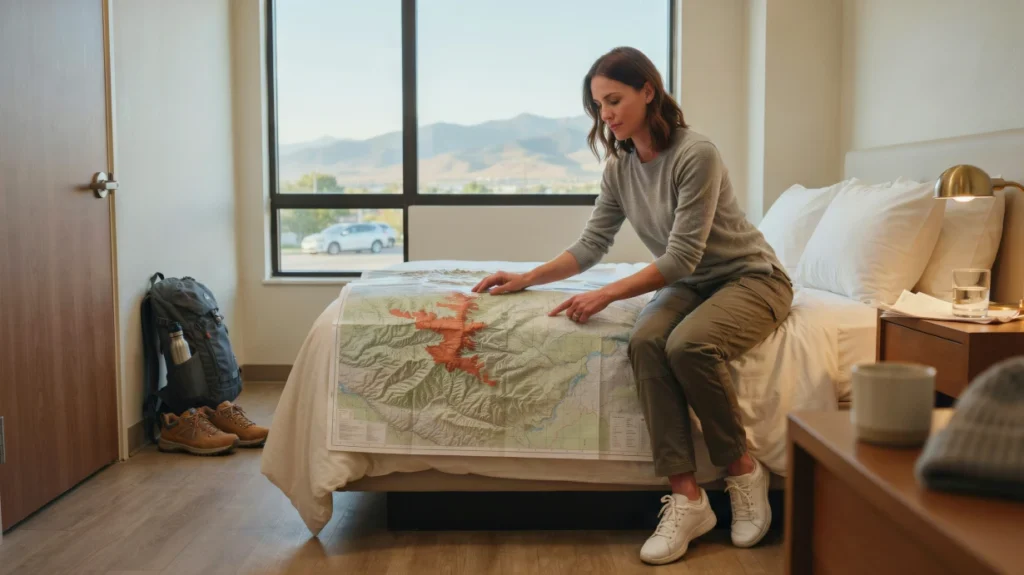 When Should a Utah Park Day Trip From Salt Lake City Become an Overnight?
 Your First Evening in Salt Lake City: A Low-Pressure Orientation Plan
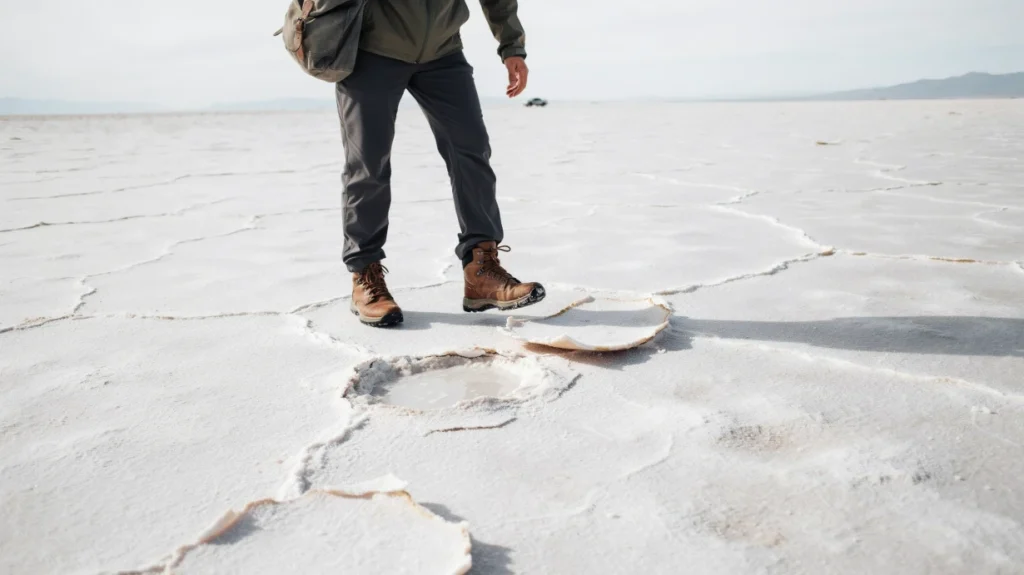 Bonneville Salt Flats Photography Etiquette: How to Protect the Surface and Share the View
 How to Plan an Antelope Island Birdwatching Visit
 Why Are There So Many Brine Flies on Antelope Island?
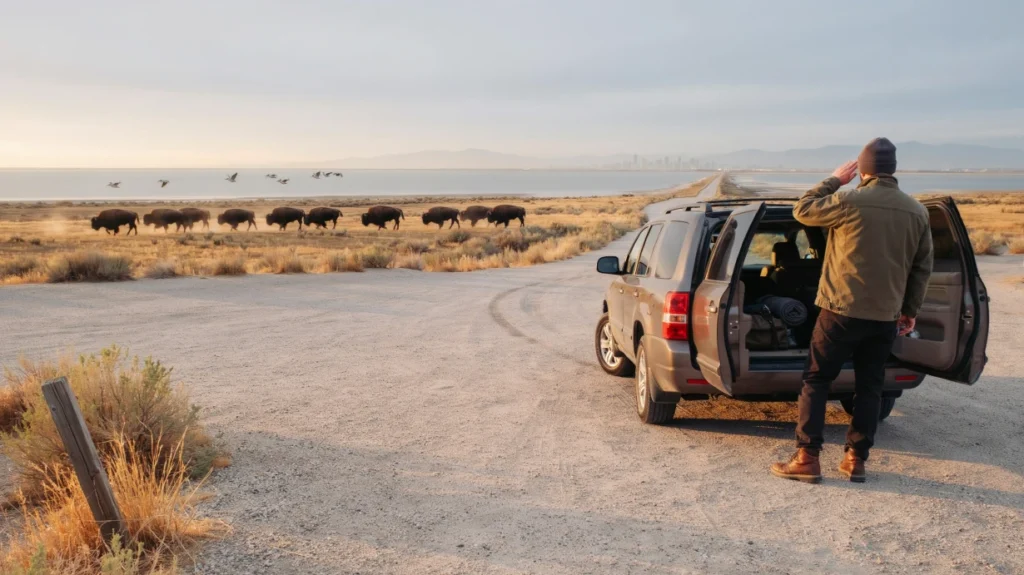 Antelope Island Day Tour or Sunset Wildlife Tour: Which Fits Your Salt Lake City Schedule?

This experience is a must-do! Dima explains the history of the area as well as the...
Read more →I had never been on a guided tour before, but Dima made it the best experience...
Read more →This was a great tour, it was nice to get picked up from our hotel. It...
Read more →Great guide great information and great deal for the money.
Read more → Bonneville Salt Flats – Sunset Adventure of the White Desert
 Antelope Island – Wild Heart of the Great Salt Lake Adventure
 Antelope Island Sunset Wildlife Expedition – Great Salt Lake Odyssey
 Bonneville Salt Flats – Journey to the Edge of the World