
Salt Lake City Altitude: Will You Feel It, and How Do You Adjust on a Short Utah Trip?
For a short Utah visit, I would plan around where you will sleep and how high the day goes, rather than treating “Salt Lake City altitude” as one number. The valley is around 4,300 feet. A ski lesson at a high resort base, a summit tram ride and a Bryce Canyon walk are different exposures. Start with a gentler valley day when possible and keep the first high outing flexible.
Your itinerary’s elevation ladder
| Place | Approximate elevation | Planning implication |
|---|---|---|
| Salt Lake valley | 4,300 ft | Below the usual high-altitude travel risk band, though symptoms still deserve attention |
| Arches National Park | 4,085–5,653 ft | High-desert heat and exertion remain important even below the higher-altitude band |
| Park City town | 7,000 ft | Above the valley, with resort terrain extending higher |
| Alta base, as a Wasatch resort example | 8,530 ft | The base itself is in a clinically relevant higher-elevation band |
| Bryce Canyon | Around 8,000 ft, reaching above 9,000 ft | A short rim visit and a demanding below-rim hike are different commitments |
| Snowbird Hidden Peak | 11,000 ft | A brief summit visit is different from sleeping at that height, but still requires symptom awareness |
These figures come from Visit Salt Lake, the Park City visitor bureau, Alta Lodge and the National Park Service’s Arches and Bryce information. They describe the named places, not every hotel or trail nearby. Check the actual lodging and activity elevation before making a medical travel plan.
Why a valley stay and a high overnight differ
CDC’s 2026 Yellow Book identifies risk for unacclimatized travelers sleeping around 8,000 feet or higher, sometimes lower. The speed of ascent and the sleeping elevation matter. A day visit followed by sleep lower down is less stressful than staying high. Fitness does not make someone immune, and acclimatization takes several days rather than a guaranteed 24-hour reset.
The Salt Lake valley is well below that usual high-altitude band. That is why I would not plan a city arrival day as if it were an overnight at a high mountain resort. It also does not justify dismissing illness as impossible. If you feel unwell in the city, consider the actual symptoms and seek care when needed instead of automatically blaming the elevation.
Altitude, dehydration or travel fatigue?
Headache, fatigue, nausea and poor appetite can occur with acute mountain sickness, but they are not specific enough for a traveler to diagnose the cause alone. Record when symptoms began and the height you reached. Do not assume that a headache after ascending is only dry air, or that drinking water makes further ascent safe.
Arches has a different practical emphasis from Bryce: its official safety guidance warns about heat and dehydration. Carry water, eat normally, protect yourself from sun and choose an activity that fits the conditions. These habits address ordinary travel and exertion problems. They do not substitute for responding to worsening symptoms after a rapid ascent.
A sensible first 48 hours
- Arrival day: keep the schedule flexible. A short valley walk and normal rest leave more room to notice how you feel than an immediate strenuous mountain outing.
- Before going higher: check the sleeping and activity elevations, weather and the effort involved. Choose a lower sleep location when the itinerary permits.
- During the first high outing: start gently, take breaks and cut it short if symptoms develop. A first ski day can focus on the lesson area rather than repeated summit trips.
- For the first 48 hours above 8,000 feet: follow CDC advice to avoid alcohol and heavy exercise. Drink fluids normally rather than treating extra water as altitude protection.
- On day two: increase activity only if you feel well. Do not ascend further with altitude symptoms, and descend if they worsen while resting.
At Bryce, the return from a below-rim walk is uphill. I would choose a short open rim visit first and save the descent for a day when you have a realistic energy margin. A route that feels easy while descending can be a much harder return at this height.
Who should plan with a clinician beforehand
Discuss a high-elevation itinerary with your clinician if you have heart or lung disease, are pregnant, or have had altitude illness before. Share the actual sleeping heights and ascent speed. Preventive medication is an individual medical decision, not a routine recommendation from a tour operator. Do not start a medicine based only on another traveler’s prescription.
Warning signs: descend and get urgent help
Confusion, loss of coordination, marked drowsiness or serious breathing difficulty after ascent require urgent medical help and descent. Breathlessness at rest is especially concerning. If milder altitude symptoms worsen while resting, go lower rather than waiting for the next scheduled stop. Contact emergency services for severe symptoms and do not let an impaired person descend alone.
My planning rule is to keep a lower, easier option available and use how the traveler feels to decide whether the next ascent still makes sense. A city stay, an Arches walk, a Bryce rim visit and an 11,000-foot summit are not interchangeable. The useful itinerary is the one you can shorten before a health problem becomes an emergency.
 Which Salt Lake City Ski Resort Is Best for a First-Time Skier or Snowboarder?
 Antelope Island With Kids: A Low-Stress Plan for Wildlife and Short Walks
 Salt Lake City Winter Inversion: What It Means for Views and Day Plans
 Renting a Car for a Utah Winter Day Trip: What to Check Before You Drive
 Utah Dark-Sky Etiquette: How to Visit Responsibly After Sunset
 Before a Utah Day Trip: How to Check Weather, Roads, Park Alerts and Air Quality

Dima was an excellent travel guide. He answered all our questions and made sure every passenger...
Read more →Totally recommend booking this trip. It’s a family business and like many other reviewers have said,...
Read more →Did the Antelope Island tour. This is run by a Ukrainian guy, perhaps as a one-person...
Read more →Guide was Great! The salt flats had alot of water due to recent rain which limited...
Read more → Antelope Island – Wild Heart of the Great Salt Lake Adventure
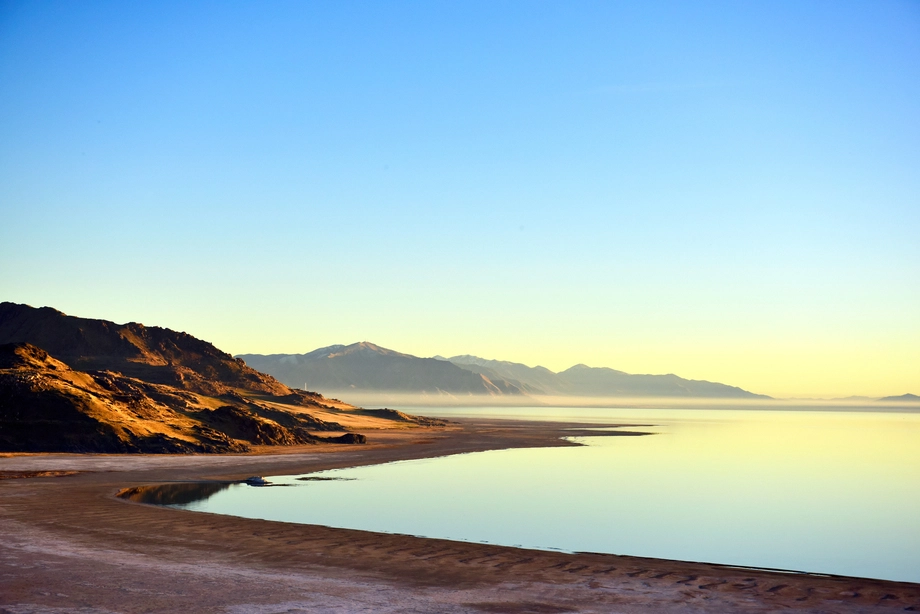 Antelope Island Sunset Wildlife Expedition – Great Salt Lake Odyssey
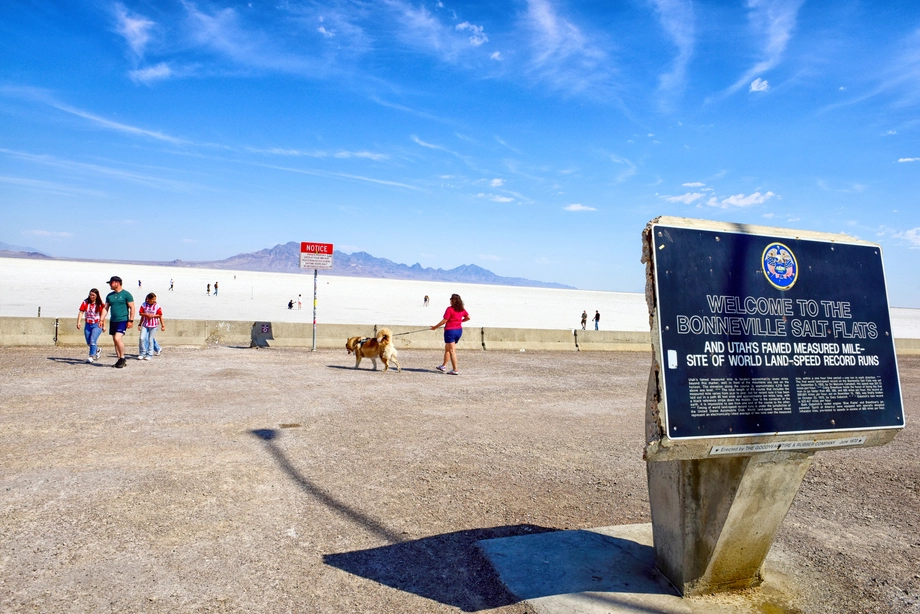 Bonneville Salt Flats – Journey to the Edge of the World
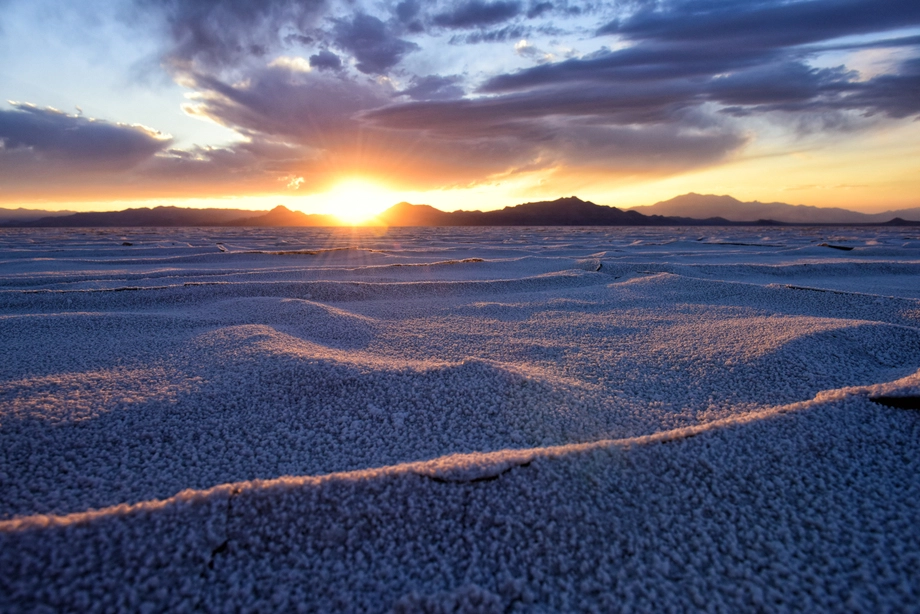 Bonneville Salt Flats – Sunset Adventure of the White Desert