
Private or Shared Moab Scenic Tours for Mixed-Ability Groups
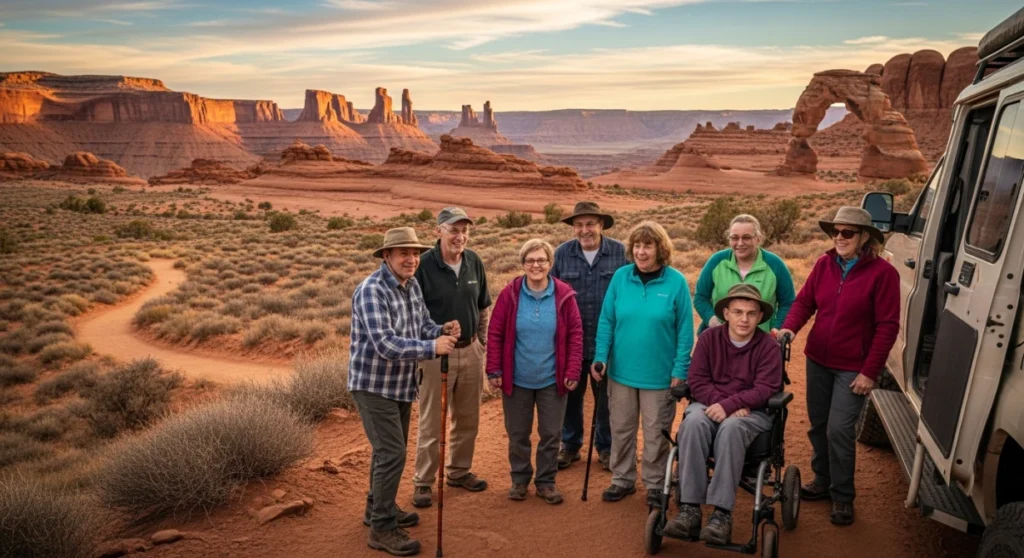
Choose private when your group needs pace control, extra breaks, or mobility-specific planning. Choose a small shared tour when abilities are fairly close and the route details are clear.
The problem in Moab is rarely that one person wants adventure and another wants scenery. The real problem is that everyone says they want an “easy” day, but one person means paved viewpoints, another means a short uneven walk, and someone else means two hours in direct sun is still fine.
Private or shared scenic touring is a format decision inside a harder planning question: what kind of mixed-ability group do you actually have, and what pace, terrain, and heat exposure can the least-capable member sustain without the day turning sour. In canyon country, that matters fast because a “simple” stop can still mean rock underfoot, repeated vehicle exits, little shade, and more standing time than people expect.
We plan Utah trips from the inside out. That means starting with the slowest sustainable pace, using concrete route facts instead of vague labels, and blending drive-up views with short walks where that creates a better day for families, couples, and multi-generation groups.
If you are weighing formats as different as small-group e-bike canyon tours around Moab with local trail permits included and classic vehicle-based sightseeing, the same rule applies: do not choose by marketing category first. Choose by time on feet, surface, sun, pace pressure, and how much freedom your group needs to stop, rest, or skip parts of the day.
When is a private tour usually better, and when does a shared tour work well?
A private tour is usually the safer choice when your group has a wide spread in stamina, mobility, confidence, or need for breaks. A small shared tour works well when everyone can comfortably handle the same basic pace and the operator gives clear route details beyond “easy” or “moderate.”
The key is not prestige versus budget. It is whether the day needs flexible pacing, selective walking, and tailored stop length, or whether the group can happily move together on a fixed structure without anyone feeling rushed or stranded.
- Private usually wins when: one person has knee issues, a wheelchair or mobility aid is part of the group, children and grandparents are together, or confidence levels differ sharply around uneven ground, ledges, or heat.
- Shared usually works when: the whole group can get in and out of the vehicle comfortably, handle short walks on similar terrain, and accept a common schedule.
- Either can work when: the operator keeps groups small, explains the actual route clearly, and plans around the slowest sustainable pace rather than the strongest walker.
If you are building a broader Utah trip, our Utah National Parks Tours show the kind of structure we look for: clear daily flow, scenic drives, key viewpoints, and short walks with the walking level stated up front.
What counts as a mixed-ability group in Moab?
A mixed-ability group is any group where people will experience the same scenic day differently because of age, fitness, mobility, confidence, or tolerance for heat and exposure. In Moab, those differences show up in small practical moments long before they show up in mileage.
Many travelers think “mixed ability” only means a serious medical or accessibility issue. In practice, it also includes a grandparent who walks slowly but steadily, a child who gets restless between stops, a partner who dislikes edges, or a strong hiker who is fine on distance but impatient with frequent rests.
What differences matter most on a canyon country sightseeing day?
- Age spread: small kids and older adults often need different stop length, seating opportunities, and bathroom timing even when both want scenic viewpoints.
- Fitness level: the issue is less peak effort than repeat effort, such as getting in and out of a vehicle several times and standing for photos at multiple stops.
- Mobility: steps, uneven rock, sloped paths, and loose surfaces can matter more than total distance.
- Heat tolerance: someone who walks fine at home may struggle once the day involves exposed stone, dry air, and midday sun.
- Confidence on terrain: fear of heights, narrow paths, or rough trail surfaces can slow a person more than lack of fitness.
- Trip priorities: a serious photographer may want longer viewpoint time, while another person just wants a quick look and to sit back down.
This is why route descriptions need specifics. “Family-friendly” tells you almost nothing about how long people will be standing, whether the ground is level, or how much flexibility exists to skip a stop.
You found a hidden promo code!
Use code WOWBLOG at checkout and get 10% OFF any tour!
Limited time offer. Book now and save!
Browse ToursHow do private and shared Moab scenic tours compare on the things that actually matter?
Private tours offer more control over pace, stop length, and accessibility logistics. Shared tours can be excellent value for the right group, but they depend much more on having compatible abilities and a guide who manages the group well.
For mixed-ability travelers, the right comparison is not luxury versus economy. It is how each format handles the slowest sustainable pace, route adaptation, and the emotional side of group travel, including embarrassment, boredom, and pressure.
| Decision factor | Private tour | Small shared tour |
|---|---|---|
| Pace control | Best option when your group needs more rest, shade stops, or slower boarding and walking | Works if everyone can keep a similar pace and the guide sets realistic expectations |
| Route flexibility | Higher flexibility to emphasize scenic drives, shorter walks, or more photo time | Usually more fixed, with less room to change stop sequence or duration |
| Ability to skip part of an activity | Easier if one person wants to stay near the vehicle while others take a short walk | Harder unless the stop is designed for mixed participation |
| Guide attention | Focused entirely on your group’s needs and communication style | Good if the group is small; thinner if the group is large or uneven in pace |
| Social energy | Calmer for families who do not want to explain their needs to strangers | Nice for travelers who enjoy meeting others and do not mind shared timing |
| Accessibility logistics | Better for discussing seating, transfer needs, and stop-by-stop suitability in advance | Can work, but only when the route and operator communicate clearly and honestly |
| Cost sharing | Higher per-person cost is common, but the value improves when flexibility prevents a bad-fit day | Often the sensible choice when abilities are fairly close and customization is not needed |
Vehicle-based guided touring deserves special mention. In canyon country, it often suits mixed-age groups because it removes the pressure of driving, navigation, and parking while still giving access to scenic roads and short stops. That can be far more inclusive than a day built around self-driving and repeated judgment calls on what to skip.
Which format fits your exact kind of mixed-ability group?
The best format depends on why your group is mixed, not just how mixed it is. One weak point, such as unstable footing or low heat tolerance, can matter more than a broad average fitness level.
These scenarios are where the verdict becomes practical rather than theoretical.
Grandparents, parents, and younger kids
Private is often the smoother choice when three generations are traveling together. Bathroom timing, snack breaks, photo stops, and different attention spans make flexibility valuable even if nobody has a formal mobility limitation.
A shared day can still work if walks are short, boarding is easy, and the group can tolerate a set rhythm. The biggest risk is that children get restless while older adults need more time at each stop.
One person with knee pain or limited walking tolerance
Private is usually better if the day includes repeated entries and exits, uneven surfaces, or any stop where skipping the walk would otherwise leave one person feeling parked aside. The point is not to avoid scenery, but to choose stops where that traveler still gets meaningful views.
This is exactly why we favor route descriptions with duration, terrain, and likely standing time rather than only a difficulty label.
Partners or friends with very different hiking confidence
A small shared tour can work if the less confident person is still comfortable with the same surfaces and timing as the rest of the group. If one person slows sharply on ledges, slickrock, or exposed viewpoints, private usually prevents frustration on both sides.
This is a common mismatch in Moab because “not a hiker” does not always mean “not active.” It often means discomfort with footing and exposure.
Wheelchair user or major mobility limits
Do not assume Moab is off the table, but do assume route selection matters. According to the U.S. National Park Service, wheelchairs and manually powered mobility aids are allowed where pedestrians may go, which helps open many viewpoints and short paths, though slope and surface still vary from stop to stop.
Private is commonly the safer first choice here because you can discuss access details before booking and shape the day around realistic, worthwhile stops. Shared can work only when the route is already known to be suitable for that level of access and the logistics are straightforward.
Strong adults who just want an easy scenic day
A small shared tour is often perfectly suitable. If everyone is comfortable with the same short walks and does not need extra breaks, a shared format can be the efficient choice without compromising the experience.
This is where many people overspend on private when they do not actually need flexibility. The money is better spent on choosing the right route and time of day.
Why do mixed-ability groups make the wrong choice so often in Moab?
Most bad tour days start with one planning mistake: relying on vague labels instead of physical realities. In Moab, “easy” can still involve heat, rough ground, or more standing than one person in the group can handle comfortably.
The format then gets blamed when the real problem was the route, pace rule, or stop design.
- Trusting difficulty labels: terms like easy, family-friendly, and intermediate are inconsistent across outdoor experiences. They do not reliably tell you about surface, exposure, or stop duration.
- Pacing to the fittest person: groups fracture when the strongest member sets the rhythm. The better rule is the slowest sustainable pace that still keeps the day enjoyable.
- Choosing by vehicle type alone: a rugged vehicle does not tell you whether boarding is easy, whether viewpoints require walking, or whether the group can stay together comfortably.
- Ignoring standing time: travelers often ask about mileage but forget to ask how long they will be upright at overlooks, trailheads, or scenic stops.
- Underestimating sun exposure: a half-day outing can feel much harder when several stops have little shade and hot reflective surfaces.
- Assuming private means hardcore: for many families, private means more rest, more control, and fewer awkward compromises, not a tougher itinerary.
When travelers ask us for Utah advice, this is where we slow the conversation down. We would rather help someone choose a simpler day that everybody can enjoy than let a vague “moderate” label make the decision for them.
How can a small shared tour still work for a mixed-ability group?
A small shared tour can work very well when the group is kept small enough for real guide attention and everyone can manage the same baseline activity. It breaks down when the range is so wide that one person needs a different pace, different stop length, or different access plan from the rest.
Research on group outings consistently points in the same direction: large groups create bigger pace gaps and weaker cohesion, while groups around a dozen people tend to be easier to manage safely and respectfully. That principle matters in Moab because every extra stop can amplify the difference between the fastest and slowest participant.
What makes shared touring viable
- Small group size: fewer people means less waiting, better communication, and more room for questions.
- Clear route facts: distance, terrain, duration, and shade matter more than broad labels.
- Guide-led pacing: the guide should normalize a sustainable rhythm instead of rewarding whoever moves fastest.
- Mixed stop design: the best scenic days combine vehicle views with optional short walks rather than making every stop equally demanding.
When the shared model stops being the smart choice
Choose private instead when one person’s needs are likely to shape the whole day. That includes major mobility differences, frequent rest needs, marked fear of exposure, or a child or older adult who cannot comfortably wait through the standard rhythm of a group outing.
Shared also becomes risky when your group would feel stressed explaining or defending its pace in front of strangers. Good guides reduce that pressure, but format cannot erase a fundamental mismatch.
What should you ask before booking any scenic day in Moab?
The best booking questions are concrete and physical. If an operator cannot answer them clearly, that is a warning sign for a mixed-ability group.
We use this kind of detail in our own trip planning because it reveals whether a scenic day is truly manageable or just marketed attractively.
- How much walking is actually involved? Ask for approximate distance, number of stops, and whether the walking happens in one short segment or repeatedly all day.
- What is the ground like? Ask whether stops involve pavement, firm paths, steps, slickrock, loose gravel, or uneven surfaces.
- How long are people typically standing at each stop? This often matters more than total mileage.
- Can someone stay near the vehicle while others take a short walk? This tells you whether the route can absorb one different ability level without ruining the day.
- How exposed is the day? Ask about shade, midday timing, and whether the route includes long stretches in direct sun.
- How large is the group? Smaller groups are usually better for questions, pacing, and cohesion.
- What should we disclose in advance? A good operator will want to know about ages, knee issues, mobility aids, fear of heights, and heat sensitivity before confirming fit.
If you are still early in your Utah planning, our Utah Day Tours are a useful example of how we structure realistic sightseeing days with transport, guided context, and short walking segments instead of leaving guests to sort the logistics alone.
What is the smartest first step if your group is arriving through Salt Lake City?
Start with a gentle guided day before asking the group to handle long drives and exposed canyon-country stops. For many mixed-ability travelers, an easy first day helps reveal pace, energy, and mobility needs before Moab is on the line.
That is one reason our Salt Lake City walking tours are designed as small-group experiences led by local guides, with routes that combine major landmarks and quieter corners of the city. We also provide clear route information, including duration, distance, and terrain, because mixed-ability travelers make better decisions when they can judge fit in advance.
A low-commitment city walk can show you who tires first, who needs more shade or seating, and whether the group naturally stays together. That makes the later private-versus-shared choice for canyon country much easier and far more honest.
How should you make the final private-versus-shared decision?
Make the decision based on the least-flexible need in your group, not the most enthusiastic voice. If one person’s comfort depends on extra pacing control, private is usually worth it; if everyone can handle the same route facts comfortably, small shared touring is often enough.
A useful final check is whether you can describe your group in concrete terms without using words like “pretty fit” or “should be fine.” If you cannot, you are not ready to pick a format yet.
- Choose private if: your group needs custom pacing, variable stop length, mobility-focused planning, or freedom for one person to participate differently.
- Choose shared if: your group can stay together on one realistic schedule and the operator provides clear stop-by-stop expectations.
- Delay booking if: you still have unanswered questions about terrain, standing time, boarding, or sun exposure.
The label on the tour matters less than the planning discipline behind it. Review our Utah National Parks Tours to see how we lay out scenic days, then send a short inquiry with your group’s ages, fitness levels, and mobility considerations so Matei Travel can suggest whether a private or small shared format is the better fit.
The best Moab scenic day for a mixed-ability group is the one built around the slowest sustainable pace and the clearest route facts. Private is usually the safer format when your group needs flexibility, while a small shared tour works well when abilities are close and expectations are specific. Do not let broad labels like “easy” make the choice for you. Start with the real conditions of the day, then choose the format that protects everyone’s enjoyment.
Is private only for travelers who want something more advanced?
No. Private often makes sense because it allows more rest, more shade breaks, and a calmer pace, not because the day is tougher.
Can a shared scenic tour work if one person is just a little slower?
Yes, if the group is small, the route is genuinely short and simple, and the slower person can still keep up without stress. Minor differences are manageable; major pace differences usually are not.
What matters more in Moab, walking distance or standing time?
Both matter, but standing time is often overlooked. Repeated short stops with little shade can be harder than the mileage suggests.
Should we trust terms like easy or family-friendly?
Use them only as a starting point. Ask for details on terrain, stop count, sun exposure, and how long people are out of the vehicle.
Do mixed-age groups usually need a private tour?
Not always. If everyone can handle the same rhythm and short walks, a small shared day can work well, but three-generation groups often benefit from extra flexibility.
Do wheelchair users have to skip scenic canyon country stops?
No, but access varies by viewpoint and path surface. The best approach is to plan around specific stops rather than assuming the whole day will be equally accessible.
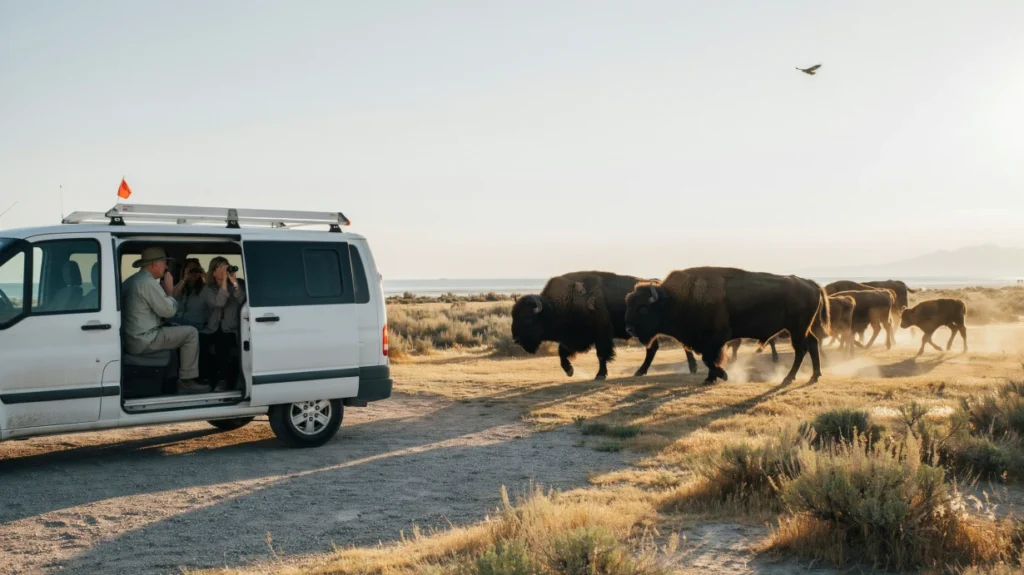 Antelope Island Sunset Tours: How Wildlife Viewing Really Works
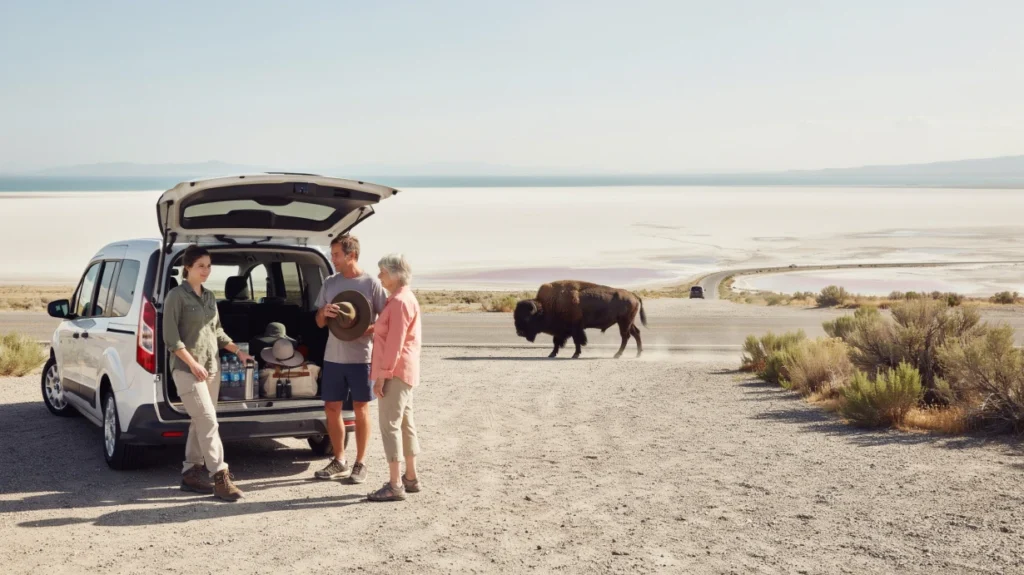 Antelope Island Day Tours: How to Plan a Low-Stress Visit
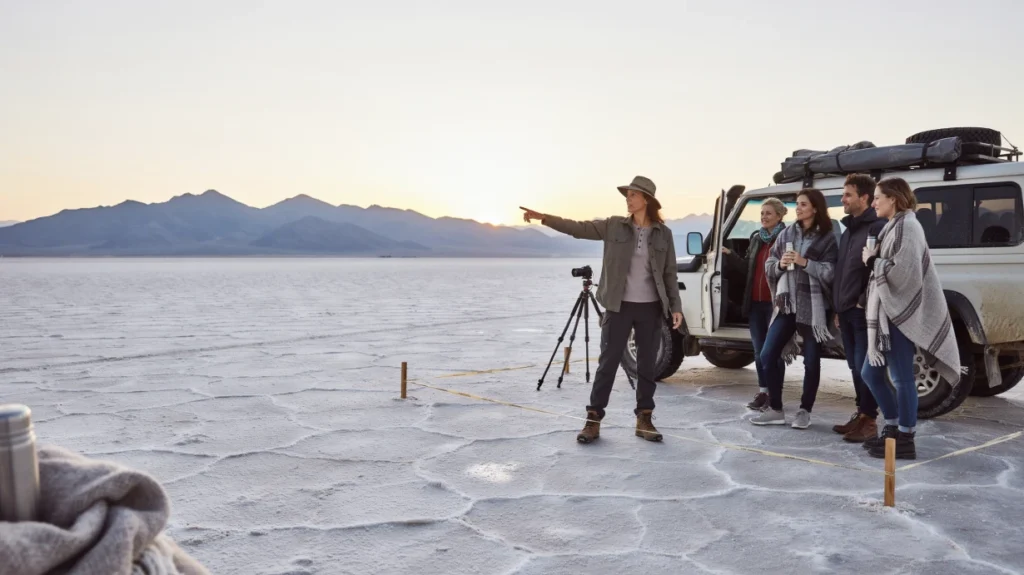 Bonneville Salt Flats Sunset Tours: What the Experience Includes
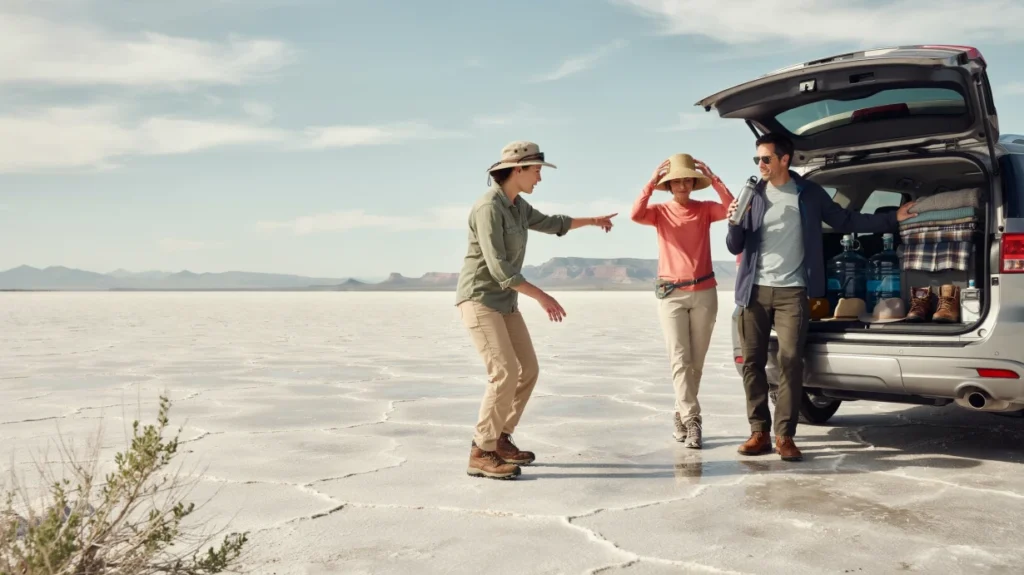 Bonneville Salt Flats Tours: Plan a Comfortable First Visit
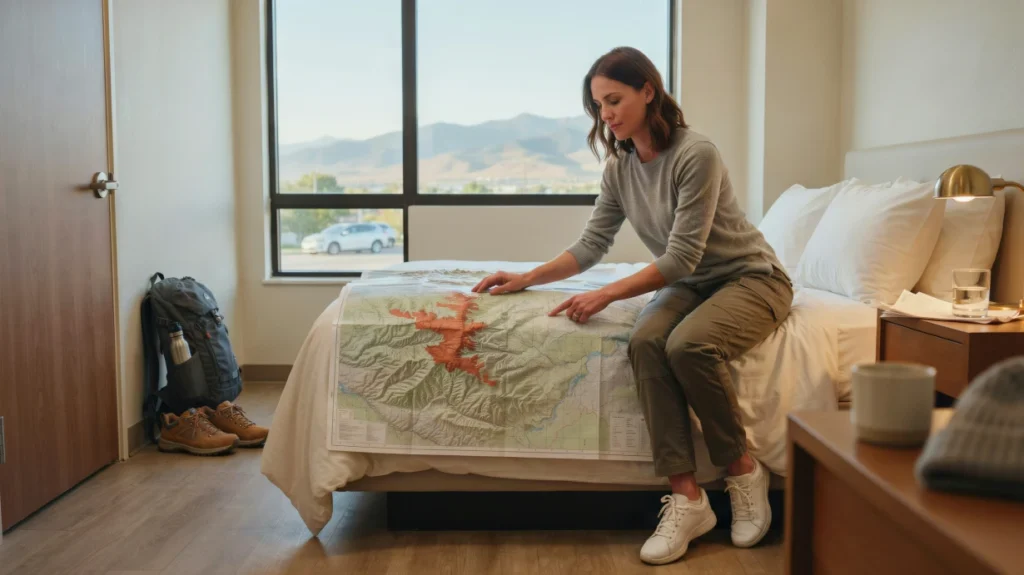 How to Plan a Utah Day Tour During a Short Salt Lake City Stay
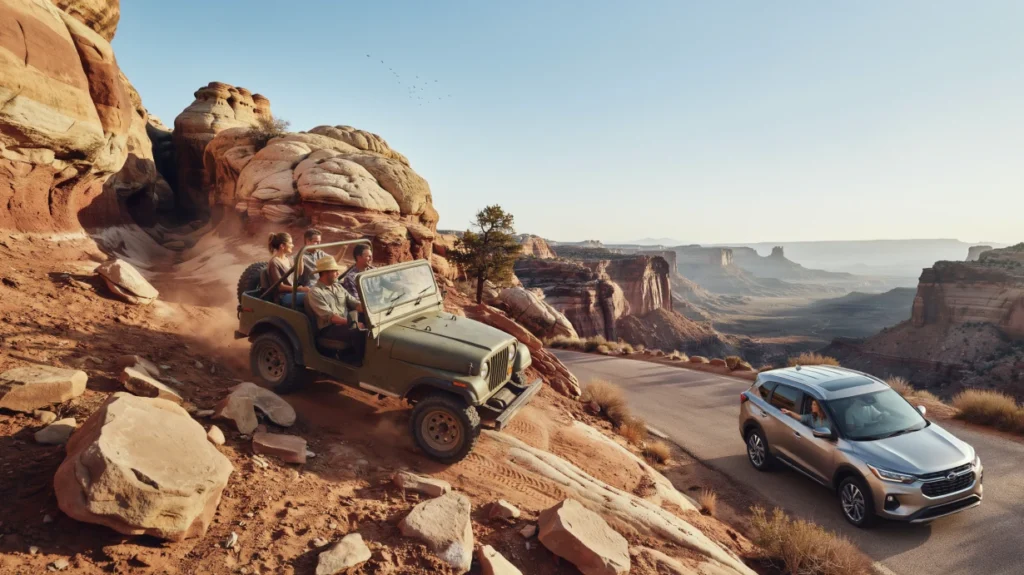 Guided vs. Self-Drive Canyon Country Days: When Each Works

Very happy with the whole experience, Dmitro was an excellent tour guide, very knowledgeable about area...
Read more →Matei Travel was the vendor for the trip. Don\'t use them. The tour was not as...
Read more →I would highly recommend touring with Dima! He was so knowledgeable and personable, and very open...
Read more →Experience was fabulous!!! We saw spectacular views of the flats, bison and prong horn. Mateo travel...
Read more →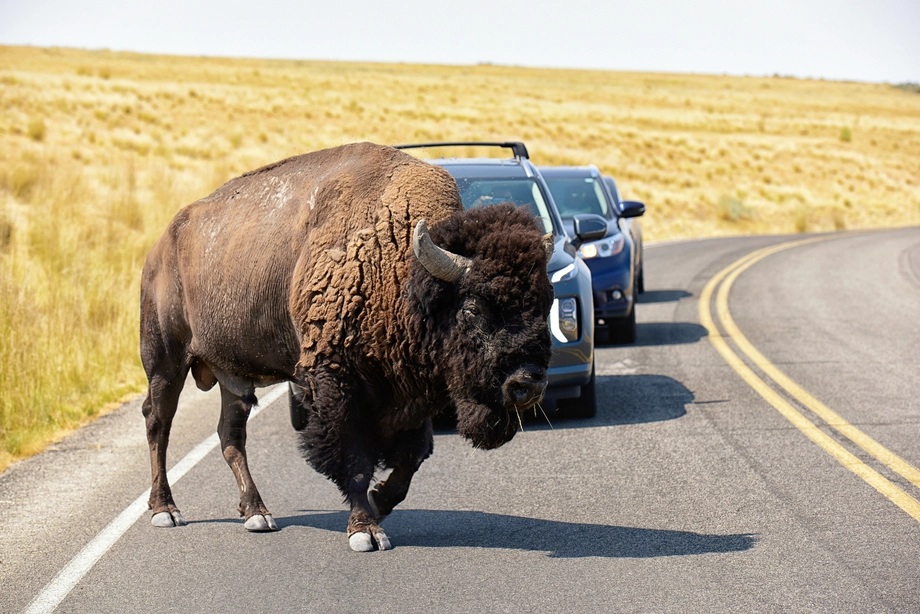 Antelope Island – Wild Heart of the Great Salt Lake Adventure
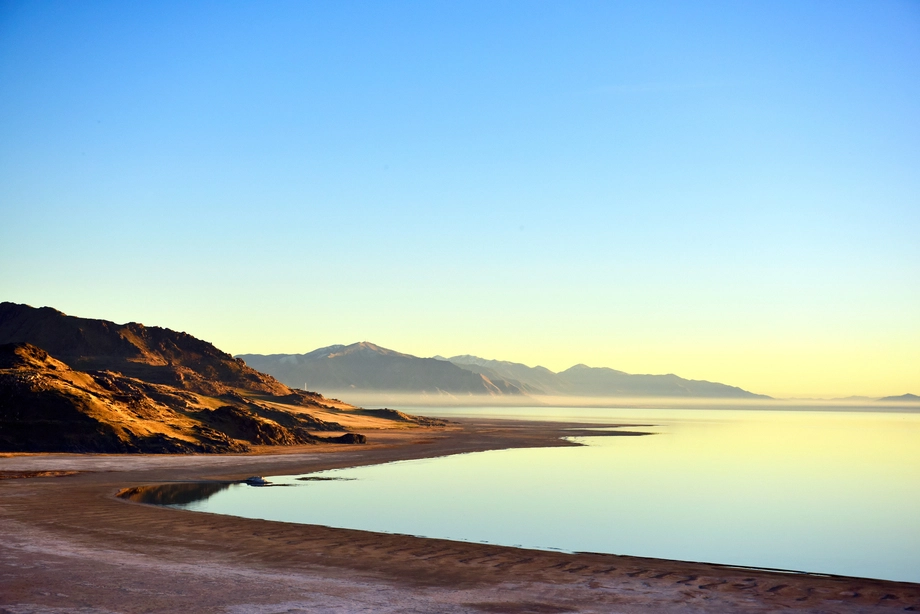 Antelope Island Sunset Wildlife Expedition – Great Salt Lake Odyssey
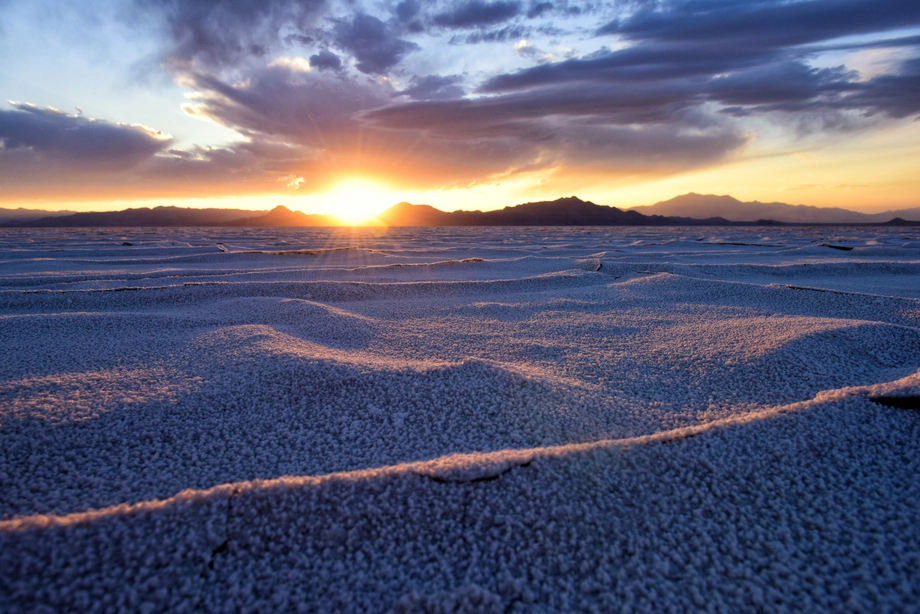 Bonneville Salt Flats – Sunset Adventure of the White Desert
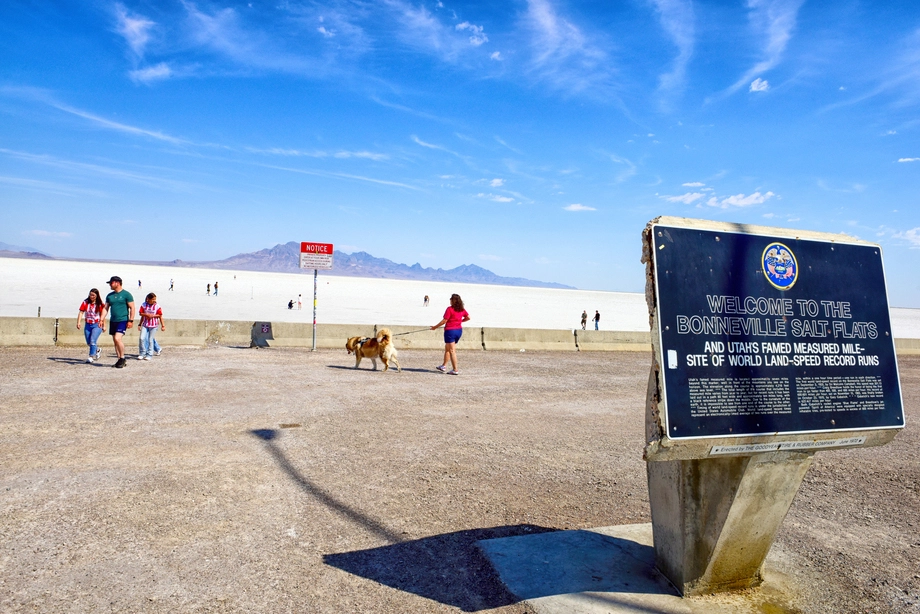 Bonneville Salt Flats – Journey to the Edge of the World