
What Happens When Snow Delays Your Ski Resort Transfer? Things to Do Near Salt Lake City
Aug 27, 2026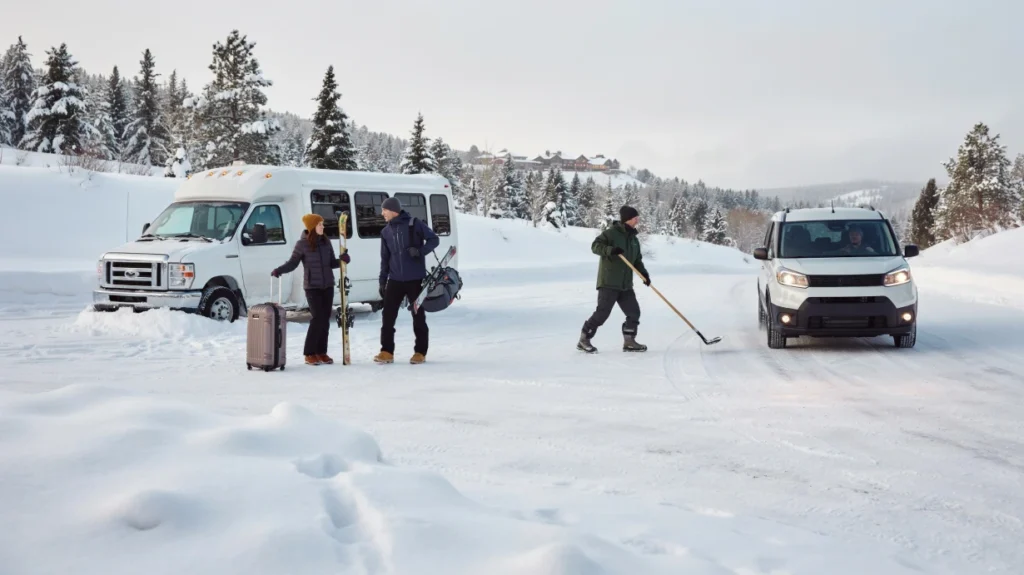
A snow-delayed ski transfer may wait only for its stated contractual window, then charge extra, leave, or cancel if roads are unsafe. Confirm policies early, communicate promptly, and keep a Salt Lake City backup day ready.
The expensive mistake is treating a ski transfer as if it will automatically adjust to any late flight or snowy road. A pre-booked transfer is a timed transport service with a waiting policy, and we plan our own Utah day itineraries around the same practical reality: winter travel needs slack in the schedule.
A snow-delayed ski resort transfer is a ground-transport logistics problem for travelers flying into Salt Lake City and heading to Utah resorts. The decisive question is usually not whether snow is falling, but whether your delay runs longer than the provider’s included waiting window and whether the road remains safe and open.
What usually happens when snow delays a ski resort transfer?
Most transfer providers continue operating when roads are open, though they may run late because drivers must travel more slowly. They may cancel or postpone a trip when conditions are unsafe or access roads are closed, and their written terms determine what happens to the fare.
A typical arrival-day scenario is straightforward: your flight lands late, baggage takes longer than planned, and the drive toward the resort slows in snow. The driver may wait, but only within the service’s stated allowance. Once that period passes, a shared shuttle may depart with other passengers, while a private vehicle may begin charging for additional time or become unavailable because of its later commitments.
Safety should take priority over a ski-day schedule. Professional drivers generally follow road-closure decisions and operational safety limits, so a later departure or cancellation can be the responsible outcome rather than poor service.
How can you identify the cause of the delay before you make a costly decision?
First separate a late flight, slow airport exit, reduced driving speed, and a road closure because each has a different remedy. A flight delay may activate a flight-monitoring or waiting provision, while a closed route may make the original transfer impossible regardless of your arrival time.
Run a quick four-part check
- Confirm your actual arrival status: Check whether the aircraft has landed, whether you are still waiting for baggage, or whether you have reached the agreed pickup point.
- Read the booking confirmation: Find the pickup time, flight-number requirement, included waiting allowance, delay-contact method, and cancellation language.
- Check the road situation through official local channels: Distinguish a slower-than-normal trip from a closure or a safety restriction.
- Contact the operator with usable facts: Send your booking reference, flight number, current location, estimated ready time, party size, and whether you need ski equipment transported.
Do this before the waiting period expires. Calling only after you discover the shuttle has left often removes the operator’s ability to adjust the plan.
For the wider decision between vehicle types, our related guide to private versus shared Utah ski transfers for families and groups is useful context: lower price and greater timing flexibility are different benefits, not interchangeable ones.
You found a hidden promo code!
Use code WOWBLOG at checkout and get 10% OFF any tour!
Limited time offer. Book now and save!
Browse ToursHow do shared ski transfers handle delayed flights and snow?
Shared ski transfers are usually less flexible because one vehicle serves several passengers on a schedule. Some operators may wait up to about two hours for a delayed flight, but after their published limit they are commonly not required to wait and may owe no refund.
The two-hour figure is an industry example, not a universal rule. A shuttle carrying passengers who arrived on time may need to leave to protect the rest of the route, comply with its operating schedule, or avoid worsening conditions later in the day.
- Best fit: Travelers whose flight arrives well before the final shuttle window and who can tolerate a fixed departure structure.
- Main snow risk: A long flight delay can exceed the shared service’s maximum wait, even when you have notified the operator.
- What to ask: Whether the wait period starts at scheduled landing, actual landing, or the booked pickup time, and whether the service tracks your flight.
- Fallback decision: Ask what happens if the shuttle leaves: later shared departure, rebooking, private replacement, or loss of fare.
Shared transport can still be a sensible winter choice when the arrival plan contains a large buffer. It is a poor fit for a tightly timed same-day ski plan where a missed shuttle would erase the only realistic way to reach the resort.
How do private ski transfers handle waiting time?
Private transfers commonly provide more direct communication and a shorter included wait, often up to about 60 minutes for a flight delay. Beyond that allowance, extra waiting charges may apply, and an operator can cancel or release the vehicle if an extended delay conflicts with safety or later bookings.
Again, 60 minutes is an example from some services rather than a rule for Utah or for every private booking. The practical advantage is not unlimited waiting. It is the ability to ask how the provider will adapt when your party, luggage, and destination are the only variables in the vehicle.
| Situation | Shared transfer | Private transfer | Best immediate action |
|---|---|---|---|
| Flight is modestly late | May wait within its published group limit | May wait within included free time | Send flight and arrival updates immediately |
| Delay exceeds the allowance | Vehicle may leave without refund | Extra time may be billed or vehicle released | Request the current rebooking and fee options in writing |
| Road is closed or unsafe | Trip may be delayed or canceled | Trip may be delayed or canceled | Do not pressure the driver to proceed; activate a lodging or city-day plan |
One example of excess waiting is about €35 per additional hour, or part of an hour, charged per booking or vehicle. That kind of rate can add up quickly when a storm causes several hours of disruption, so confirm the currency, billing unit, maximum charge, and payment method before you book.
Will you pay extra or lose the fare when a snowy delay changes the trip?
You may pay extra when your delay exceeds the included waiting time, while you may lose the fare when the provider is entitled to leave or cannot operate under its terms. Refunds for weather disruptions depend on the booking conditions, the reason for the delay, and any applicable travel-insurance coverage.
Do not assume that a weather-related delay automatically creates a refund right. Airlines, transfer operators, accommodations, resorts, and insurance policies can all use different definitions of delay, cancellation, missed connection, and covered expense.
Use a severity-based recovery plan
- Level 1: minor delay within the allowance. Keep the operator updated, meet at the exact pickup point, and expect a slower drive. Avoid adding stops or changing the destination unless the provider confirms it.
- Level 2: delay beyond the included wait. Ask for the added fee, the next available departure, and the deadline for deciding. Compare the total cost of waiting with overnighting near Salt Lake City and traveling the next day.
- Level 3: road closure or unsafe conditions. Treat the resort transfer as unavailable for now. Keep receipts, review your insurance wording, and avoid committing to an unverified alternative ride.
- Level 4: transfer has departed or been canceled. Obtain written confirmation of the outcome, request any rebooking options, and protect the rest of the itinerary rather than trying to force a same-day ski arrival.
Travel insurance may help with certain covered expenses, but it is not a substitute for reading the policy before travel. Check whether it addresses weather delays, missed ground transport, unused ski services, accommodation changes, and documentation requirements. This is general travel planning guidance, not legal or insurance advice.
When should you escalate instead of waiting for an update?
Escalate when you are near the stated waiting deadline, cannot reach the provider, receive conflicting pickup instructions, or learn that the route is closed. The goal is to get a clear operational decision while alternatives are still available, not to argue after the vehicle has been reassigned.
Ask for a concise answer to three questions: “Can you still collect us today?”, “What is the latest time you can wait?”, and “What will this cost or refund if the trip cannot run?” Save replies, revised pickup details, cancellation notices, and receipts in one place in case you need to submit an insurance claim.
If the delay changes how much time remains on the mountain, reconsider whether the trip is worth making that day. Our guide on what pickup time means for Utah ski hours helps put that decision in practical terms: transport time can quietly consume the ski time you thought you had booked.
What questions should you ask before booking a ski transfer in winter?
Ask for delay rules in writing before you pay, because a verbal assurance is not a substitute for the booking terms. The most useful policy explains the clock, the communication method, the extra-cost formula, and the outcome if the route cannot be driven safely.
- Waiting clock: How many minutes of waiting are included, and when does the clock begin?
- Flight delay process: Do you monitor flight information, and must I provide a flight number?
- Shared-service limit: What is the maximum wait if other passengers are on board or due to board?
- Private-service charge: What is the fee after the included wait, is any part-hour rounded up, and is there a cap?
- Snow and closures: What happens when roads are open but slow, and what happens when a route is officially closed or considered unsafe?
- Cancellation and refund: When can the operator cancel, when can I cancel, and which weather scenarios are nonrefundable?
- After-hours contact: Which phone number or message channel should I use on arrival day, and how quickly should I report a delay?
- Plan B: If the transfer cannot proceed, can you rebook us, and what costs would remain ours?
We use the same discipline when structuring day tours from Salt Lake City. In our planning, a route has to balance driving time with meaningful time on site; a packed schedule may look efficient on paper but leaves no room for real-world winter changes.
How can you build a Utah ski trip that can absorb a storm?
Build buffer days and avoid placing your only ski day immediately after a tightly timed arrival. A flexible itinerary cannot stop snow, but it can reduce the chance that one late transfer causes a chain of lost reservations and rushed decisions.
Book the airport-to-resort transfer for an arrival window with breathing room, especially if checked bags or equipment are involved. If your trip is short, schedule a non-ski day in Salt Lake City or at lower-elevation destinations rather than making every day dependent on resort-road access.
For broader trip design, our pillar guide on choosing a Utah ski resort day trip from Salt Lake City can help you decide how much travel time to allocate before you commit to a resort schedule.
What can you do if a storm disrupts your ski day or resort transfer?
A canceled or postponed ski day does not have to become an empty day if you have an alternative based in Salt Lake City. A guided outing can replace some of the logistical burden with a planned route, transport, and a realistic amount of time at the destination.
At Matei Travel, we organize one-day Utah tours from Salt Lake City for visitors who want key natural landscapes without arranging their own driving and navigation. In our one-day tours, we include the transfer, a planned route, guide commentary, and escort on short hiking sections, so guests do not have to manage those day-of logistics themselves.
We have chosen and structured our itineraries to include places such as the Bonneville Salt Flats and Antelope Island as realistic full-day trips from Salt Lake City. Building those routes requires us to balance drive time with meaningful time on site, a tradeoff we make on every new route we plan.
For a scheduled rest day or a weather-disrupted change of plan, our Utah Day Tours page brings together outings centered on wildlife, open landscapes, and combined experiences. Prices start at about $35, most one-day tours are around $99, and the Antelope Island Tour from Salt Lake City — From $120 | Matei Travel and Bonneville Salt Flats Tour from Salt Lake City — From $120 | Matei Travel are flagship options from $120.
The Antelope Island Sunset Wildlife Expedition – Great Salt Lake Odyssey suits travelers drawn to wildlife and Great Salt Lake scenery, while the Bonneville Salt Flats Sunset Adventure of the White Desert — From $120 | Matei Travel focuses on the wide-open salt-flat landscape. Availability and weather suitability still need confirmation for any specific date, but reserving space in the itinerary for a guided non-ski day is far safer than assuming every resort day will proceed exactly as planned.
What is the practical takeaway for a snow-delayed ski transfer?
A transfer may wait, charge more, leave, or cancel depending on its terms, the length of the delay, and road safety. The strongest protection is a written policy, early communication, realistic arrival buffers, and a credible alternative for the day.
We design our Salt Lake City day tours for limited-time travelers by combining transport, a thought-through route, guide storytelling, and short-walk support rather than leaving guests to assemble the day themselves. A snowstorm can still alter plans, but a flexible itinerary gives you more than one worthwhile way to use your time in Utah.
Explore our Utah day tours from Salt Lake City when you want to build a ski trip with a planned rest day or a practical backup experience.
Will a shared ski shuttle wait for a late flight?
Some shared services may wait up to about two hours, but the exact limit is set by the operator. Once that limit passes, the shuttle may continue without the delayed passenger.
How much free waiting time does a private ski transfer usually include?
Some private transfer services include up to about 60 minutes for a flight delay. Confirm the timing rule because providers may measure the allowance differently.
Can a transfer company charge for snow-related waiting time?
Yes. Some operators bill once the included wait has ended, with example rates around €35 per additional hour or part-hour.
What should I message my transfer provider if my flight is delayed?
Send your booking reference, flight number, current location, expected ready time, party size, and a request for the latest pickup confirmation. Keep the reply for your records.
Does a road closure mean I automatically get a refund?
Not automatically. The answer depends on the provider’s terms and any insurance policy you purchased, so review both documents before travel.
Should I still try to reach the ski resort when roads are unsafe?
No. Follow official closure decisions and the driver’s safety judgment, then use a lodging, rescheduling, or Salt Lake City alternative plan instead.
What is a useful non-ski backup day from Salt Lake City?
A guided excursion to Antelope Island or the Bonneville Salt Flats can provide a structured alternative with transportation and a planned route. Confirm current availability and conditions before booking.

I would highly recommend touring with Dima! He was so knowledgeable and personable, and very open...
Read more →Experience was fabulous!!! We saw spectacular views of the flats, bison and prong horn. Mateo travel...
Read more →I truly recommend this experience. Dima was the best guide! He’s Full of energy and great...
Read more →We booked a trip having read the wonderful reviews and it did not disappoint. Dima our...
Read more → Bonneville Salt Flats – Sunset Adventure of the White Desert
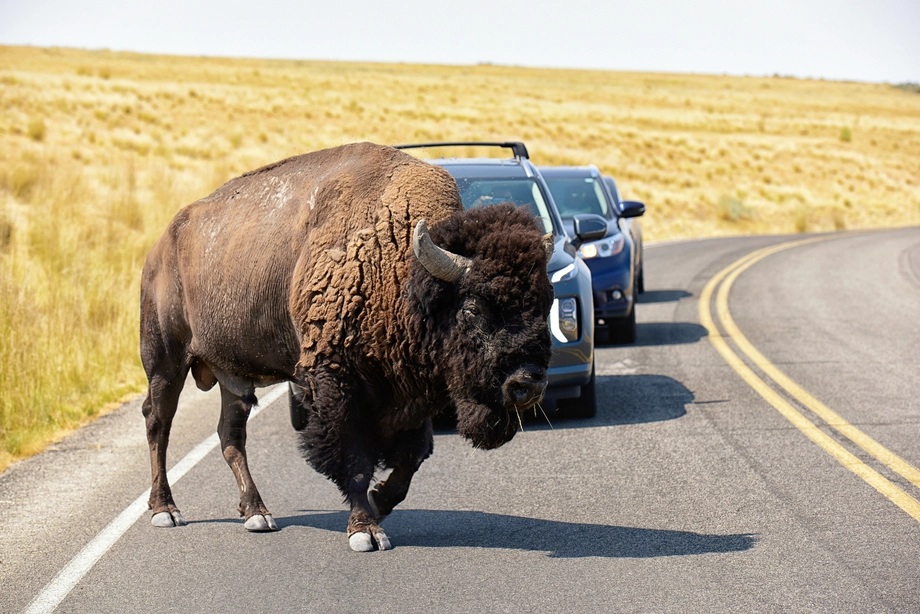 Antelope Island – Wild Heart of the Great Salt Lake Adventure
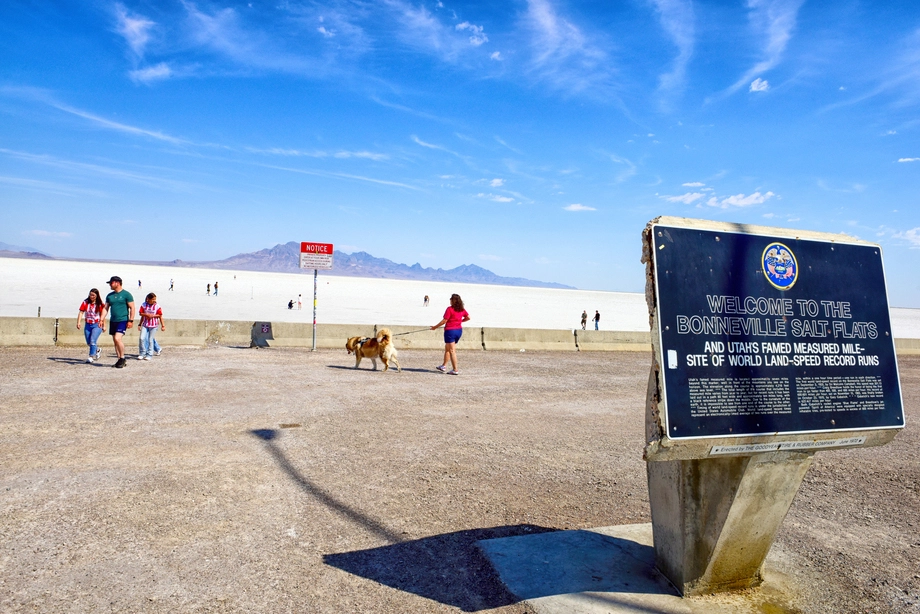 Bonneville Salt Flats – Journey to the Edge of the World
 Antelope Island Sunset Wildlife Expedition – Great Salt Lake Odyssey