
Private vs. Shared Utah Ski Transfers for Families and Groups
Aug 17, 2026
Choose a private Utah ski transfer when your family or group values flexible timing, direct travel, and shared vehicle costs. Choose a shared shuttle when price matters most and your schedule is flexible.
A ski trip can become stressful before anyone reaches the mountain: a late flight, tired children, bulky bags, and a snowy canyon road are a poor combination for last-minute transport decisions. Private and shared Utah ski transfers are two different ways to get a family or group from Salt Lake City International Airport or downtown Salt Lake City to ski areas, and the better choice depends on your party size, arrival time, luggage, and tolerance for waiting.
At Matei Travel, we organize Utah day trips from Salt Lake City with transport built into the experience because we treat movement between places as the backbone of a good day, not an afterthought. That same trip-design mindset helps ski travelers decide whether a direct vehicle or a scheduled shuttle will protect more of their limited vacation time.
When does a private or shared Utah ski transfer make more sense?
A private transfer usually wins for families, mixed-age groups, and parties of four or more that need door-to-door timing and room for gear. A shared shuttle usually wins for solo travelers, couples, or highly flexible groups whose flights align with the shuttle timetable.
A private ski transfer is a vehicle reserved for one booking. It commonly runs from Salt Lake City International Airport or downtown Salt Lake City directly to Park City, Snowbird, Alta, Brighton, or Solitude, with departure arranged around the travelers’ arrival or requested pickup time. Vehicle type varies by party size, but the defining feature is that the vehicle is not collecting unrelated passengers along the route.
A shared transfer sells seats rather than the whole vehicle. Passengers normally travel on set departure times and may share the ride with people staying at different resorts or hotels. This can lower the upfront per-person price, but it can also introduce airport waits, additional stops, and less control over when the trip begins.
- Choose private: Your party includes young children, older relatives, several ski bags, a late or early flight, or four or more people who can split one vehicle.
- Choose shared: You are traveling light, can wait comfortably for a scheduled departure, and are happy to trade direct routing for a lower initial cost.
- Consider self-drive carefully: A rental car adds independence, but the driver must manage unfamiliar winter mountain roads, parking, equipment requirements, and fatigue after a flight.
For a broader view of how transport affects where and when you ski, our guide to choosing a Utah ski resort day trip from Salt Lake City connects resort access with realistic day planning.
How do private and shared transfers compare for families and groups?
Private rides prioritize control over timing, stops, and who travels together, while shared shuttles prioritize seat-by-seat affordability. The meaningful comparison is not only the fare: it is the effect on energy, gear handling, and usable ski time.
| Decision criterion | Private transfer | Shared shuttle |
|---|---|---|
| Airport departure | Normally arranged around the group’s flight or pickup request. | Usually tied to fixed scheduled departures. |
| Resort routing | Typically direct to the group’s designated destination. | May include other passenger drop-offs before your lodging or resort. |
| Children and mixed ages | One group can travel together without coordinating around strangers’ schedules. | Works best when everyone can tolerate waiting and a potentially longer ride. |
| Seats and luggage | The booking can be matched to party size and declared equipment needs. | Seat availability and baggage rules should be checked before booking. |
| Cost structure | One vehicle price divided among the group. | Per-person fare, which can favor one or two travelers. |
| Flexibility after delays | Often more adaptable, subject to the provider’s stated policy. | More constrained because other passengers and scheduled runs are involved. |
Families should ask about actual seating and luggage capacity rather than assuming a vehicle has room for people, suitcases, ski bags, and child-related items at the same time. A transfer provider should be able to state the vehicle type, maximum passenger count, where skis or snowboards go, and whether a child seat can be requested if needed.
Multiple stops can matter more than they first appear. A child who is comfortable for a direct mountain transfer may be much less comfortable after an airport wait followed by several hotel or resort drop-offs. The concern is not luxury. It is preserving enough energy for the first evening, first ski morning, or flight home.
You found a hidden promo code!
Use code WOWBLOG at checkout and get 10% OFF any tour!
Limited time offer. Book now and save!
Browse ToursCan a private transfer be cost-effective for four or more people?
Yes, a private vehicle can become cost-competitive for groups of four or more because its total price is divided across the party. This is based on external industry observations rather than our own ski-transfer pricing, so travelers should request current quotes and compare the complete booking terms.
The useful calculation is simple: divide the private vehicle’s total cost by every traveler using it, then compare that figure with the shared shuttle’s per-person fare multiplied by the same number of people. Add the practical differences that may carry a cost of their own, including a separate ride to a meeting point, added baggage charges, a long wait after landing, or a missed portion of a paid ski day.
- For one or two travelers: A shared shuttle often remains the budget-focused option if its departures match the flight.
- For four travelers: Compare the total, not the label. A vehicle that initially sounds premium may be close to the combined shuttle cost.
- For larger family groups: Confirm whether one vehicle genuinely fits every passenger and item of luggage. A second vehicle changes the calculation.
- For groups with uneven budgets: Agree in advance whether convenience is a shared expense. One person’s desire to save can otherwise create a longer travel day for everyone.
We would not present a universal crossover point because providers, route, flight timing, vehicle capacity, and seasonal demand all affect the quote. The more reliable rule is to compare total door-to-door value after the group size reaches four, rather than assuming a shared seat is automatically cheaper.
How do flight schedules affect ski hours on arrival and departure days?
Flight timing can be the deciding factor because shared shuttles run on fixed schedules while private transfers are generally timed around the party’s arrival. A mismatch can turn a short ground journey into a long airport wait or reduce the amount of a ski day the group can use.
Before booking, place the flight arrival time beside the shuttle’s actual departure time, then allow for deplaning, baggage claim, restroom breaks, and locating the pickup point. Do the same on departure day in reverse. A scheduled shuttle may be perfectly efficient for a midday arrival that aligns with its runs, but less attractive for off-peak arrivals or a family trying to make a lesson, rental appointment, or dinner reservation.
Pickup time is not a small logistical detail when lift hours are limited. Our related guide on what pickup time means for Utah ski hours helps travelers turn the planned departure into a more realistic estimate of mountain time.
- Start with the least flexible commitment: Record flight arrival, flight departure, first lesson, rental pickup, and lodging check-in.
- Check the full transfer window: Include potential airport waiting, loading ski equipment, travel, and any intermediate stops.
- Protect the most valuable day: If arrival day is meant to include skiing, direct routing may be worth more than a small fare difference.
- Build a backup margin: Weather, baggage delays, and road controls can affect either option, so avoid a schedule with no room to move.
What winter safety checks matter on Utah ski routes?
Winter safety starts with choosing transport that is properly equipped and operated for the specific mountain road conditions. Professional drivers and winter-ready vehicles can reduce the mental load compared with self-driving or using an unspecialized rideshare, but travelers should still verify vehicle and policy details directly.
Utah ski access routes can change quickly with snow and ice, especially in Big and Little Cottonwood Canyons. According to the UDOT Traction Law for the Cottonwood Canyons, severe winter conditions can require appropriate traction devices, including snow tires, chains, or snow socks.
The state also maintains a winter list of designated roads where traction devices may be required. According to UDOT’s snow tire and chain requirements, that list is published annually, so a self-driving group should check current conditions and requirements close to travel time rather than relying on a prior trip’s experience.
Winter precautions are part of a wider risk-aware approach to ski travel. Utah’s Skier Safety Act describes changing weather, snow or ice conditions, and terrain variation as inherent skiing risks, which is one reason a conservative ground-transport plan can be sensible when traveling with children or less experienced winter drivers.
- Ask private providers: What vehicle category is assigned, how winter equipment is handled, and what happens if road restrictions affect the route.
- Ask shared operators: Whether ski and snowboard luggage is included, how missed connections are handled, and whether resort stops are confirmed before departure.
- Ask rental-car companies: What traction equipment is supplied or permitted, and whether the vehicle is appropriate for the roads you expect to use.
- Do not assume rideshare is equivalent: Winter preparation, luggage capacity, and canyon-route familiarity are not guaranteed in every vehicle.
Which transfer choice fits common family and group travel scenarios?
Private service fits groups whose time, comfort, and direct routing outweigh a possible fare premium, while a shared shuttle fits travelers who can accept a more structured journey. The verdict can change quickly when a late flight, several ski bags, or a second resort stop enters the plan.
A family of five arriving after a long flight: A private vehicle is usually the stronger fit if the budget allows. Keeping children, adults, and luggage together reduces the number of handoffs and avoids waiting for a scheduled departure or additional passengers.
Four friends on a tightly planned ski weekend: Request both quotes. External industry observations indicate that dividing one private vehicle among four people can make the per-person comparison much closer, while direct timing may preserve part of a short ski break.
A couple arriving at a convenient daytime hour: A shared shuttle can be a sensible value choice when its departure is soon after baggage claim and its destination sequence does not add much time. Confirm equipment rules before purchasing seats.
A Salt Lake City-based group skiing on selected days: Transport still deserves attention because canyon conditions can change. A rental car may offer flexibility, but the group should be prepared for traction requirements and the responsibility of winter driving, especially early in the morning or after snowfall.
A group that does not want to overplan: Pick one clear transport method for ski days and reserve at least one fully organized non-ski day. Fewer separate bookings and fewer uncertain meeting points generally mean less decision-making during the vacation.
How can a no-driving rest day improve a Utah ski itinerary?
A planned rest day gives families and groups a way to see Utah beyond the slopes without adding another driving assignment. A guided day trip with transfers included applies the same practical logic as a direct transfer: less coordination, clearer timing, and more room to enjoy the day together.
In our Utah day tours from Salt Lake City, we always include the transfer component, so our team actively plans pickup and drop-off logistics instead of leaving guests to arrange their own transportation. That matters for families, friends, and travelers who prefer a trip without the stress of managing each movement themselves.
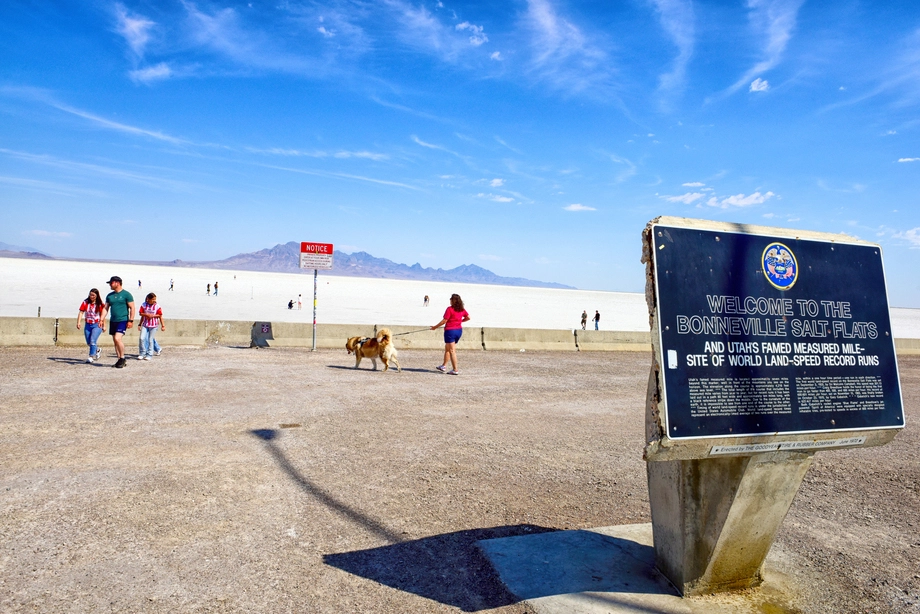
When we design itineraries to Bonneville Salt Flats and Antelope Island, we deliberately calculate drive time against time on site so the route feels full but remains realistic. We do not want guests to spend the whole day in the vehicle simply to say they covered more ground.
Our standard structure combines transfers, guide storytelling, and short guided walks. That structure leads us to prioritize comfort, clear timing, and fewer friction points, including confusing meeting locations, when we plan the day.
For a ski-based stay in Salt Lake City, our Utah Day Tours collection is a practical place to plan a non-ski day around natural destinations. The Antelope Island Tour from Salt Lake City and the Bonneville Salt Flats Tour from Salt Lake City are designed as organized outings with transportation, guided commentary, and a balanced route rather than a self-drive task added to a recovery day.
What should you confirm before booking a Utah ski transfer?
Confirm the route, timing, capacity, winter-readiness questions, and cancellation terms before paying. A short written checklist prevents the common mistake of comparing only the advertised base fare.
- Exact pickup point: Verify whether the pickup is at the airport terminal, a designated meeting area, downtown lodging, or another location.
- Flight policy: Ask how the operator handles delayed arrivals, missed scheduled departures, and early flights.
- Destination sequence: Confirm whether the journey is direct or includes other hotels and resorts.
- Passenger and gear count: State the number of adults, children, ski bags, snowboard bags, suitcases, and any child-seat needs.
- Vehicle and winter plan: Ask what vehicle category is expected and how the operator addresses winter canyon conditions.
- Total booking terms: Check fees, cancellation conditions, waiting-time rules, and whether gratuity is included or separate.
- Rest-day plan: Reserve at least one day without a driving obligation, particularly if several people in the group are skiing hard on consecutive days.
What is the practical final choice for a Utah family ski trip?
Choose the option that protects your group’s real constraints, not simply the lowest number displayed first. For many groups of four or more, a private transfer deserves a full quote comparison; for smaller, flexible parties, a shared shuttle can be a sensible way to control spending.
We recommend treating arrival transport, ski-day timing, and at least one non-ski day as parts of the same itinerary. That approach gives children, older relatives, and the designated planner fewer logistics to carry across the week.
For a no-driving break from the slopes, explore our Utah Day Tours and choose the Bonneville Salt Flats or Antelope Island experience that fits your Salt Lake City schedule.
Is a private Utah ski transfer always less expensive for a group?
No. It can become competitive when four or more people share one vehicle, but the result depends on the route, date, vehicle capacity, and current provider quotes.
Why can a shared shuttle take longer than expected?
It may depart only at scheduled times and can make additional passenger drop-offs. Airport waiting and loading time can also extend the total journey.
What ski equipment details should I provide when booking?
Give the operator the exact number of passengers, skis or snowboards, boot bags, suitcases, and child seats needed. This helps confirm that the assigned vehicle has usable capacity.
Do Utah canyon roads ever require chains or snow tires?
Yes. Severe winter conditions can trigger traction-device requirements on designated canyon roads, so travelers should check conditions close to the travel date.
Is a rental car the most flexible choice for a Utah ski trip?
It can provide schedule freedom, but someone in the group must be comfortable driving unfamiliar winter mountain roads and meeting traction requirements when they apply.
When is a shared shuttle a good fit for a family?
It can work when the flight lands near a scheduled departure, the family is traveling relatively light, and everyone is comfortable with possible intermediate stops.
What can we do on a Utah ski-trip rest day without driving?
A Salt Lake City-based guided day tour to Antelope Island or the Bonneville Salt Flats provides transportation, a planned route, commentary, and short walking opportunities.

Your was super thorough and guide was very helpful and informative throughout the tour
Read more →Our guide was very knowledgeable, friendly and helpful. We saw lots of interesting parts of Utah...
Read more →Exceptionally knowledgeable guide who knew his facts and figures and history. He did everything to make...
Read more →We really enjoyed our trip!! Our guide was awesome and he took lots of pictures of...
Read more → Antelope Island – Wild Heart of the Great Salt Lake Adventure
 Antelope Island Sunset Wildlife Expedition – Great Salt Lake Odyssey
 Bonneville Salt Flats – Sunset Adventure of the White Desert
 Bonneville Salt Flats – Journey to the Edge of the World