
Snowbasin snowmobile tours with a backcountry lunch explained in…
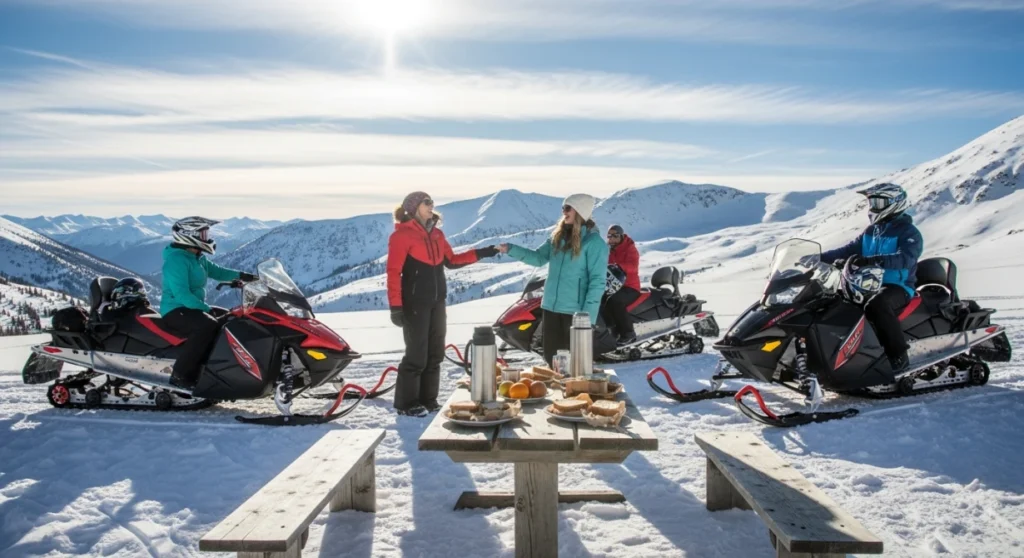
A guided Snowbasin-area snowmobile day with backcountry lunch suits active winter travelers who want quiet scenery, small-group pacing, and a structured, safe experience, provided you prepare clothing, timing, and expectations carefully.
Most winter visitors around Snowbasin make the same mistake. They plan every hour around lift tickets and overlook the quiet miles of untouched snow just beyond the resort boundary, where a slow backcountry lunch can be the highlight of the trip. If you are picturing a snowmobile day as “just riding machines around a field,” you will either book the wrong tour or bring the wrong expectations. It helps to understand how a full-service day works from first contact to the last mile back to the trailhead.
Once you see the service as a guided winter experience rather than a rental, it becomes much easier to decide if it fits your group, your schedule, and your budget. Let us walk through how a typical snowmobile tour and backcountry lunch near Snowbasin usually comes together, what you should expect from the operator, and what they will expect from you.
When this kind of Snowbasin snowmobile tour is the right fit
The first decision is not which provider to pick. It is whether a guided snowmobile and lunch adventure actually matches the way you like to travel in winter. A backcountry motorized day suits a different person than a pure resort skier or a sightseeing-only traveler.
Who gets the most value from a guided snowmobile and lunch day
- Active winter travelers: If you already enjoy skiing, snowboarding, or winter hiking and want one “wow” day off the lifts, a guided snowmobile outing adds variety without needing special skills.
- Mixed-ability groups: Families or groups of friends with different fitness levels often find snowmobiles more inclusive than a long backcountry ski tour.
- People short on time: Visitors with only a couple of days near Snowbasin can see quiet terrain, eat outside, and be back in time for an evening in the city.
- Logistics-averse travelers: If driving icy canyon roads, navigating forest roads, and planning winter food and safety gear sounds stressful, a guided option takes that off your plate.
By contrast, if you mainly want lift-served skiing with minimal extra logistics, a dedicated resort shuttle product such as the Utah Ski Resort Day Trips may be a closer match. That kind of service focuses on transport between Salt Lake City and ski areas, basic guidance on terrain and conditions, and a simple there-and-back schedule.
Snowmobiles vs resort days vs scenic road tours
It helps to compare a backcountry snowmobile lunch day to two other common winter experiences in Utah. One is a ski-resort-focused service. The other is a scenic road-based tour that visits viewpoints and short walks. The table below highlights the practical differences.
| Experience type | Main activity | Effort level | What you see | Typical group style |
|---|---|---|---|---|
| Guided snowmobile with backcountry lunch near Snowbasin | Riding snowmobiles, short walks, outdoor meal | Light to moderate, some upper body work | Forest roads, meadows, mountain views away from lifts | Small groups, often private or semi-private |
| Resort-focused winter day trip | Skiing or snowboarding a full day | Moderate to high, depending on terrain | Groomed runs, resort infrastructure, nearby peaks | Couples, families, friends on the same ability level |
| Scenic Southwest-style tour in Utah | Driving, short walks to overlooks | Low, mainly walking and standing | Canyons, rock formations, viewpoints and historic areas | Small groups with a guide handling commentary |
If your priority is deep snow, quiet spaces, and time to linger over a meal outdoors, the first column is your lane. If you want to maximize lift-served runs, stay with the second. If you mainly want viewpoints and stories with light walking, you are closer to the third style, similar in spirit to southwest tours utah that focus on scenery and short walks rather than high exertion.
Signals that this experience is not the best option
- Very limited mobility: Guests who cannot stand or walk short distances on snow may find mounting and dismounting machines challenging.
- Desire for completely unstructured time: A guided backcountry day follows a schedule with safety briefings and group pacing, not a do-anything-anytime format.
- Expectation of resort-style services: If you want indoor dining, restrooms at every stop, and shops, you will be happier on a resort or city tour day.
Process stages and responsibilities
A high-quality guided snowmobile experience is built on clear roles. The operator manages safety, route choice, and timing. You bring honest information about your group, follow guidance, and come prepared with the right clothing and mindset.
Stage 1: Initial inquiry and fit check
This is where you and the provider decide if the trip matches your skills and expectations. A good operator will ask more than “what day.” They will ask how comfortable you are with winter conditions, whether you have driven similar machines, and who is in your group.
- Guide responsibilities: Explain the general route style, snow conditions, and realistic pace. Clarify minimum age, physical demands, and what is and is not included in the price.
- Guest responsibilities: Share accurate information about ages, prior experience, and any concerns such as fear of speed or medical issues. Ask about weather backup plans and cancellation policies.
Stage 2: Booking and confirmation
Once the fit is clear, you lock in the date, group size, and any special needs such as dietary limits for the backcountry meal. Expect a detailed confirmation.
- Guide responsibilities: Provide meeting point, start and end times, what to wear, and what gear they supply. Explain lunch format, from hot drinks to seating arrangements.
- Guest responsibilities: Review the confirmation carefully. Double-check timing with your other plans such as resort days or city walks. Confirm that everyone in your group understands the schedule.
Stage 3: Pre-trip briefing on the day
At the trailhead or meeting location you will go through a structured safety talk and basic machine orientation. This is where many problems are either prevented or created.
- Guide responsibilities: Demonstrate throttle and brake use, safe following distance, hand signals, and what to do if a machine gets stuck. Outline the day’s route in plain terms.
- Guest responsibilities: Listen actively, ask questions, and be honest if anything feels unclear. Adjust your clothing layers before setting off, since it is harder to do so once you are on the trail.
Stage 4: Riding to the lunch location
The morning ride sets the tone. Expect the guide to start on easier terrain so everyone can get comfortable. Speeds typically increase only as the group shows control and confidence.
- Guide responsibilities: Monitor each rider’s comfort, adjust the pace, and choose stop points for photos and warm-up. Keep the group together and avoid terrain above the weakest rider’s level.
- Guest responsibilities: Maintain spacing, follow tracks, and signal if you feel cold or overwhelmed. Stay patient if the guide pauses often at first. Those checks are part of safe backcountry travel.
Stage 5: Setting up and enjoying the backcountry lunch
The lunch stop is more than a quick snack. Done well, it becomes a relaxed midpoint of the day and a way to actually be in the landscape rather than just passing through it.
- Guide responsibilities: Choose a sheltered, scenic spot. Arrange seating or standing space, manage food hygiene, and keep an eye on time and changing weather.
- Guest responsibilities: Communicate any food restrictions ahead of time, pack personal items like medications, and follow Leave No Trace style behavior to keep the area clean.
Stage 6: Return ride and wrap-up
The return leg usually feels smoother as people relax into the machines and the rhythm of the terrain. The guide decides whether to extend or shorten the route based on energy levels and daylight.
- Guide responsibilities: Keep enough time buffer to deal with stuck machines or slower travel. Provide a short debrief back at the vehicles and make sure everyone has their belongings.
- Guest responsibilities: Report any minor issues or questions at the end rather than waiting until you are back at your hotel. This helps the operator refine future trips.
Thoughtful winter operators build in extra time and conservative pacing at the start of a day. This reduces incidents and gives guests the confidence to enjoy the scenery instead of worrying about every move.
You found a hidden promo code!
Use code WOWBLOG at checkout and get 10% OFF any tour!
Limited time offer. Book now and save!
Browse ToursTimeline and expected deliverables
Most full snowmobile and backcountry lunch days around Snowbasin follow a rhythm similar to other guided winter activities. You can use this as a reference when comparing offers.
Typical full-day flow
- Early morning: Drive or shuttle from your lodging to the meeting point. This might be a central pick-up location in the city or a parking area near the canyon.
- Late morning: Safety briefing, gear check, and initial practice riding on gentle terrain.
- Midday: Main ride out to the chosen viewpoint or open area. Photo stops and short breaks along the way.
- Early afternoon: Backcountry lunch with hot drinks, time to walk around, and space to take in the views.
- Later afternoon: Return ride to the trailhead and transfer back to town, often early enough for an evening activity or dinner reservation.
What you should expect as clear deliverables
When you compare providers, look beyond marketing phrases and identify concrete outputs. These make it easier to decide what you are paying for and to avoid misunderstandings.
- Defined duration: A start and end time window, with realistic driving or transfer time included.
- Transport plan: Clear information on whether you meet at the trailhead or have round-trip transport from a city such as Salt Lake City.
- Meal description: Basic menu style, whether hot food is included, and how they handle dietary restrictions.
- Group size limit: Maximum number of guests per guide, which affects how personal the experience feels and how flexible the route can be.
- Included gear list: Confirmation of what the operator supplies, such as helmets or outerwear, and what you must bring yourself.
Quality control and acceptance criteria
A snowmobile day takes you into winter backcountry, so quality is not just comfort. It is safety and decision-making. You can gauge quality before you book by asking the right questions and watching for precise, confident answers.
Safety and professionalism signals
- Structured briefing: Look for a step-by-step explanation of machine controls, group signals, and what happens if something goes wrong. Vague reassurances are not enough.
- Route flexibility: Good operators describe options for shortening, extending, or modifying the route based on weather and group energy.
- Clear group limits: They state a maximum group size and how many guides support that group, similar to how small-city walking tours use smaller groups so guests can ask questions.
Acceptance criteria for a successful day
Before your tour, define what “success” looks like for you. That way you can evaluate the trip fairly and give useful feedback.
- Safety outcomes: No injuries or major incidents, plus a feeling that risks were managed thoughtfully instead of pushed to the edge.
- Experience balance: Enough time riding, resting, and eating so you do not feel rushed through the lunch stop or stuck riding in circles.
- Scenery and atmosphere: At least one unhurried stop in a quiet area with views beyond the resort, not just a quick snack in a parking lot.
- Communication: Questions answered promptly before the trip, and a guide who explains what is happening during the day rather than simply leading from the front.
Client preparation checklist
Your preparation matters as much as the guide’s planning. With the right gear and expectations, even a cold day can feel comfortable and fun instead of exhausting.
Clothing and personal gear
- Layered clothing: Base layers that wick moisture, a warm mid-layer, and a waterproof outer layer. Avoid cotton, which stays wet and makes you cold.
- Hands, feet, head: Insulated gloves or mittens, warm socks, and a hat or thin beanie that fits under a helmet. Cold extremities end days early.
- Sun and eye protection: Sunglasses or goggles and sunscreen. Snow reflects sun strongly even on cloudy days.
- Small personal items: Lip balm, any medications you need, and a phone in a pocket close to your body so the battery lasts longer in the cold.
Administrative prep
- Health and dietary info: Share allergies, medical conditions, and food preferences in writing before the day of the tour.
- Time planning: Leave room on both sides of the tour so traffic or weather delays do not cause you to miss flights or evening events.
- Group briefing: Make sure everyone in your party knows start time, meeting place, and clothing expectations. One unprepared person can slow the whole group.
Practical tips to choose and enjoy your backcountry snowmobile lunch day
Beyond the formal process, small decisions will make or break the feel of your day. Use these targeted tips to refine your plan.
- Ask about walking distance at lunch: If someone in your group has limited mobility, confirm whether the lunch spot involves a short walk from the machines or is right beside them.
- Match the day to your trip arc: Schedule your snowmobile outing after at least one easier day in Utah so you are rested and used to the altitude and cold.
- Clarify photo opportunities: Ask guides when they plan to stop for photos so you are not tempted to pull out a phone while moving.
- Check backup weather thinking: Rather than asking if they “go out in bad weather,” ask how they adjust routes or timing when conditions change.
- Plan for simple post-tour food: You may be hungrier than usual. Consider easy dinner options or a relaxed evening in the city afterward.

Example scenarios: how a Snowbasin backcountry day fits into a Utah trip
It is easier to understand value when you see how a snowmobile and backcountry lunch fits into a larger itinerary that may also include skiing or light sightseeing.
Scenario 1: Short winter visit with one resort day
Imagine a long weekend where you arrive in Salt Lake City on Friday. Saturday you join a resort-focused service that handles your transport, basic orientation to the ski area, and return to the city. Sunday you head out toward the Snowbasin region for a guided snowmobile day with a backcountry meal, using the same style of central pickup and small-group format you are already used to. Monday you fly home, having seen both resort slopes and quieter backcountry terrain without ever needing to drive the winter canyons yourself.
Scenario 2: Non-skiing partner in a ski-focused group
Consider a couple where one person skis hard and the other does not. Instead of spending the whole trip separated, they plan a shared snowmobile day, where both can enjoy scenery and an outdoor lunch together. The skier still gets their dedicated resort time on another day, supported by a shuttle-style service. The non-skier benefits from the guide’s context and stories in both settings, much as guests do on thoughtfully run city walking tours that mix history with hidden viewpoints.
Pros and cons compared to other winter options
Every winter activity involves tradeoffs. Comparing them plainly helps you pick the right mix for your visit.
Advantages of a guided snowmobile and backcountry lunch experience
- Access to quiet terrain: You reach winter landscapes that would take many hours to access on foot or skis.
- Shared experience across abilities: Different fitness and skill levels can still enjoy the day together.
- Built-in highlight moment: The lunch stop naturally becomes a memory anchor for the trip.
Limitations and tradeoffs
- Less pure riding time than a rental: Safety briefings, photo stops, and lunch reduce the total hours spent moving.
- Weather dependence: Wind, heavy snow, or low visibility may shorten routes or affect views.
- Structured schedule: You trade some spontaneity for safety and group coordination.
For many visitors who are already considering utah ski tours or scenic small-group outings, a guided snowmobile and lunch day serves as a complementary rather than competing option. It adds a different type of winter memory to the same trip.
Common planning mistakes to avoid
Even well-organized travelers sometimes misjudge winter backcountry days. Avoid these frequent errors to get the most from your outing.
- Underestimating the cold: Guests often assume moving on a machine means they will be warm. The wind can be intense. Better to be able to remove a layer than wish you had one.
- Overloading the schedule: Planning a late-night activity directly after a full snowmobile day can leave everyone exhausted. Build in downtime.
- Ignoring group dynamics: Booking for a wide age range without discussing this with the operator can lead to frustration if kids or older adults need more breaks.
- Last-minute gear checks: Realizing at the trailhead that someone has thin fashion gloves instead of insulated ones can sour the day. Check gear the night before.
Conclusion
A well-run Snowbasin-area snowmobile day with a backcountry lunch is not just about speed or machines. It is a guided winter experience that blends movement, scenery, and shared time around food in a quiet setting. When you understand the stages of the service, your role, and the operator’s responsibilities, it becomes much easier to choose the right provider and show up prepared. Plan your clothing, timing, and expectations carefully and you give your guide room to focus on safety and atmosphere rather than avoidable problems. For travelers already trusting MateiTravel with Utah logistics on other days, adding a guided backcountry winter experience can round out a short trip with one standout memory.
Reach out to the MateiTravel team when you are ready to fit a guided snowmobile and backcountry lunch day into your Utah itinerary.
How long does a typical Snowbasin-area snowmobile and lunch day last?
Most guided days fill the late morning and afternoon, with time for transport, safety briefings, riding, and an unhurried backcountry meal.
Can beginners safely join a guided snowmobile tour with a backcountry meal?
Yes, as long as you are comfortable in winter conditions and listen carefully to the safety briefing. Guides usually start on easy terrain and adjust pace to the group.
What should I wear for a winter snowmobile day that includes lunch outside?
Use moisture-wicking base layers, a warm mid-layer, and waterproof outerwear, plus insulated gloves, warm socks, and eye protection.
How is a guided snowmobile day different from a resort shuttle-style ski trip?
A snowmobile day focuses on time in backcountry terrain, small-group pacing, and an outdoor lunch, while a ski shuttle service mainly handles transport and basic resort guidance.
Will we have much time off the machines during the tour?
Yes, quality experiences build in photo stops, short breaks, and a relaxed lunch so you can enjoy the landscape, not just the riding.
How many people are usually in a snowmobile and backcountry lunch group?
Group sizes are typically kept small so guides can monitor safety, answer questions, and adapt the pace to each rider.
Is a backcountry snowmobile lunch suitable for families with kids and older adults?
It can be, provided you discuss ages, fitness levels, and mobility with the operator in advance so they can choose appropriate routes and pacing.
How far in advance should I book a Snowbasin-area snowmobile and lunch experience?
Booking early is wise, especially if you have fixed travel dates or specific dietary needs for the backcountry meal.
 How to Plan a Day Tour Around Your Salt Lake City Flight
 Antelope Island Sunset Tours: How Wildlife Viewing Really Works
 Antelope Island Day Tours: How to Plan a Low-Stress Visit
 Bonneville Salt Flats Sunset Tours: What the Experience Includes
 Bonneville Salt Flats Tours: Plan a Comfortable First Visit
 How to Plan a Utah Day Tour During a Short Salt Lake City Stay

Very happy with the whole experience, Dmitro was an excellent tour guide, very knowledgeable about area...
Read more →Matei Travel was the vendor for the trip. Don\'t use them. The tour was not as...
Read more →I would highly recommend touring with Dima! He was so knowledgeable and personable, and very open...
Read more →Experience was fabulous!!! We saw spectacular views of the flats, bison and prong horn. Mateo travel...
Read more → Antelope Island – Wild Heart of the Great Salt Lake Adventure
 Antelope Island Sunset Wildlife Expedition – Great Salt Lake Odyssey
 Bonneville Salt Flats – Sunset Adventure of the White Desert
 Bonneville Salt Flats – Journey to the Edge of the World