
Overnight Canyonlands Astro Workshops: What a Telescope Loan Really Saves
May 1, 2026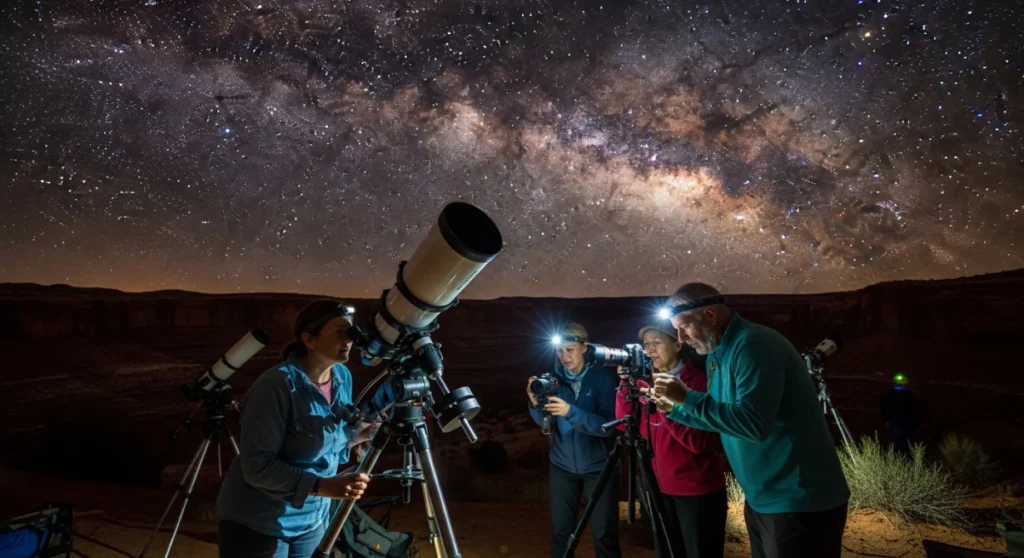
A telescope loan on an overnight Canyonlands astro workshop usually saves more time, packing hassle, and beginner mistakes than purchase cost. It is best for travelers who want a guided, low-friction night without hauling their own optics.
People burn hours trying to solve the wrong problem before a night-sky trip. They compare telescope prices, read gear forums, and still arrive at camp without a workable setup, a plan for dark adaptation, or any idea how to share limited observing time. That mistake matters more now because short Utah itineraries often stack several parks together, leaving very little room for trial and error after sunset.
If you are considering an overnight stargazing and astrophotography workshop near Canyonlands with telescope loan, the real savings are usually setup time, packing weight, learning friction, and avoidable disappointment. A loaner scope helps most when you want guided observing without buying, transporting, and troubleshooting equipment you may only use a few times. It helps less when your main goal is long, highly customized imaging with a personal rig you already know well.
When a telescope-loan workshop is the right fit
A telescope loan makes sense when your bottleneck is execution, not access to online information. You are paying to remove friction between arriving in canyon country and actually using the night sky well.
The best fit is the traveler who wants a working observation session, a guided learning flow, and a manageable overnight load. It is also a strong choice for visitors combining astronomy with broader Utah sightseeing, where daylight hours are already full of viewpoints, scenic drives, and short walks.
| Traveler situation | Loaned telescope fit | Why it helps |
|---|---|---|
| First overnight sky workshop | High | Reduces setup mistakes and lets you focus on targets, basic handling, and camera workflow. |
| Flying into Utah or keeping luggage light | High | Avoids transporting fragile equipment and extra cases. |
| Road-tripping multiple parks in a few days | High | Keeps the itinerary simple when daylight logistics already take attention. |
| Experienced observer with a tuned personal system | Medium to low | You may prefer your own mount, alignment habits, and camera spacing. |
| Pure landscape shooter who wants only tripod-and-sky frames | Medium | A scope can still teach the sky, but it may not be the main value driver. |
- Best use case: You want guided observation plus beginner-friendly imaging support in one overnight session.
- Borderline case: You already own equipment but do not want to haul it through a multi-stop Utah trip.
- Poor fit: You expect a telescope loan to replace all personal practice, battery planning, and nighttime comfort prep.
Borrowed equipment saves the most when it removes the hardest part of the night: getting from arrival to a stable, usable session before fatigue and cold start making decisions for you.
Common field planning principle
What the telescope loan actually saves
The biggest gain is usually not the retail cost of a scope. It is the stack of smaller losses you avoid, each of which can ruin a short overnight window.
Time saved on setup and troubleshooting
For most visitors, the first hour after sunset is where momentum is won or lost. A loaner setup, prepared within the workshop flow, can save the repeated cycle of unpacking, missing adapters, uncertain balancing, and figuring out what to point at first.
Space and transport saved on a Utah itinerary
Utah park trips often involve frequent moves, scenic stops, and light-to-moderate walking. Not carrying a bulky optical kit matters more when the rest of the trip already includes layered clothing, food, water, and camera gear.
Money saved by avoiding a bad first purchase
Buying before you know your preferred style is expensive in a different way. A guided night lets you test whether you enjoy visual observing, sky learning, or image capture enough to justify future ownership.
Attention saved for the sky itself
Many guests underestimate cognitive overload after a long day of travel and viewpoints. A workshop with clear handling guidance frees up attention for target selection, exposure choices, and simply staying present under dark skies.
- Saves hard costs: You may avoid buying gear you later learn is wrong for your habits.
- Saves soft costs: Less mental clutter means better decisions during the narrow dark window.
- Saves trip quality: You keep the overnight session from becoming a tiring gear experiment.
You found a hidden promo code!
Use code WOWBLOG at checkout and get 10% OFF any tour!
Limited time offer. Book now and save!
Browse ToursProcess stages and who is responsible for each one
The most useful workshop setup is one where ownership is obvious. Guests should know what the provider handles, what they must bring, and what cannot be solved once darkness falls.
- Pre-booking fit check: The provider clarifies walking level, overnight format, and whether telescope loan matches your goals. The guest states honestly whether the priority is visual sky learning, camera practice, or a general dark-sky experience.
- Itinerary coordination: The provider aligns the night session with the broader travel day. The guest confirms arrival timing, rest needs, and any conflicting plans that could cause late setup or fatigue.
- Equipment allocation: The provider prepares the loaned observing gear and basic usage flow. The guest brings personal essentials such as layered clothing, any camera kit they intend to use, power, and storage media.
- On-site orientation: The provider sets handling expectations, viewing sequence, and safety boundaries in darkness. The guest follows red-light discipline, protects night vision, and avoids changing equipment procedures without asking.
- Active session: The provider guides target order and instruction. The guest manages patience, battery use, warm-up breaks, and realistic expectations about what can be seen or captured in one night.
- Wrap-up and handoff: The provider confirms equipment return and session completion. The guest checks personal items before departure and notes any lessons for future independent use.
| Stage | Provider responsibility | Guest responsibility | Deliverable |
|---|---|---|---|
| Fit check | Explain format, pace, and likely value of a loaned scope | Share goals and experience level | Clear go or no-go decision |
| Night planning | Coordinate session flow with travel context | Protect arrival time and rest window | Workable evening schedule |
| Gear readiness | Prepare loaned observing setup | Bring personal layers, camera items, and power | Usable field kit |
| Instruction | Guide handling and observing sequence | Follow instructions and preserve night vision | Safe, efficient session |
| Closeout | Confirm return and completion | Pack out personal items | Orderly end to the overnight program |
Timeline and expected deliverables
An overnight session works best when expectations are tied to time blocks, not vague promises. You should be able to identify what a successful evening looks like before the first star comes out.
Because broader Utah touring often includes full days of scenic drives, overlooks, and short hikes, the night program has to respect energy limits. If the day already involved a lot of movement, a narrower observing plan is usually better than trying to cram in every technique.
- Before arrival: You should receive practical expectations about walking, duration, and what is included in the experience.
- At the start of the night: You should get a clear orientation on handling, sequence, and how the telescope loan will be used.
- During the session: You should have a structured order of activities instead of random target hopping.
- By the end: You should leave with a better understanding of whether you want future rentals, ownership, or simple sky tours without optics.
Expected deliverables should be concrete. For a beginner, that usually means a completed observing session, guided use of the loaned setup, and a realistic sense of what nighttime photography around canyon landscapes can and cannot produce in one outing.
Quality control and acceptance criteria
A good workshop should be judged by usability, clarity, and fit to goals. Do not evaluate it only by whether you came home with a perfect image.
Acceptance criteria are simple. You should know what the night is trying to accomplish, be able to use the loaned gear with guidance, and finish without confusion about what was successful and what was limited by time, fatigue, or conditions.
- Clear instructions: You understand the order of the session and how to interact with the equipment safely.
- Functional loaned setup: The telescope is ready for purposeful use, not handed over as a puzzle.
- Reasonable pacing: The night includes time to observe, ask questions, and adapt to darkness.
- Outcome clarity: You leave knowing whether your next step should be another workshop, a rental-style experience, or eventual gear ownership.
Red flags are just as useful. Be cautious if the format leaves no time for orientation, if responsibilities are vague, or if you are expected to produce advanced results despite being new to nighttime fieldwork.
Client preparation checklist that actually changes the result
The easiest way to waste a telescope loan is to treat it as complete trip preparation. It is not. You still need to arrive physically ready, mentally alert, and realistic about overnight conditions.
- Protect the afternoon before the session: Do not overload it with extra stops if you want a useful night. Fatigue is one of the biggest hidden costs in astronomy outings.
- Pack for stationary cold, not daytime sightseeing: Standing under dark skies feels colder than walking to overlooks.
- Simplify your camera plan: Bring only the accessories you truly know how to use. A lean kit performs better than a bag full of guesses.
- Charge everything early: Night sessions punish weak batteries and half-finished prep.
- Set one success goal: Choose either sky learning, visual observing, or a small number of photos. One clear target beats scattered effort.
If your Utah travel plan also includes other parks, give yourself margin before the overnight session. Travelers coming from long days often do better with guided logistics in the daytime too, which is one reason some visitors pair astronomy nights with structured Utah National Parks tours instead of trying to self-manage every move.

Two realistic booking scenarios
These examples show where the value appears in practice. The point is not perfection. It is matching the format to the traveler.
Scenario 1: Short Utah trip with packed daylight plans
A couple arrives with only a few days and wants scenic overlooks, photos, and one dark-sky night. They skip buying equipment, use the loaned telescope for a guided session, and keep baggage lighter for the rest of the trip. Their best outcome is not ownership knowledge. It is getting a successful night without sacrificing the rest of the itinerary.
Scenario 2: Photographer testing whether deeper astro work is worth it
A traveler already knows landscape basics but has never used a telescope in the field. The overnight format reveals that they enjoy guided target finding but do not yet want the burden of purchasing and transporting a full optical setup. The workshop saves them from making a rushed gear decision after one inspiring night.
Common mistakes that erase the value of the loan
Most disappointments come from mismatch, not bad intentions. People overestimate what one overnight session can do and underestimate how much energy and coordination it still requires.
- Booking the wrong format: A telescope loan will not turn a casual sightseeing evening into an advanced imaging session.
- Assuming all gear needs are covered: Personal clothing, power, and camera readiness still matter.
- Overpacking accessories: Too many unfamiliar items slow down the night.
- Ignoring travel fatigue: A full day of viewpoints plus a late session can flatten concentration.
- Treating guidance as optional: The value comes from using the structure, not fighting it.
How this fits with broader Utah travel planning
Many visitors do not come to southeastern Utah for astronomy alone. They are trying to combine canyon views, short walks, scenic roads, and maybe other parks in a limited window, which is why planning the overnight piece as part of the whole trip matters so much.
If you are also comparing canyonlands tours from moab, the practical question is not which format sounds more adventurous on paper. It is whether you want a night-centered learning experience with shared equipment support or a daytime sightseeing structure that preserves your energy for a separate dark-sky activity. The same logic applies if you are browsing the best tours of utah national parks or even a multi-day guided photography expedition visiting Zion. The tighter the itinerary, the more valuable role clarity and reduced gear burden become.
MateiTravel is most relevant here as context for travelers who want guided Utah logistics during the day rather than managing every transfer, stop, and overlook on their own. That kind of structure can make it much easier to arrive at an overnight astronomy session rested enough to enjoy the sky.
A telescope loan saves the most when it removes setup friction, transport hassle, and bad first-buy decisions from a short Canyonlands-area night-sky trip. The right workshop has clear ownership, realistic deliverables, and a guest who arrives prepared for cold, fatigue, and a focused learning goal. If you judge the experience by usability instead of fantasy results, it becomes much easier to pick the right format. If you want your Utah trip to run more smoothly before the night session, review guided options with MateiTravel.
Does a telescope loan mainly save money?
Usually it saves time, packing space, and troubleshooting stress more than outright cash. It also lowers the chance of buying equipment before you know your real interests.
Who benefits most from an overnight astro workshop with borrowed gear?
First-time participants, fly-in travelers, and people combining dark-sky plans with a busy Utah itinerary tend to get the most value. Experienced observers with a dialed-in personal setup may need it less.
What should count as a successful overnight session?
A good result is a usable guided observing experience, clear instruction, and a realistic sense of your next step. A perfect portfolio image is not the only benchmark.
Can I rely on the telescope loan and skip personal preparation?
No. You still need warm layers, charged batteries, and a simple plan for any camera equipment you bring.
How do I know if the workshop format is a poor fit for me?
If you expect advanced custom imaging or want to use a fully personalized system, a shared guided format may feel limiting. It also works poorly if your day is already so full that you arrive exhausted.
Why does role clarity matter so much at night?
Darkness, fatigue, and cold make vague instructions expensive. Clear provider and guest responsibilities keep the session efficient and safer to manage.
Can a daytime guided itinerary help the overnight astronomy part?
Yes, if it reduces driving stress and preserves energy for the night. The better your daytime logistics, the more attention you can give to the sky after sunset.

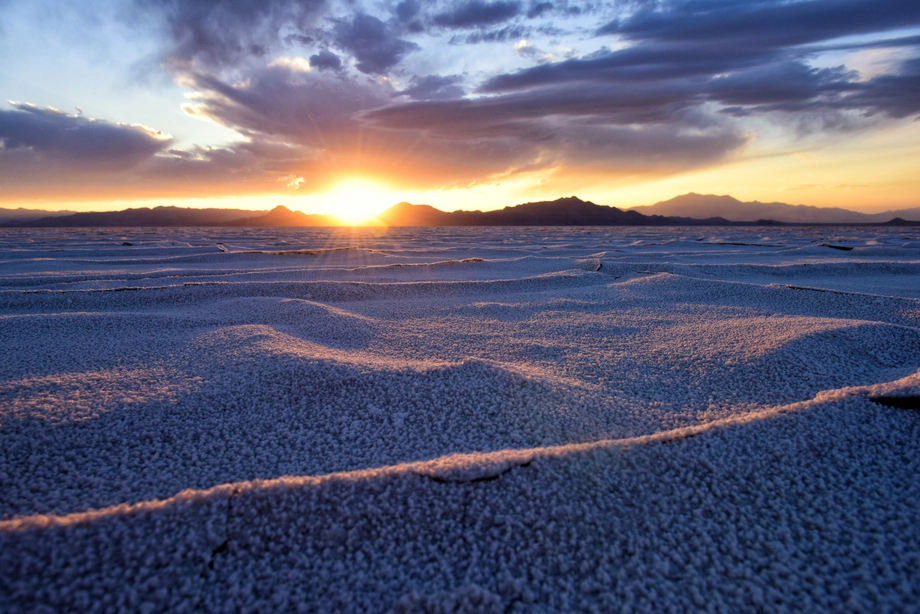 Bonneville Salt Flats – Sunset Adventure of the White Desert
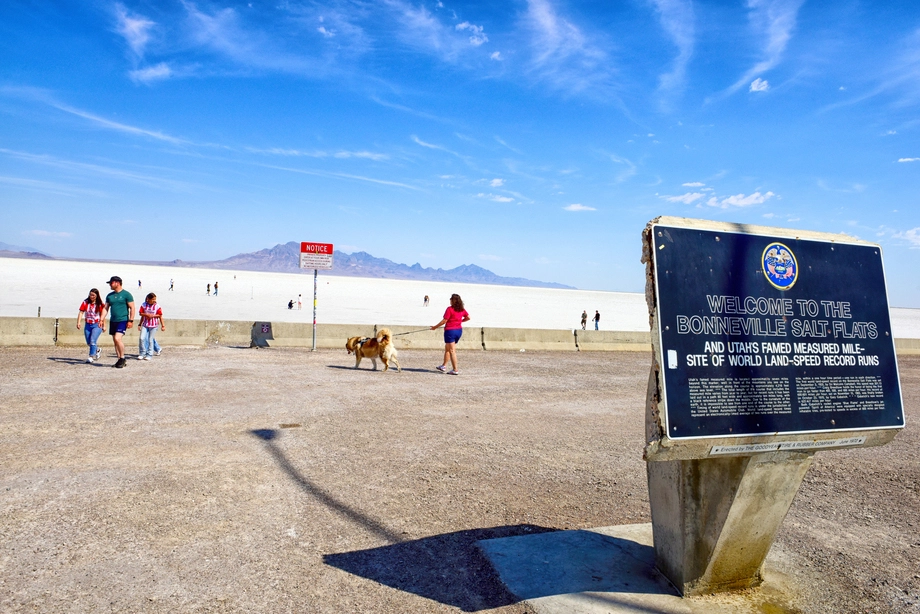 Bonneville Salt Flats – Journey to the Edge of the World
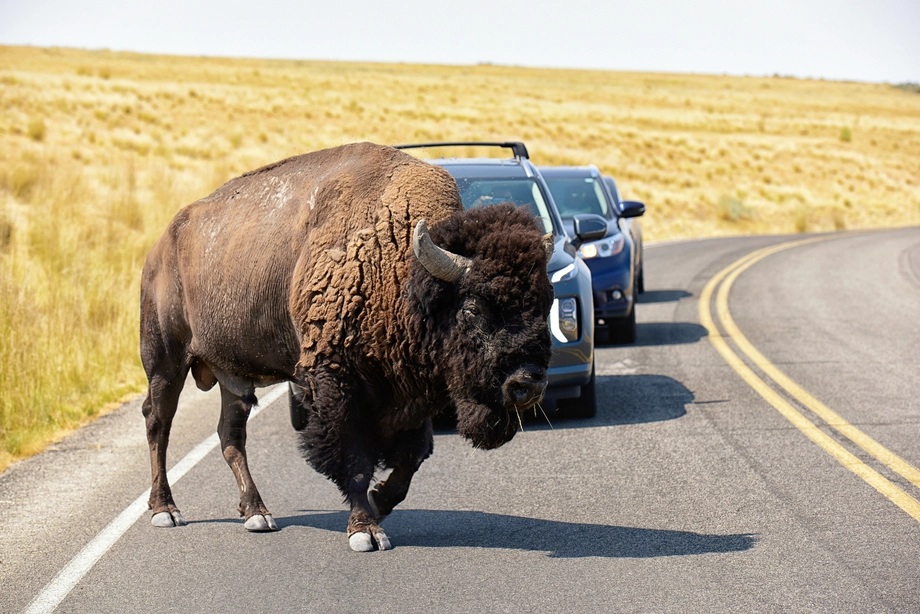 Antelope Island – Wild Heart of the Great Salt Lake Adventure
 Antelope Island Sunset Wildlife Expedition – Great Salt Lake Odyssey
 Salt Lake City – The City of Zion. Historical Interactive Walking Tour