
How a senior discount guided bus tour to Bryce Canyon with short…
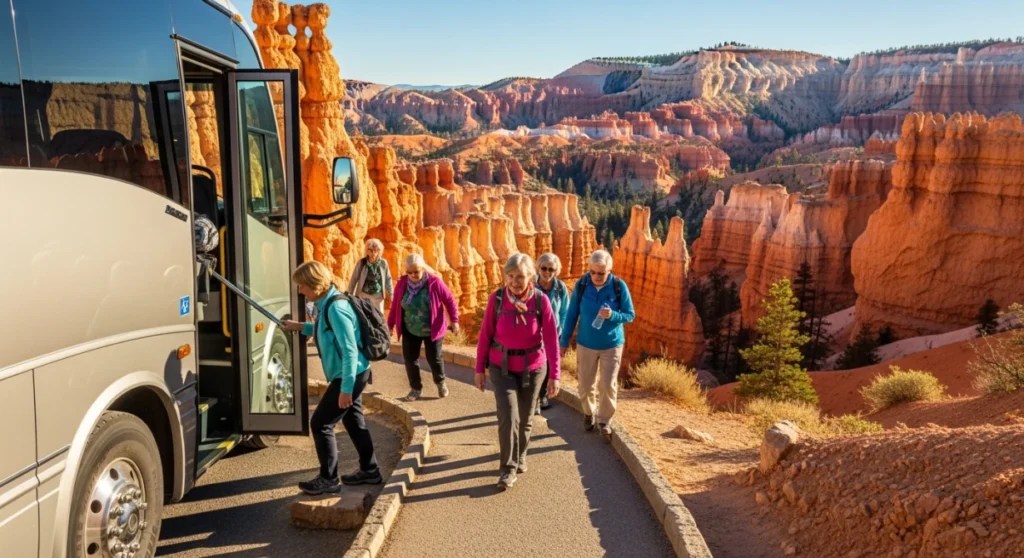
Senior-focused Bryce Canyon bus and shuttle days pair short walks with big views. Use the Senior Pass, confirm walking distances and access, and prepare layers and footwear for a comfortable, low-strain visit.
Many travelers over 60 put off Bryce Canyon because they picture long, steep trails and complex driving in an unfamiliar national park. At the same time, they do not want to miss the hoodoos, sunrise colors, and stories that bring the landscape to life. The good news is that short-walk, shuttle-based experiences with senior pricing can turn Bryce into a comfortable, highly structured day instead of a tiring test of endurance.
Once you understand how the shuttles, guided stops, and senior pass discounts fit together, it becomes much easier to decide whether a bus-based visit is right for you and how to prepare so you enjoy the viewpoints instead of worrying about logistics.
When a Bryce Canyon bus-and-walk experience is the right fit
Short-walk tours work best for seniors who want rich scenery and stories without long hikes. Expect several overlooks, a few optional strolls of a few hundred yards, and time for photos, not backcountry trekking. If you already know that uneven dirt paths or long stair sections are a problem, you can still join but should plan to enjoy the views nearest the bus drop-off.
This format is ideal if you are nervous about driving in a high-elevation park or finding parking near crowded overlooks. A guided vehicle or shuttle schedule removes the stress of wayfinding and timing. It also fits couples or friends with mixed fitness levels, because each person can decide at every stop whether to walk farther or stay close to the vehicle.
Travelers coming for only a few days to Utah and combining Bryce with Zion or Arches often choose structured transport so they do not lose hours on research. Many small group tours Utah national parks style experiences emphasize time at key viewpoints and simple, clear walking options instead of complex trail networks.
Key signals this format matches your needs
- Walking comfort: You are comfortable walking up to roughly a mile total on mostly level or gently sloping ground with breaks.
- Mobility aids: You use a cane, walking sticks, or a wheelchair and want vehicle access close to overlooks, with ramps or lifts on board.
- Planning style: You prefer a set schedule with someone else tracking shuttle times, restroom stops, and distances.
- Interest level: You want ranger-style commentary or guide stories about geology and history rather than just driving yourself in silence.
How process stages and responsibilities usually work
Even if you join one of the best tours of Utah national parks, the day succeeds only when both the operator and guests are clear about who handles what. For Bryce-style experiences with short walks, think of the day in four stages: access, orientation, scenic loop, and return.
Stage 1. Access to the park and senior discounts
Seniors aged 62 and older can buy an America the Beautiful Senior Pass, which gives discounted or free entry to Bryce Canyon National Park and other federal sites. This pass is personal and belongs to you, not the tour company. If you already have it, bring it with a matching ID to avoid paying extra at the entrance.
- Your role: Decide whether to obtain the Senior Pass in advance, carry it, and keep your ID handy during check-in.
- Operator’s role: Clarify during booking whether park entry is included, discounted via your pass, or paid separately at the gate.
- Shared responsibility: Allow extra time at the entrance station so staff can verify passes without rushing the group.
Stage 2. Orientation and safety briefing
Before the first overlook, expect a short orientation from your guide or the driver. This should cover walking distances at each stop, restroom locations, altitude effects, and what to do if you feel unwell or want to skip a walk. Seniors appreciate specifics instead of vague reassurance.
Your part is to speak up about limits, such as recent surgery, fear of heights, or sensitivity to heat or cold. Clear communication at the start helps the guide suggest which stops suit you best and when you might relax on the bus instead of pushing yourself.
Stage 3. Scenic loop with short walks
The Bryce Canyon Shuttle runs seasonally and links major viewpoints and trailheads. Guided experiences often mirror this pattern, stopping at 4 to 6 overlooks where you can choose to take a short walk or enjoy the view from near the vehicle. One example is the Daily Scenic Tour inside the park, a three-hour outing with short walks up to about a mile total.
At each stop, responsibilities stay clear. The guide sets a meeting time and points out the easiest surfaces and railings. You decide how far to explore and must watch your own time so the group does not wait for you. If you are unsure, err on the side of a shorter stroll, especially at the first stop while you gauge how your body responds to elevation.
Stage 4. Return and wrap-up
On the return leg, the driver focuses on safe transport while the guide may share additional history, answer questions, or recap what you have seen. Your role is mostly to rest, hydrate, and note any points you might want to revisit on a future trip.
If you experienced any discomfort, such as shortness of breath or balance issues at certain viewpoints, mention it. This feedback helps refine walk lengths and stop choices for future senior-friendly departures.
You found a hidden promo code!
Use code WOWBLOG at checkout and get 10% OFF any tour!
Limited time offer. Book now and save!
Browse ToursTimeline and expected deliverables for a typical Bryce day
For seniors, “how long will I be on my feet” matters as much as “how long is the tour.” Below is a sample structure for a day that blends driving with short walks without pushing stamina too far.
| Stage | Approx. duration | What you actually get |
|---|---|---|
| Travel and park entry | 1–2 hours (depending on starting point) | Comfortable seat, restroom stop, explanation of the day, pass verification. |
| Orientation stop | 20–30 minutes | First views, safety briefing, test walk from bus to overlook and back. |
| Scenic loop with 3–5 stops | 2–3 hours | Multiple overlooks, photo time, optional short walks adding up to about 0.5–1 mile total. |
| Breaks and lunch window | 45–60 minutes | Time off your feet, restroom access, food and water break. |
| Return drive | 1–2 hours | Relaxed ride back, guide Q&A, quiet time. |
If you are combining Bryce with other Utah national parks tours from Salt Lake City over several days, expect similar daily patterns. Most operators favor early starts, midday scenic loops, and late afternoon returns so seniors can have evenings at leisure instead of finishing exhausted.
What a senior guest should be able to count on
- Clear timing: Departure and return windows that leave room for a simple breakfast and early dinner, not middle-of-the-night schedules.
- Realistic walking estimates: Written descriptions of total walking distance and terrain type, not vague promises of “easy strolls.”
- Seat time vs. standing time: A balance that keeps you sitting more than standing, especially at altitude.
Quality control and acceptance criteria for senior-friendly Bryce experiences
Many seniors judge a tour not just by scenery but by how their bodies feel afterward. You can think of your own acceptance criteria, just as operators should have standards for senior comfort and safety.
Operator-side quality checkpoints
- Accessible vehicles: Shuttle buses with powered wheelchair lifts and space for two wheelchairs, as provided by the Bryce system, or at least vehicles that minimize steps and offer sturdy handholds.
- Stop selection: Overlooks chosen for short, mostly paved connectors from the parking area and secure viewing railings.
- Briefing quality: Guides explain altitude, weather swings, and walking distances clearly before each stop.
National park shuttle buses that include lifts and wheelchair spaces significantly widen access for seniors with mobility challenges, especially when stop distances are kept short and well described.
Your personal acceptance criteria
Before you book, define what a “good day” looks like. This makes it easier to pick the right operator and give honest feedback. Consider these example standards:
- Energy level: You still have enough energy for dinner and a short walk near your hotel, not just bed immediately.
- Pain and strain: No new joint pain or worsening of existing issues in the 24 hours after the tour.
- Confidence: You understood every walking option offered and never felt pressured to go farther than you wanted.
- Memories vs. stress: When you think back, you remember views and stories more than logistics, rush, or confusion.
Client preparation checklist before you book
Preparing well for a Bryce Canyon day often matters more than adding another viewpoint to the schedule. Use this checklist to line things up so the tour fits your body and expectations.
Information to confirm with the organizer
- Walking level: Ask for specific distances at each stop and whether surfaces are paved, gravel, or dirt.
- Vehicle access: Confirm the presence of lifts or ramps if you use a wheelchair or walker, and how many steps you must climb.
- Bathroom spacing: Check how often restroom breaks are planned, especially if you manage diabetes or other conditions.
- Weather plan: Find out how the schedule adapts for heat, cold, or sudden storms.
- Senior pricing: Clarify how your Senior Pass interacts with the tour price and whether any discounts apply to the bus portion.
Personal health and comfort prep
- Medical review: If you have heart or lung conditions, ask your doctor whether an elevation change and light walking are safe right now.
- Clothing: Pack layers, including a light windproof outer layer, since Bryce can feel cool even in sunny weather.
- Footwear: Wear closed shoes with solid grip, not smooth soles, because some overlooks include small gravel or uneven patches.
- Hydration and snacks: Bring a refillable bottle and small, familiar snacks to keep energy steady.

Practical recommendations for choosing and using Bryce bus tours with short walks
Not all scenic days are equally comfortable for seniors. These targeted tips focus on Bryce-style routes where you ride most of the time and walk a little at each stop.
- Prioritize tours that publish walking details: Choose operators that clearly state distances, surfaces, and total walking, not just “easy” or “moderate.”
- Match time of day to your energy peak: If mornings are best for you, prefer departures that put the main scenic loop before noon.
- Use the first stop as a test: Pay attention to your breathing and balance on the initial short walk and adjust how far you go at later overlooks.
- Stay near railings and avoid last-minute rushes: Give yourself extra minutes to return to the bus so you never need to hurry near canyon edges.
- Pair Bryce with a lighter day next: If you are doing several MateiTravel experiences in a row, follow a Bryce day with a more relaxed walking tour or rest day.
Common mistakes seniors make with Bryce bus-and-walk days
Even well-designed tours can feel difficult if guests arrive underprepared. Avoid these frequent issues that guides see again and again.
Overestimating fitness at elevation
Many seniors are active at home at low altitude and assume that a half-mile walk is the same everywhere. Bryce sits high, so you may breathe harder on even gentle inclines. Plan to walk less than your usual limit and treat any lightheadedness as a signal to rest, not to push on.
Ignoring footwear and layers
Some visitors arrive in city shoes and light tops. A cool breeze at an exposed overlook can quickly drain energy or cause stiffness. Dress as if you were visiting a windy coastal bluff, even in summer, and keep a warmer layer within reach on the bus.
Not using the Senior Pass advantage
Buying an America the Beautiful Senior Pass on your first park day can reduce entry costs for the rest of your trip. Skipping it may lock you into paying full price more than once. Ask your organizer when and where you can purchase it so you benefit from discounts at multiple sites.
How Bryce bus days connect with broader Utah park touring
Many visitors fold Bryce into a larger circuit of Utah national parks. Organized trips from Salt Lake City often string together Zion, Bryce, Arches, or Canyonlands so you see major highlights without managing long drives. They typically list duration, daily schedule, walking level, and what is included in the price so you can compare days at a glance.
These small-group style road trips are helpful if you want to maximize a few days in Utah instead of spreading planning over weeks. Because group sizes stay limited, you have room to ask questions and get local stories, similar to the downtown walking tours where guides share the history and layout of Salt Lake City’s center.
| Style | Main focus | Walking level | Best for |
|---|---|---|---|
| Bryce bus with short walks | Overlooks, hoodoos, guided commentary | Light, up to about 1 mile total | Seniors who want scenery without long hikes |
| City walking tour | History, architecture, hidden corners of downtown | Steady walking on city streets | Travelers who enjoy stories and urban exploration |
| Multi-park circuit | Iconic views across several Utah parks | Light to moderate, varies by day | Visitors with limited time who want variety |
Companies like MateiTravel that focus on Utah itineraries tend to design these days so guests move smoothly from shuttle-based canyon viewing to light city walks and optional short hikes, rather than anything extreme.
A Bryce Canyon visit built around a shuttle or guided bus, combined with brief walks at overlooks, can deliver big scenery without exhausting seniors. Clear roles, realistic walking descriptions, and attention to elevation help you decide whether each stop suits you. Thoughtful preparation, from footwear to the Senior Pass, makes the difference between a day spent worrying about distance and a day focused on color and rock formations.
If you want help weaving Bryce into a broader Utah itinerary with senior-friendly pacing, contact MateiTravel to discuss options tailored to your comfort level.
How much walking should I expect on a short-walk Bryce bus day?
Most seniors can expect up to about a mile of total walking broken into several short segments between bus stops and overlooks.
Can I join if I use a wheelchair or walker?
The park shuttle buses have powered lifts and wheelchair spaces, and many overlooks are reached by short, relatively smooth paths.
Do I need the America the Beautiful Senior Pass for a Bryce tour?
You do not have to hold the pass, but it can lower or remove park entry costs, especially if you will visit more than one federal site.
What should I tell the guide about my mobility limits?
Mention any concerns about stairs, uneven ground, or fear of heights during the initial briefing so the guide can suggest the safest options.
How early in the day do Bryce tours usually start for seniors?
They often begin in the morning so the main scenic loop happens before midday heat and you return with enough time to rest before dinner.
Is Bryce Canyon safe for seniors with heart or lung conditions?
The elevation can stress these conditions, so ask your doctor first and choose shorter walks, using the bus as your primary viewing platform.
What clothing works best for a Bryce bus tour?
Wear closed, grippy shoes and bring layers, including a light windproof jacket, because overlooks can feel much cooler than town.
Can a Bryce day be combined with visits to other Utah parks?
Yes, many organized trips connect Bryce with other parks on different days, balancing driving, shuttle time, and light walking for seniors.
Is a same-day trip to Bryce Canyon from Salt Lake City actually realistic?
Yes, it is realistic for some travelers, but it is a full, demanding day rather than an easy outing. For seniors, the trip usually works only if the group is comfortable with long car time, short walks at altitude, and a tightly limited park plan.
The baseline math is simple. The drive is about 270 miles each way, or about 4.5 hours one way, so you should expect around 9 hours on the road before meals, rest stops, traffic, or shuttle waits. That leaves a narrow window for seeing the park unless you leave very early and stay disciplined about what to skip.
In our view, this becomes a good same-day choice when your goal is to see Bryce’s signature amphitheater viewpoints, take photos, and do only short walks. It becomes a poor same-day choice when your group wants multiple hikes, a slow breakfast start, a winter weather gamble, or a pace that feels leisurely to travelers who tire easily.
- Works best for: Travelers who can handle an early departure, want the classic overlooks, and are content with 3 to 5 hours inside the park.
- Usually too much for: Groups with significant mobility limits, strong altitude sensitivity, or anyone who wants a relaxed day with lots of unstructured time.
- Borderline but possible: Senior or multi-generational groups when one person would otherwise do all the driving. In that case, handing off the logistics often matters more than shaving a few minutes off the route.
What does a realistic self-drive same-day itinerary look like?
A workable self-drive plan starts before sunrise or very early in the morning, aims for 3 to 5 hours in the park, and treats extra stops as optional, not assumed. If you add too many viewpoints, meals, or detours, the return drive usually becomes the part that feels hardest.
This timeline is designed for a group whose priority is Bryce itself, not a scenic loop with side attractions. Adjust the exact clock times to the season, but keep the sequence and buffers intact.
- 5:30 to 6:00 a.m. departure from Salt Lake City: Leave early enough that delays do not erase your park window. Bring water, layers, and a simple breakfast so your first stop does not become a long sit-down meal.
- Mid-morning rest and fuel stop: Plan a bathroom break and driver reset instead of trying to “save time” by pushing straight through. This matters more for seniors and for the person driving.
- Around 10:30 to 11:00 a.m. arrival at Bryce area: Enter with a specific short-visit plan. In shuttle season, consider using the free system if parking around the main viewpoints is slow or crowded.
- 11:00 a.m. to 2:00 or 3:00 p.m. park visit: Focus on Bryce Point, Inspiration Point, Sunset Point, and Sunrise Point. Choose one optional short walk only if everyone still feels strong after the first stops.
- Simple late lunch: Keep this brief. A long meal often becomes the hidden reason the group reaches the return drive tired and late.
- 2:30 to 3:30 p.m. depart the park area: The later you leave, the harder the final stretch back to Salt Lake City feels, especially after a high-elevation day.
- Evening return: Expect arrival around 7:30 to 9:00 p.m. depending on season, stop length, and traffic.
If time is tight, skip the urge to add deeper-road viewpoints just because they look close on the map. On this route, extra driving inside the park can cost more than it gives back. A shorter list of stops usually produces a better day than a long list you rush through.
Optional walking that still suits a short visit
For many older travelers, the best version of Bryce is overlook-based, not hike-based. Short rimside movement near Sunset Point or Sunrise Point can add variety without committing the group to a longer elevation change.
- Best low-commitment option: A brief walk between nearby viewpoints if everyone is breathing comfortably.
- What to avoid on a same-day senior-heavy plan: Long descents into the amphitheater that require a stronger uphill return.
- Decision rule: If anyone in the group is already feeling the altitude at the second stop, keep the rest of the visit scenic and stationary.
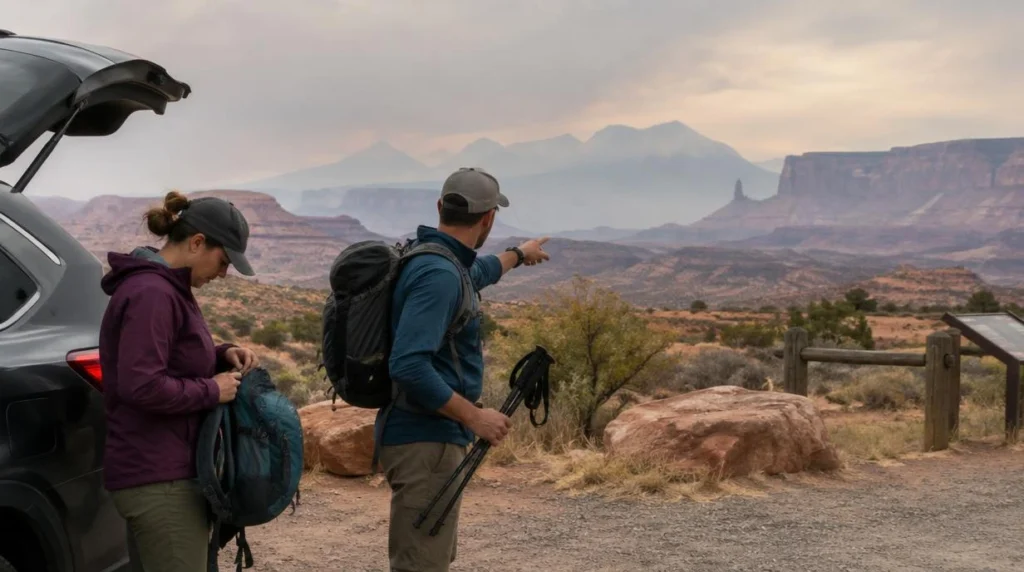 Should You Cancel a Utah Outdoor Day Because of Wildfire Smoke?
 When Should a Utah Park Day Trip From Salt Lake City Become an Overnight?
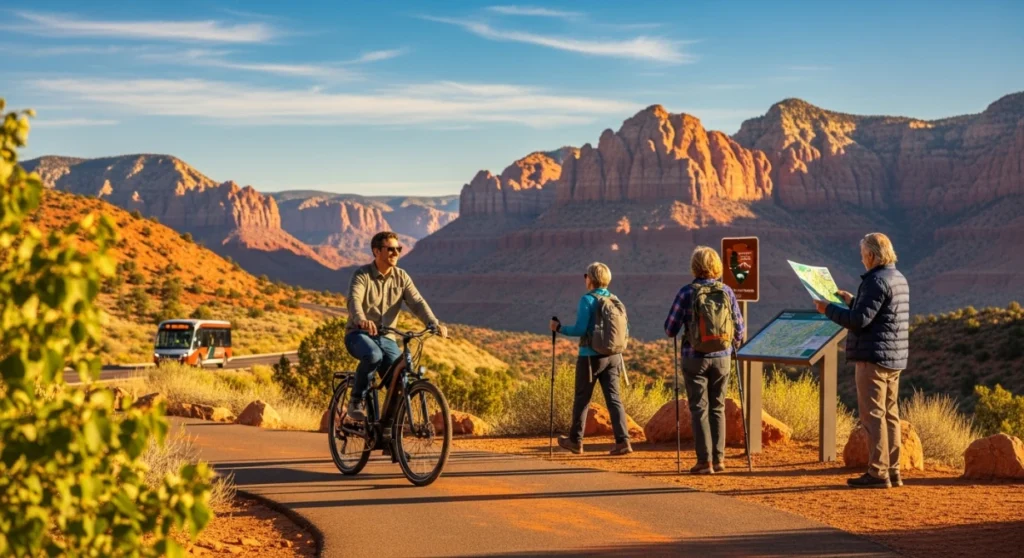 Your First Evening in Salt Lake City: A Low-Pressure Orientation Plan
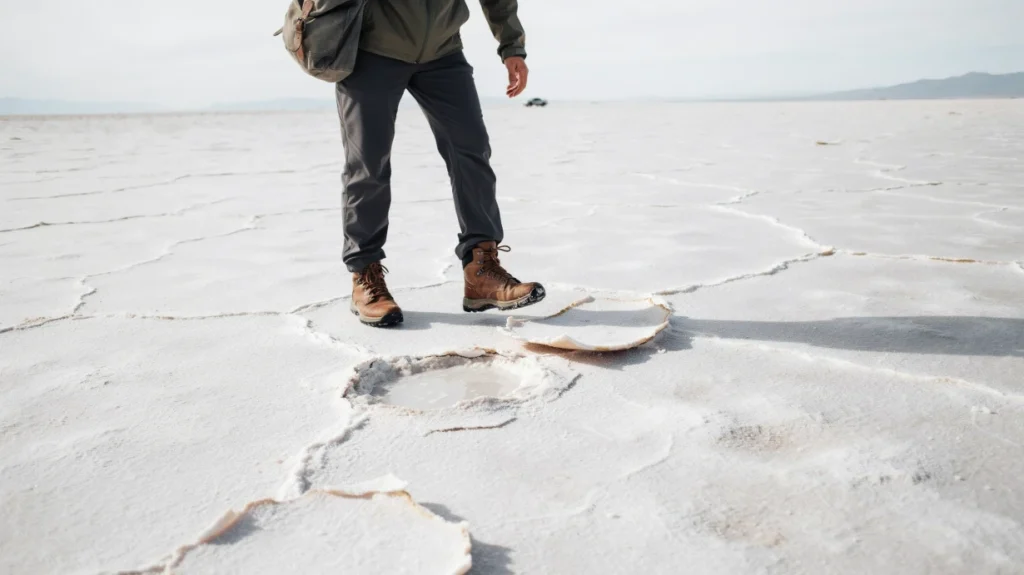 Bonneville Salt Flats Photography Etiquette: How to Protect the Surface and Share the View
 How to Plan an Antelope Island Birdwatching Visit
 Why Are There So Many Brine Flies on Antelope Island?

Guide was Great! The salt flats had alot of water due to recent rain which limited...
Read more →I booked the Bonneville Salt Flats tour w Matei bc the owners are Ukrainian. I’m so...
Read more →This experience is a must-do! Dima explains the history of the area as well as the...
Read more →I had never been on a guided tour before, but Dima made it the best experience...
Read more → Antelope Island – Wild Heart of the Great Salt Lake Adventure
 Antelope Island Sunset Wildlife Expedition – Great Salt Lake Odyssey
 Bonneville Salt Flats – Journey to the Edge of the World
 Bonneville Salt Flats – Sunset Adventure of the White Desert