
How a private shuttle service from Salt Lake City airport to Park…

A private SLC–Park City shuttle is a structured service with clear roles: you provide accurate trip details, the company confirms and coordinates, and the driver delivers a safe, direct winter transfer.
Most winter visitors lose time and patience right at the curb outside Salt Lake City International. They land on time, luggage in hand, then spend an hour comparing rideshares, rental counters, and “shuttle” offers that all sound the same. The first decision you make in Utah, before you even see a mountain, sets the tone for the whole ski trip.
Winter canyon roads, jet lag, and a car full of gear are a rough combination, especially if you are traveling with kids or arriving late. Understanding how a private shuttle actually operates, who handles what, and when you must be ready removes that stress and makes the hour between plane door and condo door predictable instead of chaotic.
Once you see the transfer as a step‑by‑step service with clear responsibilities, it becomes much easier to choose the right provider, arrive prepared, and hold them to professional standards without feeling demanding.
When a private shuttle is the right fit
Private ground transport from SLC to Park City is not automatically the best option for every visitor. It shines in specific situations where control, timing, or comfort are priorities.
Who benefits most from a private shuttle
Think about your arrival like a small project. If several of the points below are true, a dedicated vehicle usually makes sense.
- Families with kids or seniors: Door‑to‑door service avoids dragging bags, rental skis, and strollers through snow and parking lots.
- Groups with lots of luggage: Ski bags, boot bags, and groceries add up. A private vehicle removes the “will it all fit” question that comes with standard taxis.
- Late‑night or very early flights: Fixed pickup with a named driver is safer and more predictable when rideshare supply fluctuates.
- First‑time winter drivers in Utah: If you are not used to snow and canyon roads, outsourcing that piece lets you arrive rested instead of tense.
- Travelers on tight schedules: Meetings, lessons, or non‑refundable lift tickets are easier to hit when the transfer time is reserved only for your party.
When a shared option or tour can be better
If budget is the main concern and you are comfortable with flexible timing, shared vans or scheduled transport might work. They reduce cost by combining several groups in one vehicle and adding intermediate stops.
Some visitors also pair their ski days with curated experiences. For example, Utah Ski Resort Day Trips bundle transport with local guidance at the mountain, so you do not handle any driving yet still move independently once you arrive.
Travelers who split their vacation between mountains and desert sometimes compare a private shuttle with utah ski tours or the best tours of utah national parks. In practice, transfers and tours solve different problems: one gets you from airport to lodging efficiently, the others structure your actual sightseeing days.
Process stages and responsibilities
A smooth private transfer follows a predictable sequence. Each stage has an owner: you, the shuttle company, or the driver. When those roles are clear, issues are rare and easy to resolve.
| Stage | Main owner | Key outcome |
|---|---|---|
| Pre‑booking research | Traveler | Shortlist of reliable providers that match needs |
| Reservation & confirmation | Shuttle company | Documented booking with price, time, and location |
| Pre‑arrival coordination | Both | Shared understanding of flight info and contact method |
| Airport meet & load | Driver | Group and gear safely in vehicle, on schedule |
| Transit to resort | Driver | Safe, comfortable ride with clear communication |
| Drop‑off & sign‑off | Both | All passengers and bags delivered to agreed address |
1. Pre‑booking research (traveler’s responsibility)
Before you reserve anything, define your non‑negotiables: dates, flight times, resort area, passenger count, gear volume, and any mobility needs. Use those details to filter options.
- Check vehicle types: Make sure they can handle ski bags and winter roads for your group size.
- Look for clear policies: Good operators publish rules for extra stops, delays, and waiting time.
- Scan for realistic language: Serious providers avoid exaggerated promises and instead describe processes, such as how they track flights or handle traffic.
2. Reservation and confirmation (company’s responsibility)
Once you pick a service, you supply basic data and the provider should convert it into a clear agreement. Expect at minimum:
- Exact pickup location at SLC: Curb, parking structure, or inside meet point stated in writing.
- Scheduled pickup time or trigger: For example, a set time after scheduled landing, or “when client texts after luggage pickup.”
- All‑in price: Base fare plus any known extras, like grocery stop time or late‑night surcharges.
- Contact info: At least one phone number or messaging option for day‑of questions.
A professional operator will send you a formal confirmation so both sides can verify details. This is the first deliverable you should review carefully.
3. Pre‑arrival coordination (shared responsibility)
In the days before you travel, both you and the provider finalize the plan.
- You: Share any flight changes, adjusted passenger count, or special needs like child seats or extra gear bags.
- Company: Confirms your driver assignment, review of weather conditions, and any timing adjustments for storms or peak traffic.
Many operators also send you a reminder with updated vehicle details and a meeting description, such as “driver waits near baggage claim with a sign” or “meet at door number X outside arrivals.”
4. Airport meet, load, and departure (driver’s responsibility)
On arrival day, your role is simple: switch your phone off airplane mode, check for driver messages, and move steadily through immigration and baggage pickup.
The driver must be on time at the agreed location, assist with luggage within reason, and give a short briefing about the route, estimated arrival time, and any expected weather challenges.
Loading should feel organized, not rushed or chaotic. Skis are typically placed so they do not slide, and bags are stacked so nothing blocks exits or seatbelts.
5. Transit through the canyon (driver’s responsibility)
Once on the road, the main priority is safety. Winter conditions can change quickly, so a competent driver will adjust speed and route to reality rather than trying to “beat” their estimate.
Winter travel safety guidelines consistently recommend that drivers reduce speed on snow or ice, leave extra following distance, and build additional time into any schedule when traveling in mountain regions.
Public winter driving guidance
During the ride, the driver can also give local context about typical traffic patterns, parking rules near your resort, and ideas for your non‑ski days, such as short city walking tours with local guides.
6. Drop‑off and sign‑off (shared responsibility)
At the end of the ride, both parties do a quick mental checklist.
- Driver: Confirms the property address and drop‑off spot that best avoids ice or snowbanks.
- You: Verify that every passenger and every piece of luggage is out of the vehicle and nothing is left behind.
If anything about the ride did not match what was promised in your confirmation, mention it politely while the driver can still document it with dispatch. This protects both you and the company.
You found a hidden promo code!
Use code WOWBLOG at checkout and get 10% OFF any tour!
Limited time offer. Book now and save!
Browse ToursTimeline and expected deliverables
Most visitors only see the hour‑long ride and forget the earlier phases. Seeing the full timeline helps you know what you should have in hand at each point.
Typical timeline for a private airport‑to‑resort transfer
| Moment | What happens | Your main deliverable | Shuttle company deliverable |
|---|---|---|---|
| 7–30 days before trip | Research and book | Accurate trip details and payment | Written confirmation with price and terms |
| 1–3 days before arrival | Final checks | Share any updates and reconfirm arrival time | Reminder message with driver plan |
| Arrival day, landing | Plane lands at SLC | Turn on phone and check messages | Monitor flight status and adjust arrival if needed |
| 30–60 minutes after landing | Meet driver, load bags | Be at meeting point with group | On‑time presence, help with loading |
| 1–1.5 hours after departure | Arrive at resort lodging | Confirm drop‑off and belongings | Safe delivery and brief debrief if needed |
What “deliverables” look like in practice
- Before travel: A clear, readable booking confirmation. If you cannot tell at a glance when and where you will meet the driver, ask for clarification.
- Day‑of communication: A timely text or call when the driver is on the way or when your flight is delayed.
- After the ride: A simple receipt if you need to expense the trip, ideally showing date, route, and total cost.
Quality control and acceptance criteria
To avoid surprises, treat your transport like any other paid service. Decide your quality thresholds in advance and compare your experience to them.
What “good enough” looks like
- On‑time performance: Driver arrival within a reasonable window of the agreed time, adjusted for real flight status.
- Safe driving behavior: Steady speed, calm braking, responsible following distance, and seatbelts used by everyone.
- Vehicle condition: Clean interior, no obvious mechanical issues, working heat and defrost, and enough space for gear.
- Communication tone: Clear, respectful conversation without pressure for extra tips or unplanned stops.
Non‑negotiable red flags
If you encounter any of these, you are justified in pushing back or refusing service.
- Unfit vehicle: Bald tires, non‑functional seatbelts, or windows that will not clear in snow.
- Unsafe behavior: Phone use while driving, speeding in poor conditions, or ignoring road controls.
- Last‑minute price changes: Demands for more money than the written agreement without a clear, agreed reason.
- Missing child safety gear you requested: If you clearly asked for appropriate seating for young kids and it is not provided.
Professionally run services welcome honest feedback. They use it to adjust driver training and communication before the next peak weekend.
Client preparation checklist
Most transfer problems that travelers experience are preventable. A short preparation routine dramatically improves your experience and the driver’s ability to do their job well.
Essential prep before you fly
- Confirm your lodging address: Include building, unit number, and any gate or door codes so the driver is not stuck outside with a van full of bags.
- Estimate luggage volume: Count ski bags, boot bags, and large suitcases, then share the numbers when booking.
- Share mobility or medical needs: If someone in your group moves slowly or uses aids, say so. This changes meet‑up timing and loading plans.
- Save contact details offline: Take a screenshot of the confirmation and phone numbers in case airport Wi‑Fi is weak.
Day‑of arrival checklist
- Turn on your phone early: Do this as soon as you are allowed at landing so you see any real‑time updates.
- Move together as a group: Agree on a spot inside the terminal where everyone gathers before meeting the driver.
- Do a quick luggage count: Know how many pieces you checked so you can immediately tell if one is missing at the carousel.
- Have payment method ready: Even if you prepaid, some services process gratuities or time extensions separately.

Practical recommendations to get more value from your shuttle
Once basics are covered, you can use the ride itself to make the rest of your stay smoother.
- Ask targeted local questions: Drivers who regularly work the canyons can share practical advice on morning traffic, where to meet ski schools, and which lots usually fill first.
- Clarify return‑trip expectations: If you plan to book the same company for departure day, ask about recommended departure times for your flight, especially in storm cycles.
- Plan grocery or rental stops in advance: Some operators allow brief stops on the way. Decide ahead of time if this matters so it can be added to the booking instead of sprung on the driver.
- Coordinate with on‑mountain plans: If you have guidance booked, such as a day where a driver‑guide helps you navigate resort terrain, align your arrival time so you are rested and ready for that first ski day.
- Travel with simple layers in carry‑on: Pack hats and mid‑layers where you can reach them. Temperatures at SLC and in Park City can feel very different in the same hour.
Example scenarios: what a smooth transfer really looks like
Case 1: Family landing in the evening
A family of four lands at SLC at 7:30 p.m. on a Saturday with two ski bags and three large suitcases. During booking, they share the exact gear list and condo address.
The shuttle service schedules pickup for 45 minutes after scheduled landing, monitors the flight, and texts the driver’s name and vehicle description that afternoon. The driver meets them at the agreed door, loads gear, and explains that the canyon is clear but that temperatures are low, so black ice is possible.
They arrive at the resort just after 9 p.m., unload directly by the condo entrance, and the parents can put kids to bed without a grocery run because they ordered basics ahead of time, knowing there would not be a long stop en route.
Case 2: Group pairing a ski day with local guidance
A group of friends on a work trip extends their stay by one day to ski. They have not rented a car and do not want to drive in winter traffic.
They use a transfer combined with structured guidance, similar in spirit to Utah Ski Resort Day Trips, so they meet their driver‑guide at a central point in the city. Transport, on‑mountain orientation, and return are bundled.
Because they do not spend energy learning local parking rules or road conditions, they have more bandwidth for skiing and can still make it back to the city in time for a dinner reservation.
Pros and cons of private shuttles vs driving yourself
For some visitors, renting a car and driving to the resort still seems attractive. A quick comparison helps you weigh the trade‑offs.
| Aspect | Private shuttle | Driving yourself |
|---|---|---|
| Winter driving stress | Handled by professional driver | You manage snow, ice, and traffic |
| Cost structure | Single fee for transfer | Rental, fuel, parking, and possible chains or equipment |
| Flexibility en route | Pre‑planned stops only | Can stop at will if conditions allow |
| Focus on group | You can rest or plan while riding | One person must focus on the road |
| Parking at resort | Not your problem | You must learn and comply with local parking rules |
Many visitors choose a mixed model: private transport on arrival day when they are tired and unfamiliar with the roads, then local shuttles or walking once they are settled at the resort.
Private shuttles between Salt Lake City airport and Park City work best when seen as a structured service with clear roles and realistic expectations, not just “a ride.” Your main tasks are to choose a reliable operator, communicate accurate trip details, and arrive prepared with a simple checklist.
The company’s responsibilities span accurate confirmation, proactive communication, appropriate vehicles, and safe, calm driving. During the ride, you can use the time to gather local insights that make your first ski day and return transfer smoother.
With that framework in place, the journey from plane door to resort door becomes a predictable part of the trip instead of a gamble with weather, traffic, and logistics. When you are ready to pair a stress‑free transfer with well‑planned mountain time, MateiTravel can help you connect the pieces efficiently.
How far in advance should I book a private shuttle from SLC to Park City?
Reserve at least one to four weeks before your trip, earlier for holiday periods. This gives you better choice of pickup times and space for specific luggage or child seat requests.
What information do shuttle companies need from me when I book?
They usually need flight numbers, arrival time, resort address, passenger count, and an honest estimate of bags and ski gear so they can assign the right vehicle.
How do drivers handle delayed flights into Salt Lake City?
Professional operators monitor flight status and adjust pickup windows, but you still should message them as soon as you know about significant delays or schedule changes.
Can I add a grocery stop on the way to my Park City lodging?
Some services allow short planned stops for an extra fee or time limit. Ask about this during booking so it appears in your written confirmation.
What should I check in the shuttle vehicle before we leave the airport?
Make sure everyone has a working seatbelt, your bags and skis are secured, and the heating and defrost systems are functioning comfortably for winter conditions.
Is a private shuttle worth it for solo travelers?
For solo visitors, it depends on budget and comfort with winter roads. If you value door‑to‑door simplicity or arrive very late, the extra cost can still feel reasonable.
Do I need to tip the shuttle driver, and how much?
Gratuities are customary if service meets expectations. Many travelers use a percentage similar to restaurant tipping, adjusted for luggage help and driving conditions.
How early should I leave Park City for my return flight from SLC?
Plan backward from your departure time, adding generous margins for winter weather and security lines. Ask your shuttle company for a recommended pickup time based on recent traffic.
 How to Plan a Day Tour Around Your Salt Lake City Flight
 Antelope Island Sunset Tours: How Wildlife Viewing Really Works
 Antelope Island Day Tours: How to Plan a Low-Stress Visit
 Bonneville Salt Flats Sunset Tours: What the Experience Includes
 Bonneville Salt Flats Tours: Plan a Comfortable First Visit
 How to Plan a Utah Day Tour During a Short Salt Lake City Stay

Very happy with the whole experience, Dmitro was an excellent tour guide, very knowledgeable about area...
Read more →Matei Travel was the vendor for the trip. Don\'t use them. The tour was not as...
Read more →I would highly recommend touring with Dima! He was so knowledgeable and personable, and very open...
Read more →Experience was fabulous!!! We saw spectacular views of the flats, bison and prong horn. Mateo travel...
Read more →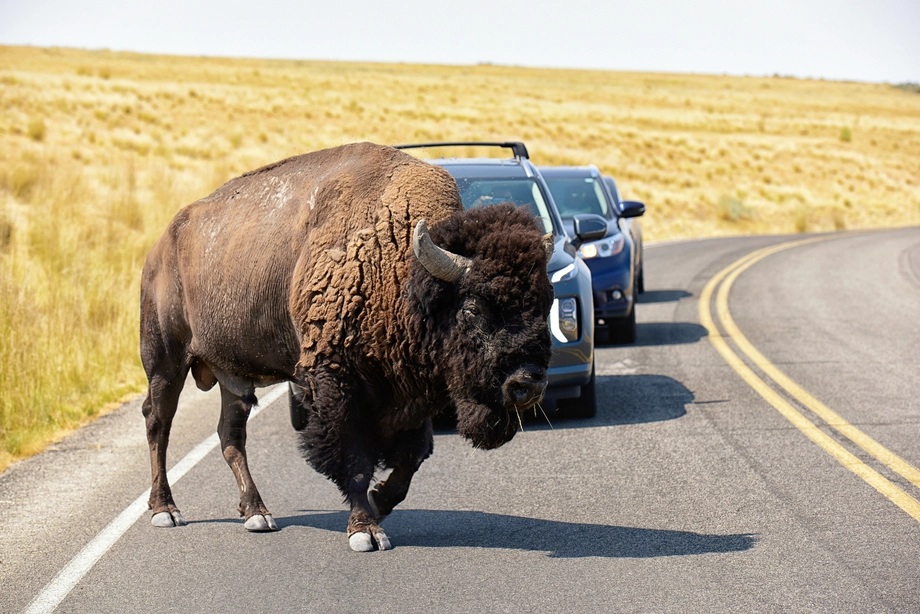 Antelope Island – Wild Heart of the Great Salt Lake Adventure
 Antelope Island Sunset Wildlife Expedition – Great Salt Lake Odyssey
 Bonneville Salt Flats – Sunset Adventure of the White Desert
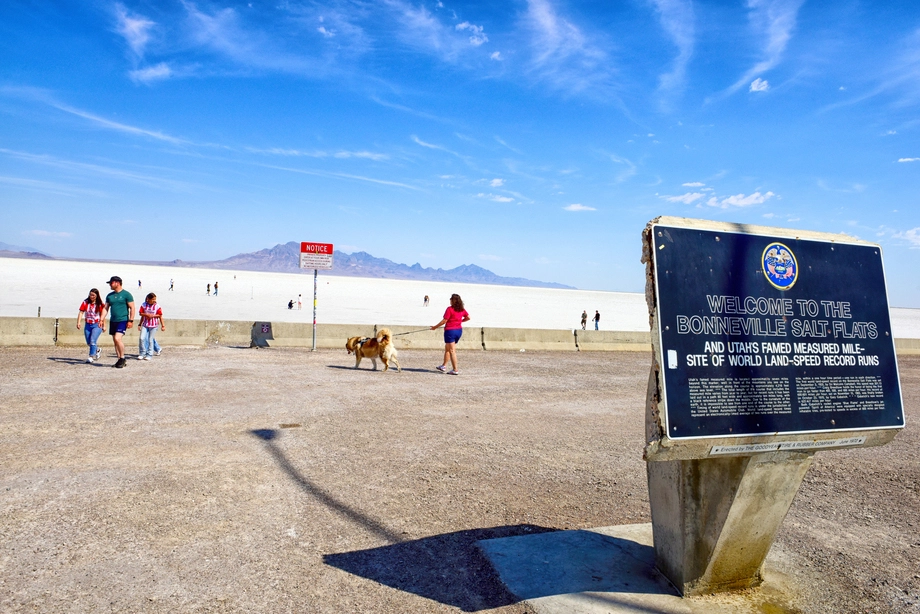 Bonneville Salt Flats – Journey to the Edge of the World