
Half-day e-bike Canyonlands mesa guided ride from Moab: clear guide
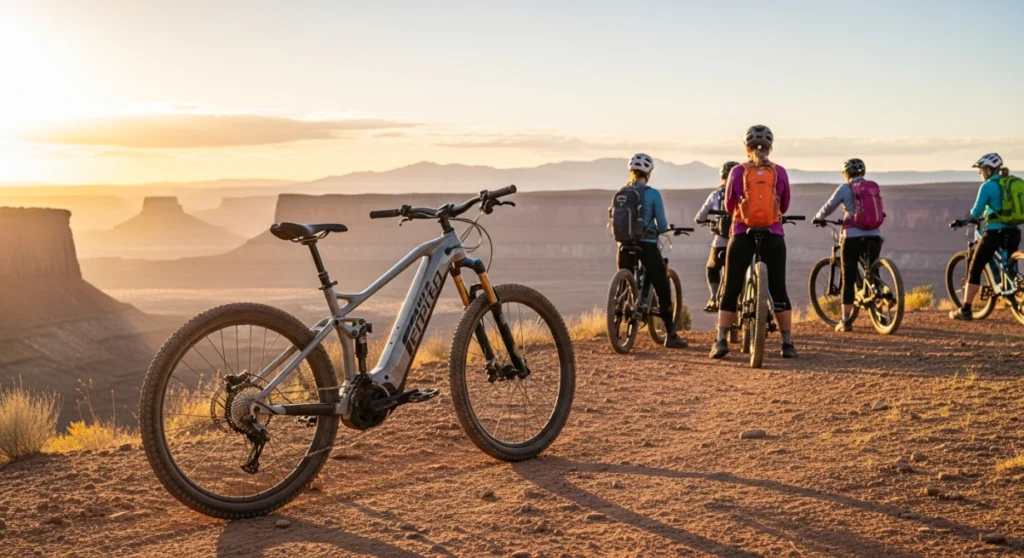
Understand where e-bikes are legal, how half-day timing really works, and when a small guided mesa ride from Moab offers the safest, most rewarding Canyonlands views.
Many visitors arrive in Moab dreaming of cruising a canyon rim on an e-bike, then discover at the rental counter that most of the famous singletrack and viewpoints have restrictions they did not plan for. Regulations, fragile desert terrain, and the sheer size of the plateau make last‑minute decisions risky, especially on a tight half‑day schedule. To get real value from a mesa ride, you need to match your route, tour style, and timing to how Canyonlands and nearby public lands actually work.
Once you understand where e-bikes are allowed, what “half-day” really means in desert conditions, and how local guides structure their routes, it becomes much easier to choose a safe and memorable outing instead of a rushed or disappointing one.
What a half-day mesa e-bike ride from Moab looks like in real life
A half‑day outing in the Moab area generally gives you about 3–4 hours of ride time, plus transport and a short safety briefing. That is enough to reach sweeping mesa views, stop for photos, and still get back to town with energy left for the evening. The key is picking a route that fits both your fitness and your comfort on loose desert surfaces.
Several local operators run short e‑bike tours on terrain outside Canyonlands National Park, often on public lands managed as motorized areas or on backcountry roads. These outings typically start with a van transfer from Moab to a higher plateau, where you ride a mix of graded roads and rougher two‑track that lead to canyon overlooks, fins, or sandstone domes.
On a typical mesa ride you can expect:
- Frequent stops: Guides pause at major viewpoints for geology stories, route checks, and snacks so you are not pedaling nonstop.
- Varied surfaces: Expect compact dirt, some sand patches, and rockier sections where good balance matters more than raw fitness.
- Gradual climbing: The motor assists on longer grades, but you still need to be comfortable controlling speed on steeper descents.
- Big exposure: Viewpoints often sit near canyon edges, so riders must be confident handling the bike and stopping well before any drop‑off.
Compared with renting a bike and guessing at a route, a structured half‑day tour helps you use limited time well, especially if you want stories about the landscape and not just a workout.
Where the regulations and terrain often get misunderstood
The most common confusion is about where e‑bikes can go around Canyonlands. Riders see amazing rim photos online and assume they can simply follow any trail with electric assist, which is not how the rules work on the ground.
E-bikes are treated the same as motor vehicles inside Canyonlands: they are allowed on all public roads, both paved and unpaved, and prohibited on all trails.
This means you can ride an e‑bike on park roads and designated backcountry roads, but not on singletrack or hiking paths. On some of the more famous backcountry roads, such as White Rim or Elephant Hill, a day‑use permit is required even for a powered bicycle. Those quotas often fill early in busy seasons, so you cannot count on a spontaneous permit at the gate.
Another frequent misunderstanding involves nearby Bureau of Land Management (BLM) terrain. E‑bikes are generally allowed on motorized routes and OHV paths on those lands, but each area has its own map and designations. Many riders underestimate how long it takes to confirm that their intended loop really is open to electric‑assist bikes.
Terrain is the third trap. A map may show only modest total elevation gain, yet desert riding can feel more demanding than the numbers suggest because of:
- Soft sand stretches: Short sandy sections can sap energy and require confident bike handling.
- Rock ledges: Small steps or shelves need timing, especially with the extra weight of an e‑bike.
- Heat reflection: Exposed rock reflects sun, making moderate air temperatures feel hotter to riders.
When you combine complex regulations, variable surfaces, and weather, it becomes clear why a half‑day e‑bike Canyonlands mesa guided ride from Moab needs a bit of planning, not just enthusiasm.
You found a hidden promo code!
Use code WOWBLOG at checkout and get 10% OFF any tour!
Limited time offer. Book now and save!
Browse ToursGuided mesa rides vs self-planned routes
Deciding whether to book a guide or build your own outing comes down to how you balance independence, logistics, and risk. For a first visit with limited hours, many people underestimate the planning needed for a smooth desert ride.
| Option | What it looks like | Best for |
|---|---|---|
| Guided half‑day mesa tour | Guide handles route, transport, regulations checks, and pacing with stories at viewpoints. | First‑time visitors, mixed‑ability groups, anyone on a tight schedule. |
| Self‑planned road ride in Canyonlands | You ride legal park roads after confirming access and any needed day‑use permits. | Experienced riders comfortable with navigation and reading current rules. |
| Self‑planned BLM OHV‑route loop | You choose motorized routes on public lands outside the park boundary. | Riders who know how to interpret land‑use maps and carry full supplies. |
Guided tours also tend to use itineraries tuned to real half‑day constraints. Transport to the plateau, a dialed‑in distance, and built‑in photo stops mean you are less likely to be caught far from the van as afternoon winds pick up or energy dips.
Decision scenarios: how to choose the right style of ride
Scenario 1: Mixed group with different fitness levels
Maybe one person bikes weekly while others ride only on vacations. A short guided mesa route with moderate climbing and plenty of breaks usually keeps everyone comfortable. Guides can suggest settings on the motor that smooth out fitness gaps without making anyone feel left behind.
Look for outings described as suitable for beginners or “casual riders” rather than advanced technical routes. Confirm that the expected surfaces are mostly graded road or easy two‑track rather than narrow or highly uneven paths.
Scenario 2: Strong riders, limited time
If your group rides often and wants a solid physical effort in a 3–4 hour window, ask operators about versions of their mesa tours with slightly longer mileage or extended climbs. You still benefit from their transport and route knowledge, but you avoid spending half your ride stopping every few minutes.
Explain your normal weekly riding style when you inquire. Guides who know you are fit can suggest less crowded viewpoints or alternate spurs that stay within the half‑day window yet feel more like a workout.
Scenario 3: You care most about photography
For riders focused on light and composition, a sunrise or late‑afternoon departure matters more than total distance. Morning outings usually mean cooler temperatures and softer light on canyon walls, while later starts can deliver warmer tones but higher heat.
| Time of day | Advantages | Trade‑offs |
|---|---|---|
| Morning ride | CooIer air, calmer winds, softer side‑light on cliffs, fresher legs for everyone. | Early start, cooler colors, may feel rushed if you are not used to early wakeups. |
| Afternoon ride | Warmer color on rock, more relaxed start time, suits late risers. | Higher temperatures, greater sun exposure, potential for stronger winds. |
If your schedule is flexible, choose the cooler window, especially in late spring through early fall. That one decision often makes the difference between relaxed photo stops and riders just wanting shade.
Common misconceptions about Canyonlands and e‑bikes
Even careful planners often carry a few incorrect assumptions that can derail a short outing. Clearing these up early saves frustration.
“If it is called a trail on the map, I can ride it with an e‑bike.”
Inside Canyonlands, e‑bikes follow the same access rules as motor vehicles. That means paved and unpaved roads are fair game, but any path classified as a trail is off limits. On nearby public lands, check whether a line on the map is a non‑motorized trail or a designated motorized route before you commit.
“Permits are only for backpackers and long jeep trips.”
Some iconic backcountry roads in and near the park require day‑use permits whether you arrive by jeep, motorbike, or electric bicycle. Riders sometimes assume a half‑day distance exempts them, only to find quotas are already filled for the day.
“The motor will solve the heat and terrain.”
E‑assist helps with climbing but does not remove impacts of heat, loose sand, or exposure. Batteries drain faster when riders frequently use higher assistance levels, and the heavier bike can feel more challenging on technical sections if you are tired or hot.
Key mistakes on half-day mesa e-bike rides (and how to avoid them)
Desert rides rarely go wrong because of one dramatic error. Instead, small choices stack up until the route feels harder or riskier than planned.
- Underestimating sun and heat: Riders bring only a small bottle of water or skip proper sun coverage, then fade halfway through the route.
- Over‑estimating handling skills: Confident city riders assume dirt will feel similar to pavement and are surprised by sand and rock transitions.
- Ignoring battery management: Keeping the motor on its strongest mode from the first hill can leave little reserve for late climbs or headwinds.
- Choosing the wrong group pace: Fast riders at the front can unintentionally push others beyond a comfortable speed on descents or through technical patches.
On guided outings, local leaders usually counter these issues by setting a conservative early pace, encouraging shade breaks, and talking openly about assist levels and battery status. On a self‑planned ride, you must build that discipline into your own habits.

How small groups change the experience
Many visitors find that a smaller group size is the quiet advantage of curated outings around Utah’s canyon country. Fewer riders make it easier to keep similar speeds, ask questions, and adjust route details on the fly.
MateiTravel, for example, keeps its Utah National Parks tours in groups that are compact enough for guides to interact closely at viewpoints, explain geology in plain language, and manage light walking distances comfortably. That same philosophy applies well to half‑day mesa e‑bike outings, where attention to individual comfort and questions matters as much as the scenery.
Small group tours Utah National Parks style also reduce the stress of logistics. Instead of juggling transport, parking, and route‑finding, you step into a pre‑planned experience that leaves more mental space for the landscape itself.
Priority checklist before you book any mesa e-bike ride
Use this list to quickly filter options and avoid preventable issues, whether you choose a guided tour or a self‑planned loop.
- Confirm legal access: Check if your intended roads are inside Canyonlands or on BLM land and verify whether e‑bikes are allowed, plus any day‑use permit needs.
- Match route to skills: Ask about surface types, steepest grades, and typical rider profiles for the outing, then compare them to your own comfort, not just your fitness.
- Check timing and light: Align departure time with your priorities for temperature and photography, especially in warmer months.
- Clarify what is included: For guided tours, confirm whether e‑bikes, helmets, transport from town, and water are provided or if you must bring your own.
- Discuss group size: Ask about maximum group numbers and how guides manage faster and slower riders along the route.
On‑the‑day essentials for a safe and enjoyable ride
Once you have chosen a route or operator, your preparation on the morning of the ride has a big impact on how the outing feels.
- Hydration and snacks: Bring more water than you think you need and simple snacks that you can eat quickly during short stops.
- Sun and temperature management: Light long sleeves, a brimmed helmet‑compatible cap, and sunscreen make desert stops far more pleasant.
- Battery awareness: Ask your guide how to monitor remaining charge and agree on a minimum level where the group will turn back or shorten optional spurs.
- Communication: Let the guide know early about any discomfort, whether it is saddle height, hand fatigue, or heat, so they can adjust pace or stop frequency.
These simple habits matter more on a half‑day schedule because you have little buffer to recover from poor pacing or equipment tweaks made too late.
When a guided tour from Moab makes the most sense
Guided Canyonlands tours from Moab or on neighboring mesas are especially useful if you have only a few days in the region and do not want to spend one of them deciphering maps and regulations. They combine transport, orientation, and storytelling in a compact window, similar to curated day trips that connect visitors from Salt Lake City to multiple parks without requiring them to manage every transfer and entrance detail themselves.
They are also a strong match for couples or families who want to share one adventure that works across different confidence levels. When a local guide sets an inclusive pace, pauses at scenic pull‑outs, and folds in geology and history, the ride becomes less about squeezing in miles and more about understanding how the mesas and canyons fit together.
Half‑day mesa e‑bike outings around Canyonlands reward travelers who respect the local rules, plan for desert conditions, and choose routes that fit their actual riding confidence instead of their ambitions. The combination of motor assistance and expert route selection opens up big canyon views in a short window, but only when you balance battery management, group pacing, and realistic timing. Small, well‑structured tours can turn limited hours into a relaxed yet immersive experience, while informed self‑planned rides work best for those ready to handle permits and navigation on their own. Decide what you want most from the ride, then match your choice to your skills and schedule. To make the most of a short visit, consider letting MateiTravel handle the logistics so you can focus fully on the desert landscape.
Are e-bikes allowed on all roads inside Canyonlands?
Yes, e-bikes can use all public roads in Canyonlands, both paved and unpaved, but they are not permitted on any trails.
Do I need a day-use permit for every backcountry e-bike road?
No, only specific roads like White Rim and certain other backcountry routes require day-use permits, so you must check each route individually.
Is a half-day mesa e-bike ride suitable for beginners?
It can be if you choose a route with mostly graded roads, moderate climbs, and a guide who is used to working with casual riders.
How much actual riding time do I get on a half-day tour?
Most half-day outings provide roughly 3–4 hours of riding, with additional time for transport, a briefing, and photo or rest stops.
What should I wear for a mesa e-bike ride near Moab?
Light layers that cover skin, a helmet, and sun protection such as a brimmed cap and sunscreen work best for exposed desert terrain.
How do guides handle different fitness levels in one group?
They usually set a steady pace, encourage riders to adjust assist levels, and pause often so stronger riders do not stretch too far ahead.
Is a morning or afternoon ride better in warm months?
Morning rides are usually more comfortable because temperatures and winds tend to be lower, which also helps newer riders feel confident.
Can I join a small tour if I have my own e-bike?
Some operators allow this while others require their own equipment, so always confirm gear policies before you book.
 How to Plan a Day Tour Around Your Salt Lake City Flight
 Antelope Island Sunset Tours: How Wildlife Viewing Really Works
 Antelope Island Day Tours: How to Plan a Low-Stress Visit
 Bonneville Salt Flats Sunset Tours: What the Experience Includes
 Bonneville Salt Flats Tours: Plan a Comfortable First Visit
 How to Plan a Utah Day Tour During a Short Salt Lake City Stay

Very happy with the whole experience, Dmitro was an excellent tour guide, very knowledgeable about area...
Read more →Matei Travel was the vendor for the trip. Don\'t use them. The tour was not as...
Read more →I would highly recommend touring with Dima! He was so knowledgeable and personable, and very open...
Read more →Experience was fabulous!!! We saw spectacular views of the flats, bison and prong horn. Mateo travel...
Read more → Antelope Island – Wild Heart of the Great Salt Lake Adventure
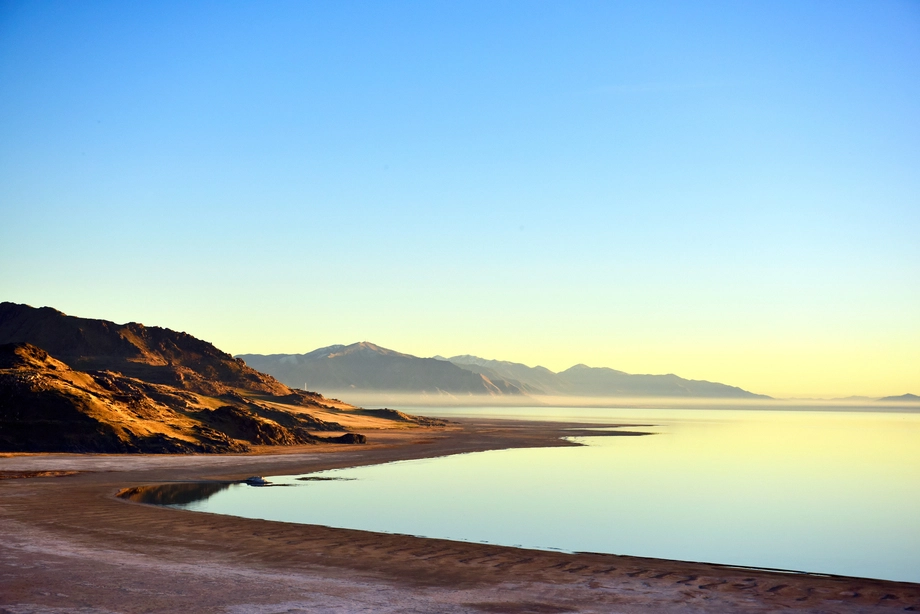 Antelope Island Sunset Wildlife Expedition – Great Salt Lake Odyssey
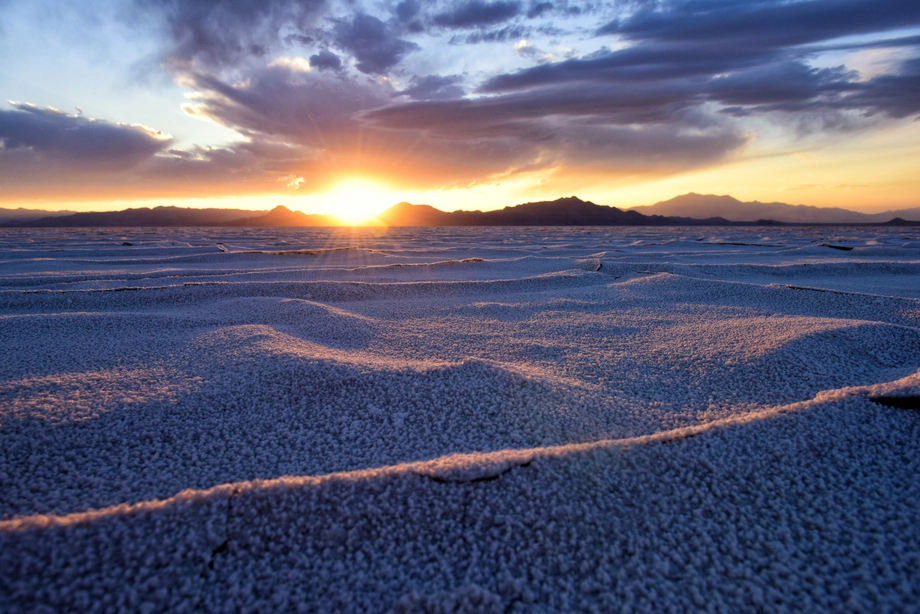 Bonneville Salt Flats – Sunset Adventure of the White Desert
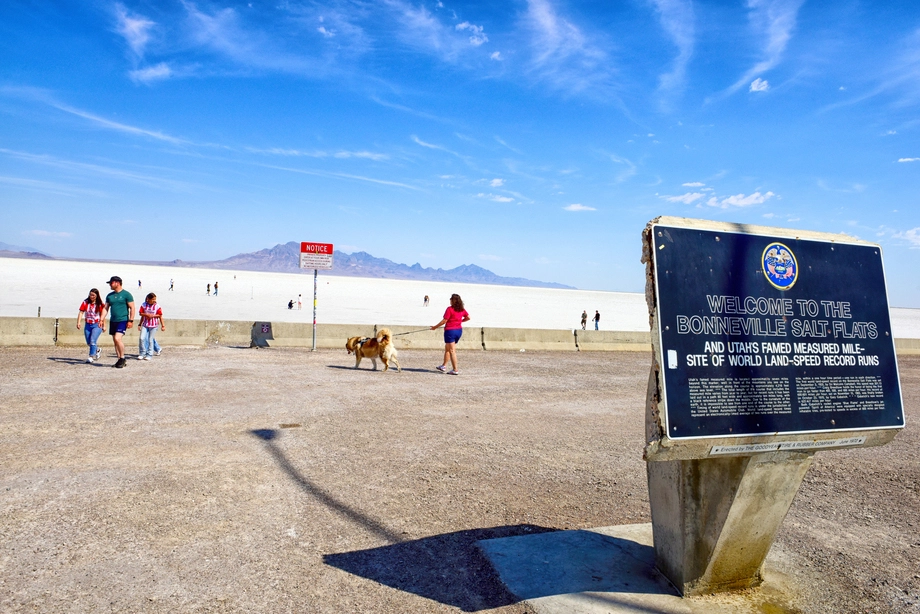 Bonneville Salt Flats – Journey to the Edge of the World