
Budget car rental tips and a 7-day self-guided Mighty 5 itinerary…
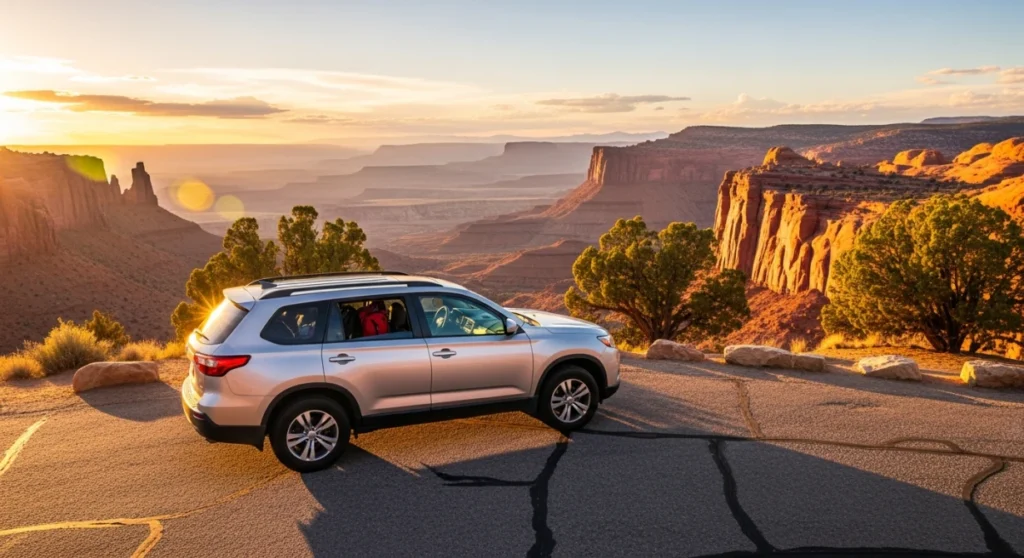
Choose a realistic plan type, book a small efficient vehicle early, follow a flexible 7-day loop from Salt Lake City, and use guided tours or city days as buffers against fatigue and weather.
Most travelers blow hundreds of dollars on the wrong vehicle, then rush through Utah’s parks on a schedule that only works on paper. The result is stress, missed viewpoints, and paying surge prices because key days were locked in too late. If you want a realistic budget car rental and self-guided 7-day itinerary for visiting the Mighty 5, you need a plan that matches your travel style, leaves breathing room, and uses paid days on the road wisely.
The good news is that Utah is built for road trips. Distances look long on a map, but the main highways are straightforward, and you can anchor around Salt Lake City, where many tours, walking experiences, and transport options start. The real skill is choosing the right route variant, then shaping each day so you are driving during the least valuable hours and standing in front of red rock when the light is best.
Let’s start by picking the plan type that fits how you like to travel, then walk through a practical day-by-day timeline, backup options, and a lean pre-trip checklist that protects both your time and your wallet.
Choose your Mighty 5 road-trip style: Plan A, B, or C
Before touching any rental search, decide what kind of week you actually want. Your choice here will determine pickup time, vehicle size, and how much you really spend on fuel and extras.
Plan A: Fully self-guided loop from Salt Lake City
This is the classic road trip. You pick up your vehicle in Salt Lake City, drive a full loop through all five national parks, then return to the city. You control timing, food stops, and every viewpoint.
- Best for: Travelers comfortable driving several hours a day, who enjoy planning hikes and viewpoints themselves.
- Main upside: Maximum flexibility and usually the lowest overall cost per person if you share fuel and lodging.
- Main downside: You handle everything: navigation, parking, park shuttles, and weather decisions.
Plan B: Hybrid – guided park days plus your own driving
This option combines your own vehicle with organized Utah National Parks Tours that start in Salt Lake City. You still rent a car for the week, but you let a guide handle some of the longest or most complex days.
- Best for: People who want the sense of a road trip but prefer guidance in at least one or two parks.
- Main upside: Guided days cover logistics like transport, key viewpoints, and short hikes, so you can relax and learn the background without navigating every detail.
- Main downside: Slightly higher cost than pure self-drive, and your schedule on guided days is fixed.
Guided park tours from Salt Lake City usually include round-trip transport, visits to major viewpoints, short walks, and commentary on geology and history. This takes pressure off on days when you might otherwise be tired from consecutive drives.
Plan C: Minimal driving, more guided days
If you dislike long highway stretches, use Salt Lake City as a base and lean heavily on organized tours, adding only short self-drive segments where needed.
- Best for: Travelers nervous about desert driving, families with kids, or visitors combining work in Salt Lake City with a couple of intense park days.
- Main upside: You avoid managing long-distance logistics and can still see iconic landscapes.
- Main downside: You may not reach every single park in the Mighty Five within a week, or you’ll spend more time in vehicles driven by others than at trailheads.
| Plan | Driving you do | Guided support | Typical stress level | Cost trend |
|---|---|---|---|---|
| Plan A | All long-distance and park transfers | None | Higher, especially for the driver | Lowest per person with 2–4 people |
| Plan B | Some days, usually shorter legs | 1–3 guided park or scenic days | Moderate, shared between you and guides | Moderate, with better value on complex days |
| Plan C | Short city or connector drives only | Most park days fully guided | Lowest, guides handle logistics | Highest, you trade money for comfort |
Smart budget car rental choices for Utah’s Mighty 5
Your vehicle is your main tool for this trip. The aim is to spend only for features you actually use in desert and canyon conditions, not for shiny extras that sound nice but add little value.
How to choose vehicle size and type
- Match size to group and luggage: Two adults with soft bags can manage in a compact. Three or four adults with hard suitcases need a larger trunk so you can keep all bags out of sight.
- Ground clearance over luxury: You do not need an extreme off-road vehicle for the standard route. Slightly higher clearance helps on rougher pullouts without inflating your rate too much.
- Fuel efficiency matters: Long stretches between parks mean fuel is a real cost line. A smaller, efficient vehicle often saves more over a week than its slightly higher daily rate compared with a heavy model.
Timing your booking and pickup
Lock in your vehicle once your park dates are roughly set. That usually means booking several weeks or months ahead for peak spring and fall dates.
- Pick up near mid-morning: Collect the vehicle around 9–11 a.m. on Day 1. You avoid early-hour rush, have daylight to get used to the controls, and can still reach the first park town by evening.
- Return at a similar time: Aim to drop off within an hour of pick-up time to avoid being charged an extra day.
- Check mileage and insurance rules: Confirm that your booking includes enough daily mileage for the loop and understand what is covered for windshield chips or tire issues, which are common on desert roads.
One travel cost analysis notes that booking early and keeping to a smaller category can cut overall road-trip transport expenses by a meaningful share compared with last-minute, larger-vehicle choices.
Money-saving moves that do not hurt comfort
- Share driving, share fuel: With two licensed drivers, you can safely cover miles and stay alert. Spreading fuel costs across two or more travelers makes a solid vehicle more affordable.
- Skip add-ons you won’t use: GPS units or entertainment packages are rarely needed. Offline maps on your phone and simple playlists work fine in most of Utah.
- Refuel away from park gates: Gas stations just outside park entrances can be pricier. Fill up in larger towns along the route when possible.
You found a hidden promo code!
Use code WOWBLOG at checkout and get 10% OFF any tour!
Limited time offer. Book now and save!
Browse Tours7-day Mighty 5 timeline: a realistic self-guided route
This timeline is based on a loop that starts and ends in Salt Lake City. You can adapt it to any of the three plan types by swapping specific days for guided tours where convenient.
Day 1 – Salt Lake City to Moab (Arches area)
Collect your vehicle in Salt Lake City mid-morning. Do a quick supermarket stop for water, snacks, and a basic cooler, then drive toward Moab. Plan your arrival for late afternoon, check in, and walk around town rather than rushing straight into a long hike.
If you arrive with extra light left, consider a short walk near the Colorado River or an easy roadside viewpoint instead of a major trail. This eases you into desert conditions without overexertion after the drive.
Day 2 – Arches National Park
Start early to secure parking at key spots. Focus your day on a few areas rather than chasing every arch. Combine a couple of short trails with time at scenic overlooks where you can rest and take photos.
Midday heat is better for driving between trailheads and enjoying views from your vehicle. Plan your longest walk for early morning or late afternoon, then finish with a calm evening in Moab to recover.
Day 3 – Canyonlands (Island in the Sky) and drive toward Capitol Reef
Leave Moab for Canyonlands’ Island in the Sky district. Prioritize the main overlooks and one or two short walks along the rim. You get huge views for relatively little effort here.
By mid-afternoon, start driving toward the Capitol Reef region. Stay in or near the park area so you are well-positioned for an easier Day 4. This day combines viewpoints with a moderate drive, so avoid adding long extra detours.
Day 4 – Capitol Reef and Scenic Highway driving
Spend your morning exploring Capitol Reef’s orchards area, historic district, and short trails. The park offers impressive scenery with fewer crowds compared with some of the others.
In the afternoon, continue along one of the scenic highways toward Bryce Canyon. Take your time with pullouts for photos but resist the urge to stop at every single one. Arrive near Bryce in time to rest and prepare for the next early start.
Day 5 – Bryce Canyon and onward to Zion region
Sunrise at Bryce Canyon can be a highlight. Even if you do not catch the exact sunrise, aim for an early-morning rim walk when the light is soft. Short trails into the hoodoos give you a sense of the amphitheater without committing to a full-day hike.
After lunch, drive toward the Zion area. Depending on your exact lodging, you may pass through scenic canyon sections with plenty of photo stops. Plan to reach your accommodation with enough margin to park easily and prepare for the shuttle-based logistics of Zion.
Day 6 – Zion National Park
Zion is often the most logistically complex park, with shuttle systems and high demand for popular trails. Start early to join the first waves entering the canyon. Pick one longer trail and one short walk instead of trying to do everything.
Use midday for rest, viewpoints along the river, or a break back in town. In the evening, pack the vehicle for the return drive, filling your fuel and water supplies.
Day 7 – Return to Salt Lake City
Depart the Zion region in the morning. This final drive returns you to Salt Lake City with time to drop off the vehicle before the 24-hour mark relative to pickup, if your timing fits.
If your schedule allows, consider a short walking tour in downtown Salt Lake City once the car is returned. Local guides often lead small-group routes through historic buildings and lesser-known spots, which is a relaxing way to finish after days of driving.
Buffers, shortcuts, and backup options when things change
A week in Utah is enough to see a lot, but not enough to do everything. Build deliberate buffers and alternatives into the plan so you are not forced into unsafe drives or expensive last-minute changes.
How to bake in realistic buffer time
- Protect one flexible evening: Treat one late afternoon (often Day 4 or Day 5) as unplanned. If you are tired, rest. If everything feels great, add a bonus short trail or extra viewpoint.
- Keep a half-day in Salt Lake City loose: On Day 1 or Day 7, avoid booking non-refundable activities that depend on precise arrival times.
- Leave one “optional park corner” on the table: Accept that you may skip a far corner of a park if weather or fatigue hits. This mindset lowers stress and helps you make smart calls in real time.
Fallback ideas if weather or crowds disrupt plans
- Swap guided and self-drive days (Plan B/C): If a storm hits a day you planned to drive yourself, see whether you can move a guided tour earlier or later. Tours with transport from Salt Lake City can be calmer in tricky conditions since guides know local roads.
- Use city time if desert conditions are rough: Heavy rain or extreme heat can make long hikes unappealing. In those cases, consider returning earlier to the city and adding a walking tour of downtown, where short distances and frequent stops keep things manageable.
- Winter option: ski instead of drive canyons: In winter, if canyon driving looks risky, you can embrace a ski resort day trip from Salt Lake City. These trips usually include round-trip transport, tips on rentals and food, and local guidance, so you avoid driving steep, snowy roads yourself.
Where your money goes: time and budget load by phase
Understanding when you spend most helps you prioritize. The week breaks naturally into three phases: approach, park-hopping core, and return.
| Phase | Days | Main costs | Time load | How to save smartly |
|---|---|---|---|---|
| Approach | Day 1 | Vehicle, fuel, first night lodging, groceries | Medium driving, low walking | Shop once for snacks and water, choose simple lodging for the first night. |
| Core parks | Days 2–6 | Lodging near parks, park entry, fuel, food | High walking, medium driving | Pick 1–2 key paid activities, use viewpoints and short hikes for the rest. |
| Return | Day 7 | Fuel, last night lodging if needed, city meals | Medium driving, low walking | Time your vehicle return to avoid an extra rental day charge. |
For most travelers, lodging and driving costs dominate the budget. Sharing a vehicle among two to four people usually offers the best value, since fuel and daily rates are split, while time in the parks remains the same.
Pre-trip checklist for a smooth Mighty 5 drive
A short, focused checklist prevents the most expensive mistakes: wrong vehicle choice, forgotten essentials, and unrealistic day plans.
Four weeks before departure
- Confirm your plan type: Decide whether you follow Plan A, B, or C. This drives your vehicle choice and which days might be guided.
- Reserve your vehicle: Book a size that fits your group and luggage, with clear mileage rules and pickup/return times that match your flights.
- Book key overnights: Secure lodging in or near Moab, Capitol Reef area, Bryce region, and near Zion. Prioritize locations that cut unnecessary backtracking.
One week before departure
- Download offline maps: Save maps for Utah, each park region, and Salt Lake City. Mark fuel stops and your lodging addresses.
- Check park conditions: Look up any planned closures or access changes that might affect specific trails or roads.
- Reconfirm tours if using them: For any Utah National Parks Tours or guided walking experiences, double-check meeting points, start times, and what is included.
The day before pickup
- Prepare a small “car kit”: Pack reusable water bottles, sun protection, a light jacket, and a small first-aid pouch into one easy-access bag.
- Print or save confirmations: Keep your vehicle booking, lodging details, and any tour confirmations accessible even without phone service.
- Plan your first fuel stop: Know where you will fill up after leaving the rental lot since vehicles are often provided with only partial fuel.

Practical tips and common mistakes on this route
Actionable tips that pay off on the road
- Drive during low-value hours: Do longer highway segments after lunch or early evening, saving early morning and late day for the best viewpoints and cooler hikes.
- Cluster your stops: Arrange days so you tackle several nearby overlooks or trails in a row instead of bouncing across the park and wasting time.
- Eat simple, hydrate consistently: Keep meals straightforward and carry plenty of water. You stay more alert, which matters when you are the one driving.
- Rotate responsibilities: Even with one main driver, others can handle navigation, calling out turnoffs, and tracking time so the driver focuses on the road.
- Use city days for culture and context: Add a downtown Salt Lake City walking tour either at the start or end. Local guides share the story and layout of the city, which makes the whole trip feel more grounded.
Frequent mistakes that cost time and money
- Overpacking the itinerary: Trying to cover too many long hikes and viewpoints forces rushed drives and can lead to driving tired at night, which is not worth the risk.
- Booking a vehicle too large: Many travelers pay for a bigger model they do not need, then spend more on fuel with no additional comfort benefit.
- Ignoring return-time rules: Returning the vehicle even an hour late can trigger a full extra day charge. Aim to arrive early and allow for city traffic.
- Underestimating desert sun: Skipping sun protection and extra water often cuts days short due to headaches or fatigue, which wastes the effort of getting to each park.
Two example scenarios: how the week plays out
Case 1 – Couple on Plan A, pure self-drive
A couple flies into Salt Lake City on a Saturday morning and picks up a compact vehicle. They follow the 7-day loop almost exactly, doing early starts for Arches and Zion and choosing moderate trails in each park.
They share driving, refuel in larger towns instead of near park gates, and stay in basic but well-located lodging. Because they planned realistic driving blocks and respected rest time, they finish the week energized instead of exhausted.
Case 2 – Family on Plan B with guided days
A family of four arrives in Salt Lake City and joins a city walking tour the first afternoon to get oriented. The next day, they take a guided national parks tour that includes transport, key viewpoints, and short hikes, while their rental vehicle waits for later days.
For the rest of the week, they use their own vehicle for shorter drives between selected parks, skipping the longest segments and letting the guided day cover the more complex route. The kids enjoy stories from local guides, and the parents appreciate not having to drive every canyon road themselves.
How MateiTravel fits into your Mighty 5 plans
If you are leaning toward Plan B or C, guided options can remove much of the stress around long drives and park logistics. Utah National Parks Tours that start from Salt Lake City typically include round-trip transport, clearly described schedules, light-to-moderate walking, and commentary that brings the landscapes to life.
MateiTravel works with local guides who also offer small-group walking tours in Salt Lake City’s center, visiting historic buildings and hidden corners of the city. Combining these with a well-chosen rental and realistic route lets you keep control over your budget while still benefiting from local expertise where it counts most.
Done well, this mix becomes a self-guided 7-day itinerary for visiting the Mighty 5 that feels both independent and supported.
In the end, the best value comes from matching your road-trip style to the right mix of self-drive days, guided support, and time in Salt Lake City. A thoughtful plan protects your budget, while good vehicle choices and simple buffers keep the focus on sunrise light, canyon walls, and shared memories instead of logistics. If you want help connecting your route with guided park or city days, MateiTravel can help you shape the week around what you care about most.
Which plan is best if I’m nervous about long-distance driving?
Plan C works best if you prefer not to drive much, since you rely mainly on guided tours from Salt Lake City and keep self-drive legs short.
How far in advance should I book my vehicle for this route?
Reserve your vehicle at least several weeks before your trip, especially for spring and fall dates, so you can choose the right size at a good rate.
Is one week enough to see all five Utah national parks?
Yes, a week is enough to visit each park briefly if you focus, but you need a clear day-by-day plan and must accept skipping some longer hikes.
Can I mix guided tours with my own driving?
Yes, Plan B is built around that idea, using guided Utah National Parks Tours for complex days and your own vehicle for easier segments.
How can I avoid paying for an extra rental day?
Pick up and return your vehicle at similar times and allow a time buffer on the last day so traffic or delays do not push you into another daily charge.
What should I prioritize packing for a Mighty 5 road trip?
Bring sun protection, reusable water bottles, good walking footwear, and a simple first-aid kit so you can handle desert conditions comfortably.
Are guided walking tours in Salt Lake City worth adding?
They are a low-stress way to end or begin your trip, offering local history, city planning insights, and access to interesting buildings and lesser-known spots.
What is the main benefit of starting and ending in Salt Lake City?
The city offers vehicle pickup points, nearby tours, and easy access to major highways, making it an efficient base for a Mighty 5 loop.
 Should You Cancel a Utah Outdoor Day Because of Wildfire Smoke?
 When Should a Utah Park Day Trip From Salt Lake City Become an Overnight?
 Your First Evening in Salt Lake City: A Low-Pressure Orientation Plan
 Bonneville Salt Flats Photography Etiquette: How to Protect the Surface and Share the View
 How to Plan an Antelope Island Birdwatching Visit
 Why Are There So Many Brine Flies on Antelope Island?

Guide was Great! The salt flats had alot of water due to recent rain which limited...
Read more →I booked the Bonneville Salt Flats tour w Matei bc the owners are Ukrainian. I’m so...
Read more →This experience is a must-do! Dima explains the history of the area as well as the...
Read more →I had never been on a guided tour before, but Dima made it the best experience...
Read more → Antelope Island – Wild Heart of the Great Salt Lake Adventure
 Antelope Island Sunset Wildlife Expedition – Great Salt Lake Odyssey
 Bonneville Salt Flats – Journey to the Edge of the World
 Bonneville Salt Flats – Sunset Adventure of the White Desert