
Angel’s Landing Sunrise From Springdale
Yes, an Angels Landing sunrise from Springdale is still possible, but only with a valid Recreation.gov permit and the right start window. Permit help means legal planning support, not bypassing the system.
People still blow their best Zion morning on a preventable mistake. They win a permit for the wrong start window, assume dawn access will sort itself out, or believe “permit help” means someone else can solve the rules for them.
An Angel’s Landing sunrise hike from Springdale with permit help is really a planning problem in a permit-controlled hike category. It matters most for visitors who have one shot at Zion, want first light on a bucket-list route, and need to know whether their dates, fitness, and logistics line up with the current National Park Service system.
Is a sunrise attempt from Springdale still realistic under the current rules?
Yes, it is still possible, but only if your permit time slot, transportation plan, and hiking pace all work together. “Permit help” means advice, reminders, and logistics support around the official system, not a shortcut around Recreation.gov.
The key change is that permits are required 24/7 for any portion of Angels Landing, including predawn and sunrise attempts. That means sunrise is no longer just a matter of waking up early and walking from Springdale. It is a controlled start that depends on whether you hold the right permit and can begin from the Grotto trailhead during your assigned window.
If you are staying in Springdale, your sunrise plan is realistic when three things are true at once. Your dates match a permit opportunity, your permit window aligns with the morning light you want, and you can reach the trailhead early enough without cutting it close.
Permits are required 24/7 to hike any portion of Angels Landing, including sunrise hikes, and hikers must begin from the Grotto trailhead during the time slot shown on the permit.
How does sunrise timing actually work on this hike?
For most people, “sunrise at Angels Landing” means starting in the dark and reaching the upper route around first light, not stepping onto the trail exactly at sunrise. The permit window matters because a beautiful dawn does not help if your allowed start time begins too late for the experience you had in mind.
The practical sequence is simple. You leave Springdale before dawn, get to the park access point, continue to the Grotto trailhead, and start hiking during your permit window. That means your ideal permit is the one that lets you begin early enough to hike the lower trail in darkness or dim pre-dawn light and reach the higher terrain as the canyon starts to glow.
What many visitors call “sunrise” is often one of three different experiences:
- First light on the approach: You begin in darkness and watch the canyon brighten before the exposed chain section.
- Sunrise from higher up: Your pace and permit line up well enough that you are near or on the upper route as the sun rises.
- Early morning after sunrise: You still get excellent light and fewer crowds than later in the day, but not the true dawn moment many travelers imagine.
This is why the start window is the real bottleneck. Fitness matters, but the more common failure is that the hiker secures a legal permit that does not match the morning experience they wanted.
You found a hidden promo code!
Use code WOWBLOG at checkout and get 10% OFF any tour!
Limited time offer. Book now and save!
Browse ToursWhat permit do you need, and who is actually eligible to make this plan work?
You qualify for a legitimate sunrise attempt only if each hiker can hold a valid permit obtained through Recreation.gov and can start from the Grotto within the assigned time slot. You are not a good candidate if you are counting on a guide to obtain a special exception, if you cannot handle a dark start, or if exposure on chains is outside your comfort zone.
The current system is online only through Recreation.gov, using the National Park Service lotteries. There is a seasonal lottery that runs on a quarterly cycle and a separate day-before lottery for additional permits. Both matter because a traveler with fixed dates should usually think in two rounds. First, apply in the seasonal lottery if your trip is known well in advance. Then, if needed, try the day-before option as a backup.
Eligibility in the real-world sense is broader than just getting selected. You should also be able to manage the constraints below without turning the morning into a rush.
- Required permit status: Every person going beyond the permit-controlled point needs their own valid permit under the official system.
- Timing compliance: You must begin from the Grotto trailhead during the time slot on the permit.
- Dark-start readiness: A sunrise plan assumes comfort hiking uphill before full daylight.
- Route tolerance: The hike includes steep terrain and an exposed upper section with chains.
- Trip flexibility: If you miss the lottery, you need a backup sunrise plan instead of forcing an illegal or unrealistic attempt.
A guide can be useful here, but not because the application itself is hard. The value is in matching your dates, expected dawn light, trailhead access, pace, and fallback options so the permit you pursue is actually the one that fits your trip.
What to prepare before you apply or commit
Before you enter any lottery, sort out the inputs that affect whether your plan is workable. Most failed sunrise plans start with weak assumptions, not with bad luck.
- Your exact travel dates: Needed to determine whether the seasonal lottery or day-before lottery is the right path.
- Your lodging base: Springdale is convenient, but you still need a morning transport plan to the trailhead area.
- Your pace estimate: Be honest about whether you move quickly uphill in darkness without stress.
- Your group profile: One strong hiker and one nervous hiker can change the whole timeline.
- Your backup sunrise goal: Decide in advance what morning still counts as a win if you do not get selected.
How does the current Angels Landing permit system affect a sunrise plan step by step?
The permit process is straightforward on paper, but sunrise plans succeed only when you build your morning around the correct start window. Apply early through the seasonal lottery when possible, use the day-before lottery if needed, and only pursue a time slot that supports the dawn experience you actually want.
The National Park Service states that permits are required all day, every day, and are available only through online lotteries on Recreation.gov. That one fact eliminates the two most common mistakes. You cannot legally show up and hope for leniency, and no company can sell you a lawful bypass.
- Choose your target date range. Start with the mornings you are actually willing to wake up for from Springdale, not just the days you happen to be in Zion.
- Use the correct lottery path. If your trip is planned in advance, aim for the quarterly seasonal lottery. If you are already in the area or did not win earlier, use the separate day-before lottery.
- Evaluate the start window, not just the win. A permit is useful only if the assigned start time works for a dawn ascent from the Grotto trailhead.
- Build transport backward from the trailhead start. Your permit controls when you may begin, so your wake-up time, park entry, and trailhead arrival must all work in reverse from that slot.
- Keep a legal fallback. If you do not get a workable permit, switch to another sunrise objective rather than trying to force Angels Landing anyway.
This is the part where planning support helps the most. A detail-oriented organizer can remind you when each lottery opens, pressure-test whether your target window is too late or too ambitious, and protect the rest of your itinerary if the permit does not come through.
Typical failure reasons
Most sunrise attempts fail before the boots go on. The problem is usually one of fit, not effort.
- Wrong time slot: The permit is legal but too late for the sunrise experience the traveler imagined.
- No margin for access: The hiker underestimates the time needed to get from Springdale to the Grotto start area.
- Lottery tunnel vision: The traveler applies without first deciding what counts as an acceptable backup morning.
- Group mismatch: One person is ready for chains in low light, another is not, and the morning unravels.
What are the legal and ethical limits on guides and permit help?
No guide or company can legally bypass the permit system, improve your lottery odds, or take you up Angels Landing without each hiker holding a valid permit. Legitimate permit help is planning support, education, reminders, and lawful itinerary design around the official process.
This distinction matters because “permit help” can sound vague. In a legitimate setup, someone may help you understand which lottery to use, when to apply, which permit window better fits your goals, and how to structure your morning from Springdale. They cannot resell access, move you into a different slot outside the rules, or treat the permit as optional.
Hiking Angels Landing without a permit is a violation of 36 CFR 1.6 and may be punished by a fine of up to $5,000 and/or six months in jail.
If you are comparing self-guided planning with professional help, ask a simple question: does the person describe the official Recreation.gov process clearly and insist on full compliance? If not, walk away.
What does a realistic dawn morning look like from Springdale to the Grotto?
Expect a very early wake-up, a controlled push to the trailhead, and a dark uphill start. The exact clock time changes by season and current park operations, so the safe method is to count backward from your permit window and add margin instead of aiming to arrive just on time.
A realistic morning begins long before the first light hits the canyon. You should already know your parking or shuttle plan, have your permit ready to show, and be fully packed before bed. Scrambling with gear in Springdale at the last minute is how people miss the narrow window they legally need to start in.
A practical timeline works like this:
- The night before: Confirm your permit details, clothing layers, water, food, headlamp, and transport plan into Zion and onward to the Grotto area.
- Pre-dawn wake-up: Get moving early enough that delays do not erase your margin.
- Transit from Springdale: Reach the park access point and continue toward the Grotto trailhead using the current park transportation setup for your date.
- Trailhead arrival buffer: Aim to be ready before your allowed start, not hustling in at the last second.
- Begin during the permit slot: Start from the Grotto within your assigned window and settle into a pace you can hold on the climb.
The main variable is current access logistics. Because schedules can change, treat the National Park Service transportation setup as a live factor that you must verify close to your trip. A good planner does not guess here.

When is guided help worth it, and when is doing it yourself enough?
Do it yourself if you are comfortable with Recreation.gov, can interpret the permit windows confidently, and have enough flexibility to absorb a missed lottery or a backup sunrise. Guided help is most valuable when you have only one dawn in Zion, are uneasy about exposed terrain in low light, or are coordinating a bigger Utah trip where one fragile morning affects everything else.
Paying for help is not about making the application form easier. It is about reducing the chance that you waste your only dawn on a technicality, a bad timing choice, or a shaky contingency plan.
| Situation | DIY is usually enough | Planning or guided help is more useful |
|---|---|---|
| You have multiple days in Zion | Yes, because you can absorb a miss and keep trying | Less essential unless your group wants added structure |
| You have one sunrise window only | Only if you are highly organized and flexible | Yes, because timing mistakes carry a high cost |
| You are fine with exposure and dark starts | Often yes | Helpful, but not always necessary |
| Your group has mixed fitness or nerves | Riskier | Yes, because pacing and turnaround judgment matter more |
| You are building a broader Utah trip | Possible, but more moving parts | Useful for keeping permits, transfers, and backups aligned |
For travelers already comparing bigger regional options, organized planning can matter beyond Zion. If you are piecing together a wider park trip, Utah National Parks Tours show the kind of structured scheduling, transfer support, and clearly defined walking expectations that reduce logistics stress across permit-sensitive destinations. That is also why people looking into zion national park tours from salt lake city often end up valuing coordination more than they expected.
The same logic applies to shorter organized outings. Utah Day Tours are useful context if you want a low-stress travel day elsewhere in the state before or after a high-stakes Zion morning, especially when your itinerary has little room for self-managed complexity.
What mistakes ruin this plan most often, and how do you avoid them?
The biggest mistakes are choosing a permit that does not match sunrise, underestimating dawn logistics from Springdale, and treating the permit as a formality instead of the central planning constraint. Avoid them by planning backward from the trailhead start, not forward from your hotel room or your ideal photo.
- Applying without a timing strategy: Decide what kind of dawn experience you want before you enter a lottery.
- Ignoring current transport details: Check the park’s current access setup close to your date instead of relying on memory or old trip reports.
- Confusing “early” with “sunrise”: An early slot can still miss the light you wanted if your pace or access plan is off.
- Showing up without legal access: The permit is required all day, so there is no lawful gray area for a predawn attempt.
- Overestimating group speed: Build around your slowest confident hiker, not your fastest one.
- Treating backup plans as defeat: A strong alternate sunrise can save the trip and remove pressure from the permit lottery.
A short readiness checklist
- I know which lottery applies to my dates.
- I understand that my permit is tied to a start window from the Grotto trailhead.
- I have a transport plan from Springdale that includes extra margin.
- I am comfortable starting uphill in the dark.
- I have a backup dawn objective if I do not get a workable permit.
- I am not relying on any guide or company to bypass the rules.
What should you do if you miss the lottery or your permit window is wrong for sunrise?
Do not force the route. Retry through the proper day-before process if available, and if that still does not produce a workable result, shift to another dawn experience and keep the trip intact.
This is where contingency planning becomes more valuable than optimism. A once-in-a-lifetime Utah trip should not stand or fall on one permit outcome. If your dates are fixed, your best strategy is to define in advance what alternate Zion or broader Utah sunrise still feels worthwhile, then build the rest of the itinerary around that decision tree.
That is also the most honest use of planning support. A good local organizer helps you pursue the bucket-list goal within the rules, then protects the rest of the trip if the lottery or timing does not cooperate. For travelers who prefer small-group formats, local guides, and the chance to ask questions instead of guessing through every detail alone, that style already shows up across MateiTravel’s broader Utah planning approach.
Angels Landing at sunrise from Springdale is still possible, but it works only when the permit window, trailhead access, and your real hiking pace all match. The hardest part is not filling out Recreation.gov. It is choosing and executing a legal plan that actually delivers the dawn experience you want. If you want help pressure-testing your dates or building a backup-rich Zion morning into a broader Utah itinerary, contact MateiTravel for honest planning advice.
Can I hike any part of Angels Landing before sunrise without a permit?
No. The permit requirement applies around the clock, so an early start does not create an exception.
Does a guide improve my lottery odds?
No. A guide cannot change the official odds or secure special access outside the Recreation.gov process.
What does “start during your permit window” mean in practice?
It means your hike must begin from the Grotto trailhead within the time slot printed on your permit, not just your arrival in Springdale or at the park entrance.
Is the day-before lottery worth trying if I missed the seasonal lottery?
Yes. It is the proper backup path for travelers whose advance application did not work out or whose plans changed.
What kind of traveler benefits most from planning help?
Usually someone with only one available dawn, a mixed-ability group, or a larger Utah trip that leaves little room for timing mistakes.
How early should I leave Springdale?
Early enough to reach the Grotto area with buffer before your permit window starts. The exact time depends on season and current park access operations.
If my permit time is late, should I still call it a sunrise hike?
Only if the timing truly matches first light for your pace and date. Otherwise, think of it as an early morning ascent and reset expectations.
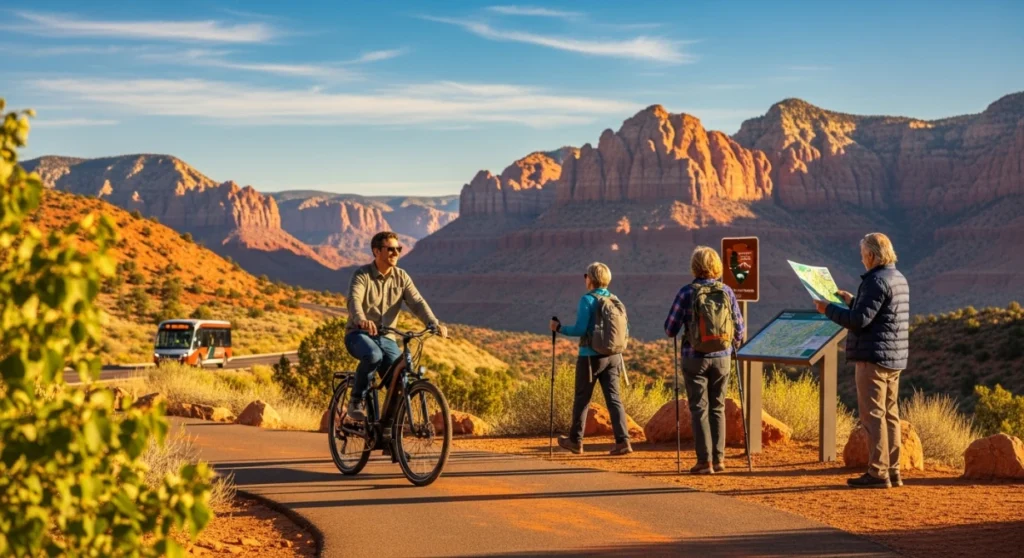 Your First Evening in Salt Lake City: A Low-Pressure Orientation Plan
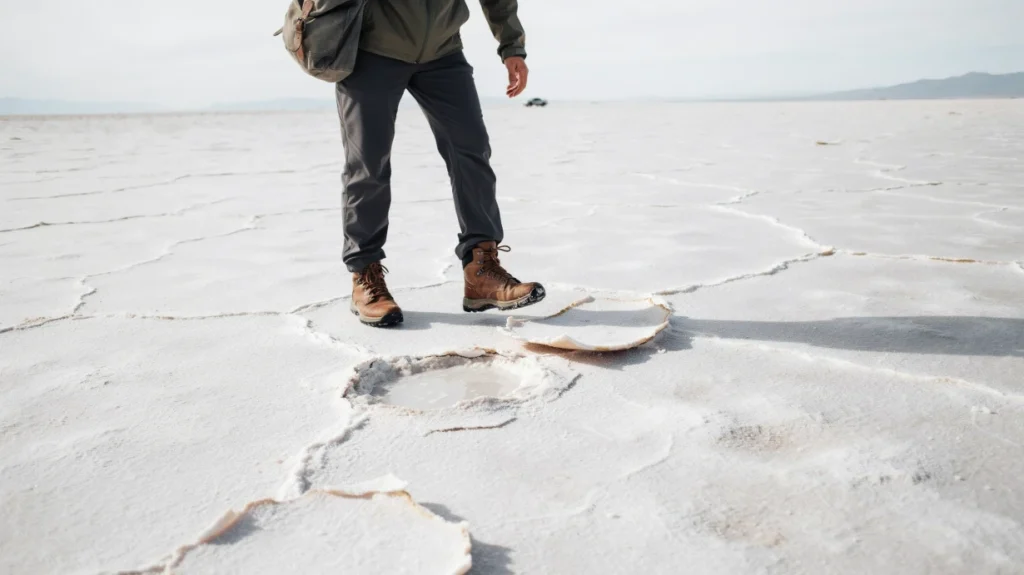 Bonneville Salt Flats Photography Etiquette: How to Protect the Surface and Share the View
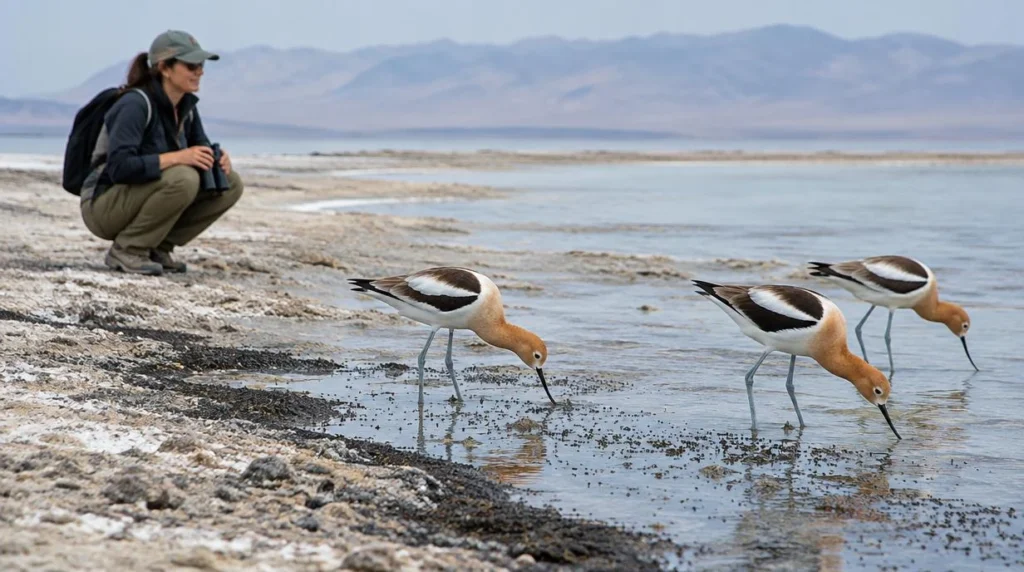 How to Plan an Antelope Island Birdwatching Visit
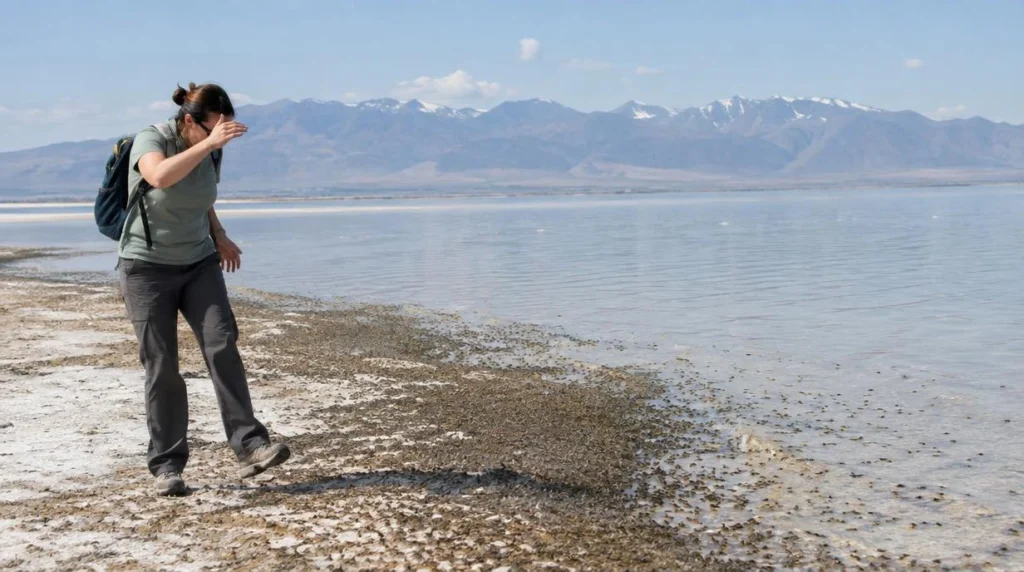 Why Are There So Many Brine Flies on Antelope Island?
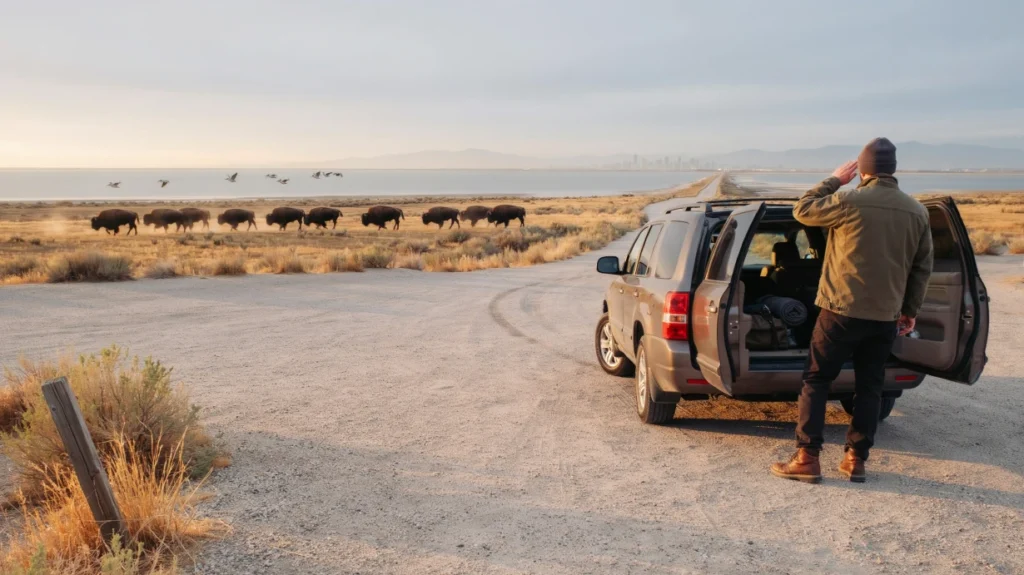 Antelope Island Day Tour or Sunset Wildlife Tour: Which Fits Your Salt Lake City Schedule?
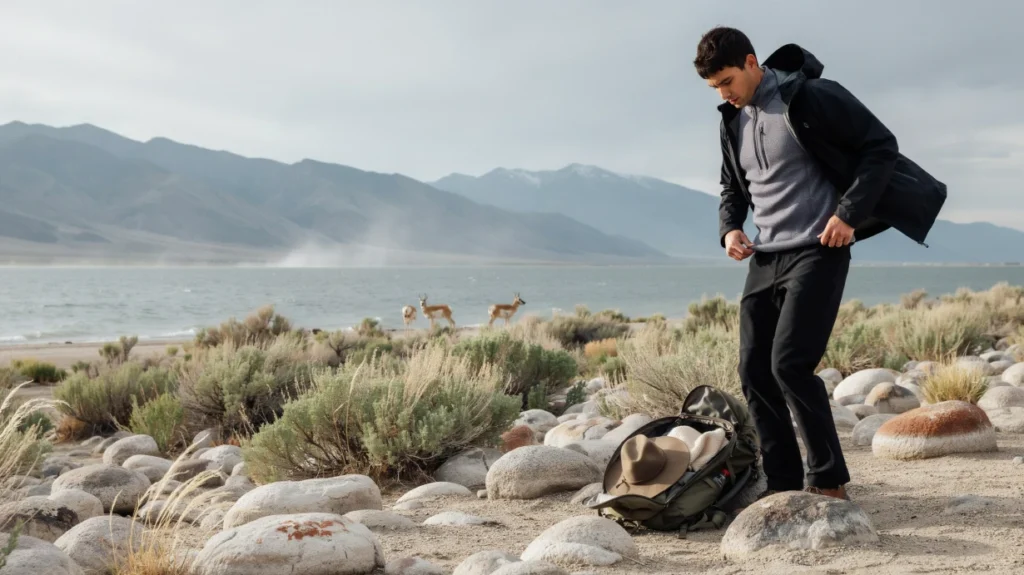 How to Dress for Changing Weather on Antelope Island

This experience is a must-do! Dima explains the history of the area as well as the...
Read more →I had never been on a guided tour before, but Dima made it the best experience...
Read more →This was a great tour, it was nice to get picked up from our hotel. It...
Read more →Great guide great information and great deal for the money.
Read more → Bonneville Salt Flats – Sunset Adventure of the White Desert
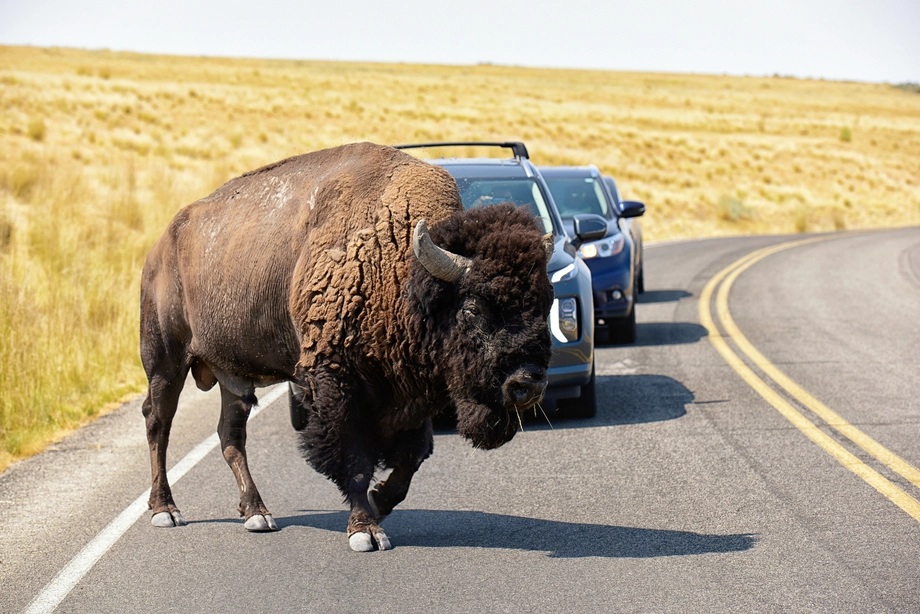 Antelope Island – Wild Heart of the Great Salt Lake Adventure
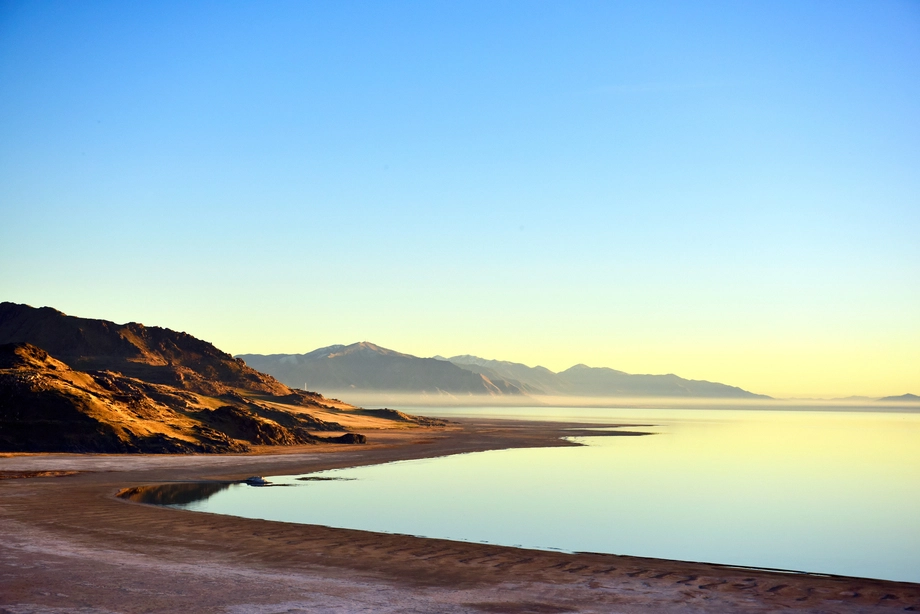 Antelope Island Sunset Wildlife Expedition – Great Salt Lake Odyssey
 Bonneville Salt Flats – Journey to the Edge of the World