
Who Should Book a Zion, Bryce, and Arches Photo Expedition?
May 15, 2026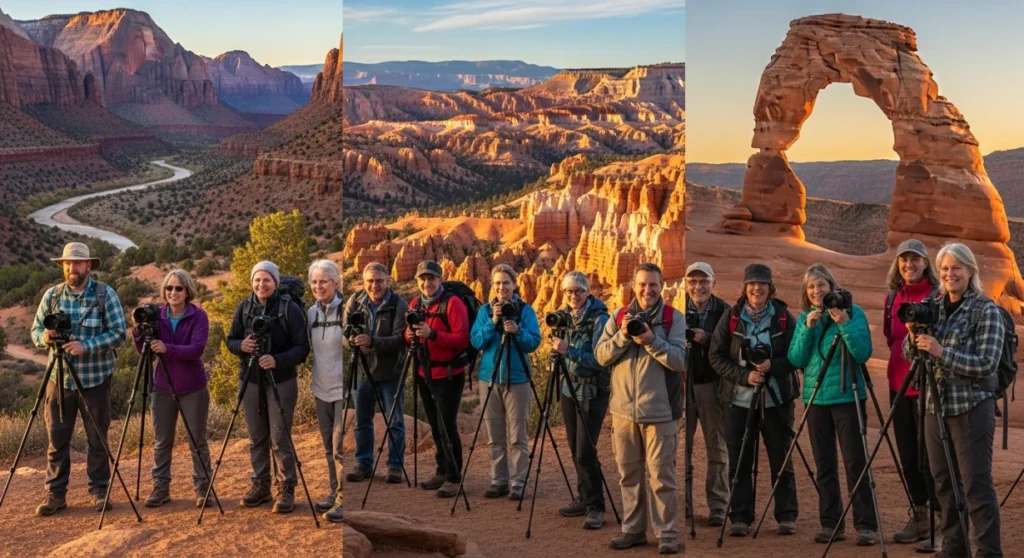
Book this trip if you are a strong intermediate or advanced photographer who can handle early starts, moderate walking with gear, and a schedule built around light. Choose a broader Utah tour if you want casual sightseeing or beginner-level instruction.
People often underestimate this kind of trip because the parks are famous and the roads are well known. The hard part is not finding Zion, Bryce Canyon, and Arches on a map. It is matching the right overlook, trail segment, shuttle window, transfer timing, and light at three very different parks over several long days.
That is why fit matters more than enthusiasm. A photo-focused expedition is a buying decision inside the broader category of Utah national park tours, and the right choice depends on how you shoot, how you handle early starts, how comfortable you are walking with gear, and whether you want to solve logistics yourself or spend that energy on making images.
Who is this expedition really for?
This trip is best for serious hobbyists and strong intermediate to advanced photographers who want structured days built around light, not casual sightseeing. If you like sunrise alarms, tripod work, repeated passes at strong locations, and efficient park logistics, you are likely a good fit.
- Advanced hobbyist landscape photographers: You already use manual or semi-manual settings confidently and want more time in the field, not basic camera lessons.
- Strong intermediates ready for a step up: You know how to work quickly in changing light, can use a tripod without fumbling, and want guidance on timing, positioning, and park workflow.
- Travelers comfortable with structured shooting days: You are happy to organize your day around sunrise, sunset, transfers, and the best light windows instead of sleeping late and improvising.
- Visitors who want logistics handled: You see value in not managing long drives, park entry timing, shuttle friction, or route planning across multiple parks.
- Photographers with reasonable fitness: You do not need to be an elite hiker, but you should be comfortable walking with camera gear and functioning well on full days.
Photography has long been part of the national park experience, drawing both amateur and professional photographers to scenic and historic vistas.
That matters here because these parks reward intention. The people who enjoy this format most are not asking, “How many sights can I tick off today?” They are asking, “Where should I stand when the light is right, and how do I get there without wasting the window?”
What photography skill level should you have?
You do not need to be a working professional, but you should already be fluent enough with your camera that technical basics do not slow the group down. In practice, this trip fits advanced hobbyists and strong intermediates far better than true beginners.
For this kind of multi-day guided photography expedition visiting Zion, Bryce and Arches for advanced photographers, “strong intermediate” means you can change exposure settings quickly, understand how to stabilize a composition on a tripod, and react when light shifts fast. You should also be comfortable evaluating a scene on the spot and making small composition changes without needing a lesson on every frame.
What “advanced” or “strong intermediate” means in real use
- Exposure control: You can work in manual or semi-manual modes and adjust for bright skies, shadowed canyon walls, and changing contrast.
- Tripod readiness: You can set up efficiently in low light, on overlooks, or on uneven ground without turning setup into a long delay.
- Composition fluency: You already think in foreground, leading lines, layers, and edge control, even if you are still refining your style.
- Pace under pressure: You can make decisions when a sunrise color burst lasts a few minutes and move on when conditions change.
- Basic field judgment: You know your own gear, batteries, lenses, and carrying system well enough to stay focused on the scene.
If you are still learning what exposure modes do, or if you mainly shoot in fully automatic settings and want foundational instruction, this format can feel rushed and frustrating. You would likely enjoy a broader sightseeing-oriented option more, or a lighter trip where photography is welcome but not the main operating principle.
That is also the honest answer to the common worry, “I’m not a pro. Is this too advanced for me?” If you are already a capable hobbyist who wants better access to good light and better park timing, you are within range. If you need beginner-level coaching every hour, you are not the ideal match yet.
You found a hidden promo code!
Use code WOWBLOG at checkout and get 10% OFF any tour!
Limited time offer. Book now and save!
Browse ToursHow demanding are the days?
The pace is full and intentional rather than extreme, with early mornings, late evenings, walking with gear, and transfers between parks. You need moderate fitness, solid energy management, and realistic expectations about altitude and long days.
Most people picture the physical challenge as the hike itself, but the bigger test is usually cumulative fatigue. Sunrise sessions, sunset sessions, getting in and out of vehicles, carrying equipment, and staying mentally sharp for compositions add up over several days.
Bryce Canyon is the place where many travelers feel this most clearly because the rim sits at about 8,000 feet above sea level. Even moderate walks can feel harder there, especially if you arrived from lower elevation and are carrying a camera bag and tripod.
You do not need technical hiking skills or mountaineering experience. You do need to be comfortable walking on park trails and viewpoints with your gear, handling uneven terrain carefully, and staying functional after an early start.
Reasonable fitness looks like this
- You can walk for stretches with a daypack: Short to moderate trail segments with stops for shooting should feel manageable, not alarming.
- You recover well from early mornings: The schedule often puts the best images ahead of comfort, especially around sunrise and sunset.
- You can carry your own equipment: A body, lenses, water, layers, and tripod should be realistic for you.
- You understand altitude can change effort: Bryce may make familiar exertion feel harder, so honest self-assessment matters.
If you have heart, breathing, mobility, or altitude-related concerns, get medical guidance before you commit. A well-run trip can manage logistics, but it cannot remove the basic physical realities of elevation, walking, and long field days.
Visiting national parks increases physical activity, which supports physical, mental, and brain health.
What do the shooting days actually look like in each park?
Expect each park to have its own rhythm, not a generic loop of viewpoints. Bryce rewards sunrise precision, Zion requires smart timing around crowds and access, and Arches adds entry complexity and careful scheduling around iconic but busy locations.
This is one reason a guided format changes the experience. The day is built around light windows first, with travel and stops arranged to protect those windows rather than compete with them.
What to expect at Bryce Canyon
Bryce is often the clearest example of why timing matters. The Bryce Amphitheater and Queens Garden areas are especially strong around sunrise, when the hoodoos and depth of the amphitheater come alive with side light.
Later in the morning, the Wall Street section on the Navajo Loop can become more appealing as light reaches the corridor differently. That means the most productive plan is not simply “go to Bryce and wander.” It is knowing when to be at rim viewpoints, when to move lower, and when a second location becomes more worthwhile than staying put.
What to expect at Zion
Zion offers varied compositions, from broad canyon views to tighter scenes shaped by the Virgin River and vertical walls. It also attracts heavy visitation, so popular viewpoints can become crowded enough to affect both your access and your final frame.
On a photo-centered trip, the solution is not pretending crowds do not exist. It is using local knowledge to time viewpoints intelligently, work alternative angles, and avoid turning peak beauty into peak frustration.
What to expect at Arches
Arches adds a different kind of pressure. During peak season, roughly April through October, timed-entry requirements are often used to manage visitation, which makes access planning one more variable in an already demanding schedule.
That logistical layer matters because photographers are not just trying to enter the park. They are trying to enter at the right time for the scene they want to shoot, while still keeping the larger route realistic over multiple days.
Weather also changes the daily flow. Good planning improves your odds and gives you backup options, but it does not guarantee the exact sky you imagined. A capable guide responds by shifting order, adjusting location choices, and making the most of changing conditions rather than forcing a bad plan.
Why choose a guided photography expedition instead of driving yourself or joining a standard sightseeing tour?
A guided photography trip is worth it when your real goal is image-making efficiency, not simple park access. It reduces the hidden friction that drains photographers on self-drive trips and avoids the generic pacing of standard sightseeing tours.
Driving yourself sounds flexible until you stack the actual decisions. You have to leave early enough for first light, know which overlook works in which conditions, navigate Zion access patterns, stay on top of Arches entry timing in busy months, and still have enough energy left to shoot well after the transfer.
A standard sightseeing tour solves some transport problems but usually runs on a broader traveler schedule. That often means comfort and variety come first, while a photo expedition gives priority to light, repeat visits when conditions improve, and enough time at key locations to work a scene properly.
What a guided photo format changes
- Light-first scheduling: Sunrise and sunset sessions shape the day instead of being optional extras.
- Less administrative drag: Entry timing, transfers, routing, and park access complexities are managed for you.
- Smarter crowd handling: Popular locations are approached with timing and alternatives in mind.
- Better use of your energy: You spend less mental bandwidth on driving and logistics, and more on seeing and shooting.
- Small-group practicality: Small groups make it easier to ask questions, move efficiently, and adapt in the field.
If your main goal is simply to see Utah’s famous parks without planning every transfer yourself, our Utah National Parks Tours are often the better fit. Those itineraries are designed for travelers who want the major landscapes, scenic drives, key viewpoints, and manageable walks without turning the whole trip into a dedicated photographic mission.
Which option fits your travel style best?
The right choice depends on whether photography is the purpose of the trip or just one part of it. Use your actual habits, not your idealized version of yourself, to decide.
| Traveler type | Best fit | Why |
|---|---|---|
| Advanced hobbyist who plans around light and wants serious shooting time | Photo expedition | You will benefit from structured sunrise and sunset sessions, location timing, and reduced logistics. |
| Strong intermediate who knows their camera but wants support with park flow | Photo expedition, or inquire first | You are likely suitable if you are comfortable with the pace and can keep up with basic field workflow. |
| Traveler who wants iconic parks, scenic stops, and some photos without pressure | General Utah national parks tour | You will still get viewpoints and short walks, but with a broader travel rhythm. |
| Visitor with limited time who wants an easier introduction to Utah landscapes | Day tour | A shorter format lets you test your tolerance for guided pacing before committing to a multi-day trip. |
| Non-photographer partner who dislikes repeated visits and early starts | General parks tour or day tour | They are more likely to enjoy a balanced itinerary than a light-chasing schedule. |
This is also the fairest answer for couples or families with mixed interests. A patient non-photographer can still enjoy the scenery, but the rhythm of a photo trip is often less satisfying for someone who wants leisurely breakfasts, flexible stops, and one quick look at each viewpoint.
If that sounds like your group, a lighter format is usually smarter than forcing the wrong trip. Our Utah Day Tours are a practical way to sample Utah landscapes with guide support and less commitment, especially if you are still deciding how much structure you actually enjoy.

Who should not book this expedition?
You should probably skip this format if casual sightseeing matters more to you than shooting conditions, or if early starts and repeated location work sound draining rather than exciting. It is also a poor fit for complete beginners who need basic camera instruction or for travelers whose health makes altitude and moderate hiking risky.
- Casual park visitors: If your ideal day is relaxed scenic driving with flexible stops, a dedicated photo itinerary may feel too rigid.
- Sleep-in travelers: Bryce sunrise and evening light sessions are central to the value of the trip, not optional add-ons.
- True beginners: If you are still learning camera fundamentals, the pace can overwhelm you.
- Travelers with significant mobility or altitude concerns: Bryce’s elevation and the cumulative pace can make the trip uncomfortable or unsafe for some people.
- Mixed-interest groups seeking broad entertainment: Repeated waits for light and composition work are rarely fun for impatient companions.
Being a poor fit for this expedition does not mean Utah is wrong for you. It usually means you should choose a more balanced national parks itinerary or a shorter guided outing first, then come back to a photo-focused route once your skills, fitness, or expectations align better.
What buying mistakes lead people to choose the wrong trip?
The biggest mistake is booking based on scenery alone instead of the trip’s operating style. These parks are famous enough that people assume any itinerary covering them will feel similar, but a photography expedition runs very differently from a scenic road trip.
- Overrating your photo readiness: If you still need help with basic controls, the trip can feel fast and unforgiving.
- Ignoring cumulative fatigue: Travelers focus on trail difficulty and forget how much early starts, late finishes, and gear carrying compound over several days.
- Treating all park hours as equal: Bryce sunrise, later-morning light in Wall Street, and crowd management in Zion make timing a core part of the experience.
- Assuming a self-drive trip is just as efficient: In reality, shuttles, parking, timed entry, route sequencing, and long transfers can eat into your best shooting windows.
- Bringing the wrong companion expectations: A non-photographer who wants a relaxed vacation may end up bored while the photographer feels rushed and guilty.
- Expecting guaranteed unique empty-scene images: Guides can improve timing and composition opportunities, but they cannot erase weather, visitation, or the popularity of major viewpoints.
One good self-check is this: if your first concern is comfort and variety, book a broader park tour. If your first concern is maximizing image opportunities in limited time, the expedition format starts to make sense.
What should you check before you book?
You can usually classify yourself as an ideal, borderline, or poor fit with a short pre-booking checklist. The goal is not perfection. It is honest alignment between your skills, body, schedule tolerance, and photographic priorities.
- Ideal fit: You are a strong intermediate or advanced hobbyist, comfortable with a tripod, willing to wake early, able to walk with gear, and excited by a tightly planned shooting schedule.
- Borderline fit: Your camera skills are close but not fully automatic under pressure, or your fitness is decent but you are unsure about altitude and long days. You should ask questions before committing.
- Poor fit: You mainly want sightseeing, dislike rigid schedules, need beginner instruction, or have health concerns that make moderate hiking and Bryce elevation questionable.
Use this decision checklist
- Can you operate your camera quickly without step-by-step help? If no, wait or choose a less specialized trip.
- Are sunrise departures and sunset returns acceptable to you for several days? If no, this is not the right format.
- Can you walk with your own gear at moderate effort, including at Bryce’s elevation? If no, choose an easier option.
- Do you want logistics removed from your plate? If yes, guided planning has real value here.
- Is photography the main purpose of the trip? If yes, proceed. If not, a broader parks tour is likely better.
If you are close but not certain, the best next move is to read the detailed day-by-day workshop outline and ask about dates, pace, and route specifics. If you already know you want a broader introduction to Utah’s landscapes, start with the general parks collection instead of forcing yourself into the wrong experience.
For the right traveler, this expedition is a high-value way to trade planning friction for focused time in good light across three demanding parks. For the wrong traveler, it can feel too early, too structured, or too physical. Review the closest Zion, Bryce, and Arches workshop itinerary, then send a short inquiry about dates and availability if you see yourself in the ideal-fit profile.
Do I need to be a professional photographer to join?
No. The trip is better suited to advanced hobbyists and strong intermediates who already handle their camera confidently in the field.
How hard is the trip physically?
It is moderate rather than extreme, but early starts, carrying gear, and Bryce’s elevation make it more demanding than a casual sightseeing vacation.
Why is Bryce Canyon such a timing-sensitive stop for photographers?
Sunrise is especially strong around the Bryce Amphitheater and Queens Garden, while Wall Street on Navajo Loop often improves later in the morning.
Is a self-drive trip cheaper and just as effective for photographers?
Not always. You may save on guiding, but you take on the time cost of route planning, access timing, transfers, and park-entry friction yourself.
Will my non-photographer partner enjoy this kind of itinerary?
Only if they are happy with early mornings, waiting during shooting sessions, and a schedule built around light instead of leisure.
What happens if the weather is not ideal?
No one can guarantee perfect skies, but a well-planned trip can adjust locations and timing to make the best of changing conditions.
When should I choose a general Utah parks tour instead?
Choose the broader format if you want iconic viewpoints, manageable walks, and less pressure around sunrise, sunset, and repeated location work.

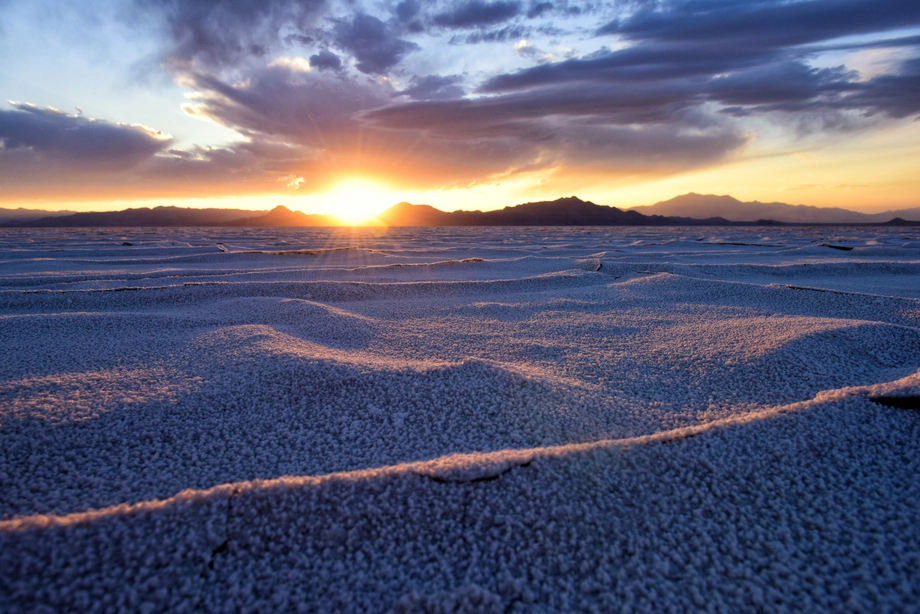 Bonneville Salt Flats – Sunset Adventure of the White Desert
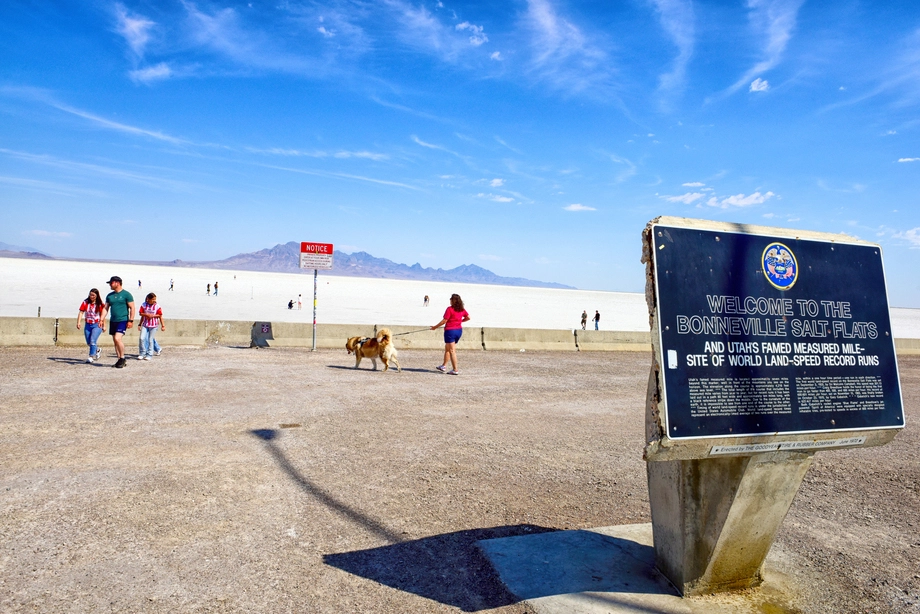 Bonneville Salt Flats – Journey to the Edge of the World
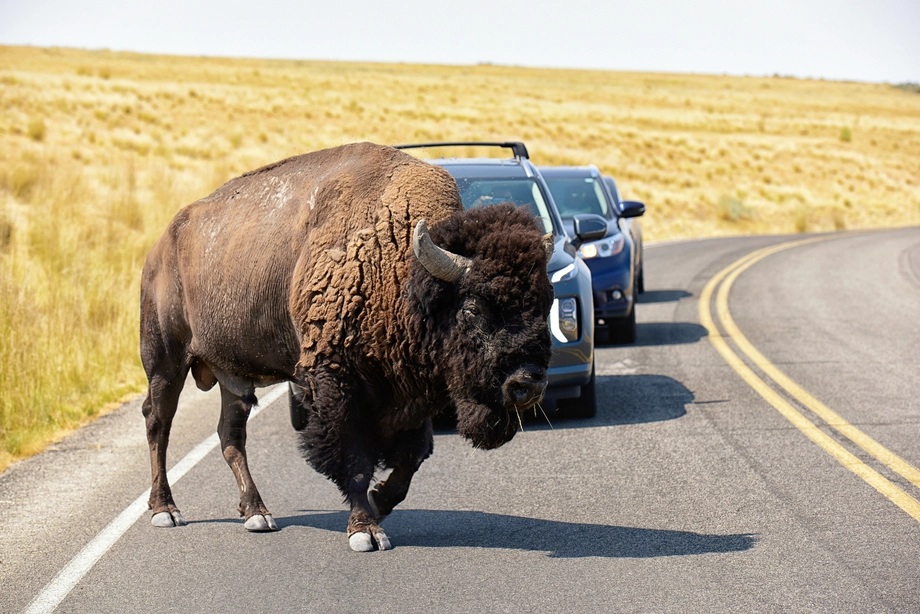 Antelope Island – Wild Heart of the Great Salt Lake Adventure
 Salt Lake City – The City of Zion. Historical Interactive Walking Tour
 Antelope Island Sunset Wildlife Expedition – Great Salt Lake Odyssey