
Team Building in Canyon Country With a Private Luxury Van Charter…
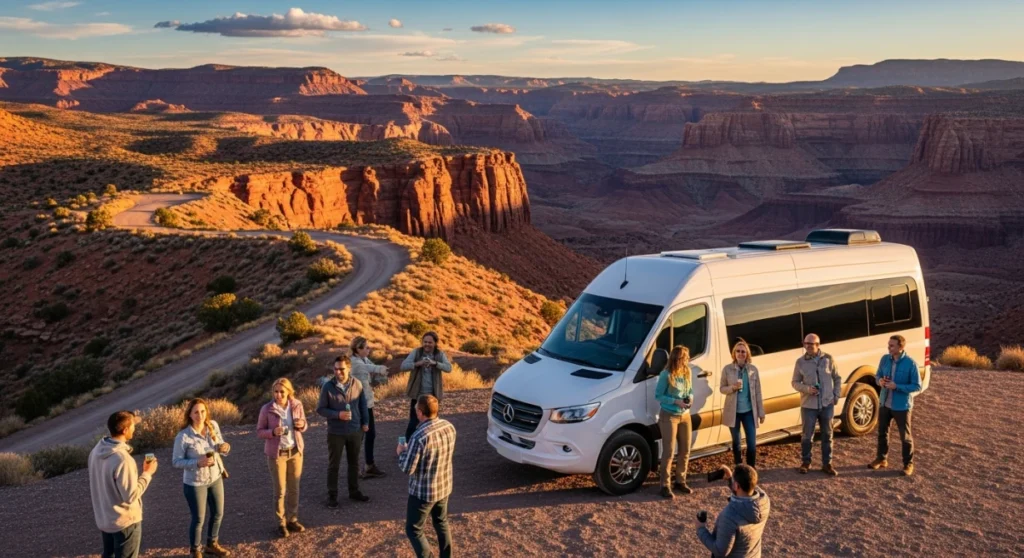
A well-planned canyon-country team day works best with shared transport, viewpoint-based pacing, and optional short walks. The right format reduces logistics and keeps the whole group engaged.
Teams usually do not struggle in Utah because the scenery is lacking. They struggle because the day gets built around parking, split arrivals, mismatched fitness levels, and the wrong amount of structure. That problem matters more now because many groups want a short, high-impact outing from Salt Lake City without burning energy on long-distance driving or unclear park logistics.
For team building in canyon country with a private luxury van charter, the win is not just comfort. It is controlled timing, shared context, and enough flexibility to let different personalities engage without turning the day into a forced retreat. If you design the outing around decision points instead of a packed checklist, the landscape does the heavy lifting.
What this kind of team outing means in real practice
A canyon-country team day works best when transportation is part of the experience, not just a way to get to a trailhead. In practice, that means one coordinated departure, a driver-guide handling movement between stops, and a route that mixes scenic drives, major viewpoints, and optional short walks rather than one long hike that leaves half the group behind.
Utah park touring already follows a pattern that suits group dynamics. Many itineraries begin in Salt Lake City, include round-trip transport, stop at iconic overlooks, and build in time for photos and short walks while a guide adds geology, history, and local stories. That format keeps the group together without making every minute feel managed.
Across current Utah tour offerings, the strongest shared structure is simple: central departure, handled transportation, scenic stops with time to explore, and guide commentary that removes route-planning friction.
Observed pattern in active Utah tour formats
The practical value for a company group is clear. People can talk on the road, reset between stops, and participate at different energy levels while still sharing the same day. That is very different from sending everyone to separate cars or choosing an activity that rewards only the most active people.
What a strong outing usually includes
- Single group departure: Everyone leaves from one agreed pick-up point instead of chasing arrivals across multiple vehicles.
- Viewpoint-based pacing: Key overlooks create natural moments for regrouping, discussion, and shared photos.
- Optional short walks: People who want a little movement can do it without making the full group commit to a strenuous route.
- Guide-led context: Commentary gives the day shape, especially for teams that connect better through stories than through games.
- Planned return time: A defined end helps teams add dinner or evening plans back in the city.
Where planners misread the idea and why it causes friction
The most common mistake is treating the landscape as enough. Beautiful views do not automatically create connection. If the group spends the day scattered across parking lots, waiting for late cars, or guessing how much walking is ahead, the trip becomes logistics with red rocks attached.
Another misread is assuming team building has to look like a workshop. In canyon country, the stronger format is usually light structure with shared movement. A guide can provide context, the route creates natural transitions, and conversation happens because people are not focused on driving, directions, or reservation stress.
Some planners also copy leisure travel too closely. What works for a couple on a spontaneous trip is not always right for a work group with varied stamina, tighter timing, and different expectations about comfort and pace. The outing needs to feel intentional without becoming rigid.
Misconceptions that lead to weak outcomes
- “More stops always means more value.” Too many stops turn a team day into a rush between parking areas.
- “One big hike creates bonding.” It often creates a split between the fastest walkers and everyone else.
- “Driving ourselves is cheaper and simple.” It usually adds navigation stress, parking delays, and staggered arrivals.
- “Any park tour fits a corporate group.” The right choice depends on schedule, walking tolerance, and whether the goal is connection, sightseeing, or both.
You found a hidden promo code!
Use code WOWBLOG at checkout and get 10% OFF any tour!
Limited time offer. Book now and save!
Browse ToursHow to choose the right format for your group
The right plan starts with three filters: available time, walking comfort, and the type of interaction you want. If your team has only one day and is based in the city, routes that depart from Salt Lake City with round-trip transportation tend to create the cleanest experience. If the group includes mixed ages or mixed confidence outdoors, favor scenic drives and viewpoints with optional short walks.
The phrase private luxury van charter for corporate team building in canyon country sounds premium, but the real question is operational. Ask whether the route allows enough conversation time, whether stops are meaningful rather than numerous, and whether the schedule protects people from decision fatigue.
| Planning factor | Better choice for team cohesion | Warning sign |
|---|---|---|
| Departure logistics | One pick-up point with shared transport | Multiple cars arriving separately |
| Activity level | Light to moderate walking with opt-in short hikes | One demanding trail for everyone |
| Learning element | Guide commentary on geology, history, and local stories | Long silent transfers with no structure |
| Timing | Clear return schedule | Open-ended day that crowds evening plans |
| Group experience | Shared viewpoints and regrouping moments | People spreading out for hours |
If your team wants a broad Utah experience without self-driving complexity, utah national parks tours from salt lake city are often the right starting point. They are already designed around transport, key viewpoints, short walk options, and guide context, which matches the needs of many work groups better than a DIY road trip.
Decision scenarios that make the choice easier
Scenario 1: A leadership team has one free day after meetings in Salt Lake City. They want strong scenery, time to talk, and a reliable return for dinner. A viewpoint-driven day with shared transportation fits well because it reduces coordination work and keeps the experience inclusive.
Likely outcome: The group stays together, gets enough movement to avoid feeling bus-bound, and leaves with actual shared reference points from the guide’s stories and the stops themselves.
Scenario 2: A mixed team includes a few active hikers, several people who prefer easy walking, and one or two first-time Utah visitors. Instead of choosing a hard trail, build around scenic drives, iconic overlooks, and optional short walks. That preserves energy and avoids the social drag of people feeling either rushed or left behind.
Likely outcome: Participation stays high because no one has to perform outdoors to belong. The day feels polished rather than improvised.
When shared tours are enough and when private transport matters more
Not every company group needs a fully private outing. Some teams simply want a well-organized day with someone else handling the route, the timing, and the context. In that case, the best tours of utah national parks are the ones that clearly state duration, daily rhythm, walking level, and what is included, because those details predict whether the day will feel smooth.
Private transport becomes more valuable when your team needs schedule control, one-group conversation space, or smoother handling of mixed personalities. It is also the better choice when the event itself matters as much as the sightseeing, since the drive time becomes usable time instead of dead time.
| Format | What it is good for | Known facts from current Utah offerings |
|---|---|---|
| Shared park tour | Small company groups that want low-planning sightseeing | Often starts in Salt Lake City, includes round-trip transport, key viewpoints, optional short walks, and guide commentary |
| Small-group city walk | Teams wanting a shorter, conversation-heavy add-on | Led by local guides, usually in compact groups, focused on downtown history, city layout, and hidden spots |
| Ski day trip | Work travelers adding an active day in winter | Round-trip transport, guidance on where to start, and planned return timing for the evening |
That comparison is useful because some teams overreach on distance when a shorter format would serve them better. For example, a downtown walking tour in Salt Lake City can work as a pre-trip warm-up or a lower-effort option for groups that want local insight without a long travel day.
Common mistakes and how to prevent them
The biggest operational mistake is booking by scenery alone. Zion, Bryce Canyon, Arches, Canyonlands, and Capitol Reef are all powerful destinations, but the team result depends more on pacing than on the name of the park. If the group cannot absorb the day, even famous stops feel rushed.
Another frequent issue is failing to define what success looks like. Do you want casual conversation, recognition time, leadership bonding, or a reward trip with minimal demands? That answer changes stop count, walking level, and how much narration or downtime the group needs.
- Do not overschedule: Build around a few meaningful stops rather than trying to “win” Utah in one day.
- Match the route to the least comfortable participant: Optional short walks keep stronger walkers engaged without excluding anyone.
- Use the drive intentionally: Save one or two discussion prompts for the road instead of forcing activities at every stop.
- Check the return window: A defined end time matters if the team has evening reservations or flight connections.
- Confirm group size fit: Current small-group formats in Utah commonly list caps around 11 to 13 people, which is a useful benchmark for intimacy and question-friendly guiding.

Practical recommendations that improve the day
If you are planning for colleagues rather than vacation buddies, details matter more than hype. These recommendations make the outing easier to run and more valuable once everyone is on the road.
- Pick a central meeting point: Teams start better when the departure point is simple and familiar, especially in Salt Lake City.
- Ask for the walking level in plain terms: “Light to moderate” is more helpful for a work group than broad adventure language.
- Favor routes with built-in photo time: Photos help teams remember the day and give less outdoorsy participants a natural role.
- Choose commentary over silence: Geology, history, and local stories give colleagues something concrete to react to together.
- Leave margin in the schedule: Ten calm minutes at a viewpoint often does more for connection than squeezing in one extra stop.
For groups comparing options, small group tours utah national parks can be a useful benchmark even if you end up booking privately. The small-group model shows what usually works: manageable pacing, room for questions, and a guide who can keep the day coherent without making it feel scripted.
Priority checklist before you book
- Set the outcome first: Decide whether this is a reward day, a relationship-building day, or a scenic break between meetings.
- Confirm the real time available: Include departure, return, meals, and evening commitments before choosing distance.
- Match the outing to mobility and energy: Scenic drives with optional short hikes are usually the safest middle ground.
- Review the day structure: Look for clear duration, approximate schedule, and what the group can expect at stops.
- Use guided transport to reduce friction: The less your team has to manage, the more the landscape can do its job.
A good canyon-country outing does not need to feel elaborate. It needs one vehicle plan, the right amount of walking, and enough shared context for people to remember the same moments for the same reasons.
When the route is paced well, the red rock backdrop supports the team instead of competing with the schedule. That is why these outings work best when transportation, timing, and group comfort are planned as carefully as the destination itself. If you want a Utah team day that feels organized without feeling staged, MateiTravel can help shape the right format.
Is a canyon-country team outing better than having everyone drive separately?
Usually yes, because shared transport keeps timing consistent and removes parking and navigation stress. It also creates more natural conversation time between stops.
What kind of walking level works best for mixed corporate groups?
Light to moderate walking with optional short hikes is the safest fit. That setup includes active participants without making others feel excluded.
Why do tours from Salt Lake City work well for company groups?
They simplify the day with one departure city, round-trip transportation, and a clearer schedule. That matters when people are fitting the outing around meetings or evening plans.
How can a guide improve team building if the day is not a formal workshop?
Guide commentary gives the group shared reference points through geology, history, and local stories. Those prompts often lead to better conversation than forced activities.
When is a small-group format enough without a private charter?
It works well when your team mainly wants an organized sightseeing day and does not need custom timing. Small groups also make it easier to ask questions and stay engaged.
Can a shorter city activity complement a canyon outing?
Yes. A guided walk in downtown Salt Lake City can add local context and lighter movement, especially for teams that want something lower effort before or after a park day.
 Antelope Island Day Tour or Sunset Wildlife Tour: Which Fits Your Salt Lake City Schedule?
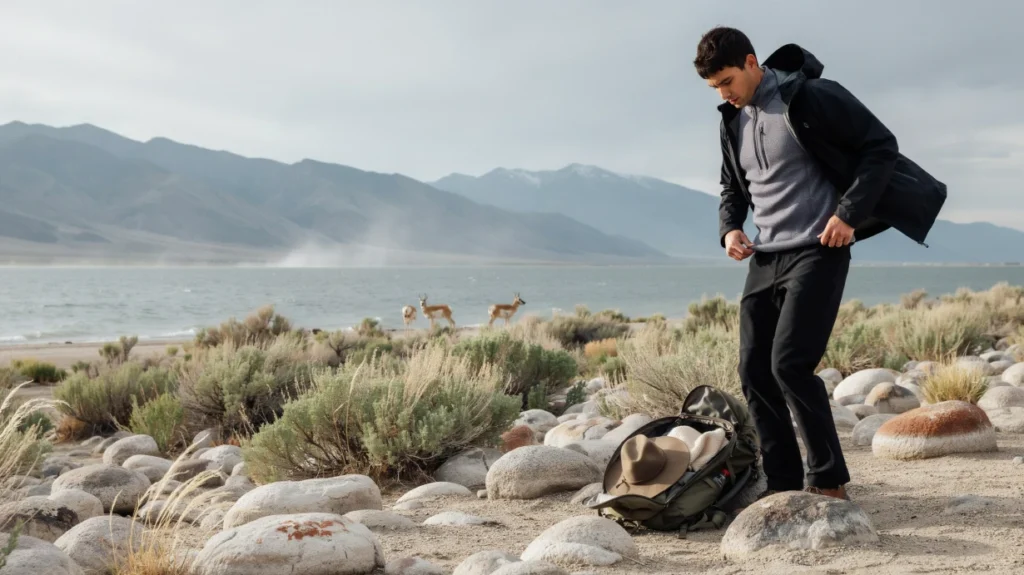 How to Dress for Changing Weather on Antelope Island
 How to Photograph People at Bonneville Salt Flats at Sunset
 How to Dress for Wind and Glare at Bonneville Salt Flats
 What a Guide-Led Utah Day Tour Handles for You
 Why Wildlife Sightings Cannot Be Guaranteed on Antelope Island

The tour was great and beautiful. Dima, the tour guide, explained everything clearly and had some...
Read more →What a beautiful experience! The drive is about 2 hours one way with interesting scenery the...
Read more →(From North Carolina on a business trip) '+ 'HANDS DOWN the best tour/guide I’ve ever had. And...
Read more →Went to Antelope Island. Terrible. Tour guide didn\'t do what he said he was going to...
Read more → Bonneville Salt Flats – Sunset Adventure of the White Desert
 Antelope Island – Wild Heart of the Great Salt Lake Adventure
 Bonneville Salt Flats – Journey to the Edge of the World
 Antelope Island Sunset Wildlife Expedition – Great Salt Lake Odyssey