
Family vacation in Utah: routes with children and kid‑friendly itineraries
Dec 3, 2025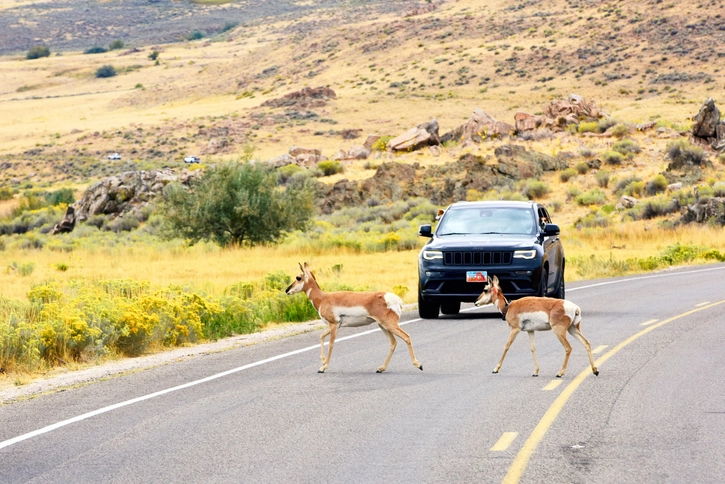
Utah is one of the easiest places in the USA to plan a family road trip with children. Short driving distances, many national and state parks, and safe cities make it simple to combine nature, culture, and fun in one itinerary. Whether you have toddlers or teens, you can match trail difficulty, travel time, and activities to your kids’ energy and interests.
Parents planning a trip here often face the same challenge. Utah has so many scenic routes that it is hard to choose what actually works with children and limited vacation days. From working with families, I have seen that the most successful trips focus on a few regions, mix “wow” moments with relaxed downtime, and leave room for weather and kid moods. That is exactly what this guide will help you do.
This article explains how to build practical family routes, what ages each region suits best, how to keep kids engaged on the road, and how local tours with MateiTravel can simplify logistics. You will find suggested itineraries, pros and cons of traveling in Utah with kids, common mistakes to avoid, and interesting facts that make the landscape come alive for young travelers. The phrase “Family vacation in Utah: routes with children” stops being an abstract idea and becomes a clear, step by step plan.
🚗 What makes Utah a great destination for families?
Scenery that feels like a real‑life movie set
Utah’s landscapes change quickly from city skylines to red rock deserts, snowcapped peaks, and salt flats that look like another planet. Children do not get bored because every day genuinely looks different. Short viewpoint walks and roadside stops let you see a lot without long hikes.
In brief, Utah combines impressive scenery with relatively easy access. Many viewpoints in the “Mighty Five” national parks sit just a few minutes from parking areas. This gives parents flexibility to adapt plans when kids are tired or when nap time arrives earlier than expected.
Compact distances and kid‑friendly infrastructure
Most major attractions in northern Utah lie within a few hours of Salt Lake City. That means you can base your family in one city and explore with day tours, instead of constantly packing and unpacking. Rest areas, grocery stores, and clean public bathrooms are widely available along the main routes.
For example, families using day tours in Utah from Salt Lake City can reach lakes, islands, mountains, and desert viewpoints in a single outing, then return to the same hotel at night. This reduces travel stress with younger children.
Safe environment and clear regulations
Utah is known as a relatively safe and family‑oriented state. Parks have marked trails, clear visitor information, and rangers who are used to explaining things to kids. With basic rules about sun protection, hydration, and wildlife distance, families can explore confidently.
The key takeaway is that Utah offers high visual impact, short access paths, and a predictable environment. That combination makes it easier to introduce kids to hiking, geology, and wildlife watching without extreme risk or complexity.
🗺️ How to choose the right family route in Utah
Start with your children’s ages and interests
Every good family itinerary begins with the kids, not the map. Toddlers usually need more playground time and shorter drives. School‑age children are curious and enjoy “missions” like spotting bison or collecting Junior Ranger badges. Teenagers often want some challenge such as a longer hike or a sunrise photo mission.
List what excites your children. Animals, trains, rocks, water, or snow. Then select regions and tours that match those themes. This approach keeps children involved in the plan from day one, which reduces complaints on the road.
Decide between hub‑and‑spoke or road trip style
In a hub‑and‑spoke trip, you sleep in one place and explore different directions each day. This is perfect for families who dislike constant packing, especially with car seats and strollers. Salt Lake City works very well as a hub because many attractions sit within a 1 to 2.5 hour drive.
A classic road trip changes hotels almost every night and covers more distance. This style suits older kids who tolerate longer drives and are excited to “collect” new places. To summarize, younger children often do better with a hub‑based plan, while older ones can enjoy a loop that visits several national parks.
Sample 3 to 5 day family‑friendly frameworks
Use these as building blocks rather than rigid schedules. You can mix and match days according to your time and season.
- Short break with small children (3 days, hub in Salt Lake City)
- Day 1: City walk, parks, and easy museums
- Day 2: Antelope Island wildlife watching
- Day 3: Great Salt Lake area or nearby canyons for a picnic
- Active school‑age kids (4–5 days)
- 1–2 days: Salt Lake City and surroundings
- 1 day: Antelope Island and viewpoints
- 2 days: Introductory red rock or national park area with short hikes
- Teens who love nature and photos (5+ days)
- 2 days: Salt Lake City and Great Salt Lake region
- 3+ days: Loop through at least two national parks with sunrise or sunset viewpoints
You found a hidden promo code!
Use code WOWBLOG at checkout and get 10% OFF any tour!
Limited time offer. Book now and save!
Browse Tours🏙️ Family time in Salt Lake City and nearby
Easy first day: city walks and gentle activities
After a flight, most children need a soft landing, not a long drive. Walking tours in the center help everyone stretch their legs and adjust to the new place. Parents appreciate the mix of history, architecture, and mountain views.
Consider joining Salt Lake City walking tours with local guides. These routes usually keep distances short and stories engaging. Kids hear about pioneers, trains, and the salty lake instead of dry dates, which keeps them listening.
Antelope Island: wildlife experience without long hiking
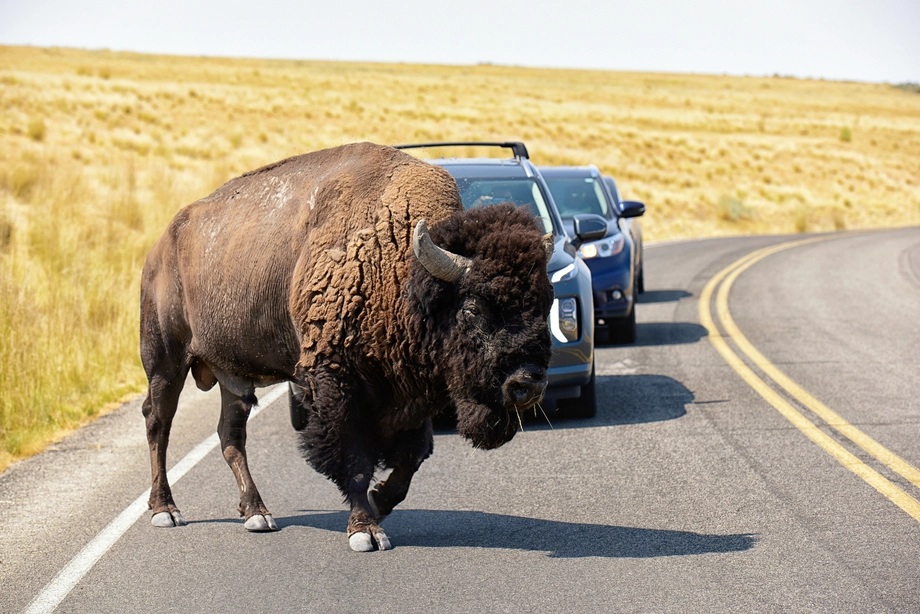
Antelope Island in the Great Salt Lake is one of the strongest family stops near the city. You can often see bison, antelope, and many birds directly from viewpoints or short paths. Children get a real “safari” feeling without hours of trekking.
The Antelope Island – Wild Heart of the Great Salt Lake adventure tour is designed as a full but manageable day. It typically lasts about seven hours, which is long enough for wildlife, viewpoints, and snacks, yet still ends before bedtime meltdowns.
Bonneville Salt Flats: a “white desert” playground
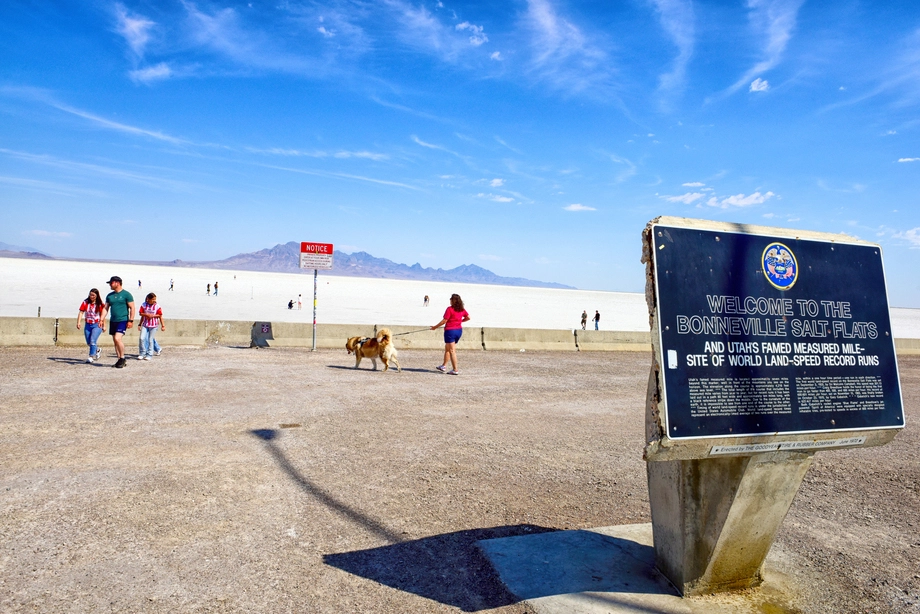
For many kids, the Bonneville Salt Flats are a highlight because the landscape looks unreal. The flat white surface invites safe running, jumping, and creative family photos. Parents can talk about speed records and how the “white desert” forms after ancient lake water evaporates.
The Bonneville Salt Flats – Sunset Adventure of the White Desert tour adds the magic of evening light. In short, this is a strong choice for families with children who love dramatic photos and open spaces where they can move freely.
Quick comparison of two classic day tours
| Feature | Antelope Island Tour | Bonneville Salt Flats Tour |
|---|---|---|
| Typical duration | About 7 hours | About 7 hours |
| Main theme | Wildlife and lake views | Unique landscape and sunset |
| Kid age sweet spot | 5–12 years | 7+ years |
| Walking effort | Short, gentle walks | Flat open walking on salt |
| Best for | Animal lovers and first‑time visitors | Families who love photos and “space” |
⛰️ Introducing kids to Utah’s national parks
Choosing which parks to visit first
Utah’s famous “Mighty Five” parks all have family potential, but not every park is equally easy with younger children. Accessibility, shade, and drive time matter more for families than for solo hikers.
Many parents find it convenient to join Utah National Parks tours from Salt Lake City. These guided trips select viewpoints and paths that work well with limited attention spans and provide transport, which is especially helpful for larger family groups.
Age‑appropriate activities in the parks
What matters most is to match each park activity with the season and your children’s energy level. Short loop trails, visitor center exhibits, and ranger programs usually work well for ages six and up. Teenagers may enjoy longer routes or sunrise viewpoints that require early wake‑ups.
Many parks also have Junior Ranger programs where kids complete simple tasks and receive a badge. This turns each walk into a mission instead of “another hike,” which keeps motivation high.
When to plan your national park days
National parks are beautiful all year, but family comfort changes by season. Hot summer days require more water, cooling breaks, and early starts. Spring and fall usually offer pleasant temperatures and fewer crowds.
| Season | Family comfort | Key advantages | Main challenges |
|---|---|---|---|
| Spring (Mar–May) | High | Mild weather, flowers, good for hiking | Possible rain, variable temperatures |
| Summer (Jun–Aug) | Medium | Long daylight, school holidays | Heat in desert areas, more crowds |
| Fall (Sep–Oct) | Very high | Comfortable temps, colors in mountains | Shorter days as season progresses |
| Winter (Nov–Feb) | Variable | Fewer visitors, snow landscapes | Cold, possible closures or icy areas |
Interesting facts to share with kids in the parks
Children remember stories better than statistics. Use the landscape as a natural classroom. For example, explain how arches form from softer rock eroding, or show how lichens slowly “eat” stone over decades.
You can also point out that some canyon layers were once ancient seas, deserts, or rivers. This helps kids imagine dinosaurs, oceans, and jungles where they now see rocks and sand.
🎿 Winter family routes: skiing and snow fun
Why winter can be ideal for certain families
Families who enjoy snow sports should not ignore Utah in winter. Ski resorts near Salt Lake City offer groomed slopes, ski schools, and non‑ski activities like tubing. For many children, playing in deep snow is as memorable as visiting a national park.
Parents often appreciate that winter trips can focus on one base area with consistent routines. You ski, eat, relax, and sleep in a clear rhythm that suits school‑age kids and teens.
Selecting ski areas for different skill levels
Families can explore options through Utah ski resort tours. These usually highlight resorts that combine beginner slopes with more advanced runs. Look for ski schools with dedicated children’s areas and patient instructors, especially if this is your kids’ first time on skis.
Bottom line, pick a resort where the easiest slopes are truly gentle, and where indoor spaces are nearby for warm‑up breaks. This is more important than choosing the resort with the highest number of advanced runs.
Non‑ski activities for younger children
Not every child wants to ski all day. Many resorts and nearby areas offer snowshoe walks, sledding hills, or scenic viewpoints where you can drink hot chocolate and enjoy the winter scenery. Simple snowman building sessions often become a favorite family memory.
To summarize, a winter route in Utah is not only about sport. It is also about safe snow play, cozy breaks, and teaching kids to love being outside in colder seasons.
✅ Pros and cons of a family trip to Utah
Advantages of traveling in Utah with children
- Accessible natural wonders
- Many viewpoints and short trails are close to parking areas, which reduces fatigue and allows stroller access in some locations.
- Families can see lakes, islands, mountains, and red rock in a single trip without extreme hiking.
- Safe and structured environment
- Parks have clear signage, marked paths, and rangers who are used to educating children.
- Cities like Salt Lake City feel family oriented, with playgrounds and services close to central areas.
- Flexible touring options
- Hub‑based day tours from Salt Lake City allow families to keep one hotel and explore different directions.
- Guided tour options reduce planning stress for parents and provide local stories for kids.
Limitations and challenges to consider
- Weather extremes
- Summer desert heat can be intense, which requires careful planning around sun and water.
- Winter conditions in the mountains may challenge families not used to driving or walking in snow.
- Drive times for very young children
- Some national parks sit several hours from Salt Lake City, which can be hard with toddlers who dislike car seats.
- Frequent breaks and flexible schedules are necessary for a smooth experience.
- Park popularity
- Famous viewpoints can be busy in peak season, which may reduce the feeling of solitude and require patience in parking lots.
- Advance reservations for hotels and some activities are important for larger families.
🧭 Practical route examples with children
Example 1: Three active days with a 7‑year‑old
Imagine a family with one energetic 7‑year‑old who loves animals and stories. They arrive in Salt Lake City in the afternoon, sleep, and start the next day with a relaxed city walk. A local guide adapts the pace, adds tales about trains and pioneers, and suggests a playground break in the middle.
On day two, the family joins the Antelope Island tour. The child helps spot bison, learns how salty water supports brine shrimp, and runs short stretches on safe paths. Day three takes them to the Bonneville Salt Flats before sunset. The child draws patterns in the salt crust, and the family takes creative shadow photos together. The route fits one base hotel, no extreme drives, and plenty of movement.
Example 2: Five days with two teens who love photography
A family with two teenagers wants striking landscapes and time for photo experiments. Day one is a walking city tour to understand the region’s history and scout mountain views. Day two is Antelope Island, focused on wildlife shots and golden‑hour lighting over the lake.
The next three days join a guided loop that focuses on two national parks. Early morning starts allow sunrise views, and the guide chooses moderate trails to the most photogenic points. Teens appreciate both the Instagram potential and the geology stories that explain the shapes they see.
How MateiTravel’s strengths help in these examples
MateiTravel uses experienced local guides who know how to read group energy, including children’s moods. They adjust timing and stops so that families see signature locations without rushing. This human factor often matters more than any map.
Another advantage comes from their portfolio of original tour routes. Instead of following generic bus paths, MateiTravel designs unique combinations of stops that avoid the most crowded times when possible. Comfortable transport for large groups and their own transfer options mean grandparents, strollers, and luggage all move smoothly from airport to hotel to viewpoints.
⚠️ Common mistakes when planning Utah routes with kids
Trying to visit too many parks in a short time
Parents often underestimate how tiring repeated early mornings and long drives can be for children. A plan that looks efficient on paper can feel exhausting on day three. Aim to reduce the number of different bases and allow at least one slower day after every two intense days.
Ignoring heat, sun, and hydration
In summer, dry desert air and strong sun can surprise visitors. Kids may not notice thirst until they already feel unwell. Always carry more water than you think you need, hats, sunscreen, and light long sleeves for sensitive skin.
Skipping advance reservations in high season
Popular areas can book up months ahead. Families sometimes assume they can book hotels or tours last minute, which leads to higher prices or limited choices. Secure key accommodations and any must‑do guided tours early, especially for school holiday periods.
Choosing trails that are too ambitious
Online photos can make a trail look easy. Elevation, altitude, and exposure to sun change the real effort. Start with shorter routes to test how your children react, then adjust. It is better to finish a short hike with happy kids than to carry a tired child halfway back.
Driving after dark in unfamiliar rural areas
Some families underestimate driving times back to Salt Lake City or between parks, especially after sunset. Night driving in rural regions can feel stressful with kids in the backseat. Plan to reach your base before dark whenever possible so evenings stay calm.
🛠️ Practical tips for a smoother family trip
Plan daily “anchor points” instead of rigid schedules
Choose one or two key activities per day and keep the rest flexible. For example, “morning hike to viewpoint” and “evening sunset stop.” If kids are tired, you can shorten or skip secondary plans without feeling that the day is lost.
Use simple games to keep kids engaged on the road
Before the trip, prepare a few travel games such as bingo cards with animals, rock shapes, or road signs. Ask children to count bison, spot different rock colors, or find license plates from other states. This transforms drive time into part of the adventure.
Schedule early starts and midday breaks in summer
In hot months, build your day around the sun. Do the main walking or hiking in the morning, have lunch and rest in shade or at your hotel in early afternoon, then return outside for late afternoon light. This rhythm protects energy and keeps everyone more comfortable.
Pack a family “comfort kit”
Prepare a small bag with wet wipes, basic first aid items, snacks, extra socks, and a light layer for sudden wind or shade. Having this kit in the car or tour vehicle quickly solves many small problems before they become big complaints.
Combine self‑exploration with guided days
Many families enjoy a mix of independent days and guided tours. Guided days remove navigation and parking stress, especially in unfamiliar areas, and let parents relax and learn along with the kids. Independent days give space for slow mornings, hotel pools, and spontaneous decisions.
Bottom line, alternating these styles often provides the best balance of freedom and support for a family vacation.
📊 Overview of main day tour options from Salt Lake City
How key tours differ for families
The table below summarizes several typical day routes that many families choose when basing themselves in Salt Lake City. Times are approximate and can vary by season and traffic, but the comparison helps you select options that match your children’s patience and interests.
| Tour / Area | Approx. day length | Main focus | Family suitability |
|---|---|---|---|
| Salt Lake City walking tour | 2–4 hours | City history, culture, light walking | Excellent for all ages and arrival day |
| Antelope Island adventure | ~7 hours | Wildlife, Great Salt Lake views | Great for animal‑loving kids 5+ |
| Bonneville Salt Flats sunset trip | ~7 hours | Unique landscape, sunset, photos | Best from about age 7 and up |
| National park intro tour | Full day or multi‑day | Iconic viewpoints, short hikes | Ideal for school‑age kids and teens |
Why guided day tours help families specifically
For parents, one of the biggest values of guided tours is mental space. Instead of constantly checking maps, parking, and schedules, you can focus on your children and the scenery. Local guides handle navigation, timing, and weather checks.
With services like family‑friendly day tours in Utah, transport is already arranged, usually with seats suited for groups and space for child gear. This matters when traveling with grandparents or multiple children, since everyone can stay together and talk during the drive.
🌟 Interesting facts about family travel in Utah
Geology and landscapes kids love to hear about
Utah sits on land that has shifted between oceans, deserts, and mountain‑building zones for millions of years. Children are often amazed to learn that the white salt flats they run across are the remains of a huge ancient lake. You can compare it to a gigantic puddle that slowly dried up and left salt behind.
Red rock colors come from iron in the stone that rusted over time. Explaining that the rocks are “rusted on the inside” turns a simple viewpoint into a science lesson that kids remember.
Wildlife stories that add magic to the trip
Antelope Island’s free‑roaming bison are a strong example of conservation success. Families can talk about how people nearly hunted bison to extinction and how careful protection brought them back. Children love imagining how heavy and strong these animals are compared with a car.
Bird‑watching also becomes more interesting when you connect it with migration. Many birds stop at the Great Salt Lake as a “rest station” on very long journeys between continents.
Fun facts about local culture and history
Salt Lake City’s grid street system is a playful way to introduce kids to maps and directions. You can show them how blocks are counted from the central point and let them guess which way to walk to increase or decrease numbers.
The region’s mix of pioneer stories, railroad history, and modern tech growth gives plenty of material for older children who enjoy social studies. They begin to see that a place is not only scenery, but also people and decisions over time.
📚 Why expert guidance matters for families
Local expertise and safety awareness
Professional guides follow up‑to‑date information from park services and local authorities. They know which areas may be affected by temporary closures, wildlife activity, or weather changes. This helps families avoid unpleasant surprises and risky situations.
“When visiting national parks with children, plan shorter activities than you think you need, and always leave energy for the unexpected.”
— National Park Service family travel guidance, 2023
Experienced local guides, like those working with MateiTravel, also observe trail conditions daily. They can suggest alternative viewpoints when a path is too muddy, icy, or crowded for younger travelers.
How MateiTravel builds family‑friendly experiences
MateiTravel combines three key elements that matter to parents. First, local experienced guides who know how to adjust routes in real time. Second, a wide range of unique author tours that avoid a one‑size‑fits‑all approach. Third, comfortable transport for large groups and their own transfer service that simplifies airport pickups and multi‑generational travel.
Families benefit from routes that are tested with real children, backup plans for changing weather, and vehicles with enough space for strollers, snacks, and souvenirs. This reduces friction and lets you focus on memories instead of logistics.
🔚 Conclusion: building your ideal Utah family route
Utah offers a rare combination of dramatic scenery, short access walks, and family‑oriented infrastructure. By choosing age‑appropriate activities, limiting daily driving time, and mixing guided days with free exploration, you can create a vacation that stays exciting without exhausting your children.
The key takeaway is simple. Focus on a few regions, respect the rhythm of your kids, and use expert local help when distance, weather, or logistics become complex. Tours from Salt Lake City to Antelope Island, the Bonneville Salt Flats, and nearby national parks provide strong building blocks for most families.
If you want support turning ideas into a concrete route, consider planning with MateiTravel. Their local guides, original itineraries, and comfortable group transport help transform “someday we’ll visit Utah” into a relaxed, well‑organized family adventure.
📖 Sources
— National Park Service, Family Trip Planning Guidelines (2023)
— Utah Office of Tourism, Visitor Profile Report (2022)
— Outdoor Family Travel Trends, Mountain West Region Study (2023)
— American Academy of Pediatrics, Sun and Heat Safety for Children (2022)
❓ FAQ
- How long is a typical Antelope Island family tour from Salt Lake City?
Most Antelope Island tours designed for families last around seven hours. This gives enough time for wildlife watching, photo stops, and short walks without pushing children into late evening fatigue. - What is the best age for kids to enjoy the Bonneville Salt Flats?
The Bonneville Salt Flats work especially well for children from about seven years and up. At that age they usually appreciate the strange landscape, can walk comfortably on the salt surface, and enjoy taking creative sunset photos. - Is a hub‑and‑spoke trip or a classic road trip better for young children?
For toddlers and younger school‑age kids, a hub‑and‑spoke plan with one main base, often in Salt Lake City, is usually easier. It reduces packing, allows consistent sleep routines, and lets you choose different day tours based on energy and weather. - How many key activities should I plan per day with kids in Utah?
A good rule is to plan one or two “anchor” activities per day, such as a short hike and a sunset viewpoint. Additional stops can remain flexible so you can shorten the day if children feel tired or the weather changes. - Which season is generally most comfortable for family hikes in Utah?
Spring and fall are usually the most comfortable seasons for family hiking. Temperatures are milder than in summer, yet you still have good daylight and open trails, as summarized in the seasonal comparison table in this article. - Do I need guided tours to visit Utah’s national parks with children?
You can visit on your own, but many families appreciate guided national park tours that include transport and carefully chosen short hikes. Guides handle navigation and timing so parents can focus on kids instead of logistics. - How does MateiTravel help when traveling with a large family group?
MateiTravel provides comfortable transport suitable for bigger groups and their own transfer service, which simplifies airport pickups and multi‑generational travel. Local guides adjust routes and stops to match the pace and interests of everyone, from grandparents to young children. - What is the main safety concern for families in Utah during summer?
The main concern is heat and sun exposure, especially in desert areas. Families should carry extra water, use hats and sunscreen, and schedule the most active parts of the day in the cooler morning or late afternoon hours. - Can we combine skiing with national park visits in one trip?
Yes, many families visit ski resorts near Salt Lake City for a few days of snow fun, then add a short national park segment. Careful planning of drive times and weather windows is important, and guided tours can help integrate both elements smoothly.

 Bonneville Salt Flats – Sunset Adventure of the White Desert
 Antelope Island – Wild Heart of the Great Salt Lake Adventure
 Bonneville Salt Flats – Journey to the Edge of the World
 Salt Lake City – The City of Zion. Historical Interactive Walking Tour
 Antelope Island Sunset Wildlife Expedition – Great Salt Lake Odyssey