
Half-Day Sunrise Delicate Arch Tour From Moab: Timing and Pace
May 14, 2026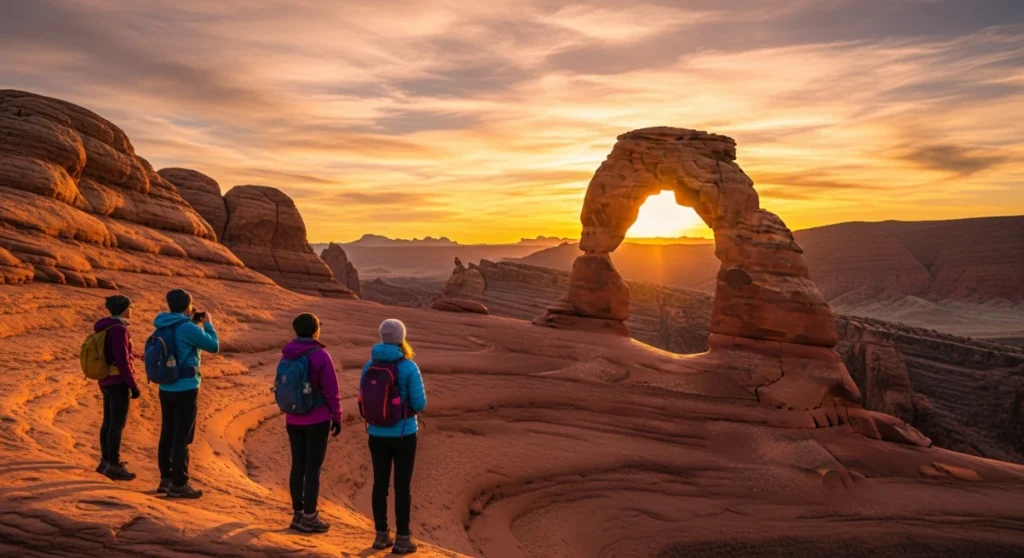
Expect a very early start, a 3-mile round-trip hike, and about 4.5 to 6 hours door to door from Moab. Sunrise is usually cooler and less crowded, but timing and pace matter.
Most travelers do not underestimate Delicate Arch itself. They underestimate the clock. The usual mistake is assuming you can roll out of Moab, park, walk uphill in the dark, and still arrive calm and on time for first light without building in real buffer.
A half-day sunrise outing to Delicate Arch is a short, logistics-heavy national park experience for travelers who care about light, temperature, and pacing more than squeezing in a lazy morning. If you want to know when you need to wake up, how the trail feels before dawn, and whether a guide makes the morning smoother for your group, this is the decision framework that matters.
What does a half-day Delicate Arch sunrise outing from Moab actually include?
A practical half-day sunrise outing from Moab usually means a very early pickup or self-drive, entry into Arches before dawn, the hike to the arch by headlamp, time at the viewpoint for sunrise and photos, then the return hike and drive back to town by mid-morning. Door to door, many travelers should expect roughly 4.5 to 6 hours rather than a quick two-hour errand.
The hiking portion is the anchor. The National Park Service states that Delicate Arch Trail is a 3-mile round trip that typically takes 2 to 3 hours, so the rest of the morning has to wrap around that fixed effort rather than wishful timing.
The Delicate Arch Trail is a 3-mile roundtrip hike with 480 feet of elevation gain and typically takes 2 to 3 hours to complete.
Delicate Arch – Arches National Park (U.S. National Park Service)
In practice, a guided half-day format works best when responsibilities are clear:
- You handle: being ready on time, wearing suitable footwear, carrying water and layers, and being honest about your fitness and comfort with pre-dawn hiking.
- We handle: building a realistic departure window, pacing the walk for the group, keeping everyone together at key sections, and protecting enough time at the arch for photos instead of letting the whole morning get eaten by a rushed ascent.
- The deliverable: a sunrise-focused Arches experience that fits into the front half of your day and does not leave you guessing whether you started too late.
If you are planning a broader Utah trip rather than one isolated hike, our Utah National Parks Tours are the natural next step because Arches can be placed inside a larger park itinerary with transport, timing, and walking expectations already mapped out.
Why is sunrise at Delicate Arch different from sunset?
Sunrise is usually cooler, quieter, and easier to manage than sunset, even though it demands a much earlier start. For many travelers, the trade is worth it because you exchange sleep for better space, calmer pacing, and less heat on the climb.
The National Park Service advises entering Arches early in the morning or later in the afternoon to avoid heavier traffic, cooler temperatures, and better photography conditions. Sunrise pushes that idea to its logical extreme. You are on the trail before the day heats up and before the park feels congested.
To avoid crowds, it is recommended to enter Arches National Park early in the morning or late in the afternoon, when temperatures are cooler and the light is better for photography.
Sunset can be beautiful, but it often brings a different experience. More people target the same time window, parking pressure can feel higher, and the trail can still hold daytime heat, especially in warmer months. Sunrise usually feels more deliberate and less competitive, which matters if your priority is not just seeing the arch but enjoying the approach.
For photographers, the benefit is not a guaranteed dramatic sky. No guide can promise that. The real advantage is arriving early enough to settle in, choose your angle, and work with changing light rather than arriving breathless as the moment is already passing.
You found a hidden promo code!
Use code WOWBLOG at checkout and get 10% OFF any tour!
Limited time offer. Book now and save!
Browse ToursHow long does the hike take, and what does the trail feel like before dawn?
Most groups should plan on the hike itself taking 2 to 3 hours round trip, with the uphill section feeling noticeably harder in the dark than the same mileage might suggest on paper. The trail is not technical climbing, but it is a strenuous walk with a sustained slickrock ascent and a narrow ledge near the end.
That is why a sunrise plan is built backward from the light, not forward from your hotel alarm. Local sunrise planning commonly uses a start window of about 65 to 90 minutes before sunrise so hikers reach the arch in time for the best pre-sunrise and sunrise light, and that rule of thumb matches what the terrain demands.
The feel of the route changes by section:
- Opening segment: easy enough to warm up, but it is still dark, so groups need to settle into a rhythm instead of charging out too fast.
- Main slickrock climb: this is where breathing rate rises and pace differences show up. It is exposed, uphill, and more tiring than many first-timers expect.
- Final approach: concentration matters more than speed. The narrow ledge near the end tends to be the section that makes nervous hikers pay close attention.
The National Park Service describes the route as strenuous, with a steep slickrock slope and no shade, and specifically notes that it should be avoided in midday summer heat. Before dawn, the shade problem is less immediate, but the low light adds its own challenge because footing and route-finding demand more attention.
For mixed groups, the key question is not whether someone can technically cover 3 miles. It is whether they can walk uphill steadily, in dim light, on slickrock, without turning the ascent into a stop-start scramble that burns the sunrise window.
What is a realistic sunrise-friendly schedule from Moab and back?
A realistic half-day schedule from Moab starts very early and includes buffer at every stage. If you want unhurried photo time at the arch, the morning should be planned around arrival 15 to 30 minutes before sunrise, not at sunrise itself.
Because sunrise changes through the year, the exact clock time shifts. What does not change is the sequence. Build backward from sunrise, allow 65 to 90 minutes for the uphill hike, then add time for driving, parking, gearing up, and a few minutes of inevitable transition.
| Stage | Typical planning window | Why it matters |
|---|---|---|
| Leave lodging in Moab | About 2 to 2.5 hours before sunrise | Creates room for the drive, park entry, and any small delays without stealing photo time |
| Arrive at trailhead area | About 90 to 110 minutes before sunrise | Lets the group organize lights, layers, and final bathroom stop before walking |
| Begin hiking | About 65 to 90 minutes before sunrise | Matches the usual uphill effort needed to reach the arch before first light improves |
| Time at the arch | Roughly 20 to 45 minutes | Gives space for photos, changing sky color, and a short pause without a rushed turnaround |
| Return to trailhead | About 60 to 90 minutes after sunrise | The descent is easier, but groups still spread out and stop for views |
| Back in Moab | Usually mid-morning | Keeps the outing in half-day territory and leaves room for the rest of your day |
Photographers should lean toward the longer version of that schedule. Non-photographers who mainly want the experience can tolerate a slightly tighter turnaround, but the hike itself does not shrink, so the total morning still needs respect.
If your trip starts elsewhere, such as Salt Lake City, the better approach is usually not to force a one-off sunrise hike from a distant base but to place Arches inside a broader park plan. That is where our Utah national parks tours from Salt Lake City make more sense than trying to improvise long-distance logistics around one sunrise.
How do guides manage pace, mixed abilities, and photo stops on this hike?
A good guide protects the sunrise window by setting a sustainable uphill pace from the first minutes, not by hurrying people later. On this trail, time is usually lost through poor pacing, scattered stops, and uncertainty in the dark, not through one dramatic delay.
On a 3-mile route with a few key terrain changes, pace management is a real service task with clear acceptance criteria. The group should reach the arch safely, together, and early enough that nobody feels they ran the whole way only to miss the best light.
Our approach to guided touring in Utah is built around local guides, small groups, and clear route expectations. That same style matters here because small-group handling gives people room to ask questions, settle nerves before the slickrock sections, and avoid the chaos that larger, loosely managed groups can create.
- Pre-hike briefing: the guide sets expectations on effort, lights, footing, and how the group will move through the narrower sections.
- Steady early pace: stronger hikers are held to a controlled rhythm so the group does not burn energy in the first uphill stretch.
- Purposeful stops: short pauses happen where they help breathing or views, not randomly every few minutes.
- Group compression points: the guide regroups before and after the more exposed final approach so nobody feels isolated in the dark.
- Photo-time protection: the walk back is not allowed to consume the whole morning. Reaching the arch with a usable photography window is treated as part of the outing, not a bonus if time happens to remain.
This is also where self-guided groups often misjudge things. One person moves fast, another is nervous on slickrock, someone stops repeatedly for photos on the way up, and suddenly the sunrise arrives while the group is still climbing.
When is a guided sunrise outing the right fit, and when is self-guided enough?
A guided version is the right fit when timing, comfort in the dark, or group coordination matter more to you than absolute independence. Self-guided can work for confident hikers, but the margin for bad timing is small when the goal is sunrise rather than simply reaching the arch at some point.
The most common objection is fair: yes, you can drive from Moab and do this on your own. Many people do. The real question is whether your group wants to manage the pressure points personally.
| If this sounds like you | Self-guided may be enough | Guided is usually the better fit |
|---|---|---|
| You know the park well and are comfortable hiking before dawn | Yes | Only if you want the morning managed for you |
| Your group has mixed fitness or different walking confidence | Possible, but harder to coordinate | Yes |
| You care a lot about being at the arch before the best light | Only if you are disciplined with timing | Yes |
| You are nervous about slickrock and the ledge in low light | Less ideal | Yes |
| You mainly want total flexibility and minimal structure | Yes | Only if you still want support |
For many families and friend groups, the best value of a guide is not navigation alone. It is removing decision fatigue at 4:30 in the morning, setting a calm pace, and making sure the strongest or most eager person does not accidentally dictate the entire outing.
If you are comparing this with other regional outings, the same planning logic applies across our Utah Day Tours. The point is not just transport. It is realistic routing, clear walking expectations, and a schedule that matches the experience you actually want on site.

Who is this hike suitable for, and who should think twice?
This hike suits travelers who can handle a sustained uphill walk of 3 miles round trip and are comfortable moving carefully on slickrock before daylight. It is less suitable for anyone who is uneasy with exposure, has limited uphill stamina, or expects a flat, casual sunrise stroll.
Children and older relatives are not automatically excluded, but group composition matters. Early starts help because the trail is cooler, yet the route still includes a strenuous climb and a narrow ledge near the end, so confidence and steadiness matter more than age alone.
- Usually a good fit: active travelers, older kids who hike regularly, and adults who can maintain a moderate uphill pace without distress.
- Needs honest discussion first: anyone with balance concerns, strong fear of heights or edges, or a pattern of struggling on short but steep hikes.
- Often a poor fit: travelers looking for an easy walk, people who dislike hiking in the dark, and groups where one member would need frequent long rests.
The cleanest decision test is simple. If reaching the arch requires one or two people to be pushed beyond their comfort, the morning will feel stressful instead of memorable. A different overlook, a later start, or a different park stop may serve the group better.
What should you bring, and what counts as a successful half-day outing?
The essentials are straightforward: water, reliable light, layers for pre-dawn temperatures, and shoes with good grip. Success is not just touching the viewpoint. It is arriving safely, with enough breath and time left to enjoy sunrise rather than immediately turning around.
Your preparation checklist should be specific:
- Water: carry enough for a strenuous 3-mile hike, even though the outing is short.
- Headlamp or flashlight: do not depend on a phone alone for the climb.
- Layering: pre-dawn temperatures can feel cool even when the day later becomes hot.
- Footwear: choose closed-toe shoes with dependable traction on rock.
- Photo priorities: decide before you start whether your goal is quick snapshots or staying longer for changing light.
- Fitness honesty: tell the guide in advance if anyone in your group is a slower uphill walker or nervous on ledges.
For a guided morning, the acceptance criteria are practical. You should know the meeting time in advance, understand the walking level, and have a realistic sense of how much time you will spend hiking versus standing at the arch. That clarity is part of the service, not a minor detail.
How do seasons change meetup times, temperatures, and trail conditions?
Season changes the alarm clock first, then the clothing and trail feel. Summer usually means the earliest departures but also the biggest payoff in avoiding heat, while colder months can mean a less brutal wake-up time but a chillier start and more caution underfoot.
The core planning rule stays stable. You still work backward from sunrise and preserve a 65 to 90 minute hiking window before it. What shifts is how that feels on the ground.
- Summer: earliest wake-ups, but cooler hiking conditions than later in the day. This is the season when sunrise timing helps most because the National Park Service warns against midday heat on this exposed trail.
- Spring and fall: often the easiest balance of temperature and effort, though sunrise crowds can still build because these are popular travel seasons.
- Winter: later sun can make the start feel easier on the clock, but cold air, wind, and any questionable footing can slow the group and require extra care.
Cloud cover can still produce a beautiful morning, but color is never guaranteed. When conditions change enough to affect safety or trail comfort, the responsible move is to adjust the outing around guide judgment and current official park advice rather than forcing the original plan.
How should you move forward if Delicate Arch sunrise sounds right for your trip?
The next step is to match the outing to your dates, starting point, and actual walking ability, not just your wish list. A good plan starts with whether you will be based in Moab, whether photography is a priority, and whether this should stand alone or connect to a larger Utah route.
If Delicate Arch is one piece of a bigger park trip, start with our Utah National Parks Tours. If you are looking for a shorter-format outing style and want to compare how we structure time, transport, and guided stops across the state, browse our Utah Day Tours and contact us with your travel dates, starting point, fitness level, and sunrise photo interest.
A half-day sunrise outing to Delicate Arch from Moab works best for travelers who want cooler temperatures, fewer people, and enough photo time to justify the early wake-up. The key numbers are simple: expect a 3-mile round trip, a sustained uphill effort, a start roughly 65 to 90 minutes before sunrise, and a total door-to-door morning of about 4.5 to 6 hours. If that sounds like the right trade for your trip, explore the relevant Utah tour options on our site and send your dates and priorities so we can suggest the right plan.
How early do I need to wake up for a sunrise visit from Moab?
Many travelers should expect to leave lodging about 2 to 2.5 hours before sunrise. That allows for driving, getting organized at the trailhead, and starting uphill with enough margin.
How much time do you usually get at the arch for photos?
With a well-timed start, many groups have around 20 to 45 minutes near the viewpoint. That window depends on pace, stops on the climb, and how early you arrive before sunrise.
Is the hike dangerous in the dark?
It requires attention, especially on slickrock and the narrow ledge near the end. Reliable lights, staying together, and not rushing are what make the pre-dawn hike manageable.
Would I feel rushed on a half-day format?
Not if the morning is built around the hike first and includes buffer for photos. The rushed version is usually the one that starts too late, not the one labeled half-day.
Is sunrise better than sunset for avoiding crowds?
Sunrise usually offers a calmer experience with cooler temperatures and fewer people. Sunset can be beautiful, but it often feels busier and more compressed.
Can kids or older adults do this hike?
Some can, but the better measure is uphill stamina and comfort on uneven rock, not age by itself. Anyone uneasy with exposure or steep walking should assess honestly before booking.
What if the sky is cloudy?
You may still get dramatic light and a worthwhile experience, but vivid sunrise color is never guaranteed. Safety and trail conditions matter more than forcing the original photo plan.

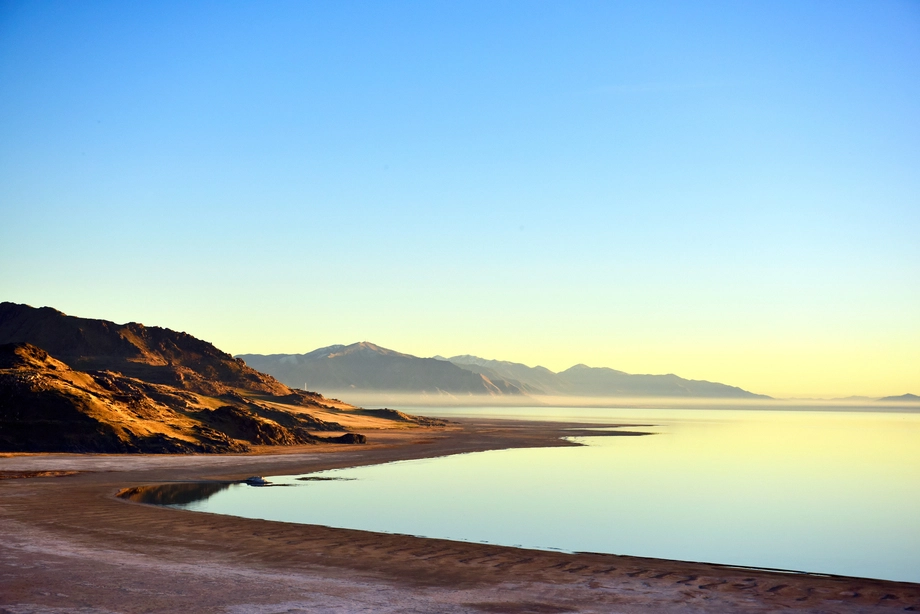 Antelope Island Sunset Wildlife Expedition – Great Salt Lake Odyssey
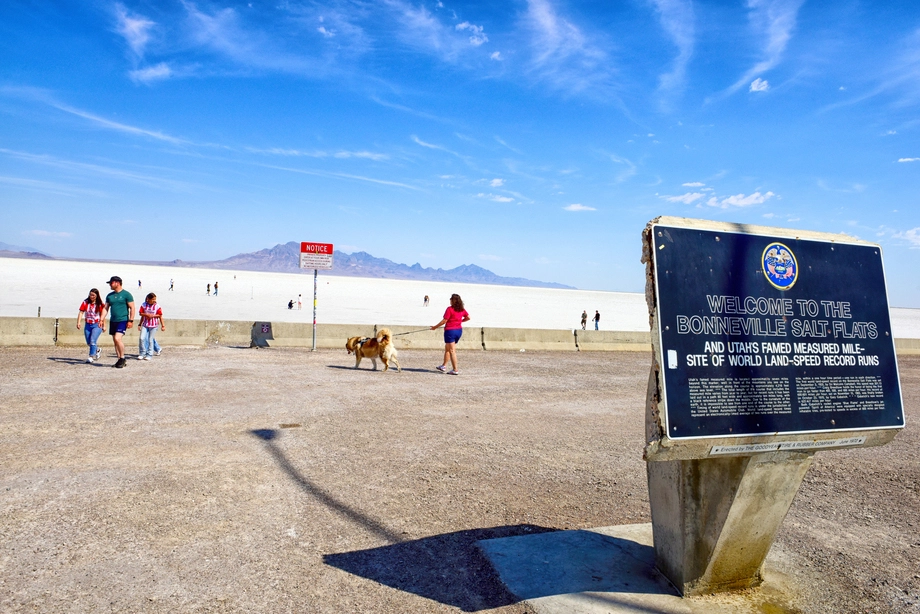 Bonneville Salt Flats – Journey to the Edge of the World
 Salt Lake City – The City of Zion. Historical Interactive Walking Tour
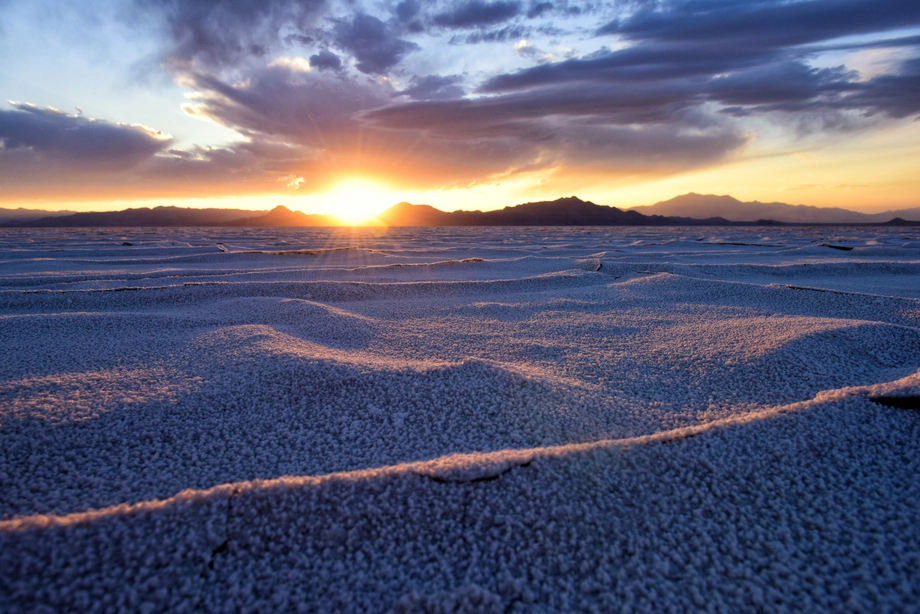 Bonneville Salt Flats – Sunset Adventure of the White Desert
 Antelope Island – Wild Heart of the Great Salt Lake Adventure