
How to Pack a Capsule Backpack for the Desert on Tours from Salt Lake City
Jan 7, 2026
Pack a light daypack with sun protective layers, sufficient water capacity, basic first aid, and a simple zones organization. Adjust only small items per tour so one capsule backpack fits city walks and Utah desert days.
If you want to see Utah’s deserts without hauling your whole closet, a well planned capsule backpack can make the difference between a relaxed trip and a frustrating one. Dry heat, intense sun, cool nights, and shifting plans between city walks in Salt Lake City and day trips into national parks all create unique packing challenges. Many travelers either overpack “just in case” or arrive underprepared for the realities of sand, sun, and distance.
This guide walks you through how to pack a flexible, minimalist capsule backpack that works for city streets, scenic drives, and desert trails. You will learn how to choose the right backpack, build a versatile clothing capsule, add essential safety gear, and organize everything for different MateiTravel experiences, from a self-guided walking tour in Salt Lake City to guided day tours in Utah’s national parks and wild landscapes.
Why a capsule backpack is ideal for Utah deserts
What “capsule” really means for a backpack
A capsule backpack is not about owning the least possible gear. It is about carrying a compact, deliberate set of items that combine into many outfits and scenarios. Every piece has more than one use, and the whole pack stays light enough for walking tours and short desert hikes.
Instead of separate “city” and “desert” bags, you curate one backpack that transitions from downtown Salt Lake City to viewpoints in Arches or Canyonlands. This approach saves time when changing accommodations, getting on and off MateiTravel buses, or jumping from a city coffee stop to a sunset trail.
Desert conditions in Utah to plan for
Utah’s desert climate is extremely dry, with strong sun exposure even on cool days. Daytime temperatures can feel hotter than the thermometer suggests because the air pulls moisture from your skin. At the same time, evenings and early mornings can be surprisingly cold, especially at higher elevations like Bryce Canyon.
Wind can kick up sand and dust, especially on open flats such as the Bonneville Salt Flats or in wide canyon valleys. This mix of heat, dryness, and sudden temperature shifts is why your capsule backpack should focus on sun protection, hydration, and simple layers instead of heavy fashion pieces.
Matching your pack to your style of trip
Before you choose what to pack, decide what you will actually do. Will you start with a Salt Lake City self-guided tour downtown, then add one or two day trips with MateiTravel into the desert? Or focus on multiple days of national park touring with short walks to overlooks and arches?
City-heavy itineraries call for slightly more casual clothing flexibility and a bit less technical gear. Itineraries that center on Zion, Bryce Canyon, Arches, Canyonlands, or Capitol Reef need a bigger emphasis on water capacity, sun protection, and comfortable walking clothes, even if hikes are short and guided.
How to choose the right backpack size and layout
Capacity and fit for mixed city and desert use
For most travelers combining city time in Salt Lake City with MateiTravel day tours, a backpack in the small to mid range for travel works best. You want enough space for a spare layer, lunch, and extra water, but not such a large bag that you overfill it and end up uncomfortable on walking tours.
A practical ballpark is a pack that can comfortably handle a full day’s clothing and gear for changing desert weather while still fitting easily under a bus seat or in an overhead rack. Pay attention to shoulder straps and hip belt comfort, because you may wear the pack for several hours during a city walk or national park excursion.
Access and pockets that actually help
Good access beats sheer volume. A main compartment with a wide opening lets you see and reach most of your items without emptying the whole pack. Side pockets that fit water bottles, plus one easily reachable pocket for sunblock, lip balm, and sunglasses, matter more than extra decorative compartments.
For a capsule backpack, aim to group items by how often you use them. Keep trail snacks, phone, and small valuables in top or front pockets. Store spare clothing and less frequently used items deeper in the main compartment, so you can move smoothly between city corners and canyon viewpoints.
Weight, ventilation, and comfort
Even on professionally organized MateiTravel tours, you will still carry your own day gear. A lighter pack with some back ventilation helps in the dry Utah heat. Soft but supportive padding on straps and back panels reduces fatigue during self-guided city walks and park viewpoints that require short uphill walks.
In general, if your capsule backpack feels heavy and hot after 20 minutes of walking around your neighborhood at home, it will feel much worse under the Utah sun. Aim to keep the total packed weight modest and practice wearing it before you travel.
You found a hidden promo code!
Use code WOWBLOG at checkout and get 10% OFF any tour!
Limited time offer. Book now and save!
Browse ToursCore clothing capsule for Utah deserts
Breathable base layers and sun protection
The heart of a desert capsule is light, breathable clothing that shields you from the sun. Long sleeve shirts in thin, quick drying fabrics can be more comfortable than short sleeves because they protect your skin and reduce the need for constant sunscreen on your arms.
Include at least one wide brimmed hat or cap with good coverage and sunglasses with UV protection. A lightweight scarf or buff can double as neck protection in intense sun or as a dust shield on windy days, especially on wide open landscapes during day tours in Utah from Salt Lake City.
Warmth for cool nights and higher elevations
Desert temperatures often drop fast after sunset. Even if your main activities involve short MateiTravel hikes and scenic stops, you will be glad you packed one or two light insulating layers. A compact fleece or synthetic mid layer and a thin wind resistant shell usually cover most conditions.
This same layering system works if you add a day trip to Utah’s ski resorts during winter or spring. You can reuse the mid layer and shell for cooler city evenings during a self-guided walking tour in Salt Lake City, which keeps your capsule small but versatile.
Footwear and socks that tolerate heat and dust
Choose closed shoes that you can walk in for several hours on mixed terrain such as city sidewalks, short national park paths, and viewpoints with loose gravel or sand. Breathable materials and a stable sole matter more than style details.
Pack at least two or three pairs of moisture wicking socks so you can rotate and let pairs dry fully between days. This simple habit reduces blisters and keeps your capsule backpack fresher even when you spend full days outdoors.
Essential gear and safety items for the desert
Water and hydration planning
Hydration is the single most important safety factor in Utah’s deserts. Even with MateiTravel handling logistics, you are responsible for drinking enough. Carry water bottles or a simple hydration bladder that together hold at least several liters for a full day, depending on heat and activity.
National park safety guidance in arid regions often recommends at least one gallon of water per person per day for hiking, and more in extreme heat.
General guidance summarized from National Park Service recommendations
For easier days with more vehicle time and short walks, you may drink less but should still have spare capacity. Refill whenever the guide suggests, especially in national parks where reliable water points can be far apart.
Navigation and communication basics
While guided tours reduce the need for advanced navigation, a capsule backpack should still include a charged phone, offline maps, and a small power bank. Phone coverage can be patchy in canyons or remote plateaus, so download maps for areas such as Zion, Arches, or Canyonlands before you go.
If you plan a self-guided tour from Salt Lake City to nearby areas on your own time, basic navigation skills and offline information become even more important. A tiny notebook and pen can hold key meeting points, emergency contacts, and tour times as a backup to your phone.
Sun, sand, and first aid
Your desert capsule should include high SPF sunscreen, lip balm with UV protection, and a small personal first aid kit. Common issues are sunburn, blisters, dry or cracked skin, and minor scrapes from rocks or brush on short trails.
Add a few adhesive bandages, blister patches, pain relief tablets, and any personal medications. A small bottle of hand sanitizer and a pack of tissues or a compact cloth can handle dust, sweat, and basic hygiene when facilities are limited on remote viewpoints.
Packing strategy: how to organize your capsule backpack
Use “zones” inside your backpack
Think of your backpack in zones based on access. The top and outer pockets are your “hot zone” for items you reach for many times a day. The middle of the main compartment is your “warm zone” for things you might need once or twice. The bottom is your “cool zone” for rarely used spares.
Hot zone items include phone, sunglasses, sunscreen, snacks, and a light layer. Warm zone items are your main extra clothing, lunch, and first aid kit. Cool zone space is best for a backup shirt or socks, and non daily items that still matter for safety.
Create a daily mini kit for tours
A small pouch inside your capsule backpack can function as your daily mini kit. Fill it with essentials like cash, ID, a bank card, tour confirmations, lip balm, and a tiny snack bar. When you switch between city explorations and MateiTravel bus days, you only need to move one pouch.
This approach also helps on a Salt Lake City self-guided tour. You can leave some items in your accommodation or on the bus and carry only the mini kit plus water and sun protection through museums, historic buildings, and hidden local spots.
Example capsule setups for different MateiTravel tours
The following table shows how the same core backpack can adapt to three common scenarios by adding or removing a few items, without changing the whole packing list.
| Tour type | Key clothing focus | Extra items in backpack |
|---|---|---|
| City walking tour in Salt Lake City | Comfortable, casual outfit with light layer | Mini kit, small water bottle, hat, sunglasses, compact umbrella or shell if forecast suggests |
| National parks day tour (Zion, Arches, Canyonlands, etc.) | Breathable long sleeves, walking shoes, sun hat | Extra water capacity, full sun kit, first aid, mid layer, snacks, offline maps |
| Bonneville Salt Flats or Antelope Island day tour | Sun protective clothing, wind resistant layer | Higher sun protection, camera or phone cloth, extra socks, more water in hot months |
As you can see, the core stays the same, which is the hallmark of a good capsule backpack. You adjust only a few add ons in the warm and cool zones to match that day’s MateiTravel experience.
Pros and cons of traveling with a capsule backpack
Advantages of a capsule backpack for desert trips
- Lighter load: Carrying fewer, more versatile items keeps your backpack comfortable during city walking tours and desert viewpoints.
- Faster transitions: You can move quickly between Salt Lake City hotels, MateiTravel buses, and trailheads without constant repacking.
- Lower stress: A clear system means you always know where your sunblock, water, and layers are when conditions shift.
- Cost efficiency: You reuse the same pieces for city evenings, national park days, and scenic drives, instead of buying extra one off outfits.
- Better focus on experience: With packing simplified, your attention stays on Utah’s landscapes and stories rather than your luggage.
Limitations to be aware of
- Less fashion variety: If you enjoy very different looks each day, a tight capsule can feel repetitive.
- Requires planning: You must think through layers, water needs, and tour types in advance instead of throwing in extras at the last minute.
- Limited backup gear: With only a few pieces, damage or loss to one item, such as your main walking shoes, impacts you more.
- Weather surprises: Unseasonal cold snaps or heat waves may stretch a minimal capsule close to its limits.
- Shared use constraints: If you split items with a partner, you need more coordination about who carries what in their pack.
Common mistakes when packing for the desert
Overpacking city items and underpacking desert essentials
Many visitors bring multiple city outfits and shoes, then leave too little space for sun protective clothing, extra water, or a proper mid layer. The result is a heavy backpack that still lacks key desert items during national park days.
A better approach is to choose a few neutral city pieces that also work on easy MateiTravel walks. This frees up space and weight for essentials that directly affect comfort and safety in Utah’s dry climate.
Misjudging water, sun, and temperature
First time visitors often underestimate how quickly the sun and dry air dehydrate them, especially on short hikes to arches, ridges, or canyons. They may also assume that warm afternoons mean warm nights, then feel chilled when temperatures drop after sunset or at higher elevations.
To avoid this, treat every desert day as a potential long, dry outing. Pack more water capacity than you think you need and always include at least one warm layer in your capsule, even if you leave it at the bottom of the pack most days.
Ignoring local logistics and distances in Utah
Utah’s iconic parks and landscapes often require significant driving time from Salt Lake City. Without planning, travelers may attempt a self-guided tour from Salt Lake City to multiple far flung spots in one day and end up rushed, tired, and underprepared.
Using MateiTravel’s organized day tours and Mighty Five park itineraries means logistics are handled for you. That lets you focus on a streamlined capsule backpack that supports realistically timed stops instead of trying to compensate with extra gear for every possible scenario.

Practical scenarios and tips for your capsule backpack
Case study: first time visitor starting in Salt Lake City
Imagine a traveler who spends their first day on a self-guided walking tour in Salt Lake City, exploring historic buildings and lesser known streets. They carry a light backpack with a hat, sunglasses, small water bottle, and a thin layer for cooler morning air.
The next two days they join MateiTravel tours, first to Arches and Canyonlands, then to the Bonneville Salt Flats. They keep the same backpack but add more water, a mid layer, compact first aid kit, and snacks. In short, one well planned capsule supports three very different days without repacking from scratch.
Key tips to refine your desert capsule
- Test your setup at home: Pack your backpack fully and wear it on a one to two hour walk to find pressure points and adjust weight distribution.
- Prioritize multi use items: Choose layers and accessories that work in both city and desert settings so each piece earns its space.
- Adjust per tour type: For ski resort day trips from Salt Lake City you can temporarily swap in warmer layers, while keeping your core desert set ready for national park days.
- Respect local advice: Listen to MateiTravel guides about water, sun, and clothing for each day, and tweak your capsule as you learn.
- Review nightly: Each evening, refill water containers, restock snacks, and move any rarely used items deeper into the cool zone of your pack.
When to book guided tours instead of going solo
Guided experiences remove a large portion of logistical stress, which makes a capsule backpack even more effective. With transportation, timing, and key viewpoints handled by MateiTravel, you only need to optimize your pack for personal comfort and safety.
Guided walking tours in downtown Salt Lake City, day trips to Utah’s ski resorts, and national park tours from the city all benefit from this approach. You can still enjoy independent moments and photography stops while relying on local knowledge to match your packing choices with real world conditions.
Water needs by tour style: simple reference table
To give your capsule planning a practical anchor, the following table summarizes conservative daily water targets for typical activities. These figures are general guidelines rather than strict rules, and they assume warm but not extreme heat.
| Activity | Typical duration | Suggested water per person |
|---|---|---|
| City walking tour in Salt Lake City | 3–5 hours with shade and cafe stops | 1–2 liters, with easy refill options |
| National park day tour with short hikes | 6–10 hours with sun exposure | 2–4 liters, depending on season and altitude |
| Bonneville Salt Flats or Antelope Island day tour | 5–8 hours, often very open and sunny | 3–4 liters, plus electrolytes for hotter months |
This table can help you decide how much bottle or bladder capacity your capsule backpack must hold comfortably. Then you can scale down slightly on cooler days, rather than discovering mid tour that your pack cannot carry enough water.
A carefully built capsule backpack lets you move smoothly between Salt Lake City streets, scenic drives, and Utah’s desert parks with less weight and more confidence. By focusing on versatile clothing, reliable hydration, sun protection, and smart organization zones, you cover the realities of heat, dryness, and shifting temperatures without overpacking.
Thoughtful planning up front beats hauling extra gear that you rarely use. With the logistics and local knowledge provided by MateiTravel tours, your streamlined backpack becomes a powerful tool that keeps you comfortable while you focus on the landscapes and stories around you.
If you start with these principles and adjust as you go, your capsule setup will only get better from one tour day to the next.
Sources
— National Park Service, Desert Hiking Safety Overview (2023)
— Utah Office of Tourism, Climate and Trip Planning Guide (2023)
— Outdoor Travel Packing Trends, Industry Insight Report (2024)
— MateiTravel internal tour planning and guest feedback summary (2024)
FAQ
How large should my capsule backpack be for MateiTravel desert tours?
Choose a small to mid sized daypack that can hold extra water, one or two layers, basic first aid, and sun gear while remaining comfortable on several hour walks. It should still fit easily under a bus seat and not encourage you to overpack.
What clothing layers do I really need for Utah’s desert climate?
You need breathable long sleeves for sun protection, a light insulating mid layer, and a thin wind resistant shell for cooler evenings or higher elevations. This simple three layer approach works for city strolls, national park viewpoints, and open landscapes like the Bonneville Salt Flats.
How much water should I carry on a national park day tour?
Plan on roughly 2 to 4 liters of water per person for a full day with short hikes and scenic stops in parks such as Zion, Arches, or Canyonlands. Use the higher end of that range in hotter months or at exposed viewpoints, and refill whenever your guide recommends.
Can one backpack work for both city walks in Salt Lake City and desert hikes?
Yes, a well planned capsule backpack can transition from a self-guided walking tour in Salt Lake City to MateiTravel national park tours. The key is to pack versatile clothing, keep weight modest, and adjust smaller items like snacks and water between days.
What are the most common packing mistakes for Utah desert trips?
Travelers often overpack city outfits, underestimate sun and water needs, and forget a warm layer for cool evenings. Focusing on multi use pieces, realistic water capacity, and one reliable mid layer prevents most of these issues.
Do I still need navigation tools if I book guided MateiTravel tours?
You will not need detailed route finding, but you should carry a charged phone with offline maps and a small power bank. Coverage can be patchy in remote parks, so having downloaded maps and written tour details is a useful backup.
How should I organize my backpack for quick access during tours?
Use a zones method, keeping high use items like sunscreen, sunglasses, snacks, and phone in top or outer pockets. Place layers, lunch, and first aid in the middle, and less used backups such as spare socks or a second shirt at the bottom.
Is a capsule backpack enough for winter or ski day trips from Salt Lake City?
For ski resort day tours you can adapt the same backpack by swapping in warmer layers and possibly a thicker mid layer. Your core organization, small essentials pouch, and water system stay the same, so you do not need a completely different setup.

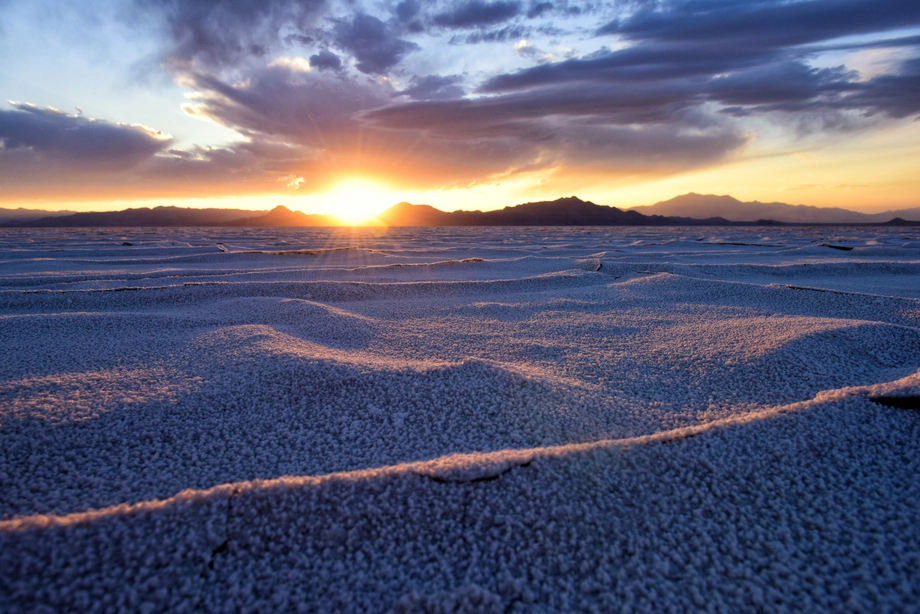 Bonneville Salt Flats – Sunset Adventure of the White Desert
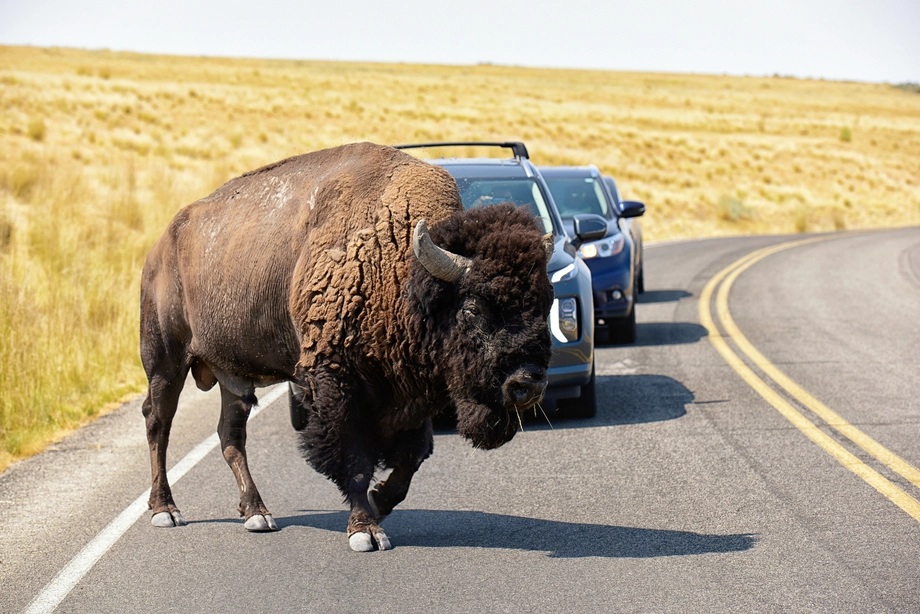 Antelope Island – Wild Heart of the Great Salt Lake Adventure
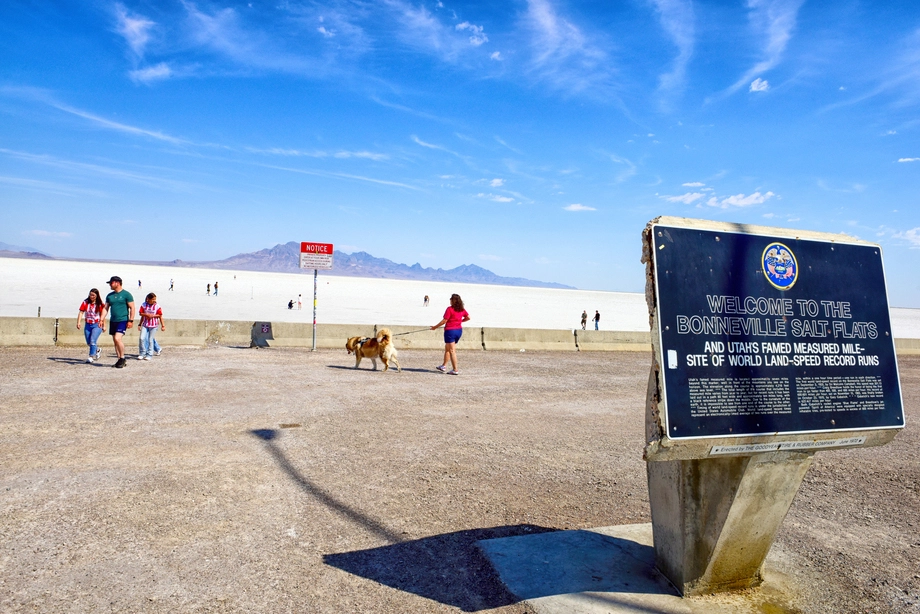 Bonneville Salt Flats – Journey to the Edge of the World
 Salt Lake City – The City of Zion. Historical Interactive Walking Tour
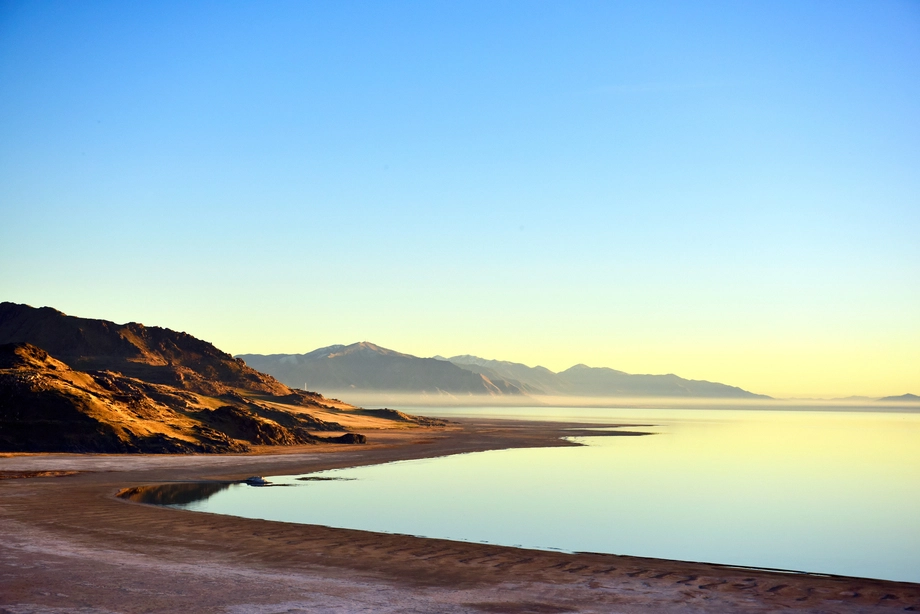 Antelope Island Sunset Wildlife Expedition – Great Salt Lake Odyssey