
How to Combine 3 Utah Parks in 3 Days: A Realistic, Detailed Plan
Dec 4, 2025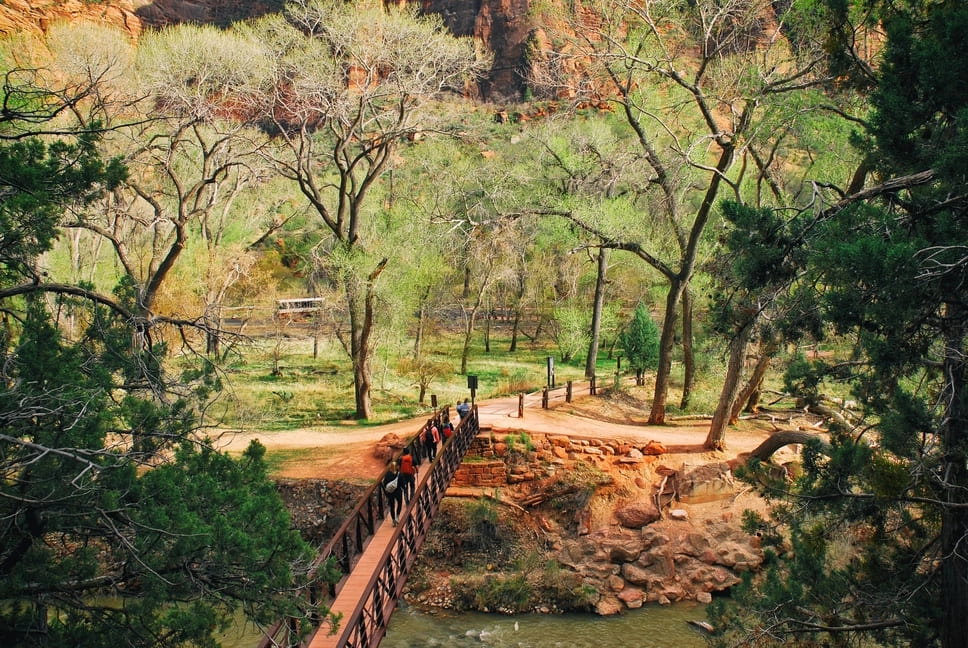
Yes, you can visit three Utah national parks in three days if you plan aggressively, start early, and focus on a smart route. The most efficient combo for first‑timers is Zion, Bryce Canyon, and Capitol Reef, starting from Las Vegas or Salt Lake City. You will not see everything, but you can cover iconic viewpoints, short hikes, and scenic drives without burning out.
Many travelers underestimate distances in the American Southwest or try to squeeze in too many stops. From guiding experience, the most rewarding short itineraries balance driving time with a few unforgettable highlights in each park. In this article, we will break down a realistic day‑by‑day plan, driving times, must‑see stops, pros and cons of such a fast pace, common mistakes, and when it pays to book a guided tour with local experts like MateiTravel.
🌄 Is it realistic to visit three Utah parks in three days?
Visiting three parks in three days is intense but completely possible if you focus on a clear route and realistic expectations. Most travelers who succeed keep their circle small, avoid backtracking, and accept that this is a “greatest hits” style trip, not a deep dive into every trail.
Choosing the right three parks
For short itineraries, the most practical combination is Zion National Park, Bryce Canyon National Park, and Capitol Reef National Park. They sit roughly in a line across southern Utah, which reduces unnecessary driving. Arches or Canyonlands can be added on longer trips, but including them in only three days typically creates rushed, unsafe schedules.
Typical starting points: Salt Lake City and Las Vegas
Most visitors begin this loop from either Salt Lake City or Las Vegas. Salt Lake City works well if you are connecting with local tours such as Utah National Parks Tours from Salt Lake City, which are designed to link multiple parks efficiently. Las Vegas is closer to Zion but less central if you want to continue exploring Utah afterward.
Driving distances you must respect
Even with an efficient route, you will spend several hours each day in the car. Planning around realistic driving times keeps the trip safe and enjoyable. The key takeaway is that you should limit long nighttime drives and always leave margin for photo stops, food, and unexpected slowdowns.
| Segment | Approx. Distance | Typical Drive Time |
|---|---|---|
| Salt Lake City → Zion (via I‑15) | 310 miles / 500 km | 4.5–5 hours |
| Zion → Bryce Canyon | 85 miles / 137 km | 1.5–2 hours |
| Bryce Canyon → Capitol Reef (Torrey) | 120 miles / 193 km | 2.5–3 hours |
| Capitol Reef → Salt Lake City | 215 miles / 346 km | 3.5–4 hours |
🚗 3-day itinerary linking Zion, Bryce Canyon, and Capitol Reef
In short, the most efficient three‑day itinerary gives one full day to Zion, a half day to Bryce Canyon, and most of a day to Capitol Reef, with driving blocks in between. Below is a practical, real‑world schedule you can adjust to your own arrival and departure times.
Day 1: Travel in and explore Zion highlights
Arrive early from Salt Lake City or Las Vegas and head straight into Zion. Park in Springdale if lots are full and use the shuttle. Focus on a few accessible highlights instead of trying to do every top hike.
- Morning: Scenic drive through Zion Canyon, stops at Court of the Patriarchs and Zion Lodge.
- Midday: Riverside Walk or lower section of the Narrows, depending on water conditions and your footwear.
- Late afternoon: Canyon Overlook Trail for an iconic view with a short climb.
Stay overnight in Springdale or drive toward Bryce Canyon for about an hour if you prefer to spread the next day’s drive.
Day 2: Sunrise at Bryce Canyon and drive to Capitol Reef
Wake before dawn and get to Bryce Canyon for sunrise. The amphitheater glows orange and pink when the first light hits the hoodoos, which is one of the most memorable scenes in Utah.
- Sunrise: Sunrise Point or Bryce Point for panoramic views.
- Morning: Short loop such as Queens Garden and Navajo Loop if weather and trail conditions allow.
- Midday: Drive the park road to key lookouts like Inspiration Point.
After lunch, drive toward Capitol Reef through scenic Highway 12 and then Highway 24. You can expect 2.5 to 3 hours of driving plus stops. Aim to reach Torrey or Fruita before sunset to enjoy the orchards and red rock cliffs in soft evening light.
Day 3: Capitol Reef and return to Salt Lake City
Capitol Reef is less crowded and perfect for a calmer final day. You can combine a scenic drive, a short hike, and historic stops before returning to the city.
- Morning: Walk around the Fruita Historic District and check out the petroglyph panels.
- Midday: Scenic drive along the Capitol Reef park road, with a detour to Capitol Gorge or Grand Wash if time allows.
- Afternoon: Begin the return drive to Salt Lake City, allowing 3.5 to 4 hours.
Bottom line, this three‑day sequence gives you a unique flavor of three very different landscapes without excessive backtracking.
You found a hidden promo code!
Use code WOWBLOG at checkout and get 10% OFF any tour!
Limited time offer. Book now and save!
Browse Tours🕒 When is the best time and how early should you start?
Timing can make or break a short road trip. You want comfortable temperatures, reliable road conditions, and daylight that matches your driving schedule.
Best seasons for a 3-day parks loop
Late spring and early fall are ideal. In these shoulder seasons, you usually get milder temperatures, longer daylight than winter, and fewer crowds than peak summer. Winter can be magical with snow on the red rocks, but short days and potential ice on trails require extra caution and often reduce how much you can see in three days.
Daily start times that actually work
Plan to start between 6:00 and 7:00 a.m. each morning, especially on Days 1 and 2. Early starts help you secure parking, beat the mid‑day heat, and give you a buffer if unexpected delays happen. What matters most is that you avoid driving unfamiliar roads in complete darkness whenever possible.
Considering permits and park shuttles
Zion often requires use of a shuttle system in the main canyon, and some popular routes or activities may need permits. Check official park pages a few weeks before your trip so your short stay is not derailed. If you prefer to avoid this planning, guided options such as Day Tours in Utah from Salt Lake City usually handle permit and shuttle logistics for you.
🧭 Pros and cons of a fast-paced 3-park road trip
A three‑day loop is a trade‑off between breadth and depth. Understanding the benefits and limitations helps you decide whether this style of travel fits your personality and energy level.
Advantages of combining three parks in three days
- See more variety: You experience lush river canyons, stone hoodoos, and desert cliffs in one compact trip.
- Efficient use of travel time: If you are flying in from far away, covering three major areas in a long weekend can be more satisfying than focusing on just one.
- Flexible upgrading: You can always return later for a longer stay in your favorite park.
- Cost spreading: Shared rental car, gas, and lodging across a group can make the trip more affordable per person.
Limitations and downsides you should accept
- Less depth: You will only have time for short hikes and main viewpoints, not full‑day backcountry routes.
- Fatigue risk: Long days of driving and walking can be tiring, especially if you are not used to altitude or dry air.
- Weather sensitivity: A storm or road closure can impact a big portion of your limited time.
- Logistics load: Managing park reservations, shuttles, and timing alone can feel overwhelming for some travelers.
To summarize, this itinerary style is best for curious, reasonably fit travelers who are comfortable with active days and a bit of uncertainty.
🥾 What to actually do in each park with limited time?
When you only have a few hours in each location, choosing the right activities is critical. Below are practical “starter menus” that work for most visitors in average conditions.
Top short experiences in Zion
- Canyon Overlook Trail: About 1 mile round trip with a spectacular canyon view.
- Riverside Walk: Paved path along the Virgin River, great for all fitness levels.
- Pa’rus Trail: Relatively flat route with excellent photo opportunities, especially at sunset.
If you are very fit and start extremely early, you might consider a partial hike on a longer trail. However, for most three‑day itineraries, two or three shorter walks are more enjoyable.
Best quick stops in Bryce Canyon
- Sunrise or Sunset Point: Easy access to sweeping views of the hoodoo amphitheater.
- Navajo Loop / Queens Garden Combo: Moderate loop that takes you down among the rock formations.
- Scenic viewpoints: Drive to Inspiration, Bryce, and Rainbow Points if time and weather cooperate.
Because Bryce sits at higher elevation, be mindful of colder temperatures and snow or ice on trails in shoulder seasons.
Don’t miss these in Capitol Reef
- Fruita Historic District: Old orchards, farm buildings, and resident deer create a peaceful contrast to the red cliffs.
- Capitol Reef Scenic Drive: Paved road with side canyons like Capitol Gorge for short walks.
- Petroglyph panel: An easy stop along Highway 24 where you can see ancient rock carvings from a boardwalk.
In brief, focusing on two or three well‑chosen activities in each park gives you a balanced experience without rushing from one trailhead to the next.
🧳 What should you pack and how to prepare?
Preparation matters more on a tight schedule because you have less time to adapt if something goes wrong. Pack light but smart for quick transitions.
Essential gear for a 3-day Utah parks loop
- Navigation and communication: Offline maps on your phone, printed directions, and a car charger.
- Clothing layers: Lightweight base layers, insulating mid‑layer, and a windproof or waterproof outer shell.
- Footwear: Comfortable hiking shoes or boots with good grip, plus spare socks.
- Water and food: Refillable water containers, snacks, and at least a basic cooler for the car.
Health, safety, and altitude considerations
Even if you are fit, the combination of sun, dry air, and moderate elevation can surprise you. Drink more water than you think you need and take short breaks in the shade. Sun protection is non‑negotiable, especially on open trails in Bryce and Capitol Reef.
Planning with expert support
Some travelers prefer to handle every detail themselves. Others like the comfort of joining a well‑designed tour. Companies with local experience, such as MateiTravel, often include comfortable transportation, local drivers, and guides who understand seasonal nuances, which can make a big difference on a short trip.
“Plan ahead and prepare is the first principle of responsible outdoor travel, and it becomes even more important on short, high‑intensity itineraries.”
— Leave No Trace Center for Outdoor Ethics
⚠️ Common mistakes travelers make on a 3-day Utah trip
A tight schedule magnifies small errors. Avoiding a few classic mistakes can save your trip from unnecessary stress.
Overstuffing the itinerary
Many visitors try to add Arches, Canyonlands, or even the Bonneville Salt Flats into the same three days. This usually leads to late‑night driving and skipped stops. Focus on quality time in three parks instead of collecting as many names as possible.
Ignoring seasonal realities
Some travelers forget that snow and ice are common at higher elevations in winter and early spring. Others underestimate the heat in July and August. Check conditions a week before departure and be ready to adjust hikes or even shift days around for safety.
Underestimating driving fatigue
People often assume that 3 or 4 hours on a map will feel easy, then discover that scenic, winding roads require more focus than city freeways. Share driving duties if possible and build in at least one longer lunch break each day.
Skipping backup plans
A popular trail might close or a sudden storm may arrive. Without a backup list of shorter walks or viewpoints, travelers sometimes waste precious hours deciding what to do next. Keeping a short list of “plan B” options for each park turns surprises into opportunities instead of problems.

🤝 When does it make sense to use a guided tour?
Guided experiences are not only for first‑time travelers. They can be a smart choice when your time is limited and you want to maximize every hour.
Benefits of guided multi-park itineraries
Local guides know where to park, which trails match your fitness, and how to adjust the schedule in real time. They also handle navigation and timing, so you can focus on enjoying the scenery instead of watching the clock. Services like the Bonneville Salt Flats – Journey to the Edge of the World show how a well‑planned route can turn a single day into a surprisingly rich adventure.
Starting from Salt Lake City with expert support
If you are flying into Utah’s capital, you might combine a city experience with nature. For example, you can join Salt Lake City Walking Tours with Local Guides to understand the city’s history, then branch out into the parks with an Antelope Island day trip or other nature outings. This layered approach works well for travelers who want cultural context as well as scenery.
Comparing self-drive vs. guided options
| Aspect | Self-Drive Road Trip | Guided Tour (e.g., MateiTravel) |
|---|---|---|
| Planning time | High, you manage all details | Low, most logistics handled for you |
| Flexibility | Very flexible in timing and stops | Structured schedule, some customization possible |
| Local insight | Limited to your research | Experienced local guides share stories and tips |
| Driving fatigue | Driver must stay focused many hours | Professional drivers, more time to relax and enjoy views |
The key takeaway is that guided trips are especially helpful for families, larger groups, or travelers who prefer comfort and learning over complex self‑navigation.
📌 Practical tips to get the most from your short itinerary
A few small habits can dramatically improve your three‑day loop and keep everyone in good spirits.
Actionable tips from local-style trips
- Book lodging early: Reserve rooms in Springdale, near Bryce, and in or near Torrey several weeks in advance, especially in spring and fall.
- Refuel often: Do not let your gas tank drop too low in remote areas. Fill up when you pass a reasonably priced station.
- Layer smartly: Wear layers you can easily remove, since mornings and evenings may be chilly even when midday is hot.
- Pack a “park day” bag: Keep water, snacks, sun protection, and a light jacket in a single daypack for quick exits from the car.
- Use photo time wisely: Take most of your photos at main viewpoints and then put the camera away on at least one short hike so you truly enjoy the moment.
Sample real-world case: a couple from Europe
Imagine a couple flying into Salt Lake City on a Thursday evening for a long weekend. On Friday, they join a historical walking tour of downtown to shake off jet lag. Saturday through Monday, they follow a guided loop similar to the one in this article with a company like MateiTravel that provides comfortable transport and a local driver. They return home having seen three distinct national parks, the Great Salt Lake region, and the city itself, without ever needing to drive or manage complex logistics.
How MateiTravel can support your 3-park plan
MateiTravel specializes in Utah adventures, using experienced local guides, custom‑designed itineraries, and convenient transfers for both small parties and larger groups. Whether you want a fully guided multi‑day loop or to add individual components like day tours from Salt Lake City, their local knowledge helps turn a tight three‑day window into a rich, well‑paced journey.
✅ Conclusion
Visiting three Utah parks in three days is demanding but achievable when you focus on a smart route through Zion, Bryce Canyon, and Capitol Reef. By respecting driving times, starting early, and choosing short high‑impact experiences, you can enjoy a surprisingly deep introduction to southern Utah’s landscapes. This kind of itinerary works best for travelers who accept a fast pace and prepare carefully. If you prefer to trade complexity for comfort and insight, partnering with local experts like MateiTravel can turn your brief visit into a confident, memorable adventure.
Sources
— National Park Service Visitor Use Data (2023)
— Leave No Trace Center for Outdoor Ethics Planning Guidelines
— Utah Office of Tourism Road Trip Planning Insights (2022)
— MateiTravel Internal Guide Notes on Utah Itineraries (2024)
FAQ
Is it really possible to see three Utah parks in just three days?
Yes, if you focus on Zion, Bryce Canyon, and Capitol Reef in a logical line and accept that you will only cover highlights. The sample itinerary in this article uses one day in Zion, a half day in Bryce, and most of a day in Capitol Reef with realistic driving times between each stop.
Where should I start my 3-day Utah park trip?
The most common gateways are Salt Lake City and Las Vegas. Starting from Salt Lake City works especially well if you plan to connect with local offerings like walking tours or day trips before or after your park loop, as described in the example itinerary.
What are the main driving distances on this 3-day route?
Typical segments include about 310 miles from Salt Lake City to Zion, 85 miles from Zion to Bryce Canyon, 120 miles from Bryce to Capitol Reef, and 215 miles back to Salt Lake City. These translate to between 1.5 and 5 hours of driving per segment, plus time for stops.
Which short hikes should I prioritize in each park?
In Zion, focus on Canyon Overlook, Riverside Walk, or Pa’rus Trail. In Bryce, combine Sunrise or Sunset Point with the Navajo Loop and Queens Garden if conditions allow. In Capitol Reef, the scenic drive, Fruita Historic District, and petroglyph panels offer rich experiences without long trail commitments.
When is the best season for a fast 3-park itinerary?
Late spring and early fall offer a good balance of comfortable temperatures, longer daylight, and manageable crowds. Winter can be beautiful but brings short days and potential snow or ice, while midsummer often means heat and heavier visitation that can slow you down.
What are the biggest mistakes people make on a 3-day Utah road trip?
Common errors include trying to add extra parks like Arches on the same weekend, underestimating driving fatigue, ignoring seasonal weather, and traveling without backup plans if a trail or road closes. The article explains how to avoid each of these traps.
Do I need a guided tour, or can I drive myself?
You can absolutely drive yourself if you are comfortable with navigation and long days. Guided tours, however, reduce planning time, remove driving fatigue, and add local insight. The self‑drive vs. guided comparison table in the article outlines the trade‑offs in convenience, flexibility, and learning.
How early should I start my days on this itinerary?
Plan to begin around 6:00 to 7:00 a.m., especially on the first two days. Early starts help you catch Bryce’s sunrise, secure parking in Zion, and keep most driving in daylight, which is safer and far more scenic.
What kind of gear do I need for this short trip?
Essential items include layered clothing, sturdy walking shoes, sun protection, refillable water containers, a small cooler, and offline maps. Keeping a ready‑to‑go daypack with water, snacks, sunscreen, and a light jacket makes it easier to move quickly between viewpoints and short hikes.
How can MateiTravel help with my 3-park Utah plan?
MateiTravel offers experienced local guides, comfortable group transport, and custom itineraries that connect Utah’s parks efficiently. They can handle logistics such as timing, route choices, and day tours from Salt Lake City, allowing you to focus on scenery and experiences instead of schedules and navigation.

 Bonneville Salt Flats – Sunset Adventure of the White Desert
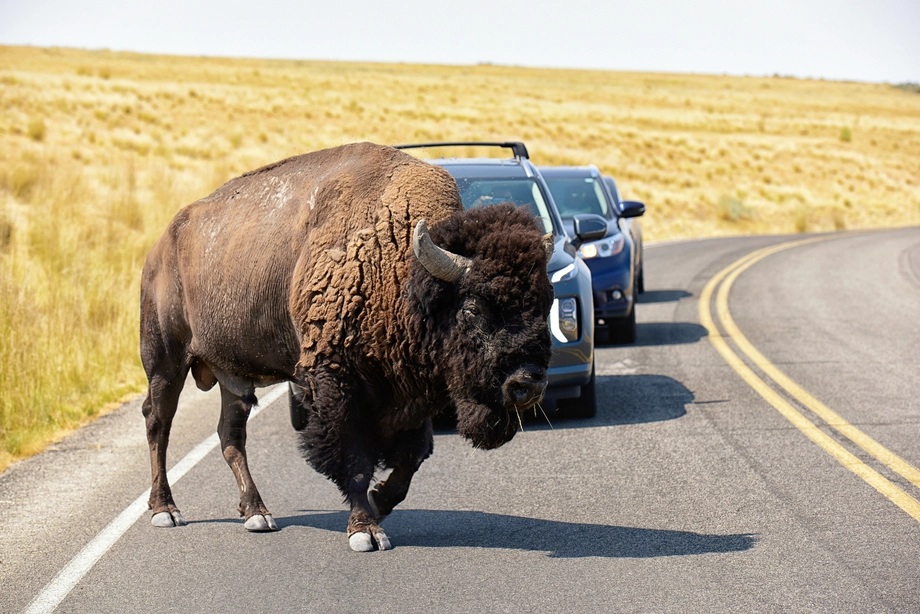 Antelope Island – Wild Heart of the Great Salt Lake Adventure
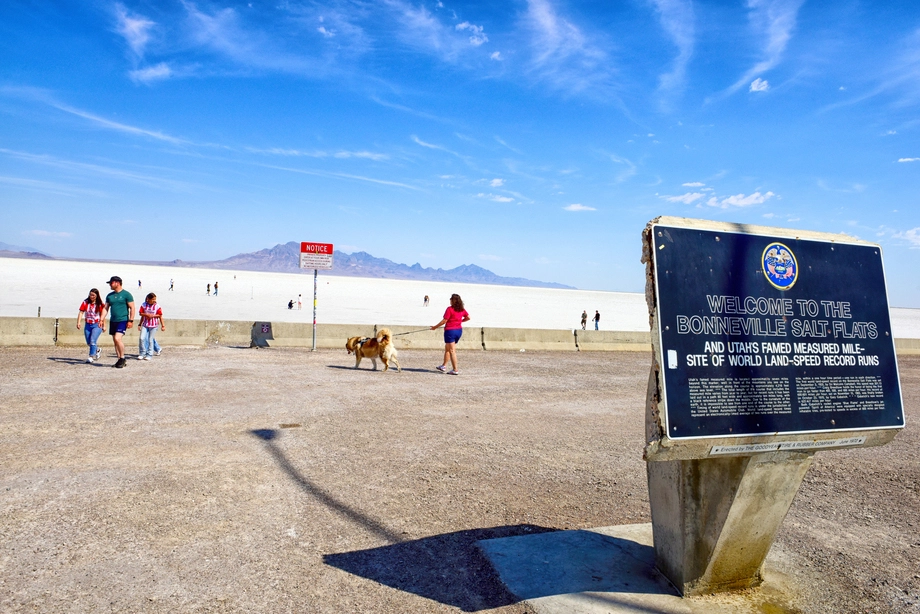 Bonneville Salt Flats – Journey to the Edge of the World
 Salt Lake City – The City of Zion. Historical Interactive Walking Tour
 Antelope Island Sunset Wildlife Expedition – Great Salt Lake Odyssey