
How to Prepare for Utah’s High Altitude: From a Walking Tour in Salt Lake City to National Parks
Jan 1, 2026
Arrive in Salt Lake City, start with gentle city walks, hydrate and rest, then gradually add higher and more demanding MateiTravel tours to ski resorts and national parks to prevent altitude discomfort.
Travelers often underestimate how quickly Utah’s elevation can affect their energy, sleep, and enjoyment. From a gentle walking tour in Salt Lake City to a full day on ski slopes or in national parks, your body works harder in thinner, drier air. With the right preparation you can avoid headaches, fatigue, and lost vacation days, and instead enjoy the scenery, stories, and trails that brought you here.
This guide explains how altitude affects your body, what to do before and during your trip, and how to plan your days in and around Salt Lake City, the Wasatch ski resorts, and Utah’s national parks. You will also see how MateiTravel tours can help you acclimatize gradually, choose realistic routes, and keep your trip safe but still adventurous.
🏔️ What does “high altitude” mean in Utah and why does it matter?
Before you plan hikes or ski days, it helps to know how elevations change between Salt Lake City, nearby ski areas, and the Mighty Five national parks. Utah’s beauty often comes with more elevation than people expect, especially if you are flying in from sea level.
How high are Salt Lake City, ski resorts, and Utah’s parks?
Salt Lake City sits at a moderate elevation that already challenges some visitors, while many popular day-trip destinations climb much higher. Understanding this range lets you pace your first few days instead of jumping straight into very thin air.
| Location | Approx. elevation (feet) | Typical first-day activity |
|---|---|---|
| Downtown Salt Lake City | 4,200 | City walking tours, light urban strolls |
| Nearby ski resorts | 8,000–10,000 | Skiing, snowboarding, mountain sightseeing |
| Zion National Park (canyon floor) | 3,600–4,000 | Scenic drives, short hikes |
| Bryce Canyon National Park | 7,500–9,000 | Viewpoints, rim and short trail walks |
| Arches National Park | 4,000–5,600 | Short hikes to arches and viewpoints |
| Canyonlands National Park (Island in the Sky) | 5,800–6,300 | Overlooks, short rim hikes |
| Capitol Reef National Park | 5,400–6,800 | Scenic drives, orchard areas, short hikes |
Many visitors go from airport to city to mountains or parks within 24 hours. That quick jump can feel fine at first then cause problems after you start walking or skiing for a few hours.
How does thinner air affect your body?
At higher elevation the air contains less oxygen per breath. Your body compensates by increasing breathing and heart rate, which feels like you are “out of shape” even if you are normally quite fit. Dehydration also happens faster because Utah’s air is very dry.
Common mild altitude symptoms include light headache, poor sleep, feeling unusually tired on stairs, or needing more breaks. They usually appear in the first 24–48 hours if you do too much too soon. With a softer first day and good habits, most people adapt without serious issues.
Why Utah’s dry climate makes altitude feel stronger
The combination of elevation and desert-style dryness matters. Low humidity dries your throat and skin and speeds fluid loss when you breathe or sweat. This multiplies the impact of thinner air because dehydration itself causes headaches and fatigue.
In practice this means you may need more water and electrolytes than you expect, even on an easy self-guided tour in Salt Lake City. You also feel the sun more strongly, so light layers, a hat, and sunscreen are not just comfort items but part of altitude protection.
Who should be extra careful with Utah’s elevation?
Those with heart or lung conditions, sleep disorders, or a history of strong altitude reactions should plan even more gradual increases. People coming from low-lying coastal areas often need extra time as well. Children and older adults can do well, but they benefit from slower pacing and more frequent snack and water breaks.
If you are unsure how you will react, treat your first day in Utah as a test day in Salt Lake City rather than committing to a very long or intense hike or ski session immediately.
🚶 How to use Salt Lake City as your acclimatization base
Salt Lake City is an ideal “first step” into Utah altitude. You can move your body, learn about local history, and start hydrating and adjusting before you head to higher places. Thoughtful planning of city time reduces the risk that altitude will surprise you later in the trip.
Why start with a walking tour in Salt Lake City
A guided walking tour in Salt Lake City lets you stretch your legs after travel without heavy exertion. Local guides keep the pace conversational and add regular stops at landmarks, which double as rest breaks while you listen to stories about the city’s planning and development.
MateiTravel’s city walks move through historic buildings and hidden corners rather than steep trails. Groups stay small, so you can ask questions not only about history but also about how to handle upcoming altitude days. This gives you personalized advice while you gently get used to 4,200 feet.
Choosing between a guided and a self-guided city day
Some travelers prefer to explore alone on their first day, others appreciate structure. A self-guided tour in Salt Lake City works best for independent visitors who like the freedom to stop whenever they feel tired, or to return to their hotel early if jet lag and elevation combine.
However, guided tours remove small planning stresses, especially right after a flight. With MateiTravel you know the distance, terrain, and duration in advance, and you follow a route that balances flat city blocks with a few gentle inclines. That predictability makes it easier to judge how your body is handling altitude before you book more demanding outings.
Sample low-altitude first-day plan in Salt Lake City
- Morning: Arrive, hydrate, and eat a light meal with carbs and some salt.
- Midday: Join a MateiTravel walking tour through downtown to move at a relaxed pace.
- Afternoon: Visit a museum or café within easy walking distance, then rest at your hotel.
- Evening: Take a short stroll near your accommodation, drink water, and go to bed earlier than usual.
By the end of this gentle day you will have a clear sense of whether steps feel harder than usual or if you are ready for more the next day.
How MateiTravel helps you read the terrain and your limits
Because MateiTravel publishes clear details like tour length, total walking distance, and terrain type, you can match your first-day plan to your fitness and altitude experience. You avoid the common mistake of accidentally choosing a long, hilly route because the word “city tour” sounded easy.
Guides also act as an early warning system. If they notice you are breathing heavily on modest inclines or seem more tired than others, they can suggest adjustments for the rest of your week so that higher elevation days remain comfortable and safe.
You found a hidden promo code!
Use code WOWBLOG at checkout and get 10% OFF any tour!
Limited time offer. Book now and save!
Browse Tours🚐 How to plan day trips from Salt Lake City with altitude in mind
Once you have a day or two in Salt Lake City, you may be ready to explore further. The key is to stack your days so elevation and exertion increase gradually. Organized tours make that easier, because logistics are already matched to realistic driving and walking times.
Day tours to Utah ski resorts: what to expect
Single-day tours from Salt Lake City to nearby ski resorts usually bring you from about 4,200 feet up to between 8,000 and 10,000 feet. That is a big step in altitude, so a calm, guided structure matters. With MateiTravel, you get direct transfer, help orienting yourself at the resort, and clear meeting times.
This format is ideal for couples, families, or groups of friends who want to focus energy on being outside instead of worrying about canyon roads, parking, or navigating an unfamiliar mountain layout. It also lets first-time skiers at altitude pace themselves with scheduled breaks instead of chasing every possible run on day one.
Tours to national parks: different elevations, different strategies
Utah’s Mighty Five parks vary widely in altitude. Zion and Arches sit closer to the height of Salt Lake City, while Bryce Canyon feels much higher. That means your body might feel fine during a day trip to one park but far more challenged at another.
MateiTravel’s tours from Salt Lake City include transfers, key viewpoints, time for photos, and short hikes to arches, ridges, and canyon overlooks. Because the approximate level of exertion, schedule, and cost are clearly described in advance, you can choose a sequence that gradually introduces higher altitudes instead of doing your most demanding park first.
One-day Utah landscapes from Salt Lake City: balanced options
Some travelers have limited time and want to see classic Utah scenery without committing to a long multi-park loop. In that case, MateiTravel’s one-day Utah tours from Salt Lake City to places like the Bonneville Salt Flats or Antelope Island are a smart choice.
These itineraries combine scenic drives with short, mostly gentle walks guided by a local expert. Prices often begin around 35 dollars, with many tours around 99 dollars, and they balance time on the road with time outside. This rhythm is friendly to visitors who are still adjusting to both elevation and dry air.
Comparison: three typical post-acclimatization days
| Tour type | Approx. elevation range | Activity level | Best for |
|---|---|---|---|
| Guided walking tour in Salt Lake City | 4,200 feet | Light to moderate, urban terrain | First day, jet-lagged travelers, families |
| One-day tour to ski resort | 8,000–10,000 feet | Moderate to strenuous, depending on skiing | Active travelers after at least one city day |
| National park highlights tour | 3,600–9,000 feet | Light to moderate, short hikes | Scenery lovers wanting guided context |
Taken together, these options let you “step up” altitude and exertion over several days instead of jumping straight from sea level to a very long hike at 9,000 feet.
💧 How to physically prepare your body for Utah’s elevation
Good altitude preparation does not require special gear. It mostly comes down to hydration, pacing, sleep, and smart scheduling. When combined with the structure of guided tours, these habits dramatically reduce the risk of altitude discomfort.
Hydration and nutrition strategies
- Drink regularly, not just when thirsty. Aim for small sips throughout the day, especially in dry Utah air.
- Include electrolytes. Lightly salty snacks or electrolyte drinks help replace minerals lost through breathing and sweating.
- Favor complex carbs. Whole grains, fruits, and light pasta can support energy better than heavy, fatty meals that sit in your stomach.
- Limit alcohol and heavy caffeine. Both can worsen dehydration and sleep quality in the first nights at altitude.
On a walking tour, carrying a refillable bottle and small snacks already puts you ahead of many visitors who treat city days as “easy” and forget that 4,200 feet is still above what their bodies know.
Sleep, pacing, and rest days
Your body does much of its altitude adaptation while you sleep. Going to bed a bit earlier and keeping your room quiet and dark helps your system adjust after travel and new elevation. You will wake with more energy for tours or hikes the next day.
Pacing also matters. On MateiTravel tours, the day is already broken into logical legs with stories, photo stops, and scenic viewpoints. Use these pauses as real breaks, not just quick photo moments, so your breathing and heart rate can settle regularly.
What to pack for altitude comfort
- Layers of clothing. Temperatures change quickly with elevation and time of day.
- Sun protection. A hat, sunscreen, and sunglasses reduce strain from strong high-altitude sun.
- Comfortable footwear. Supportive shoes help on everything from city sidewalks to short park trails.
- Small personal kit. Include lip balm, a light scarf or buff, and any regular medications.
These simple items prevent minor irritations, like sunburn or cracked lips, from combining with altitude symptoms and making you feel much worse than necessary.
Listening to your body’s early signals
In short, respect the first hints of trouble. If you feel a dull headache, unusual nausea, or strong breathlessness on a gentle section of a tour, slow down and tell your guide. MateiTravel guides are used to helping guests adjust plans on the fly, whether that means skipping a slightly steeper detour or taking an extra break.
Most mild symptoms improve with rest, hydration, and a bit of food. Ignoring them and pushing harder is what turns a small problem into a trip-disrupting day stuck in your room.
✅ Pros and cons of using guided tours for altitude adaptation
Guided tours are not the only way to experience Utah, but they offer specific advantages for dealing with altitude. It is useful to see both benefits and limitations before you decide how to structure your trip.
Advantages of guided tours for high-altitude travel
- Built-in pacing. Itineraries include natural pauses at viewpoints and landmarks, which help your body adapt.
- Local knowledge. Guides understand typical guest reactions to Utah altitudes and can suggest adjustments quickly.
- Reduced logistics stress. Transfers, routes, and schedules are handled for you, conserving energy.
- Safety awareness. Small groups make it easier for guides to notice if someone is struggling.
- Context and storytelling. You gain historical and geological insight while you rest, which enriches the trip without extra physical effort.
Limitations to keep in mind
- Fixed schedule. Group tours follow a set timeline, so ultra-slow travelers may feel rushed.
- Less solitude. You share the experience with others rather than being fully alone on the landscape.
- Cost compared to pure self-guiding. While MateiTravel offers options from about 35 dollars upward, self-guided exploration may appear cheaper if you already have transportation.
- Set route difficulty. Even with clear descriptions, some guests over- or under-estimate how the route will feel at altitude.
For many visitors, using guided tours during the first days, then adding more self-guided exploration later, gives the best balance between structure and freedom.
⚠️ Common altitude mistakes travelers make in Utah
Many altitude problems are avoidable. Knowing what most people get wrong lets you skip unnecessary discomfort and enjoy more of what you came to see.
Overpacking the first 48 hours
One major mistake is cramming a long hiking day or full ski day into the first 24–48 hours after landing in Salt Lake City. Your body is dealing with travel fatigue, new time zones, and altitude all at once. That combination makes intense effort much harder than it would be at home.
A better approach is to keep early days focused on lighter activities, like city walking tours and scenic drives, then move toward more demanding outings once you know how you feel.
Ignoring hydration and sun protection
Another common issue is treating Utah like any other trip and forgetting that dry air speeds dehydration. Visitors may have plenty of water in their hotel room but forget to bring a bottle on a city or park tour. They also underestimate how intense the high-altitude sun feels, even on cool days.
This happens because many people associate dehydration only with heat, not with dry air and altitude. The fix is simple: carry water, sip regularly, and reapply sunscreen during your tour breaks.
Pushing through early warning signs
Travelers sometimes treat mild altitude symptoms as something to be “toughed out.” They continue at the same pace, embarrassed to slow down the group. This can turn a manageable headache into a much worse experience later in the day.
Guides expect some guests to feel effects and would rather adjust the pace early than respond to someone who suddenly feels very unwell. Speaking up quickly is not weakness, it is smart high-altitude behavior.
Underestimating easy-sounding itineraries
Words like “short hike,” “viewpoint walk,” or “easy loop” can be misleading when you do not account for elevation and terrain. Even short distances at 8,000 or 9,000 feet feel different than the same distance at sea level.
Reading the detailed distance, elevation, and terrain descriptions that MateiTravel provides helps avoid surprises. If something still sounds unclear, asking for clarification before you book is better than realizing mid-tour that the route is more demanding than expected.

💡 Practical tips to get the most from altitude-friendly tours
If you remember a few concrete steps while planning and traveling, you will set yourself up for a much smoother experience across Salt Lake City and the rest of Utah.
Actionable planning tips
- Build a “ladder” itinerary. Start with city walks at 4,200 feet, then move to moderate-elevation parks or day tours, and keep the highest, most strenuous activities for later.
- Choose small-group experiences. Smaller MateiTravel groups make it easier to adjust pace and ask personal questions about altitude.
- Check tour descriptions closely. Use distance, duration, and terrain info as your guide, not just marketing labels like “easy” or “family-friendly.”
- Pack your day bag the night before. Include water, snacks, layers, sun protection, and any medications so you are not rushing at the last minute.
- Schedule buffer time. Avoid booking a demanding tour early the morning after a very late arrival or long drive.
- Listen to local advice. When guides suggest extra water, slower pacing, or a slight route change, treat it as altitude expertise, not as over-caution.
On-tour behavior that helps your body
Whenever the group stops for a story or viewpoint, use that time to drink a little water and take a few slow, deep breaths. If you feel slightly off, move to the shade or sit for a minute even if others remain standing. Small choices like these often prevent issues later.
If you are doing a self-guided city day, mimic the rhythms of a guided tour. Plan a loop with intentional pauses at parks, cafés, or plazas where you can rest briefly instead of walking non-stop for hours.
Example “smart altitude” three-day mini-itinerary
To make these ideas more concrete, here is one way a traveler might combine MateiTravel experiences to manage altitude while still seeing a lot.
- Day 1: Arrive in Salt Lake City, join an afternoon guided walking tour, then enjoy a relaxed evening and early night.
- Day 2: Take a one-day tour from Salt Lake City to nearby landscapes such as Bonneville Salt Flats or Antelope Island, combining moderate walking with scenic drives.
- Day 3: Choose either a ski resort day tour or a highlighted national park tour, now that your body has had time to adjust.
This structure gives you three diverse experiences while still treating altitude with respect, not as an afterthought.
When to consider adjusting or canceling
If you develop strong, persistent symptoms such as intense headache or repeated vomiting, or if your breathing feels very difficult even at rest, the right move is to stop, rest at lower elevation, and seek medical evaluation. These situations are rare among typical Utah visitors, but they matter more than sticking to your plan.
MateiTravel builds flexibility into itineraries where possible, so if you know you are sensitive to altitude, mention it in advance. That way your experience can be tailored with more conservative route choices from the start.
🧭 How MateiTravel supports safer, richer altitude experiences
Ultimately, altitude preparation is not just about avoiding problems. It is about unlocking more of what Utah offers, from city history to desert panoramas, in a way that feels enjoyable rather than exhausting. This is where thoughtful tour design matters.
Integrating history, tips, and adventure
MateiTravel’s itineraries combine three strands that are especially helpful in Utah. Historical context keeps your mind engaged during rest moments. Practical tips from local guides give you altitude and climate insights you can reuse throughout your trip. Adventure elements, like short hikes or ski runs, are framed with realistic expectations about distance, time, and effort.
The result is that your body gets micro-rests while your curiosity stays active, a perfect mix when dealing with thinner air.
Matching tours to different traveler types
Whether you prefer a structured walking tour in Salt Lake City, a relaxed city day on your own, or a series of guided excursions across Utah, there is a pattern that can suit your energy and comfort level. The key is honesty about your usual activity level and prior altitude experience.
MateiTravel’s clear information on tour duration, landscape, and workload makes that matching process easier. You do not need to guess which “tours in Salt Lake City” or which day trips are appropriate. Instead, you can compare options calmly and pick what fits.
Why booking ahead helps with altitude management
When you reserve your tours ahead of time, you can intentionally space higher-altitude days between lighter ones. This avoids the last-minute temptation to pack several demanding activities back to back just because they are still available.
Planning with altitude in mind also lets you coordinate accommodations, meals, and transportation so you are not driving long hours before or after a physically taxing day. That balance keeps your entire Utah experience more sustainable.
Taking the next step with MateiTravel
If Utah’s elevations have been worrying you, remember that preparation and smart tour choices go a long way. You do not need to be an elite athlete to enjoy city walks, national park overlooks, or even a ski day at 9,000 feet. You simply need structure and awareness.
MateiTravel specializes in exactly that combination. Choose a city walking experience, a one-day Utah adventure, or a national park highlight tour as your starting point, and use the guidance in this article to build an itinerary that lets you breathe easier while seeing more.
Sources
— American College of Sports Medicine, Altitude and Exercise (2023)
— Wilderness Medical Society, Practice Guidelines for Altitude Illness (2022)
— National Park Service, Visitor Information for Utah Parks (2023)
— Utah Office of Tourism, Climate and Elevation Overview (2023)
According to the Wilderness Medical Society, gradual ascent and conservative activity in the first 24–48 hours at a new elevation are among the most effective ways to reduce the risk of altitude illness.
FAQ
How many days should I spend in Salt Lake City before heading to higher elevations?
Spending at least one full day in Salt Lake City at about 4,200 feet gives most travelers time to see how their body responds to moderate altitude. Many visitors feel even better with two city-focused days before a ski resort or Bryce Canyon tour, especially if they are coming from sea level.
What makes a guided walking tour in Salt Lake City good for acclimatization?
A guided city walk offers gentle movement with built-in pauses at historic buildings and hidden spots. Because MateiTravel groups are small and the routes are clearly described for distance and terrain, you can move at a comfortable pace while your body adjusts to the new elevation.
Are day tours to Utah ski resorts too high for beginners at altitude?
Ski resorts near Salt Lake City reach roughly 8,000 to 10,000 feet, which is a big jump from sea level. They are manageable for most people if you first spend a day in the city, then pace yourself on the slopes and use MateiTravel’s structured schedule and orientation to avoid overexertion.
How much do one-day Utah tours from Salt Lake City typically cost?
Prices for MateiTravel’s one-day Utah tours from Salt Lake City often start around 35 dollars, with many full-day experiences closer to 99 dollars. These usually include transfers, a thought-out route, guide commentary, and support on short walking sections.
What are the most common altitude mistakes visitors make in Utah?
Frequent mistakes include planning a very strenuous day in the first 24–48 hours, forgetting to drink water in the dry climate, underestimating “short hikes” at high elevation, and pushing through early symptoms like headache or unusual breathlessness. Adjusting pace and hydrating regularly greatly reduces these issues.
How can I tell if a tour’s difficulty is right for me at altitude?
Use the detailed tour information MateiTravel provides on walking distance, duration, terrain, and typical activity level. Compare that with your usual fitness, and if you are new to altitude, choose options described as light to moderate for your first couple of days.
What should I always carry on a high-altitude tour in Utah?
Carry water, light snacks, sun protection, layers of clothing, lip balm, and any regular medications. These basics help you cope with Utah’s dry air, strong sun, and temperature changes while your body adapts to elevation.
Is a self-guided tour in Salt Lake City safe if I am worried about altitude?
A self-guided city day can be safe if you plan a realistic route, include frequent breaks, and pay close attention to how you feel. However, guided tours add the benefit of local altitude awareness and pacing support, which is especially useful if you are unsure how your body will react.

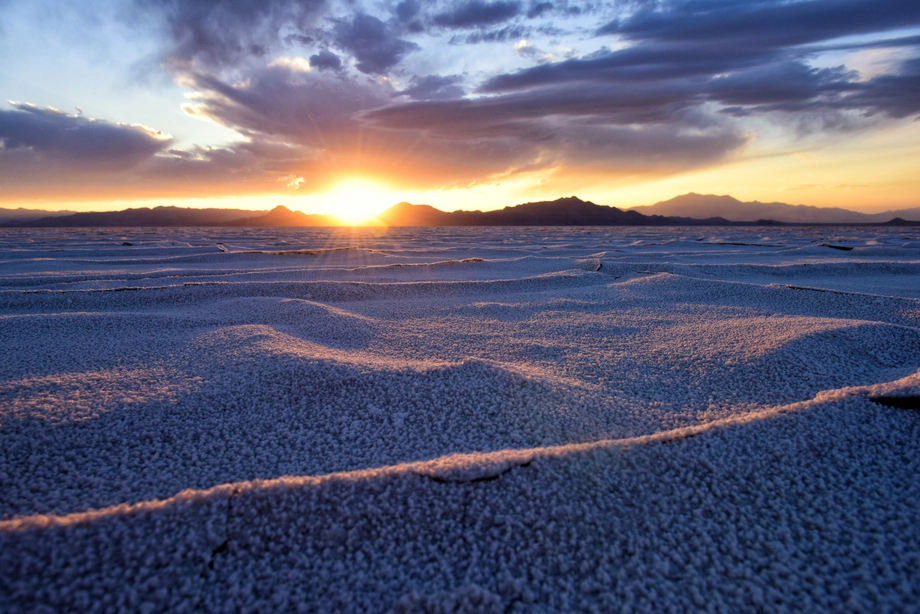 Bonneville Salt Flats – Sunset Adventure of the White Desert
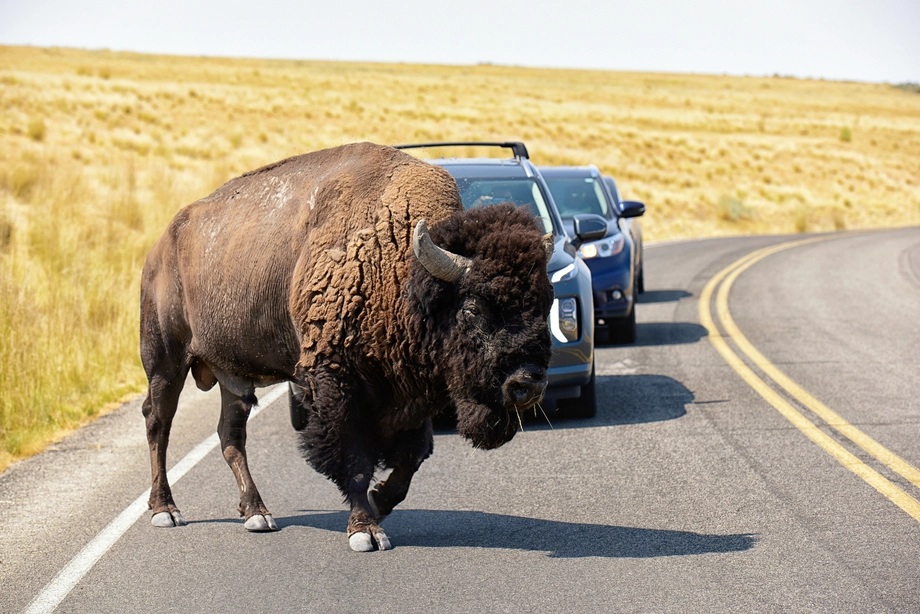 Antelope Island – Wild Heart of the Great Salt Lake Adventure
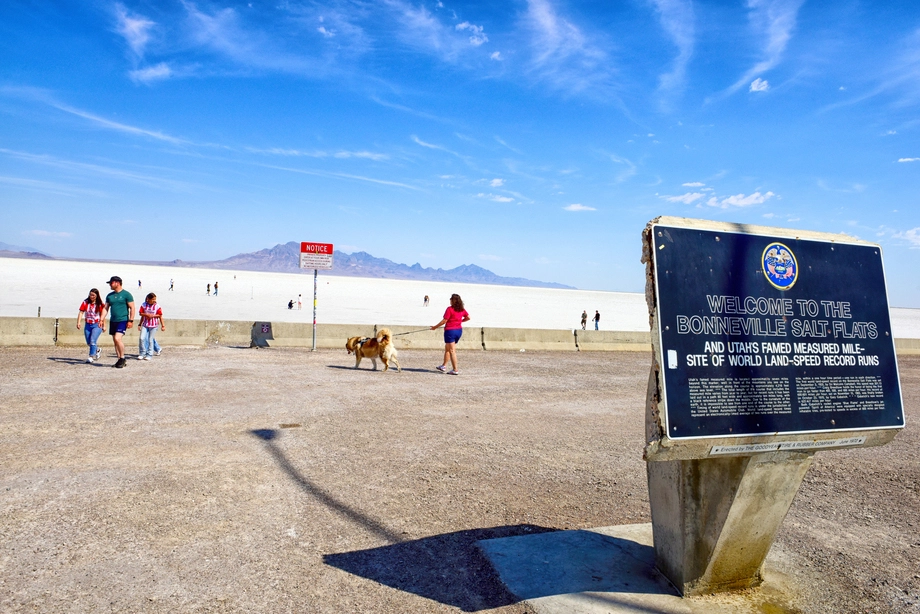 Bonneville Salt Flats – Journey to the Edge of the World
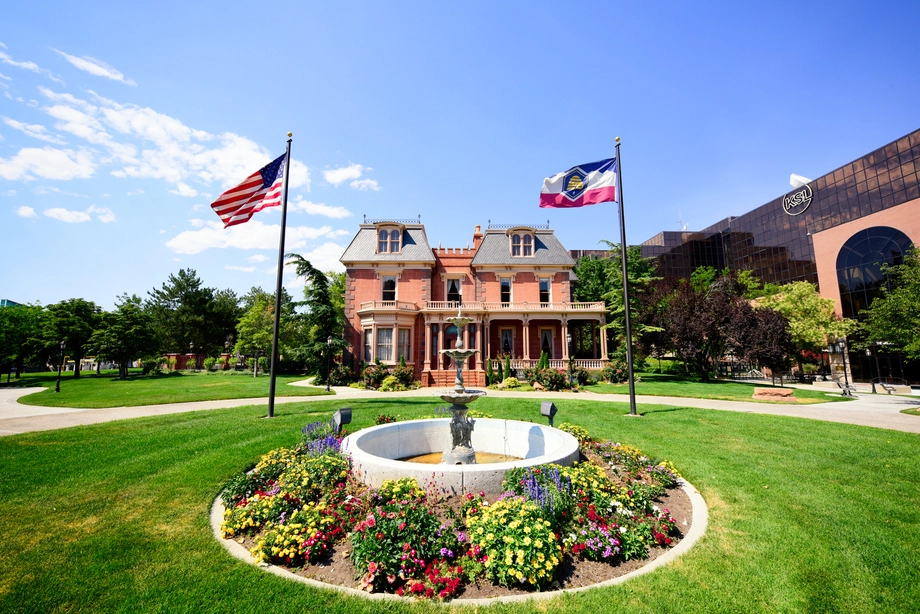 Salt Lake City – The City of Zion. Historical Interactive Walking Tour
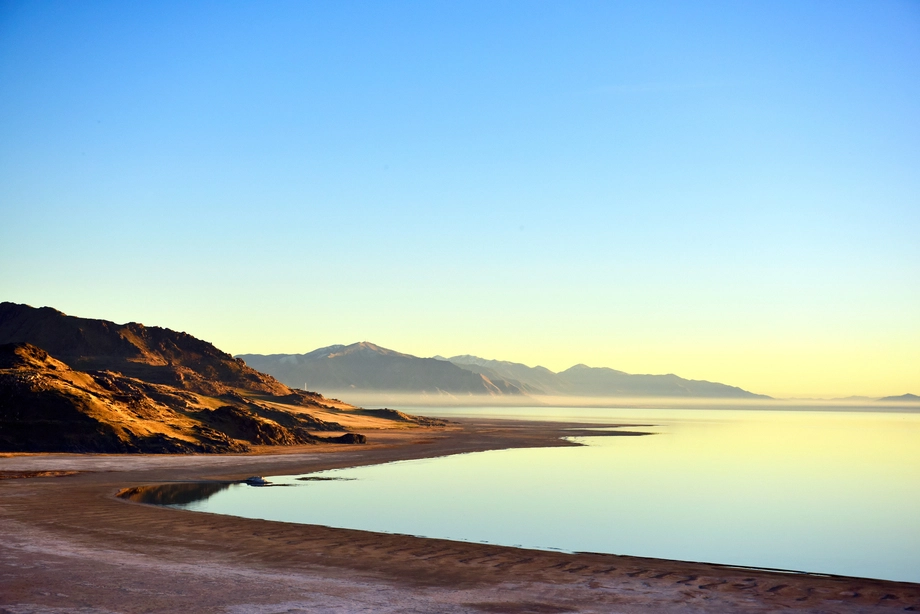 Antelope Island Sunset Wildlife Expedition – Great Salt Lake Odyssey