
How to Prepare for Extreme Heat in Arches on Day Tours from Salt Lake City
Jan 22, 2026
Hydrate early, dress for sun, and plan hikes for cooler hours. Use guided day tours from Salt Lake City to Arches to reduce heat stress and rely on local safety expertise.
Summer in Utah’s desert is no joke. Visitors often underestimate how quickly heat, dry air, and intense sun in Arches National Park and around Moab can turn a dream trip into an emergency. As guides working with travelers across Utah, including guests who join day tours from Salt Lake City to Arches National Park, we see the same patterns every season. The good news. Most heat risks are predictable and can be managed with smart planning.
This article walks you through how to prepare for the heat before you arrive, what to do during your time in Arches, and how guided options like southern scenic day tours of Utah can help you stay safer and more comfortable. You will also find pros and cons of guided vs independent travel, real scenarios from the desert, a list of common mistakes, and clear, practical tips you can use on your next trip.
Why heat in Arches is more dangerous than it looks
How desert conditions in Arches catch visitors off guard
Arches National Park looks dry and calm compared with high mountains or stormy coasts. That calm is deceptive. Air humidity is low, sweat evaporates fast, and people often do not “feel” how quickly they are losing water. Trails feel short on the map, but slickrock reflects sunlight and makes temperatures around your body even higher.
The result is a slow build up of dehydration, headache, and confusion. By the time you notice strong symptoms, you might already be far from shade or water. This is one reason experienced guides treat even short walks to famous arches as serious outdoor activity, especially in the middle of the day.
The real risk of overheating, backed by medical data
Heat stress is not just about feeling uncomfortable. In severe cases it can affect the brain, heart, and kidneys. Medical researchers point out that overheating can be deadly in a large percentage of cases if it is not treated quickly.
“The mortality rate from overall overheating is high and ranges from 33 to 80%.”
Scientific review, Trigger.pdf
This does not mean a trip to Arches is unsafe by default. It means that once symptoms of serious heat illness appear, the situation can get critical very fast. Planning for heat is a core safety step, not an optional extra.
Why planning from Salt Lake City matters
Many visitors start in Salt Lake City and see the city as “the easy urban day” before heading south. In reality, what you do in Salt Lake City can set the tone for your entire desert visit. If you arrive tired, jet lagged, or not acclimated to dry air, you are more vulnerable once you enter the hotter regions.
Using your first day for a relaxed city experience, like small group walking tours in downtown Salt Lake City, helps you adjust. You spend time outside, learn about the city’s history and layout, but you can still access shade, water, and cafes. It is a gentle way to test how your body reacts to Utah’s climate before you face desert heat.
How to prepare for heat before your Arches trip
Hydration and nutrition in the days before
Think of heat preparation as starting at least a day before you visit Arches. Your body’s fluid balance is not fixed in a single hour. Arriving already mildly dehydrated makes you feel wiped out sooner on the trail.
- Increase water intake: Start drinking a bit more water the day before your desert day. Sip regularly rather than chugging large amounts at once.
- Go easy on alcohol: Flights and drinks the night before your tour dry you out. Reducing alcohol and caffeine helps your body hold on to fluids.
- Add light salty snacks: Simple foods with some salt support your body’s electrolyte balance when you start sweating more.
On organized tours, guides often remind guests to keep drinking and may suggest short snack breaks, which is especially helpful when you are caught up in the scenery.
Clothing, gear, and what actually works in desert heat
Clothing choices have a big impact on how you feel in Arches. Many visitors focus on style for photos and forget how fabrics and colors behave in strong sun. You want to help your body shed heat and avoid burns.
- Light colors and loose fit: Pale shirts and lightweight pants or shorts reflect more sunlight and let air move across your skin.
- Wide brim hat and sunglasses: A hat that shades your face, ears, and neck plus UV protection for your eyes cuts overall heat stress.
- Breathable shoes: Closed shoes with good grip protect you on slickrock. Breathable materials keep your feet from overcooking.
- Simple cooling tricks: A small bandana you can wet and place on your neck or under your hat is often enough to drop your perceived temperature.
On guided day tours from Salt Lake City to Arches National Park, local guides see hundreds of outfits each season. Their quiet advice on the bus in the morning about layers or hats is worth listening to. It is based on what has actually worked for guests before you.
Choosing the right tour style for the season
Not every travel style works equally well in peak heat. A self driven itinerary may sound liberating, but dealing with routes, parking, and timing while already tired from sun exposure can be stressful. This is where different tour options out of Salt Lake City come into play.
Here is a quick comparison to help you think it through.
| Option | Main focus | Heat management benefits | Typical use |
|---|---|---|---|
| Walking tours in Salt Lake City | History and city overview on foot | Gentle climate acclimatization with access to shade and water | First day in Utah before heading south |
| Day tours from SLC to Utah ski resorts | Mountain slopes and cooler elevations | Escape from summer valley heat at higher altitude | Mixed itineraries that include both mountains and desert |
| Day tours from SLC to national parks like Arches | Iconic red rock sights and short hikes | Guided schedule that avoids the worst heat when possible | Visitors who want the desert with less logistic stress |
In short, matching your tour style to the season reduces risk before you even think about your first hike.
You found a hidden promo code!
Use code WOWBLOG at checkout and get 10% OFF any tour!
Limited time offer. Book now and save!
Browse ToursHeat smart planning for your day in Arches
Timing your activities to beat the hottest hours
The single most effective way to reduce heat stress in Arches is to adjust your schedule. The same trail feels completely different at 7 a.m. compared with 2 p.m. Even if your time is limited, you can shape your day to avoid the most intense sun.
- Start early or finish late: Plan flagship hikes near sunrise or in the late afternoon, and keep the middle of the day for shorter, shaded stops or scenic drives.
- Use the vehicle as a moving shade: If you join a guided tour, the vehicle becomes a cool, shaded base. You move in and out for shorter walks rather than stay in full sun for hours.
- Build in real breaks: Schedule at least one longer rest in shade, not just quick photo stops.
Guided tours from Salt Lake City to the national parks of Utah usually publish clear outlines of timing, distance, and terrain. Use these descriptions to choose departures that fit your heat tolerance, not just your calendar.
Managing water and rest stops on the ground
Even if you did a good job hydrating before, desert walking demands ongoing attention. The body is losing water continuously, often faster than you think. Simple rules help you stay ahead of the curve.
- Carry more than you think: Bring enough water for the whole planned outing, plus some extra for delays or detours.
- Drink steadily, not rarely: Sip every 15 to 20 minutes during activity instead of waiting until you feel very thirsty.
- Watch your group: Families and friends should check on each other. A quiet or unusually clumsy person might be heading toward trouble.
On many organized Utah national park tours out of Salt Lake City, guides suggest water stops and keep an eye on how guests are doing during walks to arches, ridges, and viewpoints. This outside perspective is valuable because it is harder to judge yourself accurately when you are already hot.
Integrating Arches into wider southern scenic day tours of Utah
Another strategic move is to combine Arches with other nearby areas in a way that spreads exposure. Southern scenic day tours of Utah from Salt Lake City may include a mix of red rock viewpoints, short hikes, and long stretches of driving on beautiful roads with photo stops.
This mix means you are not on your feet in the sun for eight hours straight. You alternate intense, short experiences with time in the shade of the vehicle while still seeing major landscapes. It is a useful compromise for families, older travelers, or anyone new to desert heat.
Pros and cons of guided day tours vs independent travel in the heat
Advantages of using guided tours in hot conditions
Guided options, like day tours from Salt Lake City to multiple Utah national parks including Arches, come with built in support. That support is especially helpful when temperatures climb and decisions carry more weight.
- Structured timing: Tours are built around realistic driving times, rest stops, and walking segments so you avoid common overreach in the heat.
- Local guides: Local guides know where to find shade, how difficult each short hike really feels in summer, and when to suggest adjustments.
- Less logistic stress: You are not dealing with parking, navigation, or schedule changes while also coping with sun exposure.
- Clear route information: Many tours share detailed descriptions of duration, distance, and terrain in advance. You can match them to your fitness.
- Support for all levels: Small groups and the ability to ask questions make it easier for first time desert visitors to stay safe.
Limitations of guided tours in hot weather
Guided travel is not perfect for everyone. Understanding the limitations helps you decide honestly whether it matches your personality and goals.
- Less flexibility: You follow a set schedule, so changing plans mid day because you feel great or want a longer hike is limited.
- Group pace: You move at a pace that works for the whole group rather than just your own rhythm.
- Fixed dates and prices: You must choose from available departure days and price ranges instead of building a custom budget with your own car.
- Shared space: You share vehicle space and viewpoints with others, which some travelers do not enjoy.
Pros and cons of going independent in the heat
Traveling on your own in Arches can be rewarding, but in high heat it also raises the stakes. Here is a simple comparison.
| Aspect | Independent trip | Guided day tour |
|---|---|---|
| Control over schedule | Very high, you choose everything | Moderate, fixed but planned for comfort |
| Heat risk management | Depends entirely on your planning and discipline | Supported by experienced guide and structured breaks |
| Local knowledge | From your own research only | Real time advice from guides who know the region |
| Stress level | Higher. You drive, navigate, and problem solve | Lower. You focus on views and staying comfortable |
In many cases, a mix works well. For example, you might join an organized Arches visit from Salt Lake City with MateiTravel, then spend a cooler mountain day on your own near ski resort areas where heat is less extreme.
Real world examples of handling heat in and around Arches
Example 1. A family on a guided Arches day tour from Salt Lake City
Imagine a family of four starting their Utah vacation in Salt Lake City. On day one they join a small downtown walking tour. The guide leads them through historic buildings and hidden corners, with clear explanations of the route length and terrain. They get used to Utah’s dry air but can always duck into shade or refill water.
On day two they join a guided Arches visit that departs from Salt Lake City. The guide explains the day’s plan. Driving segments, short hikes to famous arches and viewpoints, and clearly scheduled rest stops. When midday heat peaks, the group focuses on scenic driving and short photo walks instead of long exposed trails. The family ends the day tired but not exhausted and still has energy to continue their Utah adventure.
Example 2. An experienced hiker choosing a combined Utah day tour
Now picture an experienced hiker who usually plans everything alone. They want to see as much as possible in a tight time frame. Instead of renting a car, they book a southern scenic day tour of Utah from Salt Lake City that includes a mix of driving, short hikes, and major viewpoints. The itinerary might cover parts of the route toward Arches and other national parks, along with iconic stops for photos and brief walks.
This traveler uses the guide’s knowledge to fine tune their future independent hikes. They ask about trail steepness, how heat feels in exposed canyons, and what time of day certain ridges are in shade. Next trip, they might come back and plan a longer self guided route with this real world context in mind.
Example 3. A winter visitor using ski resort day tours
Heat planning is not just for summer. Some visitors combine desert days with higher, cooler areas. A traveler might base in Salt Lake City, spend one day on a transfer based trip to a Utah ski resort, and enjoy flexible time on the slopes with help from local staff to get oriented. The next day, they head south to visit Arches as part of a broader Utah national parks itinerary.
This contrast between cooler mountain air and warmer desert conditions reminds them to adjust hydration and layers each day. Because ski resort tours include guidance for both new and experienced skiers, the traveler experiences organized support in two very different climates during the same trip.

Common mistakes visitors make with heat in Arches
Underestimating “short” hikes and easy looking terrain
Many people look at maps and think. “It is only a short walk to that arch, we do not need extra water or a hat.” The combination of reflected sun from rock, lack of shade, and slight elevation gain can turn a 30 minute walk into a serious effort when temperatures rise.
To avoid this, treat every walk that takes you away from your vehicle as a real outing. Even the classic short hikes deserve proper footwear, water, and sun protection.
Starting late in the day without a time plan
Another frequent error is leaving Salt Lake City or Moab too late, then arriving at Arches exactly when sun is strongest. Visitors rush to “make up for lost time,” add extra viewpoints, and skip breaks. This compounds fatigue and makes heat problems more likely.
A better strategy is to accept reality. If you arrive late, shorten your route instead of squeezing in everything. Focus on fewer stops and enjoy them properly, or shift some goals to another day.
Ignoring early signs of heat stress
Headache, mild nausea, or feeling unusually irritable are early warning signs your body is not keeping up. People often push through these signals because they have “come so far” or feel pressure to match the group. This can lead to more serious overheating.
Give yourself permission to turn back early, rest in shade, or tell your guide how you feel. On group tours, guides expect this and would rather adjust the plan than see you deteriorate on the trail.
Relying only on air conditioning and skipping acclimatization
Some travelers move from airport to hotel to vehicle, all with strong air conditioning, then suddenly step into midday Arches sun for a long hike. Their body has had no chance to adjust, so the contrast feels brutal.
A simple walk in Salt Lake City on your first day, such as a central city walking exploration with a local guide, can help you ease into the local climate while still keeping things low risk.
Practical tips to stay safe and comfortable in Arches heat
Actionable steps you can apply right away
If you remember nothing else, keep these practical tips in mind when planning your desert visit.
- Plan your hottest hours: Decide before you leave where you will be between 11 a.m. and 3 p.m. Favor scenic drives and short, shaded stops instead of long hikes.
- Pack for the sun, not just for photos: Bring a proper hat, sunglasses, light long sleeve layer, and more water than you think necessary.
- Use your first Utah day wisely: Spend it in Salt Lake City on something low stress outdoors, like a small group walking tour, to adjust to the dry climate.
- Consider guided options: For complex routes that include Arches and other national parks, look at organized tours from Salt Lake City so you can lean on local expertise.
- Listen to your body and your guide: Treat early signs of fatigue seriously and speak up. Guides are there to help you adjust the plan.
- Think about the whole trip, not just one park: If you include both desert and mountain days, adjust clothing, hydration, and expectations for each environment.
Using MateiTravel tours as a heat smart framework
MateiTravel builds tours across Utah that naturally incorporate many of these safety ideas. City walking experiences use small groups and clear descriptions of route length and relief. Guests can ask questions and move at a steady pace that feels comfortable.
Day trips from Salt Lake City to ski resorts provide structured transfers, time on the slopes, and help with orientation on arrival. This reduces stress for beginners and gives experienced visitors quick access to local knowledge. Tours to Utah’s national parks from Salt Lake City, including routes that feature Arches, are organized around realistic schedules, clear explanations of effort levels, and story rich guiding that turns rest stops into part of the experience.
Preparing for heat in and around Arches National Park is about more than packing an extra bottle of water. It starts in Salt Lake City with how you acclimate, continues with what kind of tour or route you choose, and shows up in the way you pace your day once you are among the red rocks. Even small choices, like starting earlier, using shade, and listening to experienced local guides, dramatically cut your risk of heat related problems.
If you build your trip around realistic timing, sun smart clothing, and honest respect for the desert, Arches becomes a place of wonder instead of a test of endurance. When you are ready to turn these ideas into a real itinerary across Utah, from city streets to national parks, consider planning your journey with MateiTravel for a safer and more enjoyable experience.
FAQ
How early should I start my day to avoid peak heat in Arches?
It is best to schedule your longest or most exposed hikes for early morning or late afternoon and keep the hours between about 11 a.m. and 3 p.m. for short walks and scenic drives. This simple timing shift often makes more difference than any single piece of gear.
Why is it helpful to spend the first day in Salt Lake City before going to Arches?
Spending a day in Salt Lake City, for example on a small group walking tour of downtown, helps your body adjust to Utah’s dry air while you still have easy access to shade and water. That gentle acclimatization makes the sudden heat of Arches feel less shocking.
What are the main advantages of using a guided day tour from Salt Lake City to Arches?
Guided day tours provide structured timing, local guides who know how trails feel in hot weather, and less logistic stress because you are not dealing with driving or parking. They also include planned rest stops and clear descriptions of distance and terrain so you can match the tour to your ability.
What common mistakes do visitors make with heat in Arches National Park?
Typical mistakes include underestimating “short” hikes, starting late and rushing through midday hours, and ignoring early signs of heat stress like headache or nausea. Many people also rely too much on air conditioning before the trip and skip gradual acclimatization.
How much water should I bring for a short hike to a famous arch?
Even for short walks, you should carry enough water to drink small sips every 15 to 20 minutes and still have extra in case of delays. It is safer to bring more than you think you need, because desert heat and slickrock reflection can make a short hike feel much harder.
What does the research say about the danger of serious overheating?
One scientific review notes that the mortality rate from overall overheating can range from 33 to 80 percent if not treated promptly (Scientific review, Trigger.pdf). This underscores why paying attention to early symptoms and good planning is so important.
How do guided Utah national park tours help manage heat during the day?
Tours that start from Salt Lake City and visit several national parks, including Arches, are usually designed with realistic driving legs, short hikes, and built in breaks. Guides suggest when to walk, when to rest, and how to adjust if the group struggles with the temperature.
Is it useful to combine mountain and desert days in one Utah trip?
Yes, many travelers enjoy a cooler day at a Utah ski resort and a hotter desert day near Arches in the same trip. This mix lets you experience both climates, as long as you adjust clothing and hydration for each environment instead of treating them the same.
Why is a hat and light clothing so important in Arches heat?
Light, loose clothing reflects sunlight and allows air circulation, while a wide brim hat shades your face, ears, and neck. Together they reduce overall heat load on your body, which makes every step in the desert feel easier and safer.
How does MateiTravel support heat safety on its tours?
MateiTravel designs tours with small groups, clear descriptions of walking distances and terrain, and realistic schedules that avoid the harshest hours when possible. Local guides share practical advice on clothing, water, and pacing so guests can enjoy Utah’s landscapes without unnecessary heat risk.

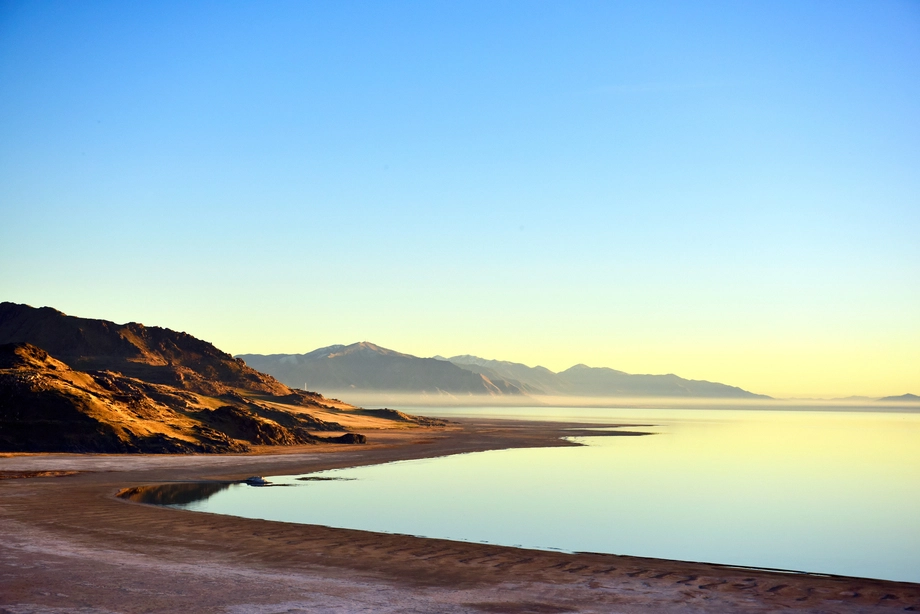 Antelope Island Sunset Wildlife Expedition – Great Salt Lake Odyssey
 Salt Lake City – The City of Zion. Historical Interactive Walking Tour
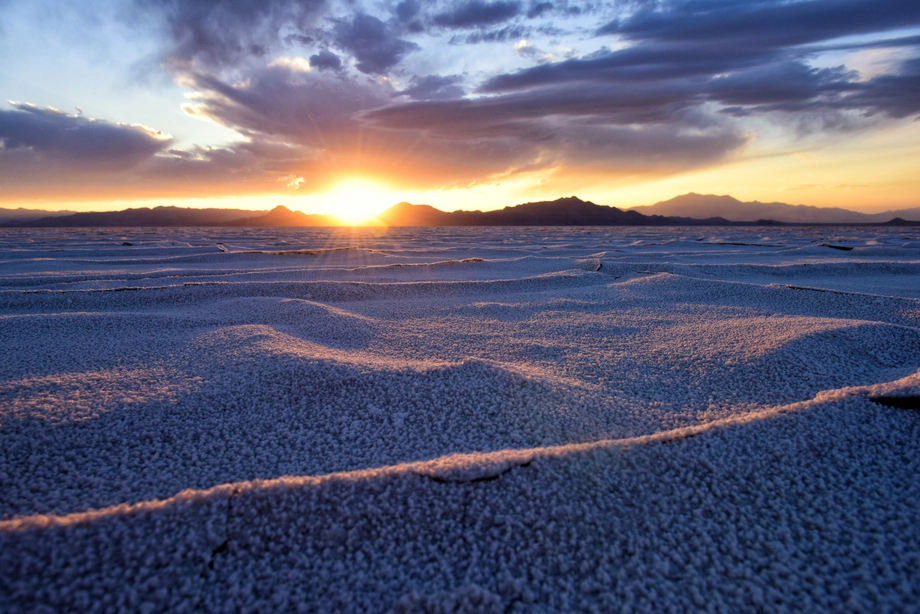 Bonneville Salt Flats – Sunset Adventure of the White Desert
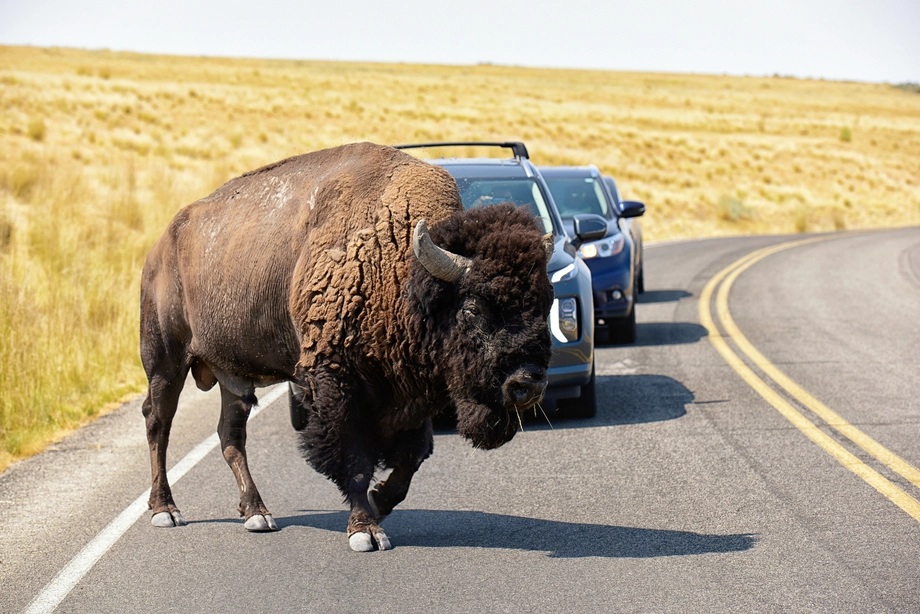 Antelope Island – Wild Heart of the Great Salt Lake Adventure
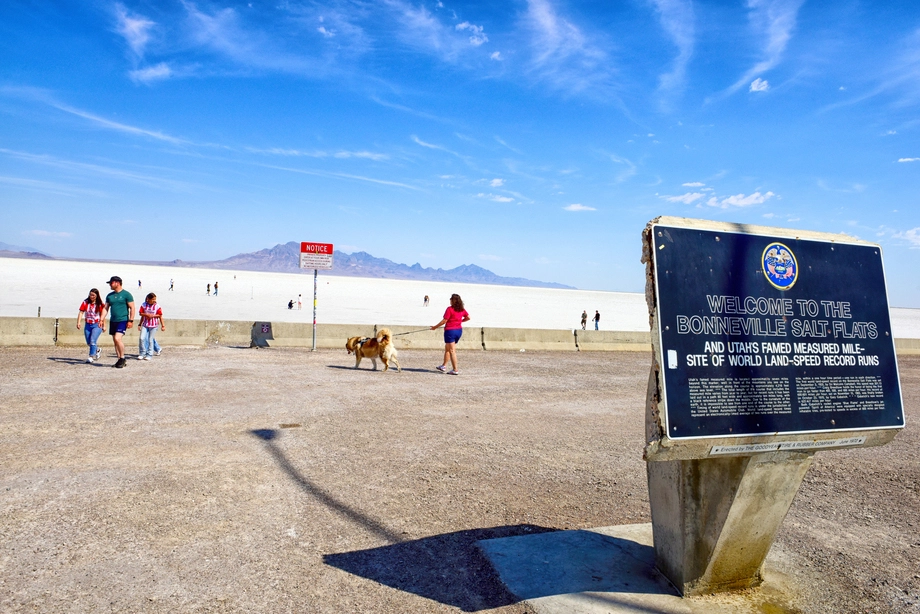 Bonneville Salt Flats – Journey to the Edge of the World