
How to Read the Forecast in Utah Mountains for Safe Skiing and Hiking
Feb 7, 2026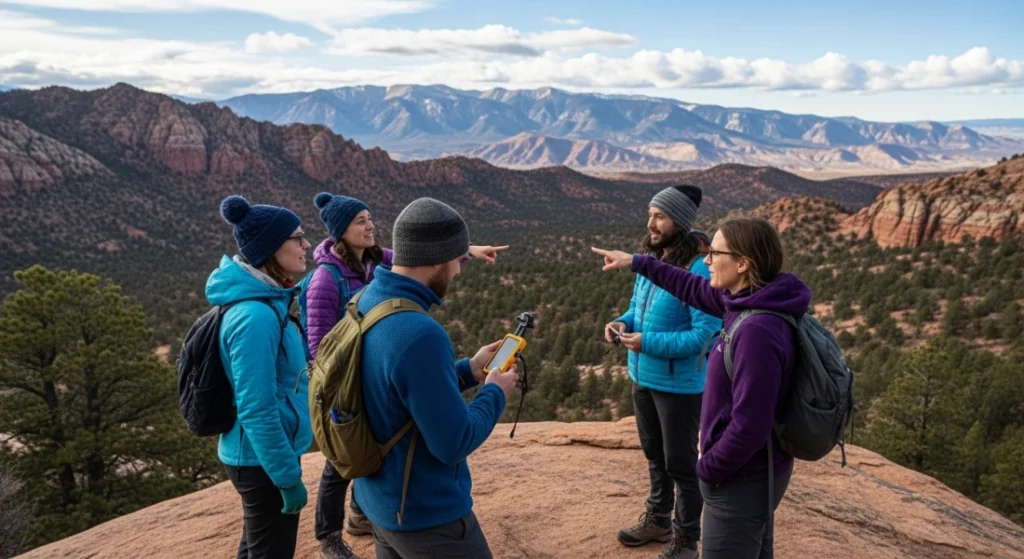
Mountain forecasts in Utah differ sharply from city weather. Focus on elevation, wind, and storm timing, then plan routes, clothing, and timing around the harshest conditions, or rely on guided day tours that do this for you.
Most accidents in the Wasatch and Utah’s national parks start the same way. The weather looked fine from Salt Lake City, then the wind, snow, or lightning rolled in much faster than anyone expected. Knowing how to read the forecast in Utah mountains is often what separates a memorable day from a rescue call.
Valley predictions rarely match what you get on a ridgeline above the ski resorts or at a viewpoint in Zion or Bryce Canyon. Elevation, canyon orientation, and fast‑moving desert systems all twist the weather into something very different from what your phone’s default app shows. Once you understand those patterns, you can choose routes, timing, and even whether to join a guided day tour with much more confidence.
How is mountain weather in Utah different from the city forecast?
Utah’s mountains create their own weather compared to the Salt Lake Valley and other low‑lying areas. The most important difference is temperature: it typically drops as you gain elevation, which means snow and ice are possible in the hills while rain falls in the city.
Wind also behaves very differently in canyons and on high ridges. What feels like a calm morning in Salt Lake City can turn into strong gusts over exposed ski runs or viewpoints in the national parks. Storms also tend to build and move quickly, especially around the Wasatch and the high plateaus.
| Condition | Salt Lake City (valley) | Utah mountains (typical) |
|---|---|---|
| Temperature | 40°F and rainy | 20–28°F, snow showers on ridges |
| Wind | Light breeze | Moderate to strong gusts on exposed slopes |
| Clouds | Partly cloudy | Clouds stacking on peaks, possible whiteout |
| Precipitation timing | Short afternoon showers | Earlier start, longer duration over high terrain |
If you are used to city walks or self‑guided strolls, this gap between valley and mountain conditions is a real adjustment. For visitors booking day tours from Salt Lake City, good guides read higher‑elevation forecasts rather than relying on what they see out the hotel window.
Which forecasts matter most for Utah ski and hiking days?
You do not need a meteorology degree. You just need to focus on a few forecast pieces that actually change your day: temperature, wind, precipitation type, storm timing, and any specific mountain hazards mentioned.
- Temperature at elevation: Look for the predicted temperature near the height where you will ski or hike, not in downtown Salt Lake City.
- Wind speed and direction: Strong ridge‑top wind can close ski lifts, create dangerous wind chill, or make a hike on an exposed rim feel much harder.
- Precipitation type and intensity: Light snow or showers can be pleasant. Heavy snow, freezing rain, or intense thunderstorms can shut down a trip.
- Storm timing: Note start and end times. In Utah, many storms stack up in the afternoon, which is critical if you plan to be on a long trail or high pass.
- Special statements: Pay attention to avalanche, heavy snow, or strong storm warnings for mountain zones.
According to the National Weather Service, mountain forecasts can differ dramatically from nearby lowlands because terrain reshapes wind, clouds, and precipitation over short distances.
For guided day trips from Salt Lake City to ski resorts or national parks, experienced operators watch mountain‑specific zones and then adjust departure times, where they stop, and how long guests spend on exposed viewpoints.
You found a hidden promo code!
Use code WOWBLOG at checkout and get 10% OFF any tour!
Limited time offer. Book now and save!
Browse ToursHow do elevation and aspect change what the forecast really means?
Two nearby spots in Utah can feel like different seasons on the same day. Elevation and the direction a slope or canyon faces decide how that forecast plays out under your boots or skis.
Elevation: reading the “vertical” forecast
Most general forecasts are given for a single height, often a valley town. In the Utah mountains, your day can easily span several thousand feet of elevation, especially if a tour takes you from Salt Lake City up to a ski resort or a high park overlook.
- Colder higher: Expect much lower temperatures near ridges and summits. This can turn marginal rain into firm snow.
- More wind higher: Ridges and chairlift tops catch more wind than sheltered forested runs or canyon bottoms.
- Snow level: Pay attention to the forecasted snow line, especially on days when rain in the valley becomes snow in the resorts.
On a one‑day ski tour, this often means dressing for two seasons. You may board the transfer in light layers in Salt Lake City and then need full winter gear at the resort.
Aspect: sun and wind exposure
Aspect is the direction a slope faces. It changes how the same set of numbers will feel on your skin and underfoot. In Utah’s clear, dry climate, sunny slopes can warm very fast while shaded aspects stay icy or snowy.
- Sunny aspects: Warmer and often softer snow or drier trail, but more sun and glare. Good for chilly but clear days.
- Shaded aspects: Colder, often icier snow or lingering mud and snow on hiking trails.
- Wind‑facing ridges: Much stronger wind than forecast for sheltered locations, with higher wind chill and blowing snow.
When MateiTravel guides plan itineraries in the national parks, they use the same forecast but choose stops and short hikes on aspects that suit the group and the conditions. You can think the same way when you read the forecast for a self‑planned day.
How should you read the forecast for different Utah activities?
Not every forecast detail matters equally for every kind of trip. A ski resort day, a winter canyon overlook visit, and summer hiking around Salt Lake City all use the same data in different ways.
Ski and snowboard day trips to Utah resorts
When you book a one‑day transfer from Salt Lake City to a ski resort, the big questions are snow quality, lift operations, and comfort on the slopes. The city forecast only hints at those answers.
- Fresh snow vs visibility: A storm day can mean great powder but low visibility, wind, and slower travel to the resort.
- Wind impact: Strong winds at elevation can shut down higher lifts while lower slopes stay open.
- Temperature swings: Very cold mornings warm quickly in the sun. Knowing the pattern helps you layer and plan breaks.
Organized ski day tours reduce the stress of guessing. The transfer, timing, and even suggestions for which parts of the resort to ski often reflect the latest high‑elevation forecast rather than the weather back in the city.
Day tours to Utah national parks from Salt Lake City
Trips from Salt Lake City to Zion, Bryce Canyon, Arches, Canyonlands, or Capitol Reef involve long drives and big changes in height. A realistic reading of the forecast helps you understand why departure times, viewpoints, and short hikes are scheduled the way they are.
- Temperature across the day: Cool starts, warmer midday, then quick cooling near sunset at high lookouts.
- Storm corridors: Some park roads cross higher passes where snow or thunderstorms hit sooner than the nearby town.
- Short hike safety: Wind, rain, or lightning risk may limit how far you safely walk from the vehicle.
Guided tours combine the forecast with local experience. That is how they manage to fit scenic drives, photo stops, and short walks without overloading guests or putting them into weather trouble.
Short day trips and hiking around Salt Lake City
Even simple outings, like a scenic drive to the Bonneville Salt Flats or a walk on Antelope Island, benefit from a closer look at the forecast. Open landscapes magnify wind, sun, and storms compared to downtown sidewalks.
Guided day tours from Salt Lake City usually balance drive time and time on foot, especially when the forecast calls for heat, cold, or wind. If you prefer a more independent style that feels like hiking tours in the Salt Lake City area, apply the same approach: match your start time, route, and clothing to the most exposed part of your day, not just the city average.
Pros and cons of relying on forecasts for Utah mountain trips
Forecasts are powerful planning tools, but they are not perfect, especially in complex terrain. A balanced view helps you use them smartly without blind trust.
Pros
- Better safety margins: Reading mountain‑specific forecasts helps you avoid the worst weather windows and reduce exposure to wind, storms, and cold.
- Smarter packing: You bring layers, water, and gear that match likely conditions at elevation instead of guessing from city weather.
- More enjoyable timing: You can target the most comfortable hours of the day for key viewpoints, ski laps, or short hikes.
- Efficient itineraries: Guides and independent travelers alike can combine scenic drives and walking stops in a way that fits the real conditions.
- Expectation management: You go into the day knowing if it will feel stormy, chilly, or bright and clear, which reduces stress.
Cons
- False sense of certainty: Forecasts are predictions, not guarantees. Over‑trusting them can lead you to ignore what you see and feel on the ground.
- Complex information: Mountain forecasts can look technical or confusing if you are used to simple icons and temperatures.
- Rapid changes: Utah’s terrain can shift weather faster than updates arrive, so you may still be surprised.
- Variable quality: Generic phone apps focused on city weather often miss critical mountain details such as ridge wind or snow level.
- Analysis paralysis: Some travelers get stuck comparing models instead of choosing a reasonable plan and staying flexible.
Practical examples: how a forecast changes real Utah trips
Example 1: Ski day tour from Salt Lake City
Imagine you booked a one‑day transfer to a Utah ski resort. The valley forecast calls for light rain and temperatures a few degrees above freezing. The mountain forecast for the resort base, however, shows colder air with snow starting mid‑morning, plus stronger wind at the top lifts.
Reading that higher‑elevation information helps you pack waterproof layers, goggles for lower visibility, and warm gloves. It also tells you to expect some lifts to slow or close. A guided group run by a company like MateiTravel would likely adjust departure and suggested ski zones, keeping guests more sheltered when the wind peaks.
Example 2: One‑day national park loop from Salt Lake City
On a day trip that includes viewpoints and short hikes in one of Utah’s national parks, the city forecast looks mild and calm. The park forecast, however, shows gusty afternoon winds and a chance of fast afternoon showers at higher overlooks.
With that reading, you shift your plan. You or your guide schedule the longest stop and any rim walks earlier in the day, then leave the shorter photo stops and lower viewpoints for the windier hours. The same forecast makes you pack a windproof layer and eye protection even though the temperature itself is comfortable.

Common mistakes when reading Utah mountain forecasts (and how to avoid them)
- Using only the city forecast: Relying on Salt Lake City weather alone leads to under‑dressing and surprise snow or wind at elevation. Always check a forecast specific to the mountain area or park you plan to visit.
- Ignoring wind information: Many travelers look only at temperature and chance of rain or snow. Scan wind speed and gusts as well, especially if your plans include ridges, chairlifts, or exposed viewpoints.
- Not checking the forecast update time: Mountain weather changes quickly. Note when the forecast was last updated and, for early departures, recheck the evening before and the morning of your trip.
- Overlooking storm timing: Seeing “rain” or “snow” all day can be misleading. Look for start and peak periods so you can time key activities before or after the worst hours.
- Skipping local knowledge: Forecasts cannot show every canyon wind pattern or slope hazard. For complex winter days or first‑time visits, consider a guided tour where someone reads both the data and the terrain.
Practical recommendations for reading Utah mountain forecasts
- Start with location and elevation: Choose a forecast point close to your actual destination, then note the height difference between that spot and the valley.
- Translate numbers into how it will feel: Combine temperature, wind, and cloud cover to picture comfort, not just digits on a screen. Think “cold and windy on that lookout” rather than “32°F with gusts.”
- Plan around the highest risk hours: If storms, strong wind, or extreme cold are forecast, schedule long hikes or the most exposed ski runs for lower‑risk periods.
- Build a flexible plan B: Have shorter, more sheltered options ready. Guided day tours often do this automatically by mixing scenic drives with optional walks.
- Recheck before departure: Conditions overnight can shift the whole day. A quick review the morning you leave Salt Lake City helps you catch new warnings or changes.
- Match clothing to the coldest point, not the warmest: Dress and pack for the coldest and windiest part of your plan. You can always remove layers in the vehicle or during sunny breaks.
- Use guidance if you are new: If you lack experience interpreting mountain forecasts, booking a day tour or a structured outing instead of a fully self‑guided plan is a very reasonable choice.
Comparing guided day tours vs fully self‑planned days for using the forecast
| Aspect | Guided day tour (e.g., MateiTravel) | Fully self‑planned day |
|---|---|---|
| Forecast interpretation | Handled by guide with local knowledge | Entirely your responsibility |
| Logistics | Transfer, route, and timing adjusted to weather | You must adapt drive, stops, and routes |
| Stress level | Lower, especially in unfamiliar mountain weather | Higher if you are unsure how to read mountain data |
| Flexibility | Structured but with weather‑aware options | Maximum control if you understand the forecast well |
| Best for | Visitors, families, or new mountain travelers | Experienced guests comfortable with swift changes |
If your usual style is a relaxed, self‑guided walking tour in Salt Lake City, suddenly being in charge of avalanche risk, storm timing, and highway conditions can feel like a big leap. Letting a local team integrate the forecast into a one‑day ski, park, or scenic tour is a practical middle ground.
Reading a Utah mountain forecast is about more than checking an icon. When you connect temperature, wind, and storm timing to the actual terrain you will visit, the numbers finally make sense. That understanding lets you pack smarter, pick better start times, and avoid the conditions that ruin or shorten trips.
Guided day tours from Salt Lake City use the same information but add local experience about how it plays out across ski resorts, national parks, and wide‑open landscapes. Whether you travel independently or with a company like MateiTravel, treat the forecast as a planning partner, not a final truth. Look at the sky, feel the wind, and be ready to adjust once you are on the ground.
FAQ
Why is the mountain forecast so different from Salt Lake City weather?
Higher elevations in Utah are much colder and windier than the valley, so the same storm behaves differently. Peaks and canyons also reshape clouds and wind, which leads to more snow and faster changes than in the city.
What is the single most important forecast detail for a Utah ski day?
Temperature and wind at the elevation of the ski lifts matter most. They tell you what snow quality to expect, how cold it will feel on chairlifts, and whether higher lifts might slow or close.
How early should I check the forecast before a day tour from Salt Lake City?
Check the detailed mountain forecast the evening before, then again on the morning of your trip. This helps you spot overnight changes, new warnings, or shifts in storm timing that could affect your plans.
Do I still need to understand the forecast if I join a MateiTravel tour?
Your guide will handle the technical reading, but a basic understanding helps you pack and set expectations. It also makes it easier to see why certain stops, viewpoints, or short hikes are chosen for specific times of day.
How does the forecast affect national park day tours from Salt Lake City?
Guides use it to time long drives, photo stops, and short hikes around heat, wind, and storms. That way you see key viewpoints in safer, more comfortable windows and avoid being caught out on a rim during the worst weather.
What common mistake do first-time visitors make with Utah weather?
Many assume that calm, mild conditions in Salt Lake City mean similar weather at ski resorts or park lookouts. They under‑dress and are surprised by colder, windier conditions or sudden snow at elevation.
How can I turn a basic forecast into a packing list?
Use the coldest and windiest forecast period at your highest point as your reference. Pack layers, wind protection, and accessories like hats and gloves to stay comfortable during that worst likely window, not just the mildest part of the day.
Is a forecast enough, or do I need local advice too?
Forecasts are a strong start, but they cannot show every canyon wind or slope hazard. Combining them with local guidance, especially via a guided day tour, gives you a more realistic picture of what the day will actually feel like.

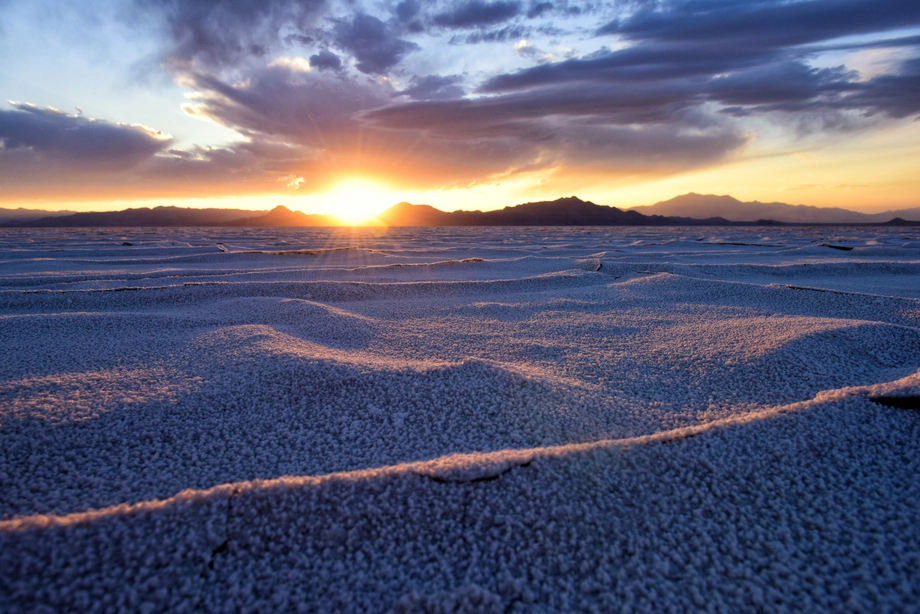 Bonneville Salt Flats – Sunset Adventure of the White Desert
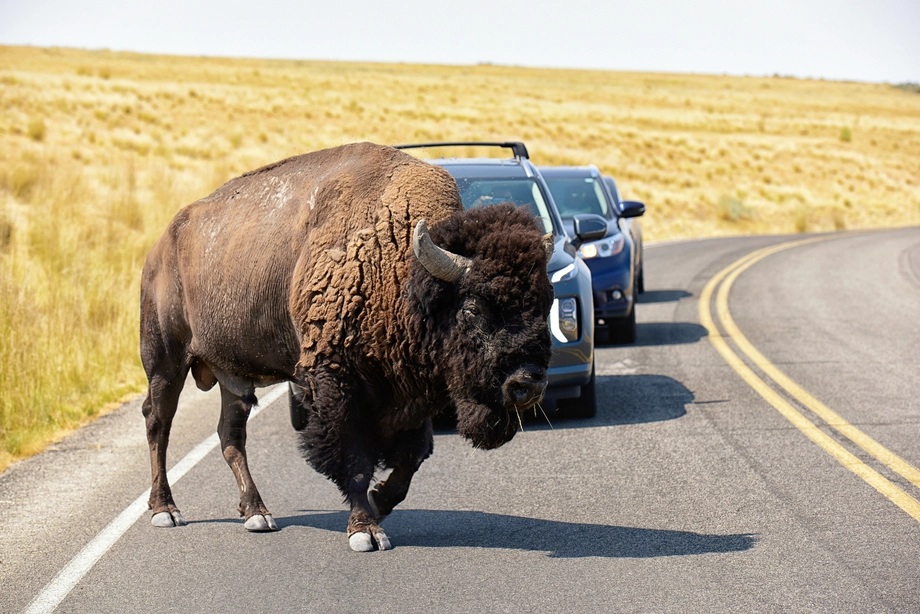 Antelope Island – Wild Heart of the Great Salt Lake Adventure
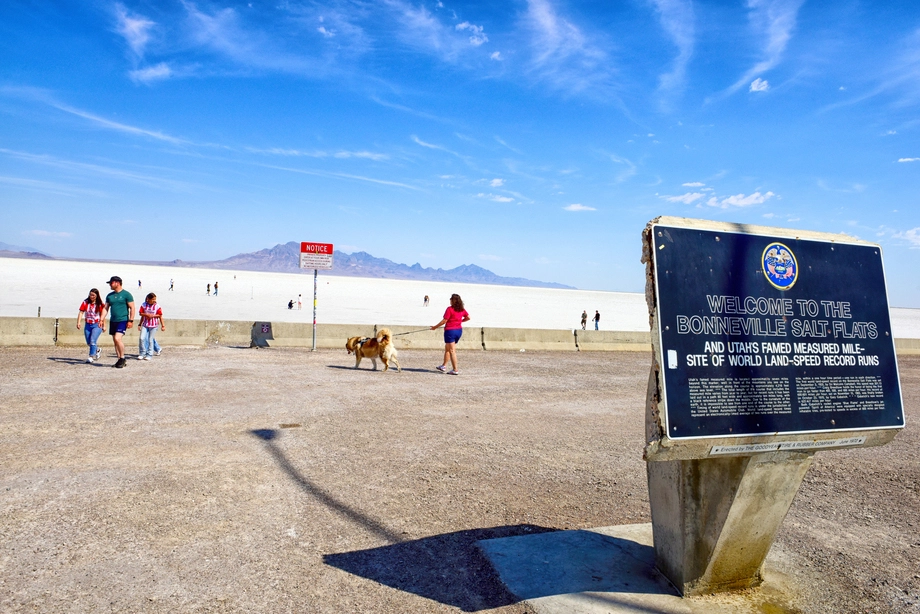 Bonneville Salt Flats – Journey to the Edge of the World
 Salt Lake City – The City of Zion. Historical Interactive Walking Tour
 Antelope Island Sunset Wildlife Expedition – Great Salt Lake Odyssey