
Why Quick-Hit Zion Hikes Often Disappoint on Day Two
Jun 16, 2026
A rushed Zion plan often feels worse on day two because it depends on perfect conditions that rarely hold. Closures, permits, crowds, shuttles, water levels, and fatigue can erase half a short itinerary.
We see the same pattern over and over. Day one in Zion feels electric because the scenery is huge and the first major hike still feels possible. Day two is where the plan starts to wobble, not because visitors did anything foolish, but because their itinerary assumed everything would line up at once.
This is a trip-design problem, not just a hiking problem. It matters most for people trying to squeeze Zion into 1 to 2 days, or fit it into a larger Utah parks route, because short visits leave almost no room for permit misses, shuttle delays, trail closures, high water in The Narrows, or simple leg fatigue after a hard first day.
Our work organizing tours from Salt Lake City to Zion, Bryce Canyon, Arches, Canyonlands, and Capitol Reef has made one thing very clear. The enjoyable version of a short Zion visit is rarely the version that tries to force every famous hike into a 24 to 48 hour window.
Why does Zion feel magical on day one and frustrating on day two?
Because most short Zion itineraries are built on ideal conditions, and those assumptions usually get tested by the second day. The park is still spectacular, but the plan often becomes less flexible just as fatigue, queues, and access limits become more obvious.
On day one, people still have energy, patience, and optimism. A shuttle wait feels manageable. A backup viewpoint still sounds appealing. By day two, the same visitor may be sore, short on time, and emotionally attached to one remaining “must-do” trail.
That is why disappointment tends to peak on the second day. The visit no longer feels like discovery. It starts to feel like trying to salvage a fragile checklist.
What do “quick-hit Zion hikes” usually mean, and why is that mindset risky?
In practice, a quick-hit plan usually means stacking Angels Landing, The Narrows, Emerald Pools, and another well-known route into 1 to 2 days. That mindset is risky because each of those hikes depends on separate variables, and a short visit does not give you enough spare time when one variable breaks.
The usual version sounds efficient on paper. Day one is a marquee climb or rim-style hike. Day two is The Narrows plus one or two shorter trails, viewpoints, or pools. The problem is that this treats Zion like a menu where every item is available, uncrowded, and easy to combine.
That is not how the park behaves in real life. Some routes have faced closures or partial closures from rockfall and similar natural events, including stretches associated with Upper Emerald Pools, Kayenta, Hidden Canyon, and Observation Point. When your whole trip depends on one named trail being open on one exact day, a single update can wipe out half the visit.
This is also where many first-timers get misled by generic advice on how to visit Zion National Park. Broad recommendations can make a short trip sound simple, but the practical question is narrower: what will still make sense if one headline hike becomes unavailable, slower, or less appealing than expected?
You found a hidden promo code!
Use code WOWBLOG at checkout and get 10% OFF any tour!
Limited time offer. Book now and save!
Browse ToursWhich structural problems usually break the plan on day two?
The most common breakdown is not one dramatic failure. It is a stack of smaller constraints, especially closures, partial closures, permit limits, river conditions, shuttle timing, and cumulative fatigue. By day two, those constraints stop being background details and start controlling the whole schedule.
Short itineraries are vulnerable because they have no slack. If a route is closed, partially inaccessible, or less appealing under current conditions, there may be no prepared substitute that fits the same day. Visitors then spend valuable hours re-planning instead of exploring.
Closures can erase more of a short itinerary than people expect
Many travelers assume that if one trail is affected, they can simply replace it with another famous one. That only works if the substitute is open, realistic for their fitness, and compatible with the shuttle schedule and the rest of the day.
Popular areas tied to Emerald Pools, Kayenta, Hidden Canyon, and Observation Point have all experienced access problems at different times due to rockfall and related natural events. These are not permanent conditions, but they are exactly the kind of changes that make a rigid two-day plan fragile.
Named-hike planning is the hidden trap
If your itinerary says “Tuesday equals Angels Landing” and “Wednesday equals The Narrows,” you have not built a trip. You have built a dependency chain. The shorter the visit, the more one broken link changes the entire emotional tone of day two.
- Fragile assumption 1: Every famous trail you saved on your phone will be open and suitable on your dates.
- Fragile assumption 2: You will move between hikes with little delay.
- Fragile assumption 3: Your legs and feet will feel roughly the same on day two as on day one.
- Fragile assumption 4: A backup trail will feel equally satisfying if the top choice falls through.
How do permits, water levels, and shuttle logistics derail second-day expectations?
They derail second-day expectations by creating hard limits that an early wake-up alone cannot fix. Permits decide access, river conditions decide feasibility, and shuttles decide pace.
Angels Landing is the clearest example. The permit system has been in place for more than two years to control crowding, which means any last-minute plan built around that trail is inherently uncertain. Being fit, motivated, or early does not replace the need for a permit.
The Narrows creates a different kind of uncertainty. Daily river conditions matter, and rainfall or snowmelt can raise water levels enough to change the experience or close access entirely. On a long trip, that is an inconvenience. On a two-day stop, it can wipe out the centerpiece of day two.
Then there is the shuttle factor. Even when your intended hike is technically available, the time lost waiting, boarding, and moving through busy stops can change what else fits into the day. A plan that looked efficient from a map often turns into a single main activity plus transit and waiting.
How much do crowds and fatigue change the experience by day two?
They change it more than most self-planners expect. Crowds reduce flexibility, and fatigue reduces your willingness to absorb delays, switch plans, or add an unplanned walk after your first choice falls apart.
Zion’s popularity is not just a vague warning. According to the National Park Service’s crowd guidance for Zion, Angels Landing averaged more than 1,200 hikers per day during the busy season in 2017. Holiday periods can intensify that pressure across the park, which is why “we’ll just start early” is helpful but not a complete solution.
Physical energy matters too. Back-to-back strenuous days can make a second major hike feel less rewarding even when conditions are good. The issue is not whether you are athletic enough. It is whether your short trip still feels enjoyable after sore legs, sun exposure, line time, and repeated logistical decisions.
That is why we design around what people actually feel on the ground, not what they can theoretically tolerate. The same thinking shapes our small-group Salt Lake City walking tours with local guides. We keep groups smaller and question-friendly because pacing and real human energy matter in cities and parks alike.
How can you diagnose whether your Zion plan is too fragile before you go?
Your plan is too fragile if each day depends on one specific named hike being open and appealing at one exact time. A resilient plan still works if one trail closes, one permit does not come through, or one strenuous effort no longer sounds fun on day two.
Use this quick diagnostic before finalizing anything. If you answer “yes” to several of these, the trip probably needs redesign, not just optimism.
- Single-point failure: Does either day collapse if one famous trail is unavailable?
- Permit dependence: Are you treating Angels Landing as guaranteed rather than conditional?
- River dependence: Is The Narrows carrying too much of your second-day expectation?
- No true backup: Are your alternates simply other famous routes that may have their own access issues?
- Double-hard days: Did you schedule two strenuous efforts back to back with no softer option?
- Shuttle blindness: Did you budget hiking time but not waiting and transfer time?
- Emotional overcommitment: Will the trip feel “ruined” if one named hike does not happen?
A good planning test is simple. Read each day without trail names and ask whether it still sounds satisfying. If the answer is no, you are relying too heavily on labels instead of building a durable experience.
What is the fix if you only have 2 to 3 days?
The fix is to choose one primary objective per day, add realistic backups, and separate your trip into flexible-intensity days instead of trying to win a checklist. In a short visit, resilience beats ambition.
For most visitors, the better structure is not “two famous hikes per day.” It is “one anchor experience, one lighter secondary option, and one backup that still feels worthwhile.” That design gives you somewhere to go if permits, closures, or water conditions change.
Low-severity fix: your plan is crowded but salvageable
If you have already overpacked the itinerary but still have some wiggle room, reduce the number of must-do hikes. Keep one headline objective, then pair it with easy-to-adjust scenic stops or short walks rather than another strenuous commitment.
- Choose one anchor: Make either a permit-dependent climb or a river-based hike the day’s centerpiece, not both.
- Protect recovery time: Leave margin for lunch, shuttle delays, and a slower pace on day two.
- Downgrade the second effort: Swap a second hard hike for viewpoints, shorter walks, or unhurried time in the canyon.
Medium-severity fix: one day depends on a fragile condition
If one day rises or falls on a permit or current conditions, redesign around a Plan A and Plan B before you leave home. That way, you are not improvising under pressure after a poor night’s sleep or a crowded shuttle stop.
| Trip condition | Fragile version | More resilient version |
|---|---|---|
| Permit-dependent day | Entire day built around one restricted hike | One primary attempt plus a satisfying non-permit backup |
| Water-dependent day | Second day assumes ideal river conditions | River option plus a dry-land alternative already chosen |
| High-energy schedule | Two demanding days in a row | One harder day, one lighter or mixed day |
| Shuttle-heavy route | Several timed moves between stops | Fewer transitions and more time in one zone |
High-severity fix: Zion is too small a time window for your expectations
If you only have 2 to 3 days total in southern Utah and your Zion wishlist is longer than your time, stop trying to cram everything into one park. Splitting time between Zion and another park can produce a better trip than forcing a compromised second Zion day.
This sounds counterintuitive, but it often works. If day two in Zion is likely to be crowded, condition-dependent, or built from weak backups, reallocating part of that time to Bryce Canyon or another park can improve the overall experience through variety, less logistical friction, and a cleaner pace. That is one reason our Utah National Parks Tours are structured around realistic transfers, viewpoints, short hikes, and the way people actually travel across multiple parks from Salt Lake City.
If you are searching for the best single-day hikes in Utah for visitors pressed for time, the bigger lesson is this: one strong hike plus a coherent day usually beats two famous hikes glued together by shuttle stress and backup scrambling.
When should you stop self-engineering the itinerary and hand it off?
You should hand it off when the planning itself starts to feel like risk management, or when a missed permit, closure, or timing error would materially reduce the value of your trip. At that point, the real problem is no longer hiking fitness. It is coordination.
Some travelers enjoy building that puzzle. Others do not want to monitor trail status, shuttle patterns, and current access details while also arranging a Utah route from Salt Lake City. For that second group, a guided structure is often the smarter use of limited time.
We organize Utah-focused park itineraries for travelers who want the landscapes without having to personally babysit every moving part. That includes checking current park updates for closures, permit rules, and water conditions, then designing alternatives so one change does not wreck the day. It is the same practical mindset behind our Utah day tours, where limited-time visitors need a route that feels full but still realistic.
What does a realistic planning checklist look like before you confirm your trip?
A realistic checklist focuses on dependencies, fallback options, and energy management, not just a list of famous trail names. If you can answer these planning questions clearly, your odds of a satisfying short visit go up fast.
- Pick your true priority. Decide whether your trip is centered on one iconic hike, general canyon scenery, or a broader southern Utah route.
- Classify each major idea. Mark it as permit-dependent, condition-dependent, closure-sensitive, or generally reliable.
- Give each day one anchor. Do not let both days depend on highly variable access.
- Assign a backup before arrival. Choose alternatives that still feel rewarding, not like leftovers.
- Balance effort levels. Pair one harder day with one lighter or mixed day to reduce the usual day-two drop-off.
- Check official updates close to travel. Use park information for current rules and conditions, and respect closures and restrictions.
- Be honest about transfers. A short trip from Salt Lake City or across multiple parks needs driving and transition time treated as part of the itinerary, not dead space.
If you want a step-by-step planning guide to visiting Zion National Park for first-timers, start with that checklist rather than with a social-media list of must-do trails. It will produce fewer bragging rights on paper and a much better chance of enjoying day two.
Quick-hit Zion plans disappoint because they assume ideal access, ideal timing, and ideal energy on a schedule that leaves no room for change. A better short visit uses one major objective per day, real backups, and enough flexibility to absorb permits, closures, shuttles, and river conditions without turning the trip into damage control.
If your dates are tight or you want to pair Zion with other Utah parks, review the Utah National Parks Tours and choose an itinerary that already accounts for realistic pacing, then send an inquiry to adapt it to your dates and hiking comfort.
Why does Zion disappointment usually hit on the second day instead of the first?
The first day still benefits from fresh energy and flexibility. By the second day, sore legs, tighter timing, and one unmet “must-do” goal make every closure or delay feel bigger.
Can I still enjoy Zion if I only have one or two days?
Yes, but the trip works better when you choose one main objective per day and avoid building both days around fragile, conditions-dependent hikes.
Does arriving early solve most Zion planning problems?
It helps with some congestion, but it does not solve permit requirements, river conditions, or trail closures. Early starts improve timing, not access certainty.
Why is The Narrows such a common source of day-two frustration?
Its feasibility changes with daily river conditions, so a short trip that assumes a specific experience can unravel quickly if water levels rise or access changes.
Is a multi-park route better than spending every short-trip day in Zion?
Sometimes, yes. If your second Zion day would rely on weak backups or heavy crowding, adding another park can create a more enjoyable and less brittle itinerary.
What is the clearest sign my plan is too fragile?
If losing one named hike would make the whole trip feel spoiled, your itinerary needs stronger backups and less dependence on a single outcome.
Who benefits most from a guided Utah parks itinerary from Salt Lake City?
Travelers with limited time, tight dates, or low tolerance for monitoring closures, shuttle timing, and permits usually get the most value from a structured route.

 Bonneville Salt Flats – Sunset Adventure of the White Desert
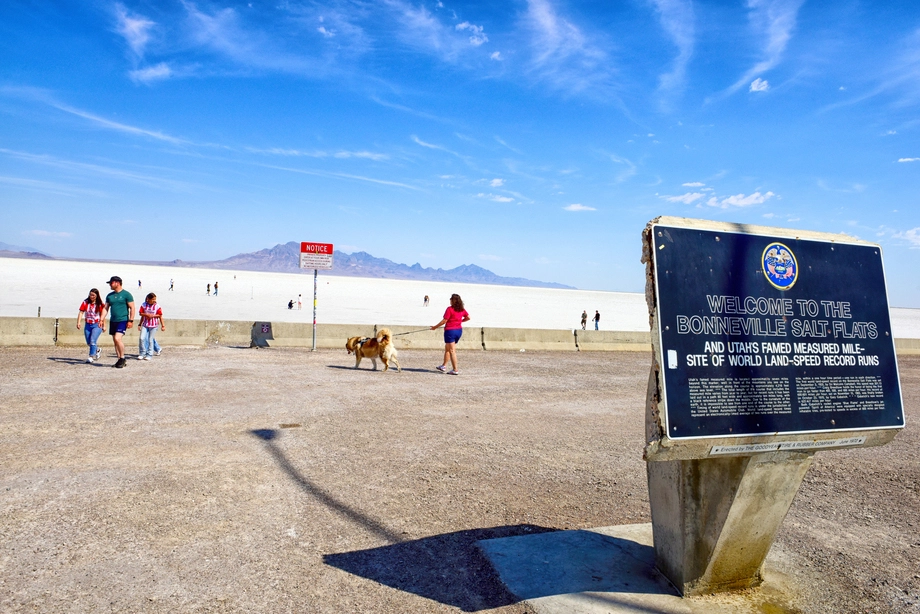 Bonneville Salt Flats – Journey to the Edge of the World
 Antelope Island – Wild Heart of the Great Salt Lake Adventure
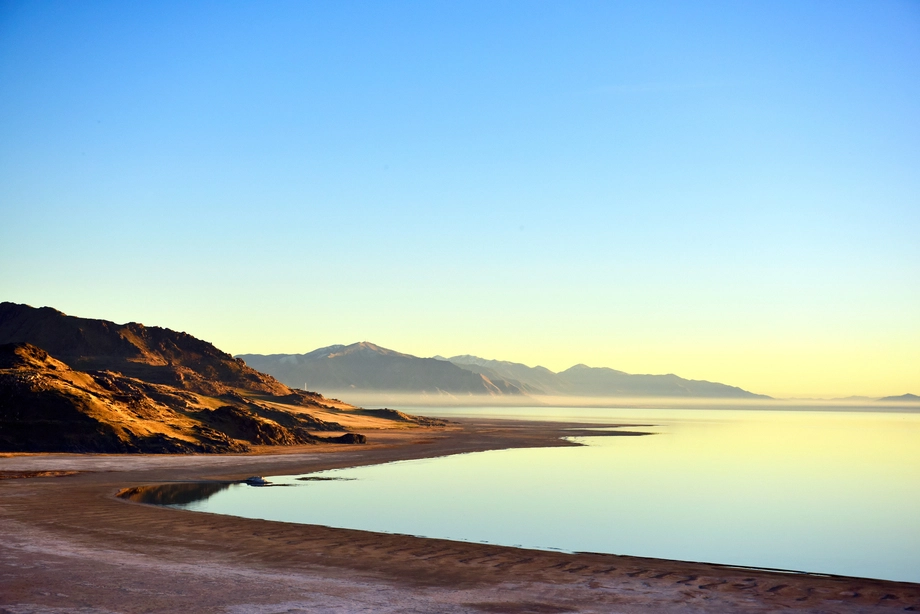 Antelope Island Sunset Wildlife Expedition – Great Salt Lake Odyssey
 Salt Lake City – The City of Zion. Historical Interactive Walking Tour