
What’s Inside Utah National Parks Vacation Packages, Line by Line For Smart Buyers
Mar 11, 2026
Understand each line of your Utah park package: transport, lodging, guiding, entrances, and extras. Compare scenarios and costs, then choose guided, self-drive, or hybrid options that match your time, budget, and walking level.
Most people shop Utah park trips by headline price, then arrive and realize half the essentials were “extra.” The shuttle is separate, the guide is extra, and somehow no one mentioned how long the driving days really feel. With Utah’s parks busier and more regulated than a few years ago, the details inside the package matter more than the brochure photo. Let’s walk through what is usually included, line by line, and how each choice changes what you actually experience on the ground.
Line‑by‑line: what a typical package really buys you
When you see utah national parks vacation packages advertised, they usually combine several building blocks. Understanding each line item helps you compare offers that look similar at first glance but feel very different once you are on the road.
1. Transportation and driving days
This is the spine of any itinerary. Most organized Utah National Parks tours start or connect through Salt Lake City and include round-trip transport, which instantly removes stress around routing, snow on canyon roads, and parking at trailheads.
- Shared vehicle: Small group van or minibus, often capped around a dozen travelers, with a driver-guide handling navigation and timing.
- Self-drive: You rent a car and follow a suggested route, sometimes with a digital guide or printed day-by-day plan.
- Hybrid: A mix of guided day trips from a city base and your own driving on other days.
Read the daily schedule line by line. Note departure times, approximate driving hours, and where you sleep each night. This is where you see if the trip feels relaxed or like a marathon.
2. Lodging style and location
Packages usually describe lodging in broad categories instead of exact hotel names, especially when they need flexibility for availability near busy parks.
- Entry‑town hotels: Motels or midrange hotels in gateway towns close to the parks, often used in comfort-level packages.
- In‑town city stays: Nights in Salt Lake City before or after the park circuit, sometimes paired with a downtown walking tour.
- Lodging “or similar”: A signal that the provider may change properties within a category, depending on space.
Look carefully for how many nights you are actually inside park-adjacent areas versus big-city overnights. That drives sunrise and sunset access more than almost anything else.
3. Guided experiences and commentary
Good itineraries do more than shuttle you between overlooks. Many Utah national parks routes now weave in commentary about geology, local history, and cultural stories so you understand what you are seeing instead of just collecting photos.
- On-road guiding: Driver-guides share background as you ride, then let you explore key viewpoints at your own pace.
- Short guided walks: Brief walks to overlooks, arches, or canyon rims, suitable for light to moderate walkers.
- City walking tours: In Salt Lake City, small-group walking tours with local guides show historic buildings and lesser-known corners of downtown.
Check if commentary is included throughout the trip or only at select stops. Consistent guiding tends to be the difference between a scenic drive and a trip you still talk about years later.
4. Activities and walking level
Packages usually state a walking or activity level. For many Utah itineraries that means light to moderate walking with optional short hikes. You should see clear notes on:
- Walking level: Phrases like “walking/auto” for mixed vehicle and gentle walking, or “walking” for more time on your feet.
- Activity length: Three-hour city walking experiences versus seven-hour nature excursions or full park days.
- Optional hikes: Viewpoints, rim walks, or short trails that you can join or skip.
Match this to your group. It is far easier to choose a slightly easier plan and add optional walks than to realize too late that half your group is overextended.
Price ranges and what each tier usually includes
Utah park trips span a wide cost spectrum. You will not always see exact dollar figures until you choose specific dates, but you can still understand what each tier tends to include.
| Tier | Typical traveler | What it usually includes | Where it saves |
|---|---|---|---|
| Budget | Price-conscious, flexible | Shared transport, basic motels in gateway towns, minimal city time, fewer included activities | Hotel category, fewer guided add-ons, simpler meals |
| Comfort | Most couples and families | Small groups, midrange hotels near parks, guided commentary most days, mix of city and nature stops | Premium hotel upgrades, some activities left optional |
| Flexible/Custom | Independent travelers | Self-drive route suggestions, optional guided day trips from hubs like Salt Lake City, freedom to extend | Shared guiding instead of private, flexible hotel choices |
| Premium | Time-poor, experience-focused | Highest-category lodging available, most guiding included, more scenic stops and custom pacing | Usually none, price follows convenience and exclusivity |
Some specific day experiences around Salt Lake City give you a feel for how pricing steps up with complexity. For example, historical downtown walking tours can start around the cost of a casual meal, while more elaborate day adventures to desert landscapes or lake islands begin at a higher entry point because of transport and time.
You found a hidden promo code!
Use code WOWBLOG at checkout and get 10% OFF any tour!
Limited time offer. Book now and save!
Browse ToursMain cost drivers inside a Utah parks package
Even when final prices differ, the same levers push costs up or down. Understanding these helps you spot value and avoid paying for things you do not really need.
1. Group size and format
Small groups with up to around a dozen guests cost more per person than large buses but deliver a different experience. You can ask more questions, move faster at stops, and spend less time waiting for people to load and unload.
- Smaller vans: Higher per-person price, more flexibility in timing and stops.
- Larger groups: Lower cost, more standardized schedules, less personal interaction with the guide.
Self-drive formats skip the group trade-off entirely but shift responsibility for timing, navigation, and parking to you.
2. Route complexity and included stops
Packing many parks and activities into a short window drives up both fuel and guiding time. It can be worth it if your priority is to sample more places rather than linger.
- Single-park focus: Fewer driving hours, more depth in one area, easier on the budget.
- Multi-park circuits: Higher transport cost, more time on the road, but you check off several icons quickly.
- City plus nature: Itineraries that combine downtown walking tours with desert or canyon days add variety without always adding nights.
Look for clear lists of key viewpoints, scenic drives, and lesser-known stops. Vague descriptions often hide either rushed schedules or skipped highlights.
3. Lodging choices and season
Hotel category and timing are huge cost drivers. Staying close to the parks in busier months costs more than shoulder-season nights in the city. Packages that keep you longer in a major hub and send you out on day trips may balance this.
Lines like “accommodation in or near gateway town” signal limited local options. That is normal around small park communities, but expect higher prices for those nights compared with city hotels of the same standard.
4. Level of guiding and included extras
The more time you spend with a guide, the more value you get in context and logistics, and the more it affects price.
- Fully guided circuits: Guide and driver with you throughout, commentary on the way, and structured time at major overlooks.
- Mix of guided and free days: A good way to keep costs steady while still learning the landscape from a local expert.
- City walking tours with locals: Often reasonably priced, with small groups and lots of chances to ask questions.
Check whether your package lists guiding as included on each day or only in certain locations. That transparency is a good sign.
Realistic budget scenarios for different travelers
Instead of chasing a single “average” price, think in terms of scenarios. That makes it easier to see which levers you can move without losing what matters most.
Scenario 1: Short guided escape from Salt Lake City
This is common for work travelers or families adding a quick park hit to a city stay. You base in downtown Salt Lake City, then join small-group day trips with round-trip transport.
- Core components: City hotel of your choice, a historical small-group walking tour, plus one or two longer nature excursions.
- What you gain: No need to rent a car, no canyon driving, curated viewpoints with time for photos and short walks.
- Where you save: You pay only for the days you are actually out exploring instead of for a continuous long circuit.
Because some walking or mixed walking/auto tours start around the cost of a modest activity and others begin higher, you can build a sequence that fits your budget by choosing how many day trips to add.
Scenario 2: Flexible self-driving loop with guided highlights
If you are comfortable driving but want expert input at key points, a self driving tour of utah national parks paired with select guided days can be efficient.
- Core components: Rental car, suggested route, your own choice of hotels, plus a couple of small-group guided days from a city or gateway town.
- What you gain: Freedom to change your timing, add stops, and linger at viewpoints, yet still learn from local guides where it counts.
- Where you save: You choose your lodging and can balance nights in smaller towns with more affordable city stays.
This format suits travelers who enjoy planning and are willing to handle entrance logistics and parking in exchange for more control.
Scenario 3: Time‑maximizing small‑group circuit
Here you prioritize seeing as much as you reasonably can in a limited number of days. You join a structured route that links major parks and scenic stops, often starting and ending in Salt Lake City.
- Core components: Small group transport, included commentary, scenic drives, photo stops, and optional short hikes.
- What you gain: Maximum sights for your calendar days, no planning of daily routes, and no driving in unfamiliar terrain.
- Where you pay more: Higher guiding and transport costs, plus gateway-area lodging where needed.
This scenario appeals to visitors who may only come to Utah once and want the best tours of utah national parks they can fit into a week or less.
Hidden costs and risk buffers to watch for
Packages sometimes look attractively priced until you add what is missing. A careful line-by-line check keeps you from surprise expenses later.
1. Entrances and local transport
Not every offer includes park entrance fees or any extra shuttle systems. If “entrance not included” appears, factor that into your total. Similarly, check if downtown walking tours cover any local transport or if you reach the meeting point on your own.
- Check for: Explicit notes on which entrances, tolls, or local transfers are included versus payable on the day.
- Plan a buffer: Add a small daily cushion for local transit, especially in cities where you might park at garages near the meeting point.
2. Meals and water
Meal inclusions vary widely. Some trips include breakfast only, others add specific group meals, and many leave lunches to you so you can choose your own pace.
- Confirm: Which meals are covered each day and whether water is provided in the vehicle.
- Adjust: If meals are mostly on your own, budget realistically for restaurants in gateway towns and in the city.
3. Optional activities and add‑ons
Photo stops, city walks, and short hikes may all be included, or some may be offered as optional upgrades. Read the “what’s included” list against the daily schedule so you know what is extra.
- Examples: Evening wildlife outings, additional desert adventures, or extra city activities before or after the main circuit.
- Tip: Decide in advance which add-ons are “musts” so you can compare providers on your real, all-in cost.
4. Weather, season, and flexibility
Weather can affect canyon roads and park access. While providers usually design around seasonal patterns, it is smart to allow a financial buffer.
Travelers who plan a modest emergency cushion for weather delays, itinerary tweaks, or last-minute gear purchases tend to enjoy their trips more and stress less about every small change.
Aim to keep a portion of your budget uncommitted so you can adapt if a day shifts or you want to add a special experience on the spot.
Budget planning checklist for Utah park packages
Use this quick checklist before you confirm any itinerary. It forces you to look past the headline price and into the real structure of your trip.
- Transport clarity: Is round-trip transport from your starting city included, and are daily driving hours and departure times listed?
- Lodging breakdown: Do you know how many nights you stay near the parks versus in the city, and in what general hotel category?
- Guiding level: Is there clear, daily information about when a guide is with you and whether commentary is provided on the road?
- Activity fit: Are walking levels and approximate tour lengths described in a way that matches your fitness and interests?
- Included vs optional: Can you clearly separate included entrances, meals, and activities from optional paid add-ons?
- Total trip budget: Have you added a realistic estimate for meals, tips, local transport, souvenirs, and a bit of weather or flexibility buffer?
When a provider answers these questions in the tour description, it is usually a sign they understand travelers’ practical concerns, not just the marketing photos.

Guided packages vs independent planning from Salt Lake City
Many visitors now compare structured Utah national parks tours from salt lake city with building their own plan of day trips and self-drive segments. Each style has clear strengths.
| Approach | Strengths | Trade‑offs |
|---|---|---|
| Guided small‑group tours | No driving in unfamiliar terrain, curated viewpoints, local stories, clear daily timings | Less control over exact schedule, fixed group dates |
| Self-planned day trips from the city | Flexible dates, choose which days to explore and which to relax, easy to mix with work trips | You manage logistics like parking, routes, and timing |
| Fully independent road trip | Maximum freedom, can add side routes and extra nights on a whim | Requires comfort with navigation, reservations, and entrance planning |
A practical compromise is to anchor your trip around a reliable small-group operator for park circuits or day tours, then build your own city days on either side.
Two concrete example timelines
To make the line-by-line structure less abstract, here are two simplified examples. These are not full itineraries, but they show how pieces fit together in real life.
Example A: Three days with city flavor and desert highlights
This suits a quick break where you want to mix culture, history, and landscapes without renting a car.
- Day 1: Arrive in Salt Lake City. Check into a central hotel. Join a small-group historical walking tour with a local guide, exploring major sites and tucked-away downtown corners.
- Day 2: Full-day shared vehicle adventure out to a unique desert landscape or lake island, around seven hours door to door, with scenic walks and time for photos.
- Day 3: Free morning in the city, optional extra short tour or museum visit, then depart.
Transport, guiding time, and one or two main activities are the core inclusions. You cover meals and any extra city attractions on your own.
Example B: Five days mixing self-drive and guided expertise
This works if you like driving but still want help in the spots where local knowledge matters most.
- Day 1: Fly into Salt Lake City, pick up rental car, stay downtown and join an evening walking tour for orientation.
- Days 2–4: Drive a loop connecting park areas according to a suggested route. En route, join at least one small-group nature tour starting from a meeting point, with a local driver-guide handling that day’s logistics.
- Day 5: Return to Salt Lake City, enjoy a relaxed morning in town, then fly out.
You manage hotels and most driving, but plug into guided days where navigation, trail choices, and stories from a local add the most value.
Practical tips to squeeze more value from your package
Once you know what each line item does, you can fine-tune for value rather than simply picking the lowest sticker price.
- Prioritize guiding on complex days: Spend on local guides for canyon roads, lesser-known viewpoints, and your first time in a new area. Save on straightforward city days you can walk yourself.
- Use city bases smartly: Build around a hub like Salt Lake City for the nights before and after your circuit, then join curated day or multi-day routes for the intensive park segments.
- Lock in walking level early: Send providers your group’s realistic fitness level and mobility needs. This lets them point you to itineraries with the right balance of vehicle time and walking.
- Compare inclusions, not just days: A slightly higher price may include more commentary, additional scenic stops, or better-placed hotels that save you fatigue.
- Read meeting point logistics: Simple details like clear meeting spots and parking options in downtown areas reduce stress on your first morning.
If you want a structured overview of curated park itineraries that already spell out walking levels, durations, and what is included, review the current options on Utah National Parks Tours and use them as a benchmark when evaluating other offers.
The real value of a Utah park package is not in the headline price but in how each line item shapes your days. Transport, lodging locations, guiding time, and activity level all combine into either a relaxed, immersive trip or a rushed box-checking exercise. When you read offers line by line and compare complete budgets instead of single numbers, you can align the itinerary with your time, energy, and expectations. Use small-group guiding where it matters most and keep a buffer for meals, entrances, and flexibility. For curated small-group experiences that clarify these details upfront, consider planning with MateiTravel on your next Utah adventure.
How can I quickly tell if a Utah parks package is rushed?
Check daily driving hours and how many parks are listed per day. If long drives and multiple major stops are squeezed into one day, expect limited time on the ground.
Do most Utah park packages include park entrance fees?
Not always. Look for a specific line that says entrances are included or excluded and add that cost manually if it is not part of the package.
Is a small-group tour worth it compared with a large bus?
Small groups usually cost more but give you more guide interaction, faster loading at stops, and more flexibility if the group wants an extra photo break.
Can I add guided days to an existing self-drive plan?
Yes. Many travelers rent a car for their loop and then join one or two small-group day tours from a city or gateway town to deepen their understanding.
What should I check about walking levels before booking?
Confirm whether the tour is mainly “walking/auto” or more hiking focused, and compare the stated walking level against the least active person in your group.
How much free time do packages usually allow in Salt Lake City?
It varies. Some include only a short overnight, while others add a dedicated city day with a walking tour and extra time to explore on your own.
Are meals typically included in Utah national park tours?
Breakfast is more likely to be included than other meals. Many packages leave lunches and dinners flexible so you can choose restaurants and timing.
What is the safest way to compare two similar-looking itineraries?
Create a simple list for each: transport, nights in park areas, guiding days, included fees, and meals. Compare those side by side instead of only the total price.

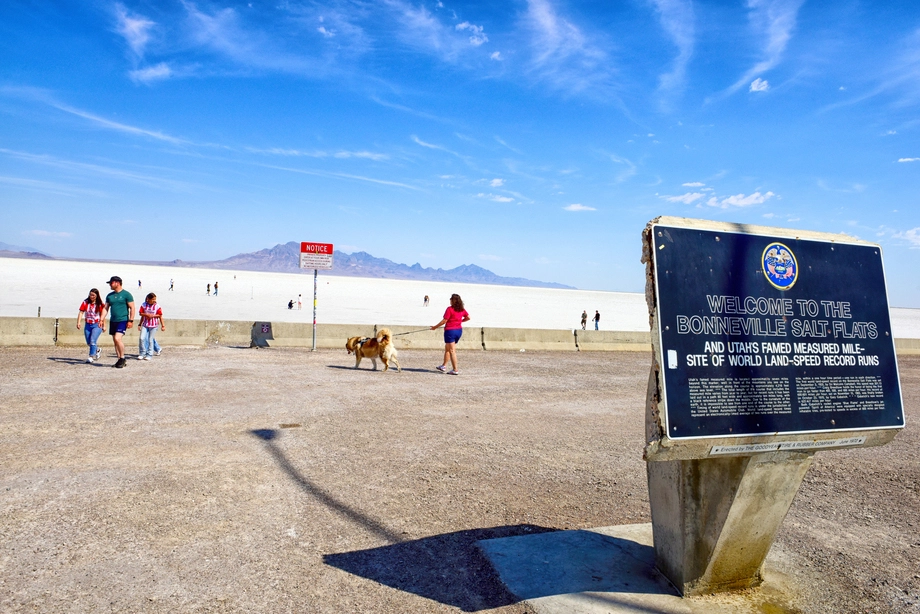 Bonneville Salt Flats – Journey to the Edge of the World
 Salt Lake City – The City of Zion. Historical Interactive Walking Tour
 Antelope Island Sunset Wildlife Expedition – Great Salt Lake Odyssey
 Bonneville Salt Flats – Sunset Adventure of the White Desert
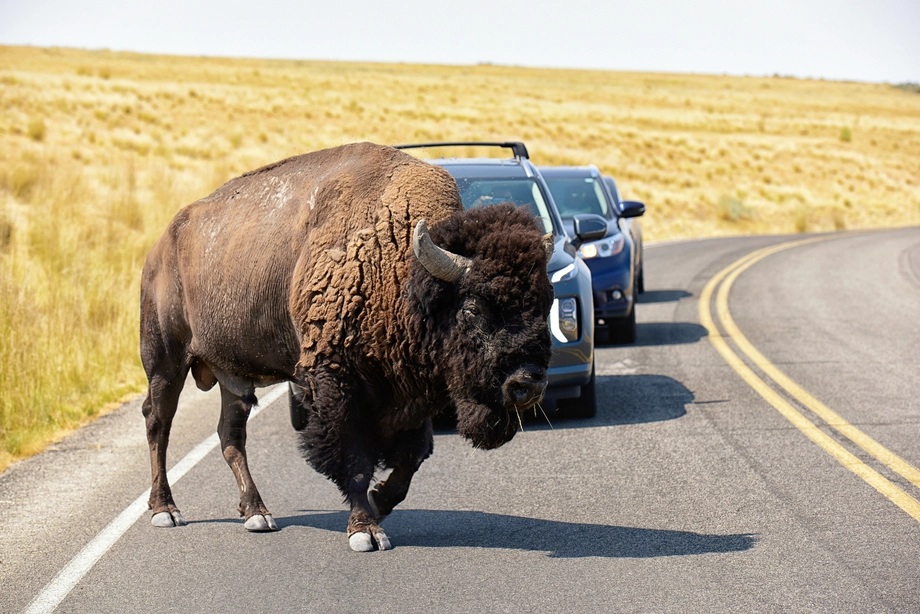 Antelope Island – Wild Heart of the Great Salt Lake Adventure