
What to Ask a Local Guide on Your First Salt Lake City Walk
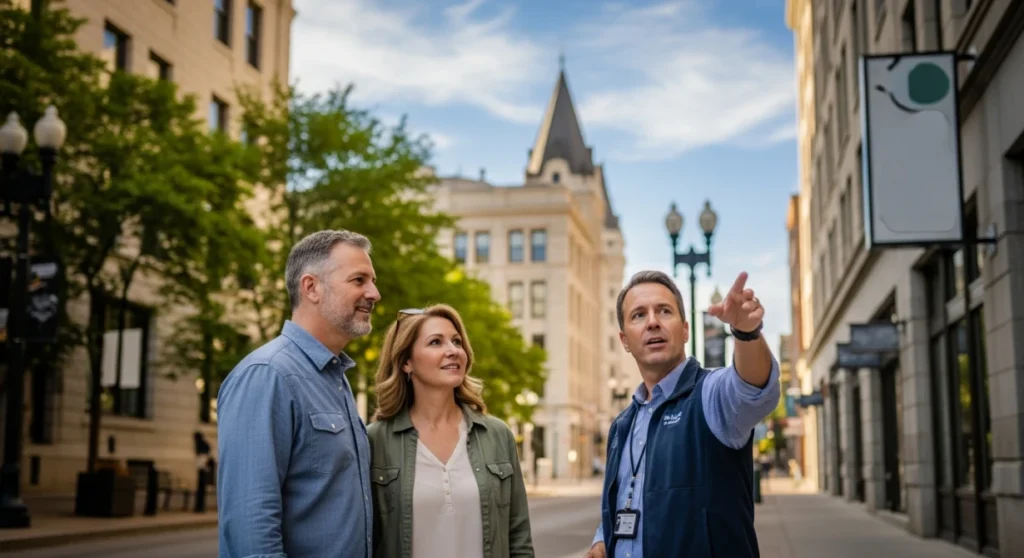
Ask questions that help you get oriented, understand context, and plan your next moves. The best first-day tour questions turn a city walk into a personalized guide to Salt Lake City and Utah.
Most first-time visitors use their camera more than their guide, and that is usually backwards. On a first walk through downtown Salt Lake City, the photos can wait a minute. The better move is to ask the kind of questions that help you understand the city fast, especially if you want your first few hours to shape the rest of your trip.
This is a practical trip-planning topic for first-time visitors who want more than a generic overview. If you are looking for useful things to do near Salt Lake City, a locally guided walk on day one can do two jobs at once: introduce the city and help you decide where to spend your limited time next.
When should you use this question strategy on a Salt Lake City walk?
Use this approach when the walk is early in your trip and you want orientation, local context, and personalized ideas. Skip it if your only goal is to rush through landmarks without conversation, because the value comes from interaction.
We recommend this workflow most strongly for your first or second day in town. That is when a guide can help you decode the city’s layout, point out overlooked places in real time, and help you avoid spending the next day figuring out basics that could have been clear in an hour.
This works especially well in a small-group format, where asking a thoughtful question does not feel like interrupting a lecture. Our Salt Lake City Walking Tours are built around that kind of back-and-forth, with local guides, downtown routes, and a mix of major buildings and less obvious corners that invite better questions.
- Best fit: First-time visitors, short stays, and travelers who want their city walk to double as orientation.
- Not the best fit: Visitors who already know downtown well and only want independent wandering.
- Strong use case: Travelers deciding whether to spend later days on city neighborhoods, food stops, ski time, or a Utah day trip.
How can a local guide change your first 24 hours in Salt Lake City?
A local guide can compress your learning curve from half a day to one walk. The real benefit is not basic navigation but faster judgment about where to go, what matters, and what fits your interests.
Salt Lake City’s wide streets and large blocks reflect pioneer-era planning, and that still affects how visitors move through downtown today. On a map, distances can look simple. On foot, the scale feels different, which is why context from someone who knows how the city works is often more useful than an app alone.
That first conversation can also shape the rest of Utah. If you tell a guide you care more about architecture than museums, or quiet coffee shops more than nightlife, or a half-day outing more than a long road day, their answers become a filter for every decision that follows.
This is also where a first-day walk saves time for people with short stays. Instead of spending your second day correcting a vague plan, you start with a clearer sense of what downtown deserves more time, which neighborhoods to return to, and whether your next step should be city-focused or outside town.
You found a hidden promo code!
Use code WOWBLOG at checkout and get 10% OFF any tour!
Limited time offer. Book now and save!
Browse ToursWhat should you prepare before the tour so your questions are actually useful?
Prepare three pieces of information before you start: how long you are staying, what you usually enjoy in cities, and what kind of pace you want for the rest of the trip. Without that, even a good answer stays generic.
You do not need a long list. A short note on your phone is enough, because the point is to give the guide enough context to tailor suggestions without turning the tour into a private consultation.
- Trip length: “I have one full day left” leads to very different advice than “I’m here for four days.”
- Interests: Pick two or three priorities such as local history, food, architecture, public spaces, skiing, or nearby nature.
- Constraints: Mention budget sensitivity, mobility concerns, or whether you will have a car later.
- Decision you need to make: For example, “Should I focus on downtown tomorrow or leave the city for a day trip?”
If logistics are what make you hesitate to book early, review the route details before you go. We publish the walk’s duration, distance, and terrain on the booking page so you can spend your energy on asking better questions instead of worrying about the basics.
What should you ask first to get oriented and understand the grid?
Start with questions that help you read the city. If you understand the grid, block scale, and the guide’s mental map of downtown, you will make better decisions for the rest of your stay.
Salt Lake City becomes easier once someone explains how locals think about direction and distance here. Because streets are broad and blocks are large, the difference between “close on the map” and “easy to reach on foot” matters more than many visitors expect.
Ask these orientation questions early in the walk
- “What is the quickest way to understand downtown’s grid as a visitor?” This invites the guide to give you a usable framework, not a history lecture.
- “Which nearby areas feel closer or farther than they look?” Good for avoiding bad walking assumptions.
- “If I’m trying not to backtrack later, which parts of downtown pair well together?” Useful for planning the afternoon after the tour.
- “What landmarks do locals use to get their bearings here?” This helps you navigate in a more natural way than relying on street names alone.
- “If I only remember one rule about moving around this part of the city, what should it be?” Great if you want one simple takeaway.
These questions matter because orientation is practical, not academic. If your guide helps you see how downtown connects, you can decide whether to revisit a historic area, walk to dinner later, or save energy for another part of town.
Good follow-up phrases that do not feel awkward
- “Can you help me picture that on the map?”
- “Is that a good area for me if I like quieter spots?”
- “Would you return there during the day or in the evening?”
- “Is that walk pleasant, or just short?”
That last question is especially useful. Visitors often ask if somewhere is walkable, but what they really want to know is whether it is worth the walk.
What questions uncover hidden history and overlooked sites beyond the obvious landmarks?
Ask for contrasts, not lists. The strongest history questions are the ones that help your guide explain what most visitors miss and why it matters when you are standing in a specific place.
Downtown has headline landmarks, but the richer understanding often comes from tucked-away corners, architectural details, and stories attached to buildings people pass without noticing. Because our routes include both key historic buildings and less obvious spots, you can ask in the moment rather than trying to imagine a hidden place from a guidebook description.
Questions that go deeper than “What is this building?”
- “What place on this route is most likely to be overlooked by first-time visitors?” This gets you beyond the standard stop list.
- “Which story changes how you see this block once you know it?” Useful when you want interpretation, not just dates.
- “What detail here would a local notice that most visitors walk past?” Good for architecture and street-level history.
- “If I come back on my own later, what nearby spot should I pay closer attention to?” This turns the tour into a scouting pass for later exploration.
- “Which part of downtown has changed the most over time?” Helpful if you want to understand the city’s evolution instead of memorizing isolated facts.
The best hidden-history answers do three things at once. They show you what to notice, they explain why that place mattered, and they help you decide whether to revisit it later. That is far more useful than collecting trivia you will forget by dinner.
If you like using the first walk as a decision tool, ask your guide to separate “important” from “worth your time.” Some places matter historically but may not deserve a long return visit for your interests. Others are easy to miss during the walk but are ideal to come back to when the group is over.
How do you ask about local culture, religion, and the city’s evolution respectfully?
Ask with curiosity, not assumption. Respectful questions focus on how religion, culture, migration, and major events shaped the city’s daily life, neighborhoods, and public spaces instead of pushing the guide into debate.
For many visitors, Salt Lake City raises questions about religious history and how that intersects with modern life. That is normal. The key is to ask practical, observational questions that help you understand the place you are visiting rather than trying to force a verdict on sensitive issues.
Respectful question models you can use verbatim
- “How does religious history show up in downtown today, in ways a visitor can actually notice?”
- “What do visitors often misunderstand about local culture?”
- “How has the city changed over time beyond its early founding story?”
- “Are there neighborhoods or public spaces that show the city’s newer identity especially well?”
- “How did the 2002 Olympics affect the city in ways people still notice now?”
The 2002 Winter Olympics are worth asking about because they are not just a sports reference. They influenced infrastructure, visibility, and the way many travelers imagine the city, so they can help explain why certain places feel more connected, developed, or internationally recognizable than visitors expect.
Culture questions work best when tied to something visible around you. If the guide points to a public building, plaza, or street pattern, ask how that place reflects older priorities and newer changes. That keeps the conversation grounded and useful.
What should you ask about food, coffee, and nightlife if you want recommendations that fit you?
Give your preferences first, then ask for filters. A guide’s value here is not naming random popular places but narrowing options based on your taste, budget, timing, and where you will already be.
Salt Lake City’s food scene reflects multiple influences, including Italian, German, Indian, and other culinary traditions. That diversity is useful only if it gets translated into a plan that fits your evening. “Where should I eat?” is too broad. “Where should I eat near here if I want something casual and local-feeling?” gets a much better answer.
Better food and drink questions
- “What part of downtown would you send me to for dinner if I want character, not just convenience?”
- “Are there places nearby that fit a quick lunch versus a slower sit-down meal?”
- “If I like strong coffee and quiet places to sit, what area should I remember?”
- “What do you recommend for someone who wants local flavor without a formal night out?”
- “If I’m staying central, where should I go in the evening that feels lively but not overwhelming?”
Notice the pattern. You are not asking for the single best place. You are giving criteria. That makes the recommendation more accurate and saves the guide from guessing what “good” means to you.
This is also the moment to ask for neighborhood logic. A food suggestion is more useful when paired with context such as whether the area is best for an afternoon coffee, pre-dinner wandering, or a later evening return.
How can your walking tour help you plan the rest of Utah, not just downtown?
Your first city walk can help you decide whether your remaining time should stay urban or shift outward. Ask your guide to help you match your interests and schedule to the kind of Utah experience that makes sense next.
Many visitors arrive with a vague sense that they should see more of the state but are not sure what fits their timeframe. That is where a first-day conversation helps. If you love open landscapes, wildlife, ski access, or shorter escapes from the city, the guide can help you think in categories before you commit to a plan.
| Your priority | Good question to ask the guide | What the answer helps you decide |
|---|---|---|
| Short stay, limited time | “What kind of outing gives me the biggest contrast from downtown without eating my whole day?” | Whether a half-day or full-day experience is realistic |
| Scenery over city time | “Would you spend my extra day on a city neighborhood or outside Salt Lake?” | Whether to stay local or leave town |
| Winter trip | “How should I think about ski-focused time versus city time on this trip?” | How to balance mountain plans with urban sightseeing |
| Road-trip mindset | “If I’m interested in the best scenic drives near Salt Lake City, what kind of landscape should I prioritize first?” | Whether your next experience should focus on flats, lakes, wildlife areas, or mountain scenery |
When that conversation makes you realize you want to add an outing beyond downtown, the practical next step is to look at our Utah Day Tours. They are designed for travelers who want to leave Salt Lake City for a realistic day experience without overcomplicating the schedule.
How do you ask enough questions without taking over the group?
Ask at natural pauses, keep each question specific, and let the guide answer before stacking a second one. In a small group, thoughtful participation improves the tour, but long monologues from a guest do the opposite.
If you worry about sounding silly, use neutral phrasing and tie your question to what the group is already looking at. Guides expect questions. What helps the group is when your question opens a useful topic instead of shifting the focus completely away from the route.
A simple rhythm that works well
- Listen for a transition. Good moments are after the guide finishes a story or while the group starts moving.
- Ask one clean question. Avoid speeches before the actual question.
- Keep it shareable. Questions about navigation, history, culture, and food often help everyone.
- Pause after the answer. Let someone else jump in before asking a follow-up.
- Use side moments for niche interests. Save very specific planning questions for a quieter moment during the walk.
A good formula is: “For someone who likes X, would you suggest Y or Z?” It is clear, fast, and easy for the guide to answer. It also tells the group enough context to make the answer relevant without making the moment all about you.
How do you know your questions worked?
Your questions worked if you leave with a clearer mental map, two or three specific return spots, and a better sense of what deserves your remaining time. The test is not how many facts you collected. It is how much easier your next decisions feel.
By the end of the walk, you should be able to answer a few practical questions for yourself. If you cannot, ask one or two closing questions before the tour ends.
- Orientation check: Can you explain downtown’s basic layout to yourself without opening your map?
- Priorities check: Do you know which area or site you want to revisit on your own?
- Food check: Do you have at least one dinner or coffee plan that fits your preferences?
- Culture check: Do you understand at least one visible way the city’s history still shapes it now?
- Trip-planning check: Do you know whether your next step should stay in the city or expand into Utah?
If you can say yes to most of those, the walk did what a first-day walk should do. It oriented you, gave you context, and reduced the number of weak guesses you have to make on your own.
What should you do if you freeze up, forget your questions, or get generic answers?
Use a fallback script. When your mind goes blank, default to one question about navigation, one about what people miss, and one about where to spend your next free block of time.
Many people worry about asking the wrong thing, then stay silent and miss the chance. The easiest fix is to keep a short phone note with three backup questions you can use anywhere on the route.
1. “What’s the main thing a first-time visitor should understand about this area?”
2. “What nearby place do most people overlook?”
3. “If I have a free couple of hours later, where would you send me?”
If the answer feels too broad, narrow it politely. Say, “Could you narrow that down for someone interested in architecture?” or “How would that change if I only have tonight?” Good guides can work with sharper criteria.
If you miss your chance during the main explanation, ask while the group is walking between stops. That is often the best moment for practical questions about food, neighborhoods, and what to do next.
What is the best way to use this on your first full day in Salt Lake City?
Book the walk early, bring a short question list, and treat the tour as both introduction and planning session. That setup gives you the highest return on your time because every answer can still influence the rest of your stay.
Our view is simple. A first Salt Lake City walk should not just tell you what happened here. It should help you move through the city with more confidence, choose better follow-up experiences, and decide whether the rest of your trip should focus on downtown, food, winter activities, or a broader Utah outing.
If that is what you want from day one, start with a locally guided downtown walk, use the question checklist above during the route, and let the answers shape what you do next.
Book a first-day downtown walk with Matei Travel, then use that conversation to decide whether your next Utah experience should stay in the city or expand into a day tour.
Should I ask questions during the tour or wait until the end?
Ask during natural pauses so the answer connects to what you are seeing. Save very personal or highly specific planning questions for quieter moments between stops.
What if I do not know enough about Salt Lake City to ask smart questions?
Start with simple prompts about orientation, overlooked places, and where to spend your next few hours. Those questions are easy to ask and usually lead to the most useful answers.
How many questions is too many in a small group?
If each question is brief and relevant to the group, asking several across the walk is fine. The problem is not quantity so much as long, self-focused follow-ups without room for others.
What is the safest way to ask about religion and local culture?
Frame the question around what visitors can observe in the city today and how history shaped that. That keeps the conversation respectful and practical.
Can a walking tour really help me decide on later Utah plans?
Yes, because your guide can connect your schedule and interests to realistic next steps. That is especially useful if you are trying to choose between more city time and getting out into the state.
What should I write in my phone before the tour starts?
Note your trip length, two or three interests, and one decision you still need to make. That gives you enough structure to ask focused questions without overplanning.
What if I can already find restaurant ideas online?
Online lists are broad, but a guide can narrow options by area, timing, mood, and your preferences while you are already standing in the city. That makes the recommendation easier to use the same day.

Dima, owner and guide, is passionate in his advocacy for the health of Utah\'s parks and...
Read more →Such an amazing trip and experience. Dima is a cool tour guide, very humorous and willing...
Read more →Your was super thorough and guide was very helpful and informative throughout the tour
Read more →Our guide was very knowledgeable, friendly and helpful. We saw lots of interesting parts of Utah...
Read more → Bonneville Salt Flats – Sunset Adventure of the White Desert
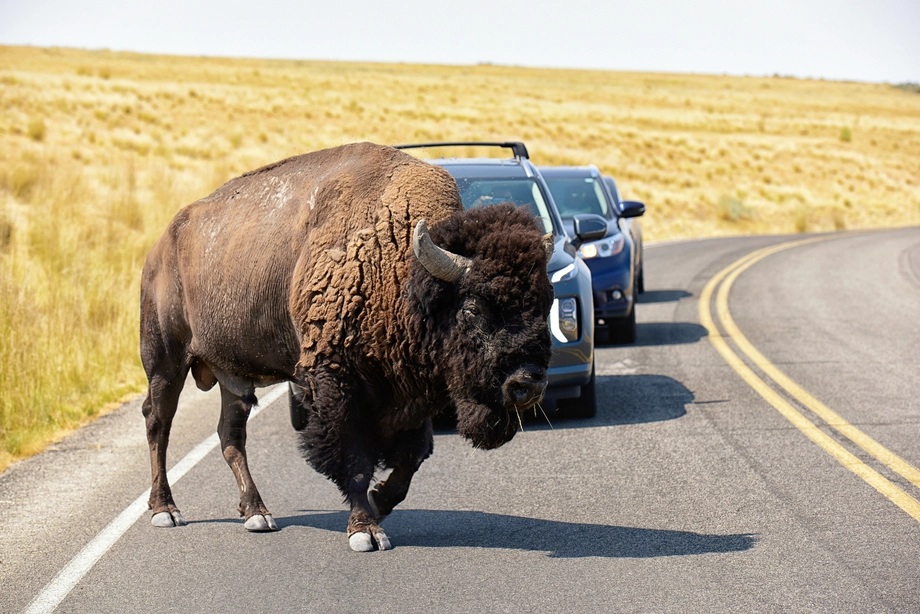 Antelope Island – Wild Heart of the Great Salt Lake Adventure
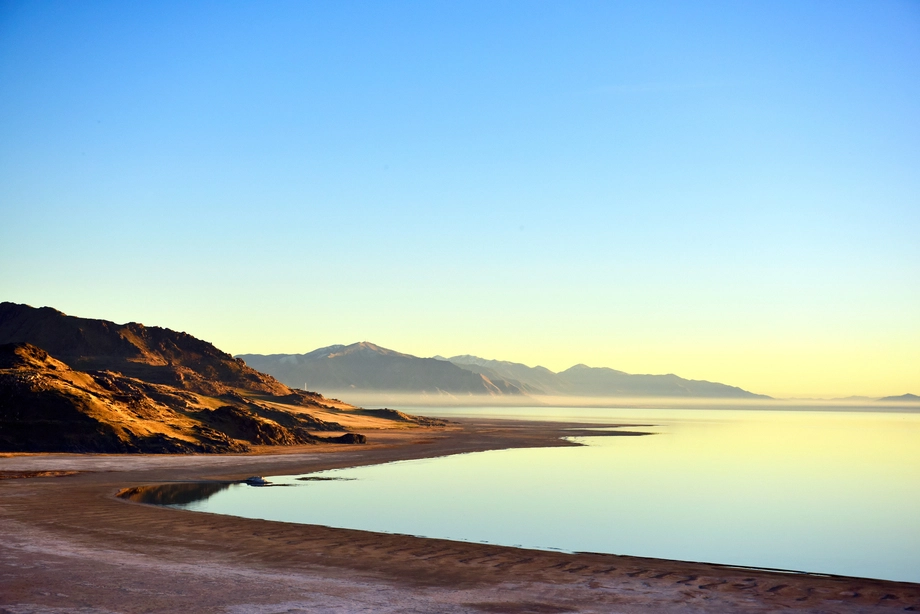 Antelope Island Sunset Wildlife Expedition – Great Salt Lake Odyssey
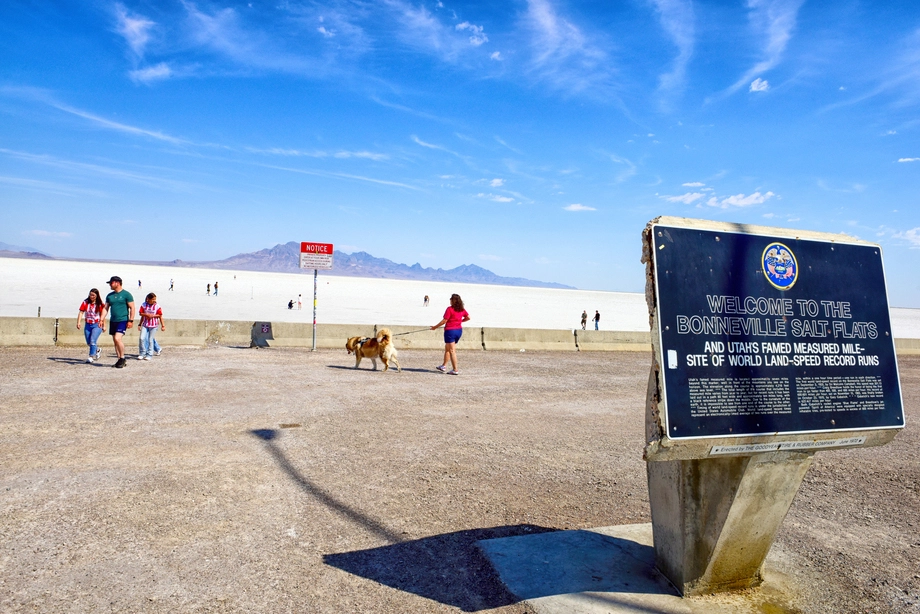 Bonneville Salt Flats – Journey to the Edge of the World