
What to Ask a Local Guide on Your First Salt Lake City Walk
Jul 25, 2026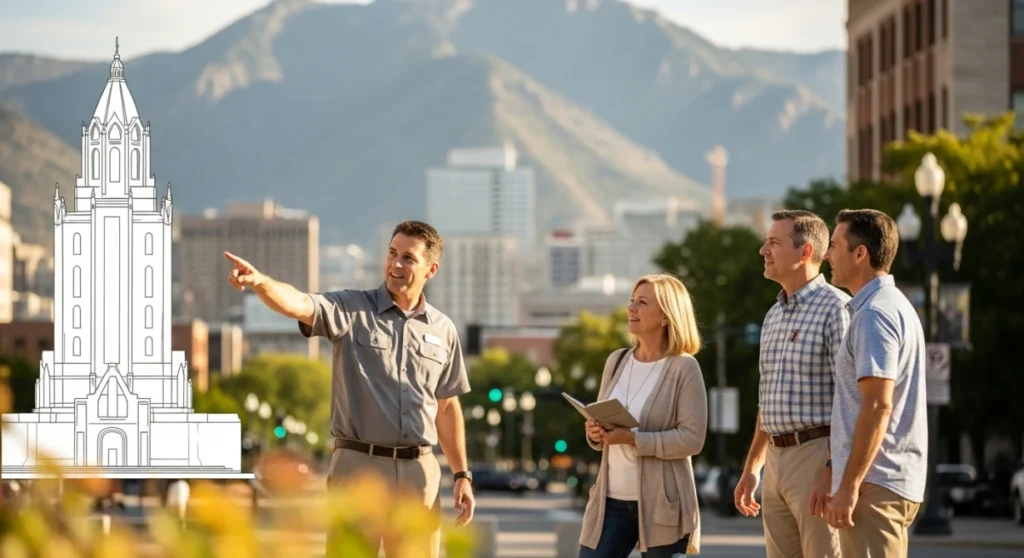
Treat your first Salt Lake City walk as a conversation with a local. Ask practical questions about navigation, culture, logistics, and day trips so you can make better choices for the rest of your stay.
A map can show a route, but it cannot tell you why a short-looking downtown walk may take longer than expected, what to observe quietly at Temple Square, or which Utah outing fits your remaining time. Among the many things to do near Salt Lake City, a question-driven walk is one of the most useful first-day choices because it turns local context into decisions you can use immediately.
At Matei Travel, we design downtown walks for this exact moment in a trip: before visitors have committed their limited time to neighborhoods, restaurants, ski plans, or longer Utah excursions. The goal is not to quiz your guide or interrupt the tour. It is to use the walk as a practical, relaxed planning conversation.
Should you make your first Salt Lake City walk question-driven?
Yes, if you are new to the city, have limited time, or want help connecting downtown sightseeing with the rest of a Utah itinerary. A guided walk is especially valuable on your first full day because the answers can shape where you go and how you move around afterward.
Salt Lake City has several features that reward informed questions: an unusually large downtown block pattern, Temple Square’s central role in the cityscape, visible Olympic legacy, and the Great Salt Lake’s influence on the region. Wandering is still worthwhile, but a local guide can turn these broad subjects into advice tailored to your pace, interests, and schedule.
This approach may be less important if you already know the city well and only want independent exercise or photography. For a first visit, however, asking a few well-chosen questions can prevent a common mistake: treating the downtown map as if every block and landmark functions like one in another American city.
How should you talk with a local guide respectfully?
Ask direct, good-faith questions, explain what you are trying to plan, and let the guide set boundaries around places or subjects that call for discretion. Curiosity about faith, history, local life, or practical concerns is welcome when it is framed with respect rather than assumptions.
Begin with a simple context statement: “This is my first visit, and I’m trying to plan the rest of my time well.” That tells the guide that questions about transit, neighborhood character, weather, dining, and day trips are useful, not distractions.
- Ask for perspective, not a verdict: Say, “How does this place shape daily life in the city?” rather than asking a guide to speak for every resident or every member of a faith community.
- Use open wording: “What should a first-time visitor understand before visiting?” invites nuance around Temple Square and LDS heritage.
- Keep private matters private: Questions about public history, architecture, customs, and visitor etiquette are appropriate. Avoid pressing a guide for personal religious beliefs or expecting them to represent an entire community.
- Ask basic questions without apology: Navigation, comfortable walking routes, safety awareness, local timing, and weather expectations are sensible first-day questions.
Small groups make this style of travel work better than a one-way lecture. Our local guides lead intentionally small downtown groups, which leaves room for follow-up questions as you pass historical buildings and less obvious corners of the city.
You found a hidden promo code!
Use code WOWBLOG at checkout and get 10% OFF any tour!
Limited time offer. Book now and save!
Browse ToursWhat should you prepare before the walk begins?
Prepare three priorities, your available time, and one practical constraint such as mobility, weather tolerance, or transportation needs. You do not need a detailed itinerary; a short list gives your guide enough context to make their answers useful.
Before booking, review a walk’s duration, distance, and terrain so you choose a pace that leaves room to listen and ask questions instead of rushing. Our Salt Lake City Walking Tours page provides those route details and lets you reserve an online spot for a first-day introduction.
- Name your main interest: Choose history, architecture, LDS culture, food neighborhoods, skiing, nature, or a mix.
- State your time window: Tell the guide whether you have one evening, a weekend, or several days after the walk.
- Identify your next decision: Examples include choosing a dinner area, deciding whether to rent a car, or narrowing a day trip.
- Bring a notes app: Record neighborhood names, transit pointers, and follow-up ideas. Ask the guide to repeat a name if needed rather than relying on memory.
What orientation questions should you ask about Salt Lake City’s street grid and large blocks?
Ask how the grid is organized, how locals use addresses, and which routes are realistic on foot. Downtown blocks are unusually large, approximately 10 acres each, so a guide can help you judge distance by actual walking time rather than by the number of blocks.
The street layout can be one of the city’s most useful orientation tools once it clicks. It can also create false confidence: what looks nearby on a phone screen may involve a longer crossing or a less convenient path than expected.
- “How do the street names and address numbers work?” This gives you a navigation system you can reuse for the rest of your stay.
- “Which downtown areas connect comfortably on foot, and which ones are farther apart than they look?” Use the answer to group attractions and meals into sensible outings.
- “Where should I use the grid to orient myself rather than relying only on my phone?” A local explanation can make later independent walks less confusing.
- “Which streets best show how the city has changed over time?” This links the physical plan to the guide’s interpretation of development, not just directions.
- “What is a realistic route for my free afternoon?” Give your available hours and preferred pace so the suggestion is practical.
Listen for an answer that distinguishes a direct line on a map from a comfortable visitor route. That difference is the real value of asking: it helps you plan around large blocks, not merely recognize that they exist.
What should you ask about Temple Square and LDS heritage?
Ask about the site’s historical importance, visitor etiquette, and how LDS heritage has influenced the city’s development. Respectful questions focus on understanding a public place and its context, not on testing beliefs or seeking access that may not be available.
Temple Square is a central Salt Lake City landmark and includes the Salt Lake Temple and other significant buildings associated with the Church of Jesus Christ of Latter-day Saints. Because it is both a visitor landmark and a place with religious meaning, a guide can help you read the setting with more care than a sign or a quick photo stop allows.
- “What should I know about this site before I explore it further?” This is a useful opening question for etiquette, current visitor considerations, and context.
- “How did LDS heritage influence the way Salt Lake City developed?” It keeps the discussion connected to the streets, buildings, and institutions around you.
- “What details are easy to miss when looking at the architecture?” This shifts attention beyond a landmark photo toward interpretation.
- “Are there moments when it is better to observe quietly than to ask questions?” This signals respect and gives the guide space to explain appropriate boundaries.
- “How do local residents relate to this area today?” Ask for nuance, recognizing that residents have varied experiences and viewpoints.
A good cultural question is specific, observational, and open-ended. If you are unsure how to phrase something, say so. A local guide can help reframe the question before answering it.
What can you ask about the 2002 Winter Olympics while walking downtown?
Ask where the Olympics’ legacy is visible today and how the event changed the city’s infrastructure and identity. The 2002 Winter Olympics reshaped parts of Salt Lake City’s infrastructure, so this topic connects past events to the urban environment around you.
A useful question goes beyond “What happened here?” Ask how Olympic-era changes affected the way people arrive, move through, or think about the city now. This makes the subject relevant even if you are not visiting for sports.
- “What parts of downtown still reflect the 2002 Winter Olympics?” This helps you identify lasting traces rather than looking only for commemorative signs.
- “How did the Games change the city’s infrastructure or visitor experience?” This invites the guide to connect a global event to everyday urban patterns.
- “Does the Olympic legacy matter for someone planning ski time from Salt Lake City?” Use this to understand the city’s role as a base, while keeping your eventual ski plans realistic.
How can your guide explain the Great Salt Lake’s impact on the city?
Ask how the Great Salt Lake has shaped the region’s history, ecology, and sense of place, then ask which outing best matches your available time. The lake is not simply a distant scenic backdrop; understanding its role gives the city’s name, landscape, and development more meaning.
Use the walk to clarify what kind of experience you want next. A guide can help you distinguish between a short nature-focused outing, a broader open-landscape day, and a trip that combines more than one interest without assuming every option suits the same schedule.
- “How has the Great Salt Lake influenced Salt Lake City’s history and development?” This grounds the conversation in the city you are walking through.
- “What should I understand about the lake’s ecological importance before I visit?” This encourages a more informed, respectful visit.
- “Given my schedule, what type of lake or open-landscape outing makes the most sense?” Share how much time you have and whether you prefer wildlife, broad views, or a combination.
- “Would a guided day trip be a better fit than arranging several stops myself?” This is especially useful when you have limited time and want transport and route planning handled together.
Once your guide has helped you narrow the kind of experience you want, browse our Utah Day Tours for organized outings from Salt Lake City that combine transfers, a planned route, guide interpretation, and short walking segments. They are a logical next step for visitors deciding between lake-area landscapes, ski resort time, or national-park-focused travel.
Which logistics, food, and safety questions will improve the rest of your stay?
Ask for practical, time-specific guidance about getting around, choosing an area for meals, and moving confidently after the walk. These questions work best when you give the guide your actual schedule instead of asking for a generic list.
Do not worry about sounding uninformed. A local guide is often the best person to help turn broad preferences, such as “good food” or “a safe evening walk,” into a plan that reflects your location, timing, and comfort level.
| Planning need | Question to ask | How to use the answer |
|---|---|---|
| Getting around | “What is the simplest way to reach my next planned area from downtown?” | Choose between walking, transit, or another practical option based on the actual distance. |
| Meals | “Which neighborhood fits a relaxed dinner versus a quick meal?” | Match the area to your evening plans rather than chasing a single named recommendation. |
| Evening comfort | “What should I know about this route after dark?” | Plan your return route before you leave the area. |
| Weather and walking | “How should today’s conditions change my plans?” | Adjust timing, layers, and walking expectations without overpacking the day. |
| Utah travel | “What day trip fits my interests without making the day feel rushed?” | Prioritize one realistic outing over an overextended route. |
How do you know the walk gave you useful answers?
A successful first walk leaves you with a workable plan for the next day or two, not merely a collection of facts and photos. You should be able to explain where you are on the grid, what you want to revisit, and which larger Utah experience is worth your time.
- You can navigate: You understand the basic street pattern well enough to find your next downtown destination with confidence.
- You have cultural context: You know how to approach Temple Square and related sites with appropriate curiosity and respect.
- You have a short priority list: You can name one or two downtown areas, one meal plan, and one potential outing beyond the city.
- Your schedule is realistic: You have not treated a long walk, a distant landscape, and a full evening as if they were effortless to combine.
- You know your next question: If a decision remains open, you know what information you still need before committing.
What should you do if your questions do not get answered during the walk?
Prioritize the unanswered question that affects your next decision, then ask it before the tour ends or use it to guide your independent planning afterward. Do not try to force every topic into one conversation when timing, weather, or the group’s location makes it impractical.
If the group is moving and your question needs a longer answer, make a brief note and return to it during a natural pause. For a sensitive culture question, rephrase it around visitor etiquette, history, or what is visible in the public setting.
- If you feel shy: Start with a concrete question about your next stop, such as where to walk after the tour.
- If your itinerary is still vague: Ask the guide to help you choose between two interests rather than requesting an entire trip plan at once.
- If weather changes your plans: Ask what can be comfortably done downtown and what is better saved for another day.
- If you mainly came for skiing or parks: Use the walk to settle city logistics, then choose a focused day outing instead of trying to fit every landscape into a short stay.
Why should a first-day walk shape the rest of your Salt Lake City trip?
A first-day city walk is most valuable when it gives you orientation, cultural confidence, and a realistic next-step plan. The right questions turn downtown history and landmarks into choices about where to go, how to get there, and what to prioritize afterward.
Bring a short list of questions, but leave room for what you notice along the route. The best answers often come when a landmark, street pattern, or quieter corner of downtown makes the question specific.
Choose a small-group walk that matches your preferred distance and terrain, then use the guide’s local context to refine the rest of your Utah time. Book a first-day walk through Matei Travel’s Salt Lake City Walking Tours and arrive ready to ask the questions that matter to your trip.
What is the most useful first question to ask a Salt Lake City guide?
Ask how the street grid works and which places that look close together are actually comfortable to reach on foot. It gives you a practical framework for the rest of downtown.
Is it appropriate to ask questions about LDS culture?
Yes. Focus on public history, architecture, visitor etiquette, and the role of LDS heritage in the city, while avoiding assumptions or personal questions.
Why do Salt Lake City’s blocks matter to visitors?
Downtown blocks are unusually large, so counting blocks is not always a reliable way to estimate walking time. Ask your guide which routes work best at your pace.
Can a city walk help if I am mainly planning ski days?
Yes. It can help you understand downtown logistics, evening options, and how to make realistic choices about the time you have outside the city.
What should I ask about the Great Salt Lake?
Ask how it shaped the region and what kind of outing fits your schedule and interests. This helps you choose an experience that is more meaningful than a rushed stop.
Will there be time for questions on a group walk?
Small groups are better suited to conversation because guests can ask follow-up questions as the route unfolds. A short, specific question is easiest to answer while walking.

 Bonneville Salt Flats – Sunset Adventure of the White Desert
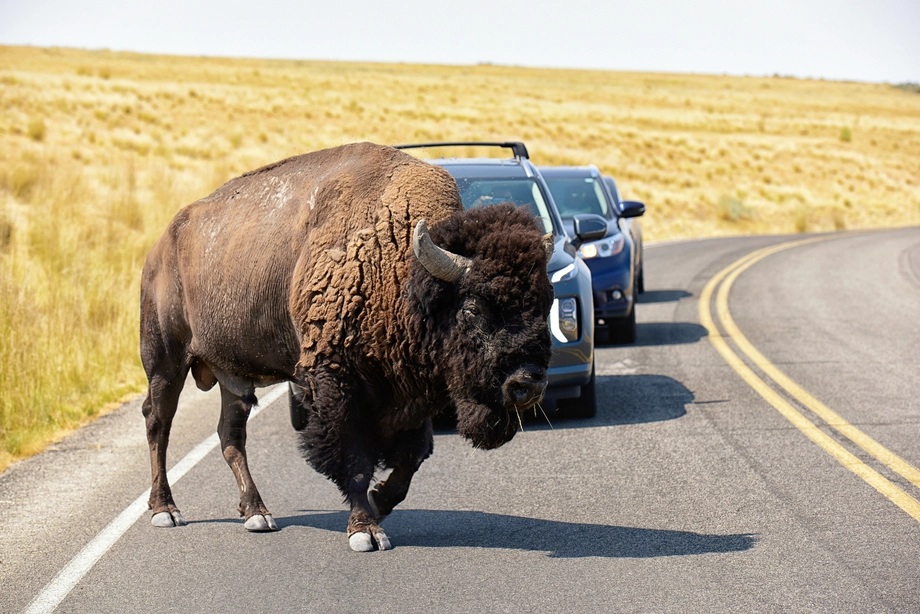 Antelope Island – Wild Heart of the Great Salt Lake Adventure
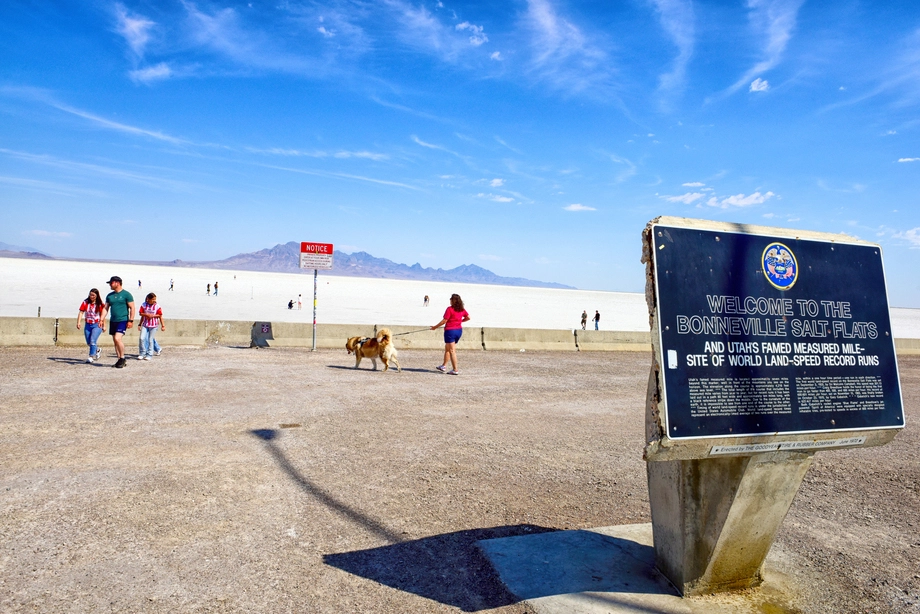 Bonneville Salt Flats – Journey to the Edge of the World
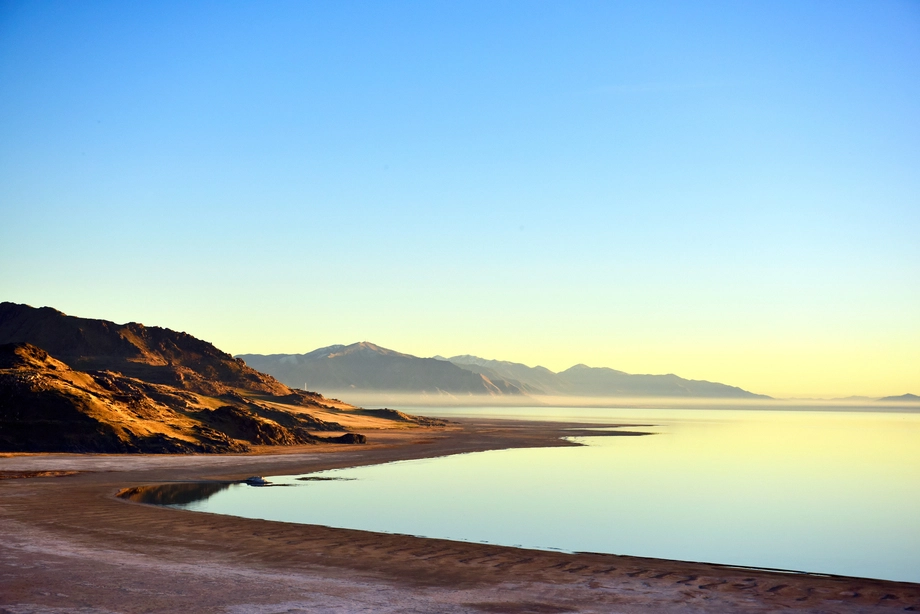 Antelope Island Sunset Wildlife Expedition – Great Salt Lake Odyssey
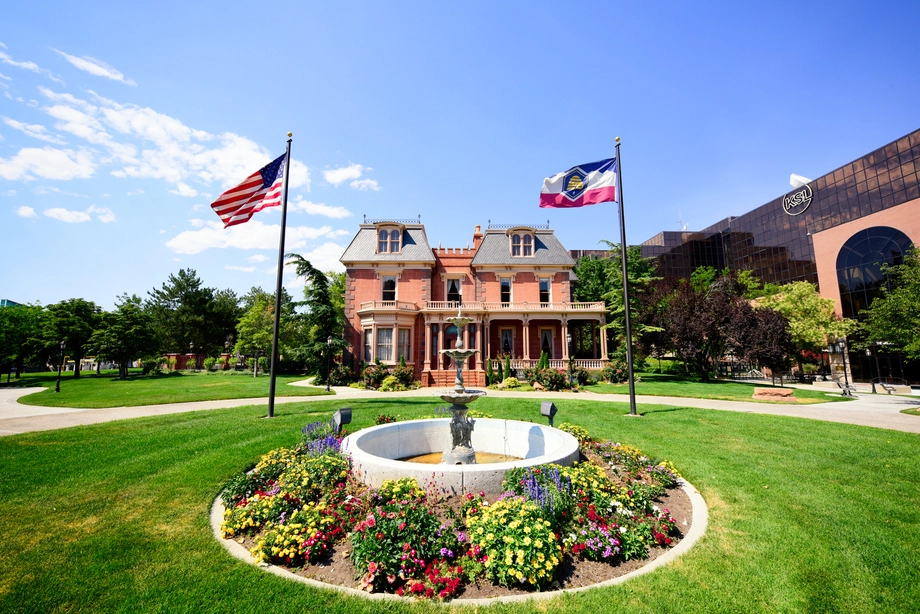 Salt Lake City – The City of Zion. Historical Interactive Walking Tour