
Utah Park-and-Ride Tours With Luggage Storage: Who They Fit
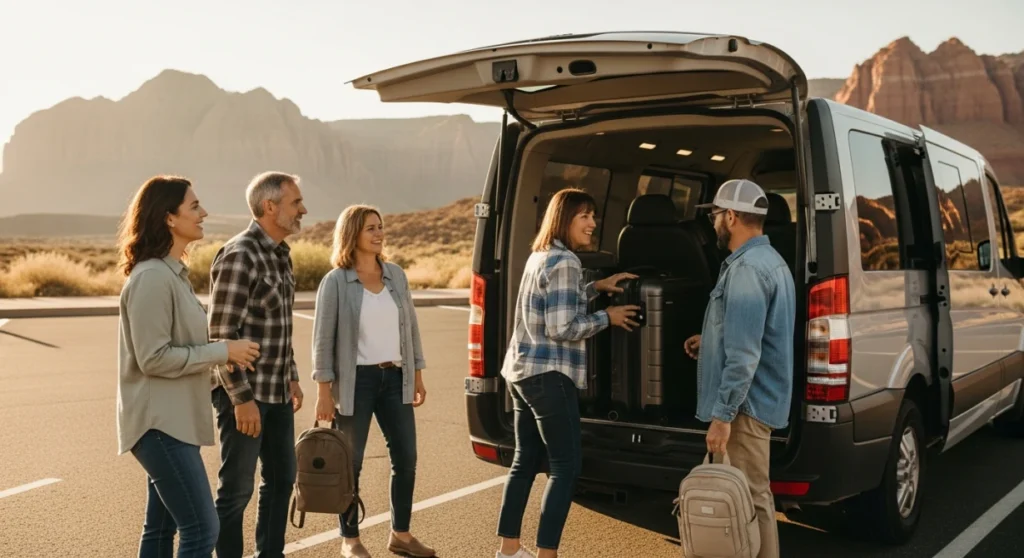
A Utah park-and-ride tour with luggage handling lets you meet at a practical pickup point, ride with the guide, and keep your main bags out of your sightseeing day. It fits transition days, no-car trips, and travelers who want park logistics handled for them.
The planning mistake we see most often is treating a Utah park day like a simple out-and-back drive, then realizing too late that the hard part is not the scenery. It is where to meet, what to do with suitcases after hotel check-out, how much driving you want that day, and whether parking or shuttle logistics will eat the hours you thought you had.
A park-and-ride style tour is a logistics format, not a special type of park. It is designed for travelers who want a guided day in Utah without carrying bags through the day or decoding road, parking, and transfer details on their own.
What is a Utah park-and-ride tour with luggage storage?
It is a guided outing where you meet at an agreed starting point, transfer with the group or guide, and keep your main luggage separate from your sightseeing time. In practical terms, the format is built to solve the awkward hours between hotels, flights, and park visits.
On a typical trip, you do not drive yourself into every stop. Instead, you start from a city meeting point, a hotel area, or another pre-arranged handoff point, then travel in the tour vehicle while carrying only what you need for the day. Your larger bags may stay in the vehicle or another arranged storage setup, but that is never something to assume without asking for the exact plan.
This is why the format matters more than people expect. For many Utah itineraries, the real value is not just guided commentary. It is removing the chain of small decisions that turn a travel day into a tiring one.
We organize tours and excursions across Utah, and our planning style is consistent across categories. On our Utah national parks tours, the point is to give travelers a realistic way to see major parks without having to manage every transport detail themselves.
Who is this format the best fit for?
It is the strongest fit for travelers whose main problem is logistics, not lack of interest in driving. If your trip includes bags, changing hotels, no rental car, or a transition day, this format can solve several problems at once.
The people who benefit most are often not the ones comparing only ticket price versus car rental cost. They are the ones asking, “Where do my bags go, how do I use this day well, and do I really want to drive desert or mountain roads after a flight?”
| Traveler scenario | Fit level | Why this works |
|---|---|---|
| No rental car in Utah | Very strong | You avoid arranging a one-day vehicle just to reach the park and figure out parking. |
| Hotel check-out day with evening move to another city | Very strong | Your sightseeing day can happen between accommodations instead of around luggage problems. |
| Arrival or departure day around Salt Lake City | Strong if timing lines up | You can use a transition day for guided sightseeing instead of losing it to waiting around. |
| Family traveling with kids | Strong | Not having to drive, park, navigate, and supervise children at the same time reduces friction. |
| Travelers uneasy about long Utah drives | Strong | You hand off route planning and day pacing to a guide. |
| One-way itinerary between cities | Conditional but often useful | It can help bridge a sightseeing day between two lodging points if the operator can match the route. |
| Photographers or hikers needing full-day flexibility | Weak | A guided shared day usually favors highlights and agreed timing over open-ended exploration. |
- No rental car: This is the clearest use case. You get access to a major park day without turning transport into your own project.
- One-way road trip: If you are moving from one base to another, bag handling becomes the planning bottleneck. A guided transfer-style day can make that changeover useful instead of wasted.
- Hotel check-out day: Rather than leaving luggage at a hotel and doubling back later, you may be able to build the park visit into the middle of the day with one continuous plan.
- Families with children: Utah park days are simpler when one adult is not stuck driving while also tracking snacks, layers, and bathroom timing.
- Nervous drivers: This matters more than many travelers admit. Scenic roads are beautiful, but fatigue and unfamiliar conditions can change the feel of the day.
For short itineraries, this can also be a smart way to reach some of the best national parks near Salt Lake City without turning a weekend into pure driving and parking management. The same logic applies if you are researching the closest national parks to Salt Lake City for a weekend road trip but would rather spend your energy on the visit itself.
You found a hidden promo code!
Use code WOWBLOG at checkout and get 10% OFF any tour!
Limited time offer. Book now and save!
Browse ToursWhen is a park-and-ride day not the right choice?
It is not the best fit if your priority is complete control over timing, remote access, or long technical hiking days. In those cases, self-driving or staying overnight near the park usually serves you better.
A shared guided day works best when the goal is to see key places efficiently and comfortably. It is less ideal when your plan depends on sunrise at a specific trailhead, several hours on one demanding hike, or spur-of-the-moment route changes.
- Remote trailheads: If your target is far from the standard sightseeing flow, a general guided day may not match your route.
- Deep hiking plans: If you want a long backcountry outing, you need a format built around that single objective, not a broader highlights day.
- Very flexible timing: Some travelers want to linger wherever the light is good or skip stops on a whim. A guided schedule trades some of that freedom for easier logistics.
- Overnight park atmosphere: If dawn, dusk, and a slow pace inside or near the park matter most, staying locally can be worth the extra hotel coordination.
This is also the honest answer to the “why not just drive myself?” objection. Self-drive can be the right move if you value full autonomy and do not mind planning road time, parking, shuttle systems, fuel stops, and end-of-day fatigue. A park-and-ride format earns its keep when those tasks are exactly what you do not want to spend the day handling.
What does a typical day look like from meet-up to return?
A typical day starts with a clear handoff point, moves your main bag out of your active sightseeing hours, and keeps the in-park part focused on viewpoints, short walks, and realistic timing. The best way to picture it is as a transition day with structure.
You arrive at the agreed meeting place with two layers of belongings. One is your main luggage, which should stay packed and mostly inaccessible until the end of the day unless the operator says otherwise. The other is a small daypack for water, layers, medication, sun protection, chargers, and anything you cannot risk separating from.
After the group departs, the day usually alternates between scenic driving, commentary, photo stops, and short walking segments. Some Utah parks rely heavily on shuttle systems or face parking pressure at popular access points, so not having to solve those details yourself is a practical advantage, especially in peak periods.
Midday, you should expect your main bag to remain stored rather than travel with you at each stop. That is why access rules matter. If you need medication, baby items, or camera gear during the day, keep those in your daypack unless the operator confirms easy bag access.
At the end, you return either to the original meeting area or to a pre-arranged finish point that matches your lodging or onward plan. A good itinerary feels unhurried not because it is open-ended, but because driving and parking are no longer taking your attention.
How should the planning process work, and who is responsible for what?
The cleanest plans separate traveler responsibilities from operator responsibilities before the day is booked. Your side is dates, starting point, baggage details, and hard timing limits. The operator’s side is route feasibility, vehicle suitability, meeting logistics, and a realistic schedule.
This is where practical planning beats vague enthusiasm. Before confirming anything, you should know whether your day is a standard route, a route that can absorb luggage handling, or a day that needs a custom adjustment because your timing or baggage is unusual.
- Start with your fixed facts: Give the date, where you will sleep the night before, where you need to end, whether you have a car, and how many bags each traveler has.
- Let the operator test the route logic: The key question is not “Is there a tour?” but “Does this tour still work with our handoff point and luggage situation?”
- Confirm the deliverables: Ask for the meeting point, expected start and finish window, walking level, and the exact baggage plan that applies to your day.
- Separate assumptions from inclusions: If bag handling is important, treat it as a confirmed arrangement only after it is stated clearly.
- Prepare a daypack and a main bag: This single step prevents most day-of confusion.
We use this same planning mindset across our guided products. Our Utah Day Tours are structured around realistic route design, transfers, and time on site, not vague promises of “seeing everything,” which is exactly the discipline needed when luggage and timing have to line up.
What are the acceptance criteria for a good luggage plan?
A good luggage plan is one you can describe in one minute without guessing. If an operator cannot clearly answer where your bags go, who can access them, and what happens if your bag is oversized, you do not yet have a workable plan.
This matters because “luggage storage available” can mean very different things. It might mean bags remain in a locked vehicle during the tour. It might mean only soft bags fit. It might mean no access until the end of the day. Each version can be fine if it matches your actual needs.
- Location: Where exactly will the bags stay during sightseeing?
- Access: Can you reach the bags midday, or should you assume no access?
- Size limits: Are standard rolling suitcases acceptable, and what about strollers, camera cases, or sports gear?
- Security process: Who has access to the storage area or vehicle during stops?
- Weather sensitivity: Should anything fragile, temperature-sensitive, or valuable stay with you instead?
- End-of-day handoff: Where and when do you get the bags back, and does that match your hotel or flight plan?
For first-timers, this matters just as much as route choice. Someone reading a step-by-step planning guide to visiting Zion National Park for first-timers often focuses on the park itself, but on a transition day the more important question is whether your luggage plan is sound enough for the hours outside the park.
What should you ask any tour operator before you book?
You should ask direct, operational questions, not general ones. The right answers tell you whether the day is actually compatible with your bags, your family setup, and your deadline at the other end.
These questions also protect you from the most common mismatch: booking a perfectly good tour that simply was not designed for your suitcases, stroller, or same-day airport timing.
- Where do we meet, and is that meeting point fixed?
- Can you accommodate our number and size of bags on this specific date?
- Will bags stay in the vehicle or in another arranged location during the day?
- Can we access our bags during the tour if needed?
- What should stay in a separate daypack?
- Are there restrictions on bulky items such as strollers, camera gear, or sports equipment?
- What is the expected finish window, and how much buffer should we allow before a flight, train, or hotel check-in?
- If park access conditions change, how do you adjust the day while keeping the luggage plan workable?
If you prefer guided travel because you like being able to ask practical questions as you go, that is a clue this format may suit you. Our Salt Lake City walking tours are run in small groups with local guides and clear route descriptions, which reflects the same planning principle: people travel more confidently when timing, terrain, and expectations are stated plainly in advance.
How do hotel check-out days and flight days change the plan?
They make timing non-negotiable. A park-and-ride day can work very well on these dates, but only when your luggage plan, meeting point, and finish window are confirmed with buffer rather than hope.
Hotel check-out days are often easier than travelers expect because your biggest issue is usually bag custody, not sightseeing time. If that is solved, the day becomes useful instead of awkward. Flight days are less forgiving because airport deadlines punish even small timing errors.
- On check-out day: Pack fully the night before so the morning handoff is simple and you are not repacking at the meeting point.
- On arrival day: Be realistic about fatigue. A shorter city plan may fit better than a long park transfer if your flight lands late or baggage claim is unpredictable.
- On departure day: Build in generous margin. A guided park day is only sensible if the end time leaves room for traffic, bag retrieval, and airport processes.
- With children: Keep one bag dedicated to immediate needs so you are not opening main luggage for snacks, layers, and chargers.
- With bulky gear: Ask about dimensions early, not after you have paid.
This is also where a city day can be the smarter choice. If a full park outing is too tight around your arrival or departure, a shorter first-day option such as a downtown guided walk can make better use of the time while keeping the plan low stress.
What is the practical next step if this sounds like your trip?
The best next step is to compare your fixed travel facts against a realistic tour format, not to keep browsing abstract park advice. If your trip includes a move between hotels, no car, or same-day baggage issues, the right question is whether the route can be organized around those constraints.
Start by reviewing the national park and day-tour options that already operate from Salt Lake City, then send a short inquiry with your date, starting point, ending point, whether you have a car, and what luggage you will carry. That gives the planning team enough to tell you whether a standard guided day fits or whether your itinerary needs an adjusted handoff plan.
Utah park-and-ride touring is most useful when it removes friction from a real travel day, not when it is forced into a trip that needs full independence. If your priorities are smooth transitions, less driving stress, and a clear answer on what happens to your bags, this format can be the difference between a complicated day and a workable one. Review the available Utah national parks or day tour options and send Matei Travel your dates, route, and luggage details for a realistic recommendation.
Do park-and-ride tours always include luggage storage?
No. Some days can accommodate bags, but you should treat storage as a specific arrangement that needs to be confirmed for your date and route.
What should I keep with me instead of in my main suitcase?
Carry medication, valuables, documents, chargers, water, layers, and anything you may need before the end of the day in a small daypack.
Is this format good for families with young kids?
Often yes, because it removes the need to drive, park, and navigate while also managing children. It works best when you ask in advance about stroller space and pacing.
Can I use a park day between hotel check-out and evening check-in?
Yes, that is one of the strongest use cases. The key is making sure the meeting point, bag plan, and finish time line up with your lodging change.
Will I feel rushed on a guided park day?
You may have less freedom than on a self-drive day, but you also gain time by not handling navigation and parking. It is usually best for highlights and short walks rather than one long hike.
Is a departure-day park tour a smart idea before a flight?
Only if the timing is comfortably in your favor. Build in buffer for delays, bag retrieval, and airport processing rather than planning to the minute.
What if I have oversized items like camera gear or sports equipment?
Ask about dimensions and limits before booking. Shared touring setups can handle some bulky items, but only if space has been planned for them.
 Your First Evening in Salt Lake City: A Low-Pressure Orientation Plan
 Bonneville Salt Flats Photography Etiquette: How to Protect the Surface and Share the View
 How to Plan an Antelope Island Birdwatching Visit
 Why Are There So Many Brine Flies on Antelope Island?
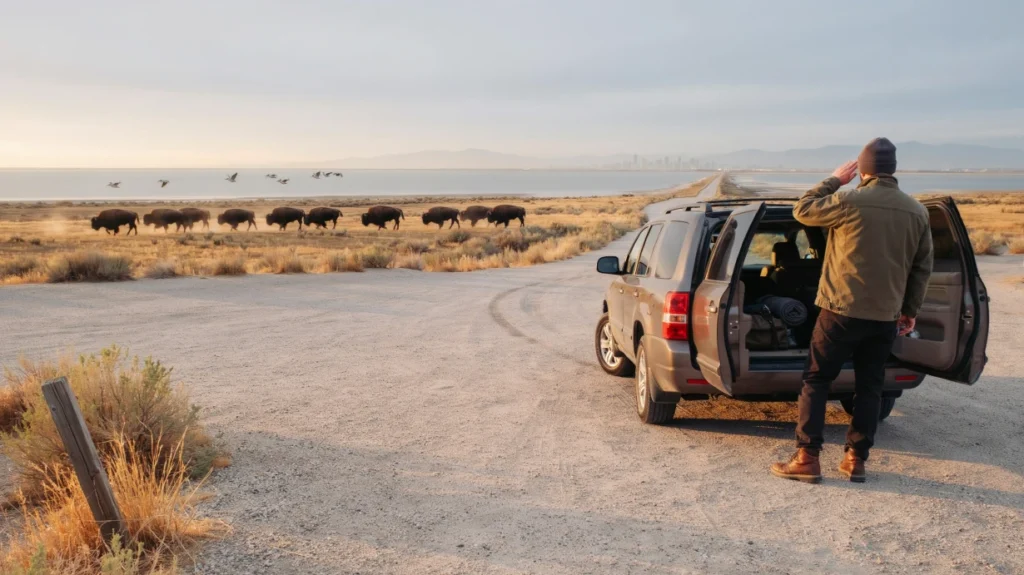 Antelope Island Day Tour or Sunset Wildlife Tour: Which Fits Your Salt Lake City Schedule?
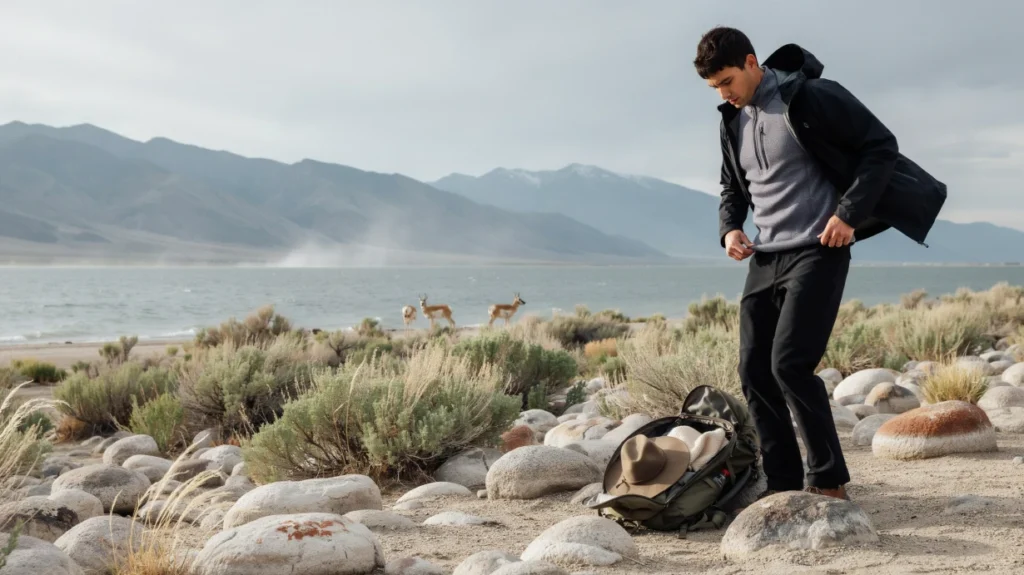 How to Dress for Changing Weather on Antelope Island

This experience is a must-do! Dima explains the history of the area as well as the...
Read more →I had never been on a guided tour before, but Dima made it the best experience...
Read more →This was a great tour, it was nice to get picked up from our hotel. It...
Read more →Great guide great information and great deal for the money.
Read more → Bonneville Salt Flats – Sunset Adventure of the White Desert
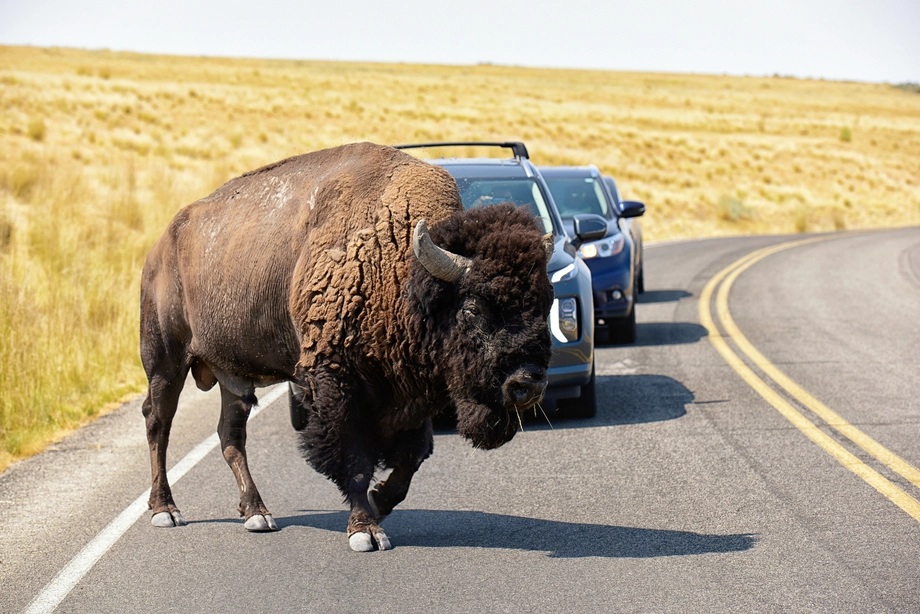 Antelope Island – Wild Heart of the Great Salt Lake Adventure
 Antelope Island Sunset Wildlife Expedition – Great Salt Lake Odyssey
 Bonneville Salt Flats – Journey to the Edge of the World