
Utah national park tours for seniors: pacing, access, and comfort done right
Mar 5, 2026
Seniors enjoy Utah most when they choose shorter, small group days that match real walking ability, mix vehicle time with gentle walks, and prioritize shade, rest, and simple logistics from Salt Lake City.
Many older travelers push through Utah’s big landscapes on the same tight schedules they used in their 30s, then spend the next day recovering in a hotel room instead of at an overlook. The distances are longer than they look on the map, the sun is strong even in cooler months, and walking from a busy parking lot to a viewpoint can feel like a hike on its own. Planning with realistic pacing, easy access, and genuine comfort is what turns “I survived that trip” into “I would happily do that again.”
The most practical way to do this is to combine well designed guided days with realistic walking expectations and plenty of built in rest. When you match a tour’s timing and terrain to your energy, Utah’s red rock, salt flats, and high desert light become enjoyable instead of exhausting.
What “senior friendly” Utah touring really looks like in practice
For an older traveler, a good day in the parks and surrounding areas has three ingredients. Transport that does not feel stressful, walking that matches your current ability, and a schedule with room to breathe. A day that checks those boxes often feels relaxing even if you see several major viewpoints.
Many Utah tours from Salt Lake City already bundle transport, scenic drives, short walks, and commentary. Options like the Bonneville Salt Flats sunset trips or Antelope Island wildlife outings include both driving and gentle walking, which lets you see wide open scenery without managing a self drive road trip. Seniors who prefer cities can join guided downtown Salt Lake City walking experiences with local guides who know how to keep routes interesting without being overwhelming.
Where expectations and reality often clash for older travelers
A common mismatch happens when seniors book trips designed around the maximum walking distance or speed of the youngest or fittest person in the group. That can turn iconic viewpoints into rushed photo stops with no time to sit, absorb the view, or ask your guide questions. Another issue is underestimating drive times between highlights. Utah looks compact on a map, yet hours in the vehicle can be tiring if you do not plan rest breaks and flexible start times.
Some travelers also assume that “walking tour” means strenuous hiking. In Salt Lake City, many guided routes are built around flat streets, historically important buildings, and small hidden corners of downtown. These are usually manageable for people comfortable walking at an easy pace, especially when group sizes stay small and guides can pause to share stories or answer questions.
You found a hidden promo code!
Use code WOWBLOG at checkout and get 10% OFF any tour!
Limited time offer. Book now and save!
Browse ToursKey decisions: how to choose the right style of tour day
1. Walking only vs walking plus vehicle support
Utah day trips cluster into two practical categories. Experiences that rely fully on walking and those that mix vehicle time with short walks. Seniors with joint or heart issues often do much better with the second option, where a vehicle brings you close to viewpoints.
| Tour style | Typical duration | Walking level | Best for |
|---|---|---|---|
| Walking only (city) | About 3 hours | Continuous easy walking | Active seniors comfortable on sidewalks |
| Walking + auto (scenic day trips) | About 7 hours | Short walks from vehicle | Seniors who prefer more sitting and selective walking |
If you enjoy moving consistently for a few hours and like historic architecture, a downtown Salt Lake City walking tour can be a good warm up day at the start of a longer Utah visit. If you prefer to sit and then walk in short bursts, the scenic outings to places like Antelope Island or the Bonneville Salt Flats align better with that preference.
2. Shorter city tours vs full day scenic excursions
Time on your feet and energy after lunch change a lot as we age. Some seniors are sharp and energetic in the morning but fade by mid afternoon. Others warm up slowly. Understanding your pattern helps you decide between a half day in the city and a full day in the desert.
| Option | Example duration | Energy demand | Comfort advantages |
|---|---|---|---|
| City walking tour | Around 3 hours | Moderate, constant movement | Easy access to restrooms, cafés, and seating |
| Scenic day trip | Around 7 hours | Moderate, spaced out walking | More seated time in the vehicle, longer views from the road |
Full day trips often leave in the morning from central Salt Lake City and return in time for dinner. That works well if you like one “big” outing and then a quiet evening. Shorter walks in the city center allow for more spontaneous breaks, sitting in a plaza, or returning early to your hotel if you run out of steam.
3. Group size and interaction level
Many older travelers value guides who have time to answer questions, help with photos, or point out safer walking lines on uneven surfaces. Smaller groups make this easier. Several Utah day options use vehicles that keep the group to around a dozen guests or fewer, which is far more personal than large coach buses.
City walking groups in downtown Salt Lake City are kept small so you can hear the guide, engage in conversation, and adjust the pace slightly if needed. That intimacy often matters more to seniors than covering every landmark, especially when mobility varies within a couple or family.
Common misconceptions about senior travel in Utah
Misconception 1: “If it is a national park area, it must be strenuous.”
Utah’s big scenery is dramatic but much of it is visible from viewpoints and short paths. Scenic drives to places like the Bonneville Salt Flats offer striking views right from the vehicle, with optional gentle walks on flat surfaces. Wildlife outings on Antelope Island also combine driving with short strolls, so you choose how much or how little to walk.
Downtown Salt Lake City tours focus on urban history, not steep canyon trails. Routes weave past historic buildings and quiet side streets. For many seniors, that mix of culture and modest activity is a comfortable contrast to big open desert days.
Misconception 2: “Guided tours move too fast for older guests.”
Speed depends entirely on how a tour is structured. Experiences designed around small groups and storytelling often prioritize time to look around, ask questions, and take photos rather than racing from stop to stop. Local guides who work regularly with mixed age groups are used to checking in on guests and adjusting walking pace.
With a clear description of daily schedule and walking level, you can pick options that align with how quickly or slowly you prefer to move. Seniors worried about pace benefit from reading those details closely instead of assuming every guided day feels rushed.
Misconception 3: “Self driving is always cheaper and easier.”
Driving yourself through Utah can look affordable when you compare only fuel and rental costs. What many travelers forget to factor in is mental effort. Navigating unfamiliar roads, watching for wildlife, managing parking, and coordinating restroom stops all add strain, especially for older drivers.
On a guided day, the driver guide handles canyon roads, changing conditions, and timing. You sit back, listen to local stories about geology and history, and save your attention for the scenery instead of the next turn. For some seniors, that shift alone justifies the cost difference.
Turning theory into real choices: sample senior friendly scenarios
Scenario 1: Active couple in their late 60s, limited time
Imagine a couple with three days based in Salt Lake City, both in good health but unused to desert climates. They might choose a downtown historical walking tour on arrival day. That helps them adjust to altitude and learn the city’s layout without overwhelming effort.
On the second day, they join a full day Bonneville Salt Flats adventure. Much of the day is spent in the vehicle with stops at scenic viewpoints and flat areas where they can walk at their own pace and sit when needed. The final day could be a relaxed morning and an evening Antelope Island wildlife outing, which again combines driving with gentle walking to overlooks.
Scenario 2: Multi generational family with a grandparent who tires easily
Consider a family group where adult children want lots of photos and viewpoints, while a grandparent uses a cane and prefers shade. A scenic day trip that mixes short walks and driving works better than a constant walking city tour. The grandparent can stay near the vehicle or at shaded viewpoints while others explore a little farther.
Because group sizes are kept moderate on many Utah day tours, guides often have room to help families coordinate meeting points and timing. That reduces pressure on the slower walker and keeps everyone engaged with stories about the area instead of worrying about logistics.
Practical criteria for comfortable senior days in Utah
When you look at different options, focus less on big marketing words and more on specifics. That is where comfort and accessibility reveal themselves. Use these criteria to filter your choices.
- Duration in hours: Seniors who fatigue easily usually do best with 3 hour city walks or 7 hour scenic days that include seated time, rather than very long combined programs.
- Walking description: Look for clear wording like “walking/auto” for mixed styles versus routes that are entirely on foot with constant movement.
- Group size cap: A maximum of around 11 to 13 guests gives you a better chance of personal attention and reasonable walking pace.
- Meeting point and parking: Central locations such as the main entrance to well known city buildings or garages simplify arrival and departure, particularly if you prefer not to navigate complex downtown traffic.
Reading these details against your own mobility is more useful than fixating on how many “must see” places fit into a single day. A shorter list of stops with time to rest usually produces a better experience.

Typical tour features that matter more to seniors
Beyond itinerary headlines, several behind the scenes features significantly affect comfort for older guests. Paying attention to these will help you avoid common frustrations like missed restrooms or rushed photo stops.
- Local guides: People who live in Salt Lake City or nearby areas know where to find shade, the quietest rest stops, and the least crowded viewpoints, which can dramatically improve how a long day feels.
- Story driven commentary: A guide who explains geology, settlement history, and local planning while you ride turns driving time into an engaging part of the experience instead of dead time.
- Clear schedule outline: Tours that publish approximate departure, mid day, and return times make it easier to plan medications, snacks, and energy use.
- Balanced stops: Alternating longer scenic breaks with short, easy viewpoints helps older bodies stay comfortable over several hours.
Travel health guidance often notes that older adults feel better on active days when they build in regular sitting breaks, hydration, and protection from sun exposure rather than pushing continuously.
General travel health guidance
Frequent planning mistakes and how to avoid them
Overstuffing the itinerary
Trying to see every famous canyon, viewpoint, and city in a single short visit is the fastest way to turn a dream trip into a blur. Seniors sometimes string together long drives, back to back early departures, and no unscheduled time. The result is exhaustion by day three.
Instead, pick a small number of well organized days with clear pacing. For example, one city walking experience and one or two scenic outings from Salt Lake City already deliver a strong sense of Utah’s variety without constant packing and unpacking.
Ignoring walking descriptions
Some travelers skip over the “walking level” line and focus only on photos. That can lead to booking a three hour continuous walking experience when what they really want is a day with more seated time. Others underestimate how tiring long stretches on concrete can be, even in a relatively flat downtown route.
Always match the description to your current ability on real streets or trails at home. If you easily enjoy an hour or two of walking in your neighborhood with a few breaks, a smaller group city tour is likely comfortable. If you prefer shorter strolls from a parked car, look for auto assisted formats.
Not planning for weather and altitude
Utah’s dry climate dehydrates many visitors more quickly than expected. Seniors are particularly sensitive to that. Sun and altitude can also make mild inclines feel steeper. Ignoring those factors leads to afternoon headaches and fatigue that could be avoided.
Plan to drink regularly throughout the day, wear a brimmed hat, and bring lightweight layers. Guided tours that include shaded stops and vehicle time help moderate exposure, but you still need your own sun and hydration habits.
Priority action checklist for seniors planning Utah days
Use this short checklist to move from ideas to concrete plans that match your energy and comfort needs.
- Clarify your walking baseline: Decide whether you are comfortable with several hours of easy city walking or prefer short walks from a vehicle. Use that to filter tour types immediately.
- Choose realistic day length: Pick either a 3 hour city experience or around 7 hour scenic outing for your main days, not both on the same date.
- Favor small groups: Look for group caps around a dozen participants so guides can naturally adjust pace and give individual attention.
- Check meeting logistics: Confirm where you need to meet, how early you should arrive, and what parking exists nearby if you are driving into downtown Salt Lake City.
- Plan rest and hydration: Pack water, a light snack, sun protection, and any medications you might need during the outing, then use vehicle segments and scenic stops as built in rest windows.
How guided days support seniors who want more context, less hassle
Structured tours out of Salt Lake City help older travelers experience wide open places like the Bonneville Salt Flats or Antelope Island without having to manage every detail. Commentary about geology, city planning, and local stories adds depth that many self drive visitors never access. City center walking groups led by local guides also make it easy to discover historic buildings and quieter corners while staying in comfortable proximity to services.
When pacing, access, and comfort are prioritized, seniors can enjoy the same dramatic landscapes and city textures as younger travelers, just with more thoughtful timing. Companies such as MateiTravel build days that weave together scenic drives, approachable walks, and narrative context so older guests can focus on the experience instead of logistics.
Comfortable Utah days for seniors come from matching tour style, group size, and walking level to real energy levels, not from squeezing in every possible stop. Shorter city walks and mixed driving plus walking days both offer rich experiences when chosen intentionally. Paying attention to schedules, meeting points, and weather helps older travelers enjoy Utah’s variety without unnecessary strain. With that groundwork, you can focus on red rock horizons, salt flats at sunset, and downtown history instead of worrying about pace. When you are ready to turn those ideas into a concrete plan, MateiTravel can help you select and organize suitable guided days from Salt Lake City.
Are Utah day tours suitable for seniors who walk slowly?
Yes. Many options combine vehicle travel with short, optional walks so slower walkers can still see major viewpoints without feeling rushed.
How long are typical senior friendly Utah tour days?
City walking experiences often run about three hours, while scenic day trips from Salt Lake City are closer to seven hours with built in seating time.
Can I join a small group tour if I sometimes need extra rest stops?
Small groups of around a dozen guests make it easier for guides to adjust pace and build in brief pauses for rest and hydration.
Is a downtown Salt Lake City walking tour hard on the knees?
These routes use city streets and sidewalks with mostly gentle terrain, but they involve continuous walking, so people with significant knee pain may prefer more vehicle based outings.
Do guided Utah tours include information about history and geology?
Yes. Driver guides and city guides typically share stories about local history, geology, and city development during both driving segments and stops.
What should seniors pack for a full day scenic outing?
Bring water, a light snack, sun protection, needed medications, and layers for changing temperatures, then use vehicle segments as chances to rest.
Where do downtown Salt Lake City walking tours usually start?
They typically meet at an easily recognized central entrance to a public building, with nearby parking available in city garages.
Why might a guided tour be better than renting a car for seniors?
Guided days remove the stress of driving, navigation, and parking while giving seniors more mental space to enjoy scenery and commentary.

 Bonneville Salt Flats – Sunset Adventure of the White Desert
 Antelope Island – Wild Heart of the Great Salt Lake Adventure
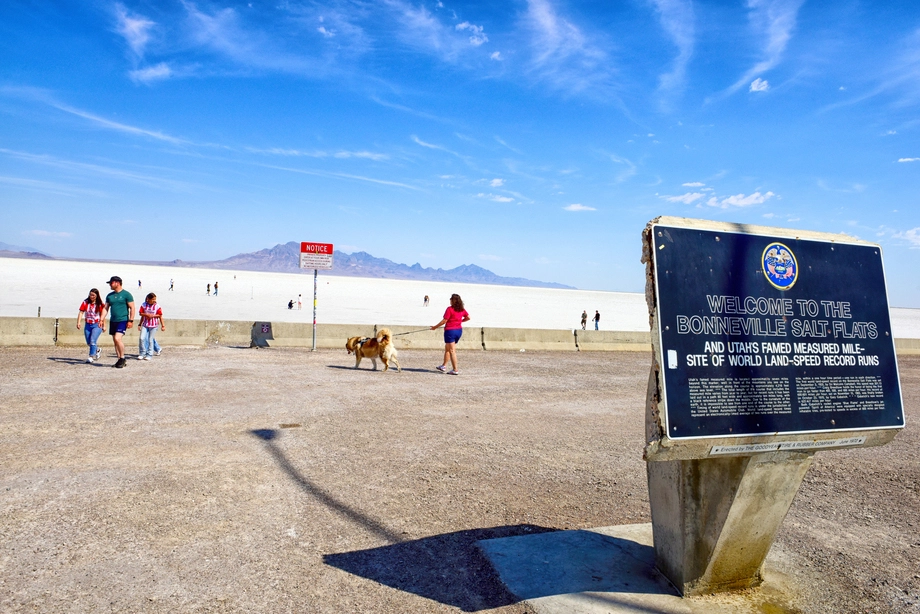 Bonneville Salt Flats – Journey to the Edge of the World
 Salt Lake City – The City of Zion. Historical Interactive Walking Tour
 Antelope Island Sunset Wildlife Expedition – Great Salt Lake Odyssey