
Utah canyon tours for beginners: safety, fitness prep, and smart pacing
Mar 13, 2026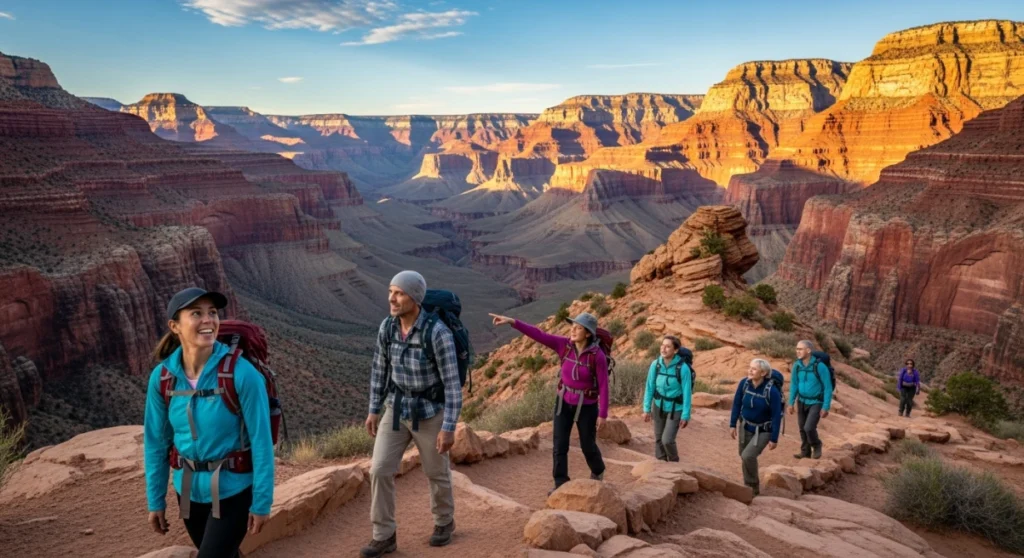
Start with easy guided days, honest fitness assessment, and conservative pacing. Hydrate regularly, stay on marked paths, respect altitude, and choose routes that leave room for breaks and early turnarounds.
Most first-timers to Utah look at photos of narrow sandstone walls and sunrise viewpoints, then wildly misjudge how hard the terrain and dry air will hit their body. They either sign up for full days they cannot physically enjoy or play it so safe they barely step beyond the parking lots. The combination of altitude, heat and uneven footing in the canyons rewards realistic planning, not wishful thinking. With a few smart decisions about pacing, safety and training, your first days in the red rock can feel challenging in the right way instead of exhausting or risky.
What “canyon touring” really feels like in Utah
Visiting canyons in Utah is less like a gentle city stroll and more like walking stairs and ramps on rough surfaces for hours at a time. Even easy viewpoints can involve inclines, sand, and rock steps that work your legs and lungs differently than flat sidewalks. At elevations that can sit around 7,000 feet, the exact same walk that feels easy at home can leave you breathing harder and taking more breaks.
Most beginner-friendly itineraries mix three elements: scenic driving, short walks to overlooks, and optional brief hikes along established paths. National park tours that start from Salt Lake City often follow this pattern, with round-trip transport, stops at major viewpoints, and time to walk out to arches, canyon rims or short loops. That balance lets you enjoy grand views, learn local stories from a guide, and still have energy left in the evening.
Guided day experiences around Salt Lake City, including walking tours in the historic center and small-group outings to places like the Bonneville Salt Flats or Antelope Island, are usually designed around light to moderate walking. They give you a feel for being on your feet for several hours with pauses, which is very similar to how beginner-friendly canyon days are structured.
Where beginners misjudge Utah canyons and why it matters
The biggest misunderstanding is assuming “short distance” means “easy day.” A one-mile round-trip walk to a lookout can include steep grades, uneven stone, and hot, dry conditions that most people never train in. Visitors often stack several “short” walks into one day without realizing the cumulative strain on legs, feet and hydration.
Another common misread is underestimating how committal some canyon routes are. In technical canyoneering, once you drop into a slot you typically cannot exit early. That is why beginners should stick to marked trails and non-technical paths rather than adventurous descents that require ropes and advanced route-finding. Canyoneering routes demand research and full preparation for unknown obstacles, which does not align with a first-time casual visit.
Altitude is also easy to overlook when you plan from your couch. Many viewpoints and trails sit thousands of feet higher than major coastal cities. Walking uphill or climbing rock steps feels very different at those elevations, especially in the first day or two before your body adapts. Beginners often notice they need more frequent breaks and more water than they expected.
Finally, desert dryness quietly amplifies everything. Sweat evaporates so fast you might not feel wet, yet your body is losing fluid constantly. People who normally drink little water at home can slip toward dehydration over a few hours if they do not plan intake deliberately.
You found a hidden promo code!
Use code WOWBLOG at checkout and get 10% OFF any tour!
Limited time offer. Book now and save!
Browse ToursGuided tour days vs. independent canyon days
For your first visit, a guided small-group day is often the most forgiving way to understand your limits. Many organized national park trips from Salt Lake City include a clear description of walking level, approximate schedule, and what is included. You spend part of the day in a vehicle on scenic roads with scheduled stops, and part walking to overlooks or along short paths with a guide who knows the pacing most visitors handle well.
If you are comparing small group tours of Utah national parks with a fully independent plan, look at how much decision-making you want to manage in an unfamiliar landscape. Guided trips handle driving, navigation, parking, and timing around viewpoints. That leaves you free to focus on how your body feels and adjust your effort at each stop, instead of juggling maps, signs, and traffic.
A self driving tour of Utah national parks suits visitors who are confident with desert driving, time management, and reading trail descriptions accurately. You set your own start time, choose which stops to skip or extend, and can leave an area the moment you feel tired. The trade-off is that you need to do more homework on distances, elevation gain, and heat exposure for each stop, and you do not have a guide watching for early signs of overexertion in the group.
Comparing common day formats for beginners
| Format | What the day feels like | Best for | Main challenge |
|---|---|---|---|
| Guided national park day from Salt Lake City | Mix of driving, viewpoints, and optional short walks with commentary | First-time visitors, couples, families who want structure | Fixed schedule, less ability to leave early |
| Independent driving day in park areas | Flexible timing, you choose how long to stay and where to walk | Visitors comfortable planning routes and managing time | Requires detailed research and constant pace decisions |
| City walking tour in Salt Lake City | Several hours on foot with many short stops and stories | Practice for being on your feet, history fans | Less exposure to altitude and uneven terrain |
Safety fundamentals beginners cannot skip
Desert and canyon safety is less about gear lists and more about a handful of non-negotiable habits. The first is route choice. Stay on marked paths and well-traveled overlooks. In canyon areas, loose sand or tiny pebbles on stone can make even gentle slopes slippery, and stepping near cliff edges greatly increases fall risk. Established trails and viewing areas are chosen because they manage that danger as much as possible.
The second habit is hydration. Dry heat reduces your sense of how much you are sweating. A widely used guideline for desert walking is:
Plan on drinking about one quart, roughly one liter, of water every one to two hours during steady activity in hot, dry environments. A well-hydrated body copes much better with heat stress.
For beginners, this usually means carrying more water than you think you need and sipping regularly instead of chugging occasionally. It also means planning bathroom breaks and not being shy about telling your guide if you are drinking less than recommended.
The third habit is altitude awareness. On your first day at higher elevations, slow your normal walking pace slightly and give yourself more time for any uphill sections. Short rest stops in shaded spots help your heart rate settle. If you feel lightheaded, unusually short of breath for the effort, or develop a persistent headache, that is a signal to reduce intensity and let your guide know.
Simple personal safety checks before each outing
- Footwear: Closed shoes with good grip that you have already worn on other walks, not brand-new sneakers.
- Sun coverage: Hat, sunglasses, and a light layer for shoulders and neck, even on cooler days.
- Water plan: Enough capacity to match the one-quart-per-1–2-hours guideline for your expected time on foot.
- Trail discipline: Personal rule to avoid cliff edges and to stay within signed areas at overlooks.
Fitness and pacing: how to match the day to your body
Good news for beginners: you do not need to be an endurance athlete to enjoy canyon views. You do need honest self-assessment and realistic pacing. Think about three dimensions before committing to any outing: how long you can comfortably stay on your feet, how you handle hills or stairs, and how you perform in heat.
If walking two to three city miles with small hills already feels demanding, choose outings that emphasize scenic driving and shorter walks to overlooks. Many Utah National Parks tours and regional day trips are designed exactly at that level: frequent photo stops, brief walks, and optional slightly longer strolls for those who feel good on the day.
If you regularly walk, bike, or work out, you can handle more frequent short hikes, but you still should respect altitude and temperature. Expect to move more slowly than you would at home and build extra time into your mental schedule so you are not tempted to rush.
Translating your home fitness into canyon expectations
| Your usual activity at home | Realistic canyon day target | Suggested pacing |
|---|---|---|
| Mostly sedentary, short walks only | Several short walks to viewpoints, plenty of vehicle time | Walk slowly, rest often, sit out longer options if tired |
| Walk 2–3 miles a few times a week | Mix of overlooks plus one or two short trail segments | Use moderate pace, drink regularly, take shade breaks |
| Active most days, used to hills | Multiple short trails plus all main viewpoints | Keep pace conservative early, adjust if you feel strong |
Decision scenarios: how to choose the right type of day
Scenario 1: Short Utah visit with mixed abilities in the group
Imagine you have three days in Utah, starting and ending in Salt Lake City, and you are traveling with relatives who have very different fitness levels. In this case, one or two guided park days work well. Transport, timing, and main stops are handled, and each stop typically offers an easy viewpoint plus an optional extra walk. Fitter family members can take the longer option while others enjoy the closer overlook and the stories from the guide.
You could add a half-day city walking tour downtown at the beginning of the trip. That doubles as a gentle “warm-up” for everyone and a way to gauge who gets tired at what pace. Based on how people feel after that, you can decide how ambitious to be during the canyon days.
Scenario 2: You want independence but are new to desert conditions
Suppose you prefer to drive yourself and set your own schedule but have never experienced desert dryness or higher elevation. Start with one organized daytrip, for example to the Bonneville Salt Flats or Antelope Island from Salt Lake City, where walking levels are clearly described and distances are limited. Use that as a practical test of how your body handles being outside and on your feet for several hours.
On following days, when you drive independently to viewpoints or park areas, mimic that structure: limit the number of stops, plan generous breaks, carry more water than on the guided day, and be strict with yourself about cutting an outing short if you feel off. Your earlier guided experience gives you a benchmark for what “comfortable” effort feels like in this environment.

Common mistakes beginners make in Utah’s canyon country
- Underestimating loose surfaces: Sand and gravel on rock can be as slick as ice. Many injuries happen when people rush on sloping stone near edges instead of slowing down and watching each foot placement.
- Ignoring early fatigue: Visitors sometimes push through heavy legs, headache, or unusual breathlessness instead of taking a longer break or shortening the walk. At altitude and in heat, listening early to those signals prevents bigger problems later.
- Carrying but not drinking water: Beginners often bring a bottle but forget to sip until they feel very thirsty. That usually means they are already behind. Set a simple reminder for yourself, like drinking a few mouthfuls every 15–20 minutes while active.
- Choosing routes that are too committing: Attempting technical canyoneering or remote slots without the skills, research, and equipment for unknown obstacles is dangerous. Beginners should stick to established trails and non-technical canyon viewpoints.
- Scheduling non-stop days: Packing early starts, long drives, and many stops into each day leaves no buffer for slower walking, extra breaks, or unexpected tiredness.
Action checklist: how to prepare and what to do on the day
Four-week preparation, if you have time
- Walk more often: Aim for at least three brisk walks per week, 30–45 minutes each, preferably including some hills or stairs.
- Test your gear: Use the shoes, daypack, and clothing you plan to wear in Utah on these walks so you find any discomfort early.
- Practice “drink by schedule”: During walks, take a few sips of water regularly rather than waiting for thirst, so this feels natural on your trip.
The day before your canyon outing
- Sleep and hydrate: Get a solid night’s rest and drink water steadily throughout the day, not just at dinner.
- Review the plan: Re-check walking levels and approximate timing for each stop on your chosen tour or route.
- Pack simply: Water, light snacks, sun protection, and an extra layer usually cover most beginner-friendly canyon days.
During the day: priorities in order
- Start slower than you feel: Let your body warm up and adjust to altitude and terrain before you decide how energetic you feel.
- Drink consistently: Use the one-quart-per-1–2-hours guideline as your reference, adjusting slightly for your size and how hot it is.
- Check in at each stop: Ask yourself and your companions how legs, breathing, and mood feel before choosing the next option.
- Respect your limits: If you are unsure about an optional longer walk, choose the shorter one and enjoy it fully instead of worrying about finishing.
Where a guided experience helps beginners most
Structured day trips out of Salt Lake City provide an easy entry point into the landscape for first-time visitors. Local driver-guides handle winter canyon roads in ski season, share real-time insight on snow or trail conditions, and suggest starting zones that match each person’s ability. That same principle applies in canyon country: an experienced guide can suggest the gentler viewpoints, explain how the altitude and heat might feel, and keep the group on a comfortable schedule.
Small walking groups in downtown Salt Lake City, which explore historic buildings and less obvious corners of the city with local guides, are also a low-risk way to see how you handle several hours of stop-and-go walking. They replicate the rhythm of many canyon sightseeing days, just without the loose rock and bigger elevation changes. Companies like MateiTravel design these experiences with clear walking levels and manageable group sizes so guests can ask questions and adjust their effort.
If your time is short and you want to see highlights such as iconic canyon viewpoints, arches, and ridgelines without running your own logistics, curated itineraries that connect major parks from Salt Lake City are often the best tours of Utah national parks for beginners. They combine scenic drives, short walks, and stories that bring the geology and history to life while leaving safety, pacing, and daily structure in professional hands. MateiTravel focuses on this balance so that first-time visitors can enjoy the red rock landscapes with confidence instead of worry.
Utah’s canyons are accessible to beginners who treat safety, fitness, and pacing as part of the experience rather than an afterthought. Honest self-assessment, conservative route choices, and deliberate hydration go much further than last-minute gear purchases. Guided days from Salt Lake City, city walking tours, and moderate park itineraries give you a comfortable framework for learning how the terrain and altitude feel in your body. As you gain that firsthand sense, it becomes easier to decide when to join a group and when to explore independently. When you are ready to turn smart planning into unforgettable canyon days, consider letting MateiTravel handle the logistics while you focus on the views.
How much water should I carry for a beginner canyon day?
Plan for about one quart, or one liter, of water for every one to two hours of active walking. If it is especially hot or you tend to sweat more, bring extra.
Are guided Utah canyon tours suitable for people who rarely hike?
Yes, many guided days focus on scenic drives and short walks to viewpoints. Choose options described as light or moderate walking and be ready to skip longer add-ons.
How does the altitude in Utah affect first-time visitors?
Higher elevations make hills and stairs feel harder and can increase breathing rate. Plan a slower pace, more breaks, and a lighter schedule on your first day.
What is the safest type of route for my first canyon visit?
Stick to signed trails and established overlooks rather than unmarked paths or technical slot canyons. These areas are chosen to minimize risk from cliffs and loose rock.
Can I use a city walking tour as training for canyon days?
Yes, several hours on a guided city walk help you test how your feet, legs, and energy hold up during stop-and-go sightseeing before you add altitude and uneven terrain.
How do I know if a tour’s walking level matches my fitness?
Compare the stated walking level and duration with what you comfortably do at home, and choose the option that sounds slightly easier than your maximum.
Is self-driving better than joining a small group tour in the canyons?
Self-driving offers flexibility but demands more research and constant decisions. Small groups reduce planning stress and provide guidance on pacing and safety.
What should I do if I start feeling unusually tired or dizzy on a canyon walk?
Stop in a safe spot, rest in shade if possible, drink water, and tell your guide or companions. If symptoms persist, shorten or end the walk.

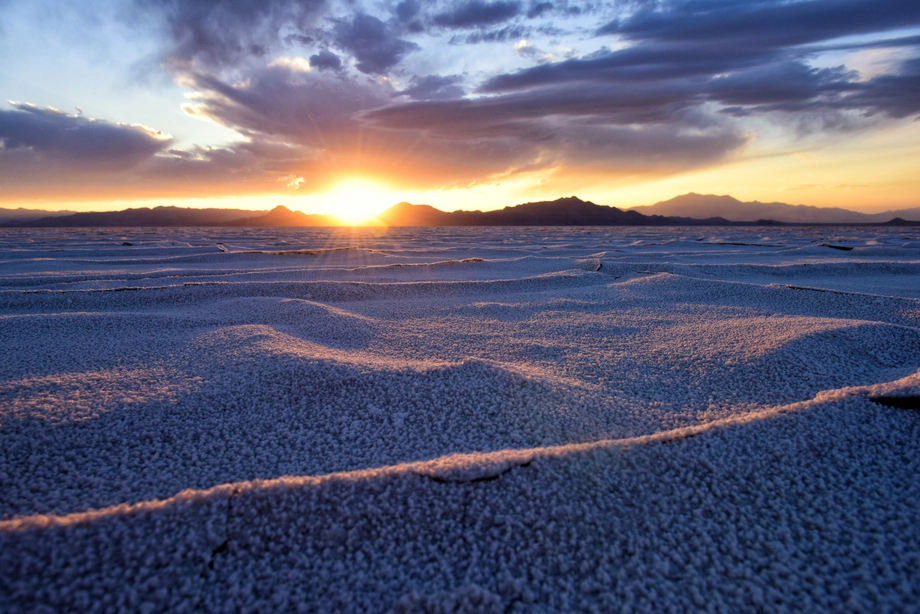 Bonneville Salt Flats – Sunset Adventure of the White Desert
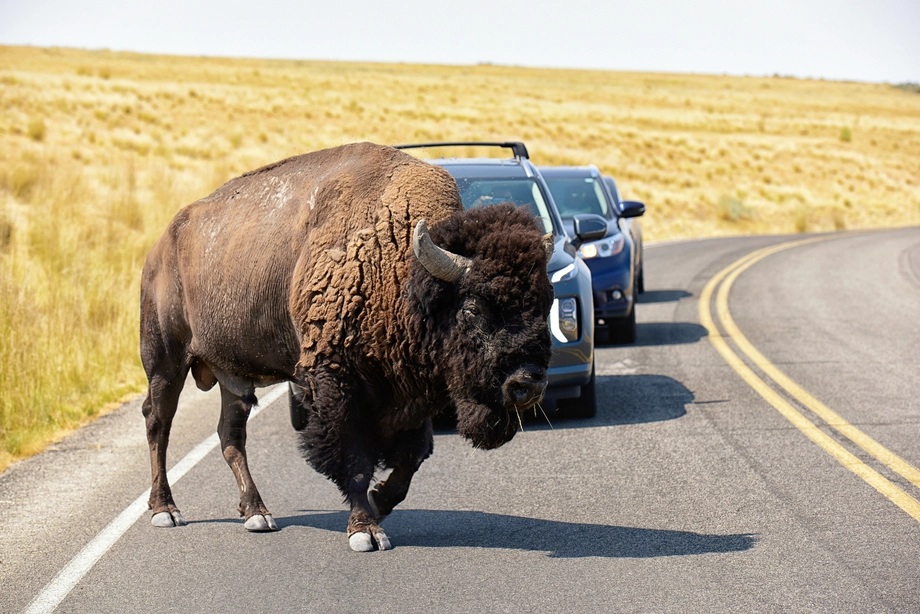 Antelope Island – Wild Heart of the Great Salt Lake Adventure
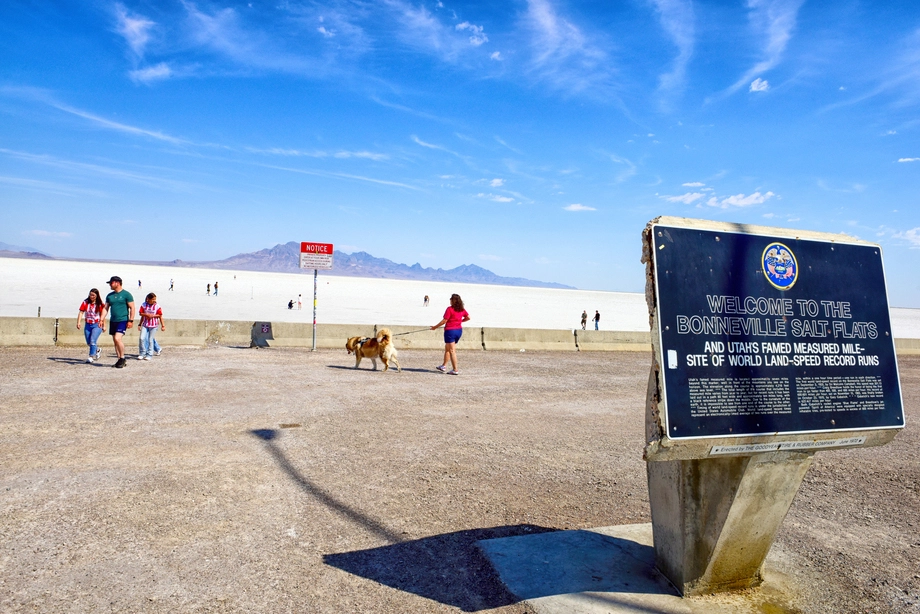 Bonneville Salt Flats – Journey to the Edge of the World
 Salt Lake City – The City of Zion. Historical Interactive Walking Tour
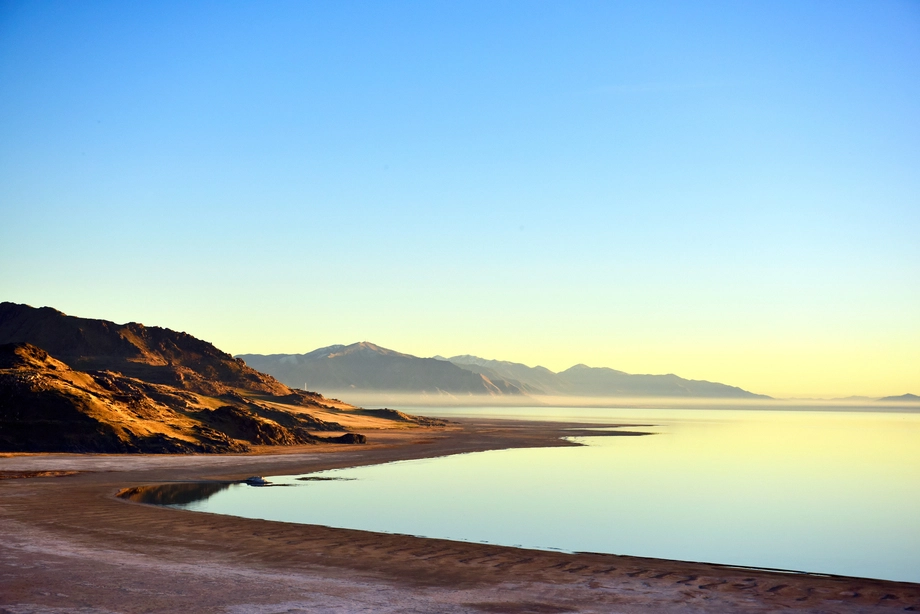 Antelope Island Sunset Wildlife Expedition – Great Salt Lake Odyssey