
Geology Field Lessons in Utah’s Wild Landscapes: From Salt Lake City Streets to Arches
Jan 23, 2026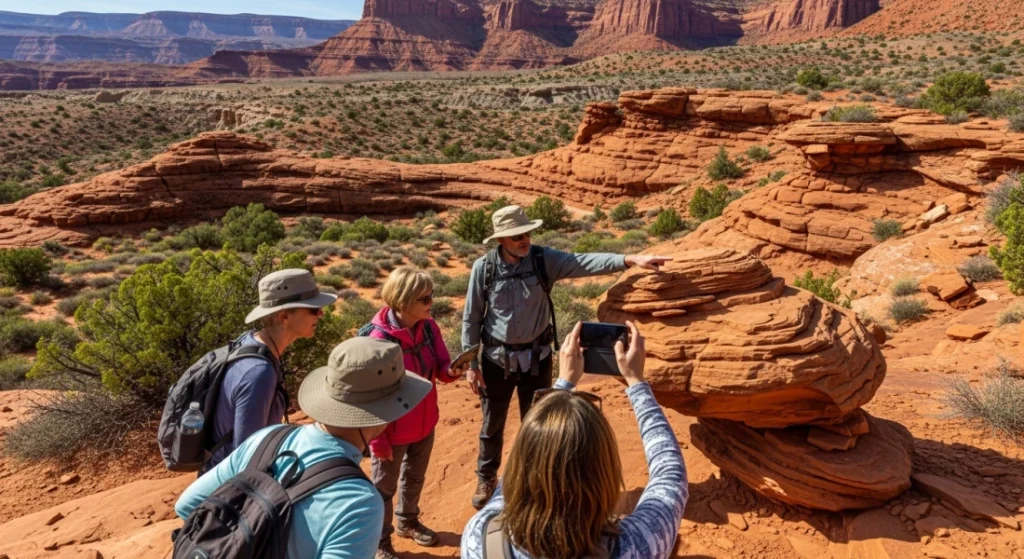
Use Salt Lake City walks, ski-area day trips, and guided visits to Arches and other parks to turn a short Utah stay into structured, hands-on geology field lessons.
Across the travel world, more visitors want trips that actually teach them something. Utah is a perfect example. Its streets, ski canyons, and national parks are basically an open textbook of rock layers, faults, and erosion. When you treat the state as a classroom, every walk, drive, and overlook can turn into a geology lesson you will remember.
This guide explains how to turn a short stay in Utah into meaningful geology field lessons. You will see how walking tours in downtown Salt Lake City, organized day trips to ski areas, and day tours from Salt Lake City to Arches National Park and other parks can all support hands‑on learning. We will cover practical route ideas, pros and cons of guided trips, typical mistakes, safety tips, and how MateiTravel can help you build an easy, educational itinerary.
How does Utah become a natural classroom for geology?
Why Utah’s landscapes are perfect for learning outside
Utah brings together high mountains, desert plateaus, salt flats, and deep canyons in a relatively compact area. That means you can see very different types of rock, weathering, and erosion in just a few days. For anyone curious about Earth’s history, this density of landforms makes field time incredibly efficient.
On a walking day in Salt Lake City you focus on human planning, fault lines, and the mountain front. On a scenic day tour in Southern Utah you step into canyons carved over millions of years. This mix of urban and wild settings keeps the learning varied and easier to absorb.
Field lessons versus classroom learning
In a classroom, geologic time and rock cycles often feel abstract. Outside, you stand in front of a cliff and can literally point to younger and older layers. That physical presence makes theory real. It also encourages questions that would never come up over a slide deck.
Field lessons also reward curiosity. You can walk up to a rock, compare its color to a nearby layer, or feel how loose or solid it is. Guided tours add context, but even a short self-guided tour of Salt Lake City or a quick stop at a viewpoint can become a mini research project when you look at the landscape with geological questions in mind.
Connecting city streets with deep time
Many visitors do not realize that downtown Salt Lake City sits close to an active fault zone and the ancient shoreline of a massive Ice Age lake. When local guides point out how the city grid responds to terrain and faults, city planning suddenly links to geology.
In short, the more you move between built spaces and wild areas, the clearer it becomes that geology shapes everything from street layouts to ski slopes and national park access roads.
What geology can you learn on walking tours in Salt Lake City?
Using city walking tours as your first “field lab”
For a first day in Utah, walking tours of Salt Lake City work well as a gentle introduction. Groups are intentionally small and led by local guides, so you can ask detailed questions and adjust the focus to your interests. The routes pass historic buildings and hidden corners that reveal how the city grew on its specific patch of ground.
Because route descriptions include distance, duration, and terrain, you know in advance how demanding each walk is. This makes it easy to fit a city tour into a wider geology-focused trip, especially when you arrive a bit tired from travel and want something structured but not intense.
Geologic themes to look for in the city
Even in the center, you can treat the city as a geology case study. Look at building stone along the route. Ask your guide where it comes from and why certain rocks were chosen for important structures. The answer often leads back to local quarries and regional rock types.
You can also pay attention to elevation changes across downtown. Slight slopes sometimes follow buried stream channels or old shorelines. Guides who explain how the city planning and development responded to these features give you a mental map you can use later, when you study bigger landscapes in Southern Utah.
Guided versus self-guided city exploration
A guided walk offers built-in commentary, stories, and a clearly defined route. A self-guided tour of Salt Lake City gives you more freedom to stop for longer at specific spots, compare building stones, or sketch your own maps. Many travelers do both. They start with a guided experience, then return to a few favorite locations on their own.
Put simply, think of the guided city walk as your orientation session. After that, every independent stroll becomes extra field practice, where you test what you learned by looking at new corners of the same urban landscape.
You found a hidden promo code!
Use code WOWBLOG at checkout and get 10% OFF any tour!
Limited time offer. Book now and save!
Browse ToursHow can ski resort day trips support geology field lessons?
Why ski country matters for geology
Mountains around Salt Lake City are not just for skiing. They are tall cross-sections through rock layers and past climate events. Day trips to Utah ski resorts include transfers from the city, so you can use that drive to notice how canyon walls change as you climb.
Once there, even if you do not spend the whole day on skis, you can look at valley shapes, steep slopes, and avalanche paths as signs of erosion and rock strength. Resort staff help with orientation on the mountain, so it is easier to focus on observation and not stress over navigation.
Benefits of organized ski-area day tours
Organized day tours remove the need to figure out local transit, road conditions, or parking at busy times. This keeps your attention free for the landscape itself. The schedule usually leaves flexible time on the slopes, which you can split between recreation and informal geology fieldwork.
Couples, families, and groups of friends often enjoy this format because everyone can move at a different pace but still share the same transfer and base area. Experienced skiers can access local knowledge quickly, while beginners feel less pressure thanks to support that reduces stress on the slopes.
Simple observation exercises in ski canyons
During the drive, pick one feature to track, such as changes in snow depth with elevation or how stream channels cut into talus slopes. On the mountain, note the orientation of ridges and how that influences snow cover and vegetation. These small “assignments” turn a regular ski day into a set of compact field lessons.
Even a quick photo series from valley bottom to upper lifts can serve as a visual record. Later in your trip, you can compare these images to canyon walls and cliffs you see on scenic day tours in Southern Utah.
How do day tours from Salt Lake City to Utah’s national parks teach geology?
What to expect from national park day tours
Tours to Utah’s national parks starting from Salt Lake City combine transport, main viewpoints, short hikes, and guiding. They visit iconic areas such as Zion, Bryce Canyon, Arches, Canyonlands, and Capitol Reef. Time is built in for photos, brief walks to arches, ridges, or canyon rims, and stops along scenic drives.
Because the logistics are handled, guides can focus on stories of rock formation, erosion, and human history. Travelers get a clear picture of how different parks connect as pieces of one larger geologic region, even within the limits of day trips.
Geology highlights on scenic day tours in Southern Utah
Southern Utah offers textbook examples of arches, hoodoos, mesas, and deep canyons. On scenic day tours, you move between overlooks and short trails, which creates a natural sequence of lessons. Guides explain how rock type controls landform shape, why some cliffs are sheer while others crumble into slopes, and how water and wind carve features over time.
For visitors who want strong visual learning, this structure works very well. Each stop adds another piece. By the end of the day, most people can look at a wall of layered rock and at least guess which layers are softer or harder, and how that affects the scene in front of them.
Special focus: day tours from Salt Lake City to Arches National Park
Day tours from Salt Lake City to Arches National Park pack a lot of geology into one day. Even with the long drive, you get to see natural stone arches, fins, and balanced rocks that showcase how cracks, erosion, and gravity work together. Short hikes to arches and viewpoints balance the time in the vehicle.
Because transport is included both ways, you can use the road time to review notes from earlier walking tours or ski-area visits. This makes Arches feel like a capstone field lesson, where everything you saw in the city and mountains comes together in one dramatic landscape.
Sample comparison of tour formats
| Experience type | Main focus | Typical activity | Best for |
|---|---|---|---|
| Walking tours in Salt Lake City | City history, planning, local geology context | Short urban walks with local guide | First day orientation, light learning |
| Ski resort day trips | Mountain landforms, erosion, snow and slope dynamics | Transfer, time on slopes, canyon views | Active travelers, winter or spring visits |
| National park day tours | Iconic rock formations, large-scale structures | Scenic drives, key viewpoints, short hikes | Visitors wanting the “Mighty Five” without planning stress |
What are the pros and cons of using organized tours for geology lessons?
Main advantages
Organized experiences can be powerful tools for learning, but it helps to be clear about why you are using them. Here are key upsides when your goal is geology-focused travel.
- Expert local insight: Local guides on walking tours and park trips explain how geology, history, and planning fit together instead of leaving you to guess.
- Low logistics burden: Transfers to ski resorts and national parks start from Salt Lake City, so you can focus on observation and questions rather than driving and parking.
- Small group interaction: Compact group sizes let you ask detailed questions and get clarifications in real time.
- Balanced itineraries: Routes provide a mix of photo stops, short hikes, and stories, which keeps attention high and fatigue lower.
- Online booking clarity: Clear details about duration, distance, and terrain help you match a tour to your fitness and learning goals.
Key limitations
There are also constraints you should acknowledge so you can plan around them and get the most value from each day.
- Fixed schedules: Day trips run on set timelines, which means limited flexibility to linger at one viewpoint for extended field measurements or sketches.
- Group pace: You move at a speed that works for the group, which may feel fast for careful note-takers or slow for very active hikers.
- Surface-level coverage: In single-day visits to multiple sites, you often visit highlight areas, not remote corners where more advanced field research might happen.
- Limited customization: Most itineraries are designed for a general audience, so very technical geology discussions might appear only in short segments.
- Weather constraints: Ski-area and park experiences depend on conditions, which can limit access to some viewpoints or trails.
When tours make the most sense
For travelers with only a few days in Utah, tours are usually the most efficient way to turn a short window into a rich geology overview. They are especially useful if you do not want to drive long desert distances or mountain roads yourself.
For those with more time or advanced training, tours can act as a foundation. After a structured day with guides, you can return independently to specific areas with a clearer sense of where to focus deeper field work.
What are some practical examples of geology field lessons on these trips?
Case 1: Two-day “city plus canyon” micro-course
Imagine you arrive in Salt Lake City in the afternoon. The next morning you join a walking tour downtown. You spend two hours hearing how the city grid relates to early settlement, local topography, and nearby mountains. You notice building stones with different colors and ask where they were quarried.
On day two, you take a day trip to a nearby ski resort. During the transfer, you compare the city’s gentle slopes with the steeper canyon walls outside. At viewpoints, you see how streams have cut deep channels and how rock type controls cliff steepness. By the end, you have linked city planning, valley shapes, and mountain erosion into a coherent picture, all from just two structured outings.
Case 2: Short stay with a national park focus
Another traveler flies in with three days free. Day one is a walking tour in Salt Lake City to beat jet lag and learn local context. Day two is a long but memorable day tour from Salt Lake City to Arches National Park. On the drive, they review notes from the city walk and jot down questions about rock layering and arches.
At Arches, short hikes to viewpoints show them how joints, weathering, and gravity create the arches they have seen in photos. Guides share stories of canyon formation and the wider regional geology. On day three, the traveler explores a few city neighborhoods alone, noticing stone, slopes, and views with very different eyes.
Case 3: Winter family trip with mixed interests
A family visits Utah in winter. Some people mainly want to ski. Others are more interested in geology and photography. The group chooses organized ski-resort day trips from Salt Lake City, which offer transfers, orientation help, and flexible time on the slopes.
While active skiers spend more hours on the runs, others take breaks to photograph canyon walls, compare rock layers, and ask resort staff about local geology. In the evenings, everyone shares what they noticed. Over a few days, they build a shared picture of how snow, terrain, and rock interact in the canyons.

What common mistakes do travelers make when turning Utah trips into geology lessons?
Typical planning and learning errors
Some errors show up again and again in field-focused trips. Being aware of them early makes your experience smoother and more educational.
- Overloading the schedule: Trying to combine a city walk, a ski day, and a long park tour in too few days leaves no time to process what you saw. Spread key activities out.
- Skipping basics: Arriving at Arches without any prior context can make the formations feel impressive but confusing. An earlier walking tour in Salt Lake City provides valuable background.
- No note-taking: Relying only on memory means details from guide explanations fade quickly. Short notes or simple sketches help connect sites later.
- Ignoring terrain info: Not reading route descriptions for distance and relief can lead to fatigue, which reduces your focus on learning.
- Focusing only on photos: Spending all your time framing pictures instead of looking, asking, and thinking weakens the “lesson” part of your field day.
Why these mistakes happen
Most visitors underestimate travel time and overestimate their energy, especially at altitude or in dry desert air. They also assume the landscape will “explain itself” without active engagement, which is rarely true.
Without a simple system for notes or questions, it is easy to enjoy the sights in the moment but lose the thread that connects them. Recognizing this pattern early helps you change your habits before you miss key learning opportunities.
Simple ways to avoid them
Limit yourself to one major structured activity per day, such as a city walk, a ski-area visit, or a long national park tour. Use spare time to rest, read maps, or review photos with a learning mindset.
Bring a small notebook or use your phone to capture three to five main points per stop. This alone can double the amount you retain from each field lesson.
What practical tips make Utah geology field lessons more effective?
Planning for learning, not just sightseeing
Think of your trip as a short course. Decide on two or three themes you care about, such as “how arches form,” “city layout and geology,” or “mountain erosion.” Choose tours and day trips that clearly relate to those themes.
When you book walking tours or national park outings, read the route descriptions closely. Pick those whose duration, distance, and terrain match your comfort level so you have mental space left for observing and asking questions.
On-site habits that boost understanding
- Ask targeted questions: Instead of “how old is this,” try “which layers here are youngest, and how can you tell?” That invites clearer, more practical answers.
- Use comparison: On scenic day tours in Southern Utah, compare each new viewpoint with the last. What changed in rock color, layer thickness, or slope shape?
- Capture context: Take at least one wide shot at each stop that includes sky, horizon, and foreground. These images help you later remember how features fit together.
- Link built and natural: On city walks, connect building stone and street slopes to what you later see in canyons and parks.
Safety and comfort as part of good field practice
Effective field lessons depend on being alert and reasonably comfortable. Drink water regularly in dry air, wear layers suited to mountain or desert conditions, and respect terrain information in tour descriptions. Fatigue and discomfort narrow your focus and make learning harder.
In short, treat your body as part of your field gear. When you manage energy and comfort well, you notice more details and ask better questions.
How do guided walking, self-guided city tours, and park trips compare for geology learners?
Side-by-side comparison
The options around Salt Lake City serve slightly different roles in a learning-focused itinerary. The table below summarizes how they complement each other.
| Option | Structure | Geology learning style | Typical cost level |
|---|---|---|---|
| Guided walking tours in Salt Lake City | Small groups, fixed route, online booking | Story-driven, links city planning with local geology | Lower, short-duration activity |
| Self-guided tour of Salt Lake City | Completely flexible timing and route | Independent observation and follow-up after guided context | Very low, mainly time investment |
| National park day tours from Salt Lake City | Full-day, transport included, key viewpoints and hikes | Visual, large-scale landforms and regional structures | Higher, full-day experience |
Choosing the right mix
If you only have two or three days, one guided city walk plus one national park day trip gives you a strong introduction. With more time, add a ski-resort day and a self-guided city walk to deepen and reinforce what you learned.
Put another way, let the guided experiences handle orientation and big-picture explanations. Then use independent time to revisit locations, experiment with your own observations, and connect the dots between sites.
A quick note from research
Field-based teaching helps students integrate abstract concepts with real-world examples, and even brief field experiences can significantly improve understanding of geologic time and processes.
Geoscience Education Research, 2019
This same principle applies to travelers. Even a single, well-planned field day in Utah can reshape how you see landscapes everywhere.
Utah’s streets, ski canyons, and national parks offer an unusually compact set of opportunities for real-world geology lessons. By combining guided walking tours in Salt Lake City, organized ski-area day trips, and curated visits to Arches and other parks, you can turn even a short stay into a memorable learning journey.
The key is to pace your schedule, use local guides for context, and stay active in your own observation and note-taking. With this mindset, every transfer, overlook, and short hike becomes a piece of a bigger story about how landscapes form and change.
If you are ready to build a simple but powerful field-learning itinerary in Utah, consider planning your days with MateiTravel, using their city, ski, and national park trips as your framework.
FAQ
How can I start learning geology if I only have one day in Salt Lake City?
Begin with a guided walking tour in downtown Salt Lake City. Small groups and local guides give you a clear introduction to how the city’s planning and buildings connect to nearby mountains and terrain. Later, you can reinforce that by exploring a few spots on your own.
What makes day tours from Salt Lake City to Arches National Park good for geology lessons?
These day tours include transport, key viewpoints, and short hikes to arches and fins, so you see many different rock forms in one structured day. Because logistics are handled, you can spend more time asking questions and observing how cracks, erosion, and gravity create the famous formations.
How do scenic day tours in Southern Utah differ from city walking tours for learning?
City walking tours focus on history, planning, and how geology influences an urban environment. Scenic day tours in Southern Utah shift attention to large-scale landforms like canyons, mesas, and hoodoos. Together they connect human spaces with wild landscapes in one continuous story.
Is a self-guided tour of Salt Lake City still useful if I already did a guided walk?
Yes, it can be even more useful after a guided experience. You can revisit buildings, slopes, and viewpoints at your own pace and test what you learned by making independent observations, taking photos, and sketching simple maps.
What are common mistakes when planning geology-focused trips in Utah?
Travelers often overpack their schedule, skip basic context in the city, and fail to take even simple notes. They may also ignore route information for distance and terrain, which leads to fatigue and less effective learning during tours.
How can ski resort day trips help my understanding of geology?
Ski-area day trips from Salt Lake City take you up canyons where you can see steep valley walls, stream channels, and changing snow patterns. With transfers and resort orientation handled, you are free to observe how mountains erode and how rock type influences slope stability.
What is the best sequence of activities for a three-day geology-focused stay?
A strong sequence is a guided walking tour in Salt Lake City on day one, a national park day tour such as Arches on day two, and either a ski-area visit or self-guided city exploration on day three. This mixes city context, iconic landforms, and time to reinforce what you learned.
How detailed are the route descriptions for MateiTravel walking tours?
Route descriptions for walking tours include duration, distance, and terrain characteristics. This helps you choose a tour that matches your fitness level and leaves enough energy for active observation and questions during the experience.
Why is note-taking so important on these field-style tours?
Without notes, it is easy to forget the details of guide explanations once you move to the next viewpoint or the next day’s trip. Writing down three to five key points per stop greatly improves how much geology knowledge you keep from each outing.
How does MateiTravel fit into planning these geology field lessons?
MateiTravel organizes walking tours in Salt Lake City, ski-resort day trips, and national park tours that start from the city. Using these as your framework simplifies logistics and lets you focus on treating each day as a structured field lesson.

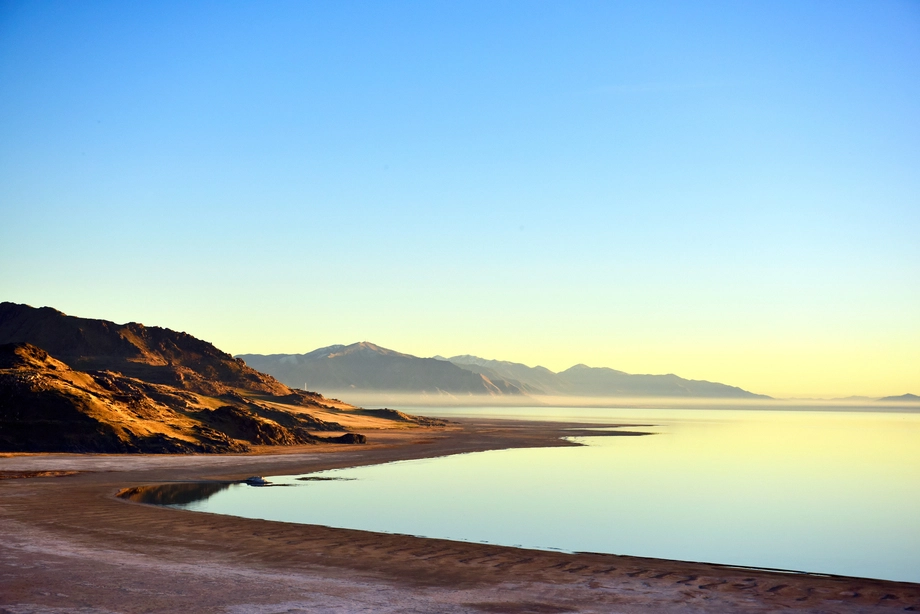 Antelope Island Sunset Wildlife Expedition – Great Salt Lake Odyssey
 Salt Lake City – The City of Zion. Historical Interactive Walking Tour
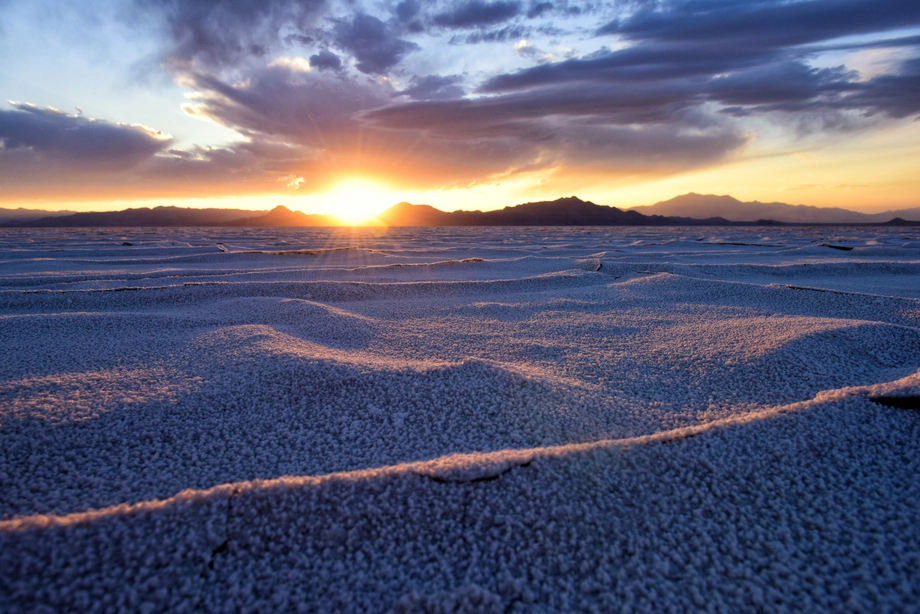 Bonneville Salt Flats – Sunset Adventure of the White Desert
 Antelope Island – Wild Heart of the Great Salt Lake Adventure
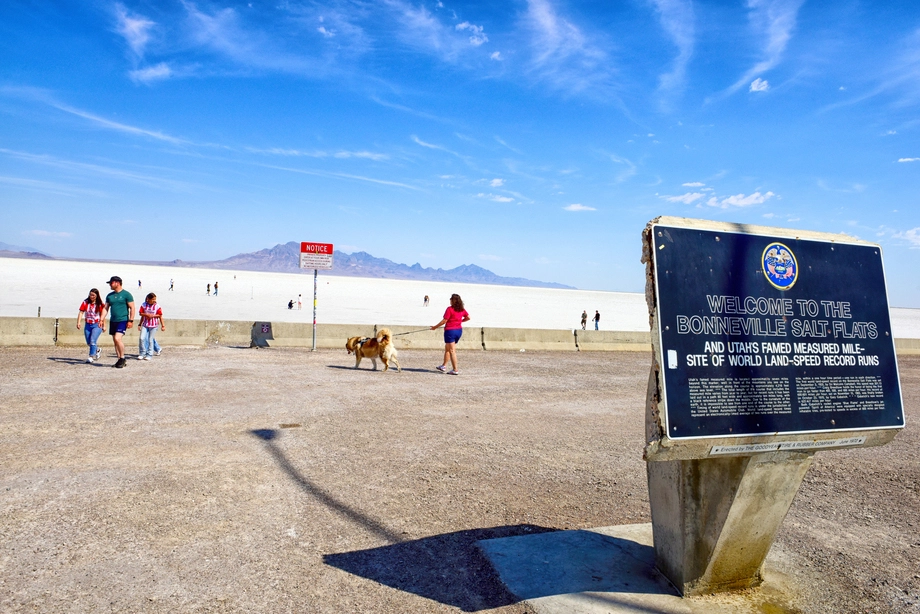 Bonneville Salt Flats – Journey to the Edge of the World