
Two-day scenic drive loop Salt Lake City to Bryce and Zion with stops
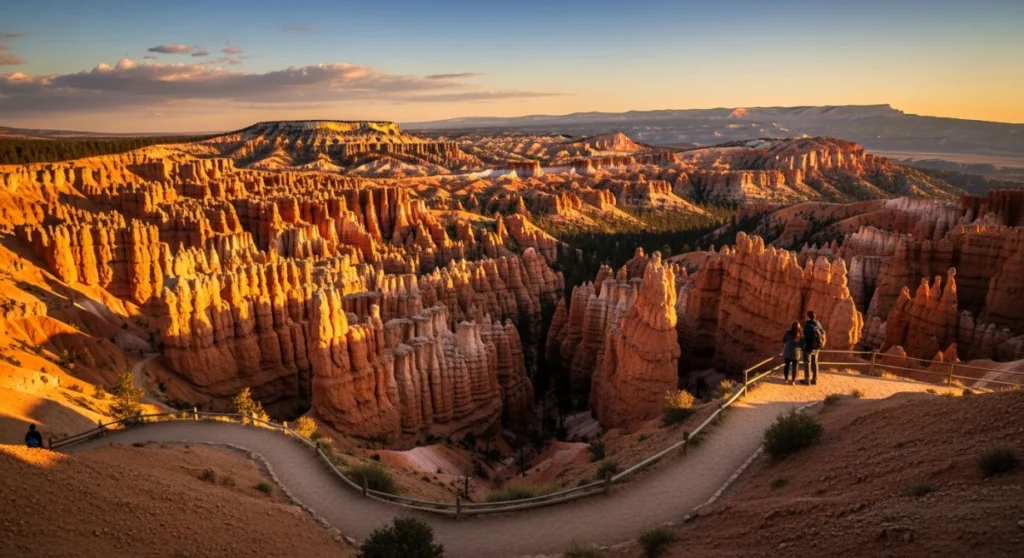
Drive SLC–Bryce on day one for sunset, then Bryce sunrise and a focused Zion shuttle visit on day two before returning. Build in weather, shuttle, and fatigue buffers to keep photo stops relaxed.
Most travelers underestimate how brutal it feels to rush from Salt Lake City to Bryce and Zion in one day, then realize too late that all the great photos happen when the light is best and the parking lots are full. With park shuttles, high elevation, and a lot of miles in the car, a fast trip can easily turn into a stressful blur of viewpoints instead of a smooth, scenic loop. The good news is that with a realistic two-day plan and smart timing, you can hit the classic overlooks, grab memorable shots, and still roll back into Salt Lake City feeling human.
This guide lays out a concrete two-day scenic drive loop Salt Lake City to Bryce and Zion with stops, broken into clear variants so you can match the route to your pace, driving comfort, and photography goals.
Choose your loop style: three variants from Salt Lake City
Before you lock in hotels or tours, decide what kind of traveler you are on this trip. The drive from Salt Lake City to Bryce Canyon via I‑15 and US‑89 is about 270 miles and roughly four and a half hours with no stops, so how you structure those hours matters more than squeezing in “one more viewpoint.”
Variant A: Photo-first, relaxed mileage
This version suits travelers who want great photos at Bryce and a taste of Zion without feeling rushed. You prioritize sunrise and golden-hour light at Bryce and accept that you will see Zion from key roadside and shuttle-accessible stops instead of longer hikes.
- Day 1 focus: Drive Salt Lake City to Bryce with 2–3 short roadside/photo breaks, sunset at Bryce viewpoints, early night.
- Day 2 focus: Sunrise at Bryce, late morning transfer to Zion, a few Zion canyon views, then straight return to Salt Lake City.
- Best for: Couples, families, and photographers who value light and atmosphere over checking off every stop.
Variant B: Balanced loop with short hikes
If you like a bit of walking and do not mind a full but not extreme day, this variant fits. You still anchor sunrise or sunset at Bryce, but you also add one or two short, clearly defined walks in each park instead of only overlooks.
- Day 1 focus: Drive to Bryce, walk along the rim between Sunrise and Sunset Points, optional short trail near the edge, sunset at Bryce.
- Day 2 focus: Early departure to Zion, quick shuttle-based walks to viewpoints, return to Salt Lake City in the evening.
- Best for: Travelers comfortable with light to moderate walking who still want to be back in Salt Lake City after two days.
Variant C: Mileage-heavy “see it all” push
This option is for drivers who are comfortable with early starts and late returns and want as much coverage as possible in two days. It is demanding but can work if everyone in the vehicle shares the same pace and expectations.
- Day 1 focus: Limited stops on the drive down, rim walk plus one short trail in Bryce, more viewpoints after dinner if daylight allows.
- Day 2 focus: Early arrival to Zion canyon, several shuttle stops, one short canyon walk, return to Salt Lake City at night.
- Best for: Small groups of adults with shared driving and no need for long breaks.
If you do not want to handle any driving or parking at all, consider organized Utah national parks tours from Salt Lake City that include transport, clearly described walking levels, and a guide who manages timing and viewpoints for you.
Day-by-day timeline for a realistic 2‑day loop
The timeline below assumes a start in downtown Salt Lake City and an overnight near Bryce Canyon. Adjust the clock slightly for your departure point and season, but keep the structure: long drive first, slow down in the parks during good light.
Day 1: Salt Lake City to Bryce Canyon with sunset views
Core idea: cover the long north–south distance early, then slow down once you reach high ground near Bryce. Plan for around 5–6 hours total travel time including breaks.
- 6:30–7:00 a.m.: Depart Salt Lake City, pick up coffee and snacks before hitting I‑15 South.
- 9:30–10:00 a.m.: Short rest and fuel stop along I‑15. Use this for bathroom, fuel, and a quick stretch, not a long meal.
- 11:30 a.m.–12:30 p.m.: Transition from interstate to US‑89, then toward Bryce. Stop at one roadside viewpoint for an initial landscape photo if timing and weather allow.
- 1:00–2:00 p.m.: Check in to Bryce area lodging or at least confirm your room timing. Have a late lunch so you are free for afternoon light.
- 3:00–5:00 p.m.: Enter Bryce Canyon National Park, visit the main amphitheater viewpoints. Prioritize Sunrise Point and Sunset Point, which deliver classic hoodoo views without long walks.
- Golden hour to sunset: Stay near the rim. Walk the paved path between the two main points and scout multiple angles to catch the hoodoos as the light warms.
- Evening: Dinner near Bryce. Early sleep if you plan for sunrise photography the next day, especially since elevation over 8,000 feet can make you feel more tired.
Day 2: Sunrise at Bryce, then Zion and back to Salt Lake City
Day 2 is about stacking high-impact views efficiently, while respecting that Zion’s main canyon uses a shuttle system from March through November.
- Pre‑sunrise: Dress warmly and check the temperature. Bryce sits above 8,000 feet, so it can feel cold even when Salt Lake City and Zion are mild.
- Sunrise: Set up at Sunrise Point or along the rim walkway. The low-angle light creates strong contrast and color on the hoodoos.
- 8:00–9:00 a.m.: Quick breakfast, check out of lodging, and start the drive toward Zion. Aim to be on the road by mid‑morning.
- Late morning–early afternoon: Drive toward Zion National Park, entering from the east if you route that way. Take 1–2 brief pullouts for photos, but avoid turning this leg into a long sightseeing detour.
- Early afternoon: Arrive at Zion, park where allowed, then use the shuttle into Zion Canyon if it is operating. Pick 2–3 shuttle stops with short, clearly marked walks to overlooks and river views.
- Late afternoon: Start the return drive to Salt Lake City. Plan for a straightforward trip back with only essential food and fuel stops.
- Evening: Arrive back in Salt Lake City. If you still have energy another day, local walking tours in the city center offer a slower-paced way to digest the trip and learn the story behind the streets you are staying on.
You found a hidden promo code!
Use code WOWBLOG at checkout and get 10% OFF any tour!
Limited time offer. Book now and save!
Browse ToursBuilt‑in buffers and backup options
Even the best timeline falls apart without margin. Weather, shuttle lines, and simple fatigue can derail a tight schedule. Add specific buffers so small problems do not cost you your key viewpoints.
Weather and elevation buffers
- Bryce weather gap: Check both Bryce and Zion forecasts, not just one. Bryce can have snow or cold wind while Zion feels like spring. If conditions at Bryce are poor, spend more time on the drive and in Zion’s lower elevation instead of forcing long outdoor time in bad weather.
- High‑altitude fatigue: Plan your most demanding walks at Bryce later in the afternoon on Day 1, after you have had time to adjust a bit to the elevation, and keep sunrise morning to rim‑side viewpoints rather than steep descents.
Zion shuttle and access buffers
- Shuttle wait times: During shuttle season, add a 30–45 minute cushion in Zion for queuing before your first ride. If lines are longer than expected, cut one stop rather than rushing all of them.
- Parking fallback: If core parking is full, be ready to use legal parking farther out and walk a bit more or reduce the number of shuttle stops you attempt.
Route and timing backups
- Late departure from Salt Lake City: If you do not leave until mid‑morning on Day 1, shift expectations. Focus only on one major Bryce viewpoint plus sunset and skip extra side roads on the way down.
- Slow group pace: If someone in your group walks slowly, treat every rim path as round‑trip and cut any plan that requires going down into the canyon and back up in a short time window.
- Photography backup: If clouds block sunrise, use the softer light to capture details, patterns, and tighter shots of hoodoos, then try again with wider landscapes at sunset or during your time in Zion canyon.
Time and budget load by phase
It helps to see where your hours and main costs cluster. That way you can decide whether to self‑drive or hand part of the logistics to a guided service.
| Phase | Approx. driving time | On‑foot time | Main purpose |
|---|---|---|---|
| Salt Lake City → Bryce (Day 1) | 4.5–5 hours with short breaks | Minimal (quick stops) | Cover distance and arrive with time for afternoon light |
| Bryce viewpoints (Day 1 p.m.) | <1 hour in‑park driving | 2–3 hours on foot | Photograph amphitheater, sunset, short rim walks |
| Bryce sunrise and departure (Day 2 a.m.) | <1 hour in‑park | 1.5–2 hours on foot | Sunrise photography and final Bryce views |
| Bryce → Zion | 2–3 hours | Very light | Position for Zion canyon visit |
| Zion canyon visit | 1 hour shuttle time | 2–4 hours walking | Riverside and cliff views, short canyon walks |
| Zion → Salt Lake City | 4.5–5 hours | Minimal | Return to base |
Budget‑wise, you juggle fuel, park entries, lodging, food, and any guided experiences. A simple breakdown helps you predict the overall load.
| Cost category | Self‑drive loop | Guided options from SLC |
|---|---|---|
| Transport | Fuel, vehicle wear, possible rental | Round‑trip transport included in tour price |
| Park access | Paid directly at park entry stations | Often included in tour descriptions when applicable |
| Guiding & commentary | None, self‑researched | Local guides explain geology, history, and stories |
| Flexibility | Full control over stops and timing | Structured schedule with clearly stated duration and pace |
| Effort | Self‑managed navigation, parking, and timing | Logistics handled by operator, you focus on walking and photos |
Some visitors choose one intense self driving tour of Utah national parks, then add a lighter half‑day guided trip near Salt Lake City, such as a small‑group walking tour through downtown streets and historic buildings, to balance the overall experience.
Pre‑start checklist specific to this loop
A focused checklist reduces in‑car stress and protects your limited photo windows. Run through these items a day before departure, not the morning of.
- Weather check for both parks: Look at Bryce and Zion forecasts separately so you pack layers for Bryce’s cold and Zion’s milder temperatures.
- Vehicle readiness: Ensure fuel, tires, and lights are in good shape. If you are in a rental, confirm how to reach roadside assistance if needed.
- Park details: Verify current shuttle operations for Zion Canyon, and note any access changes or construction.
- Timing notes: Write down planned sunrise and sunset times, along with your target arrival windows at Bryce viewpoints.
- Photo gear: Charge batteries, clear memory cards, and pack a simple kit you can carry easily during rim walks and shuttle rides.
- Personal comfort: Pack water, light snacks, and simple warm layers. High elevation at Bryce can feel much colder than you expect.
Practical photo‑stop strategies in Bryce and Zion
Two days sounds short until you realize how many hours you actually have outside the car. Use each stop deliberately rather than hopping in and out at every turnout.
Bryce Canyon: working with light and altitude
Bryce’s main amphitheater is concentrated around a few major vantage points, which is great news for a short loop. You can get a lot of variety in your photos without long trail commitments.
- Anchor two points: Make Sunrise Point and Sunset Point your home base. Walk the paved path between them to find changing angles, foregrounds, and leading lines.
- Use the rim path: Even a 20–30 minute stroll gives you new compositions without deep elevation loss, which helps if the altitude is affecting you.
- Layer clothing: Temperatures shift fast at 8,000 feet. Dress in layers so you can stay patient through sunrise and sunset instead of retreating early because of cold.
Early and late in the day, Bryce Canyon’s hoodoos glow with warm light that brings out rich reds and oranges, especially when viewed from the main amphitheater rim.
Zion: maximizing a shuttle‑based visit
Zion Canyon concentrates many dramatic cliffs and river scenes along a single corridor. The shuttle system from March through November means less driving but more timing discipline.
- Pick a few stops: Instead of trying to visit every shuttle stop, choose two or three where you can spend real time walking and framing shots.
- Keep gear simple: You will be on and off shuttles and on short walks, so favor a compact setup that lets you react quickly to changing light between cliff faces.
- Watch your return time: Leave the canyon with enough daylight to start your drive back toward Salt Lake City, especially if you have a long leg ahead.

Realistic scenarios: who this loop works for
Scenario 1: Couple with only one free weekend
A couple flies into Salt Lake City on Friday, joins a small downtown walking tour that evening to get oriented and stretch their legs, then starts the drive south early Saturday. They follow Variant A, focusing on Bryce’s golden light and one or two short Zion canyon walks, and return Sunday night.
They accept that they will not see every overlook but come home with strong sunrise and sunset shots, plus a sense of the region’s geology from tour commentary in the city and self‑guided park signs in the canyons.
Scenario 2: Friends who want less planning, more context
A group of friends has four days in Utah and decides two will go to a self‑drive loop and two to guided experiences. They do the loop as Variant B, then book one of the best tours of Utah national parks from Salt Lake City for another day, where transport, timing, and walking routes are all pre‑planned.
The self‑drive days give them freedom over stops and pace, while the guided day deepens their understanding with local stories and structured itineraries, including clear notes about duration and walking level.
When a guided tour from Salt Lake City makes more sense
Self‑driving gives maximum flexibility, but it is not for everyone. If you are uneasy about long distances, unfamiliar mountain roads, or park shuttle systems, a guided option can eliminate most friction.
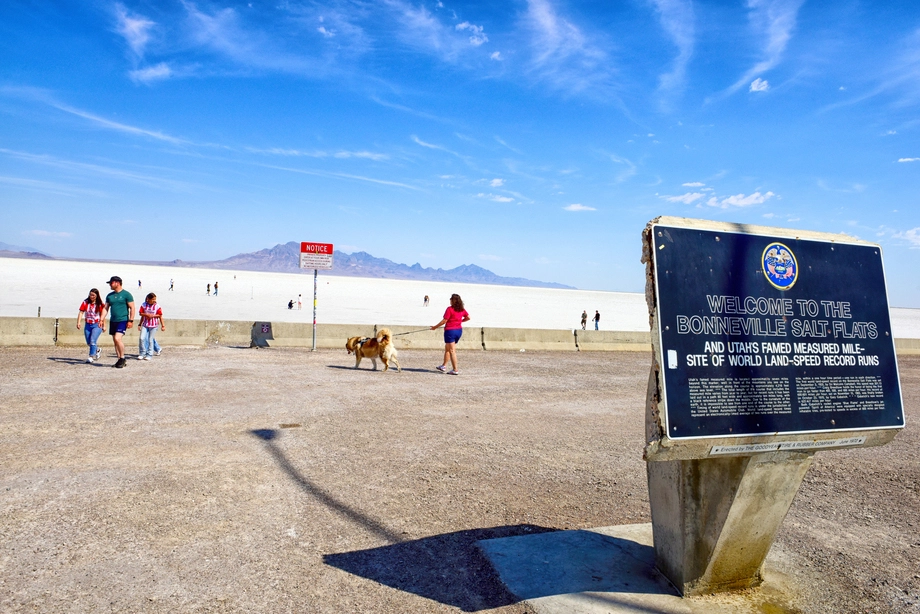
From Salt Lake City, there are small‑group Utah national park trips and other scenic day tours with round‑trip transport, commentary about geology and history, and clearly stated schedules. Some itineraries focus on landscapes like the Bonneville Salt Flats or Antelope Island, while others highlight city history through downtown walking routes with local guides and small groups.
Services like MateiTravel design these tours for visitors who want impactful days outdoors without managing every detail themselves. You get defined start and end times, guidance on walking effort, and curated viewpoints for photography, while someone else handles driving and navigation.
Common planning mistakes to avoid on this 2‑day loop
Certain problems come up over and over for short trips between Salt Lake City, Bryce, and Zion. Being aware of them makes your plan more resilient.
- Underestimating elevation at Bryce: Treat Bryce as high‑mountain terrain, not just another roadside stop. Protect time for rest, hydration, and extra clothing.
- Ignoring shuttle timing in Zion: Assuming you can drive the scenic canyon road in peak months leads to frustration. Plan around the shuttle and lines.
- Over‑packing the itinerary: Writing down every named viewpoint is a recipe for rushing. Choose fewer stops and give each more time.
- Starting the loop too late: A mid‑day departure from Salt Lake City cuts deeply into your golden light at Bryce. Aim for early morning wheels‑up whenever possible.
- No backup if someone tires out: Include easy, short walks near parking areas so anyone can opt out without missing all the scenery.
Key takeaways for your two‑day loop
A tight but rewarding two‑day loop from Salt Lake City to Bryce and Zion hinges on early departures, honest assessment of your walking and driving comfort, and respect for elevation and shuttle systems. Anchor your timing around sunrise and sunset at Bryce, then treat Zion as a focused, shuttle‑based highlight reel rather than a place to explore every corner.
Build in specific buffers for weather, parking, and group energy so you can adjust without losing your must‑see viewpoints. Combine solid self‑planning with selective use of guided experiences, whether that means a city walking tour or a longer Utah park itinerary, to make the most of a short Utah stay.
If you prefer to let experienced planners handle logistics while you focus on walking and photography, MateiTravel can match you with small‑group tours that fit around your two‑day loop or replace it entirely.
Is a two-day loop from Salt Lake City to Bryce and Zion realistic?
Yes, if you focus on a few high-impact viewpoints and keep driving efficient. Plan early departures and limit the number of walks so you are not rushing between parks.
Which park should I prioritize for sunrise and sunset photos?
Bryce Canyon is the better choice for both sunrise and sunset because its hoodoos and amphitheater respond dramatically to low-angle light along the main rim viewpoints.
How much walking is required for this two-day itinerary?
You can keep it to short rim paths at Bryce and brief walks from Zion shuttle stops. Expect a few hours on foot each day, with optional extra trails if your group has more energy.
What is the biggest planning mistake people make on this loop?
Many travelers underestimate the combined impact of long drives, high elevation at Bryce, and shuttle logistics at Zion, then overbook stops and arrive late to key photo windows.
How should I prepare for Bryce Canyon’s higher elevation?
Bring warm layers, drink water regularly, and keep your most strenuous walking to short stretches. Treat longer hikes as optional rather than essential elements of the plan.
Can I still enjoy Zion if the shuttle lines are long?
Yes, by limiting yourself to two or three well-chosen shuttle stops and spending more time at each instead of trying to see the entire canyon in a single afternoon.
When does it make sense to book a guided tour instead of self-driving?
If you dislike long-distance driving, worry about parking, or want structured commentary and timing, a guided tour from Salt Lake City can replace or complement the self-drive loop.
How far in advance should I check weather for this trip?
Look at forecasts a few days before departure and again the night before, paying attention to both Bryce’s colder, higher elevation and Zion’s milder conditions.
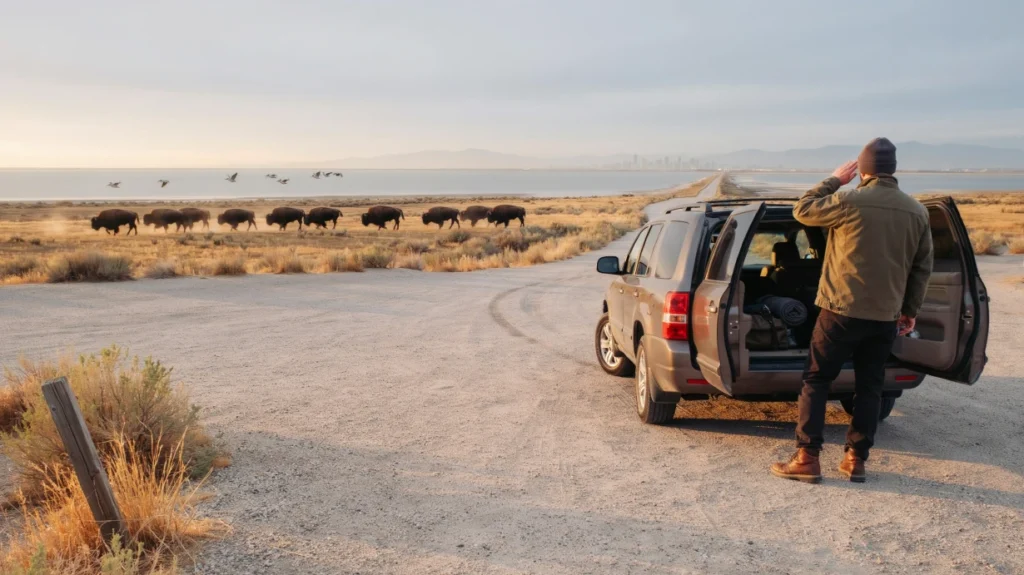 Antelope Island Day Tour or Sunset Wildlife Tour: Which Fits Your Salt Lake City Schedule?
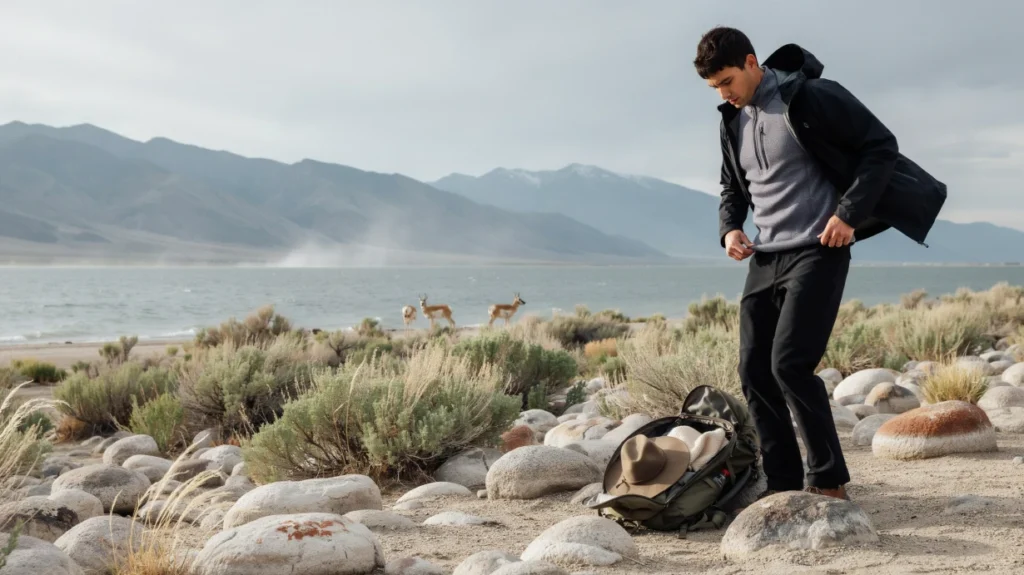 How to Dress for Changing Weather on Antelope Island
 How to Photograph People at Bonneville Salt Flats at Sunset
 How to Dress for Wind and Glare at Bonneville Salt Flats
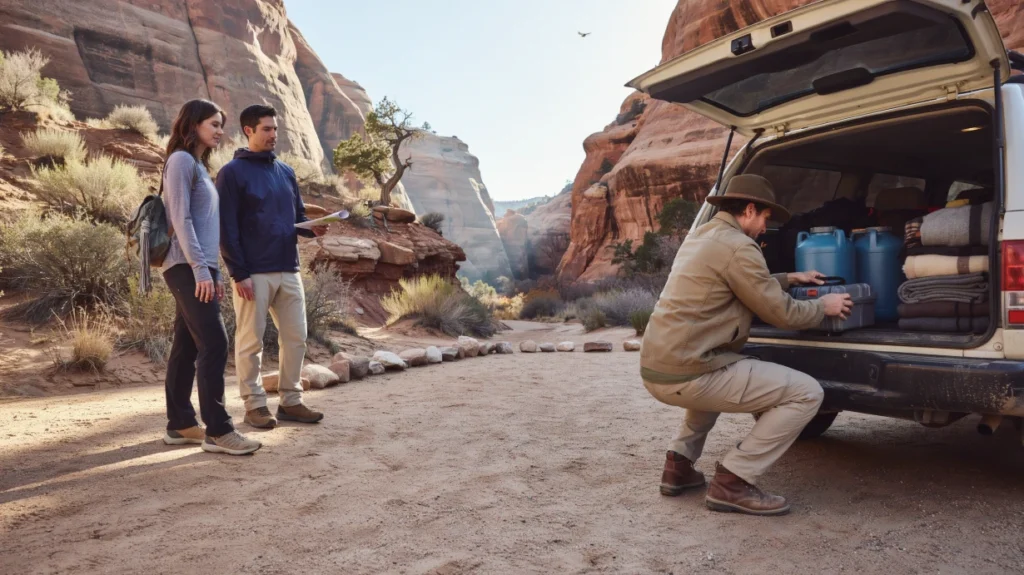 What a Guide-Led Utah Day Tour Handles for You
 Why Wildlife Sightings Cannot Be Guaranteed on Antelope Island

The tour was great and beautiful. Dima, the tour guide, explained everything clearly and had some...
Read more →What a beautiful experience! The drive is about 2 hours one way with interesting scenery the...
Read more →(From North Carolina on a business trip) '+ 'HANDS DOWN the best tour/guide I’ve ever had. And...
Read more →Went to Antelope Island. Terrible. Tour guide didn\'t do what he said he was going to...
Read more → Antelope Island – Wild Heart of the Great Salt Lake Adventure
 Antelope Island Sunset Wildlife Expedition – Great Salt Lake Odyssey
 Bonneville Salt Flats – Sunset Adventure of the White Desert
 Bonneville Salt Flats – Journey to the Edge of the World