
Salt Lake City Transport: How to Reach Your Tour Start Without Stress (самостійний тур по Солт-Лейк-Сіті)
Jan 4, 2026
Use TRAX, buses, or short walks for downtown Salt Lake City tour starts, and rely on organized transfers for ski and national park trips. Allow buffer time and avoid driving downtown when not necessary.
Getting to the right starting point on time often matters as much as choosing the tour itself. In Salt Lake City, visitors juggle airport arrivals, hotel check-ins, public transit schedules, and mountain weather before they even meet their guide. From my experience working with city and Utah tour logistics, the difference between a relaxed start and a rushed one usually comes down to understanding a few key transport options and planning around them.
This article walks you step by step through how to reach common tour starting locations in Salt Lake City and beyond. You will learn how to use TRAX light rail, buses, bike share, scooters, and rideshares, plus what to consider if you plan a self-guided driving tour in Salt Lake City instead of joining a group. We will look at typical starting points for downtown walking tours, one day ski trips, national park tours, and other day trips from the city, along with pros and cons, practical examples, and common mistakes to avoid.
By the end, you will know exactly which transport option fits your schedule, budget, and comfort level so you can start your tour calm, on time, and ready to enjoy Utah rather than worrying about how you will get there.
How do most tours from Salt Lake City start and where do you need to be?
Typical starting points for downtown walking tours
Most guided walking tours in downtown Salt Lake City meet near central landmarks that are easy to reach by public transit, on foot, or by bike. Starting locations are usually within the compact core where UTA’s TRAX light rail and buses operate in a Free Fare Zone, so you can ride between downtown stops at no charge.
For example, Salt Lake City walking tours with local guides typically begin close to well known historic buildings and public squares. Groups stay small so you can ask questions, which makes these tours ideal on your first full day in the city. Detailed descriptions usually specify the exact corner, meeting time, walking distance, and elevation changes, so you know what to expect.
Starting points for ski day trips from Salt Lake City
One day tours to Utah’s ski resorts normally start in Salt Lake City, then include a transfer to the mountains. The aim is to give you flexible time on the slopes without needing to learn local parking rules, canyon traffic patterns, or winter driving conditions.
Pickups can be from central downtown hotels, designated bus stops, or park and ride lots. Because the tour operator handles timing and orientation at the resort, this option works especially well for couples, groups of friends, and families who want a structured but relaxed ski day.
Where national park tours and day trips usually depart
Tours to Utah’s national parks from Salt Lake City also start in the city itself. Operators focus on taking guests from the urban hub to major destinations like Zion, Bryce Canyon, Arches, Canyonlands, and Capitol Reef. They coordinate transfers, scenic drive stops, and short hikes so you can see the “Mighty Five” without managing long-distance driving or accommodation near each park.
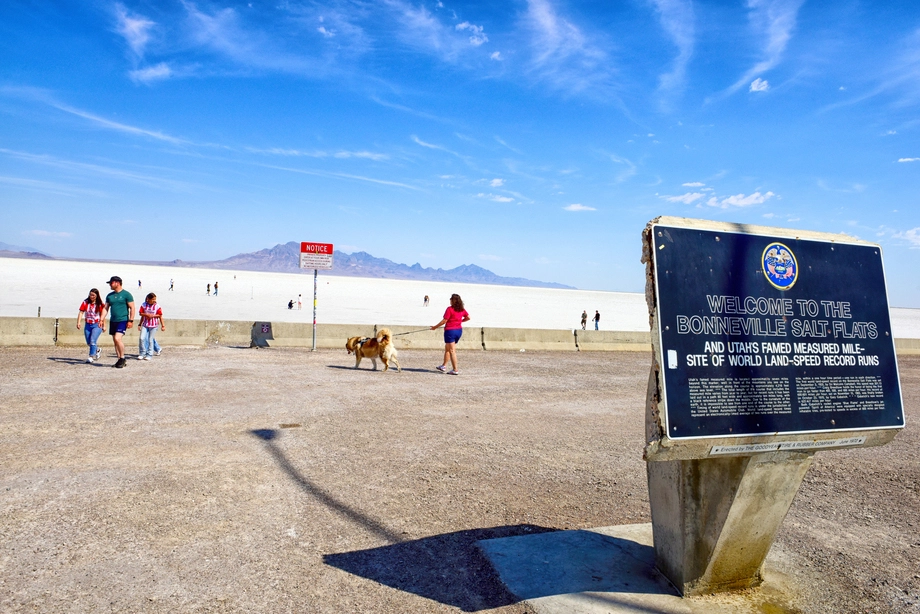
Similarly, one day tours to places such as the Bonneville Salt Flats or Antelope Island depart from meeting points within the city. These trips balance time on the road with time at key viewpoints and short walking sections, which is especially helpful when your travel schedule is tight.
What are your main transport options inside Salt Lake City?
TRAX light rail for fast access, including from the airport
Salt Lake City’s TRAX light rail is one of the most efficient ways to reach downtown meeting spots. The Green Line connects the airport with the city center, with trains typically running every fifteen minutes. On weekdays, Green Line service generally operates from around 5 a.m. until midnight, which suits early tour check-ins and later evening returns.
The single ride fare for TRAX is $2.50, but travel within the downtown Free Fare Zone costs nothing as long as you board and exit within that area. That makes it easy to move from your hotel to a central walking tour start or to a bus connection for a longer day trip.
UTA buses, including access to suburbs and ski buses
UTA buses cover most of the urban area around Salt Lake City and also use the same $2.50 single ride fare. They link neighborhoods to downtown TRAX stations and, in winter, there are dedicated ski bus routes that run to nearby mountain resorts. That network is designed to be fully accessible, which supports travelers with mobility needs.
Buses can be slightly slower than light rail due to traffic, yet they are useful if your hotel lies outside walking distance of TRAX or if you are heading toward park and ride locations for ski or national park tours.
FrontRunner for regional connections along the Wasatch Front
If you are staying in cities north or south of Salt Lake City, the FrontRunner commuter train connects Ogden through Salt Lake City to Provo. This can be a reliable way to reach the city early in the morning to join a tour, then return in the evening without driving.
FrontRunner is especially practical if you prefer to spend a few nights in a quieter town but still want to join downtown walking tours or day trips that depart from Salt Lake City.
GREENbike, scooters, and walking in the compact city center
Inside the central grid, distances between tour meeting points are often walkable. Many visitors choose to walk to downtown gathering spots, especially when joining a self-guided tour in Salt Lake City or a small group led by a local guide.
For slightly longer distances, GREENbike offers a bike sharing service that provides an eco friendly option for quickly getting across downtown. Electric scooters from Lime are also widely available at many city locations. They allow you to cover the last mile from a TRAX stop to your starting point in a few minutes, as long as you are comfortable riding in city traffic.
You found a hidden promo code!
Use code WOWBLOG at checkout and get 10% OFF any tour!
Limited time offer. Book now and save!
Browse ToursHow does airport arrival connect with your tour start time?
Using the TRAX Green Line from the airport
When you land at Salt Lake City International Airport and have a tour that same day, the TRAX Green Line is usually the simplest connection to downtown. Because trains run about every fifteen minutes, your wait time is short. You can estimate around thirty to forty minutes from leaving the terminal to stepping off in the city center, including walking and waiting.
From a downtown TRAX station, you can either walk, ride a bike or scooter, or transfer to a bus within the Free Fare Zone to reach your hotel or direct meeting point. This works particularly well if you are joining an afternoon Salt Lake City walking tour on your arrival day.
When rideshare or taxi makes more sense
If you are traveling with a lot of luggage, young children, or have limited time between landing and your tour start, a rideshare or taxi can be more convenient. They bring you directly to your accommodation or meeting spot without transfers.
This option is also useful late at night or very early in the morning when you want door to door service and do not want to check timetables. The tradeoff is higher cost compared with the $2.50 public transit fare.
Timing your arrival for early morning departures
Many national park and ski trips depart early, often around sunrise or soon after. If you plan to join one of these the morning after you arrive, build enough buffer between your flight and bedtime in case of delays. Staying at a hotel within walking distance of downtown pickup points reduces the risk of missing an early departure.
For travelers planning a self guided driving tour in Salt Lake City with an early start to the mountains or desert, consider collecting your rental car the evening before rather than the same morning. That way, you are not trying to handle rental paperwork right before meeting your schedule.
Public transit vs car for reaching tour starts: how do they compare?
Key differences at a glance
Choosing between public transit and a car depends on your comfort with city driving, parking availability, and how flexible your schedule needs to be. In many cases, a combination works best. You might use TRAX and walking inside downtown, then a guided tour handles driving beyond the city.
The comparison below summarizes main factors for getting to tour starting points.
| Option | Best for | Typical cost | Main advantages | Main limitations |
|---|---|---|---|---|
| TRAX light rail | Airport to downtown, Free Fare Zone movement | $2.50 per ride | Frequent, predictable, avoids traffic, free in downtown zone | Fixed routes, may need walking or transfer |
| UTA buses | Neighborhoods to downtown, ski buses in winter | $2.50 per ride | Extensive coverage, accessible design | Slower due to traffic, timetable dependent |
| Rideshare/Taxi | Late arrivals, tight connections, heavy luggage | Higher, distance based | Door to door convenience, no transfers | More expensive, subject to traffic |
| Rental car | Self guided driving and regional exploring | Daily rental + fuel + parking | Maximum flexibility, supports a Солт-Лейк-Сіті self guided tour | Parking, city traffic, winter driving challenges |
| Bike/Scooter | Short downtown hops | Per minute or pass based | Fast for last mile, fun, eco friendly | Weather dependent, requires comfort in traffic |
When public transit is the smarter choice
In short, public transit shines when your tour starts in the city center or when your operator already includes transfers out of town. Taking TRAX from the airport and using the Free Fare Zone for downtown movement keeps your costs low and your stress minimal.
Using buses or TRAX is also more predictable than driving if you are not familiar with local rush hours or construction zones. Since UTA services are designed to be accessible, they can also be a better choice for travelers who prefer step free access.
When a car works better, especially for self guided plans
A rental car becomes more useful if you plan a Солт-Лейк-Сіті self guided tour that involves multiple neighborhoods, viewpoints outside the center, or spontaneous side trips. It also matters if your accommodation lies outside the main transit corridors or if you want to drive to trailheads that are not served by buses.
However, within city limits you may still prefer to park the car at your hotel and rely on walking or transit to reach tightly timed group tour starts. This hybrid approach keeps you flexible without fighting for downtown parking at peak times.
Pros and cons of different ways to get to your tour start
Advantages of using organized tours and public transit
- Lower stress: Guided day trips to ski resorts, national parks, or nearby attractions handle the complex parts of driving, navigation, and parking for you.
- Cost control: With public transit fares at $2.50 per ride and a Free Fare Zone downtown, you can move around the city affordably.
- Accessibility: UTA’s buses and TRAX are designed with accessibility in mind, which supports travelers with mobility or sensory needs.
- Local insight: Local guides on downtown walking tours and day trips share context about history, planning, and development that you would likely miss alone.
- Time efficiency: Pre planned routes balance driving time with time at viewpoints, so you see more without overloading your schedule.
Limitations and tradeoffs to be aware of
- Fixed schedules: Tours depart at set times and public transit follows a timetable, so you must plan carefully and avoid last minute changes.
- Less spontaneity: Compared with a самостійний driving tour of Salt Lake City, group itineraries leave less room for unplanned detours or extended stops.
- Potential crowding: Buses, light rail, and popular tours can be busy during peak seasons, which may mean standing or less personal space.
- Weather sensitivity: Bikes, scooters, and some outdoor meeting points are less pleasant in rain, snow, or extreme heat, so backups are wise.
- Parking constraints: If you do drive, downtown parking near tour starts can be limited or paid, which adds another detail to manage.
Real world examples: how different travelers reach their tour starts
Example 1: First time visitor with a downtown walking tour
Imagine a traveler landing in Salt Lake City late morning and staying at a hotel near the central grid. They have booked an afternoon group walking tour that explores historic buildings and hidden corners with a local guide. The meeting point is a prominent downtown square.
They take the TRAX Green Line from the airport, paying $2.50 for the ride to downtown. Once in the Free Fare Zone, they walk ten minutes to the hotel, drop their luggage, and then stroll to the tour start fifteen minutes before departure. No car rental, no traffic concerns, and no stress about parking, just a calm beginning to their stay.
Example 2: Family ski day without driving mountain roads
A family of four arrives the night before a winter ski day. They prefer not to drive canyon roads in snow. They book a one day ski tour from Salt Lake City with transfers included. The pickup is outside a central hotel which they chose deliberately.
On the day, they simply walk out of the lobby at the scheduled time, meet the guide, and ride the transfer bus to the resort. Once there, the guide helps them orient themselves on the slopes and suggests runs suitable for parents and kids. The family enjoys flexible time on the mountain while the operator manages timing, local information, and the drive back.
Example 3: Self guided driver combining city and nature
Another traveler wants the freedom of a самостійний tour of Salt Lake City combined with short guided excursions. They rent a car on arrival and use it to visit viewpoints and neighborhoods outside the transit network. However, they park at the hotel when joining a small downtown walking tour so they do not have to search for space near the meeting point.
Later in the trip, they join an organized day tour from Salt Lake City to Antelope Island. This way, they still benefit from the guide’s knowledge and structured timing for wildlife viewing while keeping the flexibility of their rental car for other days.
Common mistakes when getting to tour starting points
Underestimating transfer and walking time
One frequent error is assuming that a fifteen minute TRAX ride means fifteen minutes from hotel to meeting point. In reality, you need to add time for walking to the station, waiting for the next train, and walking at the other end. Not doing so can leave you jogging the last blocks or arriving late.
A good rule is to add at least fifteen to twenty extra minutes to any connection that involves transit and walking, especially if you are unfamiliar with the streets.
Confusing the Free Fare Zone limits
Another mistake is thinking that all TRAX and buses are free everywhere. The Free Fare Zone only covers specific downtown stops where both boarding and exiting occur within that zone. Boarding outside and exiting inside still requires a valid fare.
Not understanding this can cause frustration or fines. Always check whether both your start and finish are in the free section, and assume you need a ticket if you are unsure.
Booking tours too close to flight times
Some travelers schedule a tour start too soon after landing or too close to their departing flight. This leaves no buffer for delays, baggage wait times, or unexpected transit issues. It is especially risky for early morning national park or ski departures, which rarely delay for late individuals.
Better to allow a generous window after your flight and, when possible, book city walking tours for your first full day rather than the afternoon you land.
Overreliance on a single transport option
Depending completely on one method, such as scooters or ride hailing, can backfire. Batteries run low, weather changes, or surge pricing appears at popular times. When you have a fixed departure, this can add unnecessary stress.
Always have a backup like walking, TRAX, or a bus route in mind in case your first choice fails or conditions change.

Practical tips to reach your tour start smoothly
Planning and timing strategies
- Check the exact meeting point: Note not only the address but which entrance, corner, or landmark your tour uses, especially in large squares or around big buildings.
- Arrive 20–30 minutes early: Aim to be at the meeting spot ahead of time, then get coffee or water nearby rather than cutting it close.
- Use mapping tools the night before: Look up transit connections, walking routes, and estimated times a day in advance, including alternatives if one option runs late.
Transport choices that reduce stress
- Favor TRAX from the airport: The Green Line’s regular fifteen minute frequency and clear airport to downtown route make it a reliable first step.
- Stay close to downtown if possible: Booking accommodation near central stops or squares simplifies access to walking tours and day trip pickups.
- Combine car and transit smartly: For a самостійний driving tour of Salt Lake City, use your rental car for outer neighborhoods or day drives, but park it for downtown activities and join tours on foot or by TRAX.
Preparing for weather and accessibility
- Account for winter and heat: Allow extra walking time in snow or extreme summer heat and consider indoor waiting spots near your meeting point.
- Leverage UTA accessibility: If you have mobility needs, focus on UTA buses and TRAX, which are designed to be accessible, and inform your tour operator in advance.
- Pack essentials for the journey: Carry water, a small snack, and a printed or offline map in case your phone signal is weak or the battery runs low.
How does transport choice affect different types of tours from Salt Lake City?
Downtown walking tours with local guides
Guided walking tours in central Salt Lake City are built around compact routes with short distances and modest elevation changes. They are ideal as an orientation activity. Because groups are small, you can ask detailed questions about the city’s history, planning, and growth, and the guide can adjust slightly to group pace.
Public transit, walking, and bike share cover almost all needs for reaching these tours. A rental car offers little advantage in the dense core and can even be a liability due to parking.
One day ski tours and winter logistics
One day ski tours from Salt Lake City remove many of the typical winter travel challenges. With transfers included, guests avoid fitting snow chains, interpreting canyon signs, or guessing when to leave the resort to beat traffic. Guides help new skiers find suitable slopes and provide rapid access to local information that experienced riders value.
Since the tour handles mountain transport, your primary concern is simply getting from your accommodation to the pickup point on time. This is where a short walk, TRAX ride, or a quick taxi can be enough.
National park and nature day tours
Tours from Salt Lake City to national parks like Zion, Bryce Canyon, Arches, Canyonlands, and Capitol Reef focus on getting visitors from an urban base to remote landscapes efficiently. They include transfers, visits to key viewpoints, short hikes to arches, ridgelines, or canyon overlooks, and scenic drives with photo stops.
For these, using an organized tour instead of a completely самостійний tour in Salt Lake City and beyond means you can enjoy the scenery without monitoring long driving stretches or navigation in unfamiliar terrain.
One day trips across Utah for limited time travelers
Day tours to places such as the Bonneville Salt Flats or Antelope Island are designed for travelers with limited days who still want a strong impression of Utah’s open spaces and wildlife. Prices often start around $35, with most day trips around $99, depending on destination and inclusions.
These tours balance driving time and on site exploration, often with short guided walks. Because transport from Salt Lake City is already part of the package, your main planning task remains getting into the city and to the meeting spot in a reliable, low stress way.
Reaching your tour’s starting point in Salt Lake City does not need to be complicated. Once you understand how TRAX, buses, and the Free Fare Zone work, and when a car or rideshare makes more sense, you can match your transport choice to your schedule and comfort level. Organized tours cover the most demanding driving, whether that is winter canyon roads or long stretches to national parks, leaving you to focus on simply getting downtown on time.
Whether you lean toward a Солт-Лейк-Сіті self guided tour or prefer guided walking, ski, and national park experiences, a bit of planning around transit and timing goes a long way. If you want a low stress way to combine city history with Utah’s landscapes, consider coordinating your transport and excursions through MateiTravel so you spend your energy on exploration rather than logistics.
Sources
— Utah Transit Authority Planning Overview (2023)
— Salt Lake Regional Visitor Mobility Report (2023)
— Western US Guided Tours Market Insight, Travel Analytics Group (2024)
— Urban Walking Tours Best Practices, City Experience Collective (2022)
FAQ
How much does it cost to get from Salt Lake City airport to downtown by TRAX?
A single ride on UTA’s TRAX light rail, including the Green Line from the airport to downtown, costs $2.50. Once you are in the downtown Free Fare Zone, additional rides within that zone are free as long as you board and exit there.
What is the easiest way to reach a downtown walking tour start?
For most visitors, the easiest way is to stay at a downtown hotel, then walk or take a short TRAX ride within the Free Fare Zone to the meeting point. Many guided walking tours start near well known landmarks that are signposted and easy to find on foot.
Should I rent a car for a self guided tour of Salt Lake City?
A rental car is helpful if your self guided itinerary includes neighborhoods and viewpoints outside the center. However, for downtown walking tours and day trips that include transfers, it is often better to park the car and rely on walking or TRAX to avoid parking stress.
How early should I arrive at the meeting point before my tour departs?
It is wise to plan to be at the meeting spot 20–30 minutes before the stated departure time. This buffer covers minor transit delays, time to locate the exact corner or entrance, and a quick stop for water or a restroom if needed.
What if my flight is delayed and I have a tour booked the same day?
Booking tours too soon after arrival is risky because delays, baggage waits, and transfer times add up. If your flight is late and your tour is fixed, contact the operator as soon as possible, but it is better to schedule city walking tours for the first full day instead.
Are UTA buses and TRAX accessible for travelers with mobility needs?
Yes, UTA’s public transportation services, including TRAX and buses, are designed to be fully accessible. If you have specific needs, you should still let your tour operator know in advance so they can confirm that meeting points and routes are suitable.
When is rideshare or taxi better than public transit in Salt Lake City?
Rideshare or taxi is usually better late at night, very early in the morning, when you are traveling with heavy luggage or small children, or when you have very limited time between your arrival and the tour start. It offers door to door service but at higher cost.
How do ski day tours from Salt Lake City handle mountain transport?
One day ski tours include transfers from Salt Lake City to nearby resorts, so guests do not need to drive canyon roads or learn local parking rules. Guides help with orientation on the slopes and share local information that benefits both beginners and experienced skiers.
Can I rely on scooters or bikes alone to reach my meeting point?
Scooters and GREENbike are great for short downtown distances and last mile connections, but you should always have a backup like walking, TRAX, or a bus route. Weather, battery levels, or availability can change quickly, especially at peak times.
What is the main benefit of booking national park tours from Salt Lake City instead of driving myself?
National park tours from Salt Lake City handle long distance driving, park entry logistics, and timing for scenic stops and short hikes. This lets you focus on the landscapes rather than navigation and reduces fatigue, which is important on routes with many hours on the road.

 Bonneville Salt Flats – Sunset Adventure of the White Desert
 Antelope Island – Wild Heart of the Great Salt Lake Adventure
 Bonneville Salt Flats – Journey to the Edge of the World
 Salt Lake City – The City of Zion. Historical Interactive Walking Tour
 Antelope Island Sunset Wildlife Expedition – Great Salt Lake Odyssey