
Tours in Zion National Park, Utah: Booking Windows, Permits and Timing
Feb 24, 2026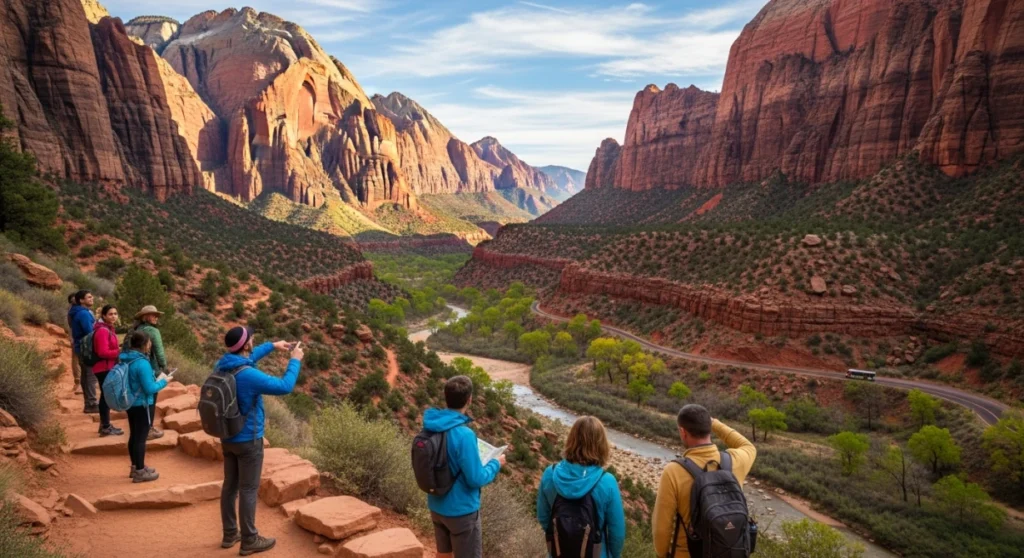
Book Zion guided hikes 30–45 days ahead in summer, apply for Angels Landing permits as soon as the lottery opens, and secure multi-park trips from Salt Lake City 1–3 months before peak dates.
Most people wait to plan Zion until flights are set and vacation is approved, then discover every good tour time is gone or Angels Landing permits are already assigned. That hurts even more now that demand for guided hikes, horseback rides and small-group Utah itineraries keeps climbing each year. To avoid that scramble, you need clear booking windows for each activity, not vague advice like “book early.”
The good news is that Zion follows predictable patterns. Guided hikes, permits and multi-park trips all have different reservation clocks, and once you match those to your travel dates, planning becomes straightforward. Let’s walk through when this planning method really matters, how to prepare, the timing for each major experience and what to do if your first-choice dates are already taken.
When you should (and shouldn’t) worry about booking early
Not every visitor needs to reserve months ahead. Some seasons and trip styles stay flexible, while others sell out fast and require disciplined planning. Use this section as a gate before you spend time on detailed scheduling.
Situations where you must plan ahead
- Peak summer trips: If you are visiting in June, July or August, assume high demand for guided hikes and plan on reserving at least several weeks in advance.
- Angels Landing as a “must-do”: If hiking Angels Landing is non‑negotiable for you, you need to work around the permit calendar first, then layer tours around that date.
- Multi-park itineraries from Salt Lake City: When you want a coordinated route that includes Zion plus other Utah national parks, advance planning protects limited small‑group spaces.
- Fixed work or school schedules: If your dates cannot move, early booking is your only leverage to get good times and activities.
Situations where last-minute can still work
- Shoulder seasons with flexible dates: Trips in late fall or early spring with wiggle room on arrival and departure tend to have more availability.
- No specific “bucket list” hike: If you are happy with general sightseeing and easier walks, you can often choose from remaining spots closer to arrival.
- Short add‑on from Salt Lake City: If you are mainly in Salt Lake City for business and only adding a quick visit to the desert, you might focus on what is available during that gap.
If you recognized yourself in the “must plan ahead” list, continue with the step‑by‑step workflow. If you are closer to the flexible side, you can skim the detailed timing and focus more on the fallback section.
What you need to know before choosing dates
Before you look at calendars or tour pages, define a few basics. These choices determine how strict your booking windows must be and what kinds of experiences fit your group.
Season, weather and crowd patterns
Summer brings long daylight, heat in the canyon and high visitor numbers. Guided hiking companies report that dates between June and August often fill 30 to 45 days ahead. Spring and fall offer milder weather, variable water levels and somewhat more flexibility. Winter can be quiet but also brings cold mornings and shorter days, which limits available tour time.
Decide what matters more: maximum daylight, cooler temperatures or thinner crowds. Once that priority is clear, you can narrow your target weeks, then look at how early to reserve within that window.
Your activity type and comfort level
Different activities have very different booking clocks. A beginner‑friendly interpretive walk is not under the same pressure as a technical guided route or a restricted‑access hike like Angels Landing. Think through your group’s preferences now.
- Guided hiking with a specialist company: These appeal to planners who want expert route selection and safety, especially in warmer months.
- Horseback rides: Great for mixed‑ability groups that want scenery with less physical strain, operating on a seasonal schedule.
- Permit‑controlled hikes: These obey government reservation windows, not tour availability.
- Multi‑day Utah itineraries from Salt Lake City: Ideal for travelers who want someone to handle long drives, park logistics and stories along the way.
Once you know your main experience type and season, you can apply the specific timelines below instead of guessing.
You found a hidden promo code!
Use code WOWBLOG at checkout and get 10% OFF any tour!
Limited time offer. Book now and save!
Browse ToursStep-by-step: how far in advance to book each key Zion experience
This section is your execution sequence. Move through the steps in order and stop when you reach the activity that defines your trip. Use the tables to double‑check suggested timing.
Step 1. Guided hiking tours in Zion Canyon
Specialized hiking providers advise reserving early in the summer period because popular dates and prime start times disappear fast. Between June and August, it is typical for dates to fill roughly 30 to 45 days before the hike.
For guided hiking between June and August, aim to confirm your chosen date at least one to one and a half months ahead to avoid relying on cancellations.
- Peak season rule of thumb: Book 45 days out if your schedule is rigid or you need a specific guide or route.
- Shoulder season rule of thumb: Around 21 to 30 days usually works if your dates are slightly flexible.
If you are also planning other Utah stops around Zion, lock in your most important guided hike first, then build the rest of the route around that anchor date.
Step 2. Angels Landing permits and how they affect tours
The Angels Landing route uses a permit system with strict, published application windows. For hiking dates that fall between January 1 and June 30, the lottery for advance permits opens on December 15 of the previous year. That means you often need to think about your spring or early‑summer hike before holiday season.
After the seasonal lottery, there is also a short‑notice application closer to the hike date, but you cannot assume those permits will be available on busy days. If this trail is central to your trip, your planning sequence should be:
- Confirm what date range you can travel.
- Apply for the permit as soon as the correct window opens.
- Only after a successful permit result, finalize guided tours and other Utah stops around that day.
If you do not secure a permit, treat that as a fork in the road and move to the fallback section for alternative hikes and experiences.
Step 3. Horseback riding tours on canyon trails
Horseback outfitters that operate near Zion usually run their season from roughly mid‑March through October 31, weather permitting. Within that window, weekend afternoons and holiday periods see the most pressure. While some same‑week spots may appear, you are safer if you plan ahead.
- For spring break, early summer or fall weekends: Reserve as soon as your travel dates are set so you can choose your preferred day and time.
- For midweek rides in shoulder periods: A few weeks’ lead time is often enough, though earlier is still better if you have children or specific time constraints.
If your group includes both strong hikers and people who prefer gentler options, book the ride first for everyone, then layer in a more demanding hike on a different morning or day.
Step 4. Multi-park routes and Zion national park tours from Salt Lake City
Many visitors prefer to start in Salt Lake City, then join a coordinated trip that includes scenic drives, famous overlooks and short walks in several parks. These Utah national parks tours from Salt Lake City typically include round‑trip transport, interpretation about geology and history, and light to moderate walking with clear descriptions of duration and daily schedule.
For short day tours around Salt Lake City itself, such as city walking routes or scenic half‑day excursions, prices often start around $40 to $99 and can be reserved closer to the date, especially on weekdays. However, for longer small group tours Utah national parks visitors choose to hit multiple parks efficiently, it is smart to think further ahead.
| Activity type | Typical duration | Suggested booking lead time |
|---|---|---|
| Salt Lake City historical walking tour | About 3 hours | 1–2 weeks ahead, longer for weekends |
| Scenic day trips near Salt Lake City (e.g., Bonneville area, Antelope Island) | About 7 hours | 2–4 weeks, especially for winter or holiday dates |
| Multi‑park itineraries including Zion and other national parks | Several days | At least 1–3 months in advance for peak seasons |
These longer routes are designed for travelers who want to see iconic locations like Zion and Bryce Canyon without driving unfamiliar roads or dealing with parking and reservation systems. Because group sizes are limited, booking early gives you both a guaranteed seat and more freedom to choose specific departure dates.
How to confirm you booked early enough
Once you have made reservations, you should verify that your timing actually protected you from common problems like mid‑day heat, over‑tight schedules or lost flexibility. Use the checks below as your verification stage.
- You have your first‑choice start times: Morning departures for hikes and horseback rides are usually the first to fill in hot months. If you secured early starts, your timing worked.
- Your activities fit a natural daily rhythm: For example, a morning hike, mid‑day rest, evening scenic drive or city walk. If you only found scattered times that force a rushed schedule, you probably booked on the late side.
- All key confirmations are in hand before non‑refundable costs: Flights, hotels and permit‑dependent hikes should be aligned. If any critical piece is still pending when you must commit to other expenses, your planning timeline is too tight.
- You can name at least one flexible element: Maybe your Salt Lake City walking tour can shift a day, or your horseback ride can move earlier in the week. That flexibility is a strong sign you planned with enough margin.
If several of these checks fail, move to the fallback section to repair your plan without sacrificing the overall trip quality.
Fallback options when your ideal dates are full
Even with good planning, you might miss a permit window or find particular time slots sold out. The key is to react quickly with structured alternatives rather than giving up on the experience entirely.
If you missed the Angels Landing permit window
- Apply for a short‑notice permit: Use the day‑before lottery as a second chance. Build a flexible day around this possibility, with a backup hike that does not require special access.
- Shift focus to other iconic routes: Replace the Angels Landing goal with other canyon viewpoints or less exposed hikes that still deliver major scenery but have simpler access.
If guided hiking tours are fully booked on your main day
- Look for nearby dates: Slightly adjust your arrival or departure by a day if possible to land on an available slot.
- Consider an easier or shorter option: Sometimes less demanding routes remain bookable even when headline adventures are full.
- Balance your itinerary with another experience: Add a city‑based walking tour in Salt Lake City with a local guide on a different day to keep the overall trip rich in context and stories.
If horseback rides are sold out
- Try an earlier or later time of day: Midday rides often fill first in shoulder seasons, while very early or late rides may still have room.
- Pick a different trip day: Swap your planned hiking and riding days so your schedule fits remaining availability.
- Rebalance with scenic drives: Use your freed‑up slot for a drive with multiple overlooks and short walks, which usually remain accessible even when guided rides are full.

Practical booking tips that actually change your experience
Beyond basic timing, a few concrete habits make the whole process smoother and reduce the chance of disappointment. These tips apply whether you travel solo, as a couple or with family.
- Lock in the hardest piece first: If your trip depends on one specific hike, ride or permit, schedule that before choosing hotel nights or other activities.
- Use small groups strategically: Smaller groups in Utah’s parks make it easier to ask questions, adjust walking pace and enjoy viewpoints without feeling rushed, which matters more than it might seem at planning time.
- Check walking level descriptions: Many tours clearly explain whether they focus on light walking or more sustained hiking. Match these to everyone in your party to avoid last‑minute cancellations.
- Plan around heat and daylight, not just dates: Morning hikes and rides are worth booking early, especially in warm months when canyon temperatures climb quickly.
- Bundle city and nature days: Add a guided walk in downtown Salt Lake City before or after your national park days so you get both landscape context and the story of how the region’s main city grew and was planned.
Two realistic booking scenarios and how they play out
Scenario 1. Summer family with fixed school dates
A family can only travel in late June. They want one guided hike near Zion, one horseback ride and a day to explore Salt Lake City. They start planning in mid‑April, about ten weeks ahead. First they apply for Angels Landing permits as soon as the lottery opens for their target dates. Once results arrive, they reserve a guided hike roughly 45 days ahead for their exact canyon day, choose a morning horseback ride on a different day and book a small‑group walking tour in central Salt Lake City to frame the trip.
Because they moved in this order and used long lead times, they end up with morning departures to avoid heat, a clear rhythm of activity days and city days, and no need to gamble on last‑minute openings.
Scenario 2. Last-minute spring traveler with flexible plans
A solo traveler sees cheap flights to Salt Lake City in April and decides to visit with only three weeks’ notice. Major guided hikes near Zion already show limited availability on weekends, and Angels Landing permits for prime dates are taken. Instead of dropping the trip idea, they aim for shoulder‑day options. They secure a midweek guided hike that still has availability, book a half‑day historical walking tour in downtown Salt Lake City to make the most of an arrival afternoon, and leave one day open for a scenic drive with short walks near the city.
They do not get every original wish, but by using flexibility, choosing midweek slots and mixing city and nature experiences, they still build a full, well‑balanced itinerary on short notice.
Early vs late booking: trade-offs at a glance
| Approach | Main advantages | Main drawbacks |
|---|---|---|
| Booking several months or weeks ahead | Better choice of dates and start times, higher chance of getting key permits, easier to structure a logical route from Salt Lake City through multiple parks | Less freedom to react to sudden flight deals or unexpected schedule changes |
| Booking close to travel dates | More flexibility to react to weather and work schedules, possibility of occasional last‑minute openings | Limited options for peak experiences, higher risk of mid‑day heat and crowded time slots, more compromises on walking level and timing |
Many travelers find a middle ground works best. They secure the most competitive activities early, then leave a few lighter experiences, like city walks or scenic drives, for closer to the trip.
How early you must book depends mainly on season, activity type and how fixed your dates are. Guided summer hikes, Angels Landing permits and multi‑park itineraries from Salt Lake City reward planning several weeks or months ahead, while city walks and some scenic drives stay flexible longer. Use the hardest‑to‑get elements to anchor your calendar, then fill in easier experiences around them so your days flow naturally. When your first choice is gone, adjust quickly with nearby dates, alternate routes or city‑based tours instead of abandoning the whole idea. With a bit of structure and realistic timing, you can let a company like MateiTravel handle the complex logistics while you focus on the views and stories.
How far ahead should I book guided summer hikes in Zion?
For June through August, reserve guided hikes about 30 to 45 days in advance so you can still choose morning start times and preferred dates.
When do Angels Landing permits open for spring and early summer hikes?
For hike dates between January 1 and June 30, the main advance lottery opens on December 15 of the previous year, so plan your application around that date.
How early should I book horseback riding near Zion?
Because rides usually run from mid‑March through October 31, secure spring break, summer and fall weekend slots as soon as your travel dates are fixed.
Can I plan a Zion visit from Salt Lake City at the last minute?
You can often book city walks and some scenic day trips near Salt Lake City close to travel, but multi‑park routes that include Zion are safer when reserved 1 to 3 months ahead.
What should I book first: flights, tours or permits?
Begin with the hardest‑to‑get item, such as Angels Landing permits or a key guided hike date, then align flights, lodging and other tours around that anchor.
Are small walking tours in downtown Salt Lake City flexible to book?
Yes, these three‑hour city walks with local guides and small groups can often be reserved 1 to 2 weeks ahead, though weekend spots may fill faster.
What if the only available tour times are in mid‑day heat?
Consider shifting to a different day, choosing an easier walk, or balancing with an early morning activity on another day to avoid long hours in high temperatures.
Do I still need to book early if I am flexible on which hikes I do?
If you can swap specific trails for similar alternatives, you can wait longer, but you should still reserve during busy months to secure good times and avoid rushed schedules.

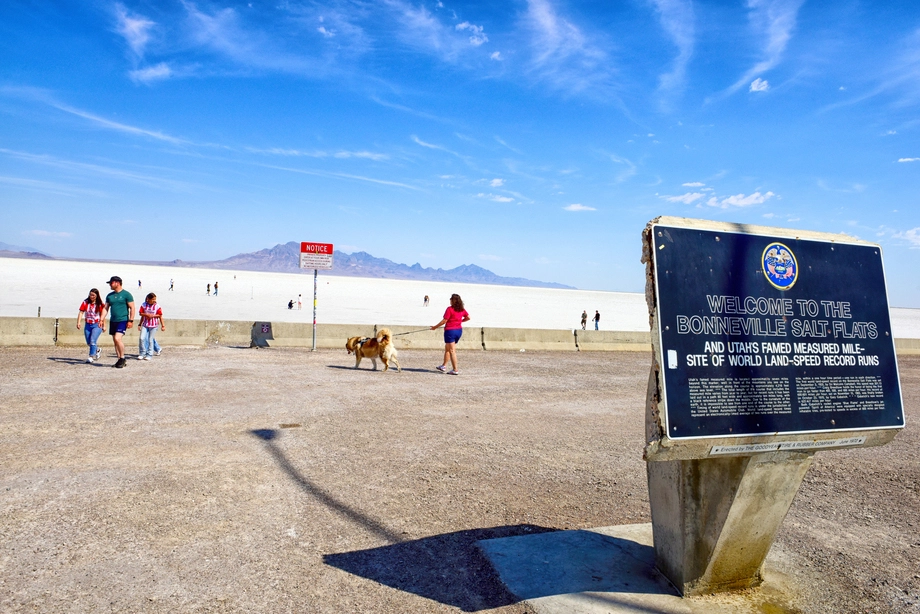 Bonneville Salt Flats – Journey to the Edge of the World
 Salt Lake City – The City of Zion. Historical Interactive Walking Tour
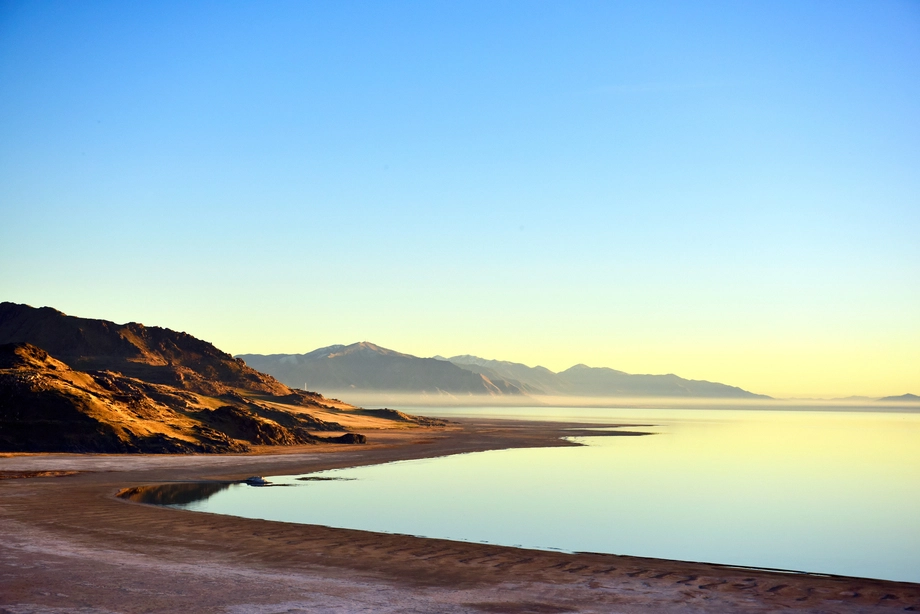 Antelope Island Sunset Wildlife Expedition – Great Salt Lake Odyssey
 Bonneville Salt Flats – Sunset Adventure of the White Desert
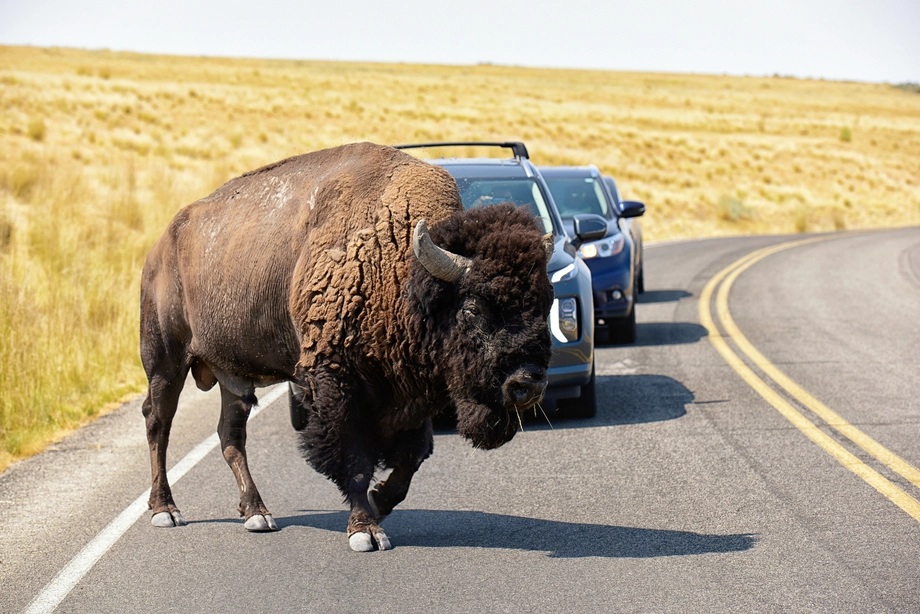 Antelope Island – Wild Heart of the Great Salt Lake Adventure